Tag: COMSATS

  • Exclusive: Pakistani scientist on the verge of curing baldness

    Exclusive: Pakistani scientist on the verge of curing baldness

    Unexpected discoveries have long been a catalyst for scientific research, leading to major breakthroughs in fields ranging from medicine to technology.

    Now, in an unexpected development, scientists have discovered a crucial piece of the puzzle: hereditary baldness, also known as androgenic alopecia.

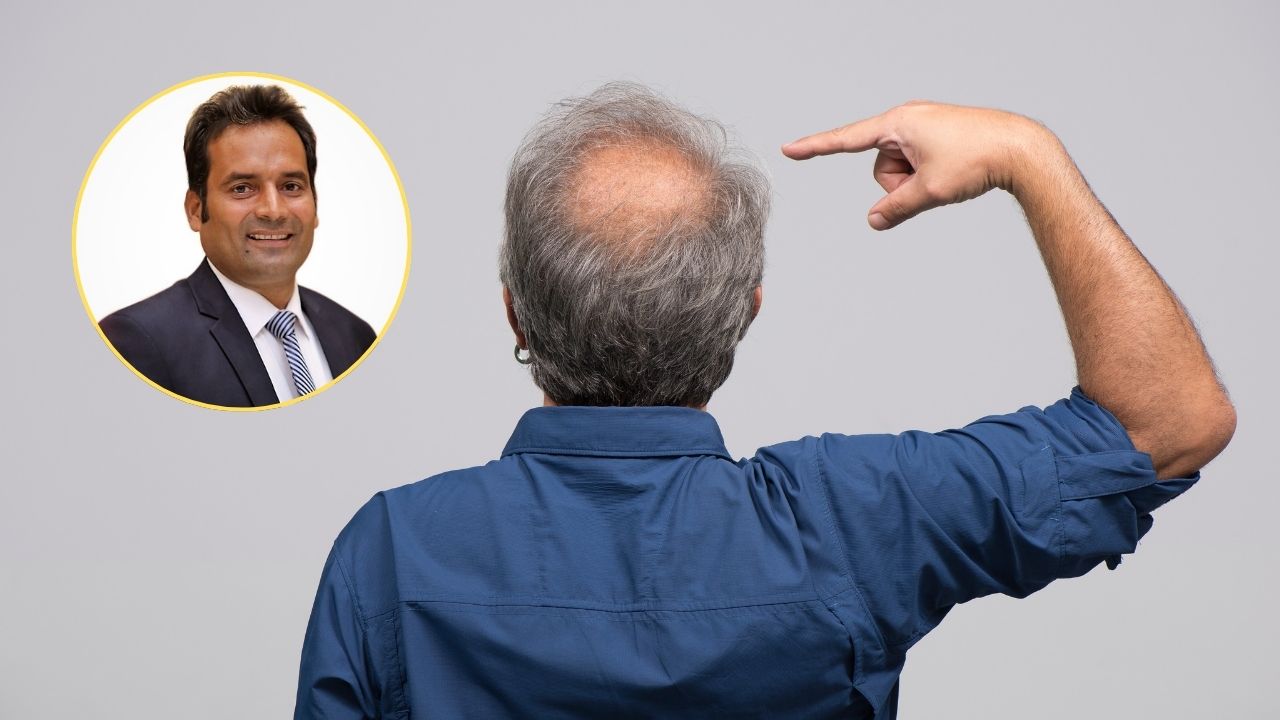
    Dr. Muhammad Yar, a tenured associate professor at COMSATS University Islamabad and a biomaterial researcher, and Sheila MacNeil, an Emeritus Professor of Tissue Engineering at the University of Sheffield in the UK, are the two minds behind this latest development.

    Years ago, Dr. Muhammad Yar was working on the development of biomaterials for advanced wound care i.e. dressings (medical gels) which can help faster healing of chronic wounds, and agents which can support new blood vessels formation known as angiogenesis.

    So, in 2014, during a visit to the University of Sheffield, Dr. Muhammad Yar discussed the angiogenic potential of 2-deoxy-D-ribose with Professor Sheila MacNeil.

    Following their discussion, they decided to test the compound together.

    From chickens to rats

    Initially, when the dressing gel, containing 2-deoxyribose, was tested on chicken fertilised eggs, a lot of new increased blood vessels were seen growing towards tested material.

    “We were really happy and then we went towards patent filing. A company was interested in its commercialization as wound care drafting for diabetic and burn patients,” he recalls.

    The deoxyribose gel was then tested on full-thickness wounds, where it successfully promoted healing. It was, however, also observed that longer and thicker hair grew along the edges of the wounds.

    “We thought that 2-deoxy-D-ribose is doing something else as well. Apart from helping in faster regeneration, it’s helping in faster growth of hair as well,” he says.

    And that is how, after working on the development of wound healing, they dived into the possible baldness treatment.

    They tested the deoxyribose gel on mice with testosterone-driven hair loss and applied a small amount of the gel to their bare areas.

    In weeks time, the fur grew back thicker and longer, showing results comparable to minoxidil, the well-known hair loss treatment sold as Rogaine, which doesn’t actually prevent hair loss and often results in minimal regrowth in some cases.

    “This is working really nicely,” Dr. Muhammad Yar updates on the latest developments.

    Happy news for bald people?

    With ‘impressive results’ in mice, the scientists believe there’s a good chance that 2-deoxyribose will be tested on humans next.

    Dr. Muhammad Yar confirms that while testing on humans is the goal, it will first require further lab work to understand the mechanism of action of 2-deoxyribose and to obtain approvals from regulatory bodies.

    “We are expecting around a year and a half to two years’ time before we test this on humans.”

    If deoxyribose gel proves effective on humans, it could treat alopecia and support hair regrowth after chemotherapy.

    Why does Pakistan lag behind?

    When asked why it’s rare to hear about Pakistani scientists working on groundbreaking research, Dr. Muhammad Yar believes that the key is in translational research.

    “We have to develop something in the lab and put this in the market. This is very, very important for economic uplift in Pakistan as well as for the universities.”

    He also asserts the need for business training programs for faculty and students at Universities.

    “The research which academics are doing at the universities is really important. There is a space in the market evaluation and business knowledge among faculty and students that could help translate these technologies from the lab to the clinic,” he points out.
  • COMSATS director accused of domestic abuse by wife

    COMSATS director accused of domestic abuse by wife

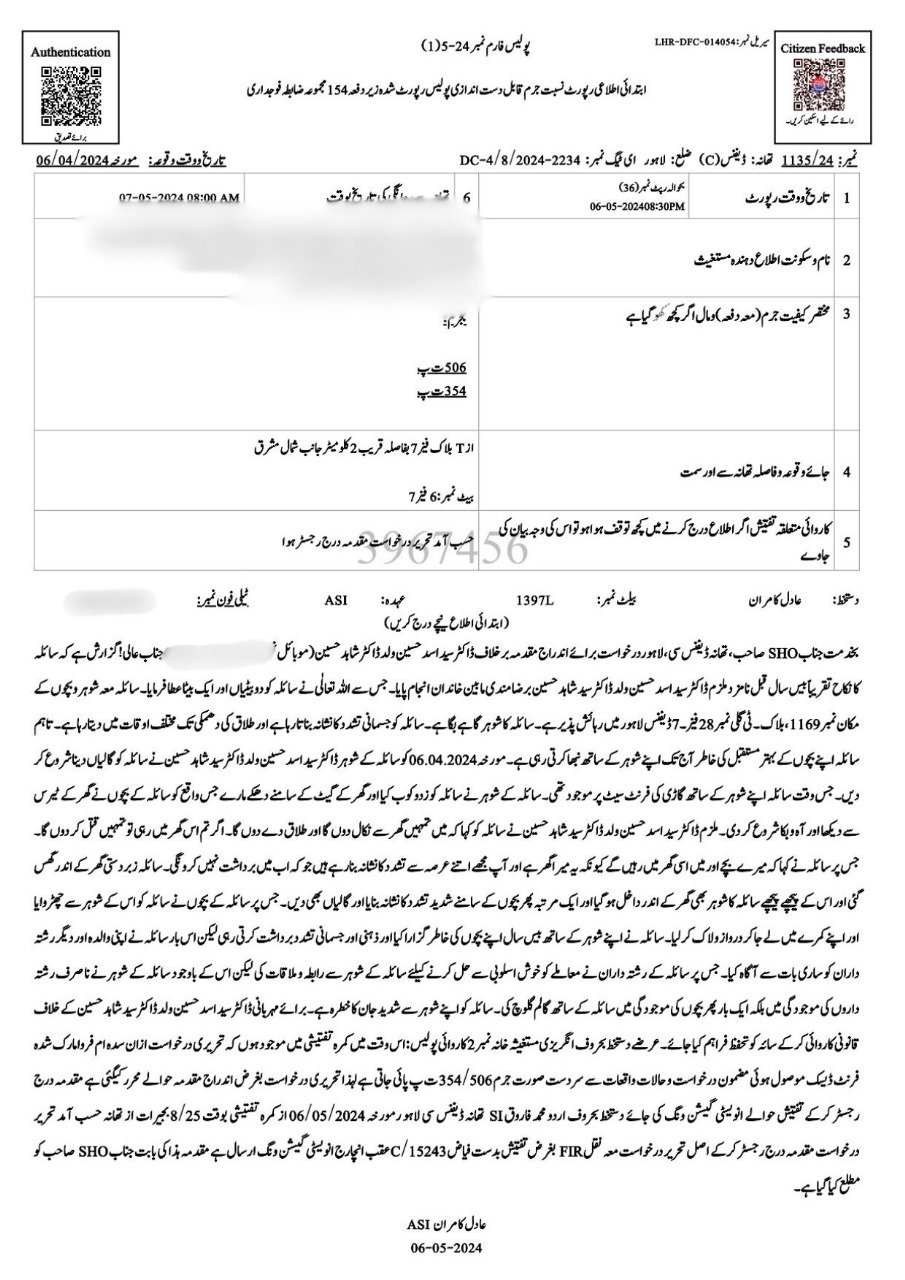
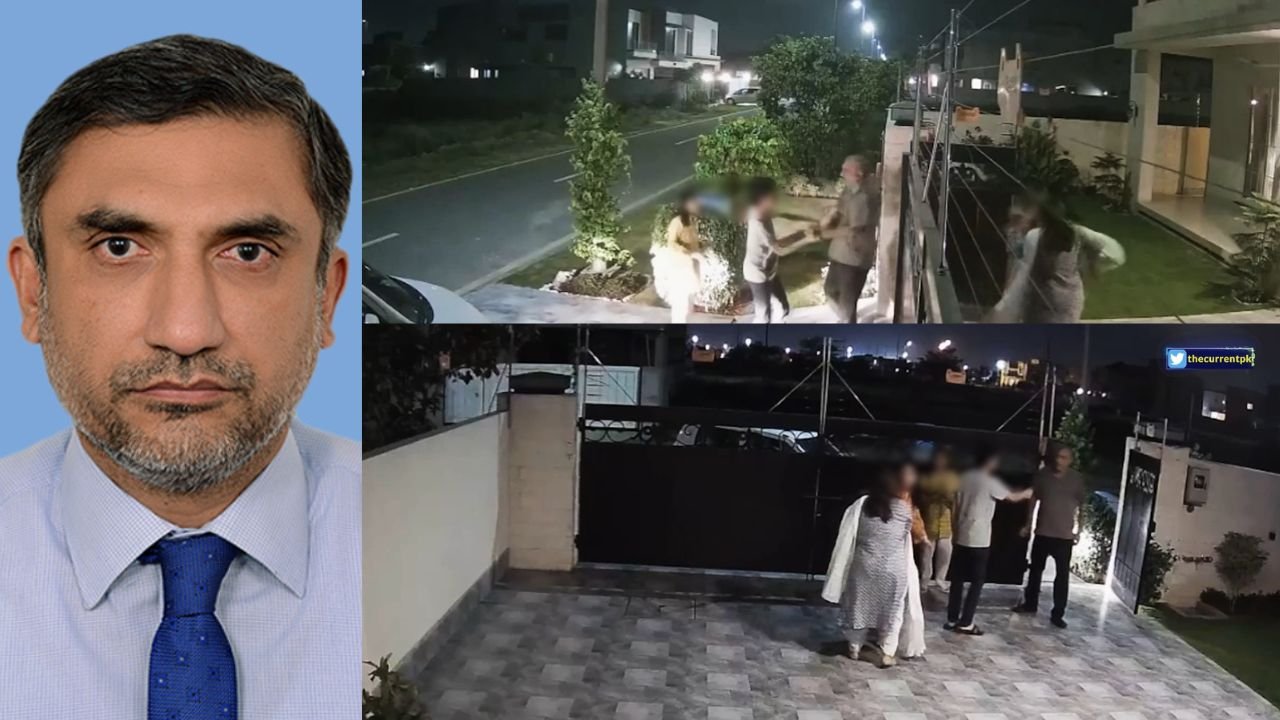
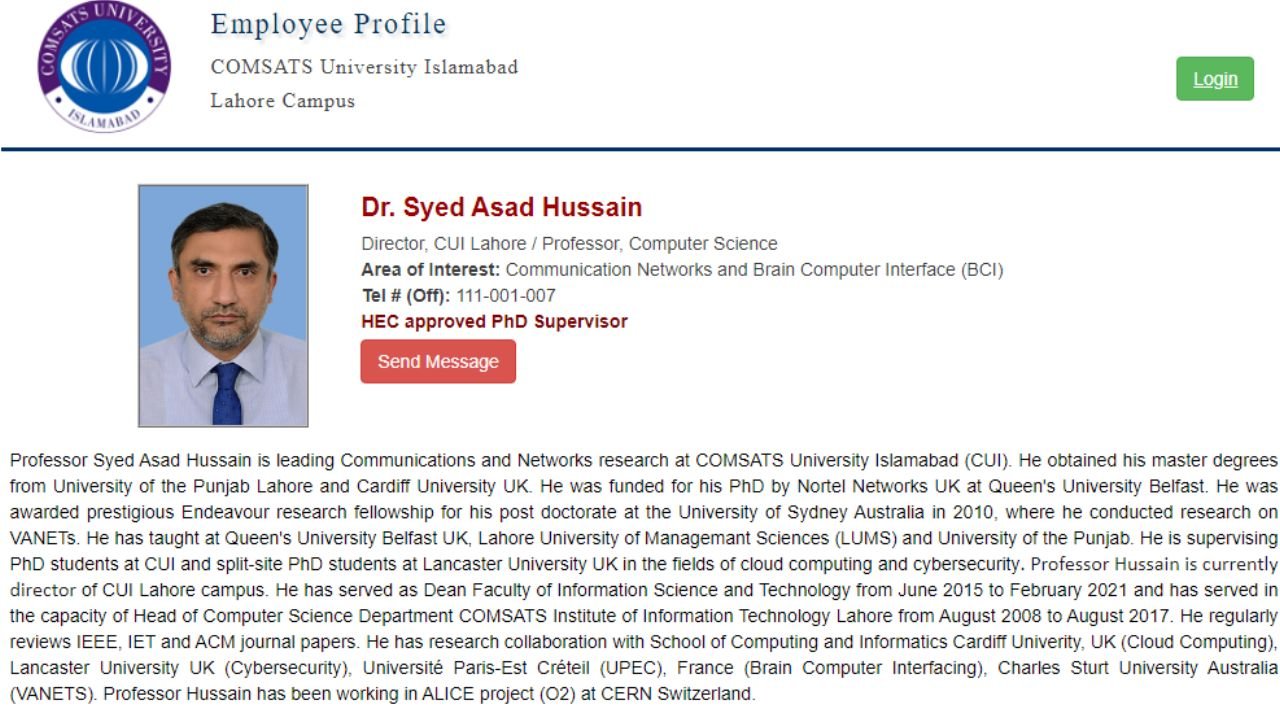
    COMSATS director Dr. Syed Asad Hussain has been accused by his wife of subjecting her to abuse in front of their children.

    CCTV footage available with The Current shows that Asad Hussain, in a fit of fury, pushed his wife. Eventually, their children came out and tried to shield their mother. While the professor did not hold back, the children made an effort to bring the mother inside and expel their father from the gate.

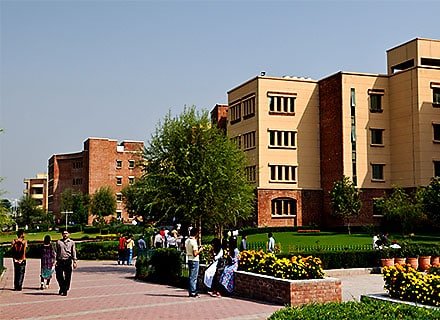
    COMSATS website explains that Dr. Asad Hussain is the Director, having studied at Cardiff University and postgraduate University of Sydney Australia in 2010.

    In the First Investigation Report (FIR) registered with the police of an upscale housing society in Lahore, the victim states that in 20 years of marriage, her husband has allegedly physically abused her multiple times and has threatened her with divorce. However, she kept silent because of her three children.

    On April 3, the husband started cursing her in front of the front gate of the house and pushed her in the car which the children witnessed from the terrace and rushed to help their mother. He again threatened to kick her out of the house or kill her. The children and victim took a stand and told him that the house is theirs. They eventually push him out of the main gate.

    FIR states that while the children and mother tried to reconcile, Dr. Asad misbehaved and hurled abuses at them in front of the extended family. Thus, the victim requested the police to provide her with security as this has put her life at risk.

    The Current has confirmed with ASI Adil Kamran of the police station where the FIR was registered yet no action has taken place till the time the story is being published.

  • ‘Filthy’: Controversial question leads to sacking of COMSAT University lecturer

    ‘Filthy’: Controversial question leads to sacking of COMSAT University lecturer

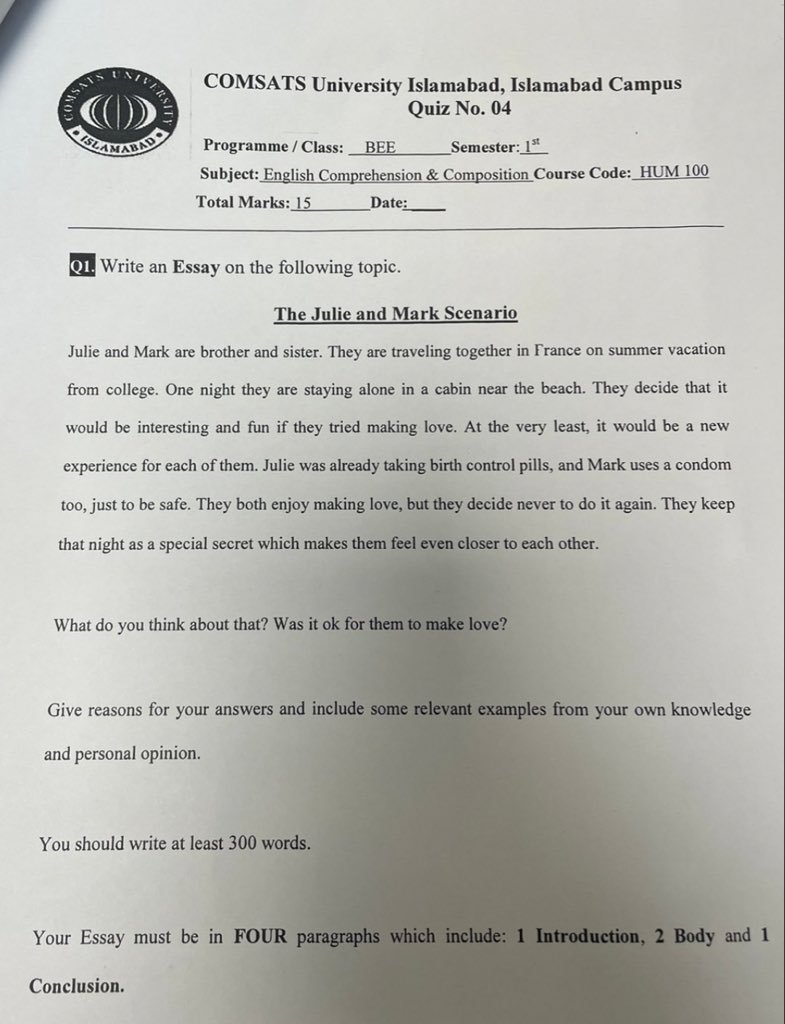
    A visiting-faculty member from COMSATS University has been fired after students from the Electric Engineering department were shocked by the question they had received for their English Composition exam.

    The university administration released a letter addressing the question about incest, and revealed that the lecturer responsible for the quiz has been removed from his position.

    As the question went viral on Twitter, social media users expressed how horrified they were and called it a sign of the destruction of the education system in Pakistan.

    “This is the end of our education system. Such a curse #COMSATS is,” one user wrote.

    Journalist Shama Junejo shared that she had never seen such filth promoted this way

    “I have lived & studied in West since decades,my children have studied in UK since their childhood,I have never seen or read any such filth,what I read in this examination of COMSATS university to promote incest. Whoever designed it,is a sick bastard & must be removed immediately.”

    More twitter users called for strict action to be taken against the University lecturer who had designed this quiz.

  • Twitter reacts to Shahbaz Gill’s wife’s PhD controversy

    Twitter reacts to Shahbaz Gill’s wife’s PhD controversy

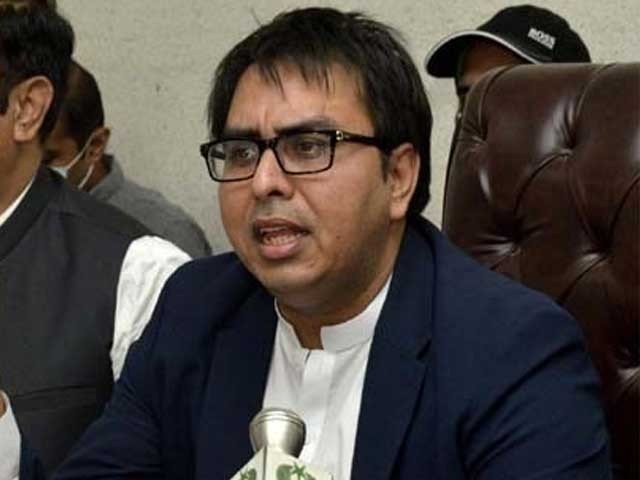
    Pakistan Tehreek-e-Insaf (PTI) leader Shahbaz Gill’s wife Izza Asad Rasool is reportedly found to be owing around Rs18.6 million to the Commission on Science and Technology for Sustainable Development in the South (COMSATS) University of Islamabad.

    According to Geo News‘ reporter Azaz Syed, a show-cause notice has been sent to Rasool in this regard. The university has demanded the payment of official expenses worth $99,000 and Rs86,000, spent on account of Rasool’s tuition fees, her living allowance and airfare.

    According to the notice, Rasool went to the United States (US) in 2011 to pursue an MS leading to PhD studies in the field of Labour and Industrial Relations at the University of Illinois at Urbana-Champaign (UIUC). She was supposed to complete her studies by 2016 and come back to the country but she didn’t. She has been living there since she left for the US.

    Moreover, the notice stated that Rasool could not complete her studies by the due date and she was also irregular in submitting her academic progress reports.

    It is pertinent to mention that at the time when Rasool left for her studies, she was not married to Gill who is an employee of the same American university.

    COMSATS has warned Rasool to respond to the notice within 15 days or they will initiate legal and administrative action against her.

    As per the media outlet, GIll has allegedly been using his influence to threaten COMSATS’ administration in order to avoid action against his wife.

    Responding to the news, Gill termed the news as false. He said that her wife’s PhD is still going on and she will be back as soon as her degree finishes.

    “There is a campaign going on against me and this news is also a part of it. I know who is doing it”, he claimed.

    Following the news, Twitter questioned the unusually long period of Rasool’s degree completion.

  • Pakistan makes e-voting machine to curb election rigging

    Pakistan makes e-voting machine to curb election rigging

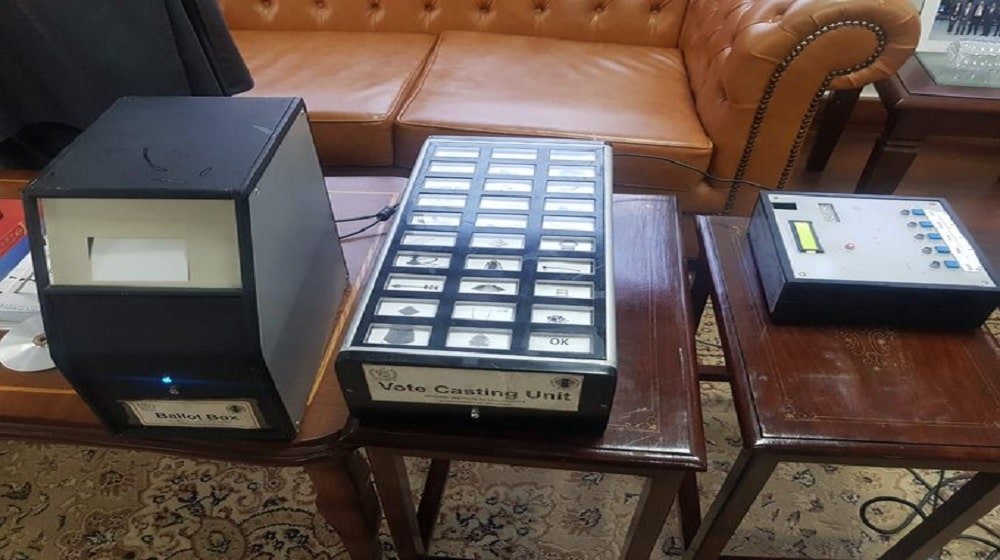
    National Institute of Electronics (NIE) has claimed that their new e-voting machines will halt election rigging and ensure transparency during the general elections.

    Earlier this month, the Ministry of Science and Technology (MoST), NIE, National University of Science and Technology (NUST), and COMSATS University have collaborated to develop indigenous e-voting machine.

    While explaining the voting process through the indigenously manufactured e-voting machine, Technical Research Director of NIE, Kamran Bhatti, said that symbols of all contesting political parties will be visible on the machine for the e-voting machine.

    Voters will only need to press the button of the candidate they want to vote for. A green light on the ballot box of the e-voting machine will notify them that they have successfully cast the vote.

    The e-voting machine will also compile the final tally after the polling ends. The record of the e-voting could be used in courts and also as a reference if the results are challenged.

    The Director of NIE added that voters will be verified through thumb impressions that will be provided by NADRA on the day of general elections.

    He claimed that the NIE e-voting machine cannot be hacked that will ensure the safety of the data of the voters.

    Prime Minister (PM) Imran Khan has been making efforts to introduce an e-voting system in the general elections to ensure impartiality and transparency.

    In November 2020, PM Imran had announced electoral reforms for free and fair elections in the country.

    The reforms included open balloting through a show of hands during Senate elections, an e-voting system for general elections and allowing overseas Pakistanis to cast their votes.

  • COMSATS student dies after management allegedly refuse him medical support

    COMSATS student dies after management allegedly refuse him medical support

    A student from Business Administration (BBA) department Inam in Comsats University Islamabad campus died today due to a severe heart attack and delay in medical treatment.

    His fellow student has claimed that the reason for his death was a heart attack but he could have been saved if medical support was provided to him on time.

    As per reports, Inam got a severe heart attack. Fellow students called for an ambulance but it was unable to respond for 40 minutes.

    One of his classmates also tried to bring his car to take him to the hospital but the guards did not let him and said that personal cars were not allowed to enter. The student passed away before the arrival of the ambulance.

    https://www.youtube.com/watch?time_continue=2&v=xGhwicA71gg

    A massive protest has broken out, and students are
    demanding justice for Inam. They blame administration for the carelessness and
    are of the view that unnecessary restrictions on students’ mobility caused
    Inam’s death. They are calling for the accountability of those responsible for
    a precious life lost.

    Currently, Comsats gates are sealed, and buses are not allowed to leave. The faculty and the management are locked inside the campus.

    https://www.youtube.com/watch?time_continue=9&v=lHokduf9OG8