Tag: COnstruction

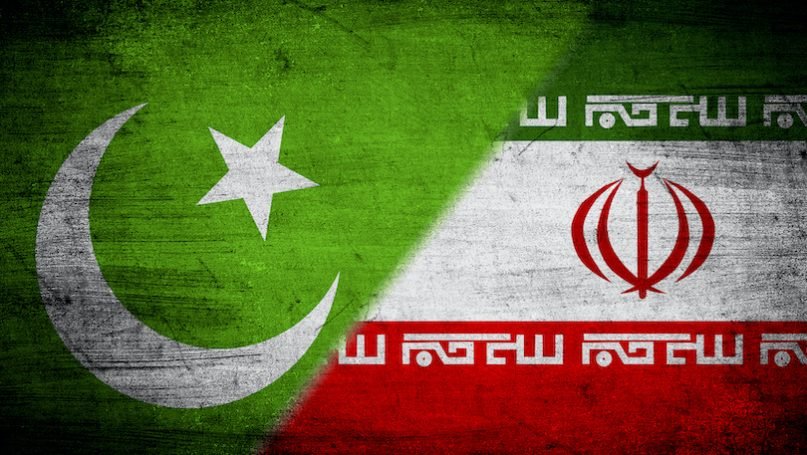
  • US doesn’t support Pak-Iran gas pipeline project

    US doesn’t support Pak-Iran gas pipeline project

    State Department spokesperson Matthew Miller has stated that the United States does not want the gas pipeline project between Pakistan and Iran to continue. “We do not support this pipeline going forward,” he said.

    The State Department’s statement came right after Pakistan’s Petroleum Minister Musadik Malik hinted that Pakistan would “vigorously” present its case to seek US sanctions waiver for the pipeline.

    It is also important to highlight that a few days ago, the foreign ministry’s spokesperson said that Pakistan does not require any country’s permission to move forward with a regional project.

    “We always advise everyone that doing business with Iran runs the risk of touching upon and coming in contact with our sanctions, and would advise everyone to consider that very carefully,” said Matthew Miller.

    The project began in 2009 and to this day Pakistan has not completed any major portion of construction whereas Iran has completed 900-kilometres of pipeline. That’s also why Iran issued a third notice to Pakistan that it would approach arbitration court to seek penalties.

  • Steel prices surge to record high in Pakistan, posing a major challenge for construction sector

    Steel prices surge to record high in Pakistan, posing a major challenge for construction sector

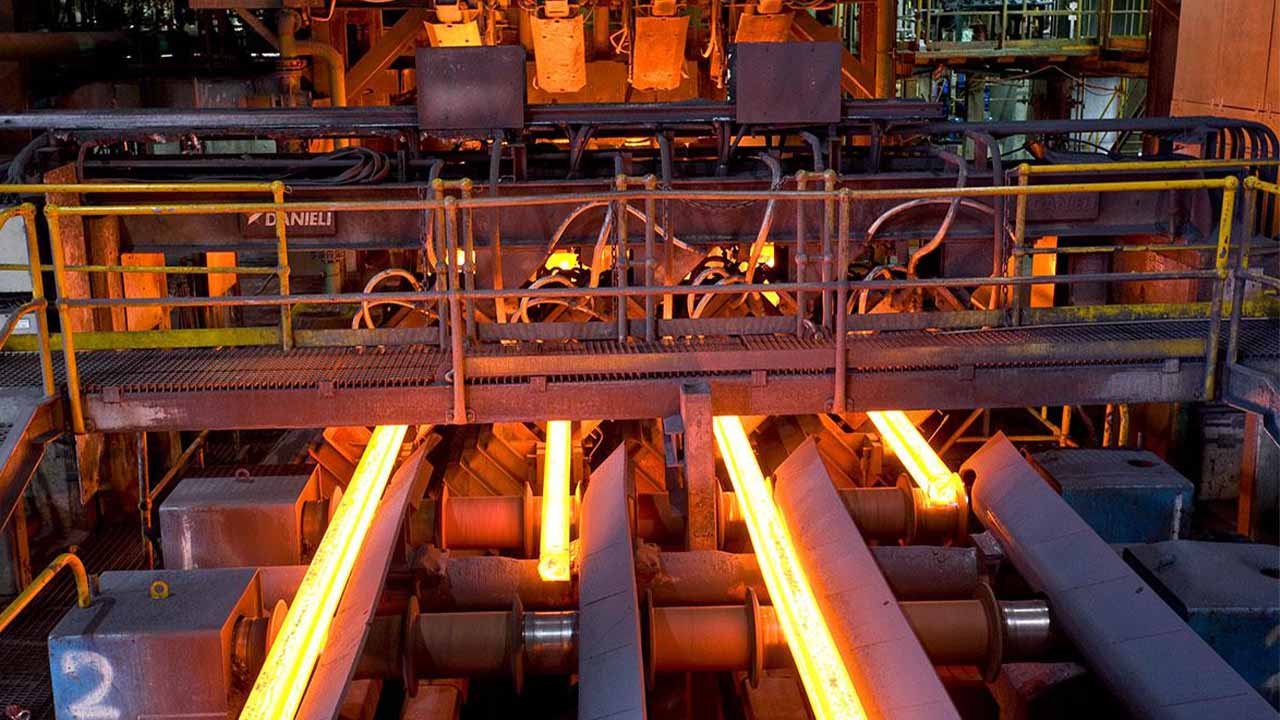
    The construction industry in Pakistan is currently grappling with a formidable challenge as the price of steel, its primary raw material, reaches an unprecedented high. On Monday, leading steel rebars producers announced a substantial increase of Rs5,000 per metric ton, attributing it to a scarcity of raw materials and a significant surge in the basic power tariff.

    According to Samaa, this decision to raise steel prices has sparked concern throughout the construction sector, as the cost of steel now stands at a staggering Rs260,000 per metric ton. Such a sharp escalation in costs has understandably raised eyebrows and placed industry players under mounting pressure to navigate these burgeoning challenges.

    Adding to the predicament is the recent increase in electricity tariffs, further exacerbating the situation and intensifying the strain on steel manufacturers as they grapple with soaring production costs.

    As a result, the construction industry finds itself confronting a multifaceted burden due to the surge in steel prices, impacting various aspects of their operations.

  • Real estate in Pakistan is ‘parking lot’ for untaxed money with support of DHAs and Army, says former FBR chairman

    Real estate in Pakistan is ‘parking lot’ for untaxed money with support of DHAs and Army, says former FBR chairman

    Shabbar Zaidi, the former Chairman of the Federal Board of Revenue in Pakistan, stated that only 300 companies out of the entire business sector in the country pay 70 per cent of the total taxes collected.

    According to Dawn, Zaidi dismissed the claims of some businesses that there were too many taxes in Pakistan and no dividends. He pointed out that the real estate was the “parking lot” of untaxed money, and that with the support of the DHAs and army, a system had been developed to officially launder money through real estate, which had perpetual amnesty in the country.

    He called for removing DHAs from the real estate business as there could not be fair competition between a state institution and private businesses in real estate, and also suggested that plots of land should be confiscated if construction was not done on them.

    Kashif Anwar, the president of the Lahore Chamber of Commerce and Industry, argued in favor of amnesty on undeclared foreign reserves to bring money back to the country.

    In another session, Tassaduq Hussain Jillani, the former Chief Justice of Pakistan, acknowledged that criticism of the Supreme Court for messing up big corporate cases was justified as the judges were not expert at finance and economics.

    Jillani suggested the formation of commercial benches in the SC and high court for such cases. In a session on local governments, Ammar Ali Jan, the general secretary of Haqooq-i-Khalq Party, criticized the absence of local government in the country, citing examples of polluted water and waste management issues.

  • Majority of property owners in London are Indians, followed by English and Pakistani people

    Majority of property owners in London are Indians, followed by English and Pakistani people

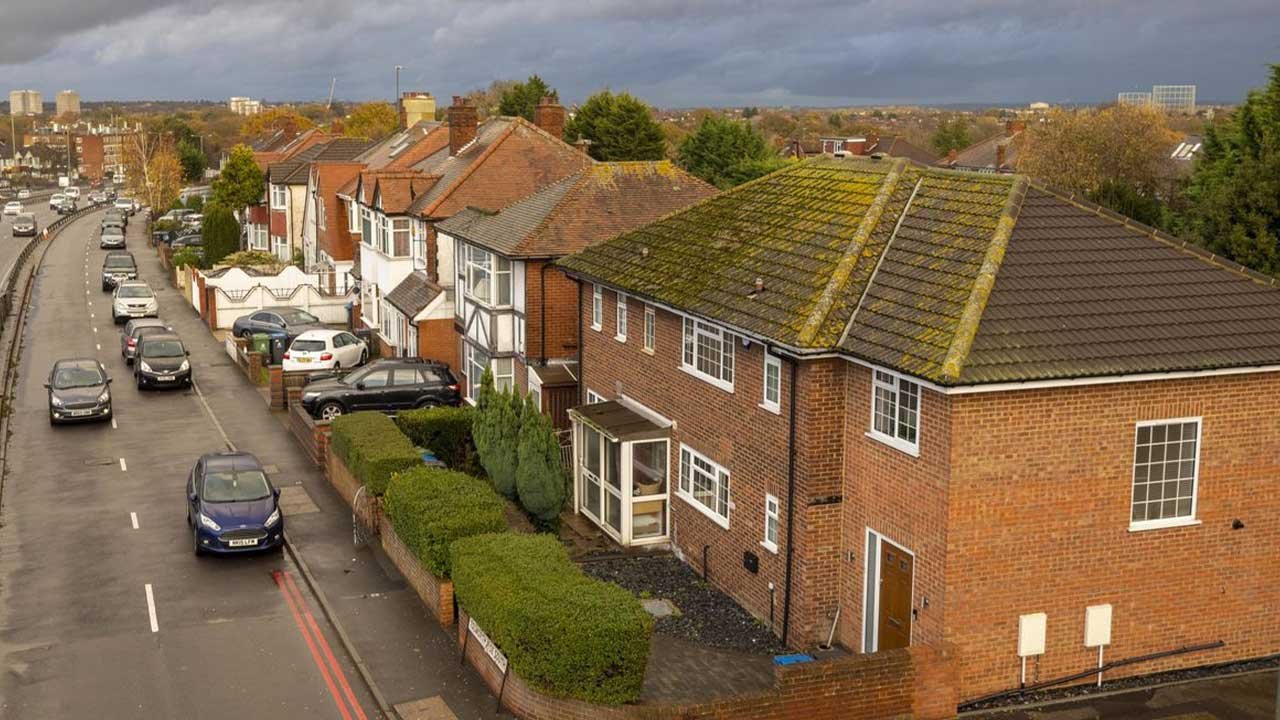
    Indians are among the people who own the most real estate in the capital of the United Kingdom (UK), London, more than the English themselves.

    According to London-based residential developer Barratt London, the largest group of property owners in London are Indians, who are represented by those who have lived in the UK for generations, NRIs, investors from other countries, students, and families who travel to the UK for education. English and Pakistani people are next in number.

    These Indian investors, who reside in both the UK and India, are prepared to spend anywhere between GBP 290,000 and GBP 450,000 for a one, two, or three-bedroom property in London, the nation’s capital.

    “We are seeing a strong demand from Indian investors looking to purchase properties in London and invest in the stable and long-term property market. Outside of London, most of our products are sold to UK residential buyers, who buy these properties and live in them,” Stuart Leslie – International Sales and Marketing Director for Barratt London, told Financial Express.

    In London, 30 per cent of sales are made to pure investors (those who want to use the apartments as rentals), and 30 per cent of those buyers come from foreign markets.

    “This year we have seen a growth in the percentage of Indian homebuyers, who make up 7-8 per cent of the overseas market players. We are really reacting to where the demand is coming from rather than speculating and looking for business,” Stuart Leslie said.

    According to a Knight Frank survey, 10 per cent of India’s UHNWIs intend to purchase a new home in 2022, and they prefer to invest in domestic real estate, followed by homes on the UK, UAE, and US foreign markets.

    London is well-liked by Indian investors and homebuyers because it is a hub for finance and education and one of the major international entry points for investors.

    Additionally, it makes sense for Indian homebuyers to look at the real estate market in London given that the cost per square foot is roughly comparable between London and Mumbai and that the two cities also share a similar legal framework, making transactions simpler.

    “The reason why Indians are comfortable with buying property is because of the market fundamentals and confidence along with a history of Indians investing in houses in London. They’re eager to invest in the UK residential markets because they are getting better returns owing to the exchange rates and market presence presently. It is relatively a safer market in comparison to the UAE or India,” he said.

    In addition to being a “stable market” for residential real estate, the UK has advantages over other international potential markets, such as good weather and quicker travel times.

    Many families and students, especially those from India, relocate to the UK for educational opportunities. According to Stuart Leslie, the number of Indian students applying to UK colleges and universities has surged by 128 per cent in just one year.

    Therefore, there are several reasons why Indians have traditionally preferred to invest in the UK, including the country’s high-quality educational institutions, business-friendly environment, cosmopolitan mindset, language familiarity, and expanding investment opportunities.

    Currently, there is a demand for finished or nearly finished projects since people are looking to move quickly after the pandemic. Barratt London’s common price range for real estate is between GBP 390,000 and GBP 450,000.

    “This is not a price which people normally associate with the London market but with tier-II or tier-III cities. This makes people want to own properties in London rather than smaller cities of the UK,” he said.
  • Pakistan’s cement exports fell  by 82.15 per cent in April 2022

    Pakistan’s cement exports fell by 82.15 per cent in April 2022

    Owing to unpredictable economic and political conditions, cement sales remained weak last month and between July and April 2021-22 (10MFY22), according to All Pakistan Cement Manufacturers Association (APCMA).

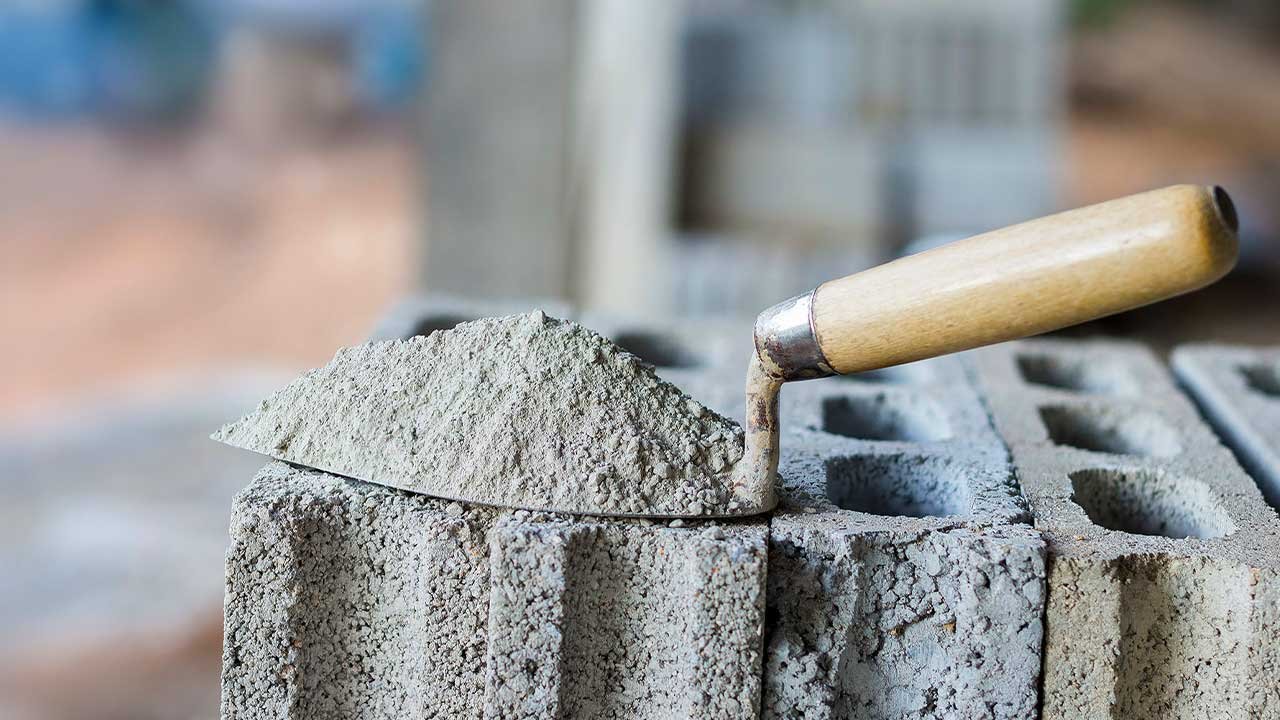
    The sector shipped 3.37 million tonnes of local cement in April 2022, down 17 per cent from 4.06 million tonnes in April 2021, while exports dropped 82.15 per cent from 877,163 tonnes in April 2021 to 156,613 tonnes in April 2022.

    As a result, overall cement sales including local and exports plummeted by 28.6 per cent in April 2022 to 3.52 million tonnes, down from 4.94 million tonnes in April 2021, as per APCMA data.

    North-based cement mills sold 2.8 million tonnes in domestic markets in April 2022, down 17 per cent from 3.3 million tonnes in April 2021. Exports from northern mills declined 75.22 per cent in April 2021, from 250,072 tonnes to 61,971 tonnes.

    According to data from the State Bank of Pakistan (SBP), banks granted Rs180 billion in housing loans in 10MFY22, with Rs57 billion disbursed over the same time. Housing loan applications of Rs409 billion had been received by banks.

    The political and economic instability of March had begun to deter investors in the construction industry, as seen by the APCMA’s domestic April sales figures.

    Read more: CNG prices pushed to Rs140 per kg for sales tax collection

    Moreover, high lending rates of 12.25 per cent effective April 7 and the risk of further rate hikes will impact construction activity, while consumers are already under pressure due to increased living costs, with the CPI for April at 13.37 per cent.

    Owing to record high prices for steel bars, cement, and other construction supplies, people are also cautious to make new investments in building new homes.

  • Teenage dies after home roof falls on him in DHA

    Teenage dies after home roof falls on him in DHA

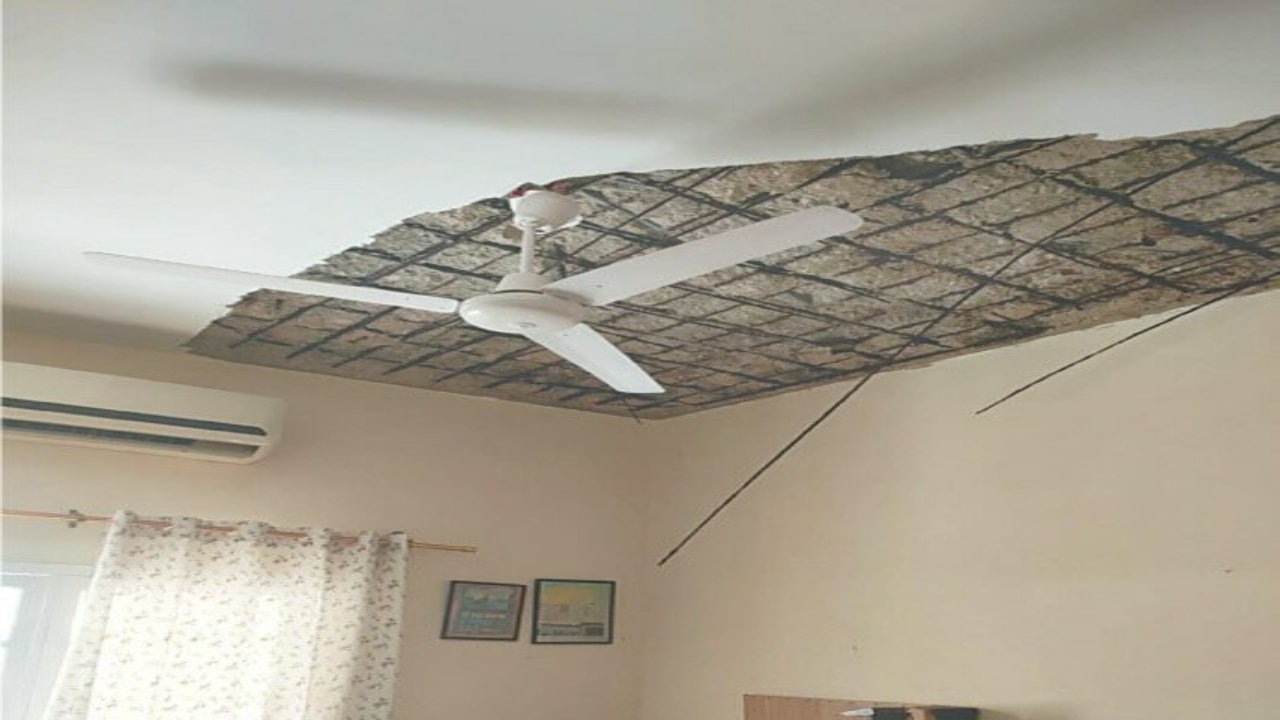
    Mustafa Hashmi, a 17-year-old student at Nixor College, Karachi was killed when a large piece of concrete from his roof broke off and fell on him in Defence Housing Authority (DHA), Phase-VII.

    While speaking to Dawn, his grief-stricken father, Mahmood Hashmi, an architect himself by profession, said that Mustafa was their only son. He was preparing for the A-level examinations and had already appeared in two papers.

    According to him, the family of three got a portion on rent around six months ago. They were told to get the house repaired with their own finances, which they did.

    He recalled that on 26 Ramzan, he and his wife Khadija Hashmi and their son were asleep in the room when a heavy thick piece of concrete slab fell on them. The parents remained safe however the concrete piece fell on Mustafa’s head.

    “My son died in his sleep as he did not cry or utter any word,” Hashmi recalled.

    The father complained that a private hospital refused to give them Mustafa’s death certificate and cited legal complications.

    He then took his son to the Jinnah Postgraduate Medical Centre to get a death certificate where he used sifarish (recommendation) to get it.

    “My son died due to negligence; had the owner maintained its repair properly, my son would have been alive today,” said the father.

    He said he might not seek legal proceedings.