Tag: construction sector

  • Pakistan’s cement exports jump by 78.23% to over $32 million in May 2024

    Pakistan’s cement exports jump by 78.23% to over $32 million in May 2024

    Pakistan’s cement exports have experienced a significant increase of 40.46 per cent during the first eleven months of the financial year 2023-24, compared to the same period last year.

    According to the Pakistan Bureau of Statistics (PBS), cement exports reached US $236.797 million from July to May 2023-24, up from US $168.583 million during the corresponding period of 2022-23.

    The volume of cement exports also saw a substantial rise, surging by 66.78 per cent. The exported quantity increased from 3,707,427 metric tonnes to 6,183,117 metric tonnes over the same period.

    In a year-on-year comparison, cement exports for May 2024 showed a remarkable increase of 78.23 per cent, totalling US $32.251 million, compared to US $18.095 million in May 2023.

    Additionally, on a month-on-month basis, cement exports grew by 28.62 per cent in May 2024, rising from US $25.074 million in April 2024, as reported by the PBS.

    These figures highlight a robust growth trajectory for Pakistan’s cement industry, indicating strong demand and a positive outlook for the sector.

  • Steel prices surge to record high in Pakistan, posing a major challenge for construction sector

    Steel prices surge to record high in Pakistan, posing a major challenge for construction sector

    The construction industry in Pakistan is currently grappling with a formidable challenge as the price of steel, its primary raw material, reaches an unprecedented high. On Monday, leading steel rebars producers announced a substantial increase of Rs5,000 per metric ton, attributing it to a scarcity of raw materials and a significant surge in the basic power tariff.

    According to Samaa, this decision to raise steel prices has sparked concern throughout the construction sector, as the cost of steel now stands at a staggering Rs260,000 per metric ton. Such a sharp escalation in costs has understandably raised eyebrows and placed industry players under mounting pressure to navigate these burgeoning challenges.

    Adding to the predicament is the recent increase in electricity tariffs, further exacerbating the situation and intensifying the strain on steel manufacturers as they grapple with soaring production costs.

    As a result, the construction industry finds itself confronting a multifaceted burden due to the surge in steel prices, impacting various aspects of their operations.

  • Punjab increases govt employees’ pay by 30%, pensioners above 80 to receive 20% raise

    Punjab increases govt employees’ pay by 30%, pensioners above 80 to receive 20% raise

    In a significant development, the interim Punjab cabinet, headed by caretaker Chief Minister Mohsin Naqvi, has approved the provincial budget for the initial four months of the fiscal year 2023-24. The cabinet meeting, held on Monday, saw the endorsement of several key measures aimed at providing relief to the people and promoting various sectors of the economy.

    One of the major highlights of the budget is a 30 per cent increase in salaries for government employees, which will be implemented as an ad hoc relief. This decision is expected to bring significant relief to public servants who have been facing the brunt of rising costs of living. Additionally, pensioners above the age of 80 will receive a 20 per cent increase in their pensions, acknowledging their valuable contributions to society.

    The Punjab cabinet has also taken a bold step to stimulate business growth in the information technology and education sectors. By withdrawing all duties and taxes, the provincial government aims to create a favorable environment for these industries, fostering innovation and progress. An allocation of Rs70 billion has been set aside to provide relief to the people over the course of the first four months of the fiscal year.

    Addressing concerns related to the construction sector, the cabinet rejected a recommendation to increase stamp duty by up to 3 per cent. Instead, it approved fixing the stamp duty ratio at 1 per cent, thereby promoting the growth of the construction industry and encouraging investment in the sector.

    Recognizing the importance of agriculture, the cabinet allocated over Rs47 billion to support and enhance the sector. This move demonstrates the government’s commitment to bolstering the agricultural industry, which plays a crucial role in the province’s economy and livelihoods of the rural population.

    Furthermore, the interim setup has pledged to complete 50 per cent of ongoing development projects within the first four months of the new fiscal year. This ambitious target showcases the government’s determination to prioritise infrastructure development and provide better facilities for the citizens.

    The cabinet’s focus on critical sectors also extends to education and healthcare. An increase of up to 31 per cent in the budget allocation for education and health has been approved for the initial four months of the fiscal year. This decision reflects the government’s commitment to improving access to quality education and healthcare services across Punjab.

    The cabinet’s proactive approach toward promoting technological advancements is evident through the approval to establish an information technology park within the Lahore Knowledge Park. This venture aims to create a hub for technology-driven innovation and attract investment to the region.

    In a noteworthy move, the cabinet also approved the establishment of an endowment fund worth Rs1 billion for journalists. This step recognises the vital role played by journalists in society and aims to support and encourage their professional growth.

    Chief Minister Mohsin Naqvi emphasised that the Punjab budget does not impose any new taxes on the people, providing further relief to the general public. He commended the chief secretary, Planning and Development Board chairman, Punjab finance secretary, and their teams for their diligent efforts in presenting a people-friendly budget.

    The cabinet meeting was attended by provincial ministers, advisors, and secretaries of relevant departments, signaling a collaborative approach to decision-making and ensuring the inclusivity of various stakeholders.

    With the interim Punjab cabinet’s approval of this budget, the province is poised to embark on a path of economic growth, development, and improved quality of life for its citizens.
  • Did PM Imran just give the corrupt a chance to whiten their black money?

    Did PM Imran just give the corrupt a chance to whiten their black money?

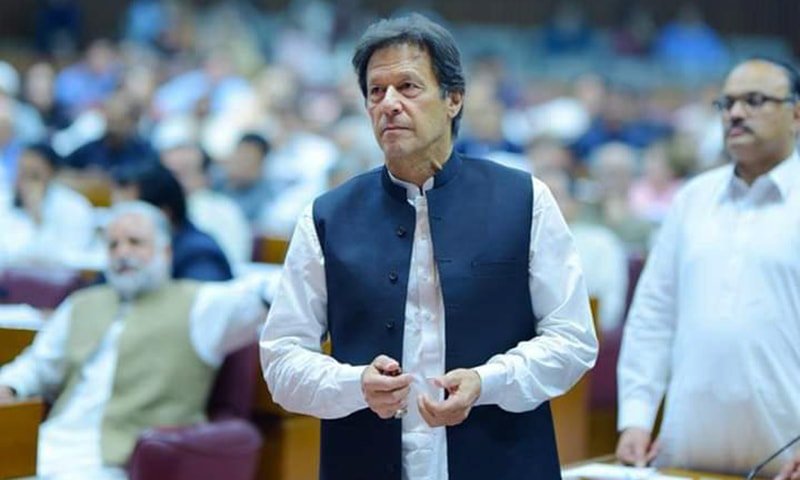
    With Prime Minister (PM) Imran Khan offering amnesty for the construction sector, netizens are expressing their “disappointment” at what they say is the premier “flip-flopping on his ideals to hold the corrupt accountable”.

    PM Imran on Friday gave the status of industry to the construction sector, as he announced opening of the sector along with a package of incentives to boost it with a view to keeping the wheels of economy moving and mitigate the impact of the lockdown on people.

    Speaking to reporters after a meeting of the National Command Centre, the PM said the government provided these exemptions to provide employment to the labourers so that they can be saved from “hunger and the coming difficult circumstances”.

    In line with the relief package, the government will not ask construction entities about their source of income for this year as well as approval of a fixed tax regime for the sector.

    The PM said: “This [move] will bring down the amount of tax to be paid. Also, if the investment is for the Naya Pakistan Housing Scheme, we will exempt 90% of the tax on it.”

    He announced an Rs30bn subsidy for the Naya Pakistan Housing Scheme, saying that on the one hand, it will regulate economic activity and on the other, ensure houses for the poor were also built.

    He also said that withholding tax on materials and services had been abolished in the informal sector. “Tax will be collected only on steel and cement, mainly because these are the formal sectors.”

    Here’s what Twitterati have to say in this regard:

    Meanwhile, some resorted to meme-ing it out:

    What do you think of the incentives announced by the PM? Let The Current know in the comments…