Tag: consumer electronics

  • Imported mobile phones priced above Rs139,000 to become 25% more expensive

    Imported mobile phones priced above Rs139,000 to become 25% more expensive

    Prepare for a pinch in your pocket as the cost of imported mobile phones is set to rise in Pakistan.

    The Finance Bill 2024 has introduced a hefty 25 per cent sales tax on smartphone imports, along with IMEI registration, as part of the 2024-25 budget.

    This tax applies to phones valued above PKR 139,312 ($500), which includes most high-end and premium models.

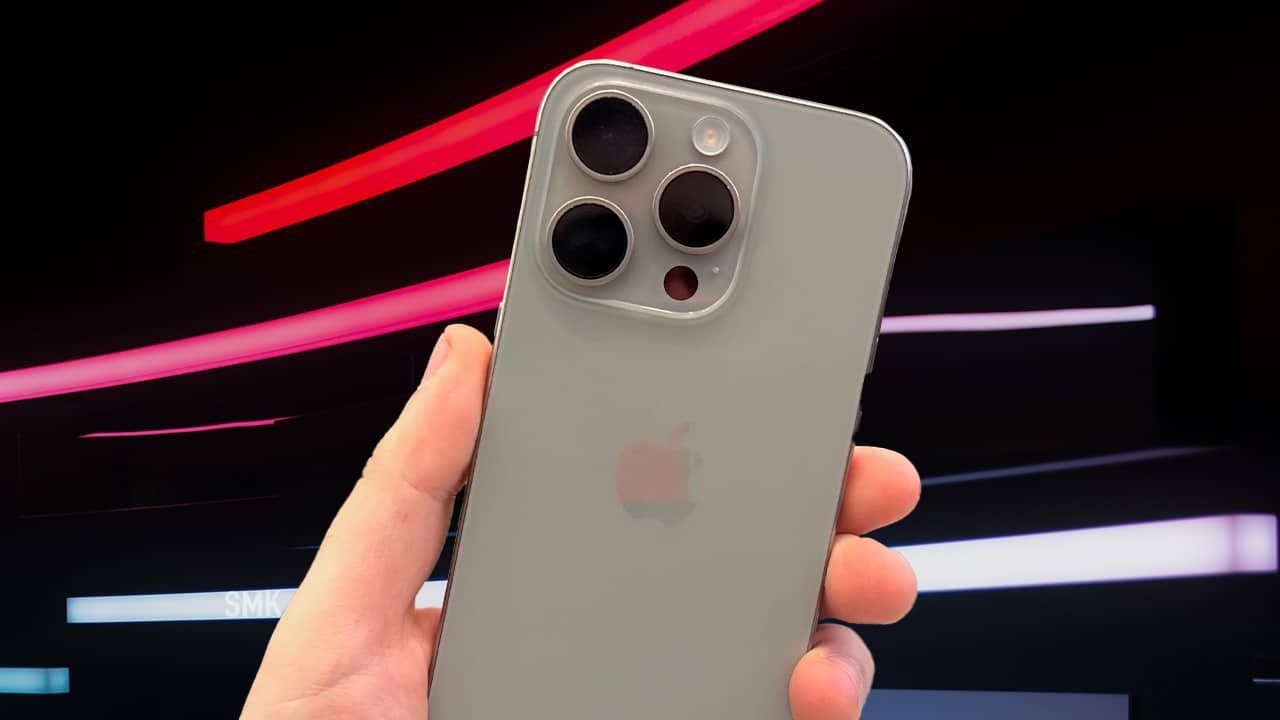
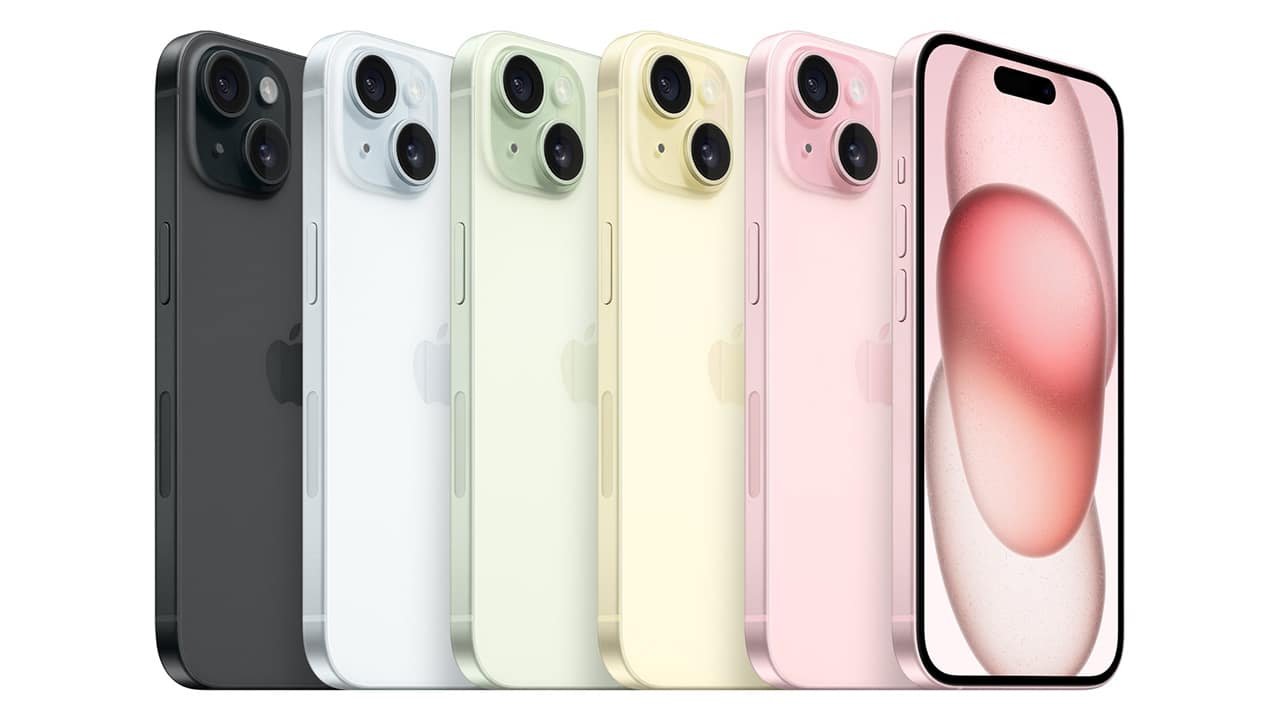
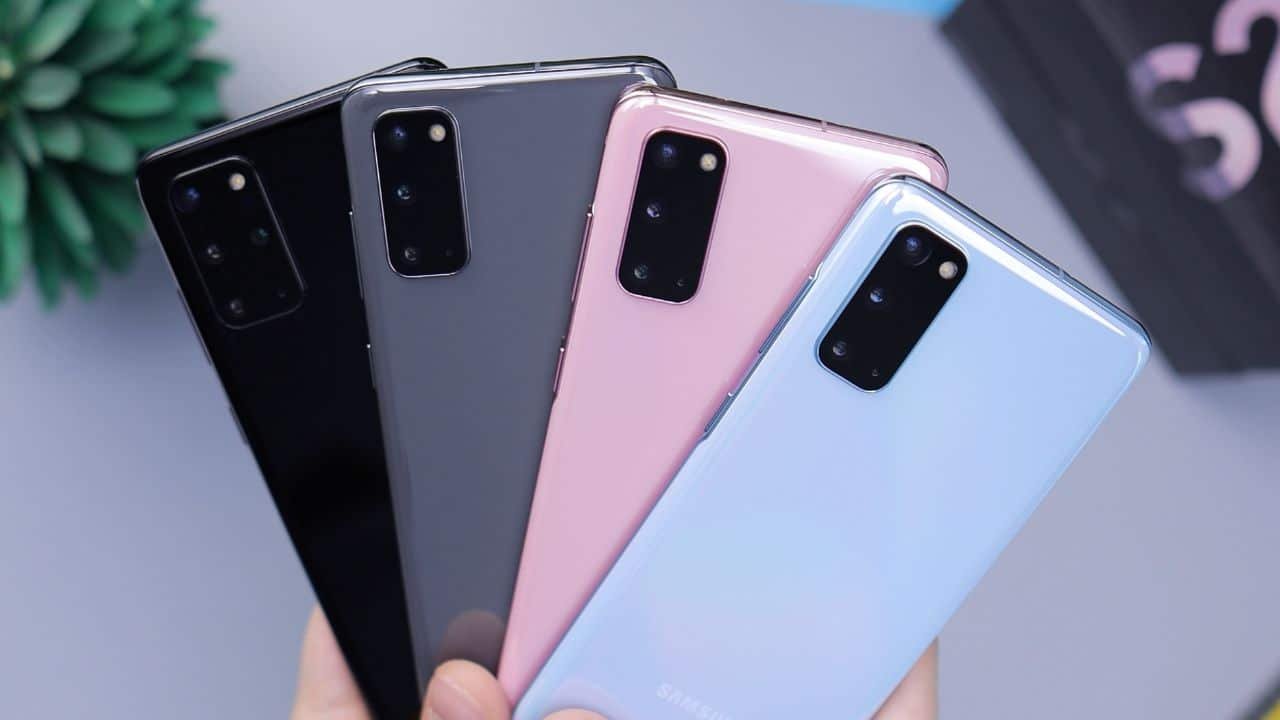
    Popular flagships like the Samsung Galaxy S series and upcoming iPhones such as the iPhone 15 and iPhone 14 are among those affected. With their prices already soaring above Rs139,000, this tax increase will hit consumers hard.

    But there’s a twist: the 25 per cent tax only applies to fully assembled phones priced above $500. Phones in various stages of assembly, as well as locally manufactured ones, will still be taxed at 18 per cent, regardless of their value.

    For phones priced below $500, a flat 18 per cent tax rate will be applied, whether they’re fully assembled, partially assembled, or not assembled at all.

    This move is expected to boost government revenue by around Rs33 billion. So, brace yourselves for higher phone bills in the near future.

  • Apple’s iPhone sales decline by 24% in China, while Huawei’s sales surge

    Apple’s iPhone sales decline by 24% in China, while Huawei’s sales surge

    In the first six weeks of 2024, Apple experienced a significant downturn in iPhone sales in China, facing a 24 per cent year-on-year decrease, according to a report by research firm Counterpoint.

    The decline was attributed to heightened competition from local rivals, notably Huawei, which witnessed a remarkable 64 per cent increase in unit sales during the same period.

    Apple, once holding the second position in the Chinese smartphone market in 2023 with a 19 per cent market share, now finds itself in fourth place with a reduced share of 15.7 per cent.

    On the other hand, Huawei climbed to second place, expanding its market share from 9.4 per cent to 16.5 per cent year-over-year.

    Counterpoint’s senior analyst, Mengmeng Zhang, explained the dynamics, stating that Apple faced formidable competition from a resurgent Huawei at the high end while also encountering pricing pressures from domestic brands like OPPO, Vivo, and Xiaomi in the middle segment.

    To counteract the decline, Apple initiated measures such as subsidising certain iPhone models by up to 1,300 yuan ($180.68) through flagship stores on Tmall, Alibaba’s major marketplace platform.

    Earlier, the company had offered discounts of up to 500 yuan on its official sites.

    Huawei’s resurgence in premium smartphone sales was attributed to the successful release of its Mate 60 series in August.

    Overcoming years of challenges posed by US restrictions on key component exports, Huawei managed to reclaim its position in the market.

    Additionally, Honour, the smartphone brand that separated from Huawei in 2020, witnessed a 2 per cent increase in unit sales, making it the only other top-five brand to experience growth in the first six weeks of the year.

    Contrastingly, Chinese brands Vivo, Xiaomi, and Oppo faced declines of 15 per cent, 7 per cent, and 29 per cent, respectively, highlighting the fiercely competitive landscape in the Chinese smartphone market.

    Overall, the report indicates a 7 per cent shrinkage in the country’s smartphone market during this period.

  • iPhone 15’s remarkable sales performance surpasses iPhone 14

    iPhone 15’s remarkable sales performance surpasses iPhone 14

    Apple announced a remarkable performance in its earnings for the September quarter, with a notable year-over-year increase in iPhone revenue, despite only a brief period of iPhone 15 sales factored into the results.

    However, other hardware divisions within the company experienced declines, leading to a fourth consecutive quarter of overall sales downturns. Apple generated $89.5 billion in revenue for the quarter.

    CEO Tim Cook expressed that the iPhone 15 lineup exhibited stronger early traction compared to the 14 series.

    He stated, “When you examine the performance of the iPhone 15 during that period and compare it to the iPhone 14 in the same timeframe last year, the iPhone 15 outperformed the iPhone 14.” Cook also noted that the Pro and Pro Max models were currently facing supply constraints.

    The Mac division encountered a substantial 34 per cent decline in revenue year over year, prompting Apple to hold its M3 event earlier in the week, where they introduced updated MacBook Pros and a refreshed iMac.

    Cook characterised the current PC consumer market as “challenging” and expressed optimism for a better quarter for the Mac in the upcoming December quarter, citing the presence of the M3 and new products.

    iPad revenue saw a 10 per cent decrease due to the absence of recent models, while wearables revenue experienced a more modest 3 per cent decline.

    Apple’s services unit continued to be a reliable source of revenue, with a 16 per cent year-over-year increase. Cook highlighted that “every main service achieved a record.”

    Looking ahead to the holiday shopping season, Apple’s CEO is optimistic about the company’s position, stating, “We now offer our most robust product lineup ever for the holiday season, including the iPhone 15 series and our first carbon-neutral Apple Watch models, a significant milestone in our commitment to making all Apple products carbon neutral by 2030.”

  • Here’s why you should think twice before buying the Apple iPhone 15

    Here’s why you should think twice before buying the Apple iPhone 15

    In 2023, Apple’s iPhone 15 lineup presents consumers with a challenging decision. Despite Apple’s claims of the iPhone 15 being a “significant leap,” the improvements over the iPhone 14 are subtle, and the iPhone 14 itself closely resembled the iPhone 13. 

    With a $200 (PKR 59,300), price difference between the iPhone 15 and the iPhone 15 Pro, recommending the base iPhone 15 becomes a tough call. Here’s why:

    Display difference

    The iPhone 15 features a slightly updated display with a dynamic island cutout and improved brightness. However, the core display remains unchanged—it’s a 6.1-inch Super Retina XDR OLED screen with the same resolution and a standard 60 Hz refresh rate. 

    This becomes a noteworthy drawback when compared to the 15 Pro’s impressive 120Hz LTPO OLED display, which also retains the exclusive Always-On Display (AOD) feature. Additionally, the 15 Pro sports slimmer bezels, enhancing its overall sleekness compared to the vanilla 15.

    Performance gap

    Under the hood, the iPhone 15 is powered by the A16 chipset, which is an evolutionary update over the A15 found in the previous two generations. It includes a 6-core CPU (2 performance and 4 efficiency cores), a 5-core GPU, and a 16-core neural engine. While it’s manufactured using a more advanced 4nm process compared to the older 5nm A15 in the iPhone 14, real-world performance gains, as seen in last year’s iPhone 14 Pro, are subtle at best.

    On the flip side, the 15 Pro introduces the groundbreaking 3nm Apple A17 Pro chip, a first in the market. It promises a 10% boost in CPU performance and a 20% improvement in GPU capabilities. Apple also aims to enhance gaming on the 15 Pro series with titles like Resident Evil Village and Assassin’s Creed Mirage, benefiting from hardware-accelerated Ray Tracing.

    RAM matters

    Notably, there’s a 2GB RAM difference between the base iPhone 15 and the Pro models. The iPhone 15 is equipped with 6GB of RAM, while the 15 Pro boasts 8GB. This discrepancy should result in better long-term support and multitasking capabilities for the Pro models.

    While the iPhone 15 enjoys a 48MP main camera sensor upgrade, the best camera features are reserved for the Pro models. The 15 Pro features a larger 48MP main sensor with advanced features like pre-binned pixels, a wider aperture, and superior stabilization. It also exclusively supports ProRAW image capture, maximising the sensor’s potential with Apple’s computational photography enhancements.

    Furthermore, the 15 Pro includes a telephoto module with 3x optical zoom, a feature missing from the vanilla iPhone 15. The Pro also offers versatile digital zoom modes for portrait shots, with the option to choose a default focal length. Selfies on the 15 Pro benefit from OIS on the 12 MP front-facing camera.

    Advanced capabilities

    The new A17 chip equips the 15 Pro models to capture impressive 4K 60fps video in ProRes RAW, along with support for the ACES colour profile and 3D spatial videos, enhancing compatibility with the Vision Pro headset.

    USB-C speed disparity

    Both models embrace USB-C, but the base iPhone 15 disappointingly retains USB 2.0 speeds, offering a maximum transfer rate of 480 Mbit/s. In contrast, the 15 Pro features a USB Type-C 3.0 connector, delivering speeds of up to 10 Gbps, more than 20 times faster. 

    This becomes particularly significant for transferring large video files and shooting 4K 60 fps ProRes videos directly onto an external SSD, a valuable addition for videographers. However, it’s worth noting that Apple supplies USB 2.0 Type-C cables with all new iPhone 15 models.

    If price plays a pivotal role in your decision, you can still opt for the iPhone 13, available from Apple at a reduced starting price of $599.
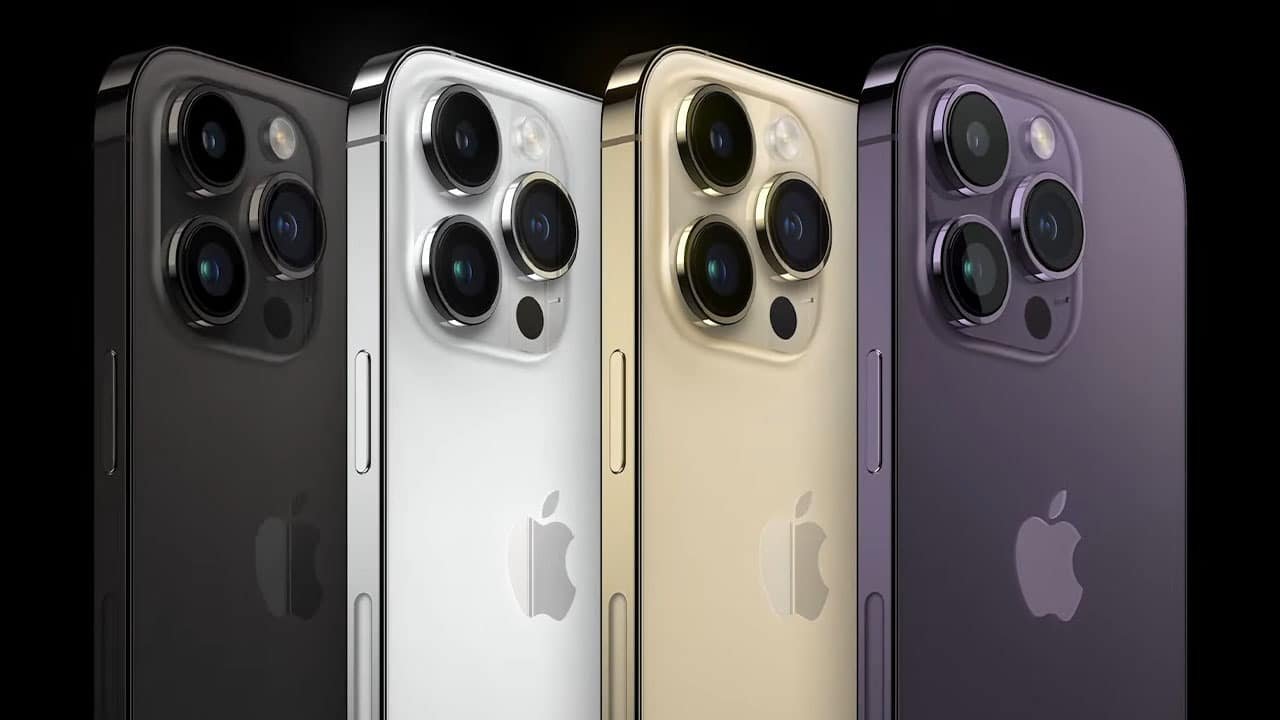
  • iPhone 14 owners unhappy as battery health capacity drops to 90% in less than a year

    iPhone 14 owners unhappy as battery health capacity drops to 90% in less than a year

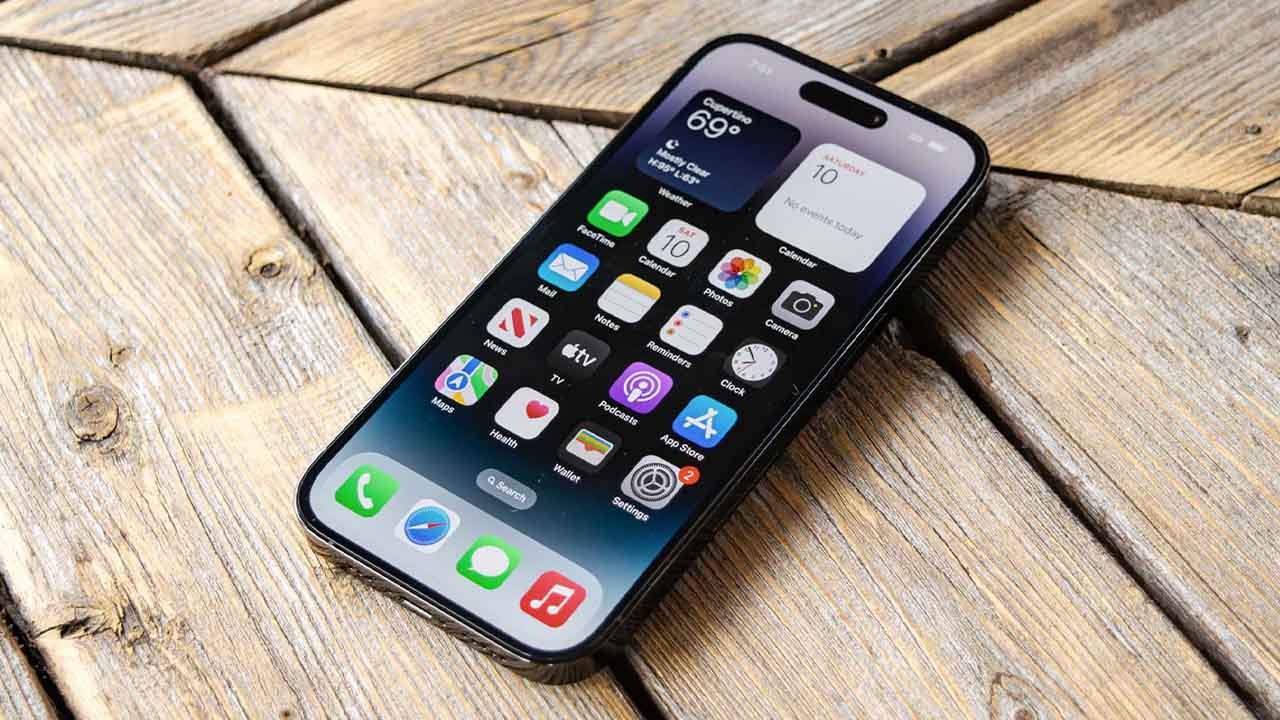
    Some iPhone 14 and iPhone 14 Pro users are facing a familiar issue, similar to the “batterygate” problem of the past. They’re noticing their phones’ battery performance deteriorating faster than expected, even though they’ve only had the phones for less than a year.

    For instance, Sam Kohl from AppleTrack tweeted in July that his iPhone 14 Pro’s battery had already dropped to 90 per cent of its maximum capacity. This is much quicker than his previous iPhones. Many others are sharing similar experiences in the thread.

    Kohl even made a video recently talking about this problem. He finds it hard to recommend the phone, especially because it costs $999.

    According to Apple, iPhone batteries should still have around 80 per cent of their original capacity after 500 full charge cycles. There are rumours that the upcoming iPhone 15 series will have 10–18 per cent larger batteries compared to the current models.

    According to The Verge, other people are also facing similar battery issues. Joanna Stern, a tech columnist, mentioned in a recent newsletter that her iPhone 14 Pro’s battery capacity dropped to 88 per cent. Reports from the Verge community show mixed results, with some iPhone 14 Pros at 93 per cent, 91 per cent, and 97 per cent capacity. In the past, most phones didn’t see this kind of drop until they were at least two years old.

    On top of this, replacing the battery for an iPhone 14 or iPhone 14 Pro after the one-year warranty is more expensive. It used to cost $69, but now it’s $99. However, if you’re up for it, you can try a DIY approach or find a third-party repair shop.

    The battery health monitor for iPhones was added in the same update that allowed users to control performance throttling, which was a big part of the batterygate issue. Apple said this throttling was meant to protect the phones from ageing batteries, and it led to some legal actions.