Tag: Consumer Price Index

  • Govt reduces petrol price by Rs8 to Rs259.34 per litre for next fortnight

    Govt reduces petrol price by Rs8 to Rs259.34 per litre for next fortnight

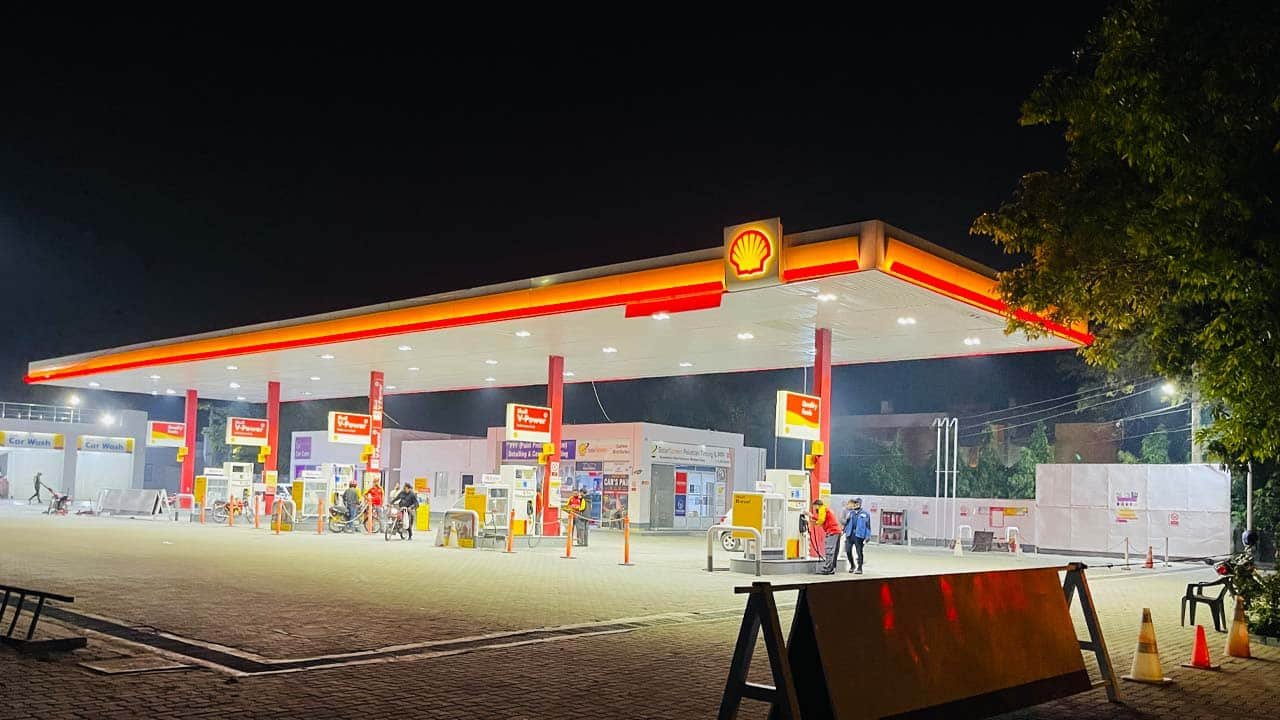
    In a significant move, the caretaker government announced a substantial reduction in the price of petrol by Rs8 per litre for the upcoming fortnight, effective January 16.

    This decision, as conveyed in a notification issued today by the Finance Division, aligns with the recommendations put forth by the Oil and Gas Regulatory Authority (OGRA).

    The adjusted ex-depot price of petrol now stands at Rs259.34 per litre, reflecting a notable decrease from the previous rate of Rs267.34 per litre.

    However, it is important to note that there have been no alterations in the prices of high-speed diesel, light-diesel oil, or kerosene oil.

    The government has already reached the maximum permissible limit under the law, with a Rs60 per litre petroleum levy imposed on both petrol and high-speed diesel (HSD).

    This levy is in line with the commitments made to the International Monetary Fund (IMF), aiming to collect Rs869 billion during the current fiscal year.

    Optimistically, the government anticipates surpassing this target, with the collection expected to exceed Rs950 billion by the end of June.

    Petroleum and electricity prices have been identified as key contributors to inflation, which surged to 29.7 per cent in December, as indicated by the Consumer Price Index.

    Presently, the government imposes a tax of approximately Rs82 per litre on both petrol and HSD.

    This adjustment in petrol prices not only provides relief to consumers but also marks a strategic step by the caretaker government to manage fiscal targets while considering the economic impact on the general population.

    The move is anticipated to have ripple effects on inflation rates, offering a temporary respite from the cost of living for the common citizen.

  • Inflation may drop to 20-22% in the coming year: SBP report

    Inflation may drop to 20-22% in the coming year: SBP report

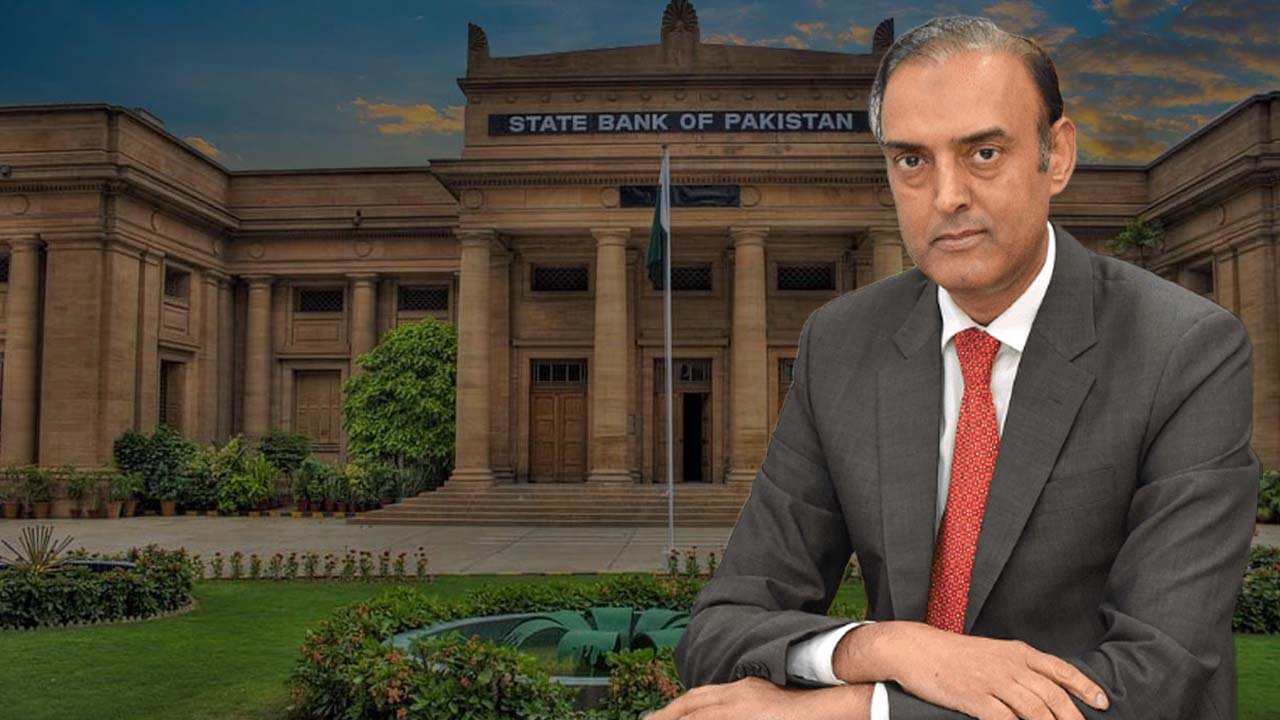
    In the Governor’s Annual Report 2022–23, released ahead of the upcoming national election, the Chief of the State Bank of Pakistan (SBP) conveyed that the country’s inflation is expected to decrease to approximately 20–22 per cent in fiscal year 2024.

    The SBP remains committed to making decisions aimed at preventing persistently high inflation. Notably, Pakistan’s economy fell significantly short of its fiscal and primary surplus targets in FY23, resulting in a contraction of the real GDP to 0.2 per cent.

    During FY23, Pakistan, with a population of 241 million, witnessed its highest-ever inflation, leading to historic lows in its currency value. The situation was mitigated by a $3 billion IMF bailout in July, preventing an imminent sovereign default.

    Governor Jameel Ahmed highlighted in the report that the Consumer Price Index (CPI) surged to 29.2 per cent in FY23, aligning with the upper bound of the bank’s revised projections.

    The SBP remains committed to anchoring inflation expectations to achieve its medium-term target of 5-7 per cent by the end of FY25.

    Fiscal and policy measures implemented before and after the bailout are contributing to stabilising Pakistan’s $350 billion economy as the country approaches the national election scheduled for February 8.

    Despite missing fiscal and primary surplus targets by a considerable margin, the SBP emphasises its dedication to curbing inflation.

    Simultaneously, the finance ministry anticipates a moderate inflation outlook for the remaining months of FY24, even with the upward revision of administered prices, particularly gas prices.

    According to the ministry’s monthly economic report, Consumer Price Index (CPI)-based inflation in Pakistan for December is projected to be in the range of 27.5-28.5 per cent.

    Looking ahead, the ministry foresees a further easing of inflation to 24–25 per cent in January 2024.

  • December inflation may surpass 30% due to gas price hike

    December inflation may surpass 30% due to gas price hike

    In December, inflation is expected to surpass the 30 per cent threshold, driven by the recent increase in gas prices and the persisting adverse base effect, which continues to impact the consumer price index (CPI).

    The headline inflation for December is projected to settle at approximately 30.11 per cent year-on-year (YoY) and 1.18 per cent month-on-month (MoM), in contrast to the previous month’s figures of 29.2 per cent YoY and 2.7 per cent MoM.

    This monthly inflation rate is significantly lower than the 12-month average of 2.17 per cent MoM.

    Consequently, the average yearly inflation for the first six months of FY24 is estimated to be 28.87 per cent YoY, compared to 25.05 per cent YoY in the same period of FY23.

    The surge in inflation can be attributed to the adverse base effect and the notable increase in gas prices, which were not fully realised in the previous month.

    Conversely, food inflation is expected to exhibit a marginal decrease of 0.29 per cent MoM, driven primarily by the decline in prices of tomatoes, potatoes, chicken, and oil.

    Additionally, the transport index is forecast to undergo a 4 per cent MoM decrease, mainly due to the relief in petrol and high-speed diesel (HSD) prices.

    Post-December, inflation is anticipated to decline at a relatively faster pace, supported by the favorable base effect, the delayed impact of monetary tightening, and other administrative measures.

    The December spike is attributed to the lingering effects of the overdue gas price hike. Notably, unforeseen climate events, volatility in global commodity prices, especially oil, and external account pressures pose significant upside risks to the inflation outlook.

    Global oil prices are on the rise amid challenges in Red Sea shipping, potentially threatening the inflation outlook.

    Moreover, the successful completion of the International Monetary Fund (IMF) review, coupled with additional loan programmes, remains crucial.

    The outstanding amount of $1.8 billion under the stand-by arrangement (SBA) is yet to be released.

    The accompanying chart illustrates the yearly inflation trajectory based on different MoM CPI scenarios. At 0.5 per cent and 1 per cent MoM CPI, yearly inflation is projected to fall below the 22 per cent policy rate by February–March 2024.

    By the end of FY24, with 0.5 per cent and 1 per cent MoM CPI, it is expected to decrease to 15.29 per cent and 19.37 per cent, respectively, a significant change from the previous month’s forecasts of 12.9 per cent and 17.5 per cent.

    Considering the last 12-month average of 2.17 per cent MoM, the real interest rate is anticipated to remain in negative territory by the end of FY24.

  • Pakistan’s October inflation eases to 26.9%

    Pakistan’s October inflation eases to 26.9%

    In October, Pakistan witnessed a year-on-year headline inflation rate of 26.9 per cent, as reported by the Pakistan Bureau of Statistics (PBS) on Wednesday.  

    This figure represents a notable decrease from the previous month’s reading of 31.4 per cent in September. Additionally, the month-on-month inflation rate for October showed a 1.1 per cent increase. 

    When considering the average inflation from July to October, it amounted to 28.48 per cent, a contrast to the 25.48 per cent recorded during the same period the previous year. 

    In its most recent ‘Monthly Economic Update and Outlook’ report, the Ministry of Finance projected that consumer price index (CPI)-based inflation in Pakistan for October would fall within the range of 27 per cent to 29 per cent.  

    The ministry anticipated that inflation would exhibit a more contained trend compared to the elevated levels observed during the first quarter of fiscal year 2024. 

    The Pakistan Bureau of Statistics further distinguished between urban and rural inflation rates. In urban areas, the year-on-year CPI inflation increased to 25.5 per cent in October 2023, marking a decline from the 29.7 per cent observed in the previous month and the 24.6 per cent recorded in October 2022.  

    On a month-on-month basis, urban inflation experienced a 1.1 per cent increase in October 2023, compared to a 1.7 per cent increase in the previous month and a 4.5 per cent increase in October 2022. 

    Similarly, in rural areas, the year-on-year CPI inflation rose to 28.9 per cent in October 2023, which represented a decrease from the 33.9 per cent recorded in the previous month and the 29.5 per cent in October 2022.  

    On a month-on-month basis, rural inflation increased by 1.1 per cent in October 2023, in contrast to a 2.5 per cent increase in the previous month and a 5.0 per cent increase in October 2022. 

  • SPI index surges to three-week high at 26.41%: Food and energy prices drive inflation

    SPI index surges to three-week high at 26.41%: Food and energy prices drive inflation

    The Sensitive Price Indicator (SPI) index recorded a notable surge, reaching 26.41 per cent for the week ending on September 7, 2023, marking a three-week high. This increase was primarily propelled by the persistent rise in food and energy prices when compared to the same week in the previous year, putting added strain on households’ purchasing power and disposable income.

    Within this week, data from the Pakistan Bureau of Statistics (PBS) revealed that out of 51 items, 32 (62.75 per cent) experienced price increases, 5 (9.80 per cent) saw decreases, while 14 (27.45 per cent) remained unchanged, in contrast to the previous week.

    Food items saw significant price hikes, including a 17 per cent increase in tomato prices, a 10.87 per cent uptick in pulse masoor prices, a 6.73 per cent rise in sugar prices, a 4.66 per cent surge in garlic prices, and a 3.62 per cent uptick in gur prices. Pulse moong prices rose by 3.55 per cent, onions by 3.43 per cent, and pulse gram by 3.25 per cent. Among non-food items, diesel prices soared by 6.28 per cent, LPG (liquefied petroleum gas) increased by 5.19 per cent, and petrol prices rose by 5.12 per cent.

    Conversely, there was a decline in the prices of certain items, including chicken by 3.20 per cent, 5-liter cooking oil by 1.03 per cent, 2.5 kg vegetable ghee by 0.47 per cent, Lipton tea by 0.43 per cent, and 1 kg vegetable ghee by 0.14 per cent, compared to the previous week.

    Looking at the bigger picture, the Consumer Price Index (CPI) revealed that monthly inflation has remained persistently high, averaging 27.8 per cent in the first two months (Jul-Aug) of the current fiscal year 2023-24. This was primarily attributed to recent rupee depreciation, imported inflation, and the continuous ascent of power and petroleum product prices.

    It is anticipated that September’s monthly inflation reading will reach its peak, with experts also suggesting the possibility of the government raising gas prices, further exacerbating inflationary pressures on the economy.

    To combat inflation, the Pakistan central bank is expected to raise its key policy rate by 1.5 to 2 percentage points during its upcoming Monetary Policy Committee (MPC) meeting on September 14. The current policy rate stands at a record high of 22 per cent.

    Topline Research highlighted significant developments since the last MPC meeting on July 31, 2023, including Pakistan posting a current account deficit of $809 million in July after four consecutive months of current account surplus. 

    Additionally, local fuel prices have increased by around 19 per cent, international oil prices in US dollars have risen by 6 per cent, and the rupee has depreciated by 6 per cent against the US dollar. These factors are expected to weigh heavily on the central bank committee’s decision during the upcoming MPC meeting.

  • Consumer suffering intensifies: Pakistan’s weekly inflation skyrockets to 42.67%

    Consumer suffering intensifies: Pakistan’s weekly inflation skyrockets to 42.67%

    Inflation in Pakistan continues to surge as the Sensitive Price Indicator (SPI) recorded a significant increase, jumping to 42.67 per cent on a year-on-year basis for the week ending on June 1, according to official data released by the Pakistan Bureau of Statistics (PBS). The weekly inflation showed a marginal increase of 0.03 per cent compared to the previous week.

    The short-term inflation, measured by the SPI, reached an all-time high of 48.35 per cent for the period ending on May 4, highlighting the ongoing challenges faced by the economy. The Combined Index, a comprehensive measure of inflation, stood at 254.13 compared to 254.05 on May 25, 2023, and marked a significant increase from 178.12 recorded on June 2, 2022.

    The PBS report revealed that out of the 51 monitored items, the average prices of 19 items increased, 14 items witnessed a decrease, while 18 items remained unchanged during the week under review. This data indicates the volatile nature of prices in the current market.

    Analyzing the SPI change across different income groups, the weekly percentage change showed a mixed trend, ranging between -0.1 per cent and 0.12 per cent. However, on a yearly basis, the SPI increased across all quantiles, ranging between 40.2 per cent and 43.49 per cent, suggesting the broad impact of inflation across various income segments.

    Additionally, the statistics bureau reported that Pakistan’s annual inflation rose to 37.97 per cent year-on-year in May, further confirming the country’s highest-ever inflationary period. The Consumer Price Index (CPI) recorded 36.4 per cent in April, which at the time was already the highest level according to the bureau’s historical records.

    Furthermore, the month-on-month rise in May was reported to be 1.58 per cent, with the bureau highlighting significant increases in the prices of vegetables, pulses, and chicken. These factors contribute to the overall rise in the cost of living and put additional strain on households and businesses alike.

    The continuous surge in inflation poses significant challenges to the economy, affecting consumers’ purchasing power and increasing the cost of doing business. The government and relevant authorities are urged to take immediate measures to stabilize prices, address supply chain issues, and implement effective policies to alleviate the impact of rising inflation on the population.

    As the situation unfolds, policymakers and economists will closely monitor the inflationary trends, devising strategies to bring stability and mitigate the adverse effects on the economy and the welfare of the people.

  • Life-saving medicines in Pakistan to become 14% more expensive

    Life-saving medicines in Pakistan to become 14% more expensive

    The Drug Regulatory Authority of Pakistan (DRAP) has announced an increase of up to 14 per cent in the prices of life-saving medicines, following approval from the federal government.

    According to ARY News, DRAP stated that life-saving drugs will experience a 14 per cent hike, while all other medicines will see a 20 per cent increase.

    The regulatory authority clarified that these price adjustments are considered a one-time dispensation, in line with the 70 per cent rise in the consumer price index (CPI). This increase will be regarded as the annual raise for the fiscal year 2023-24, with no further increments in the upcoming financial year.

    The DRAP’s Policy Board will evaluate the situation after three months, specifically in July 2023, and submit recommendations to the federal government for potential price reductions, should the Rupee appreciate in value.

    The Economic Advisory Committee had already endorsed the price hike, taking into account the escalating fuel prices and the devaluation of the Rupee, which have contributed to record-high inflation in recent months, impacting various sectors of the economy.

    Earlier reports indicated a 0.16 per cent year-on-year decrease in weekly inflation, as measured by the Sensitive Price Indicator (SPI), for the week ending on May 18. However, short-term inflation surged to an unprecedented 48.35 per cent for the period ending on May 4.

    The Pakistan Bureau of Statistics (PBS) released data indicating a combined index of 255.12, compared to 255.53 on May 11, 2023. In contrast, the index stood at 175.08 a year ago, on May 19, 2022.

  • Inflation in Pakistan reaches nearly 50-year high, raising concerns for citizens

    Inflation in Pakistan reaches nearly 50-year high, raising concerns for citizens

    Pakistan’s inflation, as measured by the consumer price index (CPI), surged to a record-breaking 31.5 per cent in February, largely driven by steep price hikes in food, housing, and transportation groups. This concerning development was recently reported by the Pakistan Bureau of Statistics (PBS), and has heightened expectations of an increase in interest rates during the upcoming monetary policy committee (MPC) meeting, which the central bank has scheduled for March 2.

    The February inflation rate marks the highest figure since available data dating back to July 1965, surpassing the previous record of slightly over 29 per cent in April 1975. The unexpected pace of price increases has surpassed the finance ministry’s expectations, who had projected an inflation range of 28 per cent to 30 per cent just a day before the report.

    According to Geo, the monthly inflation rate surged by 4.3 per cent in February compared to January, primarily due to increased average prices of food items such as poultry, fruits, pulses, oil, vegetables, ghee, LPG, gas charges, and domestic petroleum products.

    The inflation reading raises concerns that the government will need to review its strategy to secure the critical $1.1 loan tranche from the International Monetary Fund (IMF). Despite repeated efforts, the government has been unable to regain lost ground with the IMF and is continually delivering financial shocks to the people.

    According to PBS, the inflation rate rose in both urban and rural areas. Urban inflation increased to 28.8 per cent in February, while rural inflation soared to 35.6 per cent compared to the same month last year. In February of the previous year, urban inflation was recorded at 11.5 per cent, while rural inflation was at 13.3 per cent.

  • CPI inflation in Pakistan increases to 26.6% in October

    CPI inflation in Pakistan increases to 26.6% in October

    In Pakistan, Consumer Price Index (CPI)-based inflation rose sharply in October, surging by 26.6 per cent year over year (YoY). On the other hand, it climbed 4.7 per cent month over month (MoM), indicating a decline of 1.2 per cent from September.

    “CPI inflation General, increased to 26.6 per cent on YoY basis in Oct 2022 as compared to an increase of 23.2 per cent in the previous month and 9.2 per cent in Oct 2021,” said the PBS.

    According to APP, inflation reached a YoY high of 27.3 per cent in August 2022, which was over a 47-year high in the inflation measurement in June 2022 after it had crossed the 20 per cent threshold.

    The inflation reading matches what the market had predicted.

    According to the PBS, year-over-year CPI inflation in urban areas reached 24.6 per cent in October 2022 as opposed to an increase of 21.2 per cent in the previous month and 9.6 per cent in October 2021.

    In October 2022, it grew to 4.5 per cent month over month, up from 1.7 per cent in October 2021 and a decline of 2.1 per cent the month before.

    In addition, year-over-year CPI inflation in rural regions reached 29.5 per cent in October 2022 as opposed to increases of 26.1 per cent in the previous month and 8.7 per cent in October 2021.

    When compared to the previous month’s gain of 0.2 per cent and the increase of 2.2 per cent in October 2021, it increased by 5.0 per cent in October 2022 on a monthly basis.

    Rising inflation has become a major worry for Pakistan’s economy, which is already experiencing a loss of foreign exchange reserves.

    The State Bank of Pakistan (SBP) maintained the policy rate at 15 per cent in October at the recommendation of its Monetary Policy Committee (MPC), believing that the current monetary policy stance achieves the right mix between controlling inflation and sustaining growth in the wake of the floods.

    “On the one hand, inflation could be higher and more persistent due to the supply shock to food prices, and it is important to ensure that this additional impetus does not spill over into broader prices in the economy. On the other, growth prospects have weakened, which should reduce demand-side pressures and suppress underlying inflation,” MPC said then.

    However, the government on Monday night announced that the price of petroleum products will remain the same for the ensuing 15 days.

    According to PBS data, the inflation rates that were highest in October were in the transportation, food, housing, and restaurant and hotel groupings.

    Items that witnessed an increase in prices

    Food

    The food commodities that witnessed increase in prices on a YoY basis included tomatoes (219.34 per cent), onions (165.66 per cent), gram whole (69.80 per cent), pulse gram (65.08 per cent), besan (62.25 per cent), mustard oil (61.14 per cent), pulse masoor (61.07 per cent), fresh vegetables (58.87 per cent), cooking oil (58.06 per cent), pulse mash (55.33 per cent), vegetable ghee (52.5 per cent), pulse moong (49.84 per cent), wheat (45.77 per cent), tea (41.89 per cent), rice (40.76 per cent), wheat flour (37.38 per cent), milk fresh (29.61 per cent), meat (25.34 per cent), potatoes (20.65 per cent), fish (15.4 per cent), chicken (12.22 per cent) and gur (0.39 per cent).

    Non-food items

    The non-food commodities that witnessed increase on a YoY basis included motor fuel (64.81 per cent), stationery (44.5 per cent), washing soap/detergents/match box (41.49 per cent), transport services (41.27 per cent), motor vehicles (34.29 per cent), construction input items (32.03 per cent), motor vehicle accessories (31.31 per cent), electricity charges (24.95 per cent), cotton cloth (24.16 per cent), household equipment (21.4 per cent), solid fuel (20.88 per cent) and construction wage rates (12.72 per cent).
  • Inflation hike up to 11.5pc, highest in 20 months

    An increase in consumer prices continued as inflation rises up to 11.5 per cent from 9.2 per cent in November, the highest increase in the past 20 months due to a record hike in fuel prices last month, reports Dawn. This has been revealed by Pakistan Bureau of Statistics (PBS) data.

    Inflation measured by the Consumer Price Index (CPI) increased to its highest level in 20 months.

    Prices of fresh vegetables, fruits, and meat have also shown a significant increase in major urban and rural centres.

    The average inflation during the July-November period rose to 9.32 per cent on a yearly basis.

    Currently, the government aims to increase agriculture productivity for food security and self-sufficiency to counter food inflation by offering Agri-loans.

    The finance division in its recent report claimed that taking into account new price impulses in November and the low base effect, inflation would remain between 8.5 and 9.5 per cent, but the November inflation has already surpassed the projected figure.