Tag: Contract

  • Bella Hadid released from contract with makeup brand Charlotte Tilbury eight months after signing

    Bella Hadid released from contract with makeup brand Charlotte Tilbury eight months after signing

    Cosmetic company and international makeup brand Charlotte Tilbury has released Palestinian-origin model Bella Hadid, from their contract, eight months after saying she would be the face of the brand, U.S. based entertainment website, Entertainment Today (ET) has learned.

    A source told ET, “Hadid’s contract with Charlotte Tilbury ended. She was told in November and was given the reason of ‘force majeure’ in her contract.”

    According to Cornell Law School, force majeure is a part of a contract that lets both sides stop if something really big stops them from doing their part.

    The exact reason for Hadid leaving Tilbury is not known. ET has asked Charlotte Tilbury and Hadid for a comment.

    This news surprised many, since both Hadid and Tilbury had expressed ‘happy feelings’ when Hadid was taken on board by the brand.

    In the video, Tilbury says warmly to Hadid, “Bella, darling! I’m so happy you’re here,” and Hadid says back, “Charlotte, darling! I’m so happy to be here with you, I love you.”

    After parting ways with Charlotte Tilbury, Hadid is now focused on starting her own makeup and wellness company called Orebella. The launch is planned for May.

  • Gas crisis to worsen in Pakistan as Italy-based supplier refuses to deliver LNG cargo in February

    Gas crisis to worsen in Pakistan as Italy-based supplier refuses to deliver LNG cargo in February

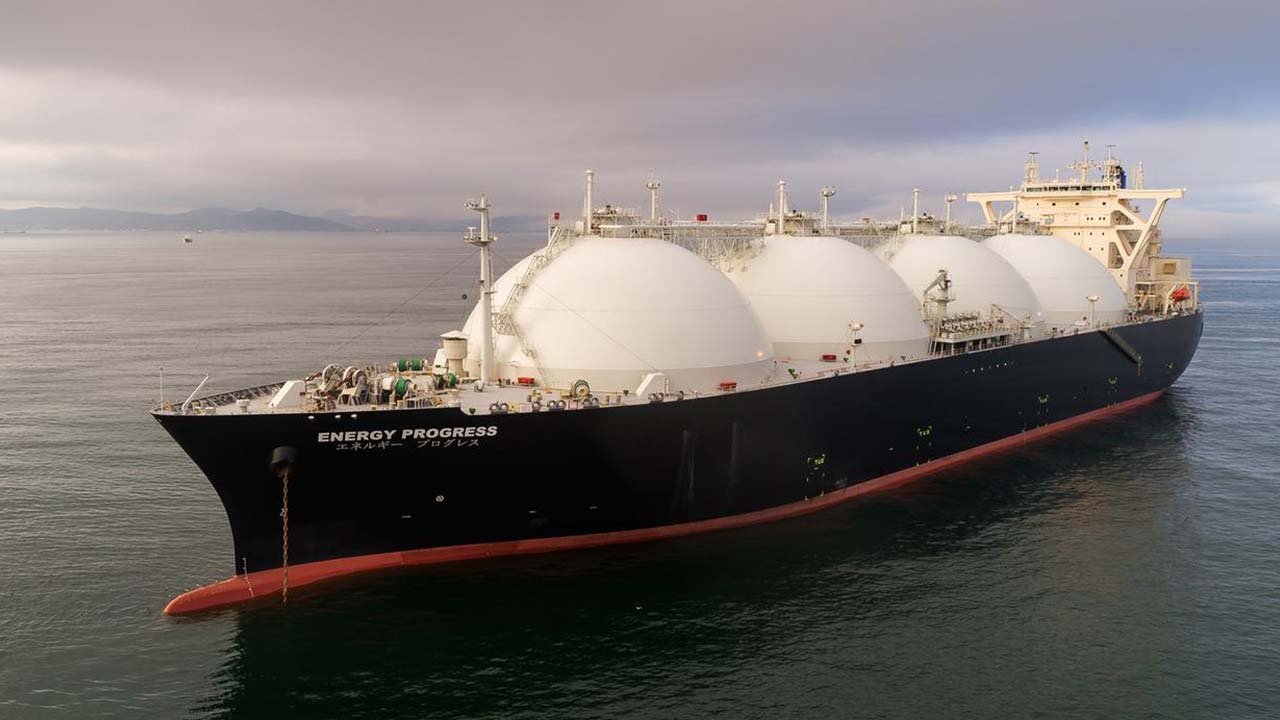
    The Italian LNG trading company ENI has intimated that it won’t be able to deliver its LNG cargo scheduled on February 6, which might cause the gas situation in Pakistan to worsen in the coming days.

    The report has troubled the senior officials in the Petroleum Division since the country is already suffering from a severe gas shortage, with some major cities getting little to no gas pressure.

    In accordance with its petrol load management strategy, the government assured home users a supply of gas for cooking during the winter months for three hours from 6 am to 9 am, two hours from 12 pm to 2 pm for lunch, and three hours from 6 pm to 9 pm for dinner.

    According to authorities, the effect of ENI’s disengagement will be seen as a reduction in supplies to the power sector and the non-availability of the anticipated 325mmcfd supply for the sector next month.

    End users will receive expensive electricity as boiler oil-based electricity’s reliance grows. The captive power plants will be delivered gas at 50 per cent and supply to fertiliser plants, compressed natural gas (CNG) and local industry shall remain discontinued.

    The Petroleum Division had earlier asserted that the ENI will not default starting in January 2023, however, this is untrue.

    The February supply setback is due to an occurrence of Force Majeure, according to an ENI representative, who also confirmed the news, saying that ENI is not in any way benefited from the circumstance.

    According to The News, ENI defaulted five times last year, failing to deliver LNG cargoes in the months of March, May, July, September, and November.

  • France to provide Rs4.6 billion for the renovation of Lahore Fort

    France to provide Rs4.6 billion for the renovation of Lahore Fort

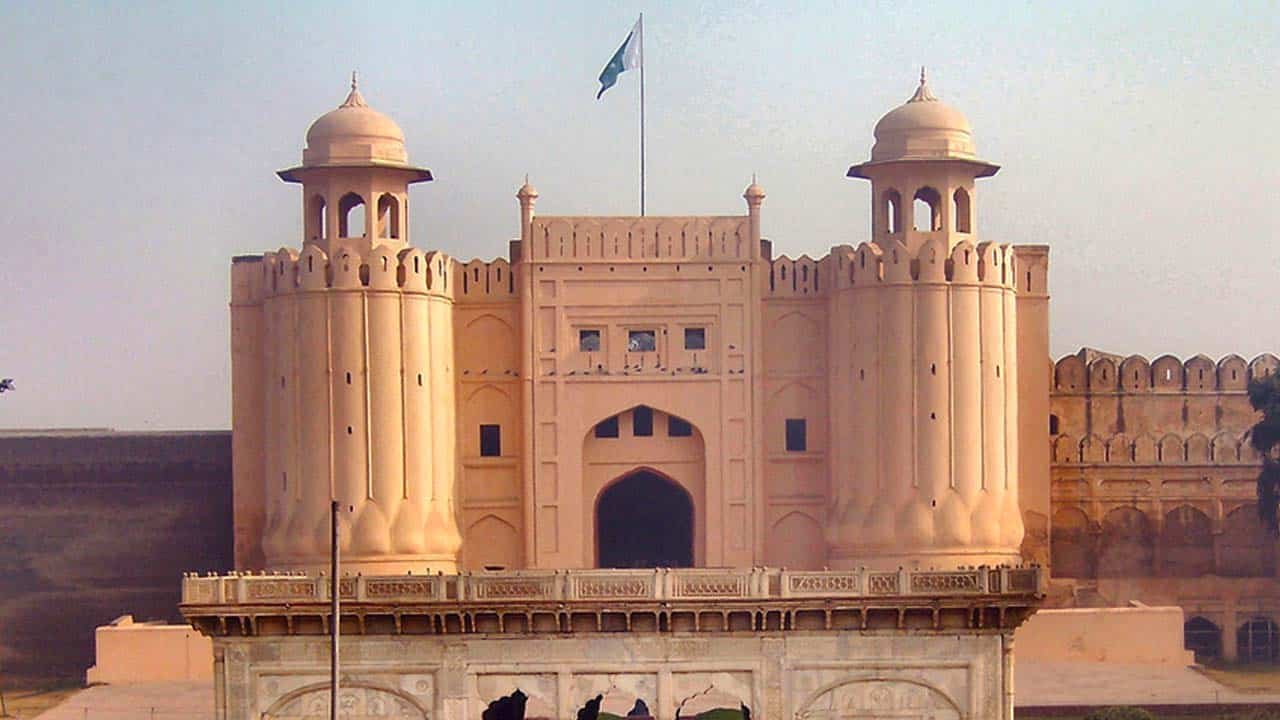
    A financing agreement worth more than Rs4.6 billion (€22 million) has been signed by the government of Pakistan and the government of France, through the French Development Agency (FDA), to provide technical and financial support for the restoration of the Lahore Fort.

    A special heritage site in Pakistan is to be protected and restored as part of the HURL (Heritage & Urban Regeneration in Lahore) project. The areas of focus will be increasing economic activity, promoting tourism, and preparing local communities for climate change.

    The walled city and fort of Lahore, which is in the middle of an 11 million-person metropolis, is made up of numerous unique structures with exceptional historical and cultural value as well as numerous compact ancient neighbourhoods.

    The fort faced numerous threats to its integrity, which led to UNESCO listing it as a World Heritage Site in Danger in 1981. The Walled City of Lahore Authority (WCLA), the Aga Khan Trust for Culture (AKTC), and the Punjab government launched a ten-year conservation initiative to develop and restore the site in 2012.

    The French government is delighted to be supporting this attempt through AFD: “France is proud to be part of the ambitious plan of the Punjab government to develop and promote the unique cultural heritage of Lahore,” said Nicolas Galey, the French ambassador to Pakistan.

    By enhancing the tourist attraction of the locations and enhancing the living conditions of the riparian populations, the restoration and development of the Lahore Fort surroundings will be a potent engine of sustainable economic development of the City.

    The HURL project will be financed over a five-year period. It is anticipated that this will strengthen the Lahore Fort’s resilience, generate more income and employment opportunities, particularly for women and the transgender community, and contribute to the restoration and improvement of the fort.

    By including the neighbourhoods surrounding the fort as a growth interface, it will also increase tourism development and strengthen the capacity of WCLA and its associates.

    The AFD is reaffirming its dedication to Lahore’s urban development by funding this project. This significant undertaking is just the beginning of the French government’s efforts to support the restoration of South Asian heritage.

  • Pakistan pushed into darkness due to Europe’s decision to cut off Russian fuel

    Pakistan pushed into darkness due to Europe’s decision to cut off Russian fuel

    The European attempt to abandon Russian oil is intended to punish Moscow for its invasion of Ukraine. It’s also wreaking havoc thousands of miles away, throwing Pakistan into darkness, destabilising one regime, and jeopardising the country’s new leadership’s stability.

    According to Bloomberg, Pakistan invested heavily in liquefied natural gas and inked long-term contracts with Italian and Qatari suppliers. Some of those suppliers have now defaulted, although continuing to sell into the more lucrative European market, putting Pakistan in the very situation it hoped to avoid.

    The country took particular precautions a decade ago to protect itself from the sorts of price increases that are currently shaking the market.

    Last month, the government spent about $100 million on a single LNG shipment from the spot market to avert outages during the Eid holiday, a record for the cash-strapped country.

    The country’s LNG costs could reach $5 billion in the fiscal year ending in July, more than double what they were a year ago. Even still, the government is powerless to protect its citizens: the IMF is in talks to bail out the country on the condition that it reduces fuel and energy subsidies.

    Outages lasting more than 12 hours

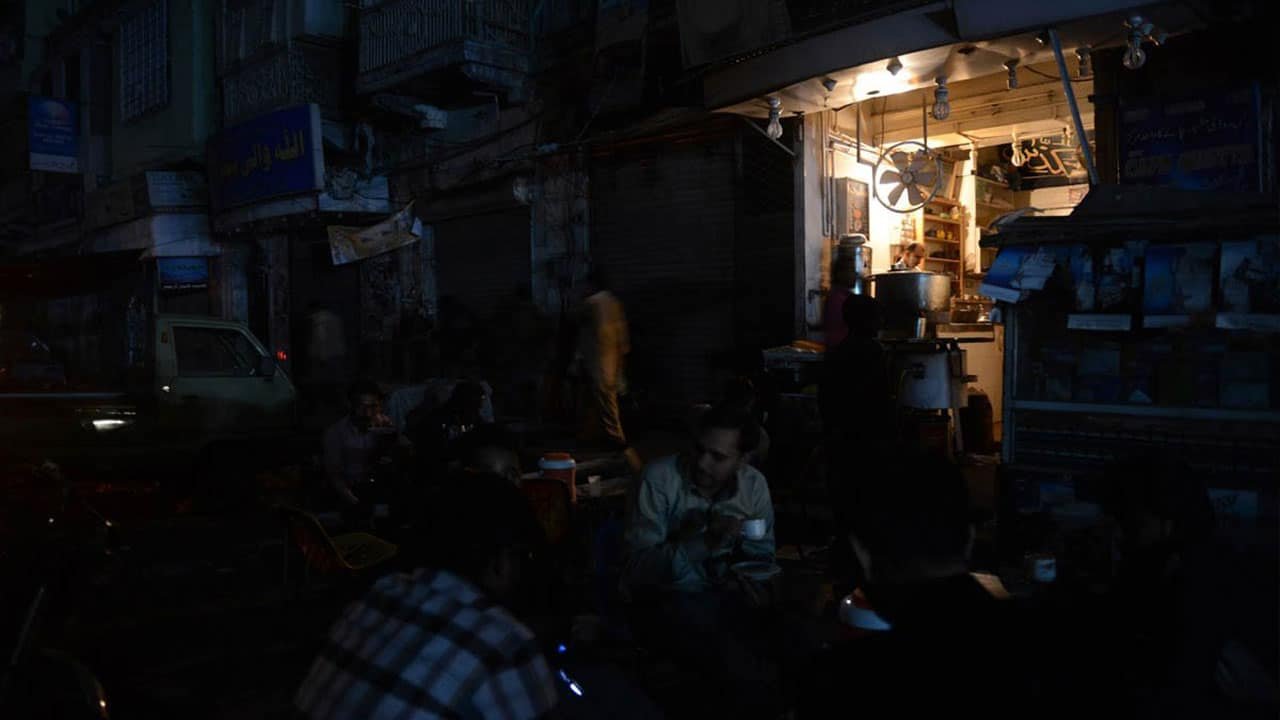
    Parts of Pakistan are currently suffering scheduled blackouts lasting more than 12 hours, reducing the ability of air conditioning to provide respite during the current heat wave. The former prime minister continues to gather enormous audiences to demonstrations and marches, exacerbating voters’ discontent with 13.8 per cent inflation. The hosts of prime-time talk shows frequently discuss how Pakistan will obtain the petroleum it requires and how much it would have to spend.

    The administration introduced a fresh set of energy-saving measures last week. Civil servants were relieved of their normal Saturday shifts, and the security budget was slashed by half.

    Prime Minister (PM) Shehbaz Sharif remarked in an April tweet before of the Eid holiday, “I am acutely aware of the sufferings people are facing”. That same week, he ordered his government to resume purchasing costly overseas natural gas shipments.

    He also warned earlier this month that they don’t have the money to keep importing gas from other countries.

    Rerouted supply to power plants

    There will be more than just outages as a result of the supply shortage. The government has rerouted existing natural gas supply to power plants, causing fertiliser manufacturers to be shortchanged. This approach could jeopardise the next harvest, resulting in even higher food prices the following year. Backup generators are being used by cellphone towers to keep service going during the blackouts, but they, too, are running out of fuel.

    There’s not much hope in the future. LNG prices have risen by over 1,000 per cent in the previous two years, first due to post-pandemic demand and subsequently due to Russia’s invasion of Ukraine. Russia is Europe’s largest natural gas supplier, and the possibility of supply disruptions pushed spot rates to an all-time high in March.

    Increasing LNG demand in Europe

    Meanwhile, Europe is increasing its need for LNG. Europe’s LNG imports have increased by 50 per cent so far this year compared to the same period last year, and show no signs of slowing down. As they cut ties with President Vladimir Putin’s regime over the crisis in Ukraine, European Union policymakers created a plan to considerably increase LNG deliveries as an alternative to Russian gas.

    Floating import terminals are being built at a breakneck pace in countries like Germany and the Netherlands, with the first ones set to open in the next six months.

    “Europe is draining LNG from the rest of the globe,” according to Steve Hill, executive vice president of Shell Plc, the world’s largest LNG trader. “However, this means that less LNG will be sent to developing markets”.

    Pakistan was formerly thought to be the LNG industry’s bright future. Demand for the fuel had peaked in developed markets by the mid-2010s. However, technological developments had reduced the costs and time it took to build import terminals, and new gas sources had reduced the cost of the fuel itself.

    Poor nations could finally contemplate the gasoline at the new, lower prices. Suppliers flocked to these new markets, and when Pakistan published a request for long-term LNG supply, over a dozen businesses competed for the contract.

    Pakistan chose Italy’s Gunvor Group Ltd to sell LNG to the country for the next decade in 2017. The terms were favourable at the time, and the prices were lower than those of a comparable arrangement struck with Qatar the previous year.

    Delay in supplies

    However, due to the rise in European gas prices, the two suppliers have postponed more than a dozen shipments slated for delivery between October 2021 and June 2022.

    According to Bruce Robertson, an expert at the Institute for Energy Economics and Financial Analysis, such defaults are nearly unheard of in the LNG market. Bloomberg spoke with traders and industry insiders who couldn’t recall the last time so many cargoes were rejected without being linked to a big outage at an export terminal.

    Eni and Gunvor stated they had to cancel because they were experiencing their own supply problems and didn’t have enough LNG to export to Pakistan. When exporters confront such difficulties, they typically replace deliveries by purchasing a consignment on the spot market, but Eni and Gunvor have not done so.

    Vendors are generally averse to cancelling orders. It harms the company connection and is often extremely costly. In established markets, fines for “failure to deliver” might be as high as 100 per cent.

    “It’s quite rare for LNG suppliers to renege on long-term contracts beyond force majeure occurrences,” says Valery Chow, an analyst at Wood Mackenzie Ltd.

    Pakistan’s contracts stipulated a lower cancellation penalty of 30 per cent, most probably in exchange for cheaper overall costs. The European spot market prices are currently high enough to more than compensate for the penalties.

    Pakistan’s $12 million LNG supply contract

    As per sources, an LNG supply to Pakistan for delivery in May under a long-term contract would cost $12 per million British thermal units. In comparison, spot cargoes to Europe for May delivery were trading for more than $30. Eni and Gunvor have kept their promises to customers in the region.

    As a result, Pakistan is back to square one, in a weaker negotiation position than before. After a dispute with Pakistan’s army over a variety of problems, including his management of energy supply and the greater economy, Prime Minister Imran Khan was deposed in April.

    Shehbaz Sharif, the new prime minister, has directed the state-owned importer to obtain the petroleum at any cost in order to end the debilitating blackouts. It’s also attempting to reach new long-term LNG purchase agreements, albeit the conditions will almost probably be harsher than six years ago.

    High risk of default

    The cost is having its own cascading repercussions. The government is now “at high risk of default,” according to a paper published last month by the Institute for Energy Economics and Financial Analysis. Moody’s Investors Service reduced Pakistan’s outlook from stable to negative, citing financial worries including a potential IMF bailout delay.

    Pakistan’s dependency on LNG, as well as its suppliers’ tendency to default, has exacerbated the country’s energy dilemma. Pakistan isn’t alone in this regard. Emerging economies all around the world are trying to meet their residents’ requirements while staying within their budget restrictions.

    It has also prompted them to purchase electricity from Russia, reducing the impact of Europe’s attempts to isolate them.

    Pakistan seeks LNG supply contract with Russian companies

    According to reports, Pakistan is also looking at long-term LNG supply agreements with Russian companies. India has already increased its purchases from Russia, and this trend is likely to continue. The government has directed power plants to purchase fuel from overseas in response to the scorching summer heat.

    Other cash-strapped importers, such as Bangladesh and Myanmar, are likely to suffer as a result of Pakistan’s problems. Bangladesh’s state-owned utility recently purchased the country’s most expensive LNG shipments on the spot market to keep the grids functioning and industry stocked, while Myanmar has stopped importing LNG for the past year owing to price increases.

    Other nations, such as India and Ghana, may be prompted to reconsider long-held plans to increase their reliance on super-chilled fuel as a result of Europe’s major change. Instead, governments would increase their reliance on polluting coal or oil, thwarting efforts to meet ambitious emission reduction objectives this decade.

  • Govt considering gas import contract with countries including Russia

    Govt considering gas import contract with countries including Russia

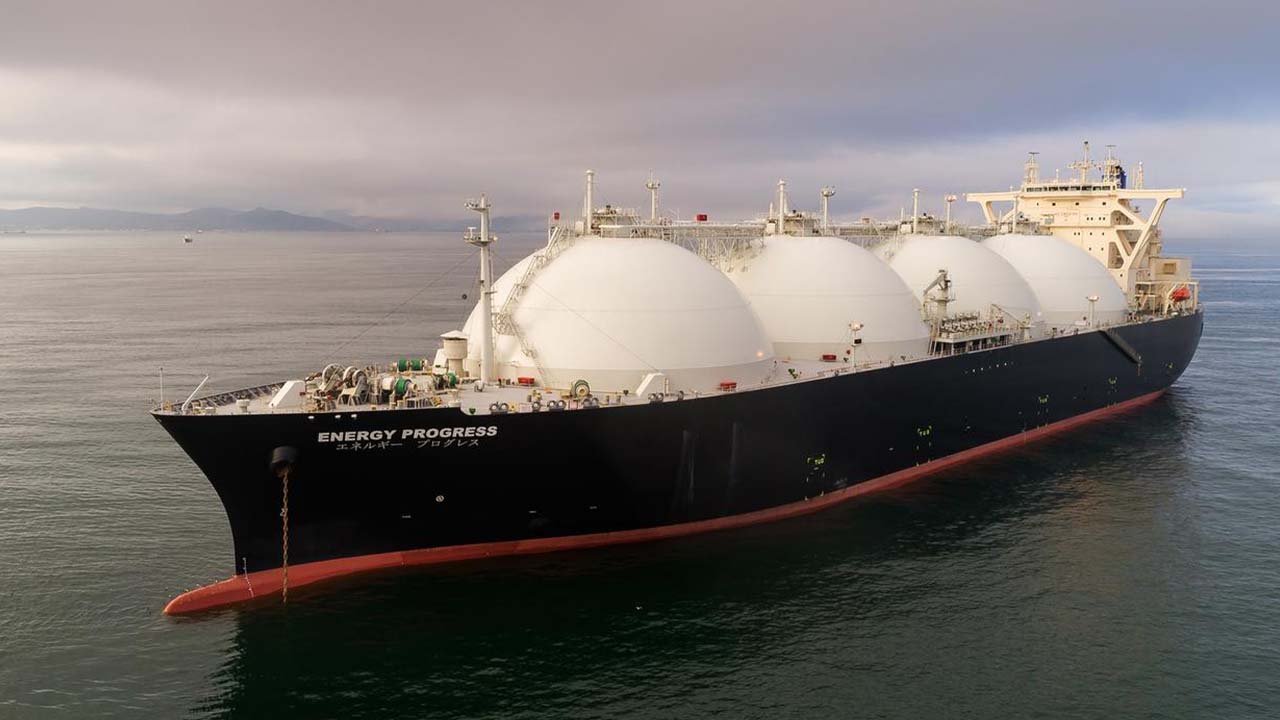
    Pakistan is in talks with multiple countries, including Russia, to sign a liquefied natural gas (LNG) import agreement in order to alleviate the country’s ongoing energy supply crisis.

    According to Bloomberg, the Ministry of Energy will go for the ‘most favourable deal’ and is considering government-to-government contracts for importing the gas.

    This action came as Pakistan battles blackouts caused by a fuel crisis caused by long-term suppliers’ failure to deliver shipments. To keep the lights on, the government previously resorted to purchasing LNG on the spot market, incurring debt that endangers worsening inflation on a massive scale.

    The government of Prime Minister (PM) Shehbaz Sharif, which took office on April 11, hopes to capture a new long-term LNG contract to help reduce fuel costs. Long agreements are remarkably affordable than existing spot pricing, while market participants also anticipate that this will provide some relaxation to the government.

  • Construction work for Swat Motorway Phase-II to begin next week

    Khyber Pakhtunkhwa (KP) Chief Minister Mahmood Khan will lay the foundation stone for Swat Motorway Phase-II in the next week.

    The CM instructed that development on the Dir Motorway project’s PC 1 for land acquisition be quickened so that practical work on the project can proceed.

    He was presiding over a meeting of the Pakhtunkhwa Highways Authority to discuss the status of various road projects, including the Swat Motorway Phase II and the Dir Motorway.

    The meeting was informed on the status of Swat Motorway Phase II, which will be 88 km long and will be built at a cost of Rs58 billion and will run from Chakdara to Fatehpur. It was also revealed that a contractor deal for the project’s construction had been inked.

    It was revealed that Rs6.7 billion had been allocated for the project’s land acquisition. In addition, section four was implemented for the purchase of land.

    Project Plan

    Swat motorway will have four lanes at first and will be expanded to six lanes later. Chakdara Interchange, Shamozai Interchange, Barikot Interchange, Mingora Interchange, Kanju Interchange, Malam Jabba-University of Swat Interchange, Sher Palam Interchange, Matta Khawazakhela Interchange, and Madin-Fatehpur Interchange would be among the nine interchanges.

    On the Swat River, a total of eight bridges will be built. The project also includes the construction of four rest spots in various places, as well as the construction of connection highways if required.

    PHA officials briefed the meeting on Dir Motorway that an Expression of Interest for a 30 km long Dir Motorway from Chakdara to Rabat had been floated. Three interchanges, four flyovers, 24 bridges, two underpasses, and two tunnels will be part of this road project.

    These developments, according to the Chief Minister, would help boost tourism, trade, and economic operations, making them a “milestone” for the long-term growth of the Malakand division. These initiatives will also provide employment chances for locals in addition to improving transportation facilities.