Tag: coronavirus

  • Sindh CM tests positive for COVID-19

    Sindh CM tests positive for COVID-19

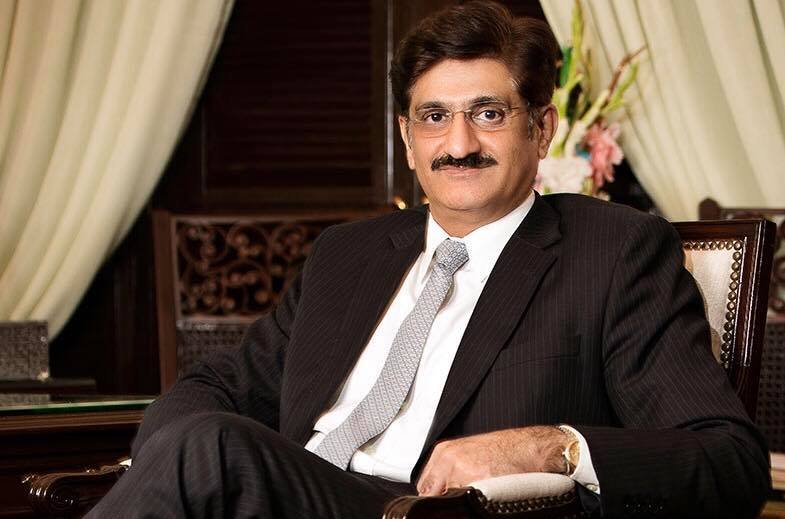
    Sindh Chief Minister Syed Murad Ali Shah has tested positive for coronavirus as Pakistan reports over 2,000 infections for the third consecutive day.

    According to a statement issued by the chief minister’s office, CM Murad got tested for COVID-19 on Friday after catching a mild fever. “After the test, I went into isolation on doctor’s advice,” said the chief minister.

    CM Murad said he is asymptomatic apart from the fever.

    On Saturday and Sunday, the country saw over 2,000 cases and 2,400 cases respectively, which means more than a 20 per cent increase in cases. These numbers are the highest since July. Seventeen people lost their lives to the coronavirus on Saturday as per the data from the National Command and Operation Centre (NCOC). 

    Meanwhile, the prime minister will chair a meeting of the National Coordination Committee (NCC) today to chalk up a strategy to curb the increasing number of coronavirus cases in Pakistan. The meeting will take decisions about early and extended winter vacations in educational insitutions.

    Amid an increase in the infections, the NCOC had suggested a ban on public gatherings of all sorts, including a ban on indoor dining. The committee had allowed only takeaways and outdoor dining at restaurants till 10 pm, while suggesting closure of all cinemas, theatres and shrines with immediate effect.

  • BZU students submit fake COVID-19 reports to make admin conduct online exams

    BZU students submit fake COVID-19 reports to make admin conduct online exams

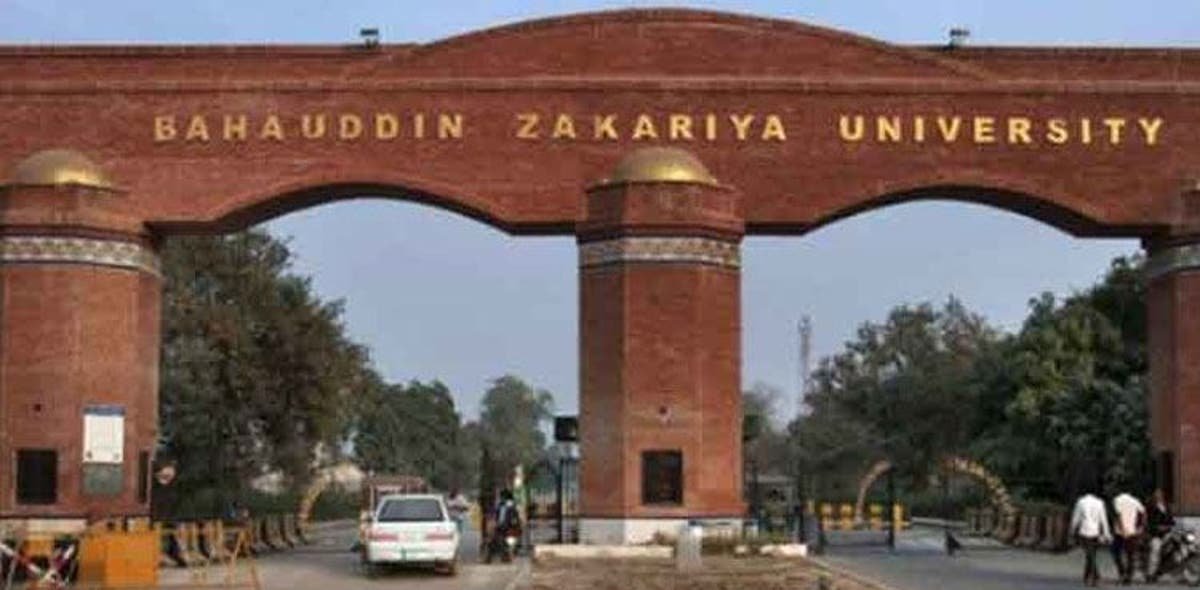
    Students of Bahauddin Zakariya University (BZU), Multan submitted bogus positive reports of COVID-19 to force the administration to conduct online examinations.

    They were exposed on Thursday after the administration verified their reports and declared the news of coronavirus spread as ‘fake’.

    As per reports, students of the English, Politics and Psychology departments were involved in the tempering of the COVID-19 reports.

    Taking the matter seriously, the university administration constituted a corona committee for the verification of the reports, while DC suggested the imposition of a smart lockdown in the university.

    Nearly a dozen reports were forwarded to the Nishar Hospital and private laboratories for verification. The reports could not be verified and were declared fake and tempered by the labs.

    The administration of the Bahauddin Zakariya University (BZU) Multan has decided to take action against the students who submitted fake reports to create panic in the university.

    The findings of the committee have been forwarded to the High Education Commission (HEC). Meanwhile, the university administration has asked parents of the students not to believe in rumors and there is no coronavirus spread in the university.

  • Lahore sees peak pollution as coronavirus surges

    Lahore sees peak pollution as coronavirus surges

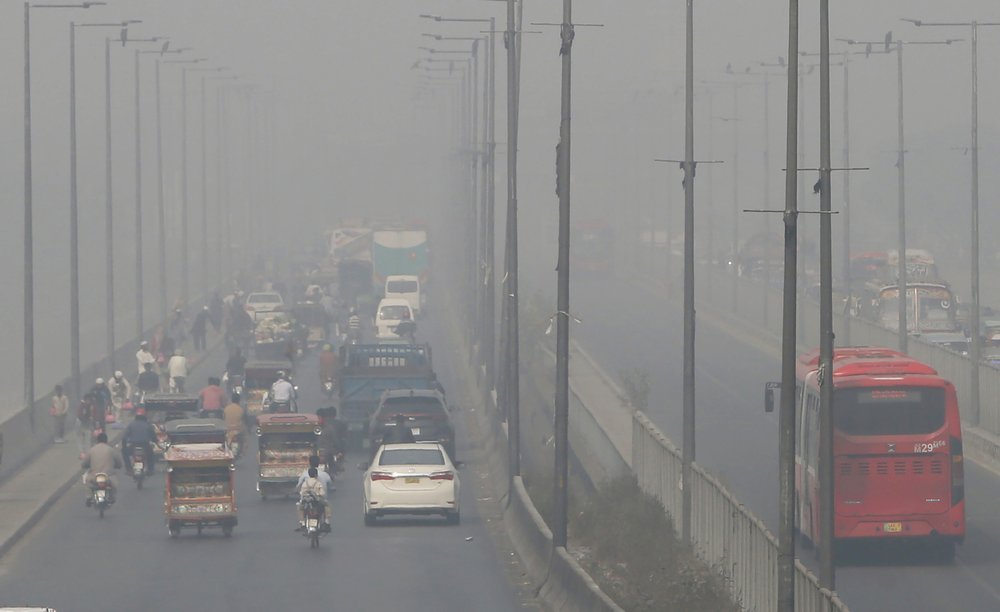
    A thick blanket of smog has enveloped Lahore, prompting officials to warn that tens of thousands of the city’s residents risk respiratory disease and eye-related problems while doctors urged people to stay at home.

    The air quality in Lahore deteriorated to hazardous levels, putting an additional burden on the fragile healthcare system amid a surge in coronavirus deaths and new infections. The Air Quality Index at one point rose to 750 in the city’s poorer areas — about 12 times the recommended level.

    Earlier in the day, Switzerland-based air quality information platform IQair declared Lahore the second most polluted city, after New Delhi, India’s capital. Pollution indexes peak dramatically in Pakistan in winter, when farmers burn off stubble in the fields. Winds worsen the pollution by further spreading smog across the region.

    “The air quality level was hazardous today,” said Sajid Bashir, a spokesman for Environmental Protection Department.

    By mid-day the situation had improved, he said, as authorities took steps to keep smoke emitting vehicles off the roads and shut brick kilns across Punjab.

    Lahore, once dubbed as the city of gardens, remained pollution-free for months after March, when the government imposed a lockdown to contain the spread of coronavirus. But the restriction was lifted in May, allowing a return to industrial activities and normal businesses. With cars back on the roads, the air quality gradually deteriorated, falling again to unhealthy levels.

    Pollution is no stranger to Pakistan, a country of 220 million — or Lahore, with some 12 million people. Cars are the top pollutants in Lahore but the city also has other sources of pollution, including the stubble burning, steel manufacturing furnaces and the city’s famous brick kilns.

    “Coughing, throat infection and irritation in the eyes are common,” said Anza Farid, an environmental expert, warning that the situation could worsen in the coming weeks as more people burn garbage in the cities and farmers burn off the stubble in their fields.

    Dr Talha Ayub urged people to wear face masks for protection, both from pollution and the coronavirus. “People should try to stay at home if they can,” he appealed.

    Pakistan on Thursday said it registered 34 new COVID-19 deaths and 1,808 new infections over the past 24 hours — despite a government-imposed partial lockdowns in 4,136 residential areas across the country. The government is turning to sealing off hotspots in a bid to contain rising fatalities and infections from coronavirus.

    Authorities also banned large gathering, shut shrines, cinemas and theatres to contain the spread of the virus, which has infected more than 348,000 people in Pakistan and killed 7,021 since February.
  • ‘TikToker’ is now a real word

    ‘TikToker’ is now a real word

    Collins Dictionary has officially recognised TikToker as a real-world, describing it as “someone who shares content on the social media platform TikTok”. TikTok is an app that can be used for creating and sharing short videos. It was initially launched as Douyin in September 2016 in China. The following year, the app was launched by ByteDance for markets outside of China.

    TikTok is one of the most popular social media apps in Pakistan. According to some estimates, the app has been installed 43 million times in Pakistan, with 14.7 million of those coming in the year 2020 alone.

    Other words which have been taken from social media and introduced in the dictionary include ‘BLM’, ‘Mukbang’ and ‘Megixt.

    BLM, short for ‘Black Lives Matter’ was widely used on the internet during the recent black lives matter protests, while the term ‘Mukbang’ originating in South Korea refers to people who broadcast videos of themselves eating large quantities of food.

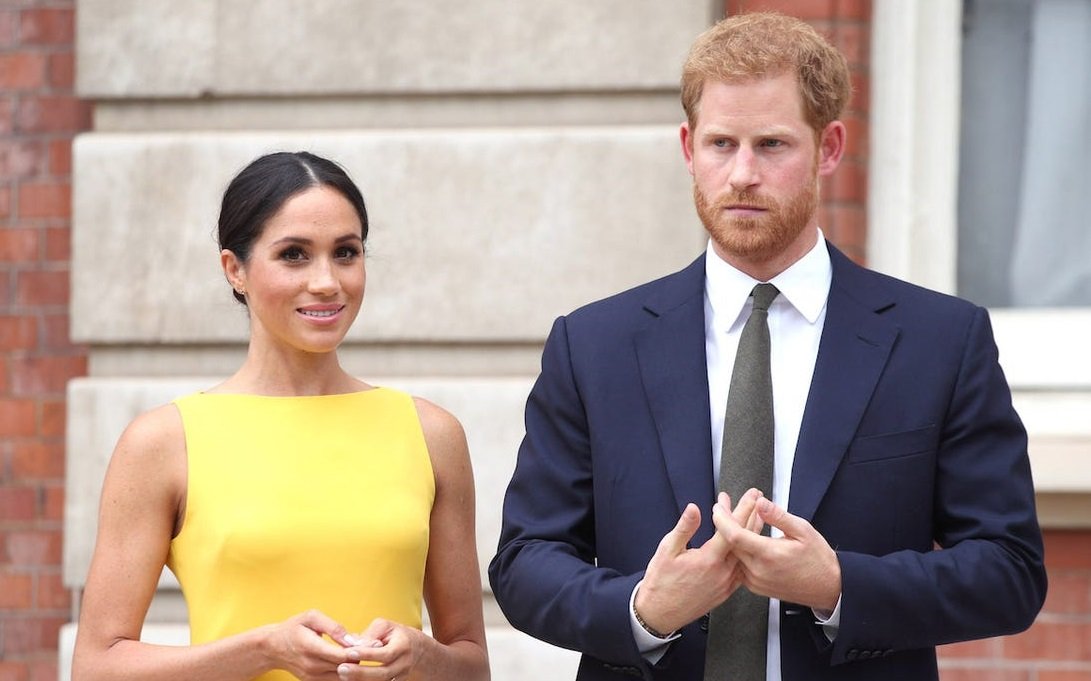
    ‘Megixt’, which refers to the withdrawal of the Duke and Duchess of Sussex from royal duties, has also been given the status of a real word.

    Meanwhile, Collins has announced ‘lockdown’ as its Word of The Year in 2020 following a dramatic increase in its usage during the spread of COVID-19.

    Lexicographers (a person who compiles dictionaries) said they picked the word because it had become synonymous with the experience of populations across the world as governments look to curb the coronavirus pandemic.

    Because of the way the pandemic has affected the daily use of language, six of Collins’ 10 words of the year in 2020 are related to the global health crisis.

    ‘Coronavirus’, ‘social distancing’, ‘self-isolate’ and ‘furlough’ as well as ‘lockdown’ and ‘key worker’ were included in the longer list of 10 words of the year.

    Helen Newstead, a language consultant at Collins, said: “Lockdown has affected the way we work, study, shop, and socialise. With many countries entering a second lockdown, it is not a word of the year to celebrate but it is, perhaps, one that sums up the year for most of the world.”

    Collins defines ‘lockdown’ as “the imposition of stringent restrictions on travel, social interaction, and access to public spaces”.

  • Study reveals one in five COVID-19 patients develop mental illness within 90 days

    Study reveals one in five COVID-19 patients develop mental illness within 90 days

    COVID-19 survivors are likely to be at greater risk of developing mental illness, psychiatrists have said after a large study found that 20% of those infected with the virus are diagnosed with a psychiatric disorder within 90 days.

    Anxiety, depression and insomnia were most common among recovered COVID-19 patients who were involved in the study and researchers also found significantly higher risks of dementia, a brain impairment condition, in them.

    “People have been worried that COVID-19 survivors will be at greater risk of mental health problems, and our findings … show this to be likely,” said Paul Harrison, a professor of psychiatry at Britain’s Oxford University.

    Doctors and scientists around the world instantly need to examine the causes and identify new treatments for mental illness after COVID-19, Harrison said.

    “(Health) services need to be ready to provide care, especially since our results are likely to be underestimates (of the number of psychiatric patients),” he added.

    Read more – Pakistan’s COVID-19 positivity nears 5%. What does that mean?

    In the three months following testing positive for COVID-19, 1 in 5 survivors was recorded as having a first-time diagnosis of anxiety, depression, or insomnia. This was about twice as likely as for other groups of patients in the same period, the researchers said.

    The study also found that people with a pre-existing mental illness were 65% more likely to be diagnosed with COVID-19 than those without.

    Mental health specialists not directly involved with the study said its findings add to growing evidence that COVID-19 can affect the brain and mind, increasing the risk of a range of psychiatric illnesses.

  • COVID-19: Karachi authorities seal several eateries for SOPs violation

    COVID-19: Karachi authorities seal several eateries for SOPs violation

    Authorities have sealed at least 14 restaurants and two gaming zones in the port city for violating the government’s COVID-19 standard operating procedures (SOPs).

    As per reports, Deputy Commissioner South Irshad Ali Sodhar said his team checked 41 restaurants, of which 17 were warned to follow the SOPs, while 11 were instantly sealed for not following the government’s directives at all. Three more eateries and two gaming zones were also shut down.

    “We inspected six shops and warned three of them to comply with the SOPs. That apart, we checked four wedding venues, issued warnings, and fined them with Rs185,000,” Sodhar told The News.

    Read more – Pakistan’s COVID-19 positivity nears 5%. What does that mean?

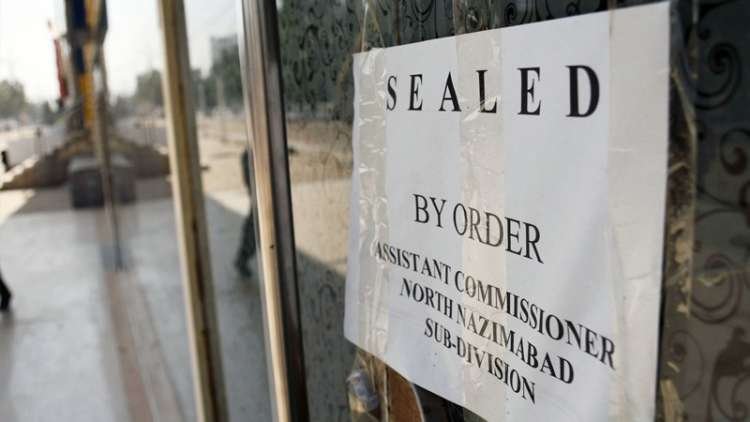
    Meanwhile, the Serena Mobile Market in North Nazimabad, that was sealed earlier on Monday for three days, has been reopened.

    Not only in Karachi, most restaurants in Lahore were also sealed at Mall1 which is located in Gulberg III.

    As Pakistan experiences the second wave of coronavirus, the country has reported 338,875 cases so far.

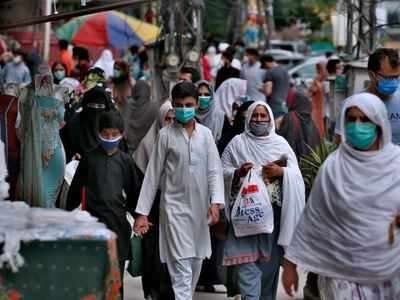
    Wearing a mask in confined indoor places, crowded spaces, bus stands, and inside public vehicles was declared mandatory for everyone and all commercial activities are allowed till 10 pm.

  • Pakistan’s COVID-19 positivity nears 5%. What does that mean?

    Pakistan’s COVID-19 positivity nears 5%. What does that mean?

    Pakistan on Tuesday recorded 4.94% COVID-19 positivity rate – highest in three months.  But what does this positivity rate mean?

    The positivity rate is obtained by dividing the number of people who test positive for the coronavirus with the total number of tests conducted in 24 hours. With that we can determine how many people being tested are actually positive for the virus. This is perhaps, the most important indicator of how the virus is spreading.

    According to the details issued by the National Command and Operations Centre (NCOC), 1,313 new cases were reported across the country.   A total of 26,565 tests were conducted. Pakistan has reported 337,573 COVID-19 cases so far.

    The country’s death toll stands at more than 6,800 as 18 people lost their lives in the past 24 hours. At least 316,060 have recovered from the virus so far. 

    The country’s positivity rate dropped to less than 2%, a few months ago, which was a great sign but it started increasing last month and now it is around 5%. The highest positivity rate was 23% in July and the minimum was reported at 1.7% in September.

    Special Assistant to the Prime Minister (SAPM) on Health Dr Faisal Sultan officially announced that the second wave of the virus has started in the country.

    Meanwhile, the National Command and Operation Center (NCOC) has tightened restrictions on some high-risk public activities to control the coronavirus spread.

    NCOC has also launched a helpline to report the COVID-19 related violations by the public.

    Now people can report the violation of COVID-19 SOPs like non-wearing of the mask, non-adherence to Social distancing, over-crowding at public places etc, at 0335-333-6262 (0335-333-NCOC) along with a picture and the following details: Location name, tehsil/district/city, date and time, event.

  • Pakistani celebrities who recently tested positive for COVID-19

    Pakistani celebrities who recently tested positive for COVID-19

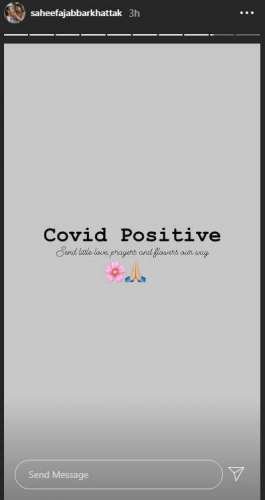
    The second wave of COVID-19 has arrived in Pakistan with infections spiking. Several Pakistani celebrities and noted personalities have tested positive for the virus in recent days including Sabaat co-stars Usman Mukhtar and Ameer Gilani and models Saheefa Jabbar Khattak and Farwa Ali Kazmi and singer Jawad Ahmed.

    Saheefa, on Tuesday, shared that she is “COVID positive” and requested her followers to pray for her. She is isolating at home with her husband.

    Late Monday night, Ameer Gilani, during a question-answer session with his followers revealed that he too had tested positive for the virus and was isolating in his room.

    “I’m COVID positive and there is no sense of taste and smell. I request you all to remember me and my family in your prayers as your prayers are very powerful,” shared the actor.

    Last week, Gilani’s co-star Usman Mukhtar had also tested positive for the virus.

    Pop musician Jawad Ahmad also tested positive for COVID-19, earlier this week. The singer is also isolating at home.

    Last week, model Farwa Ali Kazmi, had also tested positive for the virus, days after walking the ramp for Hussain Rehar’s solo show. Farwa had initially dismissed her symptoms, thinking it was seasonal flu only to discover later that she had COVID-19.

    “All those with cough, body aches and headaches but no fever, please get yourself tested. I had delayed it thinking its seasonal cold but it’s not,” stated the model.

    Farwa added that she thinks she got it by “sharing food and cigar with a COVID-positive”.

    Other celebrities, who had earlier tested positive for COVID-19, include Rubina Ashraf, Nida Yasir, Yasir Nawaz, Naveed Raza, Noman Sami, Alizeh Shah, Alyzeh Gabol, Abrar ul Haq, Sakina Samo, Shehzad Roy and Bilal Maqsood. All of them have recovered from the virus now.

    Meanwhile, several politicians including PTI’s Ali Haider Zaidi and PML-N’s Dr Musadik Malik have also tested positive for COVID-19.

  • 830 COVID-19 hot-spots sealed in Punjab

    830 COVID-19 hot-spots sealed in Punjab

    Provincial authorities have sealed numerous areas in Lahore under the micro-smart lockdown strategy. 

    As per reports, the Punjab government has sealed 830 areas across the province after a rise in COVID-19 cases. A total of 1416 coronavirus cases were reported in these areas.

    The micro-smart lockdown has been imposed in 435 spots in Lahore, 37 hot-spots in Bahawalpur, 35 places in Bhakkar, 17 areas in Dera Ghazi Khan, 34 places in Faisalabad and 14 in Gujranwala district.

    Moreover, 44 places in Multan, 29 in Gujrat and many areas in Sahiwal, Sargodha, Shekhupura, Sialkot and other districts of Punjab have been sealed under the micro-smart lockdown.

    Meanwhile, Federal Minister for Planning and Development and NCOC Chairman Asad Umar has stressed for strict implementation of SOPs to control the COVID-19 spread in the country.

    Read more – COVID-19: Pakistan’s positivity rate exceeds 3% after 70 days 

    NCOC has also recently launched a helpline to report COVID-19 related violations by the public.

     People can report the violation of COVID-19 SOPs like non-wearing of the mask, non-adherence to Social distancing, over-crowding at public places, etc, at 03353336262 (0335333NCOC) along with a picture and the following details:

    Location Name:

    Tehsil/district/city:

    Date and Time:

    Event:

    Coronavirus seems to be gradually spreading again across the country as 1,078 new cases have reported over the past 24 hours. According to the NCOC, the total number of confirmed patients of coronavirus has risen to 332,186. 20 people succumbed to the infection during the past 24 hours, pushing the death toll to 6,795.

  • Prince William reportedly contracted COVID-19 in April

    Prince William reportedly contracted COVID-19 in April

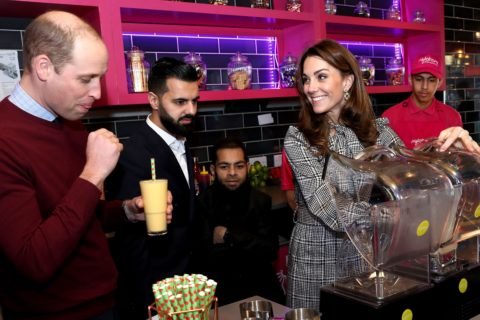
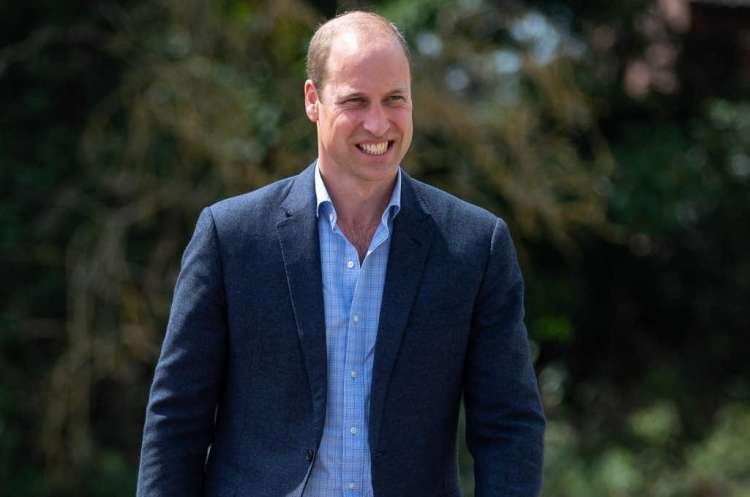
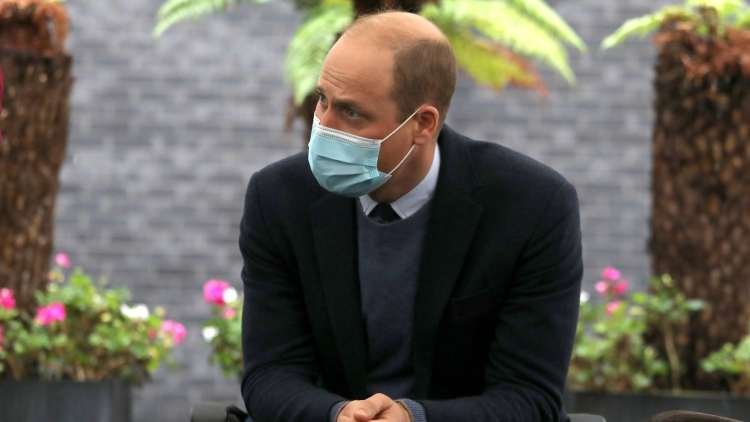
    Britain’s Prince William reportedly contracted COVID-19 in April at a similar time to his father Prince Charles, British media reported late on Sunday, citing Kensington Palace sources.

    William, grandson of Queen Elizabeth and second-in-line to the British throne, kept his diagnosis a secret because he did not want to alarm the country, The Sun newspaper reported.

    “There were important things going on and I didn’t want to worry anyone,” William was quoted by the newspaper as having told an observer at an engagement.

    He was treated by palace doctors and followed government guidelines by isolating at the family home Anmer Hall, in Norfolk, the newspaper said, adding he still carried out 14 telephone and video call engagements during April.

    “William was hit pretty hard by the virus – it really knocked him for six. At one stage he was struggling to breathe, so obviously everyone around him was pretty panicked,” a source told The Sun.

    BBC News also confirmed the news from sources late on Sunday, with Kensington Palace and the office of Prince William refusing to comment officially to the news outlet.

    According to royal reporter Chris Ship, Kate and the couple’s children did not test positive for the virus.

    The residence of William’s father, Prince Charles, had said on March 25 that Charles tested positive for the coronavirus. The heir to the throne had self-isolated at his residence in Scotland for seven days with mild symptoms.

    Britain has been hit hard by the coronavirus outbreak and has reported 46,717 COVID-19 deaths – defined as those dying within 28 days of a positive test. Prime Minister Boris Johnson on Saturday ordered England back into a national lockdown after the United Kingdom passed the milestone of one million COVID-19 cases and a second wave of infections threatened to overwhelm the health service. The one-month lockdown across England will kick in at a minute past midnight on Thursday morning and last until December 2.