Tag: coronavirus

  • VIDEO: Trouble for Buzdar as coronavirus patients in Lahore come out to protest

    VIDEO: Trouble for Buzdar as coronavirus patients in Lahore come out to protest

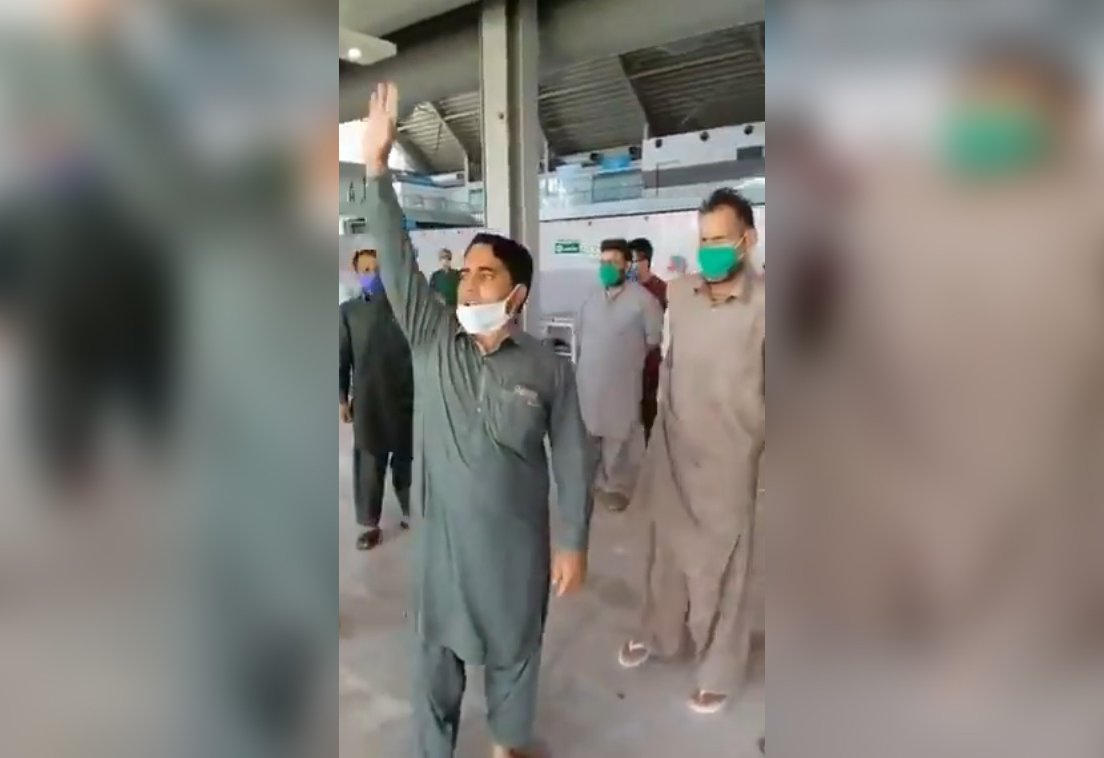
    As Punjab retains its position as the worst-hit province with over 6,800 coronavirus infections, Punjab Chief Minister (CM) Usman Buzdar-led administration faces another challenge as patients at the Expo Field Hospital in Lahore come out in protest, complaining against the hospital’s inefficient management and testing.

    A video available with The Current showed the patients bashing the government as they claimed that the services being provided at the hospital were inadequate and not up to basic health standards. They also claimed that due to the incompetence of the government officials, it could not be determined if many people at the centre even had coronavirus.

    “Sometimes we test positive, sometimes negative… it is going on for over 20 days. The only people who have been allowed to leave this jail are the ones who have paid Rs8,000 to a private lab for testing.”

    WATCH VIDEO:

    https://twitter.com/fatah_pak/status/1255926871734312960

    They appealed to the government to take action against the staff that had made the facility a living hell for them.

    Washrooms at the hospital are extremely dirty and don’t even have soap let alone sanitiser, Samaa quoted a patient as saying.

    Another complained that the food provided to patients was either stale or bad. “We have complained to the government multiple times but they haven’t even acknowledged our concerns,” he added.

    The patients have demanded that the government let them go home if they can’t be taken care of. Quarantining at home is better than staying here, they said, adding that living in these conditions will never pull them out of the disease.

    Previously, due to similar complaints, CM Buzdar had taken notice of the hospital, however, no changes seem to have been made yet.

    The provincial government had in April has set up a 1,000-bed field hospital in Expo Centre Lahore due to rapidly increasing number of COVID-19 cases.

    Punjab Health Minister Dr Yasmin Rashid had directed setting up Triage Centre at the Expo Center Field Hospital.

    Triage Centre serves as the point where patients are prioritised for different sections based on the severity of symptoms and their condition in emergencies. The government has set up a field hospital at the Expo Center where emergency arrangements have been made for COVID-19 patients.
  • Naya Pakistan: Govt starts paying unemployed people to plant trees

    Naya Pakistan: Govt starts paying unemployed people to plant trees

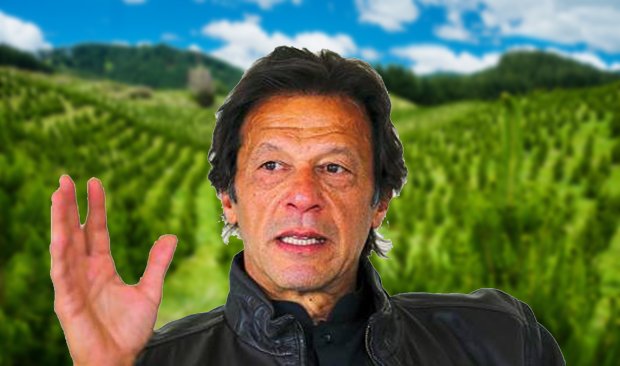
    When construction worker Abdul Rahman lost his job to Pakistan’s coronavirus lockdown, his choices looked stark – resort to begging on the streets or let his family go hungry.

    But the government has now given him a better option: Join tens of thousands of other out-of-work labourers in planting billions of trees across the country to deal with climate change threats, Reuters reported.

    Since Pakistan locked down starting March 23 to try to stem the spread of COVID-19, unemployed day labourers have been given new jobs as “jungle workers”, planting saplings as part of the country’s 10 Billion Tree Tsunami programme.

    Such “green stimulus” efforts are an example of how funds that aim to help families and keep the economy running during pandemic shutdowns could also help nations prepare for the next big threat: climate change.

    WATCH VIDEO:

    “Due to coronavirus, all the cities have shut down and there is no work. Most of us daily wagers couldn’t earn a living,” Rahman, a resident of Rawalpindi district in Punjab province, told the Thomson Reuters Foundation.

    He now makes 500 rupees ($3) per day planting trees – about half of what he might have made on a good day, but enough to get by.

    “All of us now have a way of earning daily wages again to feed our families,” he said.

    The ambitious five-year tree-planting programme, which Prime Minister (PM) Imran Khan launched in 2018, aims to counter the rising temperatures, flooding, droughts and other extreme weather in the country that scientists link to climate change.

  • Myth Buster: Can sitting in the sun save you from COVID-19?

    Myth Buster: Can sitting in the sun save you from COVID-19?

    Myths and misinformation related to COVID-19 are abundantly available on social media. This means that every piece of information you read regarding the virus may or may not be true. The best is to go to a trusted source like the World Health Organisation (WHO) to check any remedy or cure that might come up these days.

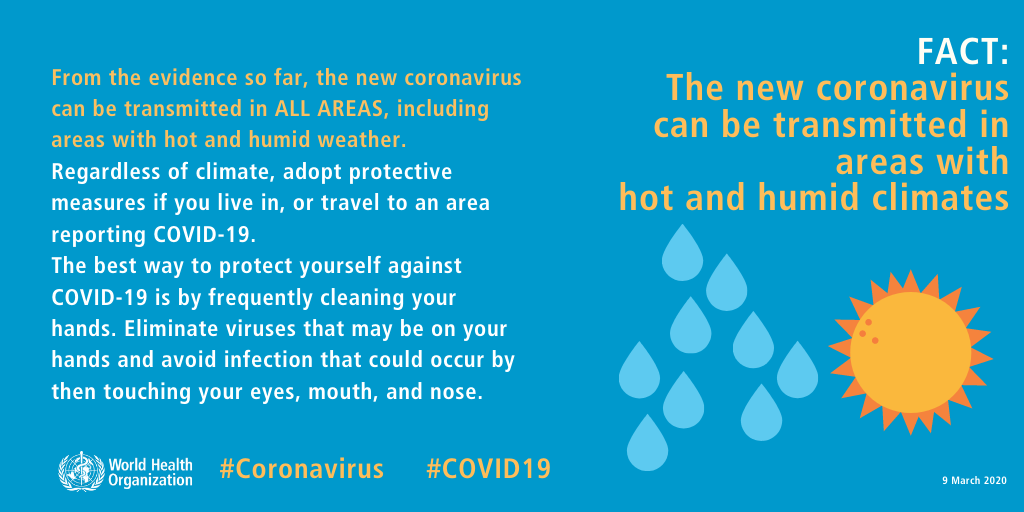
    Fact 1: Exposing yourself to the sun or temperature higher than 25C degrees does not prevent nor cure coronavirus.

    Fact 2: COVID-19 is not transmitted through houseflies.

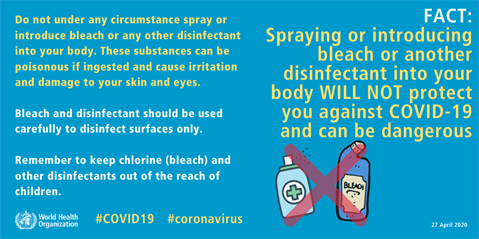
    Fact 3: Spraying or introducing bleach or another disinfectant into your body will not protect you against COVID-19 and can be dangerous.

    Fact 4: 5G mobile networks do not spread COVID-19.

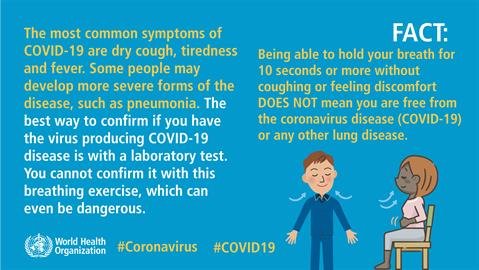
    Fact 5: Being able to hold your breath for 10 seconds or more without coughing or feeling discomfort DOES NOT mean you are free from the infection.

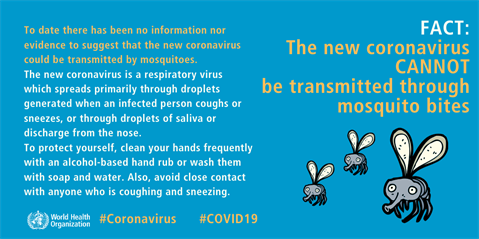
    Fact 6: The new coronavirus cannot be transmitted through mosquito bites.

    Fact 7: Taking a hot bath does not prevent the new coronavirus disease.

  • Punjab unable to locate 1,012 suspected COVID-19 patients in Lahore, Sialkot and Multan

    The Punjab government is trying to trace 1,012 suspected carriers of the deadly COVID-19 in various areas of the province, a private media outlet has reported.

    Quoting officials, the report said these suspected carriers, who are scattered mainly in Lahore, Sialkot and Multan, have been included in the final tally of the confirmed cases until they test negative for the virus. Of these 1,012 suspected carriers, 691 are in Lahore, 87 in Sialkot and 72 in Multan.

    The report also quoted Punjab Specialised Healthcare and Medical Education Department Deputy Secretary Mudasir Ahmed as saying that the suspected patients are contacts of confirmed coronavirus patients. The official said that they are gathering their phone numbers and addresses of these suspected patients and there is a “big and successful mechanism” in place for contract-tracing in the province.

    Provincial Disaster Management Authority (PDMA) Director Operations Nisar Ahmed told the news outlet that they already know where all the positive cases are, so the people they came into contact with must also be carriers of the virus. He added that they were currently trying to trace these suspected carriers.

    Punjab has over 6,200 confirmed cases of the deadly virus, the highest in the country.

  • Resting the food panic amid COVID-19

    Resting the food panic amid COVID-19

    The global coronavirus pandemic has resulted in either a partial or full closure of most industries, wreaking havoc on the country’s economy. Though food scarcity is not a problem yet, during Ramzan, the closures can spell misery for people despite the government’s assurance of consistent supply. In order to simmer down the current food panic and hoarding of goods, it is to be ensured that the production and availability of essential goods are not halted by the arrival of COVID-19 in Pakistan.

    There are two sources of concern in this situation.

    First, despite growth in livestock, which contributes to almost 2/3 of the agricultural output in Pakistan and accelerated slightly to 4.0% in fiscal year (FY) 2019; agricultural production as a whole expanded by only 0.8%. Second, with COVID-19 escalating, Pakistan has recently suspended its trade and closed its borders, leaving many distressed and worrying about the shortage of essential Iftar items.

    In order to address the first concern, it is imperative to note that an overall decline in all sectors was already being witnessed before COVID-19. The slowdown in the agriculture industry was exacerbated by weaker demand and higher costs until the disease arrived. As for the shortage of essentials food items, Punjab alone is a mass producer of many food essentials that will be easily available during Ramzan. An analysis by the Urban Unit states the availability of most essential items from April to June 2020:

    • Tomatoes: Punjab’s production was recorded 1,38,397 tons during 2018-19
    • Potatoes: Punjab has 96.94% share in the total domestic production of potato and the total arrival in local wholesale markets was recorded at 510 to 515 trucks/day on an average
    • Garlic: Domestic production was recorded at 72,598 tons in 2018/2019.
    • Chilies: Production of chilies in Punjab is 11,698 tons
    • Onions: 20% in total domestic production
    • In addition to these, all forms of meat and dairy will be available as 3.7 million litres of milk are supplied per day and the daily supply of beef and mutton is 518,861 tonnes and 130,000 tonnes per day, respectively.

    Under essential items, rice is the only commodity that is expected to suffer a blow by the pandemic, but it is harvested in September. All vegetables and fruits such as capsicum, cabbage, cauliflower, bittergourd, cucumber, turnip, guava, melons and strawberries will be available in an abundant amount.

    While no serious panic has been witnessed in consumer behavior in Pakistan unlike in Europe or the United States (US), the government must exercise extreme vigilance on supply-demand trends during Ramzan. There should be no hoarding, and a robust price control mechanism must be put in place at the grass-root level by respective provincial and district administrations.

    For example, the Food Department of the Punjab government has taken effective and strict measures and warned of a crackdown on unnecessary stock holdings.

    So far, collective efforts by the Food Department along with the Deputy Commissioner’s Office and the Industries Department have led to the collection of fines worth Rs2,883.71 million from accumulators of food items, out of which Rs882.03 million was collected within just 40 days i.e. from March 1 to April 9.

    In an attempt to reduce the current wheat prices, the department is further identifying and disqualifying ghost mills from the official quota and borders are also being sealed, barring wheat transportation outside the province and ensuring food security.

  • President Alvi endorses video removed by YouTube for spreading coronavirus misinformation

    President Alvi endorses video removed by YouTube for spreading coronavirus misinformation

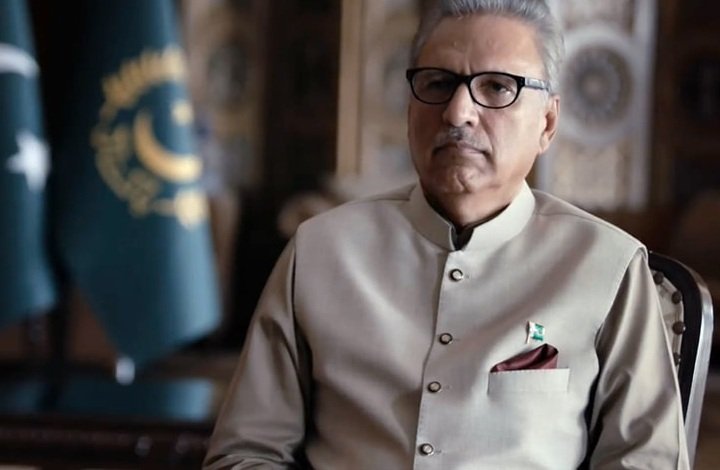
    President Arif Alvi retweeted a tweet by his son, Awab Alvi, on April 26, and said: “Lockdown or No Lockdown? Coronavirus is new so there is a major difference of opinion in the world & in Pakistan on how to handle it. As data comes in, opinions change. So please keep an open mind. This is long but a must-watch for all our opinion-makers including politicians.”

    The tweet was a video by doctors who were arguing that people should develop resistance to COVID-19.

    In a Twitter thread, President Alvi’s son Dr Awab Alvi goes on to say: “Historically of the human race and medical outbreak We’ve always “quarantined the sick” NEVER have we “quarantined the healthy” In the panic of the unknown we are reacting (may have been right earlier) but now we know this better and we need the population to develop resistance. [sic]”

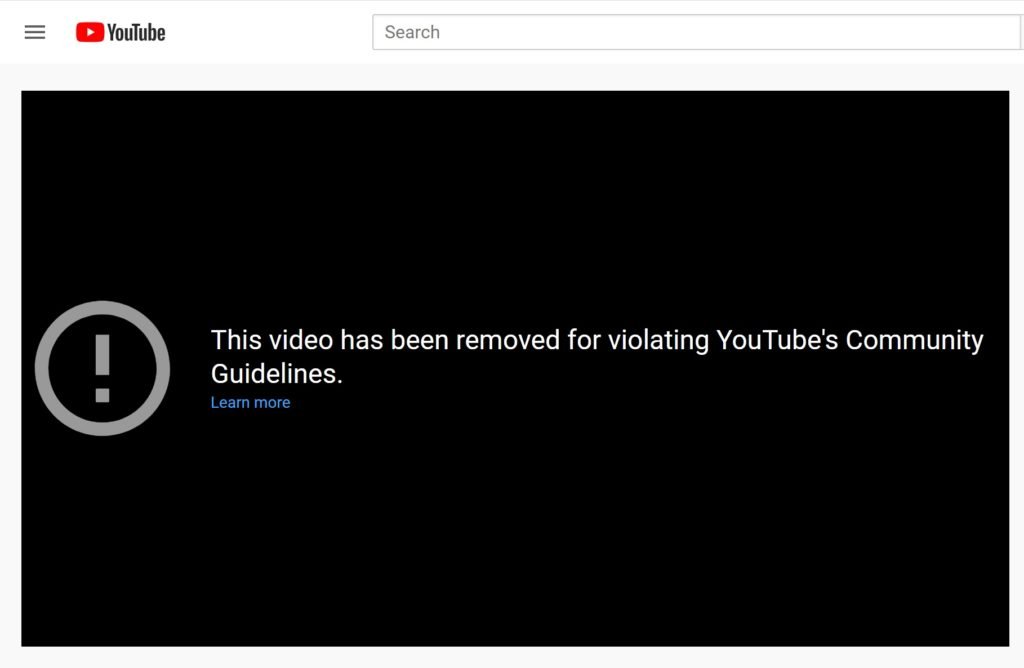
    But if you click on the YouTube video shared by Dr Awab Alvi, it says the video has been removed. Link here: https://www.youtube.com/watch?v=xfLVxx_lBLU&feature=youtu.be

    The video has been taken down by YouTube for violating YouTube’s Community Guidelines. YouTube has recently been taking down videos spreading misinformation about the novel coronavirus.

    Twitter recently also updated its guidelines on misinformation regarding COVID-19. Last month, Twitter and Facebook removed posts shared by Brazilian President Jair Bolsonaro for including coronavirus misinformation that violates the social media companies’ rules against posting harmful content.

    Facebook said it took down a video that had been shared on both Facebook and Instagram, in which Bolsonaro said the anti-malaria prescription drug hydroxychloroquine was an effective treatment for COVID-19.

    Twitter earlier had removed two videos that also showed Bolsonaro praising hydroxychloroquine and encouraging the end of social distancing. It is rare for Facebook to take down a post from a head of state, but the coronavirus pandemic has led tech companies to move aggressively to filter out unfounded medical advice, hoaxes and other false information that they say could risk public health.

    Facebook has a policy against sharing posts that could cause users physical harm, a spokesperson said.  “We remove content on Facebook and Instagram that violates our Community Standards, which do not allow misinformation that could lead to physical harm,” the company said in a statement. Twitter, too, has a policy that requires people to remove tweets that recommend cures or advice that goes against the recommendations of public health authorities.

    As coronavirus cases continue to increase in Pakistan and across the globe, the World Health Organization (WHO) recently warned that COVID-19 cases in Pakistan can rise to 200,000 by July.

  • After media, Tariq  Jamil apologises to nation for controversial remarks against women

    After media, Tariq Jamil apologises to nation for controversial remarks against women

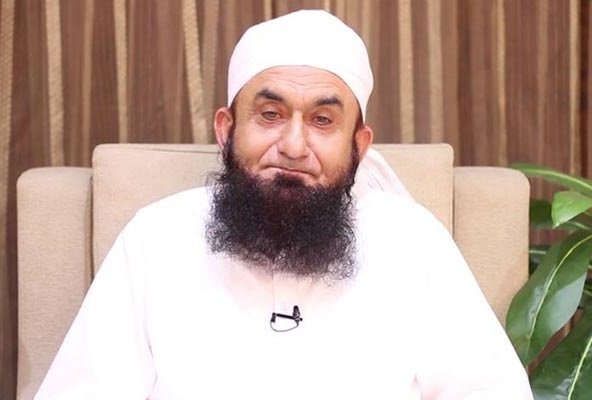
    After media, renowned preacher Maulana Tariq Jamil has also apologised to the nation for his controversial remarks on women, which had drawn mixed reactions over both mainstream and social media.

    During Prime Minister (PM) Imran Khan’s Ehsaas Telethon to raise funds for government’s coronavirus relief programme on April 23, Jamil, who was invited to deliver a prayer, had said that the COVID-19 pandemic was caused partly because of the “immodesty” of women.

    He had also called out media houses both in Pakistan and around the globe for “spreading lies”.

    The comments sparked outrage on social media with leading human rights activists, as well as some of the ruling Pakistan Tehreek-e-Insaf’s (PTI) ministers, demanding Jamil to tender an apology for his “callous” and “demeaning” remarks.

    “My aim was to point out that we are all to blame for our current state. It was meant to be a general remark not targeting any specific men, women, persons, or gender, but as a reminder to get closer to what Allah teaches us,” Jamil clarified in a series of tweets early Tuesday morning.

    The cleric also said that his “goal was to remind us all to focus on the spiritual and away from our desires and the materialistic”.

    “I am the first to admit as I have taught over the years, that there is no excuse for making any hurtful comments about anyone or making anyone feel uncomfortable.”

    The apology has been very well received by a majority of netizens.

    “Thank you for the clarification. Really appreciate it. You have many followers and this will send a clear message to those who seek to misinterpret your words to target women,” wrote Federal Minister for Human Rights Dr Shireen Mazari while retweeting Jamil’s apology.

  • Over 700 dead after consuming poison to cure COVID-19

    Over 700 dead after consuming poison to cure COVID-19

    More than 700 people have died after ingesting toxic methanol, thinking it can cure the new coronavirus — COVID-19.

    According to Al Jazeera, the incident took place in Iran where the national coroner’s authority says that alcohol poisoning has killed 728 Iranians between February 20 and April 7 amid the coronavirus outbreak as compared to last year’s 66 fatalities from the same.

    An adviser to the Iranian Health Ministry, Hossein Hassanian, said that the difference in death tallies is because some alcohol poisoning victims died outside of hospital.

    Some 200 people died outside of hospitals, Hassanian was quoted as saying.

    Iran is facing the worst coronavirus outbreak in the Middle East with 5,806 deaths and more than 91,000 confirmed case.

    Methanol cannot be smelled or tasted in drinks. It causes delayed organ and brain damage. Symptoms include chest pain, nausea, hyperventilation, blindness and even coma.

    In Iran, the government mandates that manufacturers of toxic methanol add an artificial color to their products so the public can tell it apart from ethanol, the kind of alcohol that can be used in cleaning wounds. Ethanol is found in alcoholic beverages, though its production is illegal in Iran.

    READ: Britain, France, Germany bypass US sanctions to send medical aid to virus-hit Iran

    Some bootleggers in Iran use methanol, adding a splash of bleach to mask the added color before selling it as drinkable. Methanol also can contaminate traditionally fermented alcohol.

    The consumption of alcohol is generally prohibited in Iran. However, minority Christians, Jews and Zoroastrians can drink alcoholic beverages in private.

    Following the coronavirus outbreak, Iran’s government announced it would issue permission for new alcohol factories quickly.

    Iran has currently some 40 alcohol factory that have been allocated for pharmaceutical and sanitising items.

    The report comes days after United States (US) President Donald Trump raised the possibility of injecting disinfectant into patients, causing an international uproar with manufacturers, doctors and government agencies rushing out warnings against consuming disinfectants like bleach.

  • Eight out of 20 test positive for coronavirus at ARY office

    The founder and CEO of ARY Digital Network, Salman Iqbal, has tweeted that eight out of 20 random test results at ARY’s Islamabad office came positive for coronavirus, following which the channel has closed the office and all of its staff will be tested.

    ARY anchor Sabir Shakir has tweeted that three staff members tested positive after they went to Faisal Edhi’s home and other three after going to a mosque that has been sealed. Most of the affectees were field reporters or staff.

    Related: ARY’s Kashif Abbasi’s interview with The Current in the Islamabad office

    Some of ARY’s most popular shows, including Off the Record with Kashif Abbasi is based in Islamabad as well as Arshad Sharif’s programme.

    Pakistan currently has almost 13,700 cases and more than 250 people have died. There has been a spike in cases this past week and 92 health professionals in Pakistan have tested positive for the virus.

    ARY’s head office is in Karachi.

  • 21 cops on Sunday, 92 health professionals in two days test positive for coronavirus

    21 cops on Sunday, 92 health professionals in two days test positive for coronavirus

    At least 21 Punjab Police officials on Sunday and 92 health professionals within the last two days have tested positive for the new coronavirus. The sudden spike in the number of health professionals contracting the virus has increased the national tally of infected doctors, nurses, paramedics and support staff to 345.

    As per the details of the infected cops, additional inspector general (AIG) operations has said that over 60 police personnel were tested for the virus, out of which 21 tested positive. One of the cops was deployed at the Central Police Office (CPO) whereas the results of many others are awaited.

    While cops dealing with masses are at a greater risk to contract COVID-19 and incidents of them falling sick have been reported from various parts of the country, health professionals remain on the frontline in the battle against the global pandemic.

    According to a Ministry of National Health Services, Regulation and Coordination official, the number of health professionals contracting the virus increased to 345 from 253 after new cases were detected among the medical community.

    The official said that doctors are the most-affected among healthcare professionals with over 165 of them now undergoing treatment across the country. As many as 131 members of paramedical and support staff, as well as 41 nurses, have also contracted the virus.

    Apart from the confirmed cases, more than 1,500 doctors, nurses, paramedics and those with whom they came into contact, are in quarantine. Many are waiting for their test results after coming into contact with health professionals who have already tested positive, the official said.

    They added that most of the cases of coronavirus among health professionals had been reported in Balochistan, Khyber Pakhtunkhwa (KP) and Punjab, while a few cases had also been reported in Sindh and the federal capital.