Saudi Aramco is actively contemplating the possibility of acquiring Shell’s holdings in Pakistan, marking a potential historic foray into the South Asian nation, according to Bloomberg.
The Saudi oil company is evaluating Shell’s assets in the region, notably Shell Pakistan Ltd., a Karachi-listed entity with a market value of $123 million. The collective value of Shell’s Pakistani assets is estimated to hover around $200 million, according to insiders.
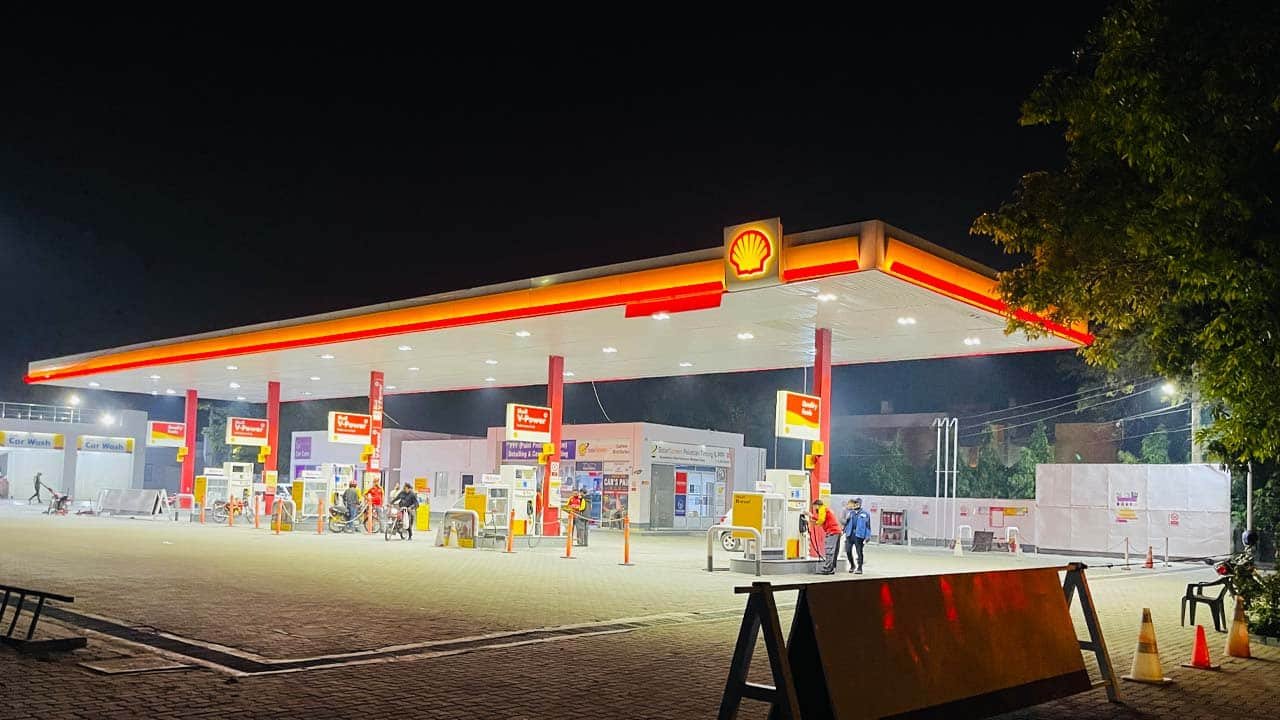
Shell boasts a rich legacy of over seven decades in Pakistan, with a network of more than 600 fuel stations. The company has not only been a prominent fuel supplier but has also been engaged in the lubricant business.
It’s crucial to note that this expression of interest from Saudi Aramco doesn’t guarantee an outright acquisition. Other potential suitors might emerge on the horizon.
Responding to inquiries, a Shell representative acknowledged strong interest from both local and international buyers but refrained from divulging specific details. The representative emphasised that any sale would follow a structured sales process, including the execution of binding agreements and the requisite regulatory approvals.
In a significant announcement made in June, Shell disclosed its intention to exit the Pakistani market, with plans to divest its 77.4 per cent stake in Shell Pakistan and its 26 per cent ownership in Pak-Arab Pipeline Co., a state-supported cross-country pipeline network. This strategic move aligns with Shell’s broader divestment strategy, led by CEO Wael Sawan, aimed at enhancing shareholder returns by shedding underperforming assets.
Shell’s withdrawal represents a challenge for Pakistan, which is grappling with economic instability, exemplified by a depreciating currency over the past year. Pakistan has witnessed the departure of several multinational corporations in recent years, including fuel retailer Puma Energy in 2021 and the shutdown of trucking startup Trella in April.
Meanwhile, Saudi Arabia, under the guidance of Crown Prince Mohammed bin Salman, has expressed a commitment to bolster its involvement and investments in Pakistan. The Saudi Fund for Development is exploring the possibility of increasing its deposit with the State Bank of Pakistan from $3 billion to $5 billion, as well as a plan to elevate Saudi investments in Pakistan to $10 billion.
Furthermore, Aramco has entered into discussions with the Pakistani government regarding a substantial $10 billion refinery project, as confirmed by the country’s energy minister, Muhammad Ali, earlier this month. These developments reflect the growing engagement and economic ties between Saudi Arabia and Pakistan.