Tag: corruption

  • Ali Amin Gandapur, Shakil Khan accused each other of corruption on WhatsApp

    Ali Amin Gandapur, Shakil Khan accused each other of corruption on WhatsApp

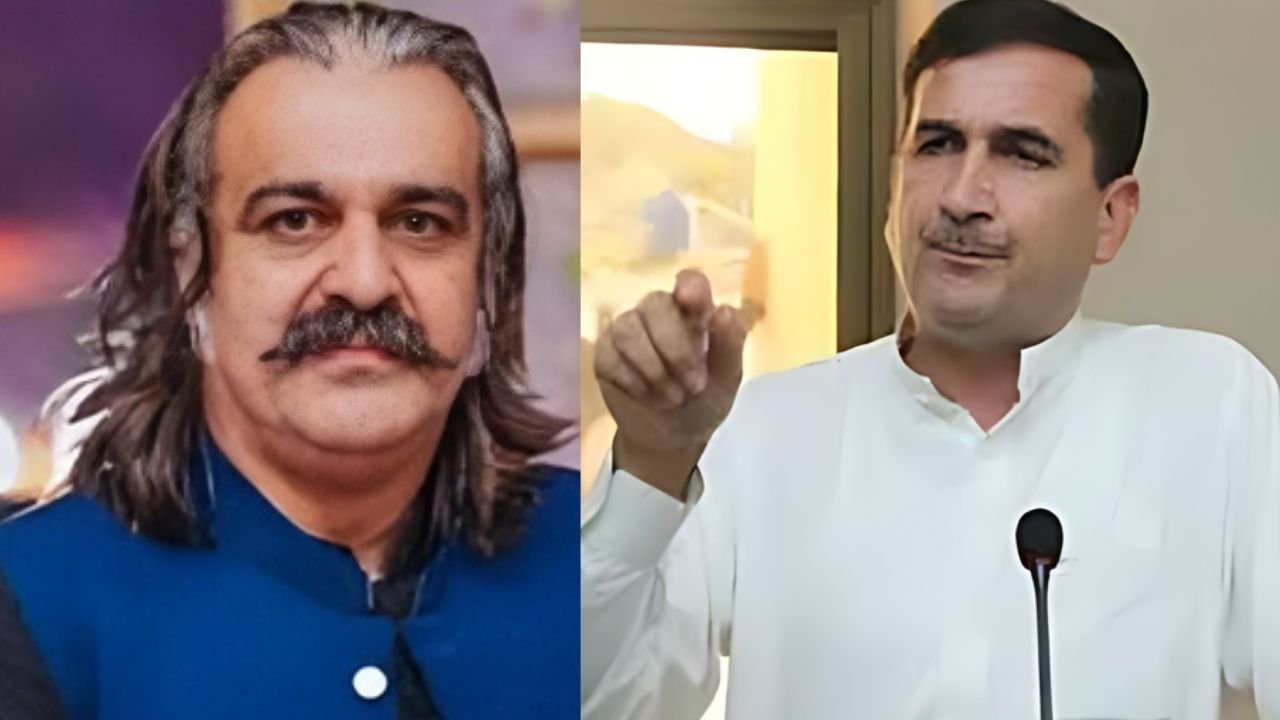
    Chief Minister Khyber Pakhtunkhwa (KPK) Ali Amin Gandapur and former KPK Minister of Communication and Works Shakil Khan exchange bitter words in the Pakistan Tehreek e Insaf (PTI) parliamentarian Whatsapp group.

    Both exchanged harsh words for an hour and accused each other of corruption at midnight around 1 PM, sources have told Geo News.

    Shakil Khan derided the CM for his perceived lack of authority and promptly resigned from the ministry in the WhatsApp group. Gandapur responded equally swiftly, stating, ”I had already dismissed you.”

    Both deleted their messages after advise from assembly members and ministers.

    Shakil Khan resigned from the ministry while Gandapur termed his performance unsatisfactory.

  • Journalist investigating corruption killed in Colombia

    Journalist investigating corruption killed in Colombia

    Bogotá, Colombia – A Colombian journalist investigating corruption was killed over the weekend in a city near the border with Venezuela, officials said Monday.

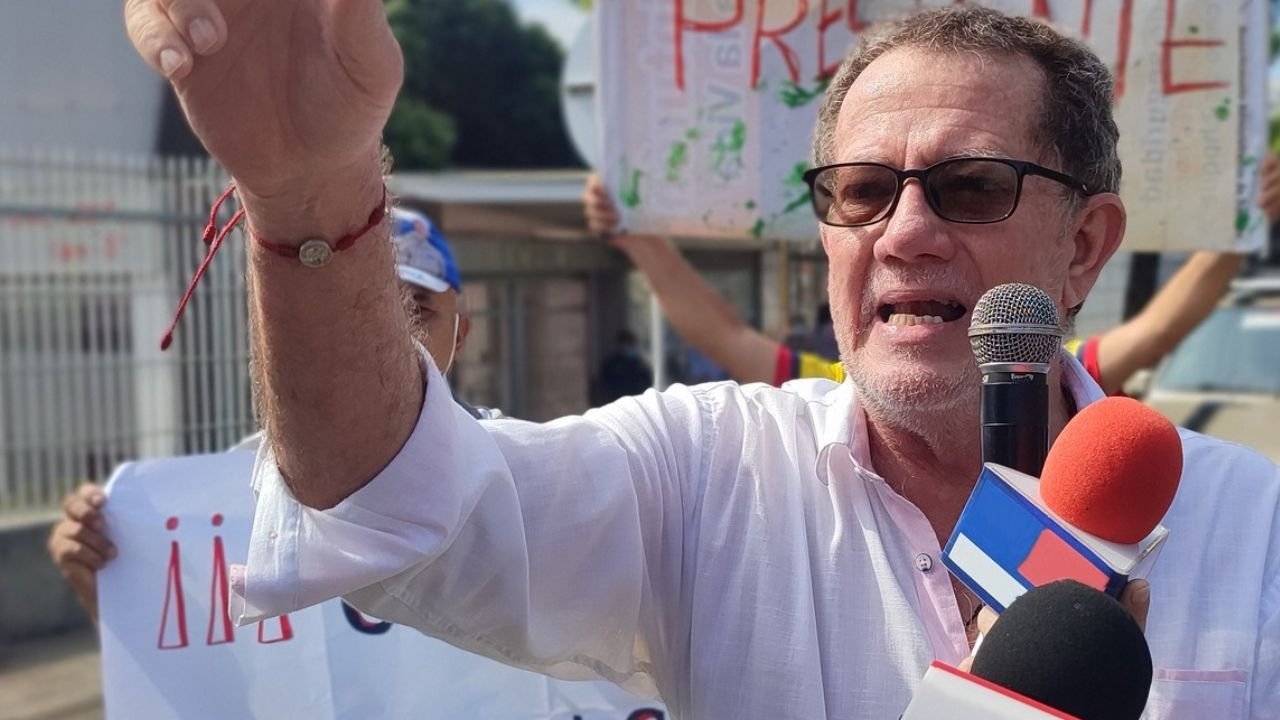
    The reporter, 54-year-old Jaime Vasquez, was shot in Cucuta in front of about a dozen witnesses, according to security videos released by local media.

    Prosecutors say the gunman fled on a motorbike.

    President Gustavo Petro said on X he had ordered an investigation into the murder of Vasquez, who had published allegations of irregular contracts and abuses of power in the city administration and received threats as a result of his work, according to a friend.

    Colombia’s FLIP press freedom foundation condemned the killing and called for a “rapid and exhaustive” probe.

    Since 2006, 167 journalists have been killed in Colombia, according to FLIP. Last year, 163 reporters received threats.

    Another eight people were killed in and around Cucuta on the same weekend, police said, in a region where paramilitary fighters, guerrillas and local criminal gangs are known to operate.

    vd/jss/lv/mlr/dw

    © Agence France-Presse

  • Civil-military leaders decide on action against corruption, smuggling, power theft

    Civil-military leaders decide on action against corruption, smuggling, power theft

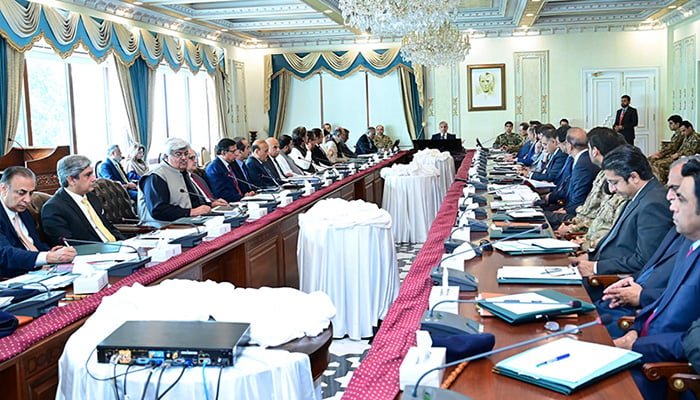
    The civil-military leadership of the country has chosen to take tough measures against anyone engaged in illegal activities like corruption, smuggling, power theft, and criminal gangs.

    The decisions were taken in a high-level meeting — with an agenda of “measures against spectrum of illegal activities and criminal mafias” — chaired by Prime Minister Shehbaz Sharif on Friday attended by civil-military leadership in which measures against unlawful activities were discussed.

    General Syed Asim Munir, the Chief of Army Staff (COAS), along with federal cabinet members, chief ministers, and other high-ranking government officials, participated in the important meeting.

    The authorities thoroughly explained the actions taken against criminal mafias, smuggling, hoarding, money laundering, power theft, and repatriation of illegal foreigners to the participants.

  • Zardari wants to use presidential protection in NAB cases

    Zardari wants to use presidential protection in NAB cases

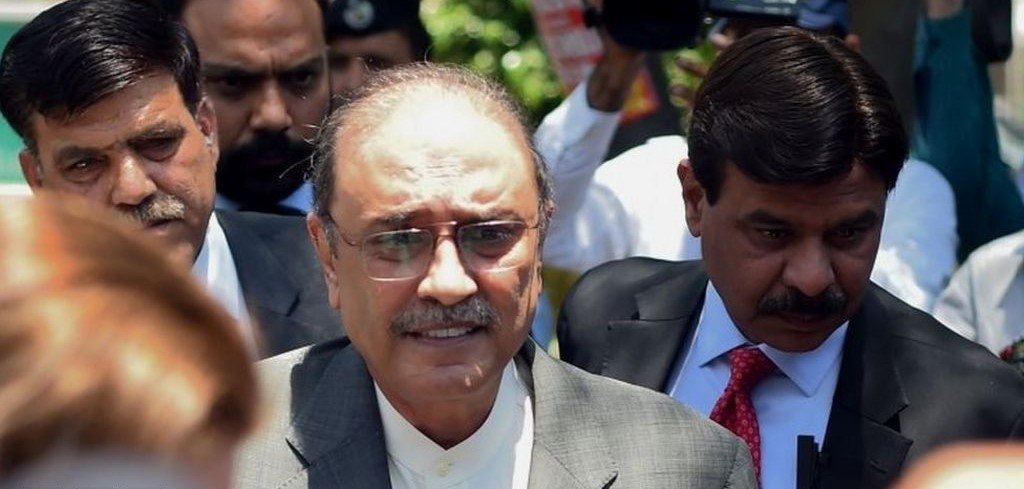
    President Asif Ali Zardari has filed for Presidential immunity under Article 248 of the Constitution in two National Accountability Bureau (NAB) cases. The clause provides protection to high-ranking state officials from all legal proceedings in court for any action taken by them during their terms in office.

    In the Park Lane Case, Mr Zardari is accused of allegedly using his influence to extract loans from the state exchequer for dummy corporations during his term as the President from 2008 to 2013. It is important to note that Mr Zardari, along with his sister and several other business associates, are accused in this case as well. However, the Presidential immunity only protects Mr Zardari.

    The other NAB case is known as the Thatta Water Supply reference in which Asif Ali Zardari and others are accused of illegally awarding different contracts to private contractors. Zardari’s counsel emphasized that President Zardari’s status as the country’s elected head granted him immunity from legal action, thus rendering the continuation of the case against him untenable.

    The accountability court has since issued a notice to the NAB, seeking a response to Mr Zardari’s application for immunity by April 22.

    President Asif Ali Zardari has filed for Presidential immunity under Article 248 of the Constitution in two National Accountability Bureau (NAB) cases. The clause provides protection to high-ranking state officials from all legal proceedings in court for any action taken by them during their terms in office.

    In the Park Lane Case, Mr Zardari is accused of allegedly using his influence to extract loans from the state exchequer for dummy corporations during his term as the President from 2008 to 2013. It is important to note that Mr Zardari, along with his sister and several other business associates, are accused in this case as well. However, the Presidential immunity only protects Mr Zardari.

    The other NAB case is known as the Thatta Water Supply reference in which Asif Ali Zardari and others are accused of illegally awarding different contracts to private contractors. Zardari’s counsel emphasized that President Zardari’s status as the country’s elected head granted him immunity from legal action, thus rendering the continuation of the case against him untenable.

    The accountability court has since issued a notice to the NAB, seeking a response to Mr Zardari’s application for immunity by April 22.

  • Corruption was rampant in PTI’s previous KP government,’ Sher Afzal Marwat

    Corruption was rampant in PTI’s previous KP government,’ Sher Afzal Marwat

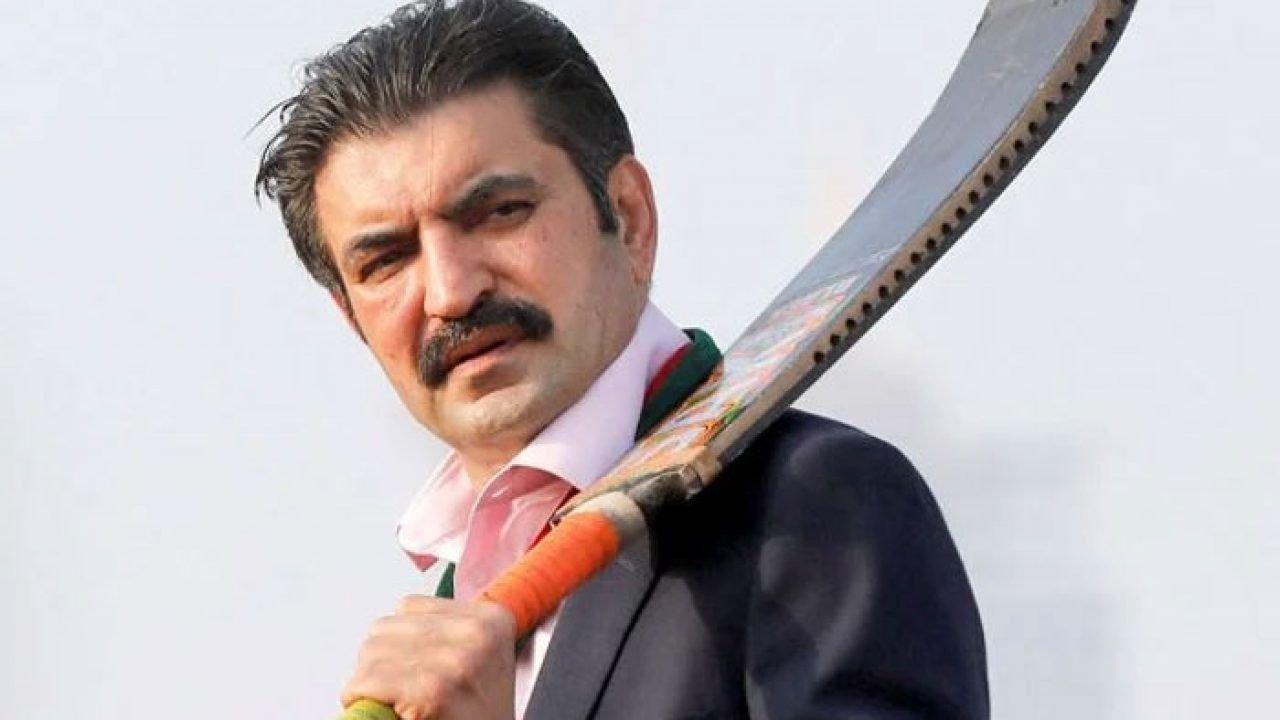
    Pakistan Tehreek-e-Insaf (PTI) leader and lawmaker Sher Afzal Marwat made startling admissions regarding corruption within his party’s previous government in Khyber Pakhtunkhwa (KP).

    Known for his outspoken demeanor and controversial statements, Marwat recently alleged on an X (former Twitter) space that corruption had reached unprecedented levels during the previous PTI government in KP, with individuals amassing not billions, but trillions through illicit means.

    Responding to a question, the PTI leader said that the narrative of keeping former prime minister Imran Khan at Adiala Jail instead of his residence in Bani Gala was not floated by him.
    “Former KP chief minister Mahmood Khan earns Rs2.5 million daily from one of his mines now,” he added.

    Marwat’s remarks have once again thrust him into the limelight for his blunt and provocative statements. Just last week, he openly criticized his party’s decisions on alliances, attributing their electoral setbacks to two major mistakes.

    He said the first major mistake was committed when party founder Imran Khan gave instructions for a political alliance with the Jamiat Ulema-i-Islam Sherani and the second major mistake was the announcement of the inclusion into the Majlis Wahdat-i-Muslimeen, adding that some people gave sectarian colour to the issue and gave threatening messages to the PTI leadership.
    However, Marwat’s comments have drawn ire from within his party, as well as from political allies.

    Sahibzada Hamid Raza, Chairman of the Sunni Ittehad Council (SIC), issued a stern warning to leaders of the Pakistan Tehreek-e-Insaf (PTI), cautioning them against airing internal grievances publicly.
    The revelations made by Marwat have reignited discussions surrounding corruption allegations within the PTI and have raised concerns about the party’s internal cohesion.

  • Plastic currency coming soon in Pakistan?

    Plastic currency coming soon in Pakistan?

    Negotiations between Pakistan and the IMF mission for the next instalment of a vital loan will continue to proceed today.

    According to sources quoted by Geo news, IMF officials will be briefed on FBR reforms, tax collection and other issues, as well as more immediate measures to increase tax collection in the current financial year.

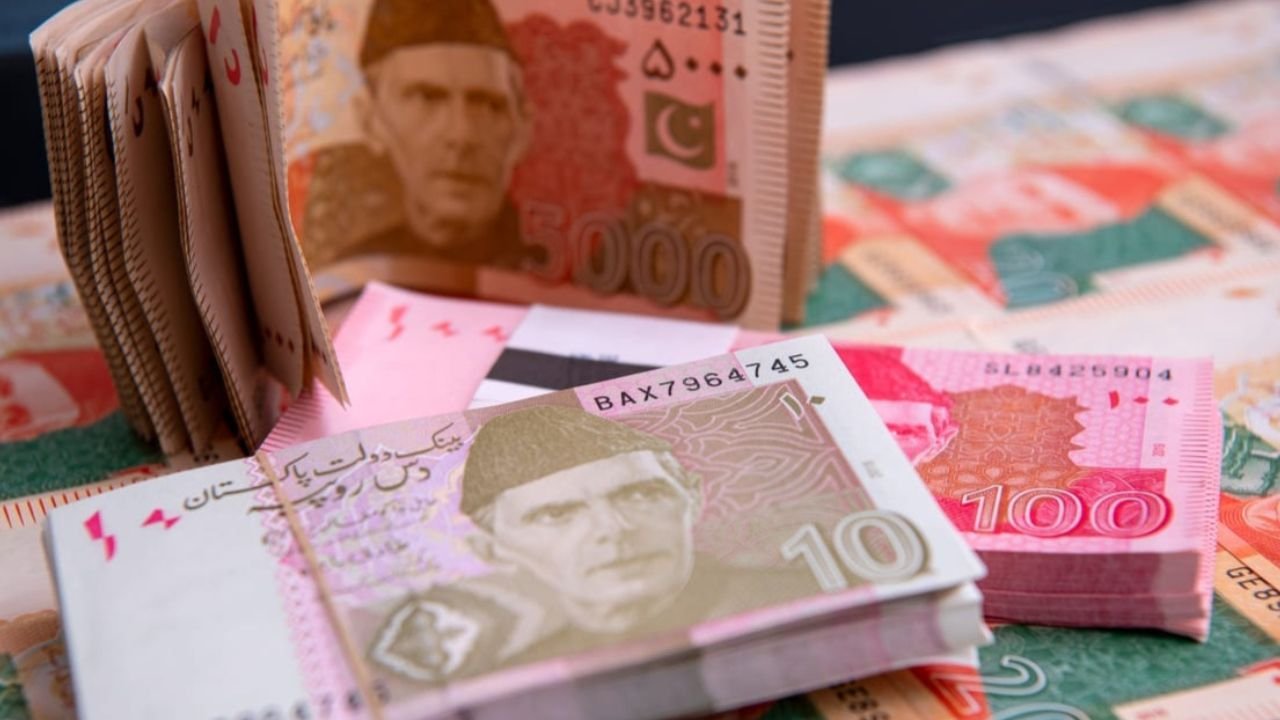
    Sources say that State Bank officials will brief the IMF delegation on the plan to issue new plastic notes to prevent fake currency.

    Such currency notes are being used in Far Eastern countries and Switzerland.

    The IMF will also be briefed on reports issued under the United Nations Anti-Corruption Convention.

    The IMF had set a condition for Pakistan to prepare a report from experts on the efficiency of anti-corruption institutions.

    This condition has to be implemented by the Ministry of Interior and Ministry of Law.

    The IMF will also be briefed on improving the efficiency of government institutions and privatisation.

  • Understanding GSP+ status: What it means for Pakistan’s trade relations

    Understanding GSP+ status: What it means for Pakistan’s trade relations

    The Pakistan Tehreek-e-Insaf (PTI) has vehemently dismissed accusations levelled by Federal Information Minister Attaullah Tarar, labelling them as unfounded and baseless.

    In a statement issued today, the PTI refuted claims made by Tarar, asserting that they are nothing but a concoction of falsehoods and rhetoric aimed at maligning the party’s reputation.

    Earlier, Tarar had accused the PTI of plotting to undermine Pakistan’s Generalised Scheme of Preferences Plus (GSP+) status.

    He alleged that the party’s spokespersons were actively engaged in activities detrimental to the country’s interests under the directives issued from confinement.

    Understanding GSP+ and its significance for Pakistan’s economy

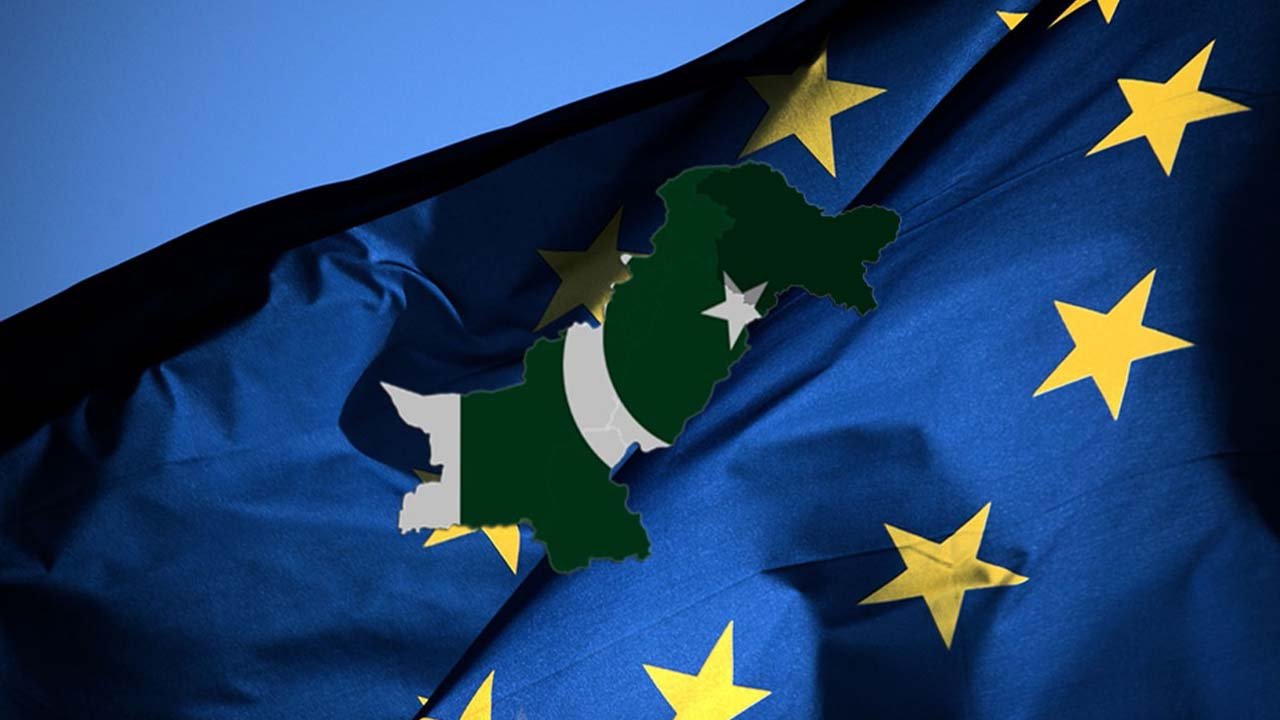
    The GSP+ status, a cornerstone of Pakistan’s trade relations with the European Union (EU), holds significant importance for the nation’s economy.

    Under this scheme, selected developing countries, including Pakistan, receive extensive trade concessions aimed at fostering sustainable development and good governance practices.

    The European Union’s GSP+ Scheme is founded on the effective implementation of 27 United Nations conventions covering various aspects such as human rights, labour rights, climate change, narcotics control, and corruption.

    Once granted GSP+ status, beneficiary countries are subject to rigorous monitoring to ensure compliance with the stipulated conventions and reporting requirements.

    The dialogue on GSP+ compliance involves various stakeholders, including international monitoring bodies, civil society, trade unions, and businesses.

    Regular monitoring visits are conducted by the EU to assess the progress of beneficiary countries in addressing the outlined issues.

    The significance of GSP+ for Pakistan’s economy cannot be overstated, particularly for its textile industry and workforce.

    Over the past decade, Pakistan has witnessed a notable increase in exports to the EU, accompanied by a surge in EU imports, owing to the preferential treatment offered under the GSP+ scheme.
  • Anti-corruption victory: NAB recovers Rs2.3 trillion, saves $10 billion

    Anti-corruption victory: NAB recovers Rs2.3 trillion, saves $10 billion

    National Accountability Bureau (NAB) Chairman Lt Gen (retd) Nazir Ahmed announced a significant achievement, revealing that the bureau has successfully recovered an impressive amount of Rs2.3 trillion and saved over $10 billion in savings for the national exchequer. 

    Speaking at an event, he highlighted the necessity of collective efforts in combating corruption, emphasising that every instance of corruption should face consequences.

    Chairman Nazir Ahmed underscored the importance of collaboration among all stakeholders, stating that the eradication of corruption is a shared responsibility that no single institution can accomplish alone. 

    He reiterated NAB’s commitment to fulfilling obligations outlined in the United Nations Convention against Corruption (UNCAC), emphasising that documenting the economy is a crucial step in reducing corruption.

    Prominent economist Dr Ashfaque Hasan Khan and UNODC Pakistan’s Country Representative, Jermey Milsom, attended the event as guest speakers. 

    Dr Khan, in his keynote speech, emphasised the citizen’s responsibility to register in the taxation system for access to state welfare benefits.

    He highlighted the plight of individuals in the informal/unregistered economy facing poverty due to limited access to banking incentives, proposing a restructuring of the tax system to provide incentives rather than relying solely on punitive measures.

  • Does the ex-head of Drug Regulatory Authority have a fake PhD?

    Federal Investigation Authority (FIA) has lodged a complaint against the ex-CEO of the Drug Regulatory Authority of Pakistan (DRAP) for acquiring the position on the basis of a fake PhD degree, reports Geo.

    Sheikh Akhtar Hussain remained CEO DRAP from 2018 till 2019. FIA has begun searching for Hussain to investigate the matter

    The findings were discovered by the anti-corruption circle in FIA.

  • EU report highlights rights issues and corruption in Pakistan

    On Tuesday, the European Commission and the European External Action Service (EEAS) jointly revealed a monitoring report on Pakistan’s Generalised Scheme of Preference, or GSP Plus.

    The report expressed concerns about forced disappearances, torture, and limitations on media freedom in Pakistan, which are seen as violations of international treaties.

    It urged Pakistan to enforce laws protecting economic, social, and political rights and raised reservations about the misuse of anti-corruption rhetoric for political purposes.

    Despite civilian rule since 2008, the report highlighted the military’s disproportionate role in politics and the economy.

    Covering 2020–2022, it focused on the May 9 riots and subsequent trials in military courts, recognising legislative progress but emphasising the need for improved practical implementation.

    Furthermore, the report read that although initial measures have been undertaken to limit the application of the death penalty, additional steps are required to bring them in line with international standards.

    This entails introducing a comprehensive revision of the mercy petition procedure.

    “It has undeniably increased awareness of human rights at the grassroots level, of labour rights within businesses and export supply chains and of the significance of environmental considerations and good governance.

    However, the full potential of the GSP+ benefit can only be realised by diversifying Pakistan’s exports to include more value-added products”, remarked EU Ambassador to Pakistan H.E. Dr Riina Kionka about the report.

    Pakistan attained GSP Plus status in January 2014, following the ratification of 27 international conventions and a commitment to their implementation.

    The GSP Plus incentive provides Pakistan with zero-rated or preferential tariffs on nearly 66 per cent of tariff lines, thereby bolstering the country’s capacity to export to the EU market.