A Canadian woman took her husband out on a leash in Sherbrooke city, Quebec to evade curfew rules amid COVID-19 lockdown.
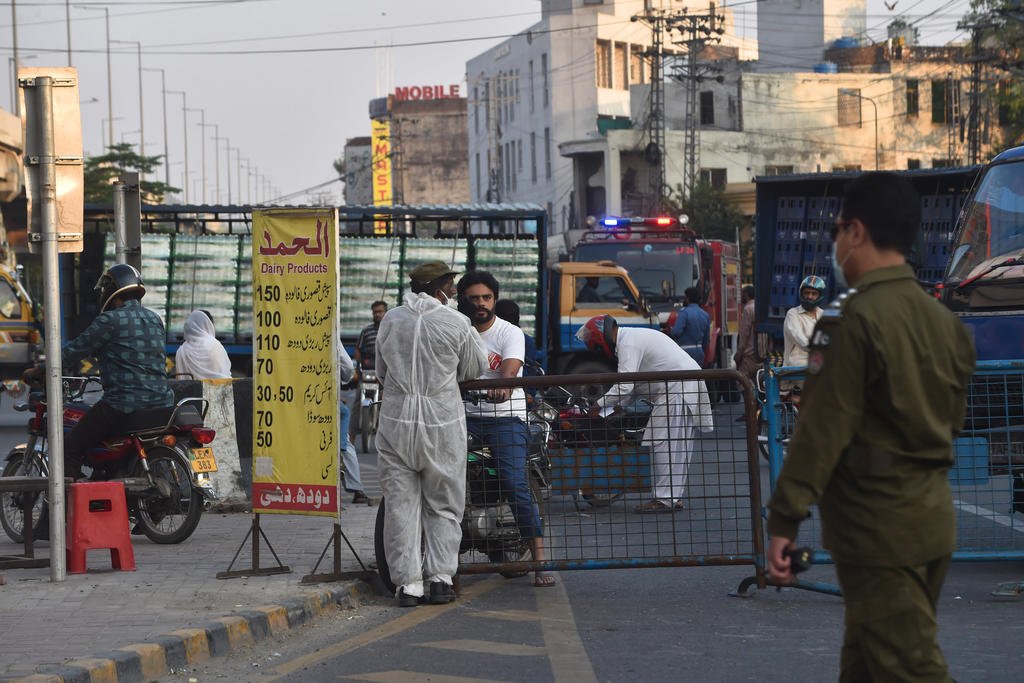
Authorities in Quebec have imposed a curfew between 8:00 pm and 5:00 am in the province with certain exemptions. Essential workers are allowed to travel and people who need to walk their pets are also allowed to go out.
A woman went out on a walk with her husband on a leash to escape the curfew rules. When the police spotted the couple, they reportedly said: “We are following the rules for pets.”
The woman claimed that she was walking her “dog”.
Speaking to a local newspaper, police official Isabelle Gendron said: “The couple did not collaborate with the police at all. Statements of violation of the municipal by-law were given to them. The lady affirmed that she would not pay the ticket and even that she would accumulate them. The number of findings for recidivism can go up to $6,000.”
They were each fined over Rs 0.194 million, said the police.
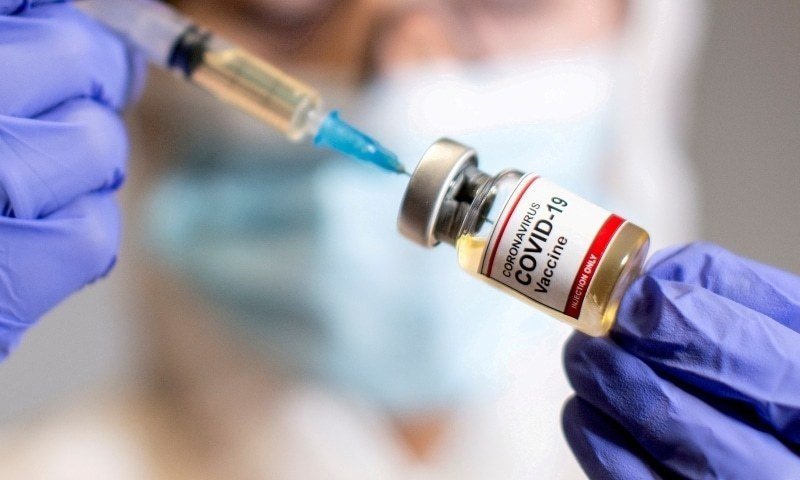
The government has established the first COVID-19 vaccination centre in Taralai area of the federal capital.
According to details, citizens can register themselves for the vaccine using the helpline 1166. The government has installed a special chiller at the centre so that the vaccine remains safe and lasts long.
The federal health ministry has also set up a training centre for the vaccinators at the site.
The centre was set up a day after Secretary for Ministry of National Health Services Dr Nausheen Hamid said that Pakistan is expected to get the first COVID-19 vaccine batch by the end of January.
According to Radio Pakistan, Dr Hamid said that the government was “urgently” drafting a database of all public and private medical workers to get them vaccinated in the first phase.
However, it has not yet revealed which vaccine it is and from which country Pakistan would procure it.
A week earlier, Science Minister Fawad Chaudhry said Pakistan would purchase 1.2 million doses of virus vaccine from China’s Sinopharm.
کابینہ کمیٹی نے فیصلہ کیا ہے کہ ابتدائ طور پر چین کی کمپنی سائنوفارم سے ویکسین کی بارہ لاکھ Doses خریدی جائیں گی جو 2021 کی پہلی سہ ماہی میں فرنٹ لائن ورکرز کو مفت مہیا کی جائیں گی، پرائیویٹ سیکٹر اگر کوئ اور بینالاقوامی طور پر منظور شدہ ویکسین امپورٹ کرنا چاہےتو وہ بھی کرسکتا ہے
Former Pakistan women’s cricket team captain Sana Mir has announced that she has tested positive for COVID-19.
In a tweet, Mir shared that she only has mild symptoms for now and has isolated herself.
Thank you for all your wishes and prayers for my birthday and recovery. I have tested positive and only have mild symptoms for now. Informed the people who were in close contact, all are negative till now Alhamdulillah. Keep wearing the mask, the act may protect you and others.
Meanwhile, ESPN Cricinfo has reported that Mir was part of the commentary panel for the final of the Quaid-e-Azam Trophy and after testing positive for coronavirus she was removed from the panel and is currently isolating at the Pearl Continental Hotel, Karachi.
Her fellow commentators, including Bazid Khan, Tariq Saeed, Ali Younis, Sikandar Bakhat and presenter Sawera Pasha also underwent coronavirus tests. A decision to isolate them will be made after their results will come.
As per the report, Sana started showing symptoms on the day three of the final of Quaid-e-Azam trophy which started on Friday.
Sana, who announced retirement from international cricket in April 2020, is also celebrating her birthday today. The cricketer has played 226 international matches for Pakistan, including 137 as captain from 2009 to 2017.
A rather tough year has came to an end, surprisingly, in the blink of an eye.
But while it negates the belief that hard times pass slow, here are all the major updates that added to the very happening COVID-19-infected year as most of the world stayed indoors.
Extension for Gen Bajwa
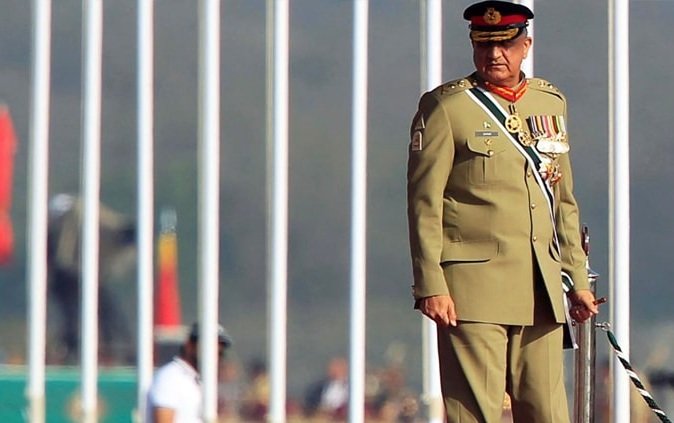
After some drama following earlier reservations, the Supreme Court (SC) on November 28, 2019 approved a short 6-month extension in General Bajwa’s term as the chief of army staff.
Subsequently, on January 7, 2020, the National Assembly passed three bills concerning the tenure of the three services chiefs — chief of army staff, chief of air staff and chief of naval staff — and the chairman of the joint chief of staff committee.
Gen Bajwa was granted extension up to three years till November 29, 2022.
Surprisingly though, the two major opposition parties — PML-N and PPP — were on board for the changes which was why the bills faced no resistance even in the opposition-dominated Senate.
Smooth sailing of the Army Act was also what prompted Federal Minister for Water Resources Faisal Vawda to bring with him an army boot to a live talkshow.
Coronavirus
After wreaking havoc in China and beginning to do the same in Europe as well as the worst-hit US, the first case of COVID-19 was reported from Karachi on February 26, 2020. Hundreds of thousands of infections and several deaths were reported.
Prominent figures were also on the list of COVID-19 patients.
While Prime Minister (PM) Imran Khan’s smart lockdowns stay in place to deal with the pandemic but not at the cost of livelihoods, it is too early to predict what 2021 would hold for Pakistan with vaccines rolling out but also the discovery of a new strand of the virus.
Aviation Minister Ghulam Sarwar Khan said the pilots of the Karachi-bound PK8308 flight of the Pakistan International Airlines (PIA) from Lahore were distracted while talking about coronavirus.
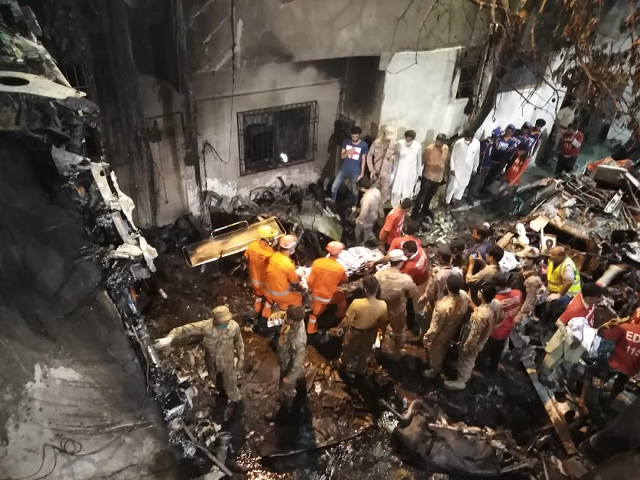
The passenger plane came down on houses in Karachi with only two survivors. Subsequent investigations into the licenses of Pakistani pilots led to the grounding of hundreds across the globe and the imposition of a temporary ban on PIA flights to Europe and the United States (US).
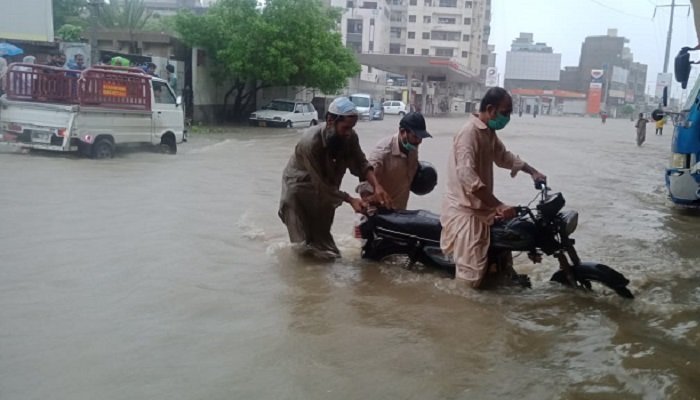
While blame games continued as authorities hesitated to take responsibility for the misery of people of the country’s largest city, the ruling Pakistan People’s Party (PPP) said it wanted all stakeholders to contribute to ameliorating the situation instead of politicising a “pure natural disaster”.
The situation was improved after the intervention of the federal government and a military-aided rescue operation.
Opposition Alliance
The year also witnessed a rather common sight in Pakistan when opposition parties put their differences aside in an attempt to oust the PTI government.
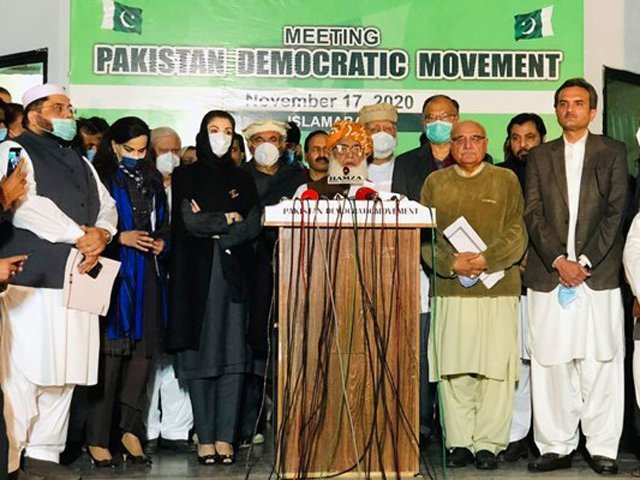
After a round of meetings, almost all opposition parties, including PPP, PML-N, Jamiat Ulema-e-Islam (Fazl), Awami National Party, Pakhtunkhwa Milli Awami Party, Balochistan National Party among others, launched a series of countrywide protests.
The foremost demand of the 11-party alliance, named Pakistan Democratic Movement (PDM), is the resignation of “selected” Prime Minister (PM) Imran Khan. It has threatened to march to Islamabad if the premier doesn’t resign before midnight on December 31 (today).
While the opposition seems satisfied with its anti-government campaign, the government is confident of cracks emerging within PDM ranks before it could pose an actual threat.
Khadim Rizvi’s Death
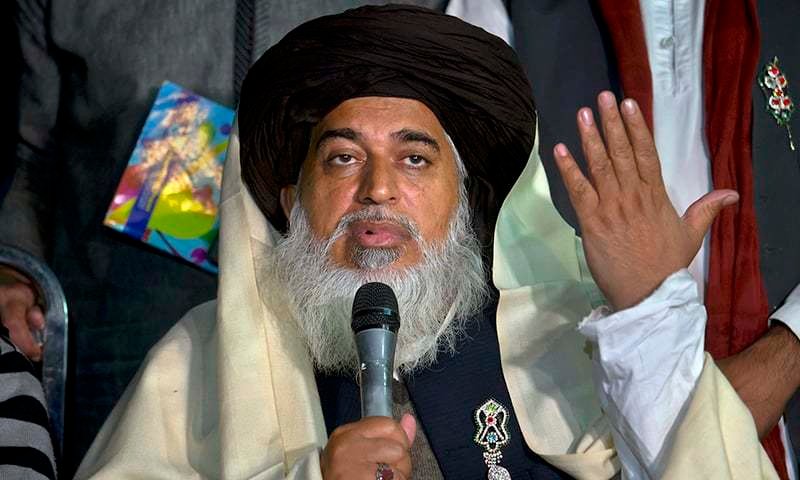
Renowned cleric and Tehreek-e-Labbaik Pakistan (TLP) chief Khadim Hussain Rizvi passed away on November 19.
Earlier it was reported that he was suffering from high-grade fever for the past couple of days, which had led to speculations if he was suffering from COVID-19.
While the cause of his sudden death was not determined, his funeral prayers in Lahore were attended by hundreds of thousands of supporters from across the globe, adding to COVID-19 superspreader event fears.
Rizvi, who had returned from a sit-in protest against French president’s take on blasphemy a day before his death, was known for his aggressive speeches besides promotion of extremist element in the religio-political landscape of the country.
COVID-19 has finally reached Antarctica, making it the last continent to be hit by the pandemic.
Thirty-six people on the continent tested positive for the novel virus. Of those infected, 26 are members of the Chilean army and 10 are civilian maintenance personnel.
According to Chile’s army and health ministry officials, infected patients were evacuated to the city of Punta Arenas where they have been put in isolation and are under “constant monitoring”.
Chilean officials are investigating how the virus reached there, said a spokesman for the Health Ministry. He said that so far none of the infected men have had severe symptoms.
Pakistan on Tuesday recorded the highest single-day deaths ever during the second wave of coronavirus, reporting 111 fatalities amid reports that a new strain of coronavirus, similar to the one wreaking havoc in the United Kingdom, has also surfaced in Karachi.
Geo reported Coronavirus Task Force head Dr Attaur Rehman as saying that the authorities have discovered a new strain of coronavirus in the port city that is similar to the one spreading in Europe.
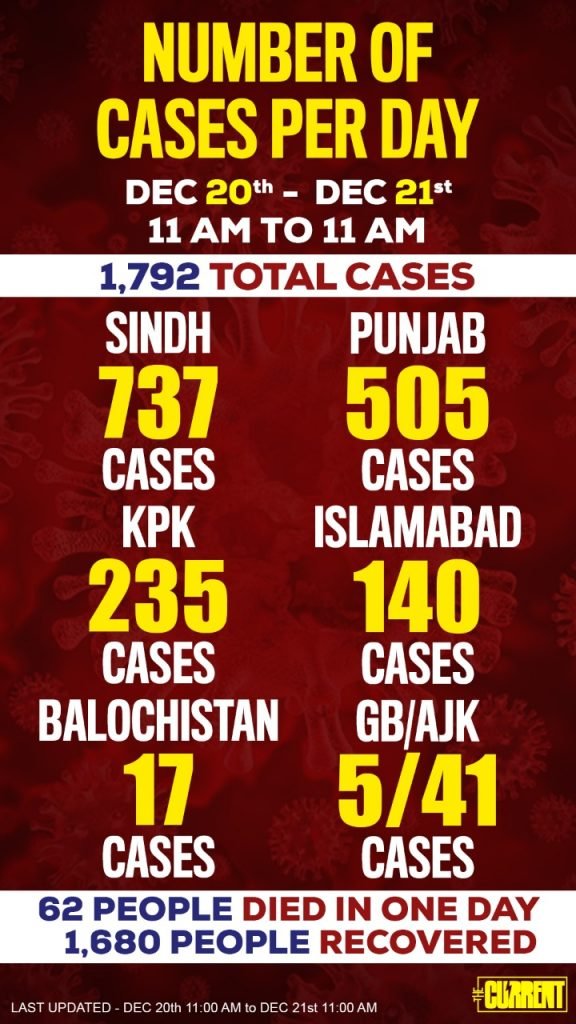
With the latest surge, the death toll in the country has reached 9,668. As per the breakdown, Punjab reported 51 deaths; Sindh 40 deaths; Khyber Pakhtunkhwa 14 deaths; Islamabad four deaths; while Balochistan reported only two deaths.
This is the second time that the country has reported over 100 deaths during the second wave of the deadly infection. On Dec 15, it had reported 105 deaths. The highest number of deaths due to the coronavirus took place in June when 141 people lost their lives to the deadly contagion.
While, recoveries on the other hand have risen to 417,134 after 1,782 more people recovered, according to the government’s COVID-19 portal. The portal also showed that 2,361 virus patients are in critical condition.
Health experts see the ever-increasing coronavirus cases as a result of the poor compliance of the COVID-19 protocols. It is also feared that the health system might crash soon if the tally continues to surge at the current pace.
The news of new coronavirus strain came to light when a stricter level of lockdown was imposed in different parts of south-east England to curb the rapid spike in infections.
Amid fears of the new strain of the coronavirus spreading quickly in the UK, many countries have imposed a temporary ban on all flights to and from the UK. Pakistan has also banned flights from England.
The news of new strain of COVID-19 is causing panic and fear and everyone is searching for answers.
Here’s what you should know:
Why do we have a new strain of coronavirus?
The short answer to this question is that because viruses “evolve”. Just like cell-based life, we get new strains of viruses because of some genetic changes caused due to the evolution of the virus.
What is the new COVID-19 strain?
The new coronavirus strain has been labelled “B.1.1.7”. Reportedly, the new strain of the virus can lead to a “quicker spread” (scientists are still looking for more evidence) of COVID-19.
Scientists say it is about 40%-70% more transmissible. However, there is no evidence that this new strain of the virus is “more lethal”. B.1.1.7 has far more mutations than in any previous variant of the Sars-Cov-2 virus analysed since the pandemic started, but scientists are also wondering how it evolved so fast.
According to some experts, it is entirely too early to make a definitive conclusion.
Will vaccine work against the new strain?
Scientists are hopeful that the vaccines will work against this new strain. This is because the parts that Pfizer/BioNtech, Moderna and Oxford/Astrazeneca shots target has not changed much.
The federal government has informed the National Command and Operations Centre (NCOC) that it is coordinating with leading manufacturers of COVID-19 vaccines, including those from China.
Officials said that they are reviewing developments frequently including data from phase three of the COVID-19 vaccine trials.
The NCOC was further informed that the steps being taken will conclude to a final decision about vaccine availability in Pakistan.
As per reports, Pakistan signed up for the United Nation’s COVAX Facility, a global initiative intended at equitable and unbiased access to safe and effective COVID-19 vaccines worldwide.
There are also various local and China-made vaccine trials being conducting across the country. The human trials of a vaccine being developed by Chinese Company CanSino Biologics Inc started on September 22 and has over 13,000 volunteers across Pakistan.
In November, Federal Minister for Planning and Development and the NCOC chief Asad Umar said that the federal cabinet has approved procurement of the vaccines that are expected to reach sometime between January and March in 2021.