Tag: COVID-19 pandemic

  • Examination centres in Quetta violate COVID-19 SOPs

    Students in Quetta were forced to appear in BA and BSc examinations with no heater arrangements.

    A video doing the rounds on social media shows that no COVID-19 standard operating procedure (SOPs) were followed at the examination centers. SOPs including social distancing and wearing of masks were overlooked.

    Furthermore, very few students can be seen wearing masks in the examination center.

  • Locally-produced AI software to detect COVID-19 in seconds

    The National Institute of Electronics has developed an artificial intelligence-based software that would detect the coronavirus in the lungs in 60 seconds.

    The AI software was developed by the institute to upgrade the testing process, as currently, it takes several hours for the PCR tests to detect the virus in a patient. The new virus detecting system named ‘Cov-Raid AI Detection’ has already been approved by the Drug Regulatory Authority Pakistan (DRAP).

     DRAP said that the Cov-Raid “shall employ Convolutional Neural Networks to predict [presence of] Covid-19 in suspected individuals” by using X-rays and it has been approved for “secondary detection” of the virus, reported Dawn.

    According to the creators of the software, ‘Cov-Raid’ has been developed by “creating a data repository of Chest X Rays (CXR) for Covid-19 or non-Covid-19 detection”.

    “The Cov-Raid requires a chest X-Ray image as an input for the detection of Covid-19 positive or negative patients in less than one minute,” the description on the website said.

    “The algorithm has been trained on more than 35,000 CXRs (data authentication done through multiple certified radiologists and PCR reports),” the website said, adding that the test can be used to test a large number of patients in a limited time.

    Meanwhile, DRAP Chief Executive Officer Dr Asim Rauf has reportedly said that the new software is registered under the DRAP Act of 2012.

  • Govt reduces COVID-19 testing amid spike in deaths

    Govt reduces COVID-19 testing amid spike in deaths

    As coronavirus cases continue to spike across Pakistan, the government has drastically reduced the number of tests, as it conducted around 29,000 tests on Nov 16 as compared to 39,000 tests on Nov 14.

    According to official data, the number of tests remained above 30,000 since Nov 4 (when positivity rate was about 4 per cent) and the maximum number of samples were taken on Nov 14 i.e. 39,410. But for the past couple of days, the government has slashed the testing by 10,000 even though the positivity rate now stands at 7 per cent.

    Graph of COVID-19 testing

    According to data issued by the National Command and Operations Centre (NCOC) on Tuesday, at least 33 people passed away due to coronavirus, while 2,050 new infections were reported across Pakistan. The positivity rate has also witnessed an increase — from 4 per cent at the start of this month to 7 per cent.

    On Saturday and Sunday, the country saw over 2,000 cases and 2,400 cases respectively, which means more than a 20 per cent increase in cases. These numbers are the highest since July. Seventeen people lost their lives to the coronavirus on Saturday. Pakistan reported over 2,000 cases on Monday as well.

    Meanwhile, SOPs violations across the country continue. The marriage halls, restaurants, and such other places have failed to implement the government directives to stem the growth of the virus.

  • Karachi wedding hall owners reject new COVID-19 SOPs

    Karachi wedding hall owners reject new COVID-19 SOPs

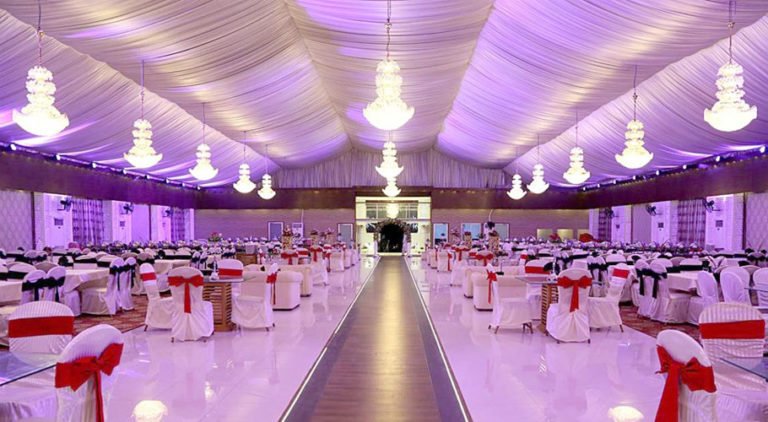
    Karachi’s wedding, banquet and lawn owners have rejected the new COVID-19 standard operating procedures (SOPs) rolled out by the National Command and Operations Centre (NCOC) after a sharp surge in cases.

    The Karachi Marriage Hall, Lawn, Banquet Owners Association held a press conference at the press club on Saturday to denounce the government’s decision to ban indoor weddings.  

    The association said thousands of employees and other businesses linked with weddings will be affected due to more restrictions and bans. 

    The president of the association said that wedding hall owners and their thousands of employees had already faced severe financial problems when all the halls were closed between March 13 and September 15 during the lockdown period.

    The association members said that when halls reopened after September 15, they did not get business as most people prefer not to get married during Muharram and Safar, which took place after the halls were reopened. 

    The association said that there are around 800 wedding halls only in Karachi and that the living of 50,000 people and their families are linked to these halls. 

    “Around 70 to 80% of our employees work on daily wages,” he said, adding that the earning of such employees depended on daily wedding events.

    The association pointed out that there are roughly 13,000 wedding halls in the entire country, with which 650,000 labourers’ livelihoods are directly linked. Fifty percent of the city’s industries, the association highlighted, were directly and the rest of the 50% were indirectly linked to wedding halls. 

    “With the closure of the wedding halls due the COVID-19 pandemic, millions of labourers will be directly or indirectly affected,” said the association’s president. 

    The government had itself failed to limit the number of people attending its political gatherings and implement the SOPs, stated the association.

    “We want to bring this into your knowledge that wedding halls is the only industry which didn’t get any relief from the government since the lockdown of March 13,” said Raees. 

    He requested Prime Minister Imran Khan, the chief justice of Pakistan and army chief to look into the miseries of the wedding hall owners and their employees.

    “We demand SOPs be drafted for wedding ceremonies after taking us on board,” he said.
  • BZU students submit fake COVID-19 reports to make admin conduct online exams

    BZU students submit fake COVID-19 reports to make admin conduct online exams

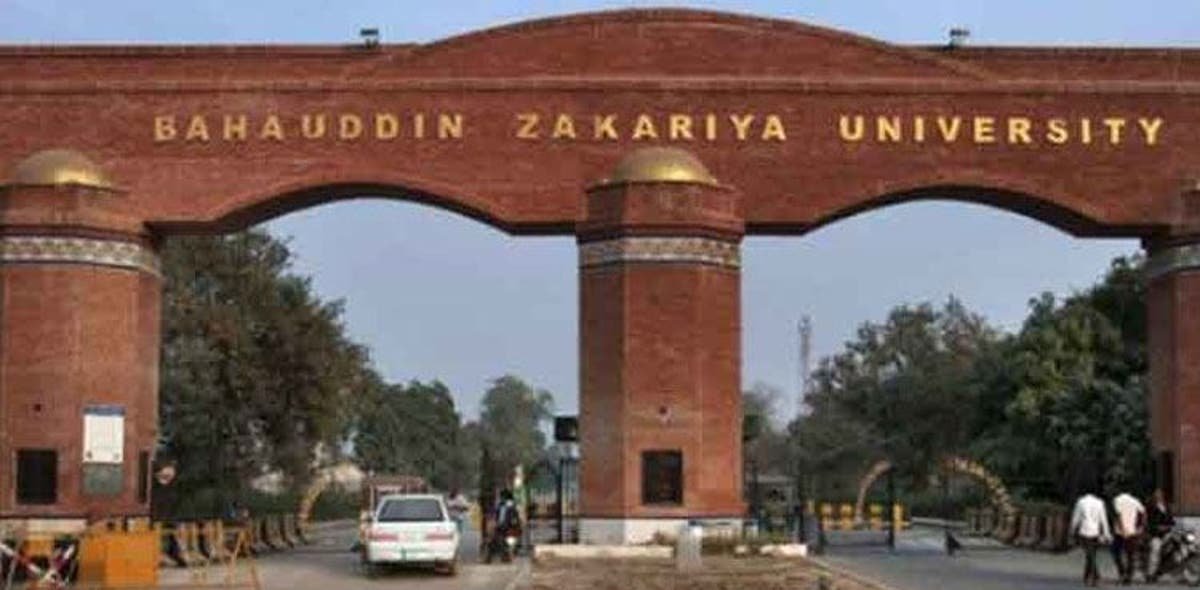
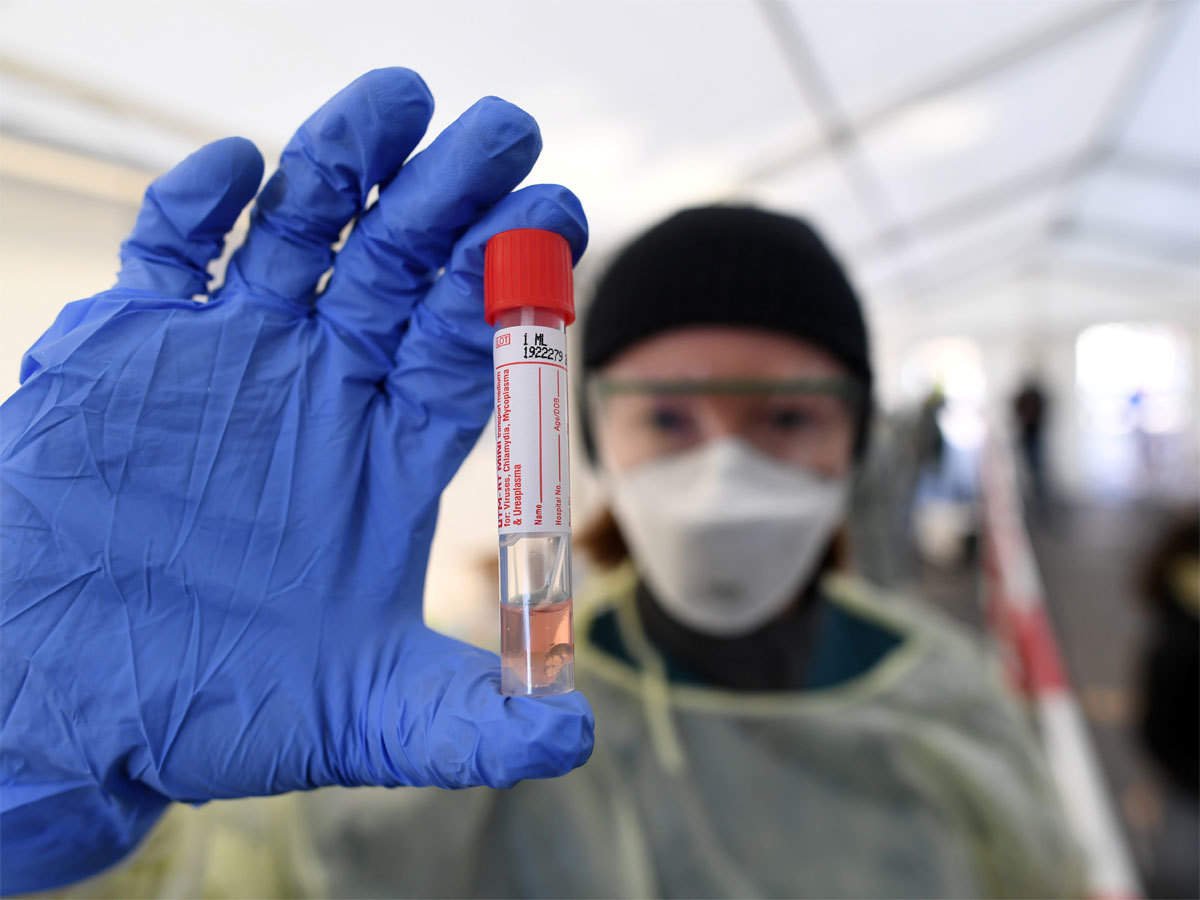
    Students of Bahauddin Zakariya University (BZU), Multan submitted bogus positive reports of COVID-19 to force the administration to conduct online examinations.

    They were exposed on Thursday after the administration verified their reports and declared the news of coronavirus spread as ‘fake’.

    As per reports, students of the English, Politics and Psychology departments were involved in the tempering of the COVID-19 reports.

    Taking the matter seriously, the university administration constituted a corona committee for the verification of the reports, while DC suggested the imposition of a smart lockdown in the university.

    Nearly a dozen reports were forwarded to the Nishar Hospital and private laboratories for verification. The reports could not be verified and were declared fake and tempered by the labs.

    The administration of the Bahauddin Zakariya University (BZU) Multan has decided to take action against the students who submitted fake reports to create panic in the university.

    The findings of the committee have been forwarded to the High Education Commission (HEC). Meanwhile, the university administration has asked parents of the students not to believe in rumors and there is no coronavirus spread in the university.

  • COVID-19: NCOC recommends closure of shrines, indoor restaurants

    COVID-19: NCOC recommends closure of shrines, indoor restaurants

    The National Command and Operations Centre (NCOC) has issued new restrictions to control the rapidly increasing second wave of COVID-19 across the country.

    As per details, the NCOC has recommended limiting all public gatherings to 500 people, including cultural, political, religious, entertainment, and civil gatherings.

    The body has proposed early and extending winter vacations to federal and provincial education departments, keeping in view the rising positivity rate in educational institutions.

    Meanwhile, Federal Minister for Education Shafqat Mehmood will be presiding a special meeting with his provincial counterparts at the NCOC on November 16 to evaluate the positivity prevailing in educational institutions.

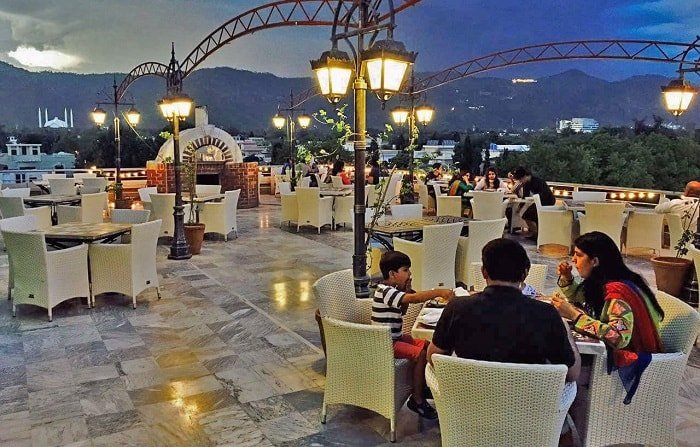
    The forum has allowed only outdoor dining at the restaurants till 10 pm while cinemas and theatres will be closed instantly. Shrines will also be temporarily closed with immediate effect. Only outdoor weddings with maximum  500 people be will allowed from November 20.

    The NCOC also wants early closing of markets.

    “After consultative discussions, the recommendations would be shared with the provinces for consequent decision and enforcement,” said the NCOC in a statement. “The body has recommended urgent and emergency measures to the NCC for final approval after consensus by all stakeholders.”

    The country has reported 348,184 coronavirus cases so far.

  • Study reveals one in five COVID-19 patients develop mental illness within 90 days

    Study reveals one in five COVID-19 patients develop mental illness within 90 days

    COVID-19 survivors are likely to be at greater risk of developing mental illness, psychiatrists have said after a large study found that 20% of those infected with the virus are diagnosed with a psychiatric disorder within 90 days.

    Anxiety, depression and insomnia were most common among recovered COVID-19 patients who were involved in the study and researchers also found significantly higher risks of dementia, a brain impairment condition, in them.

    “People have been worried that COVID-19 survivors will be at greater risk of mental health problems, and our findings … show this to be likely,” said Paul Harrison, a professor of psychiatry at Britain’s Oxford University.

    Doctors and scientists around the world instantly need to examine the causes and identify new treatments for mental illness after COVID-19, Harrison said.

    “(Health) services need to be ready to provide care, especially since our results are likely to be underestimates (of the number of psychiatric patients),” he added.

    Read more – Pakistan’s COVID-19 positivity nears 5%. What does that mean?

    In the three months following testing positive for COVID-19, 1 in 5 survivors was recorded as having a first-time diagnosis of anxiety, depression, or insomnia. This was about twice as likely as for other groups of patients in the same period, the researchers said.

    The study also found that people with a pre-existing mental illness were 65% more likely to be diagnosed with COVID-19 than those without.

    Mental health specialists not directly involved with the study said its findings add to growing evidence that COVID-19 can affect the brain and mind, increasing the risk of a range of psychiatric illnesses.

  • COVID-19: Karachi authorities seal several eateries for SOPs violation

    COVID-19: Karachi authorities seal several eateries for SOPs violation

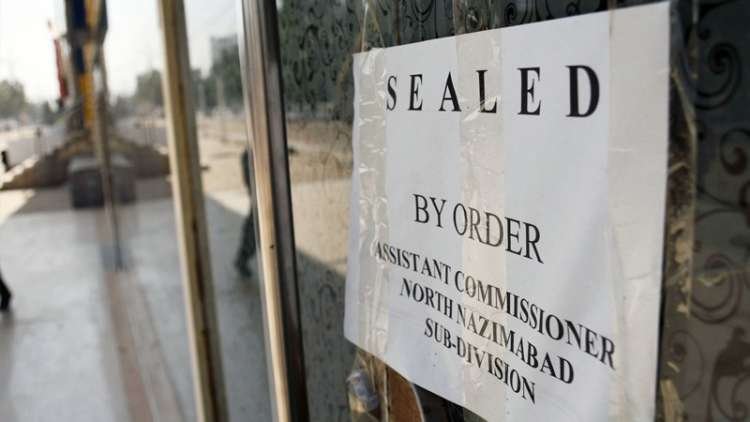
    Authorities have sealed at least 14 restaurants and two gaming zones in the port city for violating the government’s COVID-19 standard operating procedures (SOPs).

    As per reports, Deputy Commissioner South Irshad Ali Sodhar said his team checked 41 restaurants, of which 17 were warned to follow the SOPs, while 11 were instantly sealed for not following the government’s directives at all. Three more eateries and two gaming zones were also shut down.

    “We inspected six shops and warned three of them to comply with the SOPs. That apart, we checked four wedding venues, issued warnings, and fined them with Rs185,000,” Sodhar told The News.

    Read more – Pakistan’s COVID-19 positivity nears 5%. What does that mean?

    Meanwhile, the Serena Mobile Market in North Nazimabad, that was sealed earlier on Monday for three days, has been reopened.

    Not only in Karachi, most restaurants in Lahore were also sealed at Mall1 which is located in Gulberg III.

    As Pakistan experiences the second wave of coronavirus, the country has reported 338,875 cases so far.

    Wearing a mask in confined indoor places, crowded spaces, bus stands, and inside public vehicles was declared mandatory for everyone and all commercial activities are allowed till 10 pm.

  • Pakistan’s COVID-19 positivity nears 5%. What does that mean?

    Pakistan’s COVID-19 positivity nears 5%. What does that mean?

    Pakistan on Tuesday recorded 4.94% COVID-19 positivity rate – highest in three months.  But what does this positivity rate mean?

    The positivity rate is obtained by dividing the number of people who test positive for the coronavirus with the total number of tests conducted in 24 hours. With that we can determine how many people being tested are actually positive for the virus. This is perhaps, the most important indicator of how the virus is spreading.

    According to the details issued by the National Command and Operations Centre (NCOC), 1,313 new cases were reported across the country.   A total of 26,565 tests were conducted. Pakistan has reported 337,573 COVID-19 cases so far.

    The country’s death toll stands at more than 6,800 as 18 people lost their lives in the past 24 hours. At least 316,060 have recovered from the virus so far. 

    The country’s positivity rate dropped to less than 2%, a few months ago, which was a great sign but it started increasing last month and now it is around 5%. The highest positivity rate was 23% in July and the minimum was reported at 1.7% in September.

    Special Assistant to the Prime Minister (SAPM) on Health Dr Faisal Sultan officially announced that the second wave of the virus has started in the country.

    Meanwhile, the National Command and Operation Center (NCOC) has tightened restrictions on some high-risk public activities to control the coronavirus spread.

    NCOC has also launched a helpline to report the COVID-19 related violations by the public.

    Now people can report the violation of COVID-19 SOPs like non-wearing of the mask, non-adherence to Social distancing, over-crowding at public places etc, at 0335-333-6262 (0335-333-NCOC) along with a picture and the following details: Location name, tehsil/district/city, date and time, event.

  • School provides relief to students by accepting tuition fees in coconuts

    School provides relief to students by accepting tuition fees in coconuts

    An Indonesian hospitality college has planned to provide relief to the students having financial slowdown due to the COVID-19 pandemic by offering them to pay their tuition fee in coconuts and other natural materials like moringa and Gotu kola leaves.

    According to details, the students of Venus One Tourism Academy in Gianyar – Bali have been allowed to pay their tuition and other fees in coconuts. The school has aimed to use it for harvesting virgin coconut oil.

    They were also permitted to pay fees with moringa and Gotu kola leaves that could be used to produce products like herbal soap.

    The school officials told local media that the products made from the natural materials will be sold on campus to raise funds.

    They added that many precautionary measures have been made functional at the school amid the coronavirus pandemic to remain open including face masks, reduced class sizes and temperature checks.