Tag: covid 19

  • Pakistan’s decision to lift lockdown early helped boost exports: report

    Pakistan’s decision to lift lockdown early helped boost exports: report

    Pakistan’s decision to loosen pandemic restrictions early has helped the country’s exports emerge stronger than its South Asian peers, Bloomberg reported on Saturday.

    Bloomberg reported that outbound shipments have grown at a faster pace than Bangladesh and India as textiles, which account for half of the total export, led the recovery.

    The country saw total shipments grow 7 per cent in September, compared with New Delhi’s 6pc and Dhaka’s 3.5pc.

    It stated that Prime Minister (PM) Imran Khan’s administration was the first in the region to ease pandemic restrictions, allowing export units to reopen in April, a month after locking them down to stem the spread of Covid-19. This helped draw companies from the South Asian nation.

    “Pakistan has seen orders shifting from multiple nations including China, India and Bangladesh,” the report quoted All Pakistan Textile Mills Association (APTMA) Secretary General Shahid Sattar as having said. “Garment manufacturers are operating near-maximum capacity and many can’t take any orders for the next six months.”

    Even as lockdown curbs disrupted trade in India and Bangladesh for at least two months beginning late March, Pakistan was already making face masks and personal protective gear for export.

    The South Asian nation also gained some orders from companies looking to diversify their supply chains amid the trade war between the U.S. and China, the world’s top textile exporter, despite factories there reopening as early as April.

    “This war between two giants has given us new opportunities in polyester-cotton products,” the report quoted the nation’s largest textile maker, Nishat Mill’s Garment and Home Textile Operations Head Khalid Mehmood having said. “So there is a six-month slot for Pakistan now to capture the maximum number of customers who were China-based.”

    Executives from Nishat Mills and Interloop Ltd, one of the world’s largest manufacturers of socks that counts Nike Inc. and Adidas AG among its clients, said they have seen some orders diverted to them from China.

    Meanwhile, Gadoon Textile Mills Ltd. received orders redirected from Bangladesh, the world’s second-largest apparel exporter, and India, the third-largest textile exporter.

    “The orders we were exporting to Europe and the US have not recovered,” Gadoon Chief Financial Officer (CFO) Muhammad Imran Moten said during an analyst briefing. “But the diversion of orders from China and Bangladesh is the compensating factor.”
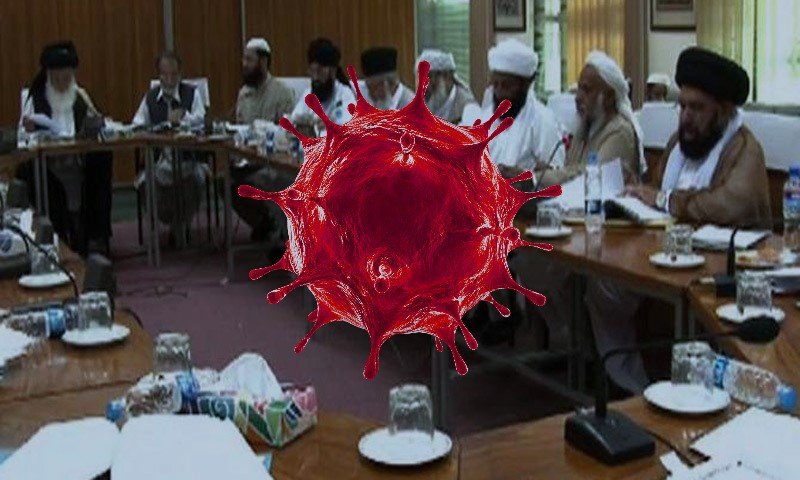

  • ‘Corona se darna nahi, larrna hai’ declared un-Islamic as top religious body says virus is Allah’s will

    ‘Corona se darna nahi, larrna hai’ declared un-Islamic as top religious body says virus is Allah’s will

    The popular anti-coronavirus slogan “Corona se darna nahi, larna hai [we have to fight, not fear corona]” has been declared un-Islamic by the Council of Islamic Ideology (CII) that says the virus outbreak is Allah’s will.

    According to Dawn, the Lahore High Court (LHC), while hearing a petition filed by a lawyer against the use of these words in national print and electronic media and official sources of communication, was on Wednesday informed that the top religious body has advised the government against using the slogan.

    The petitioner-lawyer, Salman Idrees, had argued that no one could fight against God’s will but the national media and government communication sources had been using “un-Islamic” and “immoral” words challenging the supremacy of God. He asked the court to ban the use of the words “corona se darna nahi, larrna hai”.

    In the last hearing, LHC Chief Justice Muhammad Qasim Khan had directed the CII to give its opinion on the choice of words in the anti-COVID-19 slogan.

    On Wednesday, a government lawyer informed the court that the CII after considering the slogan had stopped the government from using it.

    The council had advised the government to refer the matter to the federal cabinet to come up with a new anti-virus slogan, Deputy Attorney General Asad Ali Bajwa said.

    An official at the CII told the English daily that the reason the council had opposed the slogan was that in its view, humans could not fight God’s will and the term “fighting corona” should be replaced with “protecting against corona”.

    The hearing has been adjourned until next week.

  • Unmasked model tests positive for COVID-19 days after walking the ramp

    Unmasked model tests positive for COVID-19 days after walking the ramp

    Model Farwa Ali Kazmi tested positive for COVID-19 less than a week after walking the ramp for Hussain Rehar’s solo show in Lahore. According to writer and stylist Haiya Bokhari, the model “frolicked sans mask throughout the event” after assuming it was seasonal flu.

    “Super-spreader event but make it fashion,” wrote Bokhari on Twitter.

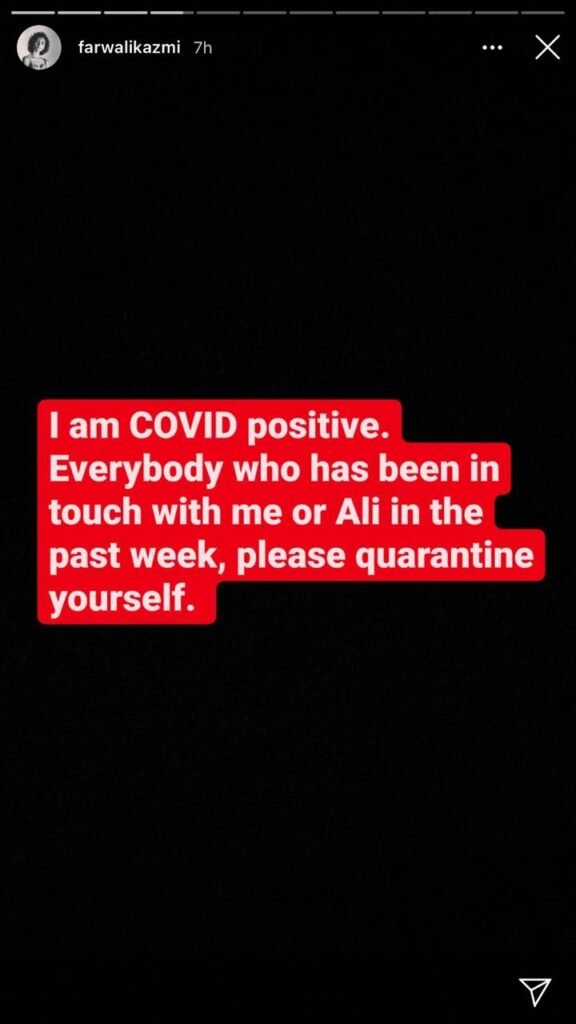
    Later it emerged that the model in question was Farwa Kazmi, who announced in an Instagram story that she has tested positive for coronavirus and is in quarantine.

    She also advised people who were in contact with her or husband Ali to quarantine themselves.

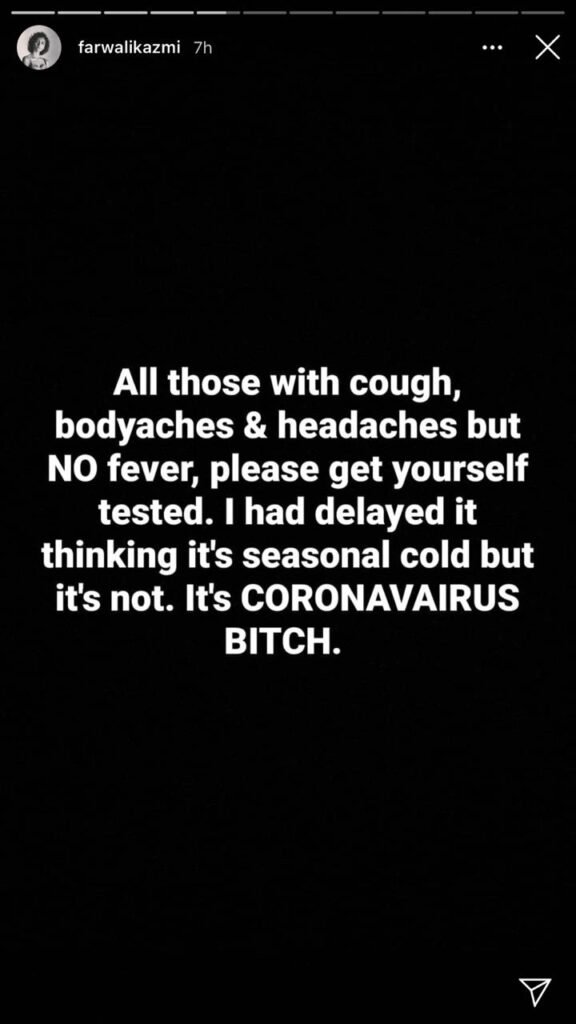
    “All those with cough, body aches and headaches but no fever, please get yourself tested. I had delayed it thinking its seasonal cold but it’s not,” added the model.

    Farwa further said that she thinks she got it by “sharing food and cigar with a COVID-positive”.

    The model also shared her quarantine experience.

    Designer Hussain Rehar had organised a solo fashion show in Lahore in which he showcased his traditional wedding-wear. The show was a glamorous event attended by celebrities, critics and socialites.

    According to details, Hussain’s brides, bridegrooms and a colourful entourage of baraatis twirled to the tunes of popular wedding songs and the beats of the shehnai played out by a live wedding band, enacting the events that are inherent to the big fat Pakistani wedding.

  • Coronavirus: Antiviral drug to now be sold at Rs9,244 in Pakistan

    Coronavirus: Antiviral drug to now be sold at Rs9,244 in Pakistan

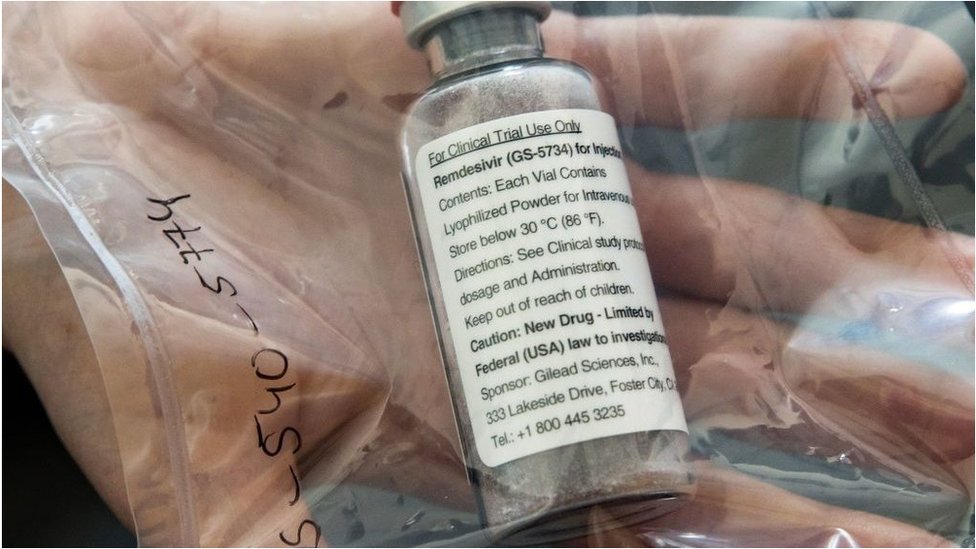
    In a major relief to coronavirus patients, the Drug Regulatory Authority of Pakistan (DRAP) on Monday reduced the price of Remdesivir, the first and only approved treatment for COVID-19 in the United States (US), by Rs1,629 to Rs9,244.

    In a notification, DRAP said that the price of Remdesivir injection has been slashed by Rs1,629, adding that the antiviral drug will be sold at Rs9,244 across the country.

    The regulatory authority warned that strict legal action will be taken against those who are selling the drug at higher prices.

    It is pertinent to mention that remdesivir has reportedly proved effective against the novel coronavirus and the federal cabinet had approved to reduce the price of the antiviral drug last month. In May, US pharmaceutical company Gilead had allowed Pakistan to produce the antiviral drug in the country.

    Meanwhile, COVID-19 cases are once again at rise in the country as 707 new infections were reported across the country on Sunday-Monday, lifting the national tally of infections to 328,602, said the National Command and Operation Centre (NCOC).

    Three patients, who were under treatment in hospitals, died during the aforementioned period, according to the latest update shared by the NCOC. The figure of patients recovered from the virus has reached 311,075. There are now nearly 11,000 active cases in the country.

    About 26,492 tests were conducted across the country on Sunday. Around 311,075 people have recovered from the disease so far across Pakistan. Since the pandemic outbreak, a total of 328,602 cases were detected, including Sindh reporting 143,836, Punjab 102,875, Khyber Pakhtunkhwa (KP) 39,043, Balochistan, 15,810, Islamabad, 1,902, Azad Jammu and Kashmir (AJK) 3,846, and Gilgit Baltistan (GB) has reported 4,180 cases.

    A total of 4,290,545 tests have been conducted so far, while 735 hospitals are equipped with COVID-19 facilities. About 559 patients admitted to hospitals across the country are said to be in critical condition.

    Meanwhile, as many as 71 healthcare staff working at Pakistan Institute of Medical Sciences (PIMS) Islamabad have tested positive for the coronavirus in the past 30 days.

  • Asia crosses 10 million coronavirus cases after India becomes worst hit after US

    Asia crosses 10 million coronavirus cases after India becomes worst hit after US

    Asia surpassed 10 million infections of coronavirus on Saturday, the second-heaviest regional toll in the world, according to a Reuters tally. Cases continue to mount in India despite a slowdown and sharp declines elsewhere.

    Behind only Latin America, Asia accounts for about one-fourth of the global caseload of 42.1 million of the virus. With over 163,000 deaths, the region accounts for some 14% of the global COVID-19 toll.

    The Reuters tally is based on official reports by different countries. The true numbers of cases and deaths are likely much higher, experts say, given deficiencies in testing and potential underreporting in many countries.

    Despite the Asian spikes, the region overall has reported improvement in handling the pandemic in recent weeks, with daily caseloads slowing in places like India – a sharp contrast to the COVID-19 resurgence seen in Europe and North America.

    Within the region, South Asia led by India is the worst affected, with nearly 21% of the reported global coronavirus cases and 12% of deaths.

    India is the worst-hit country in the world after the United States. India is reporting more than 57,000 cases of the virus a day and averaging 764 COVID-19 deaths a day.

    The country has reported nearly 7.8 million infections, behind the U.S. tally of 8.5 million, and nearly 118,000 deaths, versus 224,128 in the United States. Unlike the recent U.S. surge, however, India’s slowdown saw the lowest daily caseload in nearly three months on Wednesday.

    But India’s infections may surge again, doctors fear, with a holiday approaching and winter bringing more severe pollution from farmers burning stubble, worsening the breathing difficulties that many COVID-19 patients suffer.

    India’s eastern neighbour Bangladesh is Asia’s second-worst hit country, with nearly 400,000 cases. But daily infections have slowed to 1,453, less than 40% of the July peak.

    Despite Asia’s patchy record, a World Health Organization expert said on Monday that Europe and North America should follow the example of Asian states in persevering with anti-COVID measures and quarantine restrictions for infected people.

    Mike Ryan, head of the UN agency’s emergency programme, said the global death toll from COVID-19 could double to 2 million before a successful vaccine is widely used and could be even higher without concerted action to curb the pandemic.

  • Pakistan records highest one-day COVID-19 death toll in 7 weeks

    Pakistan records highest one-day COVID-19 death toll in 7 weeks

    COVID-19 claimed 19 more lives across the country during the past 24 hours, taking the death toll from the disease to 6,692.

    According to the National Command and Operation Centre (NCOC), 660 fresh infections emerged during this period, lifting the national tally of cases to 324,744. As many as 26,670 new tests were conducted over the previous 24 hours.

    There are a total of 9,378 active cases of the coronavirus as 308,674 patients have recovered from the virus.

    Sindh has reported 142,348 cases so far, followed by Punjab that reported 101,936 cases while Khyber Pakhtunkhwa reported 38,779, Balochistan 15,717, Islamabad 18,309, Gilgit-Baltistan 4,091 and Azad Jammu and Kashmir 3,564.

    In a special session, the NCOC hinted that drastic steps including the closure of all services will be taken to curb the spread of the virus as the public is not complying with the SOPs.

    “NCOC is closely monitoring the situation. If there is no improvement in SOPs compliance, the NCOC will have no choice but to revert to strict measures leading to re-closures of services,” said the centre, in a statement.

    Earlier, Minister for Planning and Development and Chairman NCOC Asad Umar had said that daily COVID-19 death rate witnessed a spike of 140 percent last week as compared to the mortality rate recorded a few weeks back.

  • WHO fears spike in deaths after COVID-19 cases surge

    WHO fears spike in deaths after COVID-19 cases surge

    The World Health Organisation (WHO) warned against any complacency in the coronavirus death rate, saying with the increasing number of cases, the death rate would also increase.

    New cases are hitting 100,000 daily in Europe. Nearly 20,000 infections were reported in Britain, while Italy, Switzerland and Russia were among nations with record case numbers.

    While deaths globally have fallen to around 5,000 per day from April’s peak exceeding 7,500, WHO Chief Scientist Soumya Swaminathan said caseloads were rising in ICU (intensive care units).

    “Mortality increases always lag behind increasing cases by a couple of weeks,” Swaminathan said during a WHO social media event. “We shouldn’t be complacent that death rates are coming down.”

    More than 38 million people have been reported infected globally and 1.1 million have died.

    Despite the global push for a COVID-19 vaccine, with dozens in clinical trials and hopes for initial vaccinations this year, Swaminathan reiterated that speedy, mass shots were unlikely.

    “Most people agree, it’s starting with health care workers, and front-line workers, but even there, you need to define which of them are at highest risk, and then the elderly, and so on,” Swaminathan said.

    “A healthy young person might have to wait until 2022.”

    The WHO has said letting infection spread in hopes of achieving “herd immunity” is unethical and would cause unnecessary deaths. It urges hand-washing, social distancing, masks and — when unavoidable, limited and targeted restrictions on movements — to control disease spread.

    “People talk about herd immunity. We should only talk about it in the context of a vaccine,” Swaminathan said. “You need to vaccinate at least 70% of people … to really break transmission.”

    Minister for Planning Development and Special Initiatives Asad Umar, who also chairs the National Command and Operations Centre (NCOC) to deal with COVID-19 in the country, has highlighted the rise in the number of infections in Pakistan. The Minister urged people to take COVID-19 SOPs seriously.

  • Detection of COVID-19 in students adds to second wave fears

    Detection of COVID-19 in students adds to second wave fears

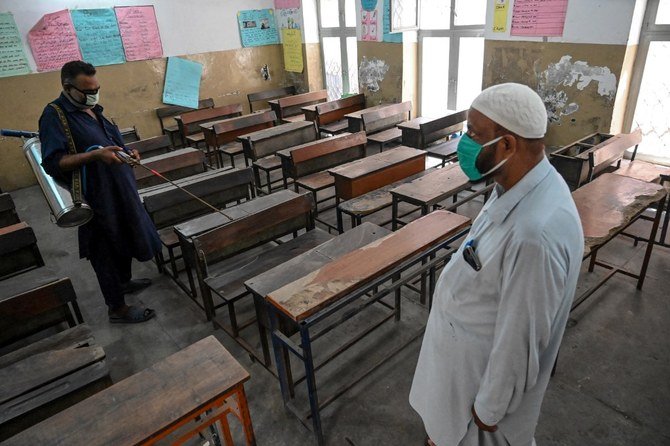
    Two more educational institutions in Islamabad have been sealed by the district health administration after the detection of COVID-19 cases among five students, fueling the outbreak’s second wave fears.

    In August, the government lifted most lockdown restrictions, which had come following a significant drop in new coronavirus cases. Federal Education for Minister Shafqat Mahmood had announced the re-opening of educational institutions on September 4, since when, at least 29 schools, colleges and universities have been sealed in the federal capital alone.

    The cases were reported despite the authorities concerned ensuring that necessary measures were taken ahead of the much-awaited re-opening of educational institutions.

    While it was earlier speculated that coronavirus has ended in Pakistan due to either an effective strategy of the government or multiple other reasons such as herd immunity being achieved, a sudden spike in the number of cases has left experts scratching their heads.

    Amid the rising positivity rate in the country which crossed 2% in September, the Pakistan Medical Association (PMA) has expressed concerns over the looming second wave of coronavirus, highlighting the carelessness in the implementation of standard operating procedures (SOPs) in schools and other public spaces.

    Taking to Twitter, Minister for Planning Development and Special Initiatives Asad Umar, who also chairs the National Command and Operations Centre (NCOC) to deal with COVID-19 in the country, has highlighted the rise in the number of infections as well.

    An analysis of previous data shows that since the easing of lockdown restrictions and reopening of education institutions in Pakistan, there has been a steady increase in the number of new COVID-19 cases.

    However, evidence from around the world has shown there is no correlation between students returning to institutions after coronavirus lockdowns and a rise or fall in new infections.

    According to Insights for Education, 52 countries, including France and Spain, actually saw infection rates rise during the holidays. Some, such as Croatia, have seen cases fall after reopening schools.

    Others, like Hungary and Great Britain, have seen a rise since reopening schools, according to the data — based on UNESCO and World Bank figures alongside rigorous daily media scans over the last six months — although the United Kingdom (UK) infection rate was already trending upwards before schools reopened.

    Overall, the picture is so varied that a link between schools and coronavirus transmission cannot be proved, the report suggested. Other factors, including the country’s health system capacity and economic openness and the robustness of its testing and tracing system, must be considered. 

    By the time this report was filed, Sindh had the highest number of infections and deaths in Pakistan — 140,997 and 2,566, respectively — followed by Punjab with 101,237 positive cases and 2,277 deaths.

    The total number of cases in the country stood at 321,218 with 305,395 recoveries.

  • Ahead of Maryam’s jalsa, FIRs registered in Gujranwala for violating coronavirus SOPs

    Ahead of Maryam’s jalsa, FIRs registered in Gujranwala for violating coronavirus SOPs

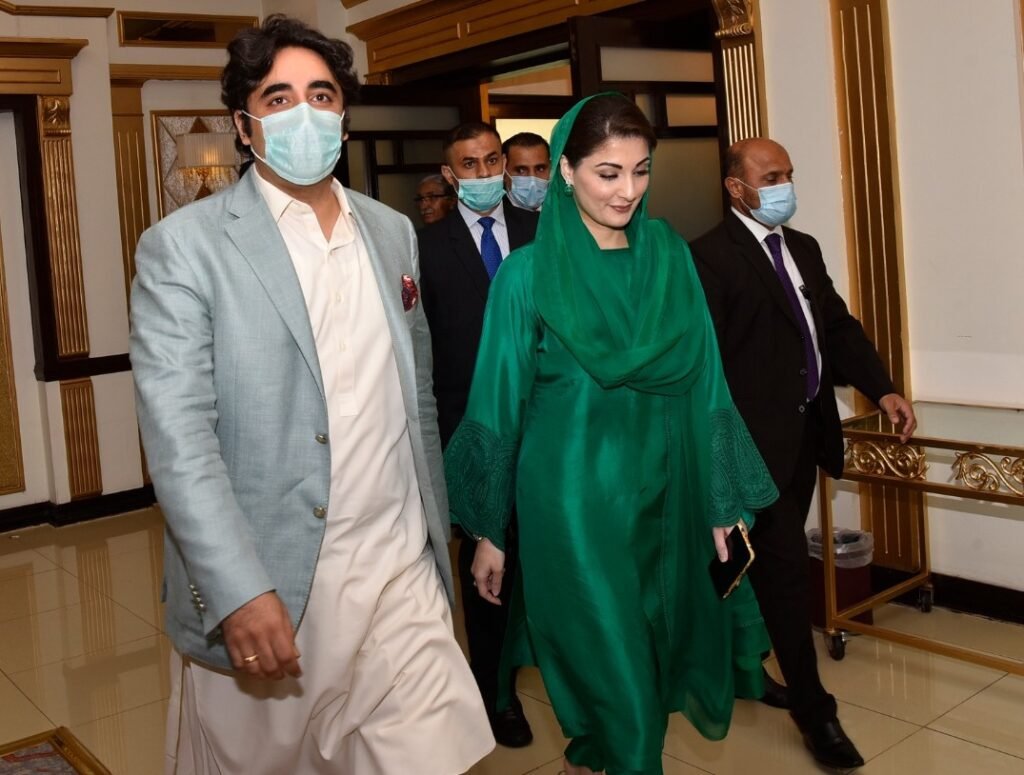
    Over 100 people, including internet service providers, sound system organisers and residents holding corner meetings, have been named in at least seven FIRs [First Information Reports] at different police stations across Gujranwala for violating coronavirus guidelines ahead of Pakistan Muslim League-Nawaz (PML-N) leader Maryam Nawaz’s jalsa.

    The daughter of former prime minister (PM) Nawaz Sharif is due to hold a public gathering in the city on October 16 as part of the joint opposition’s anti-government campaign. She is expected to be joined by Pakistan People’s Party (PPP) chief Bilawal Bhutto-Zardari as well in what is expected to be a mammoth power show by opposition parties.

    While PM Imran Khan has reportedly given permission to the opposition’s Pakistan Democratic Movement (PDM) for holding its protest rallies that are expected to feature fiery speeches against the government and security establishment as it puts forward 26 demands, including the resignation of the premier, sources claim that authorities concerned are springing into action in this regard.

    “After Federal Minister Sheikh Rasheed’s warning that the next few months could be critical in terms of internal security and any prominent personal could suffer an attempt on his or her life, coronavirus is being used as a reason to bar the opposition from protesting against the government,” they alleged.

    However, according to the police, the people named in the aforementioned FIRs had not been following coronavirus SOPs, especially social distancing rules.

    “Residents have to submit a request for an NOC [no-objection certificate] before holding gatherings,” a police officer said, adding that Gujranwala’s chief police officer had instructed the police to ensure strict implementation of COVID-19 standard operating procedures (SOPs) in the city.

    “The government has been cracking down on restaurants and other public spaces across the country for violation of SOPs since the number of cases in Pakistan spiked again in September,” he said.

    NEW COVID-19 RULES:

    Earlier in the day, it was also reported that the National Command and Operation Centre (NCOC) has said public gatherings should preferably be avoided and those that are held, their duration should not exceed for more than three hours.

    Interestingly, the NCOC made it clear that the guidelines were not for wedding events or sports ones as separate SOPs had been issued for the former and for the latter, will be released soon.

    The NCOC defined a public gathering as an event “where people are assembled on any given space; indoor or outdoor, for some purpose such as cultural events, religious gatherings, sports events, entertainment/cultural events, parties, political gatherings or other similar events”. 

    The following public gatherings will have to follow the newly issued guidelines: 

    • Entertainment/Cultural Gatherings

    • Public gatherings of Unions/Associations or any such group

    • Religious gatherings

    • Political gatherings

    • Family gatherings

    • Civil society group gatherings

    • Sports related gatherings (SOPs to be issued separately)

    • Marriage (being a frequent & obligatory activity) has been excluded from the list and a separate list of SOPs comprising strict restrictions has already been issued for it

    A day earlier, the Pakistan Medical Association (PMA) had warned that a second coronavirus wave could hit the country this winter. 

    The PMC warned authorities and the general public about the foreseeable second spike of coronavirus, saying that it is likely to start from educational institutions as it happened in the United States (US), India and Iran.

  • US man gets COVID-19 twice with a severe second infection

    US man gets COVID-19 twice with a severe second infection

    A man from the US state of Nevada has caught COVID-19 twice with the second hit more serious.

    According to the details, the 25-year-old, had no known health conditions or immune problems that would have made him particularly vulnerable.

    Doctors said the man needed hospital treatment after his lungs weakened during the second infection, which was much worse than the first.

    According to the study in The Lancet Infectious Diseases journal, the man experienced initial symptoms – a sore throat, cough, headache, nausea and diarrhoea on 25 March.

    He tested positive for the first time on 18 April and his symptoms were resolved by 27 April.

    On 9 and 26 May he tested negative on two occasions, but he developed symptoms again on May 28 including fever, headache, dizziness, cough, nausea and diarrhoea.

    On 5 June, he tested positive for the second time and went on to suffer low blood oxygen and shortness of breath.

    Scientists said that the genetic codes of the two illnesses were different, meaning it was not a case of the first infection being dormant and then reappearing.

    The study said the case was the first known COVID-19 reinfection in North America, with other single cases reported in Hong Kong, the Netherlands, Ecuador, and Belgium.

    The patients in those places showed no increase in symptom severity the second time, with the exception of the patient in Ecuador.

    It is unclear what had caused the second infection in Nevada.

    The study suggested one possibility was a “very high dose of virus (which) might have led to the second time infection and induced a more severe disease”.

    Another suggestion was that reinfection was caused by a “version of the virus that was more virulent, or more virulent in this patient’s context”.

    A third possibility was a “mechanism of antibody-dependent enhancement… a means by which specific Fc-bearing immune cells become infected with virus by binding to specific antibodies”.

    The study’s authors said: “Previous exposure to SARS-CoV-2 might not guarantee total immunity in all cases.

    “All individuals, whether previously diagnosed with COVID-19 or not, should take identical precautions to avoid infection with SARS-CoV-2.

    “The implications of reinfections could be relevant for vaccine development and application.”

    Reinfections also have implications for concepts such as herd immunity.

    It had been assumed that the body would learn to fight the virus during an initial infection, meaning that later infections would be minor or even without symptoms.