Tag: covid 19

  • COVID-19: Experts say mental illnesses on the rise in Pakistan

    COVID-19: Experts say mental illnesses on the rise in Pakistan

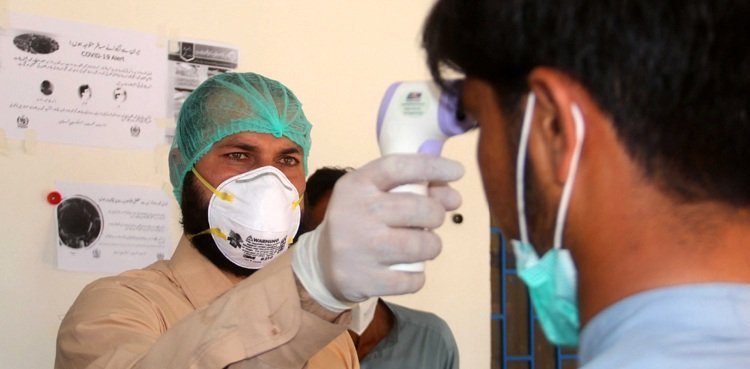
    With many people now reporting symptoms like post-traumatic stress disorder (PTSD), depressive equivalents, and anxiety, coronavirus has started affecting the mental health of people, including healthcare providers in Pakistan and the rest of the world.

    According to the details, an increasing rate of abuse is also being witnessed in the world, including Pakistan. However, the situation is worse in war-torn countries like Syria, Iraq, Yemen, and Afghanistan.

    Speaking at an international conference on “Mental Health for All: Greater Investment – Greater Access. Everyone, Everywhere” at Jinnah Postgraduate Medical Center (JPMC), mental health experts from Pakistan and other parts of the world said that the countries with a serious economic crisis like Pakistan have been also badly affected by mental health issues during the pandemic.

    The chief guest, Professor Haroon Ahmed said coronavirus had started affecting the mental health of people all over the world, and in Pakistan people with a newer type of depression and symptoms of PTSD were approaching psychiatrists for treatment.

    “People are complaining of symptoms like post-traumatic stress disorder (PTSD) due to COVID-19- related stress and experiences. A newer type of depression, which is not clinically depressed, is also being observed where people are feeling lonely and [exhibiting] a lack of interest in daily life. These issues have a close relation to COVID-19 and its impacts on the daily life of people.”

    Professor Haroon said that he was glad that people are now breaking taboos and openly admitting that they are under treatment for depression, anxiety, and other mental disorders. He noted that an estimated 70% of depression is due to a biochemical imbalance in the brain, which is not the fault of the patient.

    “I have been saying this for the last several decades that there is no need to hide mental illnesses,” he said and added that mental health was given low importance but it was a high prevalence health issue in our society.

    Meanwhile, president-elect WPA Professor Afzal Javed claimed that the prevalence of mental health issues was not less than cancer or cardiac ailments in the world, and it was estimated that now 25 to 30% of the world’s population was suffering from some kind of mental illness.

    It’s right time to assign more resources for mental well-being, treatment, and cure in countries like Pakistan, he added.

  • NIH warns rapid spread of COVID-19 in winter

    NIH warns rapid spread of COVID-19 in winter

    The National Institute of Health (NIH) has advised health authorities to declare high alert due to the likelihood of speedy spread of seven diseases including COVID -19 during the winter season.

    In an advisory called Seasonal Awareness and Alert Letter (Saal) it has been informed that the diseases such as COVID-19, Crimean-Congo Hemorrhagic Fever virus, dengue fever, diphtheria, pertussis, seasonal flu and extensively drug-resistant (XDR) typhoid can spread rapidly from October to February.

    According to a statement issued by the NIH, the main goal of SAAL is to aware all the health authorities and professionals concerned at all levels for a timely and effective response to the diseases.

    “Based on last five-year data, NIH recommends for all federal, provincial and district health departments to keep a continuous observation and watch on the anticipated seasonal public health threats and taking of all preventive or curative measures in this context,” it states.

    Due to the ongoing pandemic situation, NIH is facilitating testing and capacity building services for all educational, economic, administrative and local institutions at Islamabad along with technical advice and support.

    The necessary technical guidelines and awareness material regarding infectious diseases are also available at the NIH website: www.nih.org.pk

  • VIDEO: Coronavirus patient Trump spotted gasping for breath

    VIDEO: Coronavirus patient Trump spotted gasping for breath

    United States (US) President Donald Trump has officially been discharged from Maryland’s Walter Reed Medical Center following his coronavirus diagnosis and is back at the White House.

    Upon his return, Trump removed his mask for a photo op, despite still being very much infected with the highly contagious disease. However, it was not a pretty scene.

    Pictures and videos show the US president climbing a set of stairs at the White House and gasping for breath.

    WATCH VIDEO:

    Though his doctors concede he is not yet “out of the woods” in his fight against COVID-19, Trump has framed the disease as in the past, “Now I’m better and maybe I’m immune? I don’t know. But don’t let it dominate your lives.”

    At least 11 of the president’s aides or allies have either contracted the virus or — in the case of his daughter Ivanka — are working from home. Entire suites of offices sit vacant as Trump’s aides work to isolate him in the residence and out of the West Wing.

  • PM Khan urges everyone to wear a mask to avoid spike in COVID-19 cases during winter

    PM Khan urges everyone to wear a mask to avoid spike in COVID-19 cases during winter

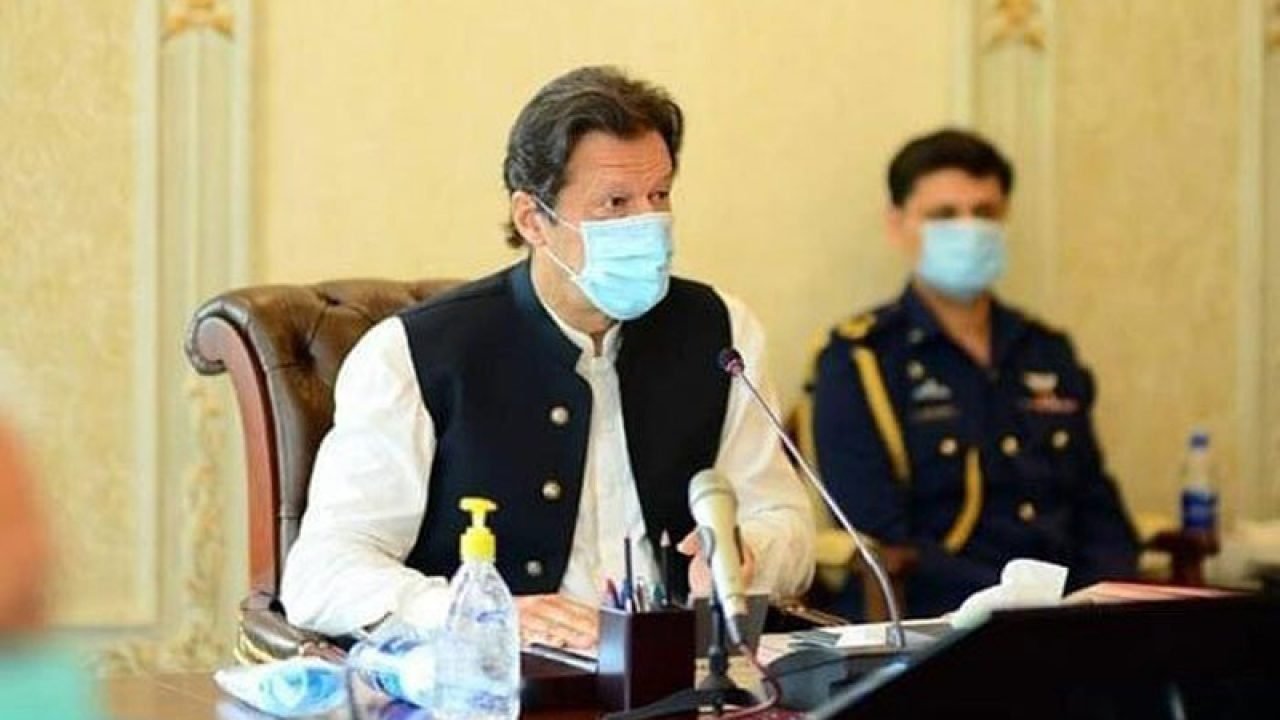
    Prime Minister (PM) Imran Khan has feared that the second wave of coronavirus could hit Pakistan in winter. 

    PM Khan said that though Pakistan was “spared [from the] worst effect of COVID-19”, a second wave of the virus is expected in winters.

    “There is a fear onset of winter could result in [the] second wave. I urge everyone to wear face masks in public to avoid a spike. All offices and educational institutions must ensure masks are worn,” said the premier on social media.

    Moreso, during the daily briefing held at the NCOC (National Command and Operations Centre) in Islamabad, Federal Minister Asad Umar also urged the public to follow the coronavirus standard operating procedures (SOPs) to ensure cases of the virus do not spike during the winter season.

    Earlier, Umar had said indoor restaurants and marriage halls appear to be majorly contributing to the COVID-19 spread.

    Pakistan has reported 315,260 coronavirus cases so far. 

  • Donald Trump, wife Melania test positive for coronavirus

    Donald Trump, wife Melania test positive for coronavirus

    United States (US) President Donald Trump and his wife, First Lady Melania Trump, have tested positive for coronavirus.

    It was announced by the president himself as he took to Twitter and revealed that both Melania and him had tested positive for COVID-19 and started with the quarantine process.

    This comes one month ahead of the US election.

    In an earlier tweet, Trump had said that they were waiting for their coronavirus test results after close aide, Hope Hicks, had tested positive for the same.

    Hicks, 31, is the closest aide of President Trump to have tested positive. She had travelled with the president on Air Force One earlier this week. Trump had even said in an interview on Thursday night that he and the first lady spend a lot of time with her.

    Prime Minister Imran Khan has also wished them a speedy recovery.

    The US remains worst-hit by the virus that has affected at least 34.2 million people worldwide with over a million deaths. By the filing of this report, the number of coronavirus cases in Trump’s America stood at 7.31 million with over 208,000 deaths.

    The now infected president has over the past few months been widely criticised for “not taking the pandemic seriously”.

  • Restaurants sealed in Karachi for violating SOPs

    Restaurants sealed in Karachi for violating SOPs

    The city administration sealed several hotels, restaurants in various areas of Karachi over violation of COVID-19 standard operating procedures (SOPs).

    As per reports, 10 restaurants were sealed in District Central, two in Clifton, three at Boat Basin food street, and two in the Saddar area of District South, Karachi.

    The management of the restaurants were violating SOPs for running the business during the pandemic.

    Meanwhile, the Sindh government on Wednesday imposed a “micro smart lockdown” in several areas to control the spread of coronavirus.

    According to a notification, the government has imposed micro smart lockdown in different localities of District West, Karachi. The district West areas that have been put under micro smart lockdown include Manghopir Union Council 8 and Gadap Town.

    The move came after more than 20 cases were reported from Manghopir Union Council.

    Police officials have been positioned in these areas to impose the lockdown restrictions. The provincial government has asked the deputy commissioner and senior police officials in Karachi to ensure micro smart lockdowns and implementation of SOPs at designated sites.

  • Islamabad’s education officers asked to visit seven schools daily to monitor SOPs

    Islamabad’s education officers asked to visit seven schools daily to monitor SOPs

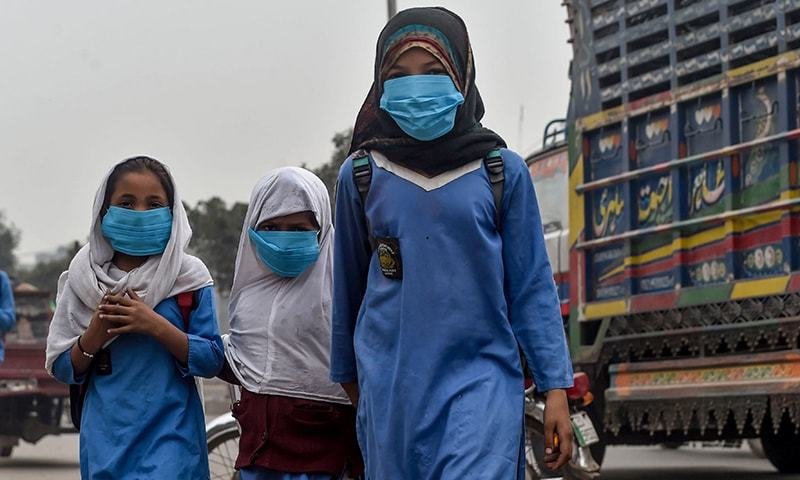
    With primary schools set to reopen today (Wednesday) in the twin cities in the third phase of educational institutions reopening after a long break due to coronavirus, the Federal Directorate of Education (FDE) has instructed all area education officers to visit at least seven schools daily and ensure that health guidelines and standard operating procedure (SOP) are being followed strictly.

    As per reports, a total of 193 FDE-run primary schools in Islamabad will reopen.

    FDE officials said that a team of FDE directors and officers from the Ministry of Federal Education and the capital administration will also visit schools. They added that teams from the Private Educational Institution Regulatory Authority (Peira) will also visit primary schools.

    Officials further said that imposing social distancing would be more challenging in primary schools compared to high schools, colleges or universities, particularly with students in nursery to third grade, which is why teachers will have to put an extra effort.

    Islamabad-based educational institutions have reported more than 30 cases of COVID-19 out of around 15,000 tests.

    Minister for Federal Education Shafqat Mehmood said that the positivity rate is 0.8pc in educational institutions across the country.

    At a press conference in Islamabad, he said that out of 171,436 tests carried out in educational institutions – not including primary schools – 1,284 have come back positive for the virus.

    He said school administrations, teachers and parents must be more attentive from Wednesday, when primary schools reopen, because young children cannot follow SOPs and practice social distancing on their own.

  • Study suggests dengue may provide immunity against COVID-19

    Study suggests dengue may provide immunity against COVID-19

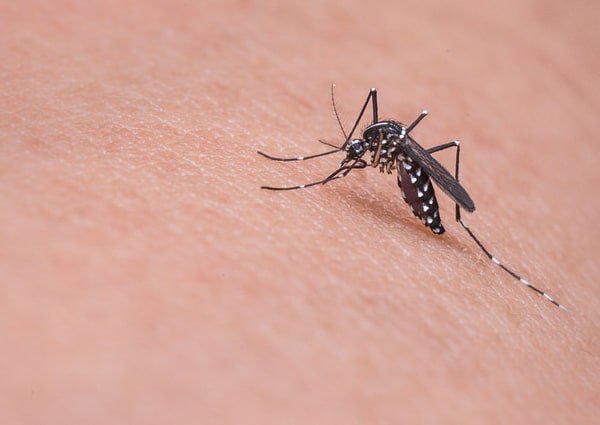
    A new study that analysed the coronavirus outbreak in Brazil has found a link between the spread of the virus and past outbreaks of dengue fever that suggests exposure to the mosquito-transmitted illness may provide some level of immunity against COVID-19.

    The study, which has not yet been published was led by Miguel Nicolelis, a professor at Duke University, compared the geographic distribution of coronavirus cases with the spread of dengue in 2019 and 2020.

    Places with lower coronavirus infection rates and slower case growth were locations that had suffered intense dengue outbreaks this year or last, Nicolelis found.

    “If proven correct, this hypothesis could mean that dengue infection or immunization with an efficacious and safe dengue vaccine could produce some level of immunological protection” against the coronavirus, it added.

    Nicolelis told Reuters that the reveal was interesting because previous studies have shown that people with dengue antibodies in their blood can falsely test positive for COVID-19 antibodies even if they have never been infected by the coronavirus.

     “This indicates that there is an immunological interaction between two viruses that nobody could have expected because the two viruses are from completely different families,” Nicolelis said, adding that further studies are needed to prove the connection.

    Brazil has the third-highest total of COVID-19 infections in the world with more than 4.4 million cases – behind only the United States and India. In states such as Paraná, Santa Catarina, Rio Grande do Sul, Mato Grosso do Sul and Minas Gerais, with a high incidence of dengue last year and early this year, COVID-19 took much longer to reach a level of high community transmission compared to states such as Amapá, Maranhão and Pará that had fewer dengue cases.

    The team found a similar relationship between dengue outbreaks and a slower spread of COVID-19 in other parts of Latin America, as well as Asia and islands in the Pacific and Indian Oceans.

  • COVID-19: Will a second wave hit Karachi?

    A study published in Oxford University Press’ Journal of Public Health has found that 36% of Karachi’s residents have coronavirus antibodies and if current trends continue, there is lower chance of a second wave hitting the city due to the masses having achieved herd immunity.

    Herd immunity is a form of indirect protection from a contagious disease that occurs when a sufficient percentage of a population has become immune to an infection, whether through vaccination or previous infections, thereby reducing the likelihood of infection for individuals who lack immunity.

    Herd immunity develops when a significant chunk of the population has developed antibodies of a disease following infection, thereby reducing the chance of passing it on to others, which the researchers say is 60-70% of the population.

    According to the study, conducted between May and July, if 36% of the adult population of Karachi is supposed to be seropositive (positive for COVID-19), then it can be assumed that in the next two-to-three months “∼60% of general population will become seropositive”.

    “This assumption or theory if proven right then it will reduce the chance of a second wave in Karachi and increase the possibility of acquiring herd immunity,” the paper adds.

    Anadolu Agency quoted lead researcher, Dr Samreen Zaidi, as saying that further studies show that the seroprevalence rate has reached 60%, as was expected.

    “We, on the basis of a gradual drop in cases, and other relevant factors, assume that there are low chances of a second wave of coronavirus,” Zaidi told Anadolu Agency.

    However, she acknowledged: “Assumptions are assumptions.”

    “The only limitation of this study is that our sample size is small. Therefore, we have recommended further and wide-ranging research on the government level to double-check the results of this study,” she said.

    Hematologist and head of NIBD, Dr Tahir Shamsi, also claimed that the country has “almost” attained herd immunity, indicating that there are low chances of a second wave of the pandemic.

    “The data this study shows is until July. We are in September now, and the latest statistics, and testing results suggest that the seroprevalence or immunity rate is almost 60% now,” Shamsi told Anadolu Agency.

    He said the latest findings would be published after a month.

  • Eight school teachers in Peshawar test positive for coronavirus

    Eight school teachers in Peshawar test positive for coronavirus

    Eight teachers of Government Higher Secondary School Rashkai in Peshawar have tested positive for the novel coronavirus.

    According to the Elementary and Secondary Education Department of Khyber Pakhtunkhwa, the infected teachers have been sent to their homes on 15 days leave.

    Meanwhile, academic activities are ongoing under strict precautionary measures.

    Earlier on Tuesday, an educational institute in Islamabad had been sealed after coronavirus cases were reported there.