Tag: covid 19

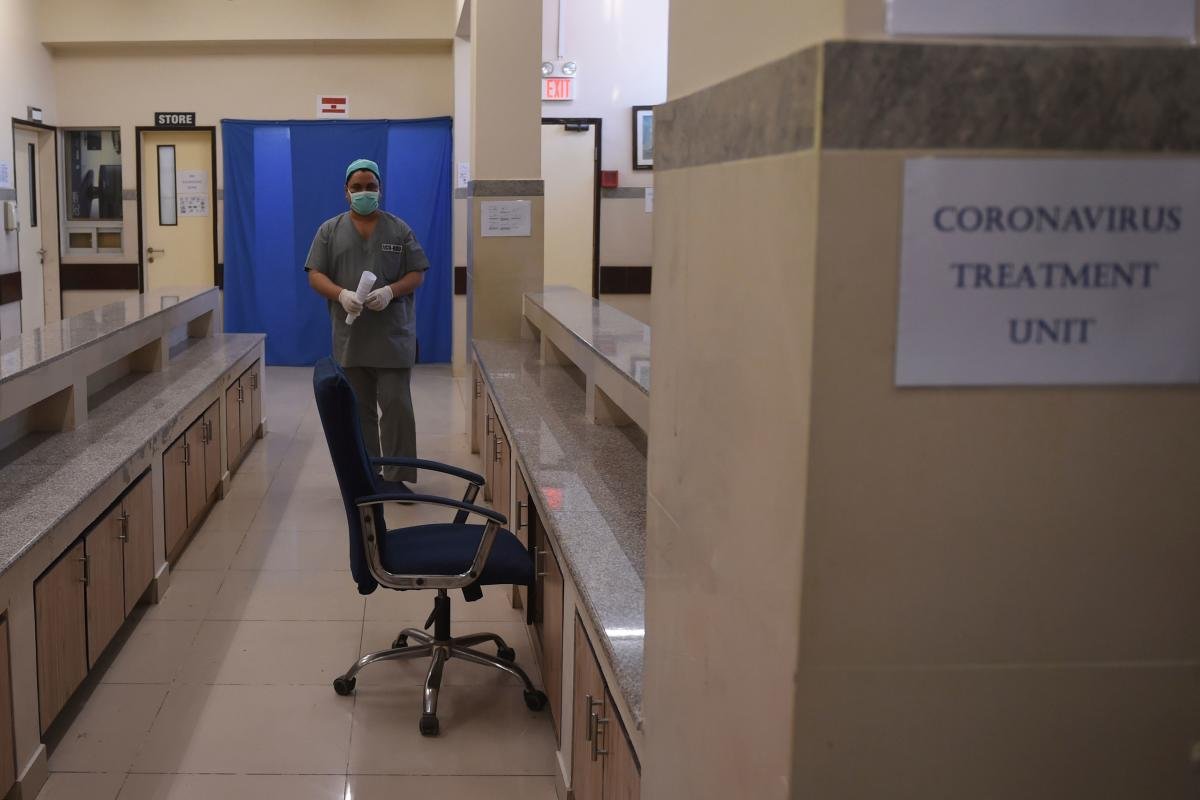
  • COVID-19 cases increasing through hospitals in Islamabad

    COVID-19 cases increasing through hospitals in Islamabad

    COVID-19 cases continued to drop in the capital city in the last few weeks. It is now revealed that the virus is again spreading through hospitals.

    DC Islamabad Muhammed Hamza Shafqaat, in a recent tweet said, “COVID cases going up. We have traced each and every case in Islamabad. In the recent surge, 80 percent infection is spreading through hospitals.”

    He also urged people “to be extremely careful while visiting hospitals.”

    The total number of reported cases in Islamabad are 15,941 so far.

  • Robbers sanitize hands before looting  jewellery store

    Robbers sanitize hands before looting jewellery store

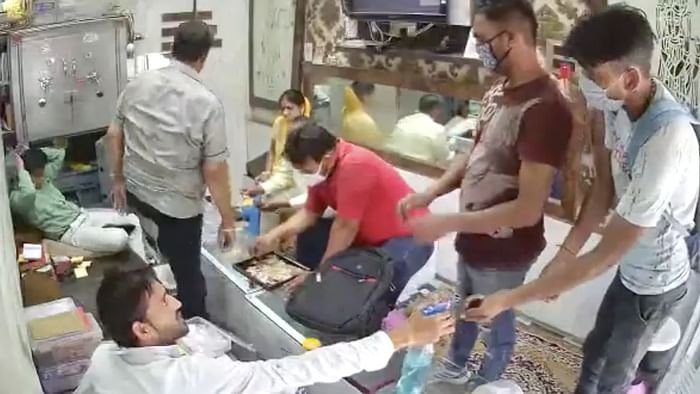
    Recently, a video of two robbers following proper COVID-19 protocols before looting a jewellery store in Aligarh, India went viral. The CCTV footage shows a few customers were busy choosing jewellery when two men entered the store wearing masks and sanitized their hands before taking out pistols.

    The robbers snatched the cash and stuffed their bags with jewellery reportedly of worth Rs 40 crore.

  • Majority of young adults in the US now live with their parents

    Majority of young adults in the US now live with their parents

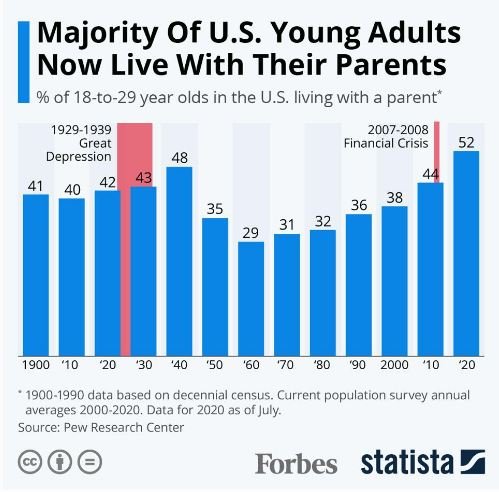
    A record number of young adults in the United States (US) have had to move back in with their parents because of the COVID-19 pandemic, a recent analysis by the Pew Research Center has shown.

    About 52% of 18-to-29-year-olds are now living with one or both parents. This is recorded for the first time that more than half of that age group has lived with their parents, the research center said. 

    The highest historical value was previously recorded in the 1940 census towards the end of the Great Depression when 48 percent of young adults lived with a parent.

    The Great Depression was a severe worldwide economic downfall that took place mostly during the 1930s. Though the timing of the Great Depression differed across the world, it began from the United States in 1929 and continued until the late 1930s in most countries. It was the longest, deepest, and most widespread depression of the 20th century. 

    The graph shows that the share reached its lowest point in 1960 at 29 percent. It has increased gradually ever since, hitting 49 percent by February 2020. The Pew Research Center states that the number of 18-29-year-olds living with a parent increased by 2.6 million since February and the total number stood at 26.6 million in July.

    According to Pew polling conducted in June, among all of the grown-ups who moved as a result of the pandemic, 28% said that they wanted to avoid the spread of the virus, 23% moved because their college campus shut down and 20% wanted to spend time with their family.

    Money seems to have played a big part in young people’s decisions, as young Americans have faced some of the worst financial impacts of the COVID-19 pandemic. In April and May, 40% of workers ages 18 to 29 reported that they’d lost their job or taken a pay cut.

    According to the June poll, about 18% of all adults who moved because of COVID-19 said that the biggest reason was related to money or losing their job.

  • Educational institutions to re-open on Sept 15?

    Educational institutions to re-open on Sept 15?

    Federal Education Minister Shafqat Mahmood on Monday chaired a meeting of provincial education ministers to make a final decision on whether to reopen educational institutes across the country from September 15, The News reported.

    According to reports, the Higher Education Commission’s (HEC) chairperson and executive director, Special Assistant to the Prime Minister (SAPM) on Health Dr Faisal Sultan, and officials of the health department were also present at the Inter-Provincial Education Ministers Conference (IPEMC), which aimed to compile the final recommendations regarding the opening of educational institutes.

    The recommendations to resume educational activities would be sent to the National Command Operation Centre (NCOC) for further deliberations among all the stakeholders.

    The meeting was set to also focus on finalising the standard operating procedures (SOPs) in this regard. Educational institutes across Pakistan had been shut down back on March 13 in a bid to curb the spread of the deadly coronavirus.

    The Single National Curriculum (SNC), a short curriculum for the current academic year, examinations in 2021, and establishment of anti-harassment bodies in the provinces were also on the meeting’s agenda.

    A discussion on the transition plans related to the Basic Education Community Schools (BECS) and National Commission for Human Development (NCHD) was also planned for the IPEMC.

    In this regard, Sindh Education Minister Saeed Ghani said all educational institutes were to open between September 15 and 30.

    All classes starting Grade 9 and up, as well as all universities, would reopen from Sept 15, while Grade 6-8 classes would resume by Sept 22, Ghani said, adding, however, that pre-primary and primary classes would reopen on Sept 30.

    The provincial minister warned that the schools in any area that may witness a rise in the number of coronavirus cases would be closed.

    Wearing face masks would be mandatory in the schools and strict action was to be taken in case of violation of the coronavirus-related SOPs, he added.

    Moreover, Punjab Education Minister Dr Murad Raas said there would be “no double shift”.

    “Alternative day schedule to be followed by all public & private schools,” Raas said on Twitter.

    Separately, in Khyber Pakhtunkhwa (KP), the provincial education department has decided to conduct coronary tests on school staff and students.

    “Health Department’s teams will be visiting public and private educational institutions to conduct random tests of teachers / staff / students / canteen vendors and all those persons who are working within the premises of educational institutions in an effort to detect COVID-19 positive cases and prevent the spread of disease,” a notification shared on the Twitter account of the ruling PTI’s KP chapter stated.

  • Pakistan: Lowest daily count of COVID-19 in four months

    Pakistan: Lowest daily count of COVID-19 in four months

    Pakistan on Sunday reported 213 new coronavirus cases, its lowest daily count in more than four months, Geo reported.

    The country reported its first case of the deadly virus on February 26 and went into a three-week lockdown in late March. In the subsequent months, the caseload kept climbing, peaking at 6,825 new cases in a single day on June 13. While it recorded 153 deaths, its highest to date, on June 19.

    However, in the last month, Pakistan’s daily infections and fatalities have dropped significantly. On August 30, it recorded only 213 new cases in a day, and six deaths across the country, while it sampled 18,017 tests.

    The August 30 figure is the lowest tally since April 10, when 186 new infections were reported in a day.

    Recently, Dr Faisal Sultan, the senior most health official in Pakistan, who was recently appointed the prime minister’s advisor on COVID-19, told the Telegraph that while the decline is a promising sign for Pakistan, he remains cautious.

    “At the end of the day I keep reminding people that this is like smouldering embers and the embers are there. You provide them with fuel and with a little bit of oxygen, they will flare up,” he said.

  • Coronavirus: The absurdities Pakistanis believe in

    The outbreak of the new coronavirus – COVID-19 – that affected almost 23,518,343 people worldwide, out of which 810,492 died, and was declared a global pandemic by the World Health Organization (WHO), was hardly taken seriously by the people of Pakistan.

    Even as the virus peaked in June-July, people flouted social distancing guidelines as well as government-introduced standard operating procedures (SOPs), believing that the virus did not even exist.

    And now that both the number of coronavirus cases and fatalities have drastically decreased, many across the country, including those who did take precautionary measures earlier, are under the impression that virus has gone extinct.

    GALLUP SURVEY:

    According to a Gallup Pakistan survey based on the responses of more than 1,300 respondents from all across the country, as many as 70% Pakistanis agree that the risk of the coronavirus is being exaggerated, which shot up from 55% in a previous survey.

    MISINFORMATION:

    But what led to people doubting the gravity of the situation and suspecting exaggeration as the world suffered in the battle against coronavirus?

    The answer is misinformation. From WhatsApp forwards to Facebook posts and tweets… viral conspiracy theories besides fake news by unauthentic sources contributed to the formation of ill-informed opinions of a major chunk of the population being told by the government to not panic because the virus was “no more serious than seasonal flu”.

    Four critical months being followed by the introduction of ‘smart lockdowns’ and the permission to re-open businesses for the sake of the economy and the poor, despite experts’ warnings of a second and even third wave of the virus, also contributed to people the virus less seriously than they should have.

    CONSPIRACY THEORIES:

    Many believed the government was exaggerating the situation on the ground to seek foreign aid and doctors were “secretly killing patients” for the number of virus casualties to soar on the government’s directions. But it wasn’t where the absurdity ended.

    Posts on social media added to the list of conspiracy theories regarding the origin of the coronavirus, leading to chaos as some even took to streets to protest against the government and COVID-19.

    According to the Gallup survey, the number of Pakistanis who consider coronavirus to be a foreign conspiracy has doubled from 23% in March to 55% in July-August while 54% believe that COVID-19 is a lab-made virus to which the world was exposed on purpose.

    Some also believe that coronavirus is a conspiracy against Islam and wearing a mask and following SOPs is nothing but a “Jewish agenda”.

    Another popular theory is that the virus was released as part of an Israeli plan to implant chips in the minds of the people, especially Muslims, while vaccinating them to control their minds.

    ‘COVID-19 NOW UNDER CONTROL’

    The survey also revealed that a sweeping majority — nearly 80% people — believe that COVID-19 is now under control and any there is no need to continue taking precautionary measures. This figure has rose from 32% in a previous survey to 79% within a few months.

    Large gatherings, including religious congregations and family feasts over the Eid weekend, and a large number of people taking to roads on August 14 to express their love for Pakistan, also go on to prove how seriously has the pandemic been taken by a majority that risked their own lives as well as that of others, mistaking the decline for coronavirus eradication.

    But while the number of coronavirus cases in the country has dropped and so has the rate of infections as well as fatalities despite negligence but owing to a number of suspected reasons, Pakistan, like the rest of the world, is still at risk. 

    Winters can also add to the probability of an outbreak from the top, experts say, yet again stressing the need for people to keep on taking precautionary measures.

  • Can passive smoking give you coronavirus?

    With lockdowns being lifted and offices besides all public spaces except wedding halls and educational institutions being re-opened, the threat of a sudden spike in coronavirus infections, despite the continuous drop, has once again risen its ugly head.

    While many people are taking necessary precautions, some are not, owing to which all of us have found ourselves assessing our surroundings and avoiding the virus as much as possible.

    Many amid the prevailing situation, among other things are wondering if one can get COVID-19 from secondhand smoke?

    Here’s what we know…

    Secondhand smoke isn’t believed to directly spread the virus, experts say, but infected smokers may blow droplets carrying the virus when they exhale.

    Being able to smell the smoke might be a red flag that you’re standing too close to the smoker. The respiratory droplets people spray when they talk, cough or sneeze are believed to be the main way the virus spreads. And people also exhale those droplets when smoking, as well as when they’re vaping.

    “Not only are they potentially spreading the virus by not wearing a mask, they are blowing those droplets to the people around them to potentially get infected,” says Dr Albert Rizzo, chief medical officer for the American Lung Association.

    You should steer clear of secondhand smoke regardless. Breathing in secondhand smoke from cigarettes can cause various health problems, according to the US Centers for Disease Control and Prevention.

    By the time this report was filed, the number of coronavirus infections in Pakistan stood at 294,668 with 279,630 recoveries and 6,275 deaths. Sindh continued to have the lead with 128,877 cases with Punjab trailing at 96,540 infections, followed by Khyber Pakhtunkhwa (KP) and Islamabad with 35,923 and 15,562 cases, respectively.

    The number of infections in Balochistan stood at 12,721 while Gilgit-Baltistan had 2,773 cases and Azad Jammu & Kashmir (AJ&K) had 2,272.

  • Three sisters drive rickshaws to earn living amidst coronavirus pandemic in Lahore

    Three sisters drive rickshaws to earn living amidst coronavirus pandemic in Lahore

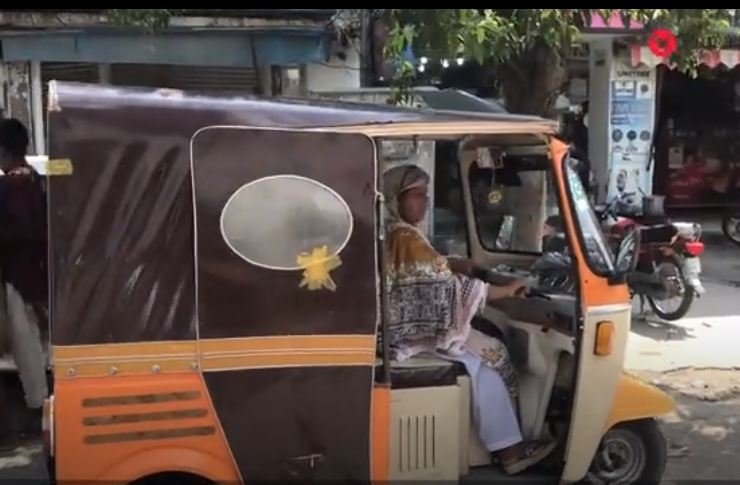
    Three  sisters from Lahore are driving rickshaws to earn a living after being affected by the coronavirus pandemic.

    According to reports, Nasreen Bibi, Saima Khatun, and Shahnaz Bibi started their work after buying rickshaws in installments. Speaking to Independent Urdu, Nasreen said: “I am the only breadwinner of my family. My children are young, and I have no one to support me financially.”

    Nasreen said that one of her sister’s husband had died, and the other sister’s husband is unwell, so the siblings decided to go out and earn a living through rickshaw rides.

    “I first learned how to drive a rickshaw and then bought one in monthly installments of Rs 5,000 ” said Nasreen.

    The sisters thought of providing rickshaw rides when the lockdown was lifted.

    “We had no income. I started driving a rickshaw so I would be able to earn money and educate my children,” Saima shared.

  • Hotels in Naran, Kaghan and Shogran sealed after fresh cases of COVID-19

    The Mansehra district administration has sealed all hotels in Shogran, Naran and Kaghan after fresh cases of COVID-19 were reported among staff working at different hotels.

    According to Dawn, Mansehra Additional Deputy Commissioner Maqbool Hussain said that the district health department had reported 47 cases of coronavirus at private hotels located in these spots. As a result, authorities decided to close down all hotels in the area to curb the spread of the virus. It has not yet been specified when the hotels will reopen but Hussain said that they would only be allowed to operate till the situation is brought under control.

    Hussain further revealed that 48 hotels, including 22 main businesses and their respective branches, had been sealed at all three tourist spots and the infected patients had been quarantined at the hotels. He added that the local health department and officials were in the process of tracing and testing those who had come into contact with the patients.

    Read more – Dr Yasmin Rashid expresses satisfaction over decreasing COVID-19 cases in Punjab

    On the other hand, ARY News reported that only five hotels in Naran and Kaghan have been sealed after some of the hotels’ staff tested positive for COVID-19. The report added that no ban has been placed on tourists wishing to visit the areas as some hotels have been reopened after disinfection.

    Meanwhile, the Kaghan Development Authority (KDA) on Sunday recommended the Mansehra deputy commissioner to impose a ‘smart lockdown’ in Naran.

    “It is proposed that a ‘smart lockdown’ [be imposed] on the hotels/restaurants to avoid the spread of COVID-19,” read the letter addressed to the DC.

    After the government reopened businesses and allowed tourism in the areas, there has been a surge in cases of COVID-19 cases in Khyber Pakhtunkhwa forcing local authorities to start large-scale random testing of tourists.

    “We have started conducting random testing of both tourists and hotel workers,” Raza Ali Habib, director general of the Galiyat development Authority (GDA) said, adding that 1000 tourists were tested during the last one week out of which only 25 tested positive.

    According to a report by the KP tourism department, approximately 627,000 tourists entered Hazara and Malakand divisions after the government lifted COVID-19 restrictions. The reports further revealed that tourists’ inflow to Abbottabad and Galiyat was high as compared to other areas as more than 356,000 entered the areas in the first 12 days.

    The government has been actively requesting people to take the necessary precautions and follow SOPs strictly to prevent the spread of the disease.

  • ‘Coronavirus over in Pakistan’: Myth [busted?]

    The nationwide coronavirus lockdown in Pakistan ended on August 10 as the government announced returning to pre-coronavirus life with a few standard operating procedures (SOPs) and social distancing guidelines amid a significant drop in infections and fatalities.

    Previously shut down sectors, including tourism and recreation, food among all other businesses except marriage halls and educational institutions were allowed to re-open and now, despite the passage of nearly two weeks, no prominent increase in COVID-19 cases has been recorded against officials and experts’ predictions in light of Eidul Azha and Independence Day celebrations during which people flouted all guidelines.

    While large gatherings, including religious congregations and family feasts over the Eid weekend, added to the risk of a second wave of the virus in the days to come, a large number of people taking to roads on August 14 to express their love for Pakistan, mistaking the drop in COVID-19 cases for its eradication, did the same. Independence Day was marked by firework displays at midnight in major cities, including Lahore and Karachi, where tens of thousands flooded the roads without face masks or any regard to the SOPs.

    Here is how the pandemic situation turned out from August 1 to August 20 amid the said recklessness of the masses:

    While the country is still at risk owing to the behaviour of the people over Eid and the Independence Day as officials fear it can lead to a sudden spike in COVID-19 cases, some experts believe that herd immunity has been achieved in metropolises like Lahore and Karachi as they were the most affected by the virus when it peaked in June.

    A study conducted in 25 cities shows that almost 11% of Pakistanis have developed protective immunity (antibodies) across the country against COVID-19. The research further says that seropositivity in urban areas is more when compared to rural areas, and a majority of those who came into contact with corona-positive patients are more likely to have developed antibodies.

    While infectious disease experts such as Prof Dr Faisal Mahmood of Aga Khan Hospital say the drop in number of cases is real but the reason that led to it has not yet been ascertained, according to a report by The Telegraph, Pakistan’s young population — two-thirds of its total population is under the age of 30 — can also be a major factor if herd immunity has actually been developed.

    Even though it is too early to be sure about Pakistan’s victory in the battle against COVID-19, the significant drop is a huge achievement. It, however, might not last if people continue flouting social distancing guidelines in the days to come, leading to the second and or even third wave of the pandemic in September.