Tag: covid 19

  • Federal cabinet allows export of N-95, surgical masks

    Federal cabinet allows export of N-95, surgical masks

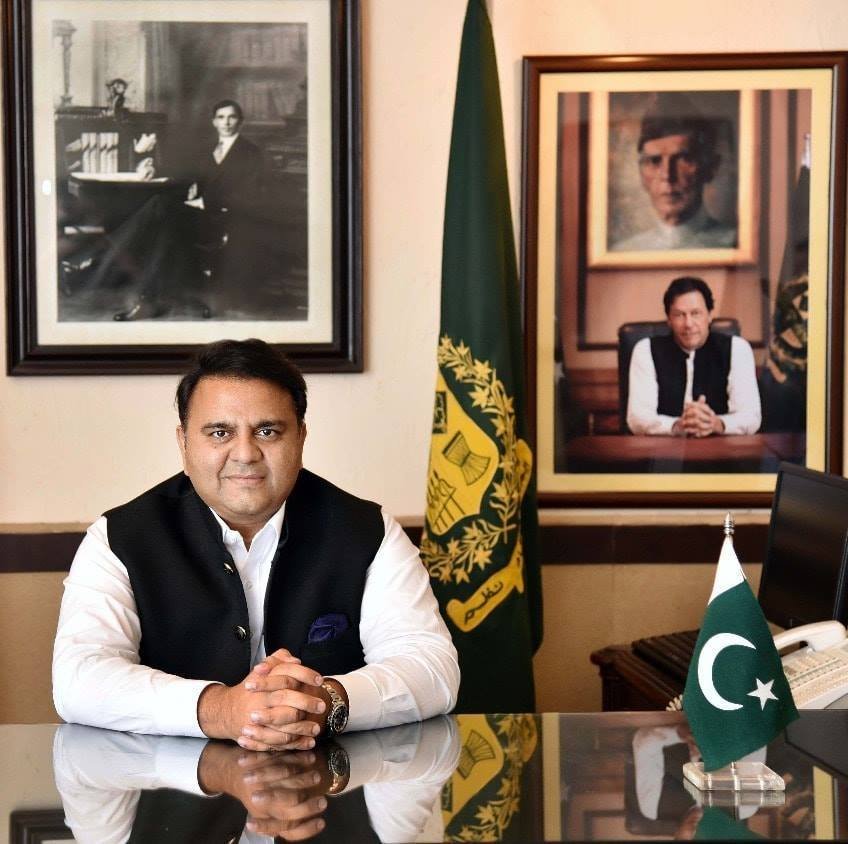
    The federal government has allowed the export of N-95 and surgical masks, said Federal Minister for Science and Technology Fawad Chaudhry.

    The federal minister tweeted to announce the development and said that these were the only last two items under the personal protective equipment (PPE) that was not allowed to be exported by the federal cabinet.

    “It would take a few days to get the notification out, but in the meantime please prepare to go full speed ahead &fulfill your orders,” said Abdul Razak Dawood.”

    Abdul Razak Dawood

    He further said that the federal government has done its part and exporters will benefit from the decision to capture a good share of the world market amid the COVID-19 crisis.

    :

  • Corona times: What’s next for educational institutes, wedding industry, restaurants and cinemas?

    Corona times: What’s next for educational institutes, wedding industry, restaurants and cinemas?

    The spread of coronavirus in Pakistan has decreased significantly. In June, Pakistan ranked 12th on the list of the countries hit by the COVID-19 pandemic, but within two months, it has improved its ranking with a drop in both the number of daily infections and fatalities.

    Not only the drop but anti-corona efforts of Pakistan’s government which led to it are being praised internationally as president-elect of the United Nations General Assembly (UNGA), Volkan Bozkir, has termed the same a “good example for the world to follow”.

    The decline in COVID-19 cases has been followed by the government allowing to reopen all sectors that had been closed for months, excluding educational institutions and marriage halls. The two are likely to reopen on September 15, after a final review by authorities concerned on September 7. 

    While it’s still difficult to estimate the economic losses Pakistan suffered due to the global pandemic, it can be said that people associated with educational institutions, wedding halls, cinemas and restaurants were more vulnerable amid lockdowns.

    EDUCATIONAL INSTITUTIONS:

    Pakistan’s 317,328 educational institutions have remained closed for the past six months and as a result, more than 40 million students are suffering. Teachers, on the other hand, and other staffers have no source of income. While many have been sacked by private institutions, some private school owners such as Muhammad Danish from Karachi, who had been running the school for the past 14 years, has now been forced to set up a biryani stall at his own school.

    While reopening of the institutions still is to be decided upon, experts believe it will be hard to bounce back from the current situation and that with extra precautions.

    WEDDING INDUSTRY:

    As the second most-affected industry remains wedding, marriage halls have been served a severe blow. According to Punjab Marriage Halls Association President Khalid Idrees, as many as 12,000 marriage halls run the households of over four million staffers and management members in Punjab alone, all of whom have been jobless since March.

    Trends suggest that a number of people are awaiting the new wedding world order to once again resort to huge gatherings or continue shifting towards smaller, simpler functions.

    RESTAURANT SECTOR:

    Meanwhile, as the restaurant sector also remains affected by COVID-19, Arab News reported that 30% to 40% of restaurants in Lahore have shut down permanently.

    Admin of popular food blog Foodies ‘R Us, Asad Sheikh, believes some of the government-issued guidelines for coronavirus prevention are beyond comprehension as the dine-in capacity of restaurants being reduced by 50% would affect sales and ultimately leave owners with no other option but to prefer managing takeaways.

    CINEMAS & THEATRES:

    In the case of another hard-hit industry, cinema and theatre owners are not yet ready to implement social distancing SOPs for coronavirus either and ensuring limited seating capacity.

    While there are 160 cinemas in the country with almost 24,000 seating capacity, reopening to public at the cost of half their audiences would be unprofitable.

  • Lockdown order withdrawn; Punjab returns to ‘pre-coronavirus’ routine with a few exceptions

    The Punjab Primary and Secondary Healthcare Department has allowed resumption of “pre-COVID-19 practices subject to the adoption of social distancing guidelines” as it withdrew the government’s lockdown order.

    According to the notification dated August 9, all sectors barring marriage halls and marquees and educational institutions have been allowed to resume operations from Monday (August 10), with timings and weekly holidays “reverted to pre-COVID-19 practice”.

    According to Dawn, religious congregations will only be held after approval from the administration and will be bound to follow the standard operating procedures laid out by the government. Operators of public transport — that has been allowed to resume function — will also have to ensure that preventive measures are being observed by passengers.

    The notification was issued three days after the federal government announced it was lifting restrictions on the tourism sector, restaurants and public transport, after months of suspension.

    The decisions were made in a meeting of the National Coordination Committee, which was presided over by Prime Minister Imran Khan and attended by representatives of all the provinces. The meeting participants also decided to lift restrictions on railways, airlines and metro buses.

    While the restrictions are being eased as government boasts of having successfully tackled the pandemic, it is worth mentioning that a sudden spike has been recorded in coronavirus infections over the past week. The number of per day fatalities, however, on Sunday dropped to single digits for the first time in over 110 days.

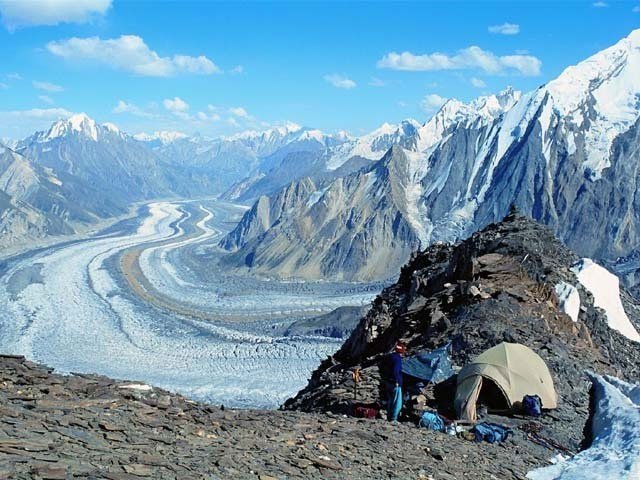
  • COVID-19: Tourists can enter Gilgit after showing medical reports

    COVID-19: Tourists can enter Gilgit after showing medical reports

    The Government of Gilgit-Baltistan has decided to restart tourism-related activities in the province, Chief Minister’s(CM) spokesperson said on Friday.

    Caretaker Chief Minister Mir Afzal Khan has issued a few directions to open the tourism sector in the province under strict standard operating procedures (SOP)s.

    According to details, entrance of the tourists will be subject to the clearance of medical reports, the spokesperson said, adding that the travellers will be allowed to enter the province from August 8 (Saturday).

    Earlier, Planning and Development Minister Asad Umar had announced that dine-in restaurants and beauty salons across Pakistan will reopen on August 10 as the country reported a decline in coronavirus cases.

    Sports and games would be allowed to resume but without spectators and pillion-riding was also permitted.

    The move to reopen the country came after a meeting of the National Coordination Committee (NCC) and discussion on recommendations in the National Command and Operations Centre (NCOC), he said, referring to the primary body that overlooks the efforts against the coronavirus pandemic in Pakistan.

  • New report suggests chances of catching COVID-19 on a flight are low

    New report suggests chances of catching COVID-19 on a flight are low

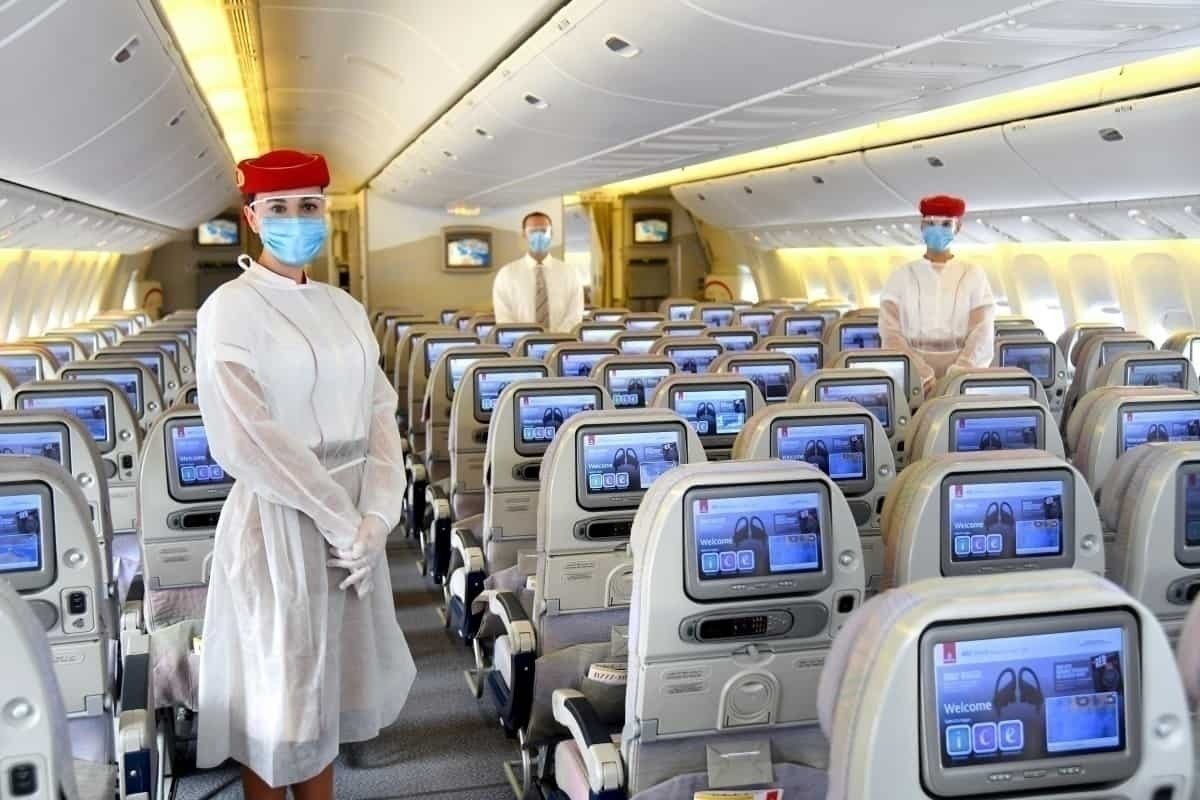
    A new report published in Bloomberg has said that the chances of catching coronavirus while flying are very low. Despite the known dangers of crowded, enclosed spaces, planes have not been identified as the spots of so-called superspreading events, at least so far.

    Arnold Barnett, a professor of management science at the Massachusetts Institute of Technology (MIT), has been trying to calculate the probabilities of catching COVID-19 from flying. 

    He’s factored in a bunch of variables, including the chances of being seated near someone in the infectious stage of the disease, and the odds that the protection of masks that is now mandatory in most flights.

    He accounted for the way air is constantly renewed in airplane cabins, which experts say makes it very unlikely for a passenger to contract the disease from people who aren’t in their immediate area — their row or the person across the aisle, the people sitting in front of them or the people behind.

    What Barnett came up with was that we have about a 1/4300 chance of getting a virus on a full 2-hour flight — that is, about 1 in 4300 passengers will pick up the virus, on average. The odds of getting the virus are about half that, 1/7700 if airlines leave the middle seat empty. Barnett has posted his results as a not-yet-peer-reviewed preprint.

    The odds of dying of a case contracted in flight, he found, are even lower — between 1 in 400,000 and 1 in 600,000 — depending on the age and other risk factors. To put that in perspective, those odds are comparable to the average risk of getting a fatal case in a typical two hours on the ground.

    University of Massachusetts biology professor Erin Bromage says he is flying every week, as he advises federal, state and district courts on how to reopen while minimizing risks. 

    Bromage says that the air exchange system in planes is better than in hospitals, with the air in the cabin being completely replaced 30 times every hour. He agrees with MIT’s Barnett, though, that it’s possible to transmit the disease to or from your close neighbours.

    He and Barnett both suggested that customers should, if possible, choose an airline that promises to keep the middle seat empty. 

  • Coronavirus in Pakistan: A July-August diary

    Since the beginning of July, there has been a decline in new coronavirus cases and the number of recovered patients has also increased. By the time this report was filed, there were 26,834 active COVID-19 cases in the country.

    While Prime Minister (PM) Imran Khan, as well as members of his team and other experts, repeatedly urged people to follow social distancing guidelines and standard operating procedures (SOPs) on Eidul Azha in order to avoid a June-like surge in coronavirus cases in the days to come, people were seen flaunting the same not only over the Eid weekend but also during rallies protesting illegal Indian annexation of held Kashmir on August 5.

    It was reported by Gulf News that the upper class of Karachi completely ignored Sindh government directives by sacrificing animals wherever they wished to despite 500 sites being designated by the provincial administration for the purpose. “Residents in the most expensive and posh neighbourhoods of the city were no exception… officials didn’t make any effort to ensure the people followed the law,” the report said.

    Meanwhile, the Punjab government on August 3 announced to lift the smart lockdown two days ahead of the scheduled date. The government announced to lift all restrictions on the third day of Eid because of a “significant” reduction in coronavirus cases.

    While Punjab Chief Minister (CM) Usman Buzdar expressed satisfaction over the observance of SOPs on Eidul Azha, Federal Minister for Planning, Development and Special Initiatives Asad Umar announced on Thursday that restrictions on the hospitality and recreational sectors, put in place nearly five months ago to curb the spread of the coronavirus, would be lifted by August 10.

    Dine-in restaurants, parks, cinemas, tourist spots and salons would be re-opened while marriage halls would remain closed at least until September 15 and the decision to re-open educational institutes would be looked into during the first week of September, he said.

    However, just a day after the announcement, Punjab witnessed a sudden increase in the number of new coronavirus cases. The everyday cases that had on an average dropped to below 100 during the past one month after reaching a new high in June, once again increased to around 300.

    Although some medical experts were not perturbed and declared it a routine surge, others believed that it might be a signal for the beginning of the second wave of the outbreak. Punjab reported 277 new confirmed cases of COVID-19 besides five deaths during the last 24 hours against 235 a day earlier, Dawn reported.

    Besides the lifting of lockdown restrictions for the economy’s sake in July, the surge is also being attributed to the fact that next to none social distancing guidelines were followed during the preparations and hosting of seminars and rallies to mark ‘Youme Istehsal [Exploitation Day]’ on the first anniversary of Narendra Modi-led India’s annexation of occupied Kashmir.

    Even though the coronavirus situation in Pakistan is getting better on paper, how the pandemic turns out over the next few days is subject to the behaviour of the masses and the policies of the government.

  • Restaurants, cinemas, parks to reopen on August 10

    Restaurants, cinemas, parks to reopen on August 10

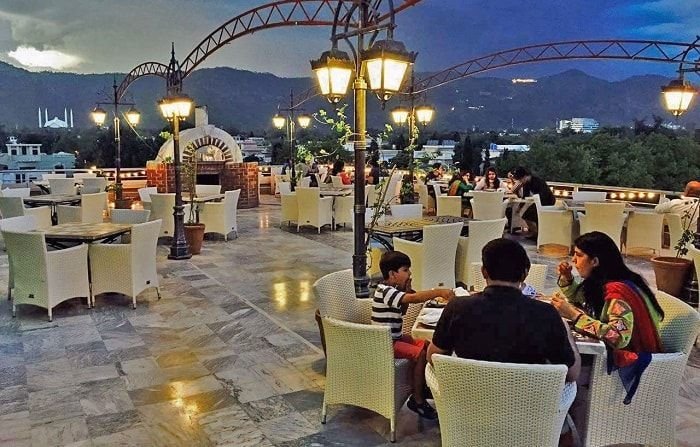
    Federal Minister of Planning and Development Asad Umar while addressing a press conference has said that cinemas, theatres, public parks, and restaurants will be reopened from August 10 (Monday) under strict SOPs.

    According to details, Umar said that Pakistan has recorded a decline in cases of COVID-19.

    He said that Educational institutions are expected to reopen on September 15 but all the SOPs will be monitored on September 7.

    Marriage halls are opening on September 15 and the gym centers will also be allowed to open from August 10, added the minister.

  • The Current Data: Province-wise breakdown of COVID-19 and how the numbers have dropped

    The Current Data: Province-wise breakdown of COVID-19 and how the numbers have dropped

    Before stepping down as the special assistant to Prime Minister (PM) Imran Khan on health, Dr Zafar Mirza, who spearheaded Pakistan’s fight against coronavirus, said that all estimates made by international organisations regarding COVID-19 in Pakistan proved to be wrong and the world was acknowledging the government’s efforts as well as the decline in infections in Pakistan. 

    On July 27, he shared the “good news” that the country had recorded its lowest number of deaths due to COVID-19 within the past three months when the virus is said to have peaked. On the same day, the premier said Pakistan was “one of the few countries that had overcome the coronavirus challenge” and stressed the need for people to continue taking precautionary measures over Eid holidays and during Muharram.

    By the filing of this report, the total number of coronavirus cases in the country stood at 276,287. The deadly virus had claimed 5,892 lives while the number of recovered COVID-19 patients stood at 244,883.

    The number of COVID-19 cases reported in worst-hit Sindh is 119,398 while the death toll from the virus is 2,172. Across the province, 108,989 patients have recovered and a total number of 720,230 tests have been conducted.

    Meanwhile, the number of cases in Pakistan’s most populous province, Punjab, which had briefly beaten Sindh to clinch the “worst-hit” tag from late April to late May, is 92,452. As many as 2,133 people have been so far died due to COVID-19 in the province while 82,512 people have recovered. The number of tests conducted in the province is 697,989.

    There are 33,724 patients of COVID-19 in Khyber Pakhtunkhwa (KP), of which 1,186 have lost their lives and 27,724 have recovered. A total of 208,869 people were tested.

    Islamabad, the federal capital, remains the fourth worst-hit territory where the virus was detected in 14,963 people of the total 177,467 who underwent COVID-19 testing. Out of the total number of patients, 165 people died and 12,377 recovered.

    The number of coronavirus cases in Balochistan is 11,654 and the death toll stands at 136. The number of recoveries is 10,080 while the number of tests is 56,919.

    Azad Jammu & Kashmir (AJK) has 2,055 cases, 50 people have died there and 1,543 people have recovered. Meanwhile, the number of patients, who tested positive of 17,561 total tests conducted in Gilgit, is 2,042. As many as 1,658 have recovered and at least 50 have lost their lives.

    While the government is boasting about its smart lockdown policy that it says “has led to the significant drop in coronavirus cases with little impact on the economy”, it is worth mentioning that experts believe lower testing besides a massive shift in behaviours could also be the reason behind the drop. They, however, fear a second and deadlier wave that can wreak havoc if people flout social distancing guidelines during or after Eid.
  • Thai, British Airways to resume Pakistan flights from August

    Thai, British Airways to resume Pakistan flights from August

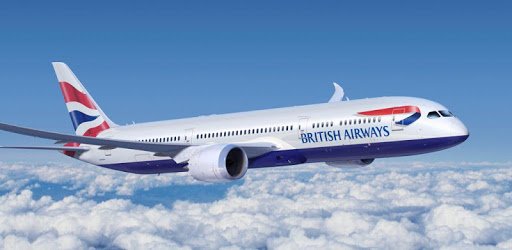
    Thai Airways and British Airways have decided to resume Pakistan flights from August after suspension due to COVID-19 spread.

    Pakistan aviation took to Twitter to announce that Thai Airways will be resuming its Pakistan operation from mid-August. The airline operates direct scheduled flights between Bangkok & Islamabad, Lahore Karachi.

    British Airways will also resume its flights from August between London Heathrow and Islamabad. This time it will be the only airline offering direct flights. In the beginning, there will be three flights per week.

    As per reports, the airlines wrote a letter to the Islamabad airport manager and asked for details of the arrangements before restarting flight operations.

    Authorities have been asked to give details about cleanliness arrangements at the airport and facilities available there to ensure the safe landing of the planes.

    “Ensure that fix bridges connected with the planes are safe to use”, the letter read.

    British Airways’ first flight to Pakistan, BAW-261 had landed at Islamabad International Airport from Heathrow, with 240 passengers on board on June 3, 2019, after a long gap of 10 years. 

  • Indian police ‘arrest’ goat for not wearing mask

    Indian police ‘arrest’ goat for not wearing mask

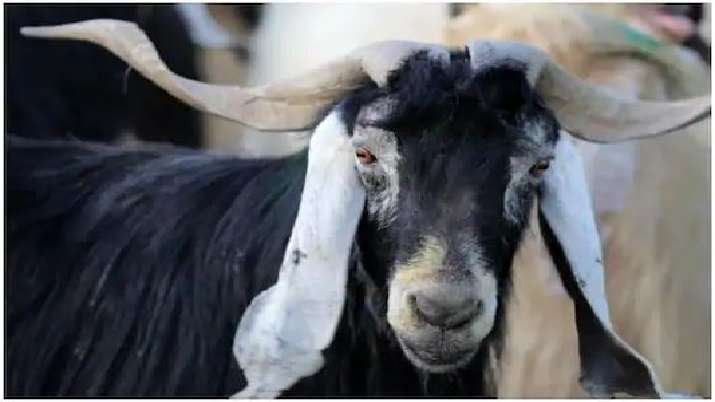
    In a bizarre incident, the Indian police ‘arrested’ a goat that was wandering in India’s Beconganj area ‘without wearing a mask’.

    The Beconganj police picked up the goat and took it to the police station in a jeep.
    When the owner of the goat got to know that the police had taken it away, he went to the police station.

    He pleaded with the cops and the police released his goat but warned him not to allow the animal to roam on the road.

    Circle officer, Anwarganj police station, Saifuddin Beg, however, said that the police had found a youth without a mask, taking the goat along.

    “When he saw the police, he ran away leaving the goat behind so the policemen brought the goat to the police station. Later, we handed over the goat to its owner,” he said.

    One of the policemen who had brought the goat admitted that they found a lockdown violation because the goat was without a mask. “People are now making their dogs wear a mask so why not a goat?” he said.

    The police apparently changed its version after people started joking about it on social media.