Tag: covid 19

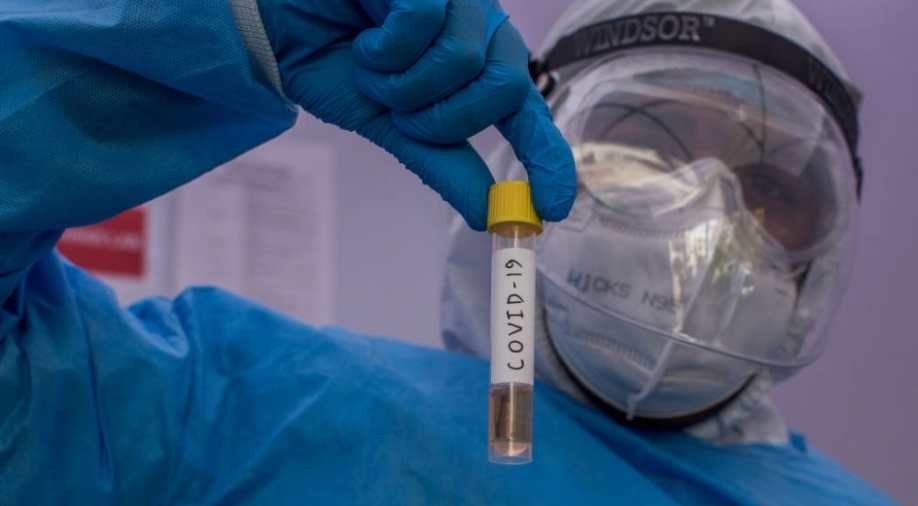
  • Punjab ‘controls’ coronavirus numbers by sending lab staff on Eid holidays, resulting in less testing

    Punjab ‘controls’ coronavirus numbers by sending lab staff on Eid holidays, resulting in less testing

    The secret behind the sudden drop in number of new coronavirus cases being reported in Punjab has been revealed as journalist Amber Rahim Shamsi quoted Punjab Minister for Industries, Commerce, Investment and Skill Development Mian Muhammad Aslam Iqbal as saying that lab workers had been given Eid holidays, resulting in less testing.

    After easing lockdown restrictions, Punjab has generously announced six Eidul Fitr holidays from May 22 to May 27, which means the rate of increase in the number of cases in Punjab started going down Friday as lab personnel, who had been working tough shifts since the outbreak began, started getting off work and heading home to celebrate Eid with their families.

    The number of COVID-19 infections in Punjab, which increased from 13,914 to 14,584 from May 16 to May 18 and then 16,685 on May 20, stood at 18,455 on Friday with over a thousand cases being reported every day since May 17-18.

    However, the same number on Saturday stands at 18,730 with an increase of just 275 cases — unlike what trends had suggested.

    “It is true that labs have started working at a lower capacity that is leading to the number of cases going unreported as of yet,” a provincial health official told The Current on the condition of anonymity. They refused to comment on the government’s decision of allowing Eid holidays to lab personnel, but said it was a much-needed relief.

    “Things will get back to normal and the testing capacity will be restored after… or maybe even during Eid,” the official added.

    By the time this report was filed, the total number of coronavirus infections in Pakistan stood at 52,437 with 1,101 deaths. Sindh topped the chart with 20,883 cases, followed by Punjab with 18,730 infections, Khyber Pakhtunkhwa (KP) with 7,391 and Balochistan with 3,198. Islamabad had reported 1,457 cases while Gilgit-Baltistan (G-B) and Azad Kashmir had 607 and 171 infections, respectively.

  • Wuhan officially bans eating wild animals

    Wuhan officially bans eating wild animals

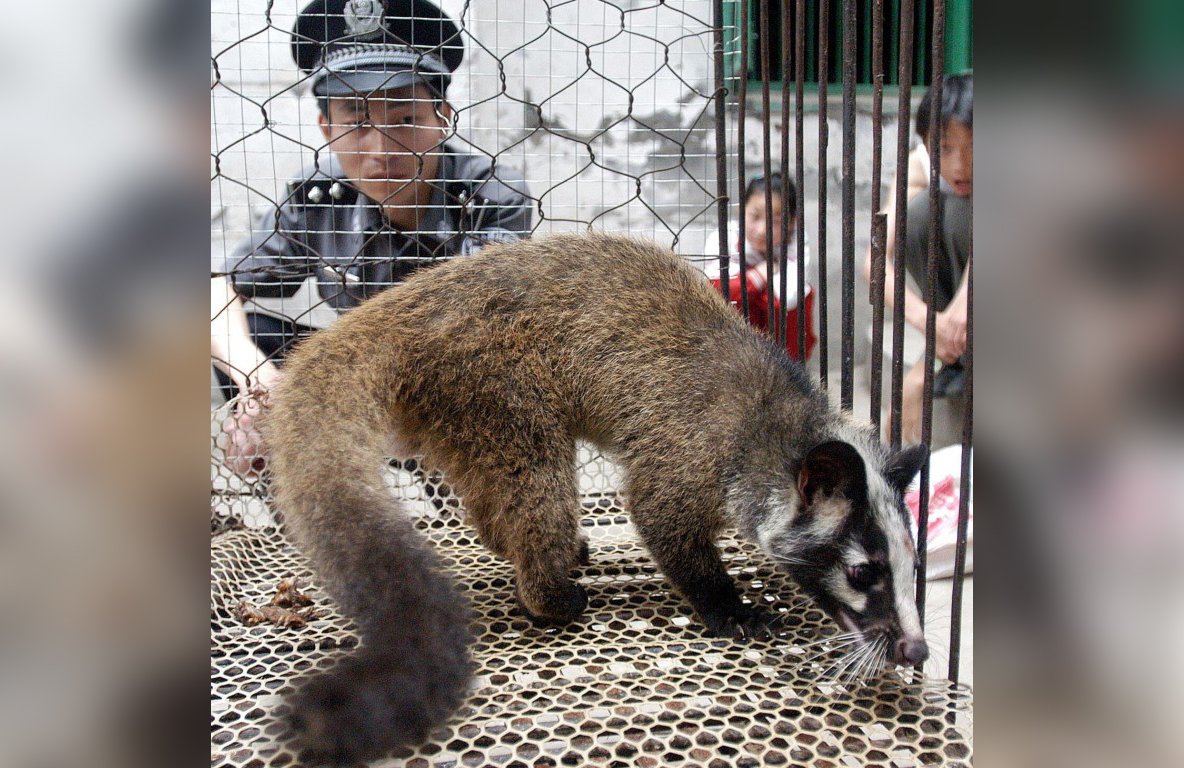
    The city at the centre of the coronavirus crisis — Wuhan — has banned the eating of wild animals and Chinese farmers are being offered cash to quit breeding exotic animals. Both moves come amid mounting pressure for China to crack down on the illegal wildlife trade blamed by many for the pandemic that has killed more than 330,000 people and left over 5 million infected.

    The local administration in Wuhan, the city of about 11 million people in China’s central Hubei province where cases of the new coronavirus were first recorded late last year, announced that the eating of all wild animals was officially banned.

    The city also banned virtually all hunting of wild animals within its limits, declaring Wuhan “a wildlife sanctuary,” with the exception of government-sanctioned hunting for “scientific research, population regulation, monitoring of epidemic diseases and other special circumstances”.

    Wuhan also imposed strict new controls on the breeding of all wild animals, making it clear that none could be reared as food. City officials said the local administration would take part in the wider national scheme to buy wild animal breeders out.

    The national plan is the first time Chinese authorities have pledged to buy out breeders in an attempt to curb exotic animal breeding, animal rights activists say.

    China had already banned the sale of wild animals for food as the new coronavirus — COVID-19 — spread around the world, citing the risk of diseases spreading to humans, but the trade remains legal for other purposes, including research and traditional medicine.

    The virus that causes COVID-19 is widely believed to have passed from bats to people, possibly via another species, before spreading worldwide.

  • Singaporean court hands out death sentence through video-link

    Singaporean court hands out death sentence through video-link

    A Singaporean court has handed via video-link the death sentence to a Malaysian man, Punithan Genasan, who was found guilty of being involved in drug trafficking.

    He facilitated the trafficking of 28.5 kilograms of heroin back in 2011, which has a zero-tolerance policy for illegal drug use. He was then extradited in 2016, later he was found guilty and sentenced to death via a Zoom call by high court officials.  

    Singapore’s Supreme Court said in a statement that in line with measures to minimise the further spread of the COVID-19, courts have been conducting hearings, including hearings on criminal matters remotely.

    Therefore, for the safety of all involved in legal proceedings, trials are being conducted virtually. Genasan’s lawyer did not object to the sentence being handed out via video conference.

    Since much of the western world was placed on coronavirus lockdown in late February through March, Zoom’s usage has skyrocketed. This has led to questions about what business the software is and isn’t fit to handle.

    Companies like Google and SpaceX have banned employees from using Zoom out of security concerns. School districts in New York, as well as teachers throughout Singapore, have also been barred from using the software.

  • Murad Saeed trolled as Donald Trump ‘follows footsteps of PM Imran’

    Murad Saeed trolled as Donald Trump ‘follows footsteps of PM Imran’

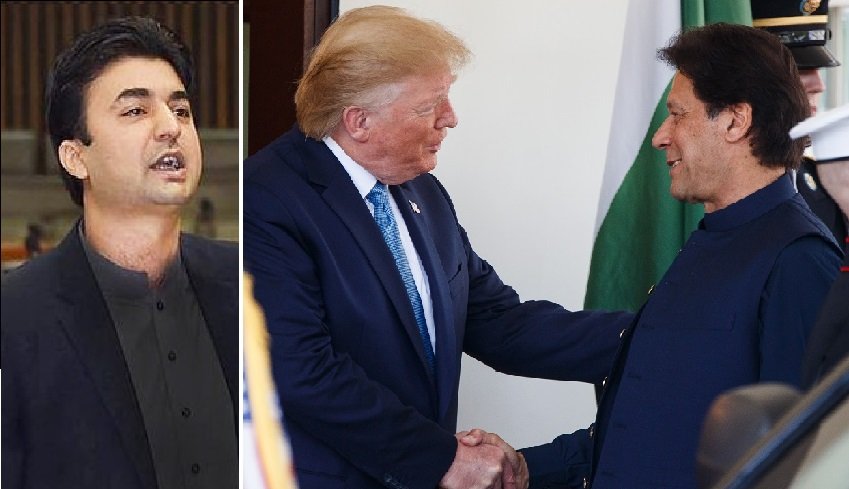
    Federal Minister for Communications Murad Saeed, who had falsely claimed that New York was to follow Prime Minister (PM) Imran Khan’s coronavirus lockdown model, has been trolled by lawyer Reema Omer among others as United States (US) President Donald Trump expressed the desire for his country, worst-hit by the COVID-19 pandemic, to reopen.

    The tweet by the lawyer came as Trump, who has been voicing his concerns over the adverse effects of the lockdown on the economy, tweeted, “REOPEN OUR COUNTRY!”

    The tweet by the US president coincided with PM Imran allowing to ease restrictions across Pakistan ahead of Eid to “wisely” provide relief to the labour class, daily wagers and lower-middle strata of the society.

    “Epic trolling,” tweeted senior journalist Abbas Nasir in response to Reema’s dig at the federal minister.

    ‘NEW YORK TO FOLLOW PAKISTAN’S LOCKDOWN MODEL’:

    In a May 11 viral video, Saeed had claimed that the US state of New York was going to follow the “smart lockdown” concept after being inspired by Imran Khan and Pakistan, however, fact checks revealed otherwise. Meanwhile, netizens shared videos and pictures of how the partial lockdown measures were failing even in Pakistan.

    The clip instantly gained popularity on social media and was reported by several Pakistani and international news outlets.

    “If you look at the smart lockdown concept implemented by PM Imran Khan even the governor of New York has quoted Pakistan’s contact tracing and tracking concept and are following it now,” the federal minister is heard saying while speaking at the National Assembly.

    Saeed also reportedly said that the cluster lockdown concept discussed by Khan is being taken forward by his counterpart Boris Johnson in the United Kingdom (UK).

  • PTI MPA passes away two days after testing positive for coronavirus

    PTI MPA passes away two days after testing positive for coronavirus

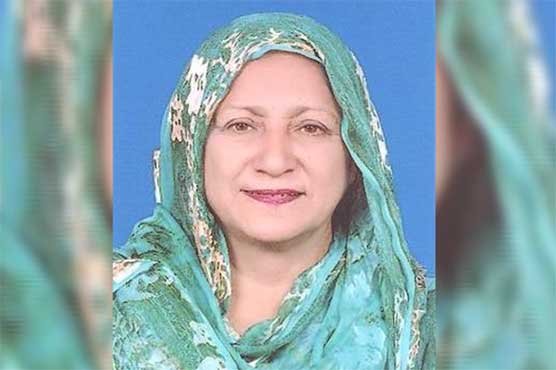
    Pakistan Tehreek-e-Insaf (PTI) member of Punjab Assembly Shaheen Raza passed away on Wednesday, two days after she tested positive for coronavirus and was shifted to an isolation ward at Lahore’s Mayo Hospital.

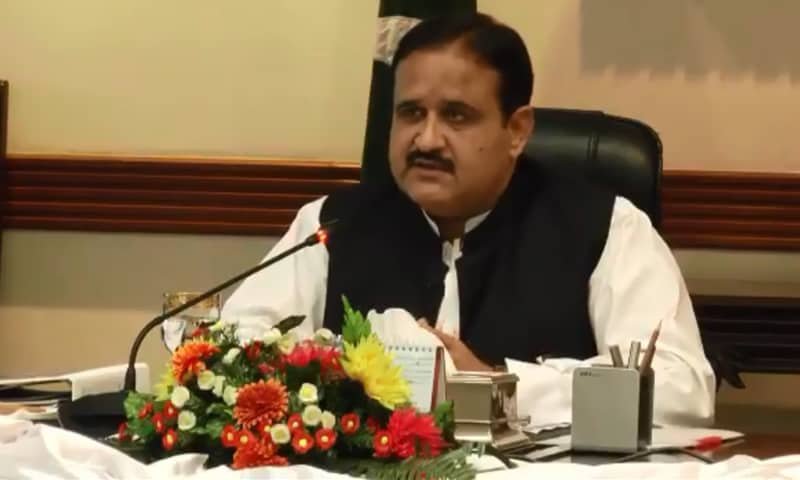
    While the cause of death earlier remained unclear as Mayo Hospital CEO Dr Asad Aslam said she was also a patient of blood pressure and diabetes, Punjab Chief Minister (CM) Usman Buzdar confirmed that his colleague had succumbed to COVID-19.

    He separately also expressed a deep sense of sorrow and grief over the death, and extended sympathies to the bereaved family.

    On Saturday night, Raza was quarantined at a district headquarters (DHQ) hospital after symptoms of coronavirus. Her test sample was sent to a laboratory that on Sunday confirmed she had contracted the deadly virus.

    On the instruction of CM Buzdar, the MPA was later shifted to Mayo Hospital and put on a ventilator.

    Raza becomes the first lawmaker in Pakistan to succumb to the virus that has so far claimed at least 324,970 lives across the globe and over 900 in Pakistan.

  • Coronavirus: Army takes over distribution of protective equipment to ensure transparency

    Coronavirus: Army takes over distribution of protective equipment to ensure transparency

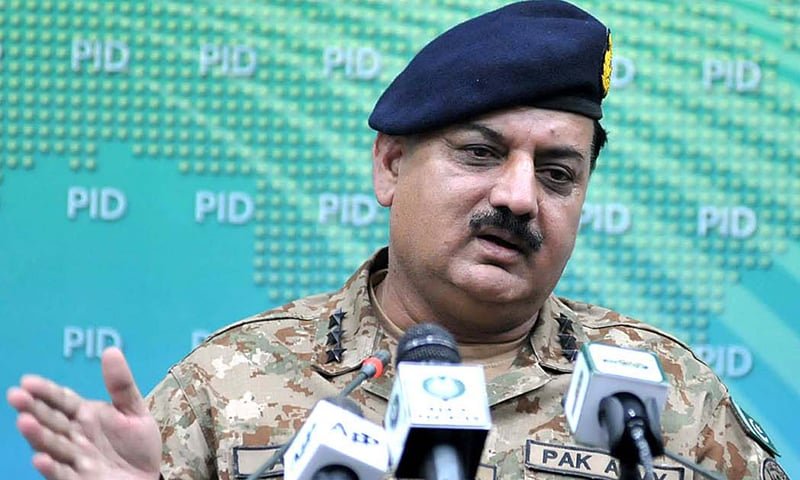
    National Disaster Management Authority (NDMA) chief Lieutenant General Muhammad Afzal has said that the army, amid doctors’ complaints regarding the nonavailability of personal protective equipment (PPE), has taken over the distribution of the same and the equipment is now being provided to hospitals with the help of respective corps headquarters.

    “As we had received complaints from some doctors that they were not getting PPE, I requested COAS [Chief of Army Staff Gen Qamar Javed Bajwa] after which it was decided that PPEs will directly be sent to the corps headquarters concerned rather than sharing them with the provincial governments,” Lt Gen Afzal said while addressing a press conference.

    According to Dawn, he added that the information regarding the dispatching of PPEs was, however, duly shared with the provincial governments. “Now the army is distributing the protective gear in the hospitals, and since then we have not received any complain.”

    The NDMA chairperson said the authority had adequate stocks of protective equipment which could cater to the needs of doctors and patients for the next month.

    He said initially Pakistan was dependent on foreign-made equipment but now except ventilators, everything else was being manufactured by local companies. “As a result of the local production of equipment, the cost of normal mask has dropped from Rs50 to Rs10 and N-95 mask is now available for Rs300 against its previous price of Rs2,000.”

    Lt Gen Afzal said so far five tranches of equipment had been sent to provinces and a universal helpline 111-157-157 set up to receive complaints regarding unavailability of PPE and other material being used against the virus.

    He said a quarantine centre established at Haji Camp in the capital was not being utilised as people of the area had demanded that such a centre should be away from populated areas.

  • The Current Projections: 45,000 COVID-19 cases by June

    The Current Projections: 45,000 COVID-19 cases by June

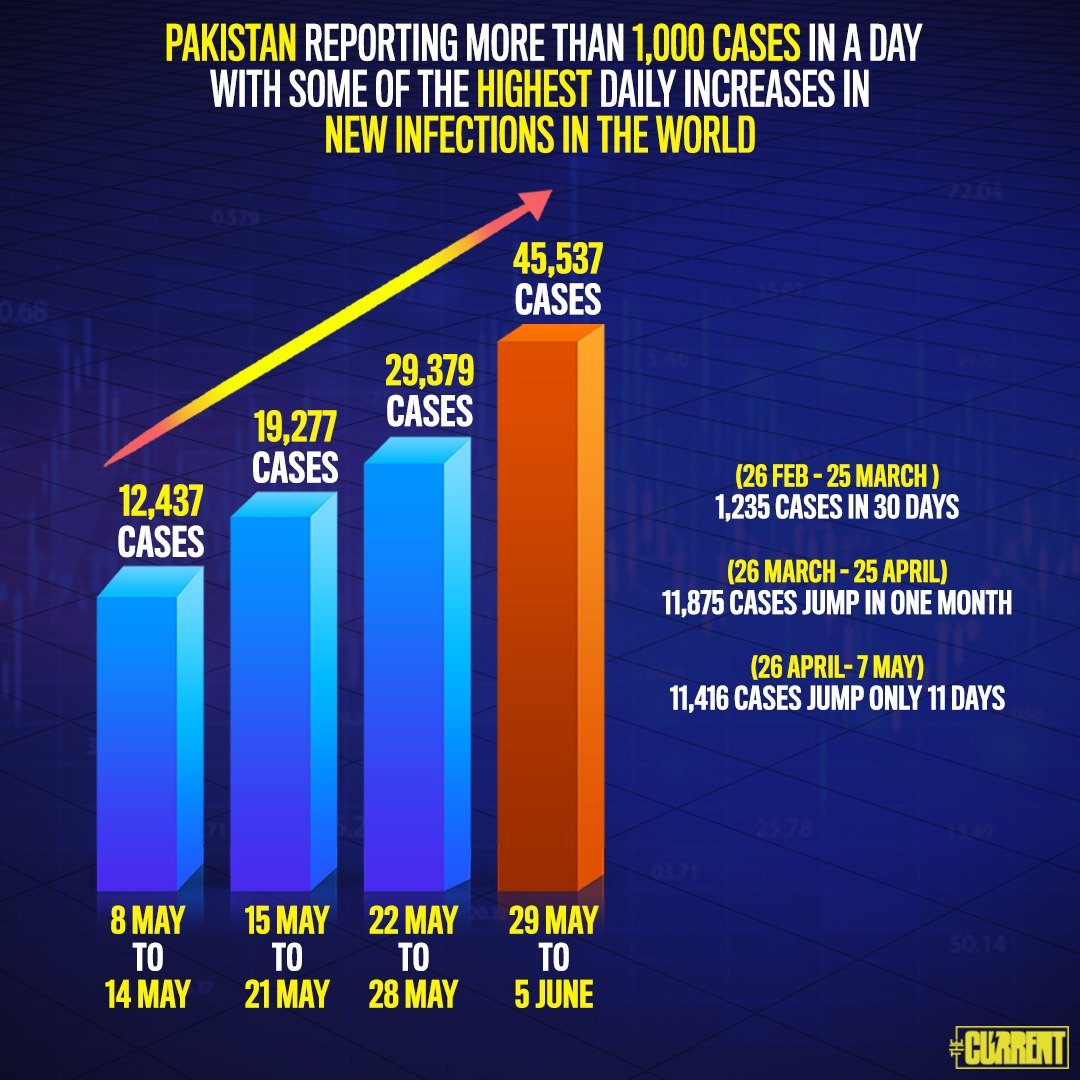
    The number of coronavirus cases in Pakistan is likely to rise upwards of 45,000 by the first week of June, suggests the stable trend of rise in infections in the country since its first case of the COVID-19 was reported on February 26.

    The tally reached 1,235 on March 25 (in 30 days), which was followed by an increase of 11,875 in a single month (until April 25) — putting the total number of infections past 12,000 — and later a record spike of 11,416 cases in just 11 days from April 26 to May 7.

    The World Health Organization (WHO) has already warned that the number of COVID-19 cases in Pakistan can rise to 200,000 by mid-July if “effective interventions” are not taken.

    Despite the rising number of cases, countrywide lockdowns have been eased to save the economy while the government is planning to entirely lift the ban on inter-city transportation ahead of Eid holidays.

    READ: Supreme Court orders reopening of shopping malls across Pakistan

    The number of confirmed cases of coronavirus in Pakistan stood at 42,227 by the time this report was filed. The number of fatalities was 899 with 11,922 recoveries. Sindh had the most number of infections — nearly 18,000 — with Punjab trailing behind at 14,500 cases of COVID-19.

  • Living with corona

    Last week when we wrote our editorial, there were a little more than 30,000 confirmed COVID-19 cases. At the time of writing this today, Pakistan’s confirmed coronavirus cases are more than 41,000. Deaths, too, have increased — last Sunday, they were more than 600… this Sunday, they are almost 900.

    A spike of around 11,000 new cases and almost 300 deaths in just one week. This is the reality of coronavirus even though we will have to live with it. At least for a year or more.

    And since we have to live with corona now, we should at least have some rules: face masks should be mandatory and for those who can’t afford them, the government should provide them. Qatar has made the wearing of face masks compulsory and anyone defying the order can face a jail term of up to three years. A fine of up to $55,000 has also bee announced for those who repeatedly fail to cover up.

    We need to make and implement rules like these. If malls and shopping centres are open, proper protocols like social distancing must be followed and implemented by the local administration. Businesses and factories that have opened up or will be opening up soon should also follow strict SOPs. Anyone who fails to follow these rules should face imprisonment or heavy fines for endangering people’s lives. If there are no strict penalties, there will be no deterrent. And if there is no deterrent, then it is open season for coronavirus.

    Just look at what happened at retail shops earlier this week. People thronged clothes shops and other markets. It was sheer madness. Some say it is because of the timings (shops are not allowed to open past 5 pm or over the weekend). But there is another view that says how many people still think of COVID-19 as flu and are not really bothered unless and until they or their loved ones get it. This is downright dangerous. Coronavirus is not flu. It has already taken more lives in just a few months than flu takes in an entire year. The damage coronavirus causes to vital organs of even those who survive it is way more dangerous than anything else.

    Pakistan will see a peak at the end of this month and we can only hope that our health sector is able to deal with it.

    We understand the economic implications of stricter measures but we should also realise that the global pandemic is leading the world to recession in the first place. Pakistan will be no different. The post-corona world is one that we may not even recognise. It will cause a lot of misery around the world, both in terms of being deadly and when it comes to financial hardships. 

  • COVID-19 & industry: Current situation and the way forward

    In the previous two years, Pakistan had started to pick its pace at a slightly high point and the economy had started to improve.  Both the current account along with the non-oil current account had continued to improve after exchange rate reforms while sectors with the highest forward linkages i.e cement, iron and steel, had started to show an upward spike in production.

    The fiscal side also seemed to strengthen over a period of time while growth in revenue collections at all levels, especially direct taxes, was also witnessed.

    However, with the ongoing coronavirus pandemic raising its ugly head, the meager growth achieved is now threatened.

    According to a World Bank (WB) assessment, the global impact of COVID-19 can reach $347 billion (0.4 per cent of Global GDP). Nearly all regions suffer a double-digit decline in trade volumes in 2020, with exports from North America and Asia hitting the hardest. But it is important to note that this hit was majorly experienced by countries with sizable exports due to trade problems while Pakistan has a low global value chains (GVC) exposure to the world, especially to People’s Republic of China (PRC), which means it has suffered lesser trade disruptions so far.

    Trades have fallen steeper in sectors with complex value chains, particularly electronics and automotive products.

    According to Urban Unit’s spatial industrial data, currently, 18 per cent of the industries in Pakistan are operational. These include the fertilizer industry, agriculture, agriculture spare parts and export industry, all of which are operating under conditions of following certain standard operating procedures (SOPs) developed by the Punjab government. However, strict monitoring from the government will also be required as an exemplary practice of these SOPs which will further encourage the authorities to open up other capital-intensive sectors.

    On the monetary side, there are several efforts made by the government. Under a federal package, a Rs100 billion relief package has been provided to small and medium-sized enterprises (SMEs) and the agriculture sector along with concessional loans. Money is allocated to lower the input cost for farmers along with a Rs12,000 monthly package with facilities of panagahs [shelter homes] and langar centers [soup kitchens].

    The Punjab government has also implemented tax reductions as all forms of GST have been removed from online platforms, businesses and services related to HR; deferment of tax has been implied for properties and CVT & stamp duties have been reduced to 2 per cent on property transactions, construction industries, hospitals and medical consultants. In addition to these, the State Bank of Pakistan (SBP) has provided relaxation in export schemes (EFS & LTFF) and has enhanced liquidity for exporters while providing extensions in the time period to ship and import goods against advance payment.

    The central bank has also reduced its interest rate from 13.5 per cent to 9 per cent.

    However, there are some further actions that the government can take in order to improve the current economic situation. A regulatory framework can be adopted keeping in view some of the best international practices from where many risk management practices can be learnt to determine the best price discovery (for example, the United States has dropped the interest rate to 0 per cent).

    Secondly, allowing ease of entry for institutional capital in order to broaden the depth of the market i.e. attracting FDIs in newly established special economic zones in Faisalabad, Bhalwal, Vehari and Rahim Yar Khan by simplifying provincial and federal procedures. Thirdly, the role of aggregators, producers and organisations can be improved for better price negotiations for SME’s.

    Fourth, access to foreign capital should be made easier and distortions should be minimised by developing linkages with the international markets. That means ease of doing business index, logistic performance index and reduced lead time for exports should be commenced. Lastly, e-markets should be developed where participants can access both international and domestic markets. An e-commerce policy at the provincial level must be put in place with incentives to increase documentation of economy and online trade at B2B B2C and C2C levels.

    It is to be noted that Pakistan is not alone in this economic downfall. It is vital to have a positive outlook on the situation and prepare for the future with better resilience. Effective policies and active preparedness can give impetus to the post-pandemic industrial revival.

  • Pakistani pharmaceutical company to manufacture Remdesivir, only drug approved to treat coronavirus

    Pakistani pharmaceutical company to manufacture Remdesivir, only drug approved to treat coronavirus

    A local Pakistani company will manufacture Remdesivir, an international drug being used to treat coronavirus patients, in less than two months, Special Assistant to Prime Minister (SAPM) on Health Dr Zafar Mirza announced as five companies in the world were granted the license to manufacture the medicine.

    “American company Gilead has manufactured this drug and it has proven effective in treating coronavirus patients,” he said during a press conference. “It is said that the use of the drug has reduced the intensity of the virus by 30%.”

    “Among the five companies [granted the license to manufacture the drug] one of them is a Pakistani company,” he said, referring to it as a “breakthrough news”.

    He said that the medicine will be available for COVID-19 patients in Pakistan after it is registered within six to eight weeks and manufactured in the country.

    “It will not only be available for patients in Pakistan but the plan is to export this drug to 127 countries,” he said. “Pakistan will be among three countries in the world to produce and export this to 127 countries. This is a big breakthrough and this is big news for coronavirus patients in Pakistan, who are increasing by the day and are expected to increase more.”

    Ferozsons Laboratories Limited CEO Osman Khalid Waheed said that it would be the company’s aim to sell the drug at the least cost, The News reported.

    Adviser to the PM for Commerce, Textile and Investment Abdul Razzak Dawood said that it was a proud moment for Pakistan and the country’s pharmaceutical industry that a Pakistani company had been made the licensee of the coronavirus drug.

    He said that it was the government’s aim to diversify exports and that included pharmaceuticals. “It is not only good news for the people of Pakistan but for countries around the world.”

    ‘FREE CORONAVIRUS VACCINE’:

    Meanwhile, PM Imran Khan has joined the more than 140 signatories of a letter saying any vaccine for COVID-19 should not be patented and the science should be shared among nations.

    The World Health Assembly, the policy-setting body of the UN’s World Health Organisation (WHO), holds its annual general meeting next week.

    The signatories, which include incumbent and former world leaders, called on the World Health Assembly (WHA) to rally behind the cause.

    “Governments and international partners must unite around a global guarantee which ensures that, when a safe and effective vaccine is developed, it is produced rapidly at scale and made available for all people, in all countries, free of charge,” the letter said.

    “The same applies to all treatments, diagnostics, and other technologies for COVID-19.”

    The letter was signed by Senegalese President Macky Sall and Ghanaian President Nana Akufo-Addo. Former presidents and premiers among the signatories included Shaukat Aziz, Jan Peter Balkenende, Jose Manuel Barroso, Gordon Brown, Helen Clark, Felipe Gonzalez, Ellen Johnson Sirleaf, Aleksander Kwasniewski, Mary McAleese, Olusegun Obasanjo and Juan Manuel Santos.

    The letter comes amid fury in France after French pharmaceutical giant Sanofi said it would reserve the first shipments of any COVID-19 vaccine for the United States (US).

    The multinational’s chief executive Paul Hudson said the US would get first dibs because its government was helping to fund the vaccine research, drawing outrage from officials and health experts.

    The letter ahead of the WHA said it was not the time to leave the task of resolving the pandemic to market forces or let the interests of wealthy companies and governments come before the need to save lives.