Tag: COVID19

  • More than 40 life-saving drugs short in Pakistan

    More than 40 life-saving drugs short in Pakistan

    Due to the imposition of GST, the pharmaceutical industry is no longer importing raw materials, resulting in a shortage of 40-50 life-saving drugs.

    Mansoor Dilawar, Chairman of the Pakistan Pharmaceutical Manufacturers’ Association (PPMA), stated that 40 to 50 medicines are in short supply and that the number will soon exceed 100.

    According to Brecorder, the pharmaceutical industry has been waiting for Rs40 billion in sales tax refunds since January 16, 2022. However, the FBR has denied that any refunds were held by the tax authority.

    Unavailable drugs

    Alp tablets for anti-depression, Dexamethasone for asthma, cancer, and joint pain, Epitab for epilepsy, Nervin for depression, Epival, Fexet D, Nitronal, Ventoline tablets and injections are among the medicines in short supply on the market.

    Furthermore, Epival In, Myrin P, Ketasol Inj, Loprin, Silver tab, phenergen Elixir, Tixylix Lincitilus, Chlooriptics Drops, systane drops, Rivotril drops, Dormicum tablets, Winstor, Tritace, Sodamint, Schazobutil, Jardymet, and Brufen are said to be in short supply.

    There are also no Lomotil, Panadol, Tan Primolut B, Progynova, Stilnix, Glucobay, Zentel, Avor, Gravibinan, Syp Gaviscon, Lipofundin, or Sorbid Injection available.

    According to the PPMA chairman, the industry is halting production of low-margin items after the Federal Board of Revenue (FBR) imposed taxes that increased the industry’s cost of production by Rs60 billion to Rs70 billion.

    Read more: FBR collects highest-ever tax of Rs6 trillion in FY22

    “Because drug prices are capped, the pharmaceutical industry cannot pass on higher production costs to consumers,” he explained.

    “As a result, the industry has been forced to halt production of low-margin medicines, which have become unviable due to tax increases,” Dilawar added.

    According to Dilawar, the industry pays a 17 per cent refundable GST at the import stage and raw materials are subject to a 1 per cent non-refundable tax. The government then imposed a 1 per cent tax on the sale of medicines. This forces the industry to pay taxes ranging from Rs60 billion to Rs70 billion per year.

  • UAE to ease covid-19 restrictions for Pakistanis travelling to Dubai

    UAE to ease covid-19 restrictions for Pakistanis travelling to Dubai

    The United Arab Emirates (UAE) is planning to ease Covid-19 travel restrictions for Pakistanis with regards to Covid-19 restrictions. Passengers travelling to Dubai will no longer be required to show reports of a rapid antigen test upon their arrival.

    Passengers arriving from Pakistan must have:

    • A valid negative COVID‑19 PCR test certificate with a QR code linked to the original report for verification purposes, for a test conducted within 48 hours. Validity should be calculated from the time the sample was collected, prior to departure from an approved health facility.
    • A rapid COVID‑19 PCR test report with a QR code for a test conducted at the departure airport within six hours of departure.

    There are specific requirements for passengers travelling to Dubai airport though. They still have to undergo another PCR test and quarantine, on arrival to the UAE until they test negative.

    Meanwhile, travelers transiting through Dubai won’t be required to show a negative PCR test unless it is mandated by their final destination. Passengers must also obtain a negative PCR test received within 48 hours.

  • ‘Govt to renegotiate programme with IMF’: Finance Minister

    ‘Govt to renegotiate programme with IMF’: Finance Minister

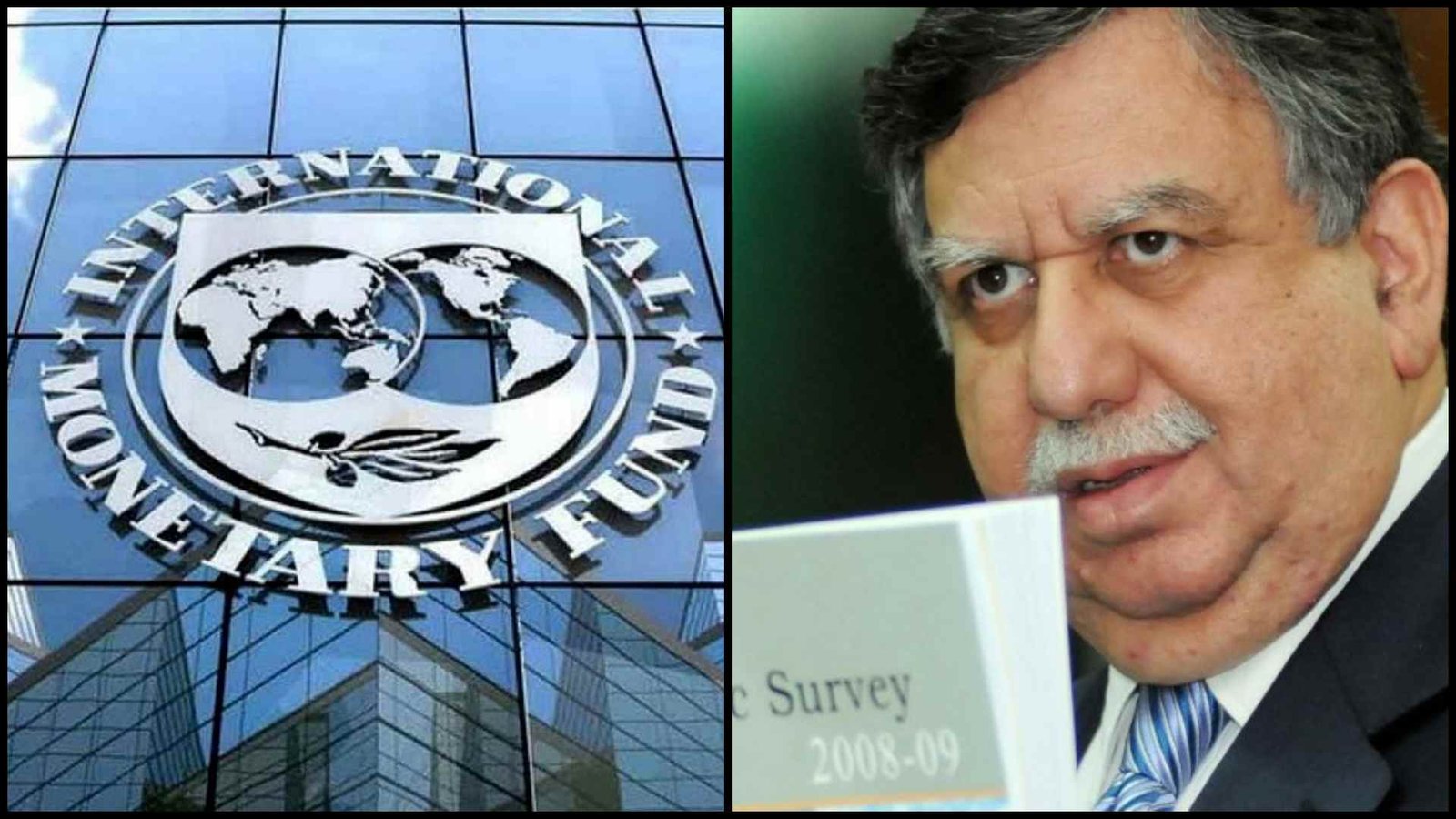
    The new Federal Minister for Finance and Revenue, Shaukat Tarin has said that the government of Pakistan is trying to renegotiate the terms of the International Monetary Fund (IMF) programme.

    Tarin said this during the National Assembly Finance and Revenue meeting on Monday. He said he is trying to convince IMF that price hikes in electricity tariffs will only create problems for the people, as the country is already deeply impacted by the COVID-19 pandemic.

    “We have assured IMF of reducing circular debt but the demand of increasing tariff is not understandable,” he said.

    Tarin further added that the terms and conditions can also be fulfilled if the government “curtails circular debt through other means instead of increasing the tariff.”

    “Financial and monetary wallets are open all over the world but the IMF’s sword is only hanging over us,” Tarin maintained.

    In addition, the State-Owned Enterprises (SOEs) cannot be managed by the government, and they must be privatised.

    “The 17 per cent General Sales Tax (GST) rate is very high, and a mechanism has been prepared for its reduction,” he said.

    On stabilising Pakistan’s economy, the finance minister said that the four to five per cent economic growth is enough for Pakistan, and the government will now focus on achieving the above-stated targets.

    He regretted that the government is spending 85 per cent revenue on only nine cities and rarely invests in education and health.

    Unless the country moved to higher economic growth, nothing would improve, and if we continue with stabilisation that has been in place for over two years, neither revenue collection would go up, nor job opportunities would be available to people, he explained.

    He said the government would increase the Public Sector Development Programme (PSDP) in the next budget and provide equal growth opportunities to all provinces.

    As the country lacks proper planning, Tarin said that he had selected 10 to 12 sectors on which economic experts had already started working so that they could come up with long-term planning for areas such as price stability, agriculture, industry, revenue, housing, social protection, national services, debt management and privatisation of loss-making state-run entities.

    The committee chairman assured the finance minister of all cooperation by committee members.

  • Pakistan to receive first shipment of Oxford-Astrazeneca vaccine this week

    Pakistan is expected to receive its first shipment of the Oxford-Astrazeneca coronavirus vaccine by the end of this week under the COVAX program, Arab News has reported. The COVAX program is a global initiative to provide vaccines to countries lacking resources to procure or manufacture the vaccines on their own. 

    Quoting a top government official, the report said that Pakistan will receive the first shipment of 1.2 million doses of Oxford-Astrazeneca coronavirus vaccine on Friday.

    Through the COVAX vaccine facility, Pakistan has planned to vaccinate 20% of its population free of charge.

    As per, Rana Muhammad Safdar, director-general health at the Ministry of National Health Services, the first shipment will arrive from South Korea on May 7.

    “We are committed to vaccinating our maximum population as quickly as possible,” asserted Safdar.

    Pakistan’s vaccination drive began on March 10 with priority given to healthcare workers and senior citizens above 60. Later, vaccinations for those aged 50-59 were started on April 21. Meanwhile, registration for ages 40-49 started on April 27. You can register yourself by sending your CNIC number to 1166. Walk-in vaccinations are available for those aged 50 and above. As per the National Command and Operations Centre (NCOC), more than 2.5 million people have been vaccinated till now.

    Pakistan is experiencing a deadly third wave of Covid-19, with the positivity rate at an all-time high. According to the National Command and Operations Centre (NCOC), 3377 cases and 161 deaths were recorded in the country in the last 24 hours.

  • COVID likely to stay, will only get worse, warn experts

    COVID likely to stay, will only get worse, warn experts

    The novel coronavirus is morphing into a tougher variant over time, experts have warned. According to them, the mutations identified in the virus are worrisome, and as per the finds of the scientists, the virus will get more contagious and threatening.

    Experts are hesitant about making any predictions about when the pandemic will end and most scientists have accepted the truth that the virus will likely stay forever.

    There are some majors reasons why the virus will stay and not go anywhere. First, there are already four human coronaviruses endemic in our population. It means that they will circulate perpetually.

    “It’s safe to say we’re not going to eradicate it,” said Dr Becky Smith, an infectious disease specialist at Duke Health. “Too many people in the world have it. It’s too efficient at transmitting.”

    Secondly, the virus is zoonotic; it can jump from animal to humans or vice versa. Moreover, the SARS-CoV-2 has also emerged. So, even if we manage to eradicate SARS-CoV-2; the human and animals would likely produce a deadlier variant.

    Scientists have also predicted that the SARS-CoV-2 would turn into endemic; the intensity will reduce to the only flue and common cold. It’s a sign of hope, but it would likely happen over a period of five to ten years.

    Vaccination will not be available to everyone said Mike Osterholm, a leading infectious disease expert, adding it would be nearly impossible to make a yearly coronavirus vaccine available to every person on Earth.

    “It is going to be with us forever,” said Osterholm, who directs of the Center for Infectious Disease Research and Policy at the University of Minnesota, said of the virus. “It is something we can’t eradicate from humans.”

    As far as the new variants are concerned, the new South African (carrying B.1.351) virus shows resistance to Moderna’s vaccine. The new variant carries ten mutations in the virus’ spike protein, and it has forced vaccine makers to change their strategies. The P.1 variant of Brazil also have the same potency.

    Earlier, companies that produced Johnson & Johnson, AstraZeneca, and Novavax have also raised concerns that vaccines won’t work well against B.1.351 or other variants with similar mutations.

    It is also possible that more powerful variants could drown out old versions of the virus, making the pandemic harder to combat. Virus experts in the US are already predicting that the fast-spreading B.1.1.7 variant, first discovered in the UK, will become the dominant variant in America by this May.

    But it’s impossible to predict what changes the virus might undergo next, or what they’ll mean for us because not all mutations make viruses more dangerous.

  • Govt launches COVID-19 immunization certificate portal

    Federal Minister for Planning, Development, Reforms and Special Initiatives Asad Umar has announced that the federal government has launched an online portal that will issue certificates to recipients of the prescribed two doses of COVID-19 vaccination.

    Umar, who also heads the National Command and Operations Centre (NCOC), said that “COVID Immunisation certificate issuance portal has been launched across the country today.”

    “Citizen’s whose vaccination process is complete (both doses) can now download COVID Immunisation Certificate from nims.nadra.gov.pk or get it issued by visiting NADRA mega centres.”

    The certificate can be obtained for only Rs 100 and is a documented proof of completed vaccination.

    The government is currently administering Chinese COVID-19 vaccines to healthcare workers and senior citizens aged 60 and above across the country. Registrations for those aged 50 and above have also begun from today (March 30).

  • ‘I’ve done it’: Bushra Ansari celebrates as she receives first dose of COVID-19 vaccine

    Bushra Ansari has received her first dose of the COVID-19 vaccine.

    Sharing a video of herself receiving the shot, the veteran actor wrote: “Yyyyyeeee. I’ve done it.”

    She urged her followers to get the vaccine saying that it was necessary for themselves and their loved ones.

    “This vaccine is so important to get for our friends and family,” said Ansari in her video.

    She also joked about getting the jab first since she is a senior citizen.

    “I never had fun being a senior citizen until today,” she joked.

    Earlier, Reema Khan, Samina Peerzada, and President Dr Arif Alvi along with his wife shared pictures and videos of themselves getting vaccinated for the novel coronavirus.

  • Work-from-home causes burnout, isolation: Microsoft CEO

    Work-from-home causes burnout, isolation: Microsoft CEO

    The chief executive officer (CEO) of Microsoft, Satya Nadella, has said that making remote work permanent can have a deteriorating impact on social interactions and mental health of the workers, whereas virtual conferences cannot replace in-person meetings. 

    “Those who are used to traditional office setting and appreciate social interactions that take place at the office, a sudden shift to remote work will impact their mental health due to isolation and burnout.”

    After the outbreak of coronavirus, companies around the world made work from home mandatory as a safety measure but according to Nadella, this step is not good for the wellbeing of workers.

    Speaking to a private media outlet, Nadella said that remote setup would be “replacing one dogma with another dogma”. 

    “What does burnout look like? What does mental health look like? What do connectivity and community building look like? One of the things I feel is, hey, maybe we are burning some of the social capital we built up in this phase where we are all working remotely. What’s the measure for that?,” Nadella added.

    His remarks come after Twitter allowed its staff to work from home “forever” even after the end of COVID-19 pandemic. 

    Twitter has become the first company to allow employees to work from home indefinitely as the pandemic changes work culture around the world.  

    Tech giants like Facebook and Google have also allowed most of their employees to work remotely until the end of this year.

    Microsoft has also extended its work-from-home policy until October at least, besides, nothing will hinder the operations and progress of Microsoft as the CEO clearly stated, “We’re going to boldly allocate and acquire, build, innovate, partner, whatever.”

    “We are also going to make sure that we have the ability to do credit for small businesses and other organisations that need that help.”

  • 3,265 dead bodies brought to Karachi graveyards in seven weeks

    3,265 dead bodies brought to Karachi graveyards in seven weeks

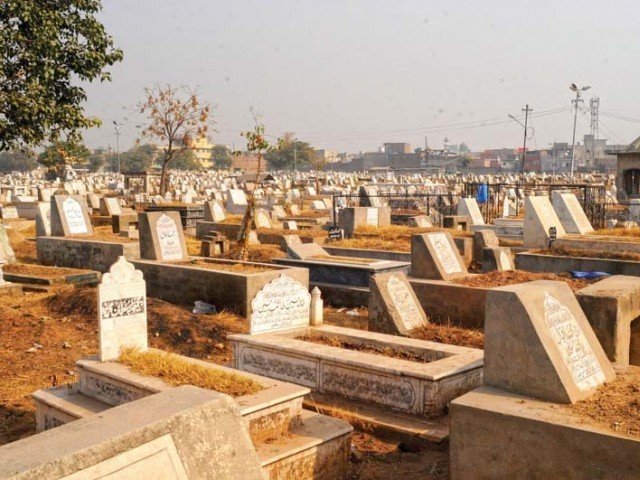
    At least 3,265 dead bodies were brought to graveyards of Karachi within the past 49 days — between February 20 and April 9 –, reports quoted a top administrative official as saying.

    According to reports, the development comes after reports were published regarding spikes of deaths in Karachi’s different hospitals. However, there is no official confirmation from the authorities if the fatalities are connected to COVID-19.

    As per data obtained from government hospitals in Karachi, 10,791 patients were brought to emergencies during the first three months of 2020. Total 121 were dead when they arrived, which makes the fatality rate 1.12%.

    Within the past 15 days, 109 patients have been brought in dead and 90 others were brought in a very critical condition and died mysteriously in a very short time at JPMC.

    While private hospitals are reluctant to share any details in this regard, they have confirmed that the number of pneumonia-like symptoms in patients has been climbing. Indus Hospital sources also admitted that the number of patients in critical condition had soared sharply.

    However, published reports, statistics and tests conducted in hospitals does not authenticate that the deaths were linked to the novel virus.