Tag: CPI

  • Inflation in Pakistan dips to 20.7% in March

    Inflation in Pakistan dips to 20.7% in March

    Pakistan witnessed a significant downturn in headline inflation as it dipped to 20.7 per cent year-on-year in March, according to the latest data released by the Pakistan Bureau of Statistics (PBS) on Monday.

    This marks a notable decline from February’s figure of 23.1 per cent. Additionally, on a month-on-month basis, inflation rose by 1.7 per cent.

    Notably, this is the lowest inflation reading since May 2022, when it stood at 13.8 per cent, as reported by JS Global.

    It also signifies a remarkable milestone, being the first time in over three years that the Consumer Price Index (CPI)-based inflation figure has fallen below the crucial policy rate, which presently sits at 22 per cent.

    The July-March average inflation now stands at 27.22 per cent, slightly higher than the same period last year at 27.19 per cent.

    The inflation figure, coming in lower than the government’s projections, adds weight to the anticipation of a reduction in the key interest rate.

    In its ‘Monthly Economic Update and Outlook’ report released on Friday, the Ministry of Finance forecasted CPI-based inflation to range between 22.5-23.5 per cent for March 2024.

    Despite the recent upward revision of petrol prices and the onset of Ramadan, inflation in March has been perceived at a moderate level, according to the ministry.

    The government’s announcement of a relief package for Ramadan, with an increased allocation from Rs7.5 billion to Rs12.5 billion, is expected to mitigate the impact of heightened demand during the religious festival.

    Moreover, the moderation of inflationary pressures is attributed partially to the phenomenon of the high base effect, as highlighted in the outlook report.

    Global factors have also played a role in shaping inflation dynamics, as noted by brokerage house Arif Habib Limited (AHL). AHL’s report predicts a further decline in inflation, estimating a year-on-year headline inflation rate of 20.2 per cent for March 2024.

    Similarly, IGI Securities projects the national CPI to grow at a year-on-year rate of 20.3 per cent, with a monthly growth of +1.4 per cent compared to February 2024.

    Despite the government’s recent increase in gasoline prices, experts anticipate inflation to remain below 20 per cent in the upcoming months, primarily due to the high base effect.

    This development fuels speculation regarding potential monetary policy adjustments in the near future.
  • Pakistan’s CPI-based inflation predicted to decline to 20%

    Pakistan’s CPI-based inflation predicted to decline to 20%

    Consumer Price Index (CPI)-based inflation in Pakistan is forecasted to witness a further decline, potentially settling at approximately 20 per cent on a year-on-year (YoY) basis for March.

    This projection marks a decrease from the 23.1 per cent recorded in February, as indicated by a report from Arif Habib Limited (AHL) released on Thursday.

    The anticipated headline inflation rate for March 2024 is projected to stand at 20.2 per cent YoY, reflecting a notable downturn from the preceding month’s figure of 23.1 per cent YoY.

    AHL’s report also highlights a substantial drop compared to the same period in the previous year, March 2023, when the YoY inflation rate was registered at 35.4 per cent.

    Consequently, it is envisaged that the average CPI for the first nine months of the fiscal year 2023-24 will hover around a 27.2 per cent YoY level, consistent with the figures observed during the same period last year (SPLY), according to the brokerage house.

    On a monthly basis, AHL’s projections for March 2024 suggest a modest increase of 1.3 per cent, contrasting with the average month-on-month (MoM) rise of 1.7 per cent recorded over the first eight months of the fiscal year.

    This upturn in monthly inflation is primarily attributed to rises in key indices, notably the food index (+1.3 per cent MoM), transport index (+1.5 per cent MoM), and housing index (+2.9 per cent MoM), the report stated.

    The brokerage house attributed the increase in the food index to the impending Ramadan season, foreseeing a month-on-month surge in prices of fresh fruits, potatoes, onions, and tomatoes.

    Meanwhile, the housing index is expected to see an uptick primarily due to increases in gas tariffs and LPG prices.

    Additionally, the transport index is anticipated to remain elevated owing to a month-on-month rise in petroleum product prices, according to AHL.

  • Inflation may drop to 20-22% in the coming year: SBP report

    Inflation may drop to 20-22% in the coming year: SBP report

    In the Governor’s Annual Report 2022–23, released ahead of the upcoming national election, the Chief of the State Bank of Pakistan (SBP) conveyed that the country’s inflation is expected to decrease to approximately 20–22 per cent in fiscal year 2024.

    The SBP remains committed to making decisions aimed at preventing persistently high inflation. Notably, Pakistan’s economy fell significantly short of its fiscal and primary surplus targets in FY23, resulting in a contraction of the real GDP to 0.2 per cent.

    During FY23, Pakistan, with a population of 241 million, witnessed its highest-ever inflation, leading to historic lows in its currency value. The situation was mitigated by a $3 billion IMF bailout in July, preventing an imminent sovereign default.

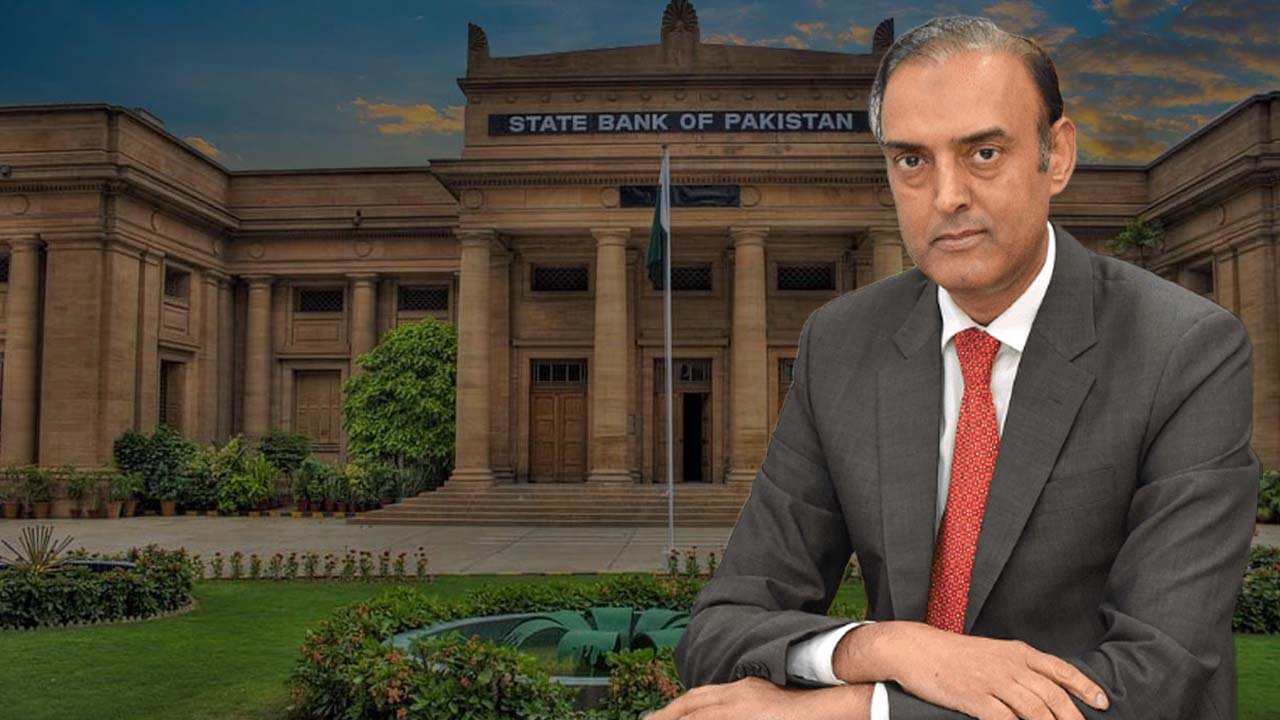
    Governor Jameel Ahmed highlighted in the report that the Consumer Price Index (CPI) surged to 29.2 per cent in FY23, aligning with the upper bound of the bank’s revised projections.

    The SBP remains committed to anchoring inflation expectations to achieve its medium-term target of 5-7 per cent by the end of FY25.

    Fiscal and policy measures implemented before and after the bailout are contributing to stabilising Pakistan’s $350 billion economy as the country approaches the national election scheduled for February 8.

    Despite missing fiscal and primary surplus targets by a considerable margin, the SBP emphasises its dedication to curbing inflation.

    Simultaneously, the finance ministry anticipates a moderate inflation outlook for the remaining months of FY24, even with the upward revision of administered prices, particularly gas prices.

    According to the ministry’s monthly economic report, Consumer Price Index (CPI)-based inflation in Pakistan for December is projected to be in the range of 27.5-28.5 per cent.

    Looking ahead, the ministry foresees a further easing of inflation to 24–25 per cent in January 2024.

  • December inflation may surpass 30% due to gas price hike

    December inflation may surpass 30% due to gas price hike

    In December, inflation is expected to surpass the 30 per cent threshold, driven by the recent increase in gas prices and the persisting adverse base effect, which continues to impact the consumer price index (CPI).

    The headline inflation for December is projected to settle at approximately 30.11 per cent year-on-year (YoY) and 1.18 per cent month-on-month (MoM), in contrast to the previous month’s figures of 29.2 per cent YoY and 2.7 per cent MoM.

    This monthly inflation rate is significantly lower than the 12-month average of 2.17 per cent MoM.

    Consequently, the average yearly inflation for the first six months of FY24 is estimated to be 28.87 per cent YoY, compared to 25.05 per cent YoY in the same period of FY23.

    The surge in inflation can be attributed to the adverse base effect and the notable increase in gas prices, which were not fully realised in the previous month.

    Conversely, food inflation is expected to exhibit a marginal decrease of 0.29 per cent MoM, driven primarily by the decline in prices of tomatoes, potatoes, chicken, and oil.

    Additionally, the transport index is forecast to undergo a 4 per cent MoM decrease, mainly due to the relief in petrol and high-speed diesel (HSD) prices.

    Post-December, inflation is anticipated to decline at a relatively faster pace, supported by the favorable base effect, the delayed impact of monetary tightening, and other administrative measures.

    The December spike is attributed to the lingering effects of the overdue gas price hike. Notably, unforeseen climate events, volatility in global commodity prices, especially oil, and external account pressures pose significant upside risks to the inflation outlook.

    Global oil prices are on the rise amid challenges in Red Sea shipping, potentially threatening the inflation outlook.

    Moreover, the successful completion of the International Monetary Fund (IMF) review, coupled with additional loan programmes, remains crucial.

    The outstanding amount of $1.8 billion under the stand-by arrangement (SBA) is yet to be released.

    The accompanying chart illustrates the yearly inflation trajectory based on different MoM CPI scenarios. At 0.5 per cent and 1 per cent MoM CPI, yearly inflation is projected to fall below the 22 per cent policy rate by February–March 2024.

    By the end of FY24, with 0.5 per cent and 1 per cent MoM CPI, it is expected to decrease to 15.29 per cent and 19.37 per cent, respectively, a significant change from the previous month’s forecasts of 12.9 per cent and 17.5 per cent.

    Considering the last 12-month average of 2.17 per cent MoM, the real interest rate is anticipated to remain in negative territory by the end of FY24.

  • Pakistan’s inflation soars to 29.2% in November, exceeding October figures

    Pakistan’s inflation soars to 29.2% in November, exceeding October figures

    In November, Pakistan’s headline inflation surged to 29.2 per cent year-on-year, as reported by the Pakistan Bureau of Statistics, surpassing the October figure of 26.9 per cent. 

    On a monthly basis, there was a 2.7 per cent increase. The average inflation for July-November reached 28.62 per cent, up from 25.14 per cent in the same period the previous year.

    CPI inflation in urban areas rose to 30.44 per cent in November 2023, compared to 25.5 per cent in the previous month and 21.6 per cent in November 2022. On a monthly basis, it increased to 4.34 per cent, reflecting a substantial jump from the previous month and November 2022.

    Conversely, rural CPI inflation stood at 27.53 per cent year-on-year in November 2023, showing a slight decrease from the previous month but an increase from November 2022.

    Anticipated by several brokerage houses, the November inflation spike, driven partly by a rise in gas tariffs, aligns with predictions. 

    JS Global and Arif Habib Limited had forecasted CPI-based inflation to be around 28.26 per cent and 28.2 per cent, respectively.

    Beyond inflation, Pakistan faces economic challenges. A recent staff-level agreement with the IMF, subject to board approval in December, will provide access to SDR 528 million. The International Monetary Fund (IMF) expects inflation to decrease in the coming months due to improved supply conditions.

    Despite maintaining a key policy rate of 22 per cent, the State Bank of Pakistan projects a downward trajectory for inflation, citing fiscal consolidation, commodity availability, and exchange rate alignment as offsetting factors against risks like global oil price volatility and increased gas tariffs.

    Caretaker Finance Minister Dr Shamshad Akhtar expressed optimism about gradual inflation reduction, attributing it to improved financial management. The government believes effective policies will contribute to an overall improvement in economic conditions.

  • Consumer suffering intensifies: Pakistan’s weekly inflation skyrockets to 42.67%

    Consumer suffering intensifies: Pakistan’s weekly inflation skyrockets to 42.67%

    Inflation in Pakistan continues to surge as the Sensitive Price Indicator (SPI) recorded a significant increase, jumping to 42.67 per cent on a year-on-year basis for the week ending on June 1, according to official data released by the Pakistan Bureau of Statistics (PBS). The weekly inflation showed a marginal increase of 0.03 per cent compared to the previous week.

    The short-term inflation, measured by the SPI, reached an all-time high of 48.35 per cent for the period ending on May 4, highlighting the ongoing challenges faced by the economy. The Combined Index, a comprehensive measure of inflation, stood at 254.13 compared to 254.05 on May 25, 2023, and marked a significant increase from 178.12 recorded on June 2, 2022.

    The PBS report revealed that out of the 51 monitored items, the average prices of 19 items increased, 14 items witnessed a decrease, while 18 items remained unchanged during the week under review. This data indicates the volatile nature of prices in the current market.

    Analyzing the SPI change across different income groups, the weekly percentage change showed a mixed trend, ranging between -0.1 per cent and 0.12 per cent. However, on a yearly basis, the SPI increased across all quantiles, ranging between 40.2 per cent and 43.49 per cent, suggesting the broad impact of inflation across various income segments.

    Additionally, the statistics bureau reported that Pakistan’s annual inflation rose to 37.97 per cent year-on-year in May, further confirming the country’s highest-ever inflationary period. The Consumer Price Index (CPI) recorded 36.4 per cent in April, which at the time was already the highest level according to the bureau’s historical records.

    Furthermore, the month-on-month rise in May was reported to be 1.58 per cent, with the bureau highlighting significant increases in the prices of vegetables, pulses, and chicken. These factors contribute to the overall rise in the cost of living and put additional strain on households and businesses alike.

    The continuous surge in inflation poses significant challenges to the economy, affecting consumers’ purchasing power and increasing the cost of doing business. The government and relevant authorities are urged to take immediate measures to stabilize prices, address supply chain issues, and implement effective policies to alleviate the impact of rising inflation on the population.

    As the situation unfolds, policymakers and economists will closely monitor the inflationary trends, devising strategies to bring stability and mitigate the adverse effects on the economy and the welfare of the people.

  • Inflation in Pakistan reaches nearly 50-year high, raising concerns for citizens

    Inflation in Pakistan reaches nearly 50-year high, raising concerns for citizens

    Pakistan’s inflation, as measured by the consumer price index (CPI), surged to a record-breaking 31.5 per cent in February, largely driven by steep price hikes in food, housing, and transportation groups. This concerning development was recently reported by the Pakistan Bureau of Statistics (PBS), and has heightened expectations of an increase in interest rates during the upcoming monetary policy committee (MPC) meeting, which the central bank has scheduled for March 2.

    The February inflation rate marks the highest figure since available data dating back to July 1965, surpassing the previous record of slightly over 29 per cent in April 1975. The unexpected pace of price increases has surpassed the finance ministry’s expectations, who had projected an inflation range of 28 per cent to 30 per cent just a day before the report.

    According to Geo, the monthly inflation rate surged by 4.3 per cent in February compared to January, primarily due to increased average prices of food items such as poultry, fruits, pulses, oil, vegetables, ghee, LPG, gas charges, and domestic petroleum products.

    The inflation reading raises concerns that the government will need to review its strategy to secure the critical $1.1 loan tranche from the International Monetary Fund (IMF). Despite repeated efforts, the government has been unable to regain lost ground with the IMF and is continually delivering financial shocks to the people.

    According to PBS, the inflation rate rose in both urban and rural areas. Urban inflation increased to 28.8 per cent in February, while rural inflation soared to 35.6 per cent compared to the same month last year. In February of the previous year, urban inflation was recorded at 11.5 per cent, while rural inflation was at 13.3 per cent.

  • Here’s how chicken prices surpassed beef prices for the first time in Pakistan

    Here’s how chicken prices surpassed beef prices for the first time in Pakistan

    Owing to a major shipment that has been stuck at Port Qasim in Karachi for several months, chicken prices have sharply increased and surpassed beef prices (with bones) for the first time in thirty years.

    A shipment of soybean seeds worth $100 million was halted in October 2022 at Port Qasim in Karachi. These oilseeds were designed to be crushed rather than planted. One of the main components of the edible oil used in Pakistan is the liquid that is produced when the seeds are pressed.

    Being one of the biggest importers of palm seeds, soybeans, and other oilseeds from nations like Malaysia, Pakistan is heavily dependent on these oilseeds to meet its demands for edible oil. But because they are also used as cattle feed, these oilseeds serve yet another crucial role in the food chain.

    The solid parts of the seeds are left behind when oilseeds like soybeans are pressed to produce edible oil. Then, “oil cakes” made from this fiber- and protein-rich material are fed to cattle and birds as food.

    The majority of these livestock’s “meals” up until 2015–16 were made from locally obtained cotton seeds. Since they are more nutritive than cotton seeds, soybean meals have gained popularity in recent years. Pakistan consumes 2 to 2.8 million tonnes of these meals each year.

    This indicated that when the soybean shipments were stopped at the port, the poultry business was also shocked in addition to the edible oil industry. Feed for chickens was suddenly unavailable, and prices began to soar.

    Since Pakistan is a signatory to the Cartagena Protocol for Biosafety, the environmental ministry was authorised to halt the exports of genetically modified soybean seeds at the port.

    Several issues arose with this. First of all, despite widespread scaremongering, GMOs have never been proven to be dangerous for human consumption. Second, these oilseeds weren’t intended to be planted solely for the purpose of extracting edible oil and as a component in the poultry industry.

    One of the worries was that since hens were being fed with these GMO oilseeds, the ‘harmful consequences’ from these GMOs would eventually move into the chickens and reach the populace, according to Food Security Minister Tariq Bashir Cheema.

    This argument has a flaw in that Pakistani poultry has been fed oilseed diets made from GMOs since at least 2005. Cottonseed meals, which are generated by genetic modification in Pakistan, are a significant component of the poultry diet.

    As things stand, a sizable portion of the population no longer has access to one of its main sources of protein because of the skyrocketing price of chicken. Mutton and beef prices have risen faster than the Consumer Price Index (CPI) during the last few decades.

    According to Profit, only chicken costs increased more slowly than the CPI during this entire period, making it the only protein source. With chicken now costing more than beef on the open market, the population’s nutritional impact might be affected in the long run.

  • ‘It was military vs PTI’: Gen Bajwa was actively involved in sending PTI govt packing, says Fawad

    Pakistan Tehreek-e-Insaf (PTI) leader Fawad Chaudhry has said that in the no-confidence motion against his party’s Chairman and then-Prime Minister Imran Khan, it was actually the PTI versus the military.

    Fawad claimed during a BBC HARDTalk interview yesterday that “some army generals, as well as ex-chief General [Qamar Javed] Bajwa were actively involved in sending the PTI government home”.

    Establishment played a very active role in the ouster of Imran Khan

    “And in that conspiracy, some army generals were involved, there is no doubt about that and the establishment actually played a very active role in the ouster of Imran Khan. In fact, the last army chief was [also] actively involved in sending our government home,” he alleged.

    Host Stephen Sackur asked Fawad about DG ISI Lt Gen Nadeem Anjum’s press conference, in which he, alongside then ISPR chief Lt Gen Babar Iftikhar, said Imran Khan asked the military to perform an unconstitutional act during the no-confidence vote.

    Chaudhry responded: “The current [army] leadership has just assumed the office and we are hoping there will be a change in the policy, but the last chief was not speaking truth when he said we asked [for their] help. We only asked for their neutrality.”

    Unelected institutions like the judiciary and the military exercised their powers beyond Constitution

    Dismissing the notion that the PTI was against the military, Fawad said his party was not against anyone. “In Pakistan, unelected institutions like the judiciary and the military exercised their powers beyond Constitution [in the past], which is known to everyone.”

    Bygones are bygones: PTI looks forward to having good relations with US

    Talking about how Khan blamed United States for his ouster and then later changing his narrative that he wants to have good relations with US, Fawad said that the PTI never said it seeks a war with the superpower. “Instead, it wants good bilateral ties. No party wants confrontation with the US,” Fawad noted. However, at the same time the PTI doesn’t want any country including the US to dictate Pakistan, he opined.

    Saying bygones are bygones, Fawad said his party looks forward to having good relations with the US, and hopes the superpower too would like to collaborate with Pakistan’s most popular political party.

    Calling Osama bin Laden a “martyr” was a slip of a tongue

    To a question, he clarified that Imran never called Osama bin Laden a “martyr”, saying he had a slip of a tongue in one speech which was clarified later.

    Shehbaz govt ruined all efforts due to their ignorance of Afghanistan’s history and problems

    Chaudhry said the then-PTI government was holding “continuous negotiations” with the Afghan government “and we were close to actually resolve the issue”.

    He, however, blamed the incumbent government for “ruining” all efforts due to their “ignorance of Afghanistan’s history and problems”.

    PTI could wait for elections but….

    The PTI leader said his party could wait for elections “but this government is not ready to hold polls as they know people will oust them through vote”.

    He insisted that elections were needed for Pakistan and not for the PTI. “We are asking that elections should be held at the earliest so that a new responsible government can take care of economic affairs.”

    Zardari and Sharifs had put Pakistan into a vicious debt cycle

    Stephen Sackur said Pakistan’s debt stood at $116 billion when the PTI took over in 2018, but it rose to $230 billion when the party left government.

    Fawad responded saying his party’s government had to borrow funds to return the loans taken by the previous government. He maintained that his party’s government worked to restructure the loans and did as far as economy is concerned.

    He said, ” Zardari and Sharifs had put Pakistan into a vicious debt cycle.

    Imran gave the country one of the cleanest governments in 75 years of history

    Sackur said figures did not bear out his claim, referring to promises made by the PTI before elections, especially those about corruption, He said that Pakistan fell by 20 points on the corruption perception index (CPI).

    Fawad disagreed, arguing that these were the departments related to rule of law, for example judiciary, not the political side, that had contributed to that index. He said Imran gave the country one of the cleanest governments in its 75 years of existence.

    The PTI leader said it is not possible to create economic stability without political stability as [political uncertainty in the country is such that] no one knows who will rule the country three or five months from now.

  • CPI inflation in Pakistan increases to 26.6% in October

    CPI inflation in Pakistan increases to 26.6% in October

    In Pakistan, Consumer Price Index (CPI)-based inflation rose sharply in October, surging by 26.6 per cent year over year (YoY). On the other hand, it climbed 4.7 per cent month over month (MoM), indicating a decline of 1.2 per cent from September.

    “CPI inflation General, increased to 26.6 per cent on YoY basis in Oct 2022 as compared to an increase of 23.2 per cent in the previous month and 9.2 per cent in Oct 2021,” said the PBS.

    According to APP, inflation reached a YoY high of 27.3 per cent in August 2022, which was over a 47-year high in the inflation measurement in June 2022 after it had crossed the 20 per cent threshold.

    The inflation reading matches what the market had predicted.

    According to the PBS, year-over-year CPI inflation in urban areas reached 24.6 per cent in October 2022 as opposed to an increase of 21.2 per cent in the previous month and 9.6 per cent in October 2021.

    In October 2022, it grew to 4.5 per cent month over month, up from 1.7 per cent in October 2021 and a decline of 2.1 per cent the month before.

    In addition, year-over-year CPI inflation in rural regions reached 29.5 per cent in October 2022 as opposed to increases of 26.1 per cent in the previous month and 8.7 per cent in October 2021.

    When compared to the previous month’s gain of 0.2 per cent and the increase of 2.2 per cent in October 2021, it increased by 5.0 per cent in October 2022 on a monthly basis.

    Rising inflation has become a major worry for Pakistan’s economy, which is already experiencing a loss of foreign exchange reserves.

    The State Bank of Pakistan (SBP) maintained the policy rate at 15 per cent in October at the recommendation of its Monetary Policy Committee (MPC), believing that the current monetary policy stance achieves the right mix between controlling inflation and sustaining growth in the wake of the floods.

    “On the one hand, inflation could be higher and more persistent due to the supply shock to food prices, and it is important to ensure that this additional impetus does not spill over into broader prices in the economy. On the other, growth prospects have weakened, which should reduce demand-side pressures and suppress underlying inflation,” MPC said then.

    However, the government on Monday night announced that the price of petroleum products will remain the same for the ensuing 15 days.

    According to PBS data, the inflation rates that were highest in October were in the transportation, food, housing, and restaurant and hotel groupings.

    Items that witnessed an increase in prices

    Food

    The food commodities that witnessed increase in prices on a YoY basis included tomatoes (219.34 per cent), onions (165.66 per cent), gram whole (69.80 per cent), pulse gram (65.08 per cent), besan (62.25 per cent), mustard oil (61.14 per cent), pulse masoor (61.07 per cent), fresh vegetables (58.87 per cent), cooking oil (58.06 per cent), pulse mash (55.33 per cent), vegetable ghee (52.5 per cent), pulse moong (49.84 per cent), wheat (45.77 per cent), tea (41.89 per cent), rice (40.76 per cent), wheat flour (37.38 per cent), milk fresh (29.61 per cent), meat (25.34 per cent), potatoes (20.65 per cent), fish (15.4 per cent), chicken (12.22 per cent) and gur (0.39 per cent).

    Non-food items

    The non-food commodities that witnessed increase on a YoY basis included motor fuel (64.81 per cent), stationery (44.5 per cent), washing soap/detergents/match box (41.49 per cent), transport services (41.27 per cent), motor vehicles (34.29 per cent), construction input items (32.03 per cent), motor vehicle accessories (31.31 per cent), electricity charges (24.95 per cent), cotton cloth (24.16 per cent), household equipment (21.4 per cent), solid fuel (20.88 per cent) and construction wage rates (12.72 per cent).