Tag: creditors

  • Everything is going alright with IMF, says Ishaq Dar

    Everything is going alright with IMF, says Ishaq Dar

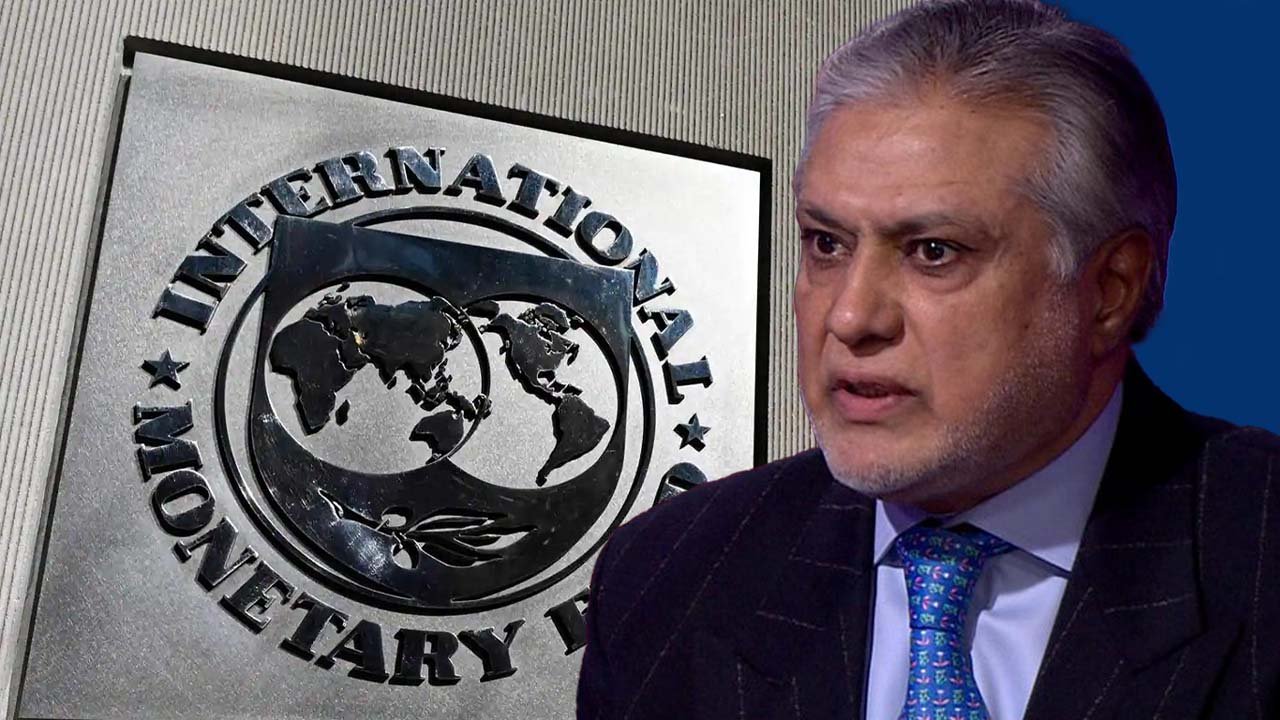
    Finance Minister Ishaq Dar said on Thursday that it is expected that the matters between the government and the International Monetary Fund (IMF) regarding the conclusion of the 9th review of the $7 billion loan program will be settled today.

    “Everything is going alright,” replied the finance minister when asked about the status of the discussions with the visiting IMF delegation. “The final round is currently underway. I have daily meetings with the IMF team and will do so again today,” he added.

    “It is expected matters will be settled today,” Dar said. “We will give you the news very soon.”

    A delegation from the IMF, led by Nathan Porter, has arrived in Islamabad for discussions surrounding the completion of the ninth review. The discussions are set to conclude on the same day.

    The successful completion of the review would result in the disbursement of $1.2 billion from the IMF and also unlock additional funding from friendly nations and other multilateral lenders, which is crucial for Pakistan to avoid default.

    Minister of State for Finance and Revenue Aisha Ghaus Pasha informed journalists on Wednesday that the government and the IMF are in close proximity to finalizing the Memorandum of Economic and Financial Policies (MEFP).

    Minister of State for Finance and Revenue Aisha Ghaus Pasha stated that the Memorandum of Economic and Financial Policies (MEFP) would be delivered to Pakistan by the IMF once all issues have been resolved. The Minister noted that significant progress had been made, but added that the IMF was seeking clarification on certain aspects, which the government team is working to address.

    In a written statement, the ministry said the talks with the IMF continued on Wednesday and “focused on fiscal table, financing, etc. There is a broad consensus on the reform actions and measures”.

    Additionally, the mission chief also held a meeting with the finance minister to provide an update on the discussions. “The mission is working on putting it all together and will finalise the MEFP,” stated the finance secretary, who declined to comment on the possibility of extending the scheduled talks in order to reach a staff-level agreement.

    According to Dawn, it is of utmost importance for Pakistan to reach a agreement with the IMF, as the foreign exchange reserves have depleted to a low of $3.09 billion as of January 27th, which is only sufficient to cover 18 days’ worth of imports.
  • Pakistan’s default risk hits a 13-year-high, reflecting foreign investors’ lack of faith

    Pakistan’s default risk hits a 13-year-high, reflecting foreign investors’ lack of faith

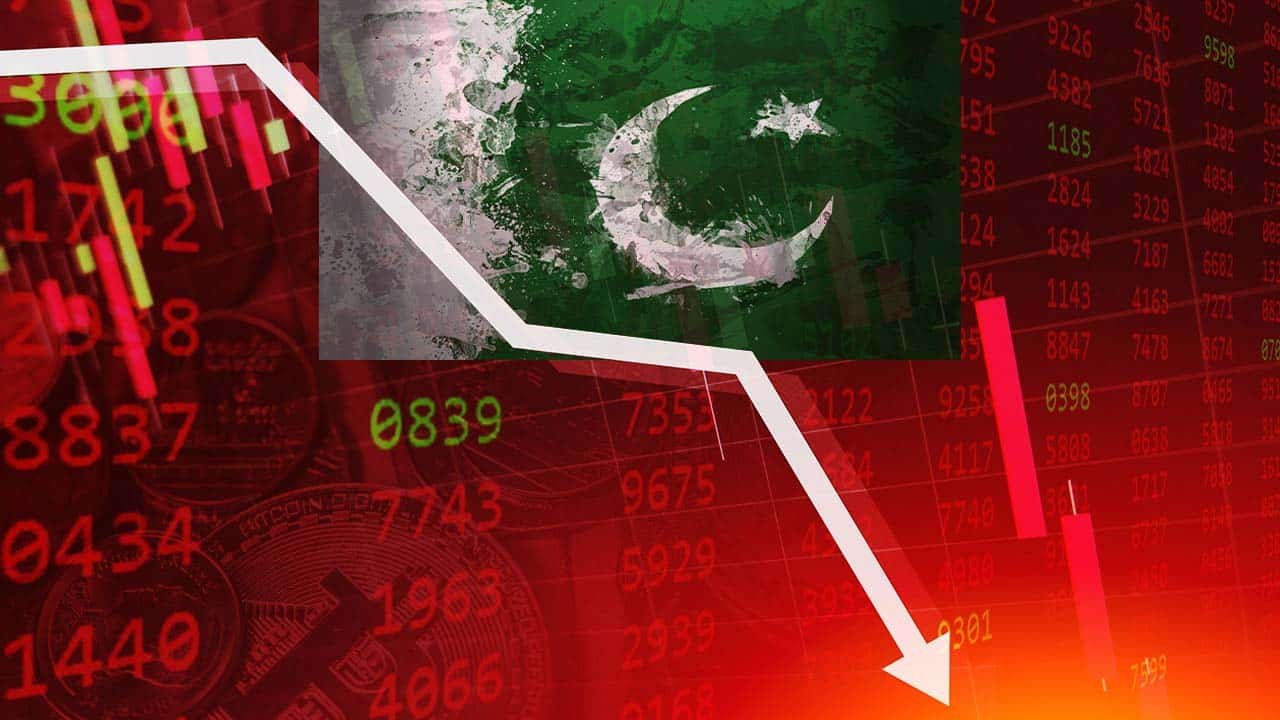
    The risk of default for Pakistan, as determined by the 5-year credit default swap (CDS), increased on Tuesday by 3.07 percentage points in a single day to reach a 13-year high of 52.8 per cent, indicating that foreign investors no longer have confidence in the nation.

    Before the Covid-19 outbreak in Pakistan in February 2020, the CDS was between 5 per cent and 6 per cent.

    According to Express Tribune, owing to uncertainties surrounding the renewal of the International Monetary Fund (IMF) loan programme, it peaked at over 30 per cent in the middle of this year.

    Later, as the major lender resumed its $6.5 billion programme in late August 2022 and subsequently released a $1.2 billion tranche, the CDS experienced a small recovery.

    Today, meanwhile, it is rapidly rising once more, indicating that international investors now believe Pakistan will not be able to pay back its maturing debt.

    On December 5, 2022, the country is required to repay $1 billion to overseas investors against the maturity of the 5-year Sukuk.

    The 5-year Third Pakistan International Sukuk’s yield (rate of return) is quite high, hovering at 145 per cent. Before the Covid-19 epidemic, it was around 10 per cent.

    In addition, the yield on bonds due in 2024 and 2025 is currently high at 90 per cent and 57.5 per cent, respectively, up from a low of 10 per cent in the past.

    The country’s foreign exchange reserves have decreased by about $9 billion over the past 10 months, which has caused alarm among the foreign investors.

    They are currently only covering about 1.10 months’ worth of imports at $7.6 billion, down from $20 billion (three months’ worth of imports) in August 2021.

    Ishaq Dar, the finance minister, and Miftah Ismail, his predecessor, have taken every precaution to avoid the likely default.

    They have repeatedly reassured the foreign investors that when the time came, the nation would easily repay the maturing $1 billion in December as well as fulfil other international payment obligations.

    Foreign investors are receiving warnings from the situation that the nation may default.

    However, the leadership of the nation has fully secured the $36–40 billion needed from international lenders for the current fiscal year 2023 to pay off the nation’s approximately $21 billion in foreign debt, finance approximately $10–12 billion current account deficit, and increase its foreign exchange reserves to approximately $16 billion by June 30.

    According to experts, the country’s foreign exchange reserves will increase and confidence among foreign investors will be restored with the arrival of $1.5 billion from the Asian Development Bank (ADB) in a few days and another $500 million from the Asian Infrastructure Investment Bank (AIIB) in the current month.

    They continued by saying that the inflows should also aid in lowering bond and CDS yields.

    Experts said that Saudi Arabia was the destination of Prime Minister Shehbaz Sharif’s official visit. The host nation has declared that it is resuming its investment ambitions, which include establishing an oil refinery in Pakistan for an investment of $10 billion.

    The Kingdom’s investment choice coming to fruition will also aid in regaining the trust of foreign investors in Pakistan.

    When PM Shehbaz travels to the second-largest economy in the world in November, the nation is also anticipated to get a rollover loan from China worth $6.3 billion, they claimed.

  • Approaching Paris Club for funds would be my last resort: Ishaq Dar

    Approaching Paris Club for funds would be my last resort: Ishaq Dar

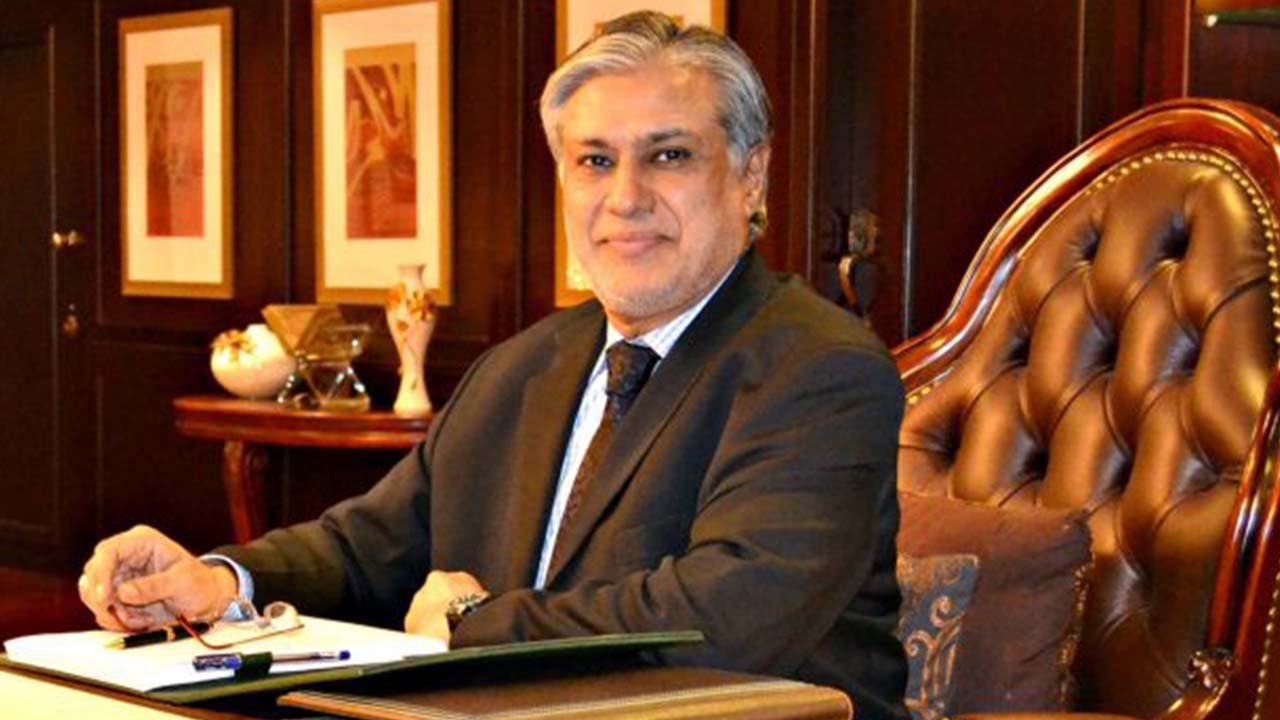
    The Federal Minister of Finance and Revenue, Ishaq Dar, said on Friday that approaching the bilateral Paris Club creditors for debt relief would be his final option since rating agencies lower the ratings of countries who approach the Paris Club.

    The country was not looking for or in need of any rescue from commercial banks or Eurobond creditors, according to Dar’s predecessor Miftah Ismail. “Given the climate-induced disaster in Pakistan, we are seeking debt relief from bilateral Paris Club creditors,” Miftah said.

    “We plan on doing business and investors hesitate when countries seek relief from bilateral Paris Club creditors,” Dar said during an interview.

    Dar responded to Moody’s decision to lower the Government of Pakistan’s senior unsecured debt rating from B3 to Caa1 by saying that the rating agency had taken a discriminating approach against Pakistan from a professional standpoint.

    “Our team spoke to the officials of the rating agency and even I spoke to them personally,” he continued, saying that he had advised them to stay patient for a few days.

    He bemoaned the way Moody’s had presented Pakistan as, God forbid, being in default.

    Dar stated that efforts will be made to fulfil the conditions set forth by his predecessors in reference to his meeting with IMF employees later this month.

    “I have solutions to present in front of the fund members in order to convince them of my decision regarding the petroleum prices,” he said.

    According to Geo, the government lowered the price of petrol by Rs12.63 a litre last week, which brought much-needed relief to the nation’s inflation-stricken citizens and raised concerns over the current IMF programme.

    The finance minister explained the rupee-dollar parity by expressing optimism that the value of the rupee will go below the 200-point mark against the US dollar in the upcoming days.

  • ‘Nothing to worry about’: Dar dismisses concerns raised by Moody’s downgrading Pakistan

    ‘Nothing to worry about’: Dar dismisses concerns raised by Moody’s downgrading Pakistan

    After Moody’s Investors Service downgraded Pakistan’s sovereign credit rating on Friday, Finance Minister Ishaq Dar dismissed worries, stating there is ‘nothing to worry about’.

    “There is nothing to be worried about, I spoke with Moody’s yesterday and told them that they shouldn’t have done this. They should have consulted with us,” said Dar while talking to the media.

    The announcement follows Moody’s Investors Service’s (Moody’s) Thursday night downgrading the government of Pakistan’s senior unsecured debt rating from B3 to Caa1 for both local and foreign currency issuers.

    According to Express Tribune, the senior unsecured MTN program’s rating was similarly reduced by Moody’s, moving from (P) B3 to (P) Caa1. The future remains bleak.

    In the wake of the terrible floods that have struck the nation since June 2022, the rating agency said that the decision to lower the ratings to Caa1 was motivated by greater government liquidity, external vulnerability risks, and higher debt sustainability risks.

    The floods have significantly increased the need for social spending, compounded Pakistan’s problems with liquidity and external credit, and negatively impacted government revenue.

    According to the rating agency, Pakistan’s long-standing credit weakness of extremely weak debt affordability would continue for the foreseeable future.

    However, the Ministry of Finance vehemently contested Moody’s rating decision in its reaction. “The rating action by Moody’s is strongly contested by the Ministry of Finance as the rating action by Moody’s was carried out unilaterally without prior consultations and meetings with our teams from the Ministry of Finance and State Bank of Pakistan,” a statement issued by the ministry said.

    “Following Moody’s intimation of the rating action, the ministry held two meetings with the agency’s team over the past 24 hours, sharing data and information which clearly show a picture contradicting Moody’s rating action.

    “After a regular stock take of the economic and fiscal conditions, the Ministry of Finance informed that government policies over the last few months have helped in fiscal consolidation,” the ministry added.

    “The government had adequate liquidity and financing arrangements to meet its external liabilities.”

    Dar said that Fitch Ratings recently downgraded the UK from stable to negative. “The ratings from these agencies is essential for issuing bonds and Sukuks in the international market,” he said. He claimed that he informed Moody’s that if the organisation did not change its mind, he would provide a “befitting” response at his meeting with its representatives set for next week.

    “They (Moody’s officials) have to meet me. I told them if you don’t [reverse] this, I will give you a befitting response in our meeting next week,” he said.