Tag: crisis

  • Palestinians forced to loot aid trucks as hunger crisis worsen

    Palestinians forced to loot aid trucks as hunger crisis worsen

    Intensified Israeli attacks on Gaza continue after more than two months since the October 7 attacks.

    Al Jazeera’s Hani Mahmoud from Rafah reported on increasing hunger in the Gaza strip as available resources are not enough to compensate for food requirements and other necessities for the locals who are now on “survival mode”.

    A video from Sunday shows Palestinians jumping onto aid trucks to get their hands on food and other supplies in the Rafah area near the border with Egypt.

    As the aid truck drove by, the locals tried to stop it, climbed up on it, pulling or pushing down containers of food and water, “carrying them off or passing them off to crowds below”.

    Al Jazeera reports that some trucks were guarded by masked people with sticks.

    “The humanitarian situation has become very desperate, not only for the residents of Rafah city but also for the one million displaced Palestinians here who are becoming hungry, thirsty and traumatised as the war pounds on,” said Hani Mahmoud.

    “People are without anything – without a home, without access to food, without water and without medical supplies,” he said.

    “So, the scenes at Rafah crossing are a natural response: When people starve to death, when they are hungry, this is what we will see happening.”

  • 1.8 million Palestinians internally displaced, have no where to escape

    1.8 million Palestinians internally displaced, have no where to escape

    With about 1.8 million Palestinians already displaced across Gaza, the Israeli military has now called to evacuate areas in Khan Younis.

    On October 13th, Israel directed one million Gazans in the north to move south. But now, the internally displaced as well as the local residents have been asked to evacuate the south with no place to escape to for protection.

    Israeli air raids have been targeting refugee camps and residential buildings, having killed more than 15,500 people and injuring more than 41,300 since October 7.

  • After protests, people going to court against LESCO

    After protests, people going to court against LESCO

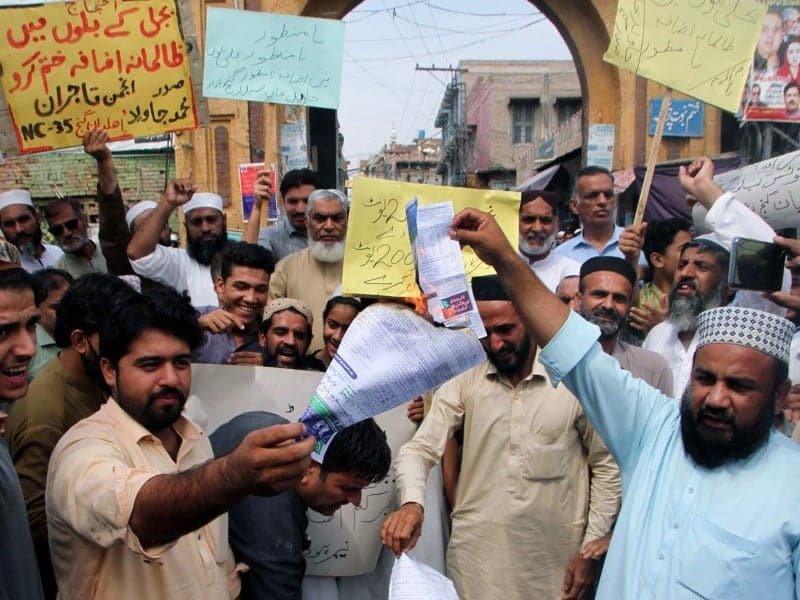
    After a sharp hike in electricity bills, an increasing number of cases are being filed against LESCO in courts, as people turn towards legal recourse as a last option.

    More than 400 cases were filed against WAPDA within a week.

    The court, taking immediate action, ordered the department to divide the bills into installments.

    Consumers have said that they do not have any other option but to go to court. They have rejected the increase in electricity bills and appealed to the government to provide immediate relief.

  • Crisis on wheels: Pakistan’s automotive industry grapples with mass layoffs and 70% sales drop

    Crisis on wheels: Pakistan’s automotive industry grapples with mass layoffs and 70% sales drop

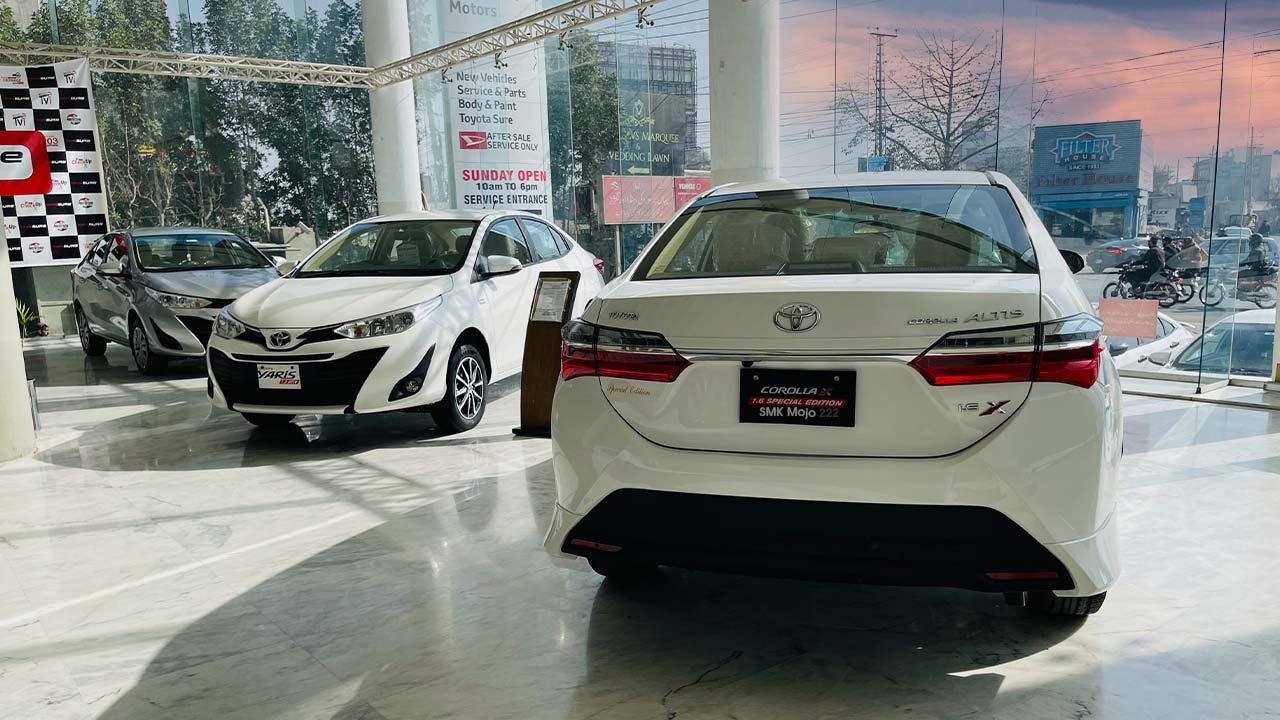
    The automotive industry in Pakistan is facing a severe setback as thousands of workers were laid off due to a decline in vehicle and spare parts sales. The government’s ban on raw material imports, coupled with the depreciation of the rupee and soaring inflation, has caused a significant strain on the industry. With foreign exchange reserves dwindling and the local currency hitting historic lows against the US dollar, the economic crisis has reached unprecedented levels.

    Pakistan finds itself in the midst of its most formidable economic crisis to date, as the State Bank of Pakistan’s foreign exchange reserves have plummeted to a mere $4 billion. This amount is barely sufficient to cover three weeks of imports, raising concerns about the country’s economic stability. The ban on raw material imports, implemented to prevent the outflow of US dollars, has caused a sharp decline in industrial output and triggered widespread layoffs and unemployment.

    Dollar crunch and inflation

    In the midst of the worsening dollar crunch, commercial banks have also halted the opening of letters of credit (LCs), leaving importers in a state of uncertainty regarding the provision of the necessary funds for already placed orders. This further exacerbates the challenges faced by the automotive industry, hindering its ability to procure essential raw materials and sustain production.

    The country is grappling with soaring inflation rates, which surpassed 36 per cent in April, the highest recorded since 1964. As a result, consumer purchasing power has diminished significantly, leading to a sharp decline in vehicle sales. Munir Karim Bana, Chairman of the Pakistan Association of Automotive Parts and Accessories Manufacturers (PAAPAM), laments the dire situation, stating that thousands of workers have been laid off, and production has ground to a halt. The closure of auto manufacturing plants has further exacerbated the industry’s challenges.

    Auto parts manufacturers are grappling with demurrage charges as raw materials worth billions of rupees remain stuck at the Karachi port. PAAPAM, responsible for supplying approximately 90 per cent of local vehicle parts, is bearing the burden of these charges. Furthermore, with production units closed, income streams have dried up, exacerbating the financial strain on the industry.

    Rana Ihsan Afzal, the coordinator to Prime Minister Shehbaz Sharif on commerce and industry, acknowledges that the automotive industry’s full efficiency may not be restored until the revival of the IMF bailout program. As a sector heavily reliant on imports and foreign currency, the automotive industry is particularly vulnerable to the country’s economic challenges. The delay in the staff-level agreement on the ninth review of the IMF bailout deal signed in 2019 has further hampered the industry’s prospects.

    Revival prospects and government assurance

    Amid the decline in sales and mass layoffs, the coordinator to the Prime Minister expressed his concern but assured that the government is tirelessly working to revive the economy. The coordinator acknowledges the temporary phase that necessitates import restrictions on the automotive industry to protect foreign exchange reserves. However, he remains optimistic that once reserves are replenished, the industry will experience a significant upturn.

    Pakistan’s automotive industry is facing a dire crisis, with plummeting sales, layoffs, and manufacturing plant closures. The ban on raw material imports, along with the economic challenges of soaring inflation and dwindling foreign exchange reserves, has pushed the industry to the brink. Despite the difficulties, the government is committed to revitalizing the sector and assuaging the concerns of manufacturers.

  • CNG stations in Punjab, KP to remain shut till March 2023

    CNG stations in Punjab, KP to remain shut till March 2023

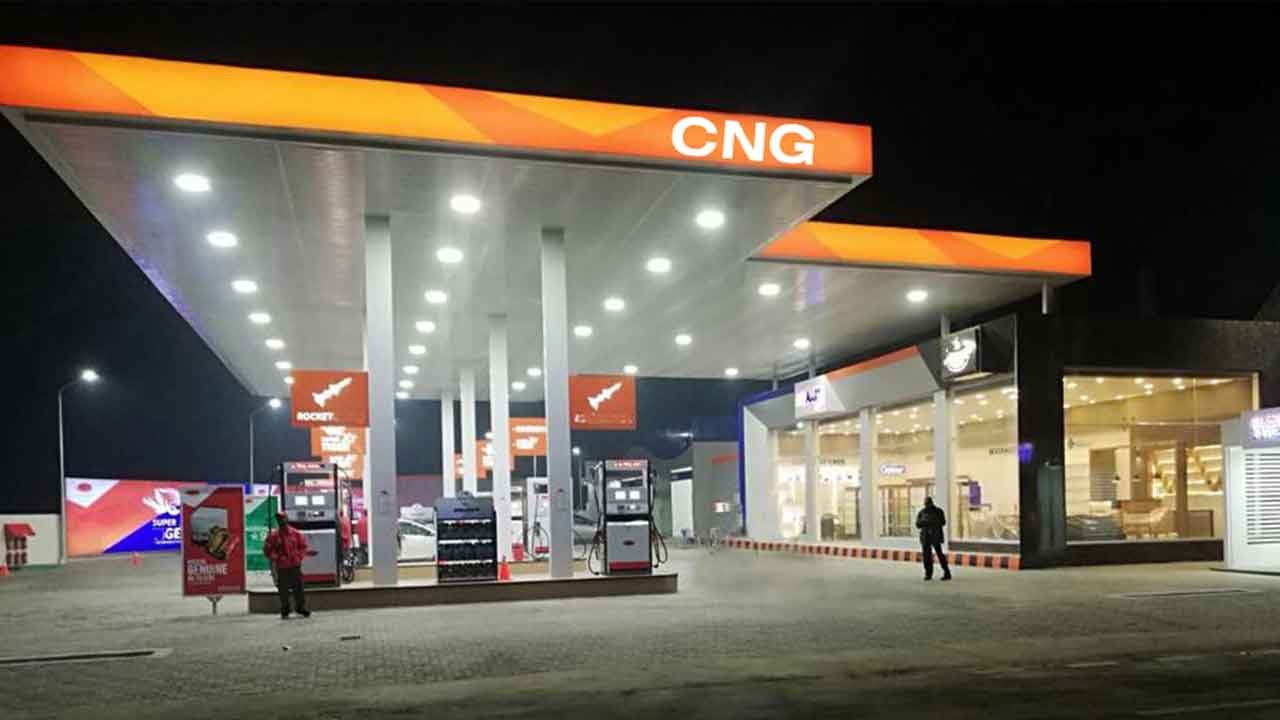
    CNG stations in Punjab and KP will stop operating from November 2022 to March 2023 as the gas crisis increases as a result of the lack of required LNG during the winter.

    While the government is obligated to purchase 12 LNG cargoes each month, Pakistan LNG Limited (PLL) has been unable to do so; as a result, the country will only have 10 LNG cargoes available in December and nine LNG cargoes each month in the following months. Due to the decreased LNG import cargoes, gas utilities will be forced to limit the supply of gas to captive power plants by 50 per cent.

    According to Express, in Punjab and KP, there won’t be any LNG available for CNG stations during the winter. Due to insufficient local gas output, Punjab has also been experiencing a gas crisis.

    According to government officials, the Sui Northern Gas Pipelines Limited (SNGPL) system’s gas supply to the fertiliser sectors won’t be reduced. Due to the probable political reaction this would cause, the government does not intend to reduce supplies of gas for the household sectors, therefore there will always be a supply available.

    As instructed by the federal government, SNGPL has been providing Re-Gasified Liquefied Natural Gas (RLNG) to a number of subsidised industries, including domestic consumers, export-oriented businesses, and fertiliser producers.

    Government payments to SNGPL for RLNG subsidies are Rs199 billion as of this writing. SNGPL’s capacity to pay RLNG suppliers PSO and PLL has been severely hampered by the reduced pricing. The amounts owed to PSO and PLL are now Rs284 billion and Rs135 billion, respectively.

    The power industry pays in full, but because its receivables have grown to over Rs115 billion, payments to suppliers have been significantly delayed.

  • Pakistan is out of danger, there is no risk of the country going bankrupt: Miftah Ismail

    Pakistan is out of danger, there is no risk of the country going bankrupt: Miftah Ismail

    The present coalition government has lifted Pakistan out of danger, according to Federal Finance Minister Miftah Ismail, as there is no chance of the nation becoming bankrupt.

    In an interview during Geo News show “Aaj Shahzeb Khanzada Kay Sath” on Monday, the minister stated that Pakistan Tehreek-e-Insaf (PTI) leader Imran Khan had put the country at risk of default. However, he said, Pakistan is not currently in danger of going bankrupt.

    The economic crisis were made worse by flash floods. But we’ll run the economy effectively. The country’s economy won’t be in danger, he continued.

    The finance minister added that the government would implement measures to stabilise the currency market within the following four to five days.

    He claimed that certain banks offered overpriced dollars as a result of the circumstance. The minister stated that the Prime Minister has taken strict notice of these banks and has requested a report from the Governor State Bank within two days.

    Eight banks have also received letters regarding this and will also face penalties.

  • Flood-related losses may exceed $10 billion: Ahsan Iqbal

    Flood-related losses may exceed $10 billion: Ahsan Iqbal

    Planning Minister Ahsan Iqbal said that the initial economic losses caused by the floods in Pakistan cost at least $10 billion.

    The estimated cost was disclosed by Planning Minister on Monday, saying that Pakistan needed help from the rest of the world to deal with the consequences of climate change.

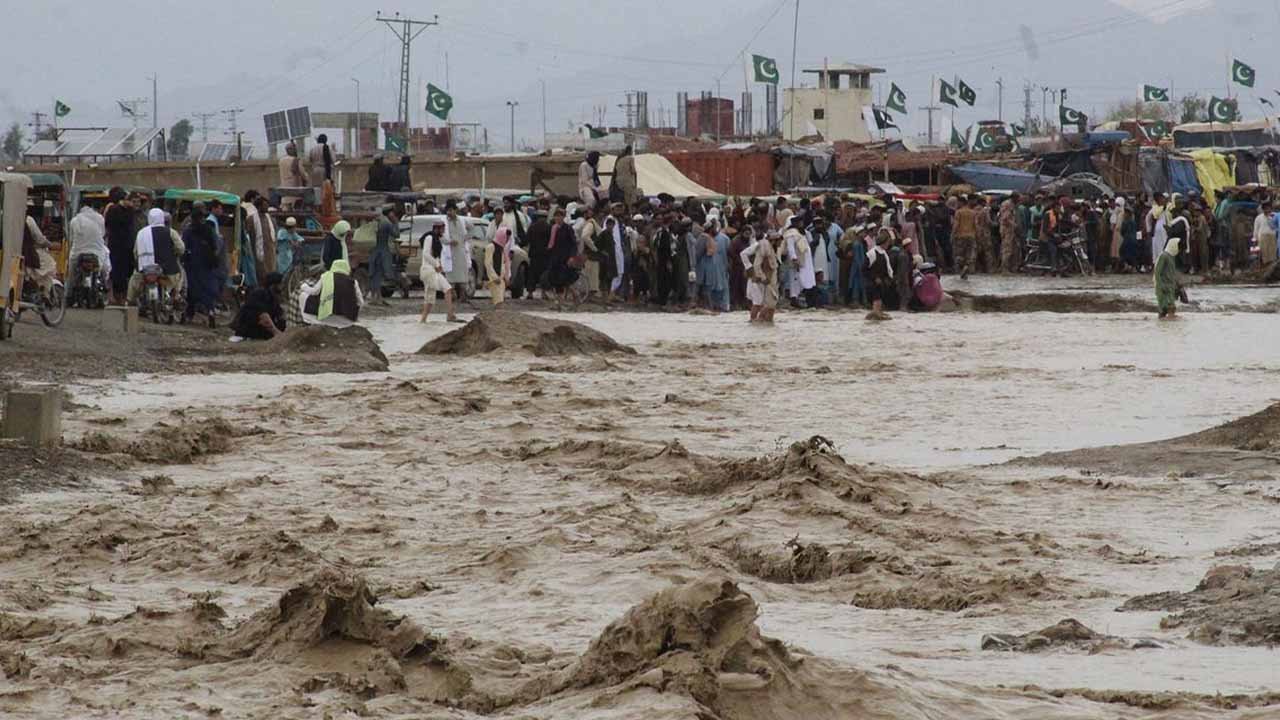
    Unexpected monsoon rains have caused historic flash floods that have destroyed bridges, crops, infrastructure, and highways, killing over 1,000 people and affecting more than 33 million. “I think it is going to be huge. So far, (a) very early, preliminary estimate is that it is big, it is higher than $10 billion,” Iqbal said.

    The minister estimated that the 200-million-person South Asian country, which will be facing an acute food scarcity, may take five years to reconstruct and recover.

     Along with significant damage to the rice fields, he claimed that 45 per cent of the cotton harvests had been washed away. “I think it is going to be huge. So far, (a) very early, preliminary estimate is that it is big, it is higher than $10 billion,” Iqbal said.

    According to Reuters, the Pakistani military said in a statement on Tuesday that rescue operations were still in progress and that foreign aid, including seven military aircraft from Turkey and three from the United Arab Emirates, was beginning to reach the nation.

    More aid will be sent to Pakistan as a result, which will assist it in overcoming its current condition.

    More than 300 stranded persons had been airlifted away, more than 23 metric tonnes of relief supplies had been provided, and more than 50 medical camps had been set up, with more than 33,000 patients receiving treatment, according to the statement.

    Moreover, China will send two aircraft on Tuesday (today) carrying 3,000 tents and Japan will send tarpaulins and shelters, in addition to the announcements of financial support from the UK, Canada, Australia, and Azerbaijan.

    As the cash-strapped nation struggles with political and economic unrest made worse by the historic floods, the International Monetary Fund (IMF) threw it another lifeline on Monday by releasing $1.17 billion in bailout funding.

    “Pakistan is in dire need and the damages are here and we will be in this a very long time,” Iqbal said. “It’s not months but years we are talking about.”

  • Pakistan sends aid to earthquake-stricken Afghanistan

    Pakistan sends aid to earthquake-stricken Afghanistan

    The National Disaster Management Authority (NDMA) on Thursday dispatched relief supplies for the earthquake victims in Afghanistan on the special directives of Prime Minister (PM) Shehbaz Sharif.

    Details indicate that the NDMA dispatched a shipment containing family tents, tarpaulins, blankets, and emergency medications, according to the NDMA spokesperson.

    “Pakistan has assured all possible support to ameliorate the sufferings of the Afghan people affected by the 6.1 magnitude earthquake which hit parts of Afghanistan on Wednesday, (June 22, 2022)”, it said.

    The relevant authorities were told on Wednesday by the PM Shehbaz Sharif, to assist Afghanistan when necessary. The PM expressed his grief over the earthquake in Afghanistan that claimed innocent lives in a message posted on his Twitter account. He said, “People in Pakistan share the sorrow and grief of their Afghan brethren.”

    Additionally, Imran Khan, a former minister, gave instructions to his KP government to arrange for medical facilities for the affected people in the neighbouring nation.

    Mahmood Khan, the chief minister of KP, has instructed the chief secretary and the health minister to send medical teams and aid to the nation’s earthquake-affected regions in accordance with orders from Imran Khan.

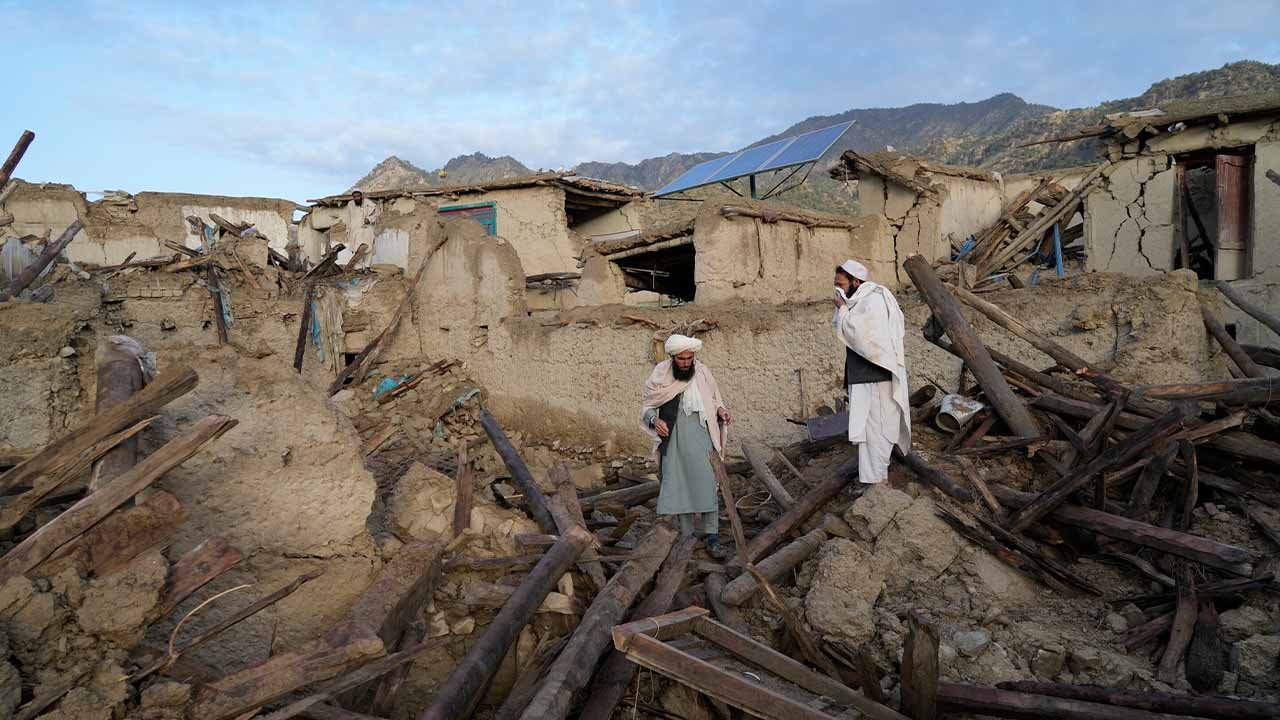
    A 6.1-magnitude earthquake that struck Afghanistan early on Wednesday left 950 people dead, and more than 600 injured. The death toll is expected to rise as news from isolated mountain villages trickles in, according to a report by Reuters.

    Images posted on Afghan media showed houses in ruins and bodies lying on the ground covered in blankets.

    According to Salahuddin Ayubi, an official with the interior ministry, helicopters were used in the rescue effort to transport food and medical supplies to the injured.

    The earthquake on Wednesday was the deadliest since 2002. The US Geological Survey (USGC) reported that it struck about 44 kilometres (27 miles) from the southeast Afghan city of Khost, close to the Pakistani border.

  • UK inflation reaches 40-year high as food and energy prices jump

    UK inflation reaches 40-year high as food and energy prices jump

    British consumer price inflation hit a new 40-year high of 9.1 per cent last month, the highest rate among the Group of Seven nations and highlighting the severity of the cost-of-living crisis. Rising food prices were a significant factor in this uptick.

    The reading, which increased from 9.0 per cent in April, was in line with the consensus of economists surveyed by Reuters. May’s inflation was the highest since March 1982, according to historical data from the Office for National Statistics, and it’s likely to get worse.

    “Rising inflation is putting further pressure on policymakers to ease the burden on households, while complicating the Bank of England’s task,” Yael Selfin, chief economist at KPMG UK, said.

    Prior to reaching a peak of just above 11 per cent in October, when regulated household energy bills are scheduled to rise once more, the Bank of England predicted last week that inflation would likely remain above 9 per cent over the upcoming months.

    Finance Minister Rishi Sunak responded to the information by saying that the British government is doing everything it can to stop a rise in prices.

    Food and non-alcoholic goods saw the largest annual price increase since March 2009 in May, rising 8.7 per cent, making this sector the main driver of annual inflation in that month.

    The ONS reported that overall consumer prices increased by 0.7 per cent in monthly terms in May, slightly higher than the 0.6 per cent consensus.

    In May, Britain had a higher headline inflation rate than the US, France, Germany, and Italy. Although Japan and Canada have not yet provided data on consumer prices for May, neither is probably going to come close.

  • Pakistan pushed into darkness due to Europe’s decision to cut off Russian fuel

    Pakistan pushed into darkness due to Europe’s decision to cut off Russian fuel

    The European attempt to abandon Russian oil is intended to punish Moscow for its invasion of Ukraine. It’s also wreaking havoc thousands of miles away, throwing Pakistan into darkness, destabilising one regime, and jeopardising the country’s new leadership’s stability.

    According to Bloomberg, Pakistan invested heavily in liquefied natural gas and inked long-term contracts with Italian and Qatari suppliers. Some of those suppliers have now defaulted, although continuing to sell into the more lucrative European market, putting Pakistan in the very situation it hoped to avoid.

    The country took particular precautions a decade ago to protect itself from the sorts of price increases that are currently shaking the market.

    Last month, the government spent about $100 million on a single LNG shipment from the spot market to avert outages during the Eid holiday, a record for the cash-strapped country.

    The country’s LNG costs could reach $5 billion in the fiscal year ending in July, more than double what they were a year ago. Even still, the government is powerless to protect its citizens: the IMF is in talks to bail out the country on the condition that it reduces fuel and energy subsidies.

    Outages lasting more than 12 hours

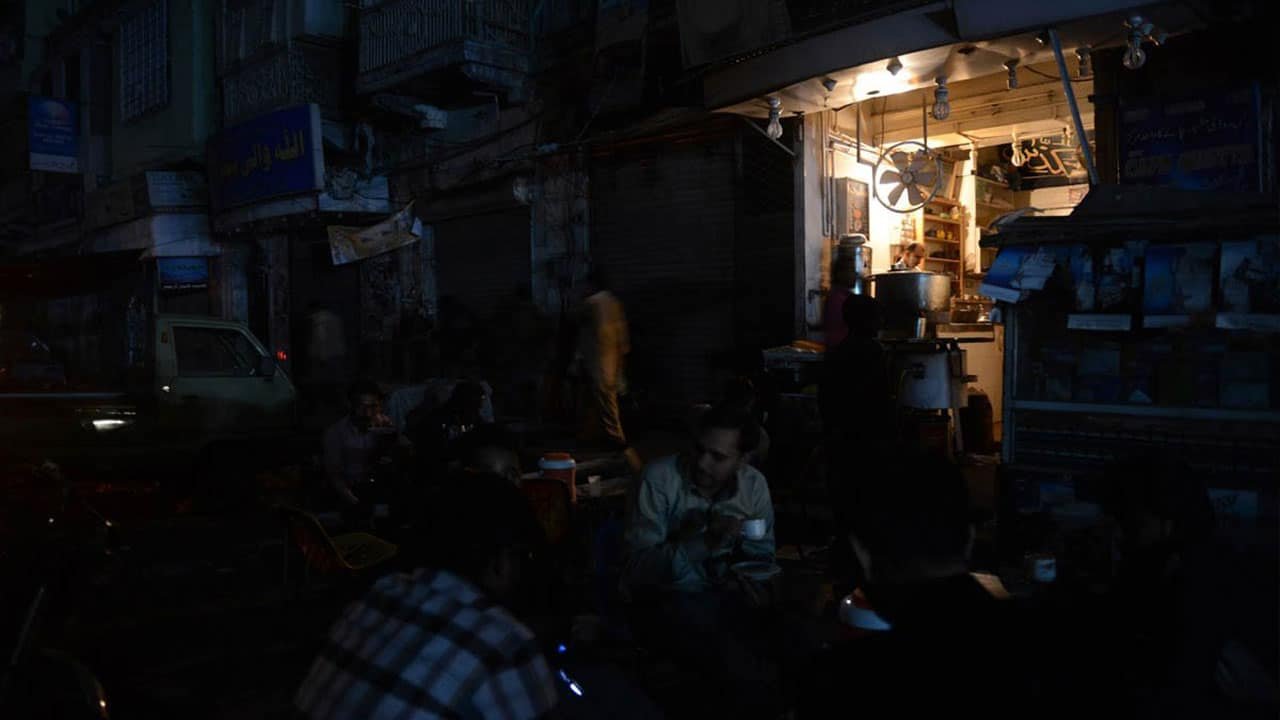
    Parts of Pakistan are currently suffering scheduled blackouts lasting more than 12 hours, reducing the ability of air conditioning to provide respite during the current heat wave. The former prime minister continues to gather enormous audiences to demonstrations and marches, exacerbating voters’ discontent with 13.8 per cent inflation. The hosts of prime-time talk shows frequently discuss how Pakistan will obtain the petroleum it requires and how much it would have to spend.

    The administration introduced a fresh set of energy-saving measures last week. Civil servants were relieved of their normal Saturday shifts, and the security budget was slashed by half.

    Prime Minister (PM) Shehbaz Sharif remarked in an April tweet before of the Eid holiday, “I am acutely aware of the sufferings people are facing”. That same week, he ordered his government to resume purchasing costly overseas natural gas shipments.

    He also warned earlier this month that they don’t have the money to keep importing gas from other countries.

    Rerouted supply to power plants

    There will be more than just outages as a result of the supply shortage. The government has rerouted existing natural gas supply to power plants, causing fertiliser manufacturers to be shortchanged. This approach could jeopardise the next harvest, resulting in even higher food prices the following year. Backup generators are being used by cellphone towers to keep service going during the blackouts, but they, too, are running out of fuel.

    There’s not much hope in the future. LNG prices have risen by over 1,000 per cent in the previous two years, first due to post-pandemic demand and subsequently due to Russia’s invasion of Ukraine. Russia is Europe’s largest natural gas supplier, and the possibility of supply disruptions pushed spot rates to an all-time high in March.

    Increasing LNG demand in Europe

    Meanwhile, Europe is increasing its need for LNG. Europe’s LNG imports have increased by 50 per cent so far this year compared to the same period last year, and show no signs of slowing down. As they cut ties with President Vladimir Putin’s regime over the crisis in Ukraine, European Union policymakers created a plan to considerably increase LNG deliveries as an alternative to Russian gas.

    Floating import terminals are being built at a breakneck pace in countries like Germany and the Netherlands, with the first ones set to open in the next six months.

    “Europe is draining LNG from the rest of the globe,” according to Steve Hill, executive vice president of Shell Plc, the world’s largest LNG trader. “However, this means that less LNG will be sent to developing markets”.

    Pakistan was formerly thought to be the LNG industry’s bright future. Demand for the fuel had peaked in developed markets by the mid-2010s. However, technological developments had reduced the costs and time it took to build import terminals, and new gas sources had reduced the cost of the fuel itself.

    Poor nations could finally contemplate the gasoline at the new, lower prices. Suppliers flocked to these new markets, and when Pakistan published a request for long-term LNG supply, over a dozen businesses competed for the contract.

    Pakistan chose Italy’s Gunvor Group Ltd to sell LNG to the country for the next decade in 2017. The terms were favourable at the time, and the prices were lower than those of a comparable arrangement struck with Qatar the previous year.

    Delay in supplies

    However, due to the rise in European gas prices, the two suppliers have postponed more than a dozen shipments slated for delivery between October 2021 and June 2022.

    According to Bruce Robertson, an expert at the Institute for Energy Economics and Financial Analysis, such defaults are nearly unheard of in the LNG market. Bloomberg spoke with traders and industry insiders who couldn’t recall the last time so many cargoes were rejected without being linked to a big outage at an export terminal.

    Eni and Gunvor stated they had to cancel because they were experiencing their own supply problems and didn’t have enough LNG to export to Pakistan. When exporters confront such difficulties, they typically replace deliveries by purchasing a consignment on the spot market, but Eni and Gunvor have not done so.

    Vendors are generally averse to cancelling orders. It harms the company connection and is often extremely costly. In established markets, fines for “failure to deliver” might be as high as 100 per cent.

    “It’s quite rare for LNG suppliers to renege on long-term contracts beyond force majeure occurrences,” says Valery Chow, an analyst at Wood Mackenzie Ltd.

    Pakistan’s contracts stipulated a lower cancellation penalty of 30 per cent, most probably in exchange for cheaper overall costs. The European spot market prices are currently high enough to more than compensate for the penalties.

    Pakistan’s $12 million LNG supply contract

    As per sources, an LNG supply to Pakistan for delivery in May under a long-term contract would cost $12 per million British thermal units. In comparison, spot cargoes to Europe for May delivery were trading for more than $30. Eni and Gunvor have kept their promises to customers in the region.

    As a result, Pakistan is back to square one, in a weaker negotiation position than before. After a dispute with Pakistan’s army over a variety of problems, including his management of energy supply and the greater economy, Prime Minister Imran Khan was deposed in April.

    Shehbaz Sharif, the new prime minister, has directed the state-owned importer to obtain the petroleum at any cost in order to end the debilitating blackouts. It’s also attempting to reach new long-term LNG purchase agreements, albeit the conditions will almost probably be harsher than six years ago.

    High risk of default

    The cost is having its own cascading repercussions. The government is now “at high risk of default,” according to a paper published last month by the Institute for Energy Economics and Financial Analysis. Moody’s Investors Service reduced Pakistan’s outlook from stable to negative, citing financial worries including a potential IMF bailout delay.

    Pakistan’s dependency on LNG, as well as its suppliers’ tendency to default, has exacerbated the country’s energy dilemma. Pakistan isn’t alone in this regard. Emerging economies all around the world are trying to meet their residents’ requirements while staying within their budget restrictions.

    It has also prompted them to purchase electricity from Russia, reducing the impact of Europe’s attempts to isolate them.

    Pakistan seeks LNG supply contract with Russian companies

    According to reports, Pakistan is also looking at long-term LNG supply agreements with Russian companies. India has already increased its purchases from Russia, and this trend is likely to continue. The government has directed power plants to purchase fuel from overseas in response to the scorching summer heat.

    Other cash-strapped importers, such as Bangladesh and Myanmar, are likely to suffer as a result of Pakistan’s problems. Bangladesh’s state-owned utility recently purchased the country’s most expensive LNG shipments on the spot market to keep the grids functioning and industry stocked, while Myanmar has stopped importing LNG for the past year owing to price increases.

    Other nations, such as India and Ghana, may be prompted to reconsider long-held plans to increase their reliance on super-chilled fuel as a result of Europe’s major change. Instead, governments would increase their reliance on polluting coal or oil, thwarting efforts to meet ambitious emission reduction objectives this decade.