Tag: crypto

  • The fallen kings of crypto

    The fallen kings of crypto

    Binance boss Changpeng Zhao has become the most powerful cryptocurrency figure to fall in a two-year period chaotic even by the standards of the notoriously volatile industry. 

    Zhao stepped down as CEO of Binance — the largest crypto exchange in the world — after he and the company pleaded guilty on Tuesday to sweeping US money laundering violations and agreed to fines of more than $4 billion.

    Here are three of the highest-profile crypto executives who have fallen foul of the law since last year:

    Changpeng ‘CZ’ Zhao

    Born in China in 1977, Zhao moved with his family to Canada in the 1980s and later got a degree in computer science from McGill University, according to his profile in the Bloomberg Billionaires Index.

    Zhao Changpeng, chief executive officer of Binance, speaks during a Bloomberg Television interview in Tokyo, Japan, on Thursday, Jan. 11, 2018. The world’s biggest cryptocurrency exchange keeps getting bigger. Binance.com is adding “a couple of million” registered users every week, with 240,000 people signing up in just an hour on Wednesday, said Zhao. Photographer: Akio Kon/Bloomberg

    He founded Binance in 2017 in Shanghai, and led the company’s explosive growth into the world’s biggest cryptocurrency exchange.

    An outspoken celebrity in the crypto world with 8.7 million followers on X, Zhao became the richest known figure in the nascent industry. His net worth peaked at around $65 billion in 2022, according to a Forbes index.

    With the prestige and wealth came increased scrutiny of Binance’s operations, as prominent crypto firms around the world began to buckle under a wave of criminal investigations.

    The United States accused Zhao and Binance of multiple violations, including knowingly allowing transactions to militant groups such as the Islamic State and in barred jurisdictions such as North Korea and Iran.

    On Tuesday, they pleaded guilty. The firm has agreed to total penalties of nearly $4.4 billion, while he will pay $50 million, according to court documents.

    Zhao resigned as CEO of Binance and while he will reportedly retain his shares in the company, he has been banned from any involvement in its business. He is expected to face sentencing later.

    Forbes listed his net worth as $10.2 billion as of Wednesday.

    Sam Bankman-Fried

    If Zhao was the richest and most powerful person in crypto, Sam Bankman-Fried was easily the most famous.
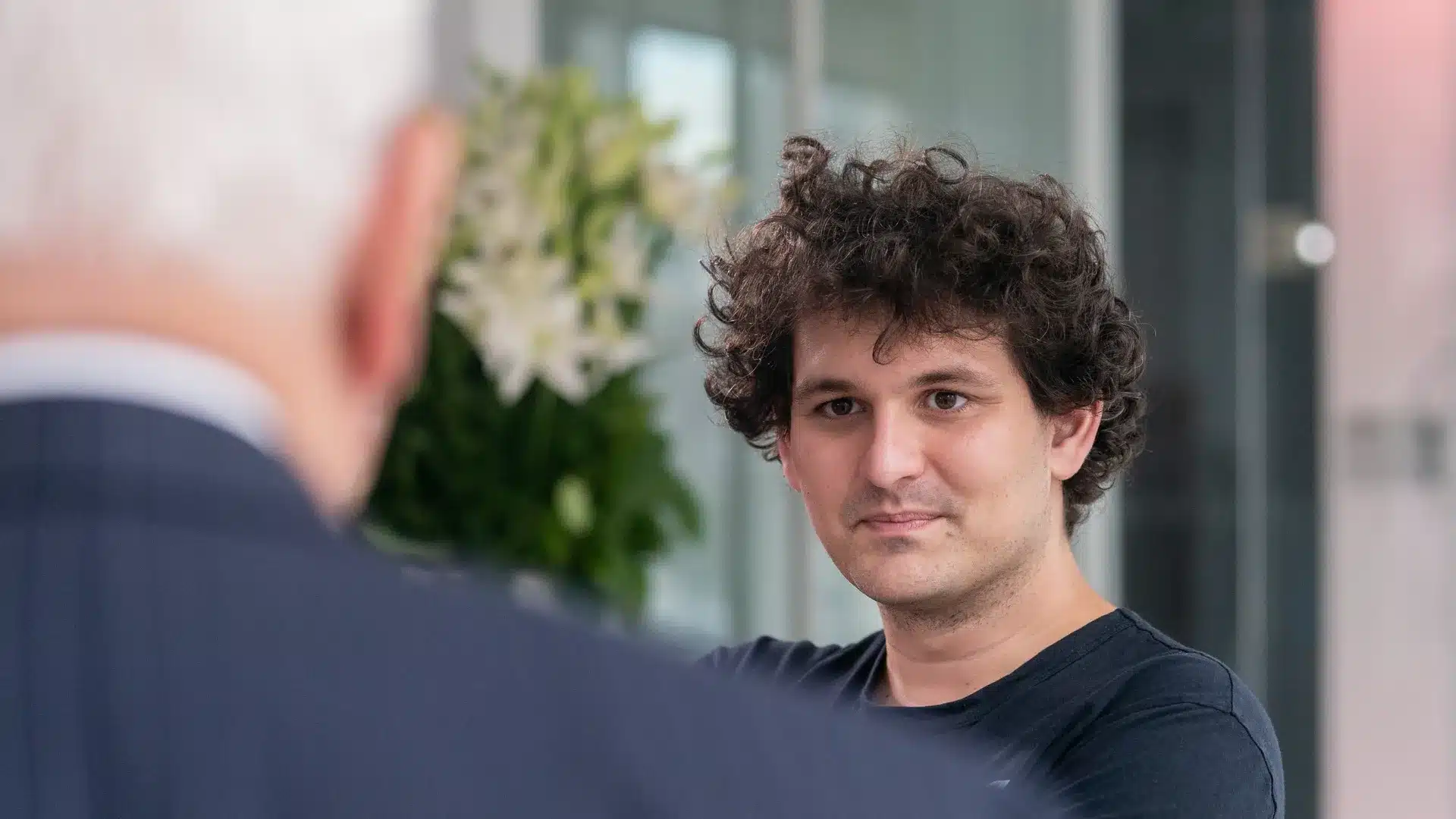
    Born to Stanford University professors, Bankman-Fried graduated from MIT with a degree in physics.

    In 2019, he founded FTX, which skyrocketed to become the world’s second-largest crypto exchange.

    Along the way, Bankman-Fried built up his image as the unofficial ambassador for the cryptocurrency industry, with high-profile appearances in the media and even the US Congress.

    At one point in 2022, he had a net worth of $24 billion, according to Forbes.

    But he had been walking a dangerous path — his team used customers’ money for everything from buying posh real estate to covering risky moves by affiliate Alameda Research.

    It all came crashing down when these moves were revealed in the media in November 2022. Within hours, rival CZ Zhao said Binance would sell all the FTX tokens it held.

    It sparked a stunning collapse of FTX and Bankman-Fried’s empire, his fame turning to notoriety.

    Arrested in the Bahamas in January, he was found guilty this month of what US prosecutors described as “one of the biggest financial frauds in American history”. He faces up to 110 years in prison.

    During his trial, the 31-year-old admitted to making “mistakes” but denied trying to defraud anyone.

    Do Kwon

    South Korean entrepreneur Do Kwon co-founded Terraform Labs in 2018, developing the cryptocurrencies TerraUSD and Luna.

    Do Kwon, co-founder and chief executive officer of Terraform Labs, poses in the company’s office in Seoul, South Korea, on Thursday, April 14, 2022. Kwon is counting on the oldest cryptocurrency as a backstop for his stablecoin, which some critics liken to a ginormous Ponzi scheme. Photographer: Woohae Cho/Bloomberg via Getty Images

    The Stanford grad successfully marketed them as the next big thing in crypto, attracting billions in investments and global hype.

    Media reports in South Korea described him as a “genius”.

    But in May last year, the value of these currencies — marketed as “stablecoins” — plummeted, wiping out around $40 billion in investments and sending a shock wave through the rest of the industry.

    It led to more than $500 billion in further losses on global crypto markets, industry data suggested.

    Experts said Do Kwon — whose full name is Kwon Do-kyung — had marketed a glorified Ponzi scheme.

    Brash and outspoken on social media, Do Kwon left South Korea before the collapse and spent months on the run.

    He was arrested in Montenegro this year after being caught trying to catch a flight using fake Costa Rican travel documents.

    He faces multiple criminal charges in the United States and South Korea.
  • Bitcoin price surpasses Rs4.5 million for the first time in 2 months

    Bitcoin price surpasses Rs4.5 million for the first time in 2 months

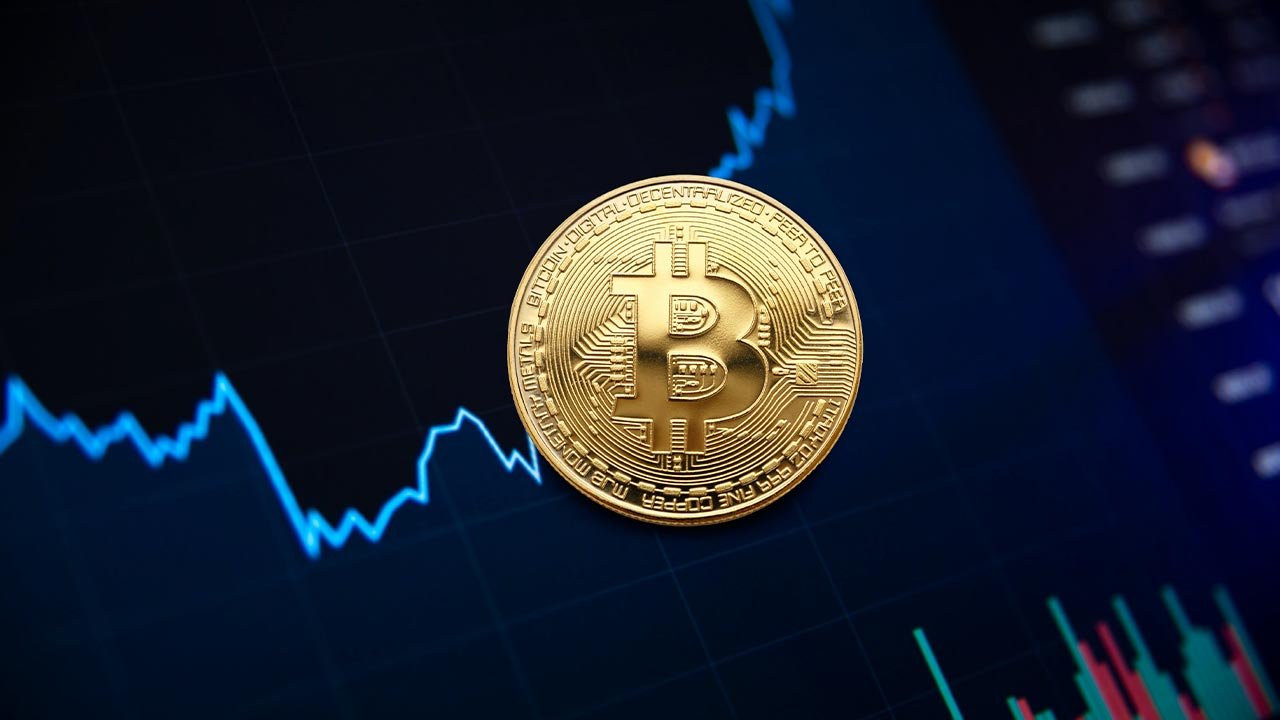
    On Saturday, Bitcoin surpassed $20,000 (Rs4.5 million) for the first time in more than two months. The strongest and most popular cryptocurrency in the world gained $922 from its previous closing to appreciate 4.6 per cent to $20,853 at 1:00 GMT on Saturday.

    Since January 1’s low of $16,496 for the year, the cryptocurrency has increased by 26.4 per cent.

    On Saturday, the price of Ether, the digital currency linked to the Ethereum blockchain network, rose by $85.90 to $1,536.3.

    Both traditional and cryptocurrency investors were pleased with the report’s findings. But it also occurs at a moment when Washington has a revived interest in cryptocurrency.

    Legislators are on high alert after FTX’s fall in November. Sam Bankman-Fried, the founder and former CEO of FTX, was detained last month and charged with eight offenses, including wire fraud and violations of campaign financing laws.

    While many on Twitter are happy with Bitcoin’s recent gains, $20,000 is still 71 per cent below the cryptocurrency’s previous record high of just over $69,000.

  • Google accidentally transfers $249,000 to self-proclaimed hacker’s bank account

    Google accidentally transfers $249,000 to self-proclaimed hacker’s bank account

    A blogger and security engineer who received a quarter-million dollars by mistake from Google claims he waited nearly a month for a response.

    On Wednesday, Sam Curry, who also describes himself as a hacker shared a screenshot along with the statement that the tech giant had “randomly” transferred him $249,999.

    Curry added in the tweet, “It’s OK if you don’t want it back,” adding that it had been more than three weeks since he had gotten the money and that he had been issued a support ticket when he contacted Google.

    Curry claimed that instead of spending the money, he saved it for the inevitable request for repayment from the corporation. He told NPR that in order to avoid paying tax on the money, he might need to transfer it to another account.

    The security engineer told NPR that he performs “bug bounty hunting” work for corporations like Google. He is paid to look for flaws in businesses’ software.

    He did not, however, see how the transfer related to his work at Google. As of Thursday, he still had the money.

    “Our team recently made a payment to the wrong party as the result of human error,” a Google spokesperson told NPR in a statement. “We appreciate that it was quickly communicated to us by the impacted partner, and we are working to correct it.”

    A Google spokesperson also disclosed to NPR that the company intended to recover the funds.

    A similar occurrence occurred last month when the cryptocurrency exchange Crypto.com unintentionally sent a woman over $10 million instead of $100. She spent or transferred significant amounts of money by the time the corporation realised the blunder, which was seven months later.

  • Crypto heist: Hackers steal $100 million from Harmony blockchain bridge

    Crypto heist: Hackers steal $100 million from Harmony blockchain bridge

    A blockchain bridge titled Harmony, which helps in transferring cryptocurrency tokens between each other, recently disclosed that $100 million in digital currency was stolen on Thursday morning from its Horizon bridge.

    Harmony revealed that its Horizon Ethereum Bridge was a victim of a “malicious attack” in a blog post outlining the incident.

    Harmony said that its separate bridge used for bitcoin wasn’t affected by the hack and that its funds and assets are safe. They have notified other exchanges and stopped its bridge “Horizon” to prevent further transactions as the company investigates the heist. 

    In order to track down the hacker and recover the stolen money, the platform has started working with local law enforcement and forensic experts.

    The hack and ransacking of Horizon weren’t the first this year. In March, cybercriminals stole about $620 million worth of cryptocurrency from a network used to process in-game transactions for Axie Infinity, one of the world’s most popular NFT video games.

  • Bitcoin surrenders weekend gains, slides 5 per cent

    Bitcoin surrenders weekend gains, slides 5 per cent

    Cryptocurrencies continued their steady decline on May 16, surrendering the gains made over the weekend as regulators loomed.

    European authorities have reinforced their warnings about the vulnerabilities of cryptocurrencies. Bitcoin slumped 5 per cent to roughly $29,700 in Asian trade on Monday, falling alongside markets amid concerns about burgeoning inflation and borrowing costs.

    As the catastrophic collapse of TerraUSD, a so-called stablecoin, has roiled crypto markets already plunging amid widespread selling of risky assets, the world’s largest cryptocurrency has lost almost a fifth of its value so far this month.

    Read more: Pakistani rupee crashes to historic low of Rs194 against US dollar

    Stablecoins are vulnerable to investor runs, according to the US Federal Reserve, because they are underpinned by commodities that could depreciate or become worthless in adverse economic conditions.

  • ‘Stablecoin’ crashes, bitcoin set for a record losing run

    ‘Stablecoin’ crashes, bitcoin set for a record losing run

    Following the collapse of TerraUSD, a so-called stablecoin, resonated across markets, cryptocurrencies suffered significant losses on Friday, with bitcoin trapped below $30,000 and on track for a record losing streak.

    Concerns about high inflation and rising interest rates have prompted widespread dumping of hazardous investments, including crypto assets.

    However, sentiment is particularly shaky, as tokens that were intended to be tethered to the dollar have failed.

    Bitcoin, the most valuable cryptocurrency by market capitalization, attempted a recovery early in the Asian session, rising 2 per cent to $29,500, a recovery from a 16-month low of roughly $25,400 on Thursday.

    It is still trading well below week-ago levels of around $40,000 and is on track for a record sixth consecutive weekly loss unless weekend activity improves.

    “I don’t believe the worst is gone,” Scottie Siu, investment director at Axion Global Asset Management, a Hong Kong-based firm that manages a crypto index fund, said. “I believe there will be further decline in the days ahead”.

    “I believe what we need to see is a significant drop in open interest, so that speculators are forced out, and then the market will stabilise”.

    Read more: Pakistan’s cement exports fell by 82.15 per cent in April 2022

    This week, TerraUSD (USDT) lost its 1:1 peg to the dollar, as its method for maintaining stability, which relied on another virtual token, failed under selling pressure.

  • Zulfi Bukhari mocks Miftah Ismail for not knowing about Web 3.0

    Zulfi Bukhari mocks Miftah Ismail for not knowing about Web 3.0

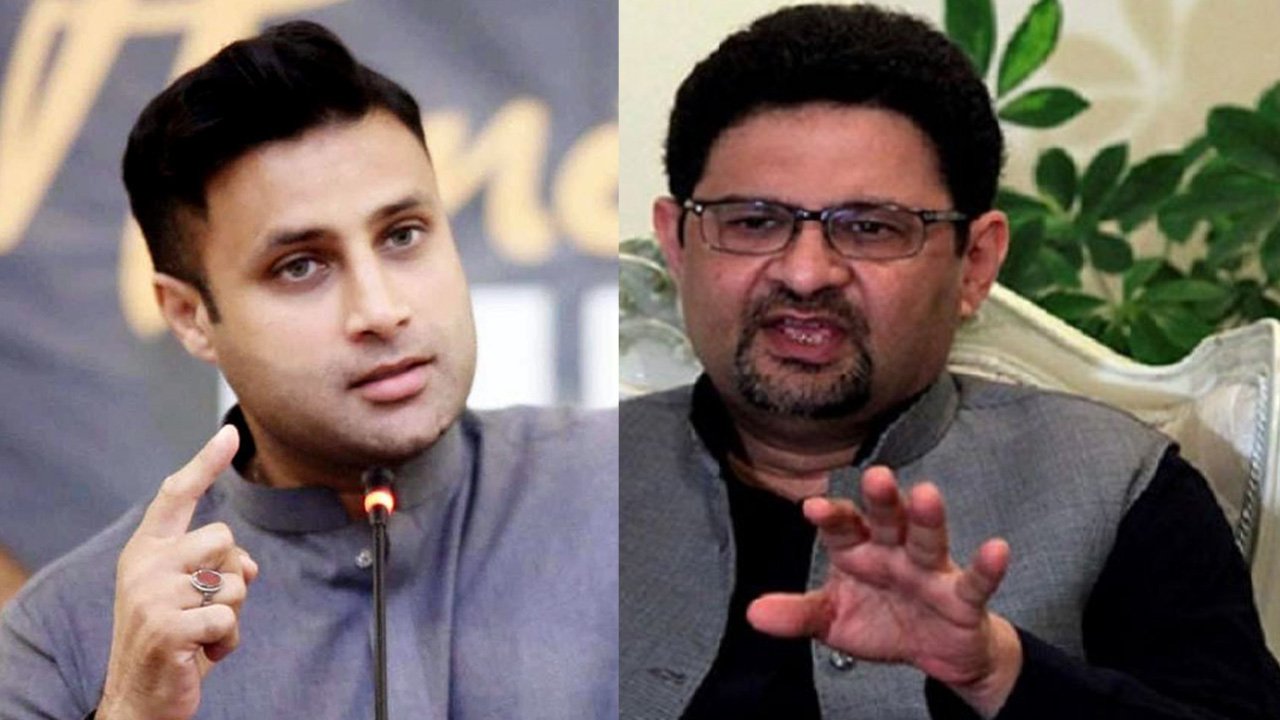
    Following Finance Minister Miftah Ismail’s admittance of being unaware of the third generation internet, or Web 3.0, Pakistan Tehreek e Insaf (PTI) leader Zulfikar Bukhari offered him “free consultation and training” on Web 3.0.

    “We’ll give you free consultancy services & coaching on Web 3.0 Miftah, but please don’t embarrass Pakistan like that next time,” Zulfi Bukhari said in a tweet quoting a video of the Atlantic Council.

    In the viral video, Miftah is asked about the rise of Web 3.0, which the questioner believes will be a $100 billion dollar export opportunity for Pakistani talent in the next 20 years.

    He also inquired what he felt about providing new economic prospects for Pakistanis, citing the potential of digital currency.

    “Let me simply declare that I genuinely don’t know what Web 3.0 is,” Miftah said bluntly and “shamelessly..I don’t know much about this, but I do know that Pakistani fintech and new technology businesses garnered a lot of money last year and from a very low starting point”.

    He added that we want them to thrive as much as possible, I’m not sure how much we can do to assist them.

    What is Web 3.0?

    Web 3.0 is a new kind of internet that not only accurately translates what you type, but also understands what you say, whether through text, voice, or other media, and where all of the content you consume is more personalised than ever before.

    There are a few early-stage Web 3.0 applications that exist today, but their true potential cannot be seen until the new internet is fully integrated into the web infrastructure.

    Web 3.0 refers to the next generation of the internet, in which websites and apps will be able to handle data in a clever human-like manner using technologies such as machine learning (ML), Big Data, and decentralised ledger technology (DLT), among others.

    Tim Berners-Lee, the inventor of the World Wide Web, dubbed Web 3.0 the Semantic Web, with the goal of creating a more autonomous, intelligent, and open internet.

    Read more: ‘Sasta Ramzan Bazaar’ fails to provide relief in third Ashra

    Data will be interconnected in a decentralised form, which would be a big leap ahead from our present generation of the internet (Web 2.0), where data is largely housed in centralised repositories.

    Users and machines will be able to engage with data as well. However, programmes must be able to comprehend information both conceptually and culturally in order for this to happen. With this in mind, the semantic web and artificial intelligence are the two cornerstones of Web 3.0. (AI).

  • Twitter officially declares adding an edit button

    Twitter officially declares adding an edit button

    The legendary “edit button,” which Twitter users have been demanding for so long that it’s become a cliché, is finally becoming a real thing. Twitter has now officially declared that it is working on allowing users to modify tweets after they have been posted on the platform.

    The aim is to enable users to correct any mistakes or errors in a tweet without losing any existing replies, retweets, or favourites. Twitter said Tuesday that it will begin testing the capability with Twitter Blue subscribers in the coming months.

    https://twitter.com/TwitterComms/status/1511456430024364037?ref_src=twsrc%5Etfw%7Ctwcamp%5Etweetembed%7Ctwterm%5E1511457595181068294%7Ctwgr%5E%7Ctwcon%5Es3_&ref_url=https%3A%2F%2Fwww.bbc.com%2Fnews%2Fbusiness-61003270

    In a post on Tuesday, Jay Sullivan, the company’s VP of consumer development, remarked that editing has been “the most requested Twitter feature for many years.” Since last year, the corporation has been studying how to implement the function “safely.”

    In the past, Twitter’s former CEO, Jack Dorsey, was hesitant to implement such a function.

    Back in 2018, Dorsey even expressed concerns during a discussion, that an edit button may allow users to modify the meaning of a tweet after it has been widely shared, and he claimed in 2020 that Twitter would probably never incorporate the option.

  • Amitabh pays 2.61 crore PKR as GST after selling his NFT  collection for 17 crore PKR

    Amitabh pays 2.61 crore PKR as GST after selling his NFT collection for 17 crore PKR

    The Bollywood superstar, Amitabh Bachchan has finally paid 2.61 crore PKR in GST for the sale of his non-fungible token (NFT) collection, which was auctioned for 17.16 crore PKR in the first week of November 2021.

    Some of the netizens may remember that Bachchan had received a warning from the Directorate General of Goods and Services Tax Intelligence (DGGI) to pay the imposed GST.

    Despite Bachchan’s deposit, the DGGI is expected to continue its probe into tax avoidance.

    An NFT venture stated in August 2021 that Bachchan’s NFT collection would be available on its platform. Bachchan had signed an agreement with ‘Rhiti Entertainment’ to convert some of his pictures or illustrations into digital assets.

    Interestingly, this also made Bachchan one of the first Indian actors to support digital art and NFTs.

    Apart from the photos and posters, a famous collection of poems written by Bachchan’s father and recorded in his own voice, ‘Madhushala’ was the most successful auction.

    The NFT auction had garnered 17.16 crore PKR and attracted 18 percent GST. Big B was bound to pay taxes worth 12.61 crore PKR from the sale, which has been now deposited by the actor.

    Read More: Crypto companies at risk of closure in the United Kingdom

    For those who do not know much about NFTs, it is a type of digital asset that represents real-world or sometimes abstract elements. This can be art, photography, meme, music, game characters or any graphic one can think of. This data unit is kept on a blockchain, a digital ledger that makes it non-transferable and unique.

  • PUBG developer collaborates with blockchain for NFT-based games

    The South Korean gaming studio ‘Krafton’, who is also the developer of PUBG, has recently announced a partnership with a blockchain company ‘Solana Labs’ for the development, design, and marketing of NFT-based games and services.

    Solana Labs is also the developer of Solana blockchain, an Ethereum-competitor designed to offer fast transaction speeds at a lower cost.

    The partnership comes a month after Krafton announced its plans to step into the world of blockchain gaming and said that it would be working with Naver Z to launch a new Web 3.0 and non-fungible token (NFT) project aimed at building a proper NFT metaverse platform.

    The important context for these deals can be Krafton’s share price, which have considerably dropped in 2022 due to tough competition from Chinese rivals, who are pouring into South Korea following a crackdown from regulators in Beijing.

    As a result, Korean developers are reportedly racing to develop ‘play-to-earn’ games, comprising blockchain technology to shore up revenue.

    The South Korean studio has not announced which of its games might see the addition of blockchain functionality or whether it will be offered in the PUBG series. Undoubtedly, the addition of NFTs in PUBG can double its popularity and earnings with attracting more players.