Tag: Currency Circulation

  • SBP report reveals Rs140 billion decline in Pakistan’s broad money supply

    SBP report reveals Rs140 billion decline in Pakistan’s broad money supply

    As of July 26, 2024, Pakistan’s broad money supply, known as M2, has decreased by Rs140.43 billion week-on-week, bringing the total to Rs35.15 trillion, according to provisional data from the State Bank of Pakistan (SBP).

    This represents a notable reduction from Rs36.56 trillion recorded at the end of the previous fiscal year in June 2024, marking a decline of Rs1.41 trillion.

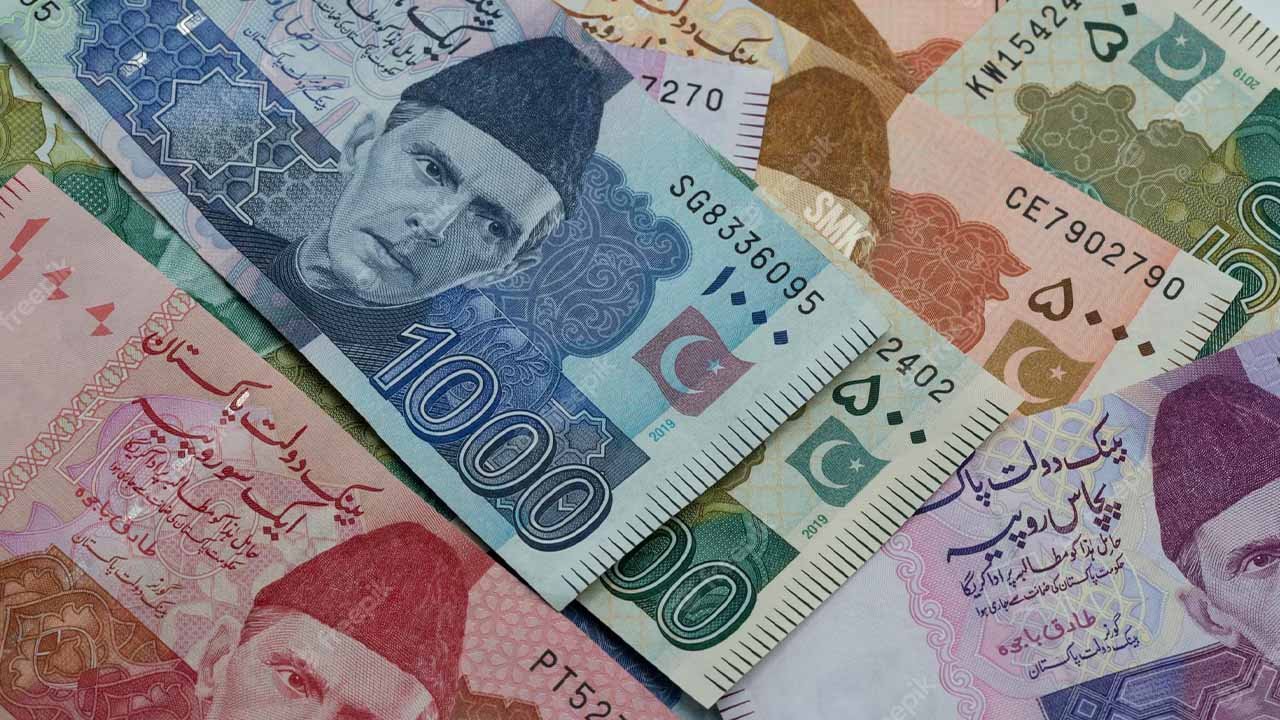
    A closer look at M2 components reveals a decrease in currency circulation. As of the latest report, currency in circulation has fallen by Rs158.06 billion week-on-week to Rs9.07 trillion. Compared to the end of June 2024, this reflects a reduction of Rs83.01 billion from Rs9.15 trillion.

    The proportion of currency in circulation relative to M2 stands at 25.81 per cent, down from 26.15 per cent the previous week and slightly higher than 25.04 per cent in June 2024.

    Total deposits held with banks have reached Rs25.93 trillion, showing a week-on-week increase of Rs18.1 billion. However, this figure marks a decrease of Rs1.31 trillion since the start of the fiscal year. It is important to note that these deposits exclude inter-bank deposits, government deposits, and foreign constituents.

    Currency in circulation includes all banknotes and coins held by the public and financial institutions. In Pakistan, M2 is the primary measure of broad money, calculated on the liability side as the sum of currency in circulation, total non-government sector deposits (including residents’ foreign currency deposits), and other deposits with the SBP.

    On the asset side, M2 comprises net domestic assets and net foreign assets of the banking system, including both the SBP and scheduled banks.
  • SBP seeks design ideas from students, designers for new banknotes

    SBP seeks design ideas from students, designers for new banknotes

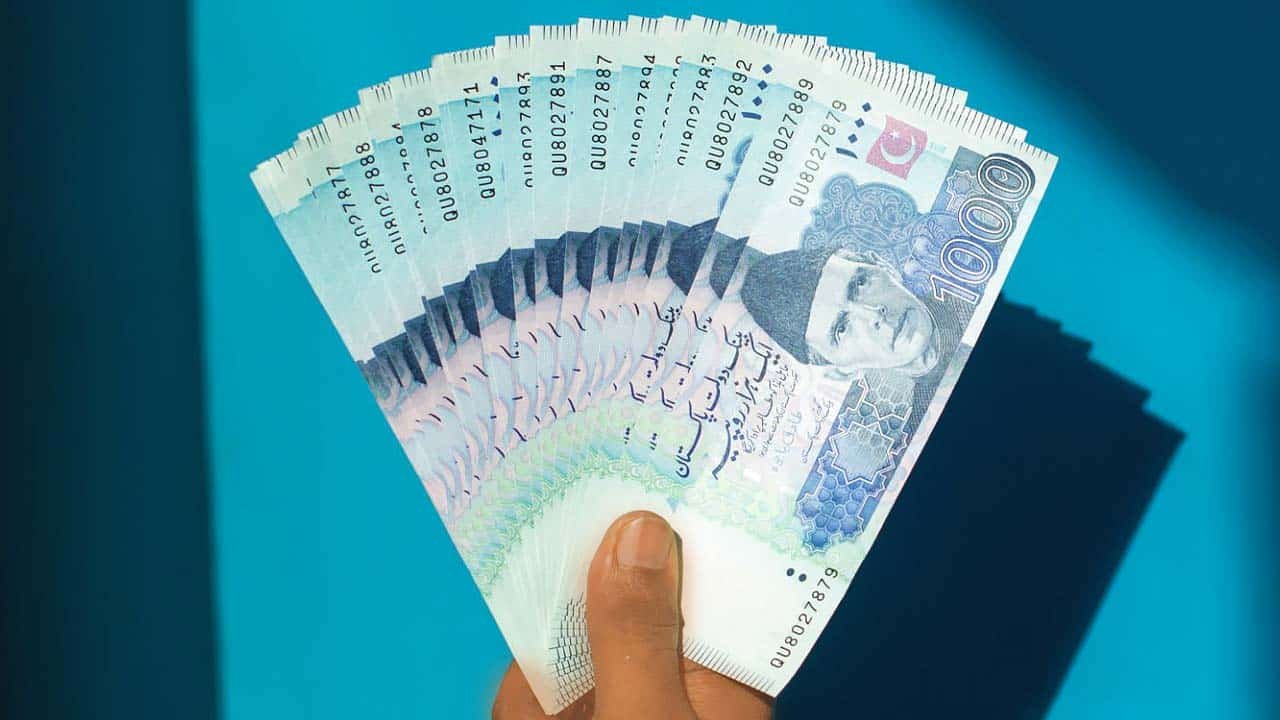
    In a significant move to enhance security features and align with technological advancements, the State Bank of Pakistan (SBP) has kicked off the process of designing and issuing a new series of banknotes covering all existing denominations.

    The SBP, in an official statement released on Tuesday, emphasised the complexity of the issuance process, which involves multiple meticulous steps and stages that demand careful planning and coordination among various stakeholders. Despite the general timeline of 2-3 years for launching a new banknote series, the SBP aims to expedite the process and complete it within the next two years.

    As an initial step towards the design process, the SBP has organised an art competition for the new banknote series. This competition is expected to yield diverse and creative ideas and themes that will form the basis for the subsequent phases of development.

    The finalised concepts will be shared with renowned professional banknote designers, who will be selected through a competitive process to transform these ideas into the final printable designs for each denomination.

    The final designs will then undergo scrutiny by the federal government for approval, ensuring that they meet the necessary standards and security features. The SBP assured the public that the existing banknote series would continue to remain in circulation even after the introduction of the new series.

    Any decision regarding the withdrawal of the existing banknotes will be executed gradually and in a phased manner, contingent upon the successful issuance and sufficient circulation of the new banknotes.

    The central bank highlighted that the periodic introduction of new banknote series, occurring approximately every 15–20 years, is a common practice among central banks. This practice aims to bolster the integrity of banknotes and integrate the latest technological developments in design and security features, ensuring a secure and reliable currency system for the nation.

  • Concerns rise over circulation of fake Rs5,000 banknotes

    Concerns rise over circulation of fake Rs5,000 banknotes

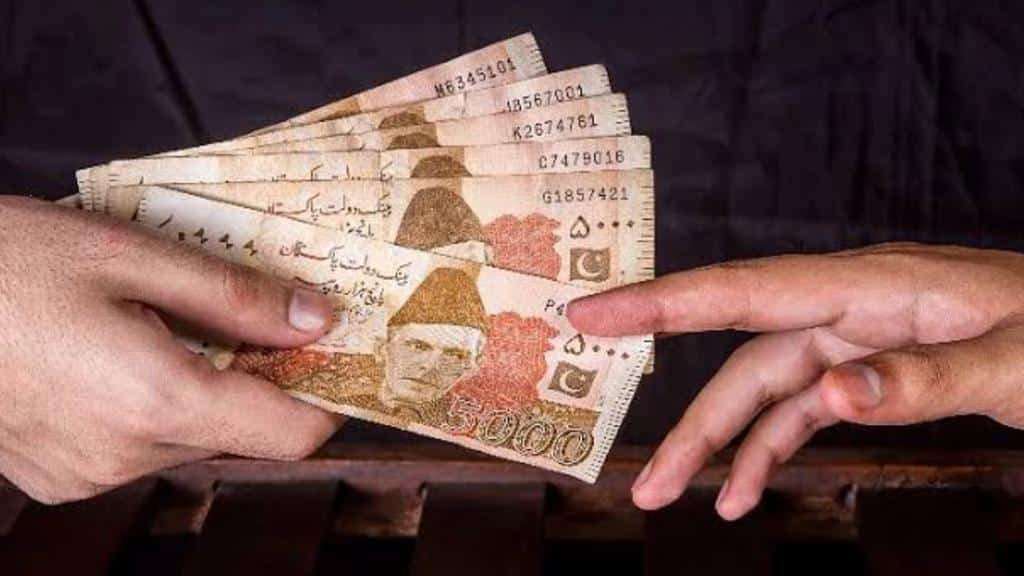
    In a recent meeting, the Senate Standing Committee on Finance convened to address the escalating circulation of counterfeit Rs5,000 banknotes, a matter that has raised serious apprehensions among officials, including those from the State Bank of Pakistan (SBP).

    Chaired by Senator Salim Mandviwala, the committee delved into the severity of the issue as it showcased a bundle of forged Rs5,000 notes.

    Senator Mandviwala, underscoring the gravity of the situation, asserted that even parliamentarians are susceptible to falling victim to this fraudulent activity.

    During the proceedings, Senator Mandviwala directed a challenge to SBP’s Deputy Governor, Dr. Inayat Hussain, urging him to identify the counterfeit notes.

    However, the attempt was met with a purported failure on the part of the Deputy Governor.

    Expressing the need for immediate and decisive action, the committee chairman called upon the central bank to take robust measures to combat the widespread dissemination of counterfeit currency.

    Mandviwala suggested that the infiltration of fake notes into circulation might be occurring through banks.

    A noteworthy proposal from Senator Mandviwala involved the exchange of counterfeit currency for genuine notes, an idea promptly dismissed by Deputy Governor Inayat Hussain.

    The latter cited concerns about potential misuse and abuse as the basis for the refusal.

    During the discussion, Hussain acknowledged the absence of a concrete system to prevent the printing of fake currency within the country.

    He further elaborated that while counterfeit dollars are a global issue, efforts are underway to enhance regulations to control the production and circulation of fake currency, specifically within Pakistan.

    According to ARY News, Mandviwala, highlighting the urgency of the situation, called for immediate relief measures. The committee, in unanimous agreement, advocated for the formulation of a comprehensive policy to combat the growing use of counterfeit currency, particularly within the banking system.

    The committee stressed the necessity of proactive measures to safeguard the financial integrity of the nation.