Tag: currency devaluation

  • SBP data reveals 23.5% YoY decline in auto loans

    SBP data reveals 23.5% YoY decline in auto loans

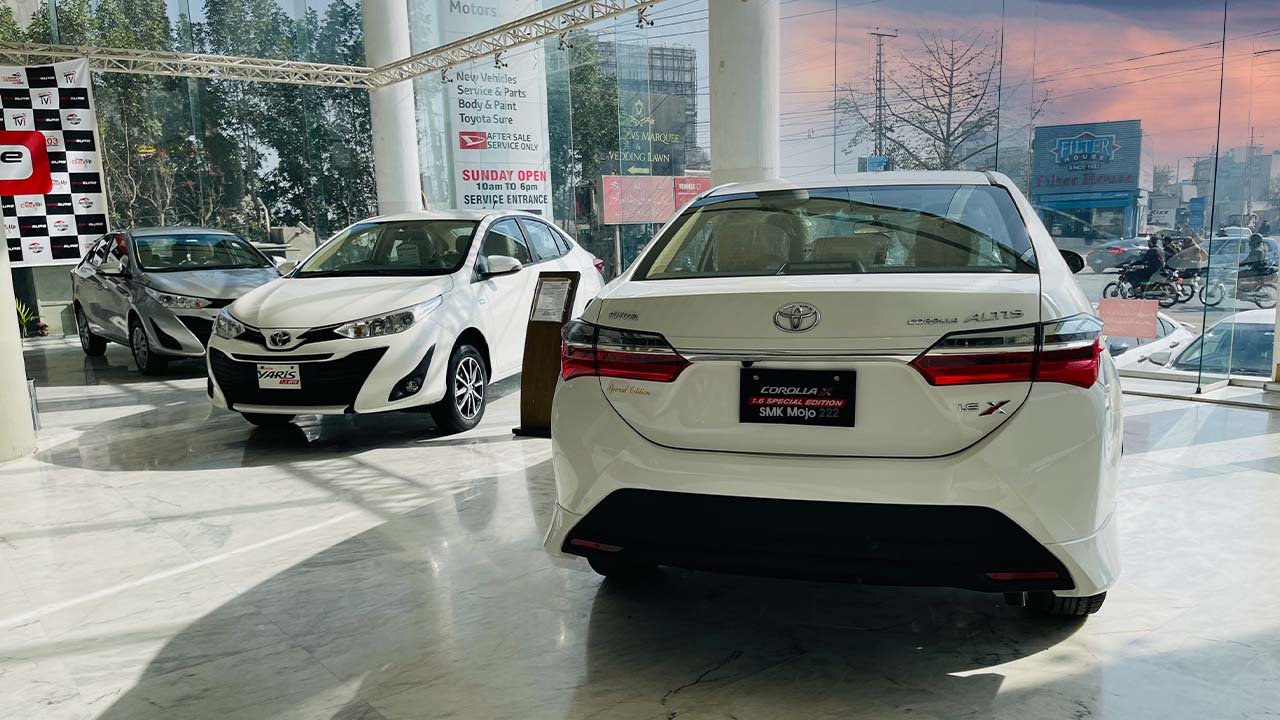
    In October, auto loans faced a decline for the 16th consecutive month due to high interest rates and inflation, as per data released by the State Bank of Pakistan (SBP).

    According to the SBP, auto loans witnessed a year-on-year drop of 23.5 per cent, amounting to Rs264 billion, and a month-on-month decrease of 3 per cent, down from Rs272 billion in September.

    While auto loans had peaked at Rs368 billion in June 2022, a subsequent decrease of Rs104 billion, or 28 per cent, occurred. This decline followed the SBP’s implementation of tighter monetary policies to address inflation and external imbalances.

    Financial analysts attribute this trend to the SBP’s measures, including elevated interest rates and the rupee’s significant depreciation against the dollar.

    These factors have led to increased costs in car financing and higher car prices, rendering them unaffordable for many consumers. The surge in inflation has further diminished consumer purchasing power.

    An analyst stated, “The auto sector bears the brunt of high interest rates and currency devaluation, rendering car financing and prices prohibitively expensive.”

    Despite recent price reductions by some car manufacturers, the anticipated boost in demand has not materialized. Consumers continue to grapple with high inflation and limited disposable income.

    Data from the Pakistan Automotive Manufacturers Association (PAMA) reveals a 44 per cent decline in car sales, totaling 27,163 units in the first four months of the current fiscal year, commencing in July.

    The SBP has aggressively increased its policy rate by a cumulative 15 percentage points to 22 per cent since September 2021, marking one of the world’s highest rates.

    Speculation suggests that the SBP will initiate a monetary policy easing in the first half of 2024, anticipating a relief in inflationary pressures and an improvement in foreign inflows to enhance the country’s external position.

    SBP data indicates a 0.8 per cent decrease in bank loans to the private sector, amounting to Rs8.10 trillion in October.

    Consumer loans, including an 8 per cent drop to Rs829 billion, witnessed personal loans declining by 4 per cent to Rs246 billion and housing loans falling by 2.7 per cent to Rs207 billion.

    Analysts predict an upswing in credit to the private sector in the coming months, as decreasing interest rates, fiscal consolidation, reducing crowding out, and improved foreign inflows are expected to alleviate liquidity constraints.
  • Currency crisis alert: Pakistani rupee could drop to Rs350 against dollar without IMF assistance

    Currency crisis alert: Pakistani rupee could drop to Rs350 against dollar without IMF assistance

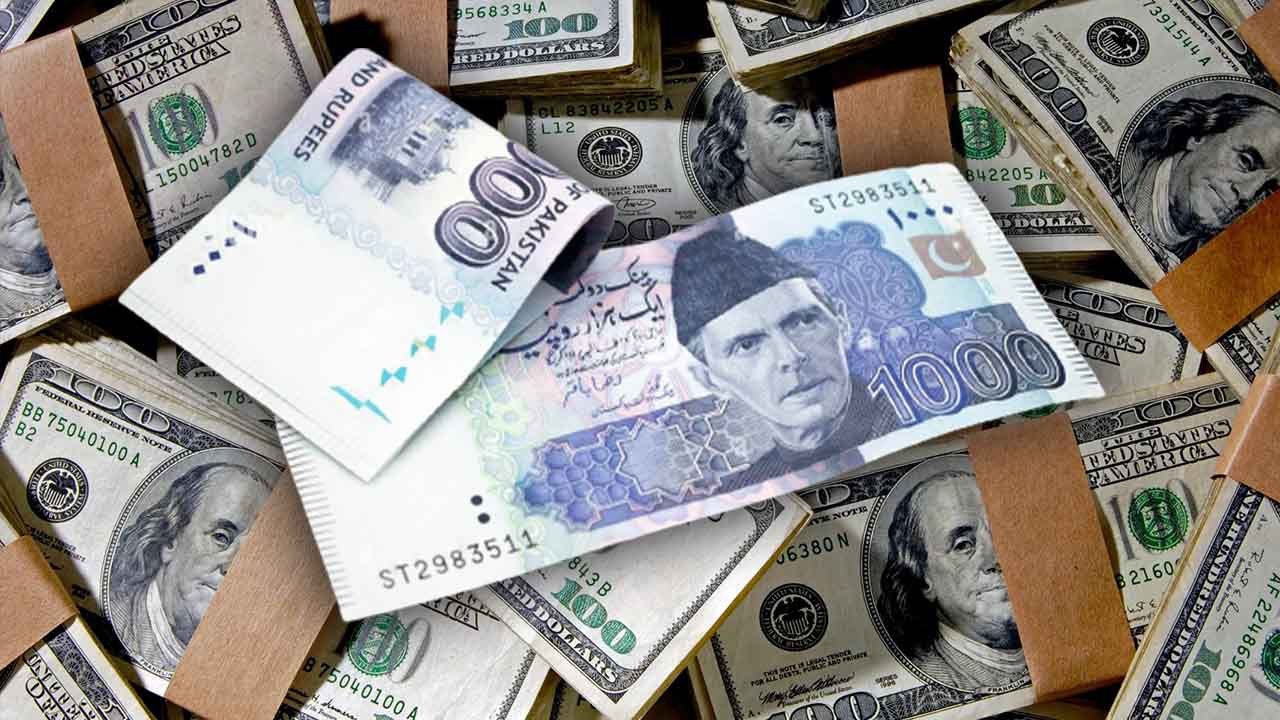
    The Pakistani rupee is poised to face a significant downfall, with expectations that it may plummet to as low as Rs350 against the US dollar. This alarming projection has raised concerns among stakeholders, as the weakening currency is anticipated to have far-reaching implications, particularly in terms of inflationary pressures that will disproportionately affect the lower and middle classes.

    According to Geo, the steep devaluation of the rupee, which has already lost approximately 20 per cent of its value this year, positions it among the worst-performing currencies worldwide.

    Experts, including economists Ankur Shukla and Abhishek Gupta, attribute this weakness to a range of factors. Capital flight from Pakistan is intensifying due to the growing apprehension that the International Monetary Fund (IMF) may not provide the much-needed bailout required to prevent a fiscal default in the upcoming fiscal year commencing in July.

    The delay in receiving aid, which has been stalled since November, is suspected to be linked to political unrest, further exacerbating the rupee’s decline. The country’s leadership has been plagued by instability since the removal of Imran Khan, Chairman of Pakistan Tehreek-e-Insaf (PTI), through a no-confidence motion vote in April last year.

    Khan’s recent arrest has heightened tensions between him, the government, and the military. Following his imprisonment, the rupee experienced a sharp drop to a record low of 299 per dollar, only to partially recover and stabilize at 285 after his release.

    Multiple experts are warning of an imminent massive drop in the rupee, with some analysts even foreseeing a further 20 per cent depreciation. The currency’s future trajectory heavily depends on the ongoing clashes between Khan and the government, as well as the IMF’s decision regarding financial assistance.

    Adil Ghaffar, CEO at Premier Financial Services Pvt in Karachi, concurs, stating that failure to secure the loan could lead to a slump in the rupee’s value to Rs350 per dollar in June. Market sentiment remains precarious, and economists such as Farooq Pasha highlight the persistent uncertainty surrounding the rupee’s path.

    In the near term, politics will continue to pose a key risk until the elections. The bond market has also been adversely affected, with bond investors growing increasingly nervous as the spread between Pakistan’s dollar bonds and US Treasuries reached a record high of over 35 per cent this month.

    With the looming prospect of the rupee’s significant decline, the economic landscape of Pakistan hangs in a precarious balance.