Tag: Currency Stability

  • Economic Survey FY24: Pakistan sees economic progress with reduced deficit, stable rupee

    Economic Survey FY24: Pakistan sees economic progress with reduced deficit, stable rupee

    Federal Minister for Finance and Revenue, Senator Muhammad Aurangzeb, announced significant strides in Pakistan’s economic landscape despite numerous challenges.

    Addressing a press conference at the launch of the Economic Survey of Pakistan 2023-24, the minister highlighted a 30 per cent increase in revenue collection, a reduced current account deficit, lower inflation rates, and a stabilised currency.

    Senator Aurangzeb emphasised the remarkable economic turnaround from a previously precarious situation marked by a 0.2 per cent GDP contraction, a 29 per cent rupee depreciation, and dwindling foreign exchange reserves that had dropped to merely two weeks’ worth of import cover.

    He acknowledged the difficulties faced by the large-scale manufacturing sector, primarily due to high-interest rates and energy issues, but noted that the agriculture sector had provided a much-needed boost with bumper crops.

    “The agriculture, dairy, and livestock sectors are poised to remain key drivers of growth in the coming years,” Aurangzeb stated.

    Reflecting on the economic journey of the current fiscal year, Aurangzeb credited Prime Minister Shehbaz Sharif’s leadership and the pivotal decision to engage with the International Monetary Fund (IMF). The signing of a nine-month Standby Agreement with the IMF, he said, was crucial for the country’s progress and economic stability.

    “The decision to approach the IMF has been fruitful, restoring confidence in Pakistan’s economy,” Aurangzeb noted. He underscored the successful conclusion of the IMF’s Stand-By Arrangement (SBA) as evidence of Pakistan’s commitment to economic discipline, which had been acknowledged by the IMF.

    Looking ahead, Aurangzeb mentioned ongoing productive and constructive dialogues with the IMF, focusing on Pakistan’s reform agenda. “This is Pakistan’s program, supported and funded by the IMF,” he said, detailing areas such as tax revenue enhancement, energy sector improvements, power sector reforms, and the privatisation of state-owned enterprises.

    The minister highlighted the dramatic reduction in the Current Account Deficit (CAD) from an estimated $6 billion to just $200 million. He also noted that Pakistan had experienced a current account surplus for three consecutive months, with remittances reaching $3.2 billion in May.

    He attributed the currency’s stabilisation and the decrease in inflation to a series of administrative measures by the caretaker government, including crackdowns on illegal financial activities like Hundi-Hawala, smuggling, and regulating transit trade to Afghanistan.

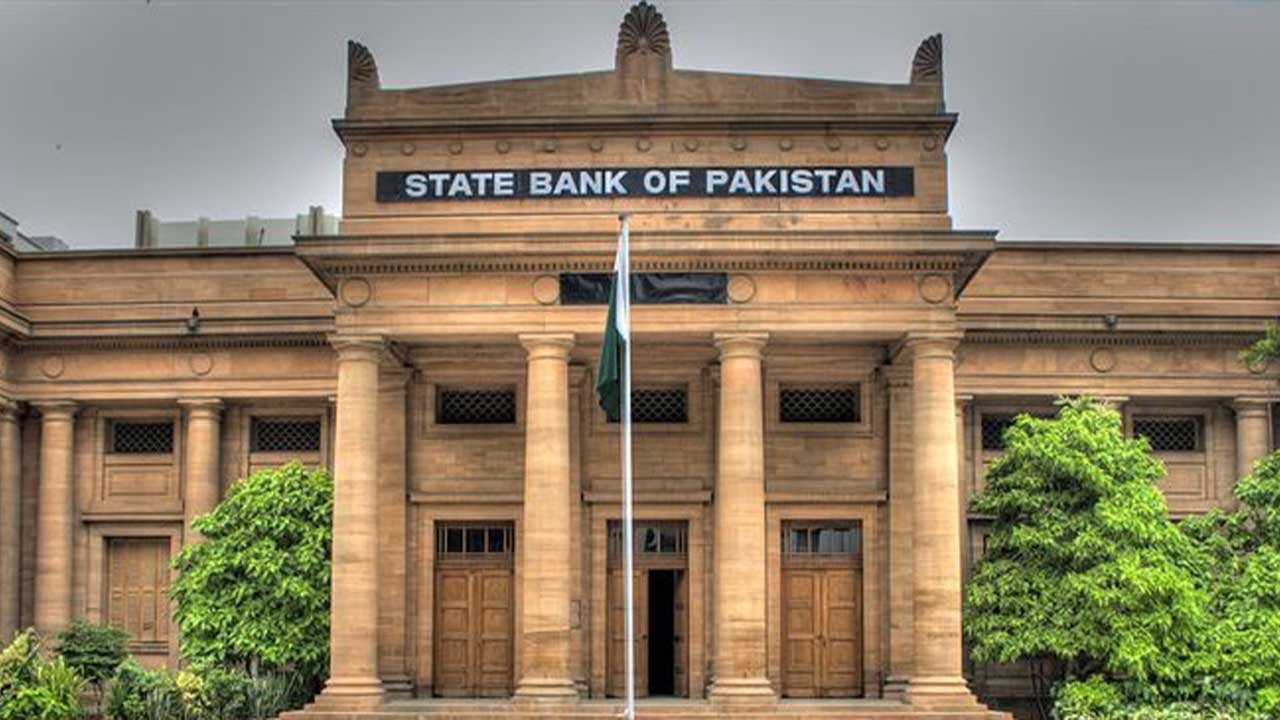
    Additionally, interventions by the State Bank of Pakistan had curbed market speculation, further contributing to the currency’s stability.

    Senator Aurangzeb concluded on an optimistic note, expressing confidence in the ongoing positive dialogue with the IMF and reaffirming the government’s commitment to achieving Pakistan’s economic goals.
  • Govt may cut petrol price by more than Rs10 per litre

    Govt may cut petrol price by more than Rs10 per litre

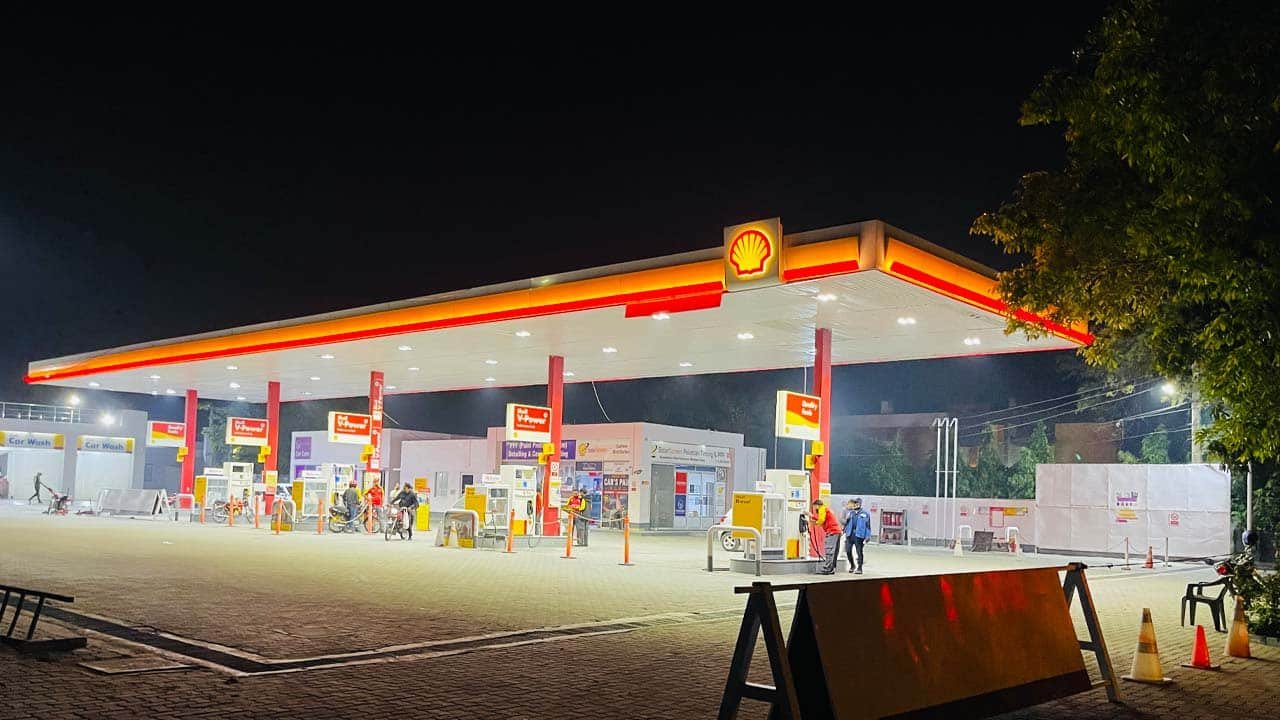
    The government is poised to provide significant relief by potentially reducing petrol and diesel prices by Rs13 and Rs15 per litre, respectively, in the upcoming fortnightly pricing update.

    This anticipated reduction is attributed to a noteworthy downturn in international petroleum and diesel prices over the past fortnight.

    The stability of the local currency at a weighted average of approximately PKR 284.33 per USD further contributes to this potential relief. 

    Current estimates as of December 2008 reveal a global decline in petrol and diesel prices by 5.44 per cent and 5.6 per cent, reaching $94.95 and $100.05 per barrel, respectively.

    As the next pricing update is still a week away, the future trajectory of these prices hinges on global market movements and exchange rate fluctuations. 

    Notably, in the preceding fortnight, the government maintained the petrol price at Rs281.34 while reducing the HSD price by Rs7 to Rs289.71 per litre.

  • State Bank of Pakistan’s forex reserves decline to $7.02 billion amidst debt repayments 

    State Bank of Pakistan’s forex reserves decline to $7.02 billion amidst debt repayments 

    During the week ending December 1, 2023, the State Bank of Pakistan (SBP) witnessed a decline of $237 million in its foreign exchange reserves, bringing the total to $7,020.2 million. This reduction is attributed to debt repayments.  

    As of the same date, the country’s overall liquid foreign reserves amounted to $12.1 billion. Commercial banks held net foreign reserves totaling $5.08 billion. 

    Notably, the central bank’s reserves received a boost in July of the current year when Pakistan secured the initial tranche of approximately $1.2 billion from the International Monetary Fund (IMF).  

    This was part of a newly approved $3 billion stand-by arrangement (SBA). Additionally, inflows were received from Saudi Arabia and the UAE. 

    Despite these positive developments, the SBP’s reserves have been under pressure due to ongoing debt repayments, increased import payments following eased restrictions, and a lack of new inflows. 

    In a significant development, the IMF announced last month that a staff-level agreement (SLA) had been reached between its team and Pakistani authorities regarding the first review of the SBA.  

    However, the approval of the IMF Executive Board is required for this agreement to take effect. 

    Upon approval, approximately $700 million (SDR 528 million) will become available, bringing the total disbursements under the programme to almost $1.9 billion. 

    Addressing the media after the SLA with the IMF, Caretaker Finance Minister Dr Shamshad Akhtar expressed confidence that external financing would not be a concern.  

    The government anticipates inflows in December 2023, which are expected to contribute to an increase in foreign exchange reserves. 

  • Toyota car prices reduced by up to Rs1.3 million in Pakistan

    Toyota car prices reduced by up to Rs1.3 million in Pakistan

    Indus Motor Company, the leading assembler of Toyota-brand vehicles in Pakistan, has made a significant move to benefit its customers. 

    In a recent announcement sent to its dealers on Tuesday, the company revealed a substantial reduction in car prices, effective October 24. This decision was prompted by the recent strengthening of the Pakistani rupee against the US dollar.

    Following this development, the basic Yaris model 1.3MT LO is now more affordable, with a price decrease of Rs100,000, or 2.2 per cent, bringing its new price to Rs4.399 million. 

    Similarly, the top variant, 1.5 CVT Aero, will now be available at Rs5.849 million after a reduction of Rs120,000. 

    The Toyota Corolla’s variant prices have been reduced between Rs200,000 and Rs250,000. Furthermore, Toyota’s pickup Revotrucks are now more budget-friendly, with price reductions ranging from Rs450,000 to Rs790,000.

    One of the most notable changes is seen in the Fortuner G4x2 Petrol STD, which will now be priced at Rs14.499 million after a substantial reduction of Rs1.31 million, or 8.3 per cent.

    This price adjustment follows the footsteps of other major players in the industry, including MG Motors and Lucky Motor Corporation (LMC), both of which have also announced price reductions for their vehicles.

    The automobile sector in Pakistan has faced challenges recently, mainly due to fluctuating exchange rates and restrictions on imports. 

    The rupee experienced a significant depreciation against the dollar, reaching a record low of Rs307.1 on September 5. 

    However, it has since recovered, stabilising around the Rs279–280 level. This positive trend aligns with the efforts of the caretaker government, which took measures against smugglers and hoarders, contributing to the currency’s recovery.

    Apart from currency fluctuations, the auto sector was affected by previous government policies, including import restrictions aimed at preserving foreign exchange reserves. 

    Additionally, higher finance costs and a considerable rise in car prices led to a decrease in consumer demand. In the first quarter of FY24, car sales in Pakistan plummeted to 20,983 units, marking a 40 per cent decline compared to the same period the previous year.

    Here are the latest prices of all Toyota cars in Pakistan:

    Car Model Variant Old Price (Rs.) New Price (Rs.) Price Reduction (Rs.)
    Yaris 1.3 MT LO 4,499,000 4,399,000 100,000
      1.3 CVT LO 4,789,000 4,689,000 100,000
      1.3 MT Hi 4,759,000 4,659,000 100,000
      1.3 CVT Hi 4,999,000 4,899,000 100,000
      1.3 CVT Aero 5,199,000 5,099,000 100,000
      1.5 MT 5,429,000 5,309,000 120,000
      1.5 CVT 5,769,000 5,649,000 120,000
      1.5 CVT Aero 5,969,000 5,849,000 120,000
    Corolla 1.6 MT 6,169,000 5,969,000 200,000
      1.6 CVT 6,769,000 6,559,000 210,000
      1.6 CVT SR 7,429,000 7,189,000 240,000
      1.8 CVT 7,119,000 6,889,000 230,000
      1.8 CVT SR 7,759,000 7,509,000 250,000
      1.8 CVT SR BLK 7,799,000 7,549,000 250,000
    Hilux Revo E 11,439,000 11,039,000 400,000
      G 12,409,000 11,959,000 450,000
      G 13,019,000 12,549,000 470,000
      V AT 2.8 14,389,000 13,849,000 540,000
      V AT Rocco 15,179,000 14,419,000 760,000
      GR S 16,149,000 15,359,000 790,000
    Fortuner 2.7 G Petrol 15,809,000 14,499,000 1,310,000
      2.7 V Petrol 18,099,000 16,999,000 1,100,000
      2.8 Sigma 5 Diesel 19,079,000 17,999,000 1,080,000
      Legender Diesel 20,129,000 18,999,000 1,130,000
      GRS 21,089,000 19,899,000 1,190,000