Tag: currency

  • Sorry, there will be no new currency notes for you this Eid

    Sorry, there will be no new currency notes for you this Eid

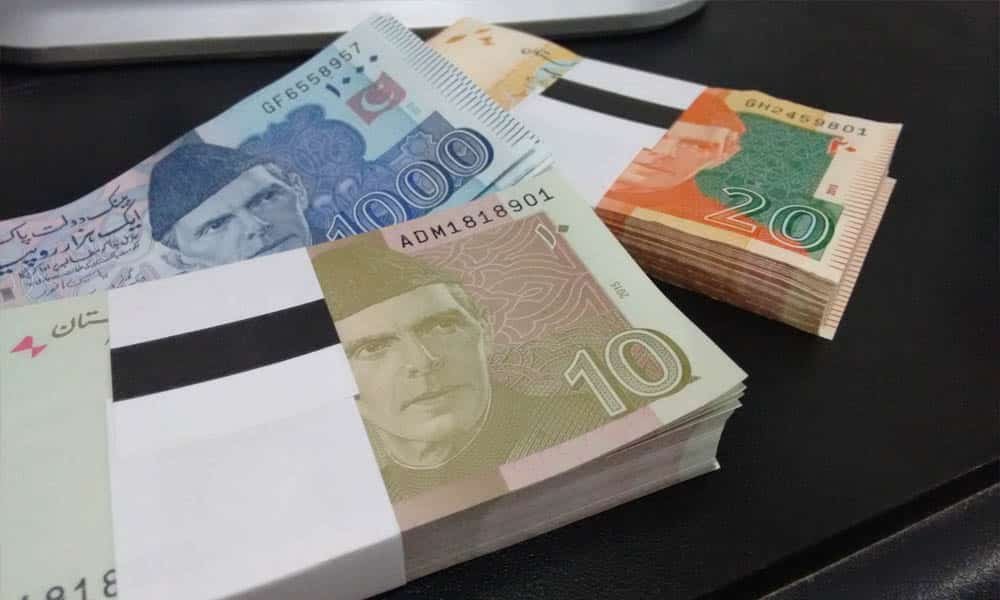
    We will sadly have to spend our Eid this year without getting any crispy brand-new rupee note as Eidi.

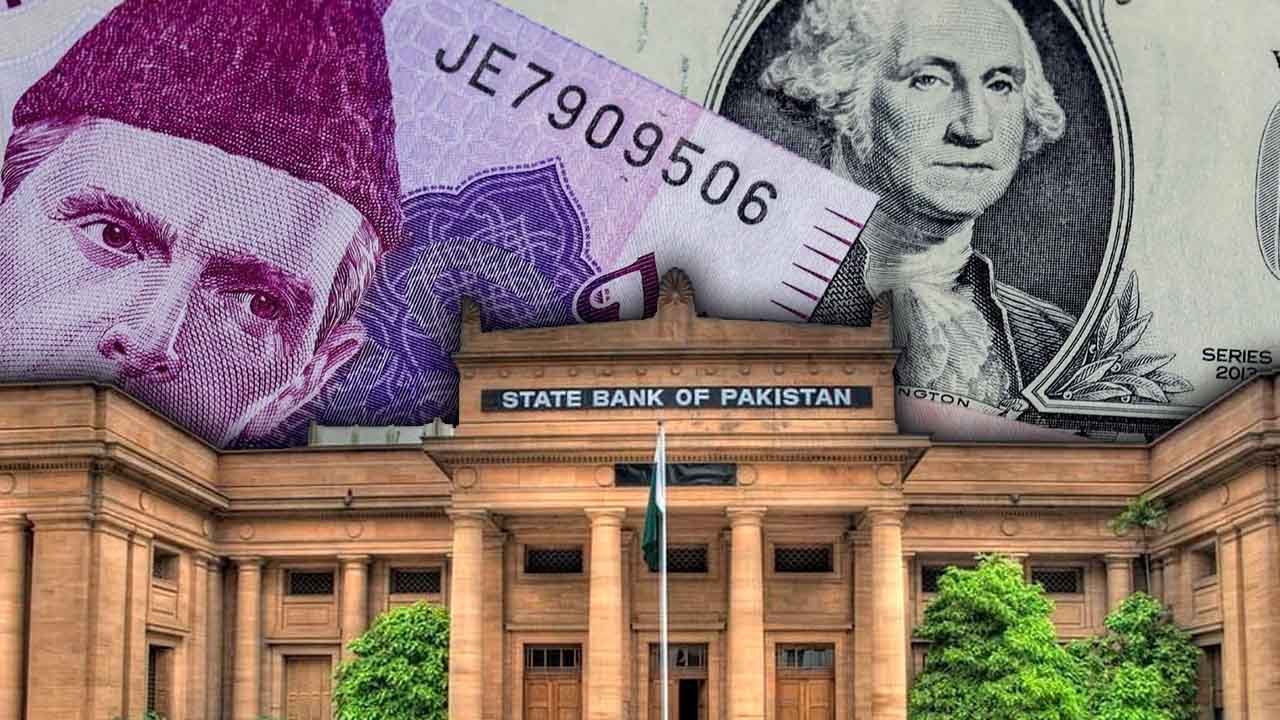
    The State Bank of Pakistan (SBP) on Thursday decided against issuing fresh currency notes on the eve of Eid-ul-Fitr.

    SBP spokesperson has confirmed that the bank will not issue new notes as the supply-demand gap was on the rise fueled by people’s possession of the notes. 

    Eid-ul-Fitr is expected to fall on April 22 this year. The federal government has announced that Eid holidays which will run from April 21 to April 25, thus making Friday, Saturday, Sunday, Monday and Tuesday gazetted holidays.

  • Gold price hits new record high of Rs218,300 per tola as Pakistani rupee crashes

    Gold price hits new record high of Rs218,300 per tola as Pakistani rupee crashes

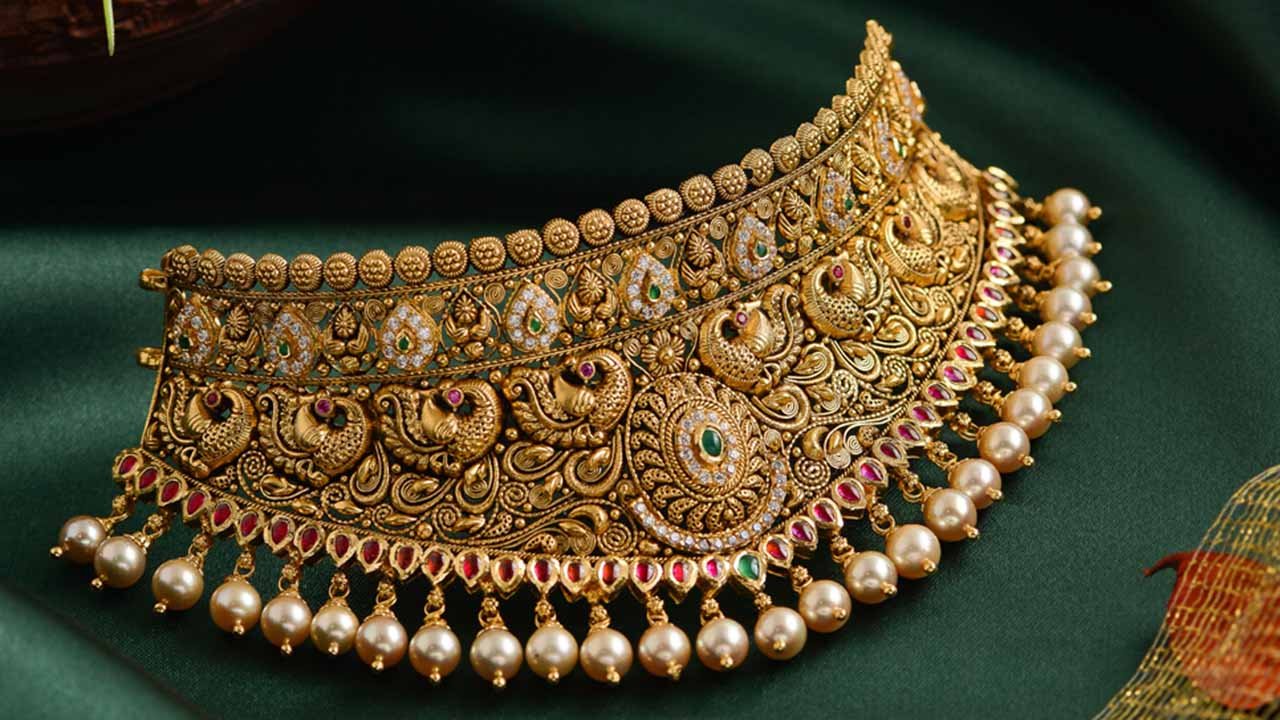
    The price of gold in Pakistan has surged to an all-time high, surpassing the Rs218,000 mark, as the country’s local currency slumped to a historic low against the US dollar. The All-Pakistan Sarafa Gems and Jewellers Association (APSGJA) has released data showing that the price of gold (24 carats) rose by Rs600 per tola and Rs514 per 10 grammes, settling at Rs218,300 and Rs187,157, respectively.

    The rise in the price of the yellow metal was in line with the movement of the rupee, which fell Rs1.34 or 0.46 per cent to Rs288.43 against the US dollar in the interbank market, and an increase in weekly inflation. Weekly inflation rose 0.92 per cent week-on-week and 44.49 per cent year-on-year during the seven-day period ending on April 6, as the prices of sugar and chicken surged due to Ramadan and likely hoarding.

    Gold is often seen as a hedge against inflation and its value increases as the purchasing power of the dollar declines, as well as due to seasonal demand during the holy month of Ramadan. During the week, investors’ attention shifted towards the precious metal as economic tensions continue to rise amid the International Monetary Fund (IMF) reviewing external financing commitments from friendly countries before it releases bailout funds. According to Geo, the delay in the revival of the programme has had a negative impact on the currency market, which in turn is bolstering demand for gold.

    The APSGJA also mentioned that the price of gold in Pakistan is Rs5,000 per tola “undercost” as compared to the Dubai market, indicating that the Pakistani gold market is currently cheaper than the global market.

    Meanwhile, silver prices in the domestic market have also surged to historic highs, with an increase of Rs40 per tola and Rs34.30 per 10 grams, settling at Rs2,520 and Rs2,160.5, respectively. In the international market, the price of gold dropped by $1 per ounce, settling at $2,001.

  • Pakistani rupee reverses marginal gains, closes at Rs281.61 against US dollar

    Pakistani rupee reverses marginal gains, closes at Rs281.61 against US dollar

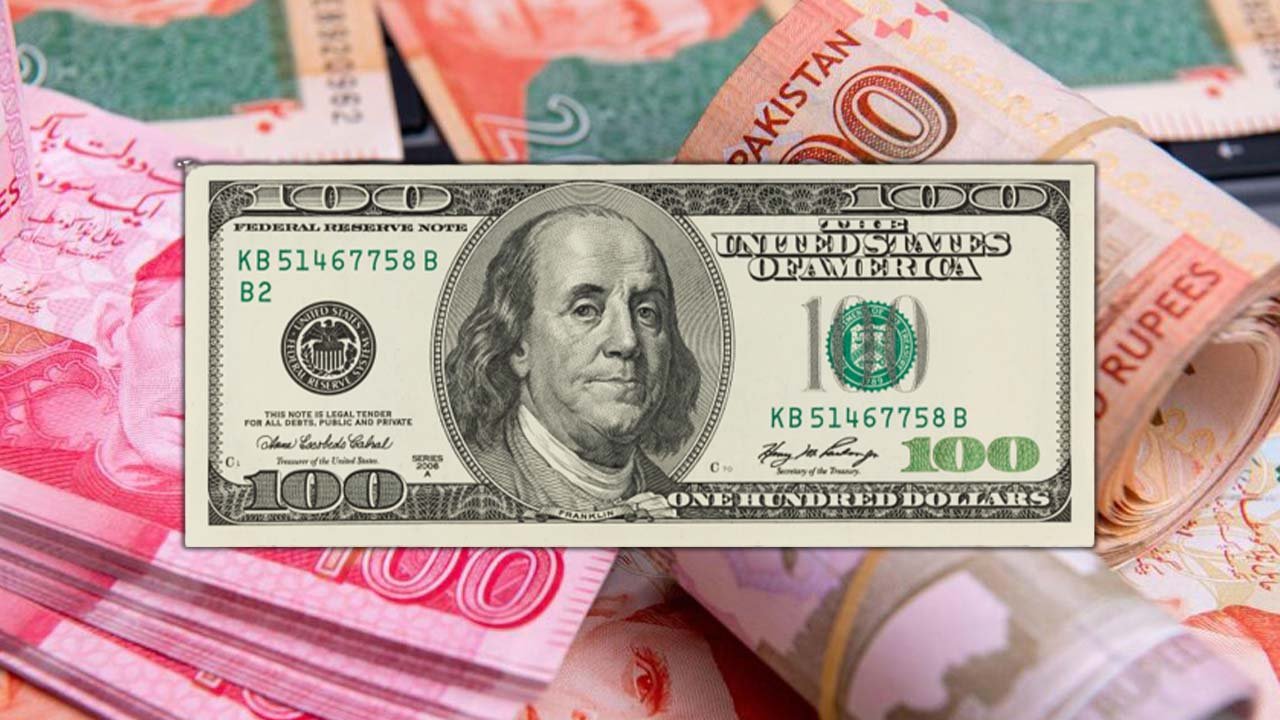
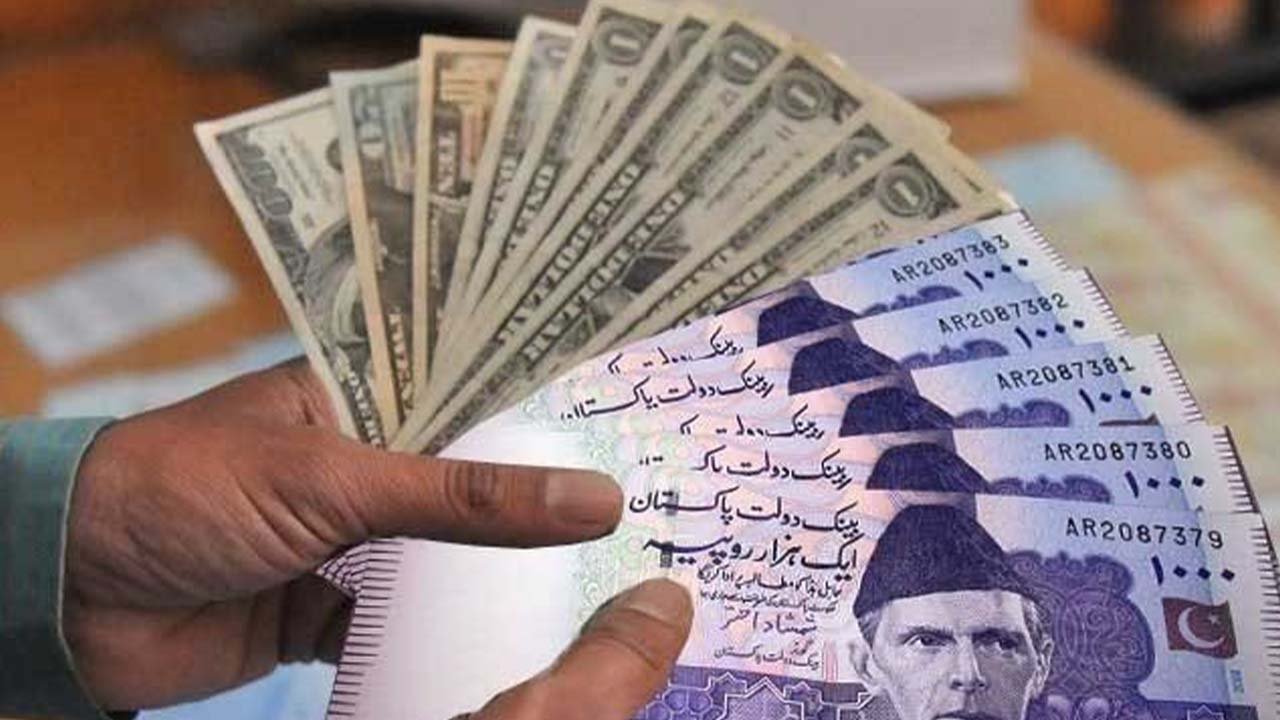
    On Monday, the Pakistani rupee faced renewed pressure against the US dollar, declining by 0.30 per cent in the inter-bank market after posting marginal gains on Friday. According to the State Bank of Pakistan (SBP), the rupee settled at Rs281.61, representing a decrease of Re0.84.

    Despite the rupee having found some relief on Friday with a 0.54 per cent appreciation in the inter-bank market, the currency had depreciated by 0.82 per cent against the US dollar during the previous week.

    The SBP has received inflows from China, which have provided support to critical levels of foreign exchange, but concerns over the delay in the International Monetary Fund (IMF) programme have continued to impact sentiment.

    Miftah Ismail, former Federal Finance Minister, suggested on Sunday that Pakistan should ensure 15 per cent tax on Gross Domestic Product (GDP) and 15 per cent exports to GDP in order to avoid the need for IMF programs.

    Internationally, the US dollar experienced a sharp decline on Monday due to the sudden collapse of Silicon Valley Bank (SIVB). The US government announced various measures on Monday to mitigate the impact of the bank’s collapse, including ensuring access to deposits for SVB customers and depositors of New York’s Signature Bank.

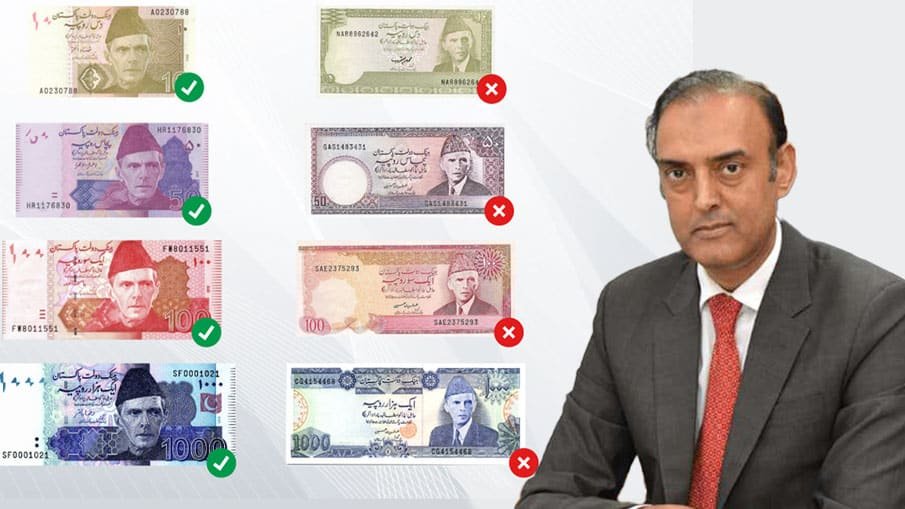
  • SBP to start issuing new banknotes with Governor Jameel Ahmad’s signature from today

    SBP to start issuing new banknotes with Governor Jameel Ahmad’s signature from today

    The State Bank of Pakistan (SBP) will start issuing new banknotes on December 29, 2022.

    The new SBP Banking Services Corporation banknotes will include the signature of the new governor, Jameel Ahmad.

    Banknotes containing the signatures of his predecessors will also remain legal tender.

    Earlier, the SBP stated that banknotes of the old design, large-sized banknotes with denominations of Rs10, Rs50, Rs100, and Rs1,000 could be exchanged from the SBP till December 31, 2022.

    The federal government extended the deadline for exchanging old designed large-size banknotes in Notification F.No.2(1)IF-III/2010 until December 23, 2021.

    In a statement, State Bank stated that December 31, 2022, was the “last and final deadline for exchange of such banknotes, upon expiry of which, these banknotes shall no longer be exchangeable from the counters of the SBP Banking Services Corporation (BSC) and thus will lose their value.”

  • New bank notes featuring His Majesty The King unveiled

    New bank notes featuring His Majesty The King unveiled

    The Bank of England has unveiled designs for new bank notes featuring His Majesty, King Charles III. The new notes are expected to enter circulation in the United Kingdom by mid-2024.

    Announcing the design for the first time in the run-up to the coronation in May, the UK central bank said the king’s portrait would appear on existing designs of all four of its polymer bank notes currently in circulation – £5, £10, £20 and £50.

    Queen Elizabeth was the first and only monarch to appear on circulating Bank of England banknotes, starting in 1960. Notes issued by Scottish and Northern Irish banks do not depict the monarch.

    King Charles will become only the second monarch in British history to feature on a bank note.

  • Pakistani rupee reverses losses against greenback

    Pakistani rupee reverses losses against greenback

    After strengthening against the US dollar on Monday, the Pakistani rupee started the new week positively.

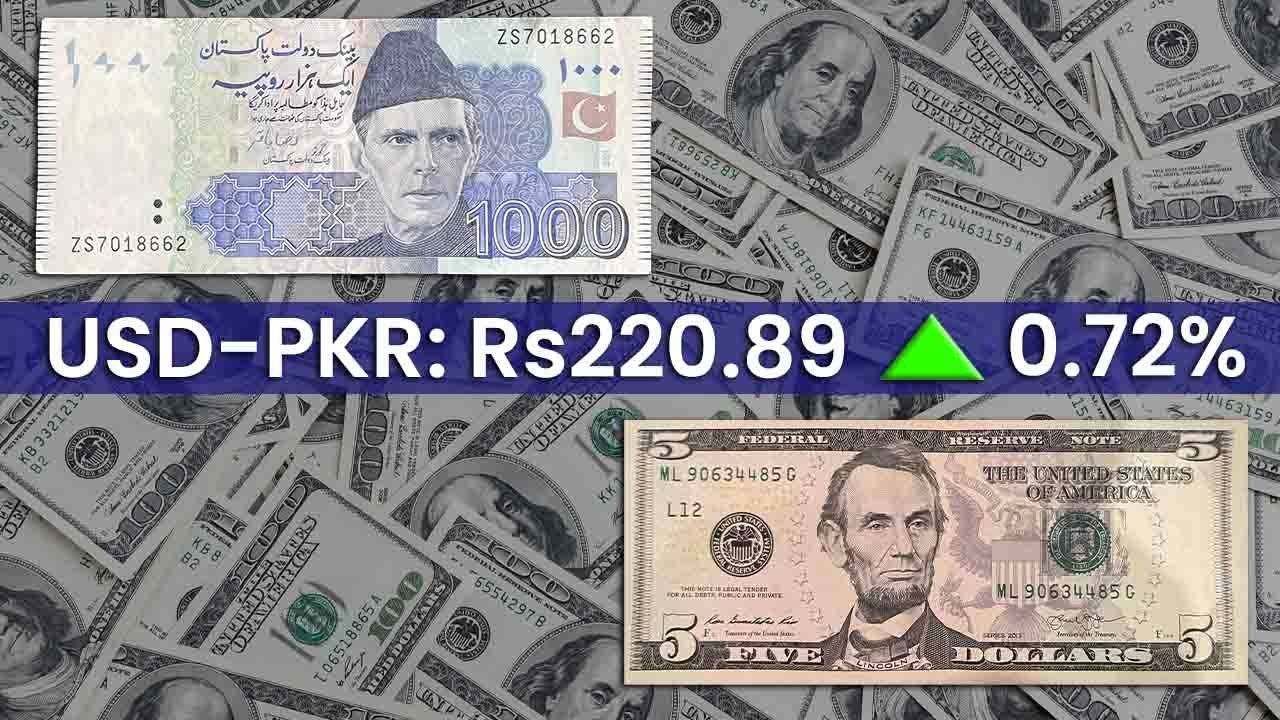
    Discussions between Finance Minister Ishaq Dar and State Bank of Pakistan (SBP) employees and currency traders had positive effects as the local currency increased by Rs1.59, or 0.72 per cent, versus the dollar.

    In the interbank market, the rupee was able to settle at Rs220.89, according to the SBP.

    The rupee last week dropped 0.93 per cent versus the dollar, trading at Rs222.47. Analysts predicted that this week will see range-bound trading in the local currency.

    Earlier, Ishaq Dar issued a warning last week saying that anyone detected manipulating the currency rate will face harsh punishment.

    Dar said that the rupee’s true worth in relation to the dollar is less than Rs200. He predicted that the rupee will soon strengthen against the dollar and gave a warning to those who were speculating in and hoarding foreign cash.

    Furthermore, the price of Brent oil fell by 0.65 per cent to $95.15 per barrel on Monday, while the price of US West Texas Intermediate (WTI) fell by 0.83 per cent to $87.17 per barrel. With advances of 7.7 per cent and 9.3 per cent so far in October, respectively, Brent and WTI are on course to post their first monthly gains since May.

    Europe, which is anticipated to experience a recession this winter, poses a threat to global oil consumption. The European Central Bank’s policymakers are also continuing with their plans to raise interest rates, despite the fact that doing so might plunge the region into recession and stoke political unrest.

  • 4th consecutive decline: PKR drops by 46 paisas to Rs218.89

    4th consecutive decline: PKR drops by 46 paisas to Rs218.89

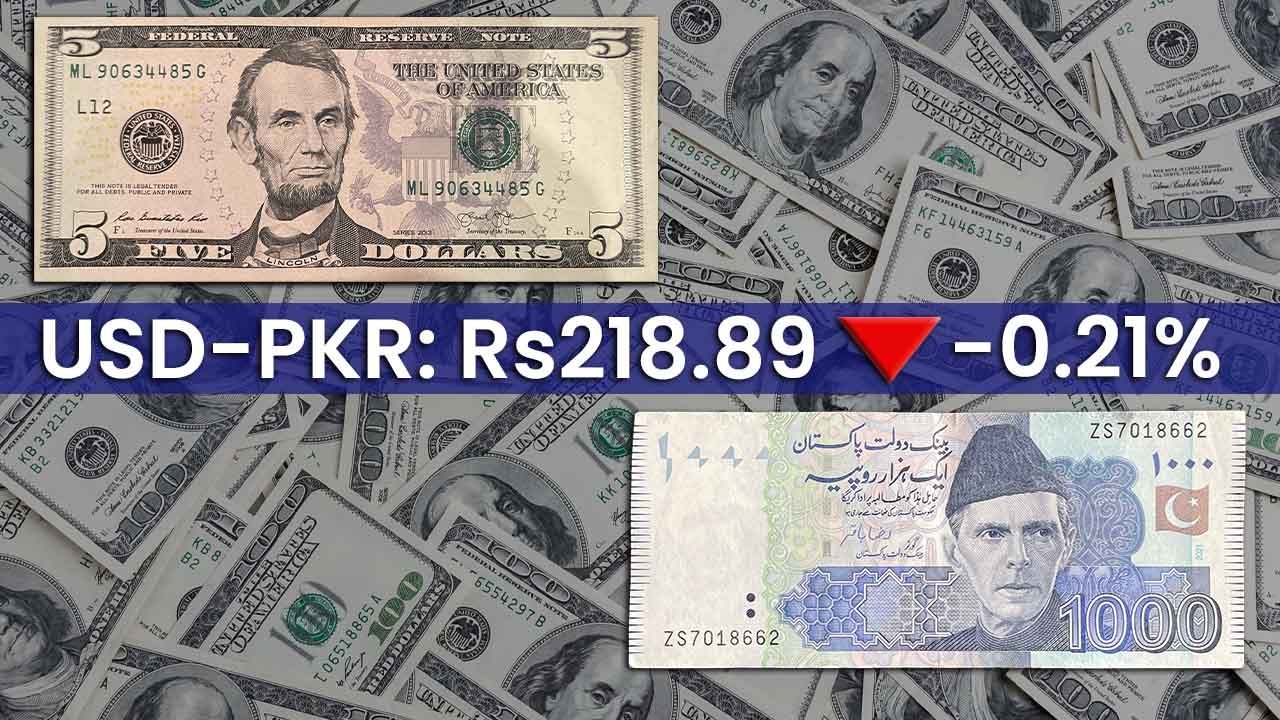
    The Pakistani Rupee (PKR) lost ground against the US Dollar (USD) today, reversing last week’s gains.

    The local unit fell 0.21 per cent against the US dollar today, closing at Rs218.89 after losing 46 paisas in the interbank market. During today’s open market session, the rupee hit an intraday low of Rs219.500 against the US dollar.

    When trade resumed against the greenback, the local unit was all red and opened trade at Rs219.00 in the open market. By midday, the dollar had risen to Rs219.25 against the rupee. After 2 pm, the local currency remained in the red and remained at Rs218 against the top foreign currency before the interbank close.

    Today was the fourth consecutive day that the rupee fell against the US dollar. Money changers are sceptical of a PKR recovery unless the government enacts stringent policies to combat the forex slowdown.

    According to one regular trader, the market is also reacting to Imran Khan’s Pakistan Tehreek-e-Insaf (PTI) winning six National Assembly seats in a by-election on Sunday, which was viewed as a direct contest between the former ruling party and the current ruling coalition.

    While the market watches for any changes in monetary policy, the local unit is expected to fall further against the dollar. The State Bank of Pakistan (SBP) has begun clearing importers’ letters of credit (LCs), but money changers say the process could be put on hold if another shortage hits the dollar aisle in the coming days.

  • Pakistani rupee continues to rise for 13th consecutive session

    Pakistani rupee continues to rise for 13th consecutive session

    The Pakistani rupee is strengthening versus the US dollar in the interbank market and increased by more than 0.4 per cent on Tuesday morning.

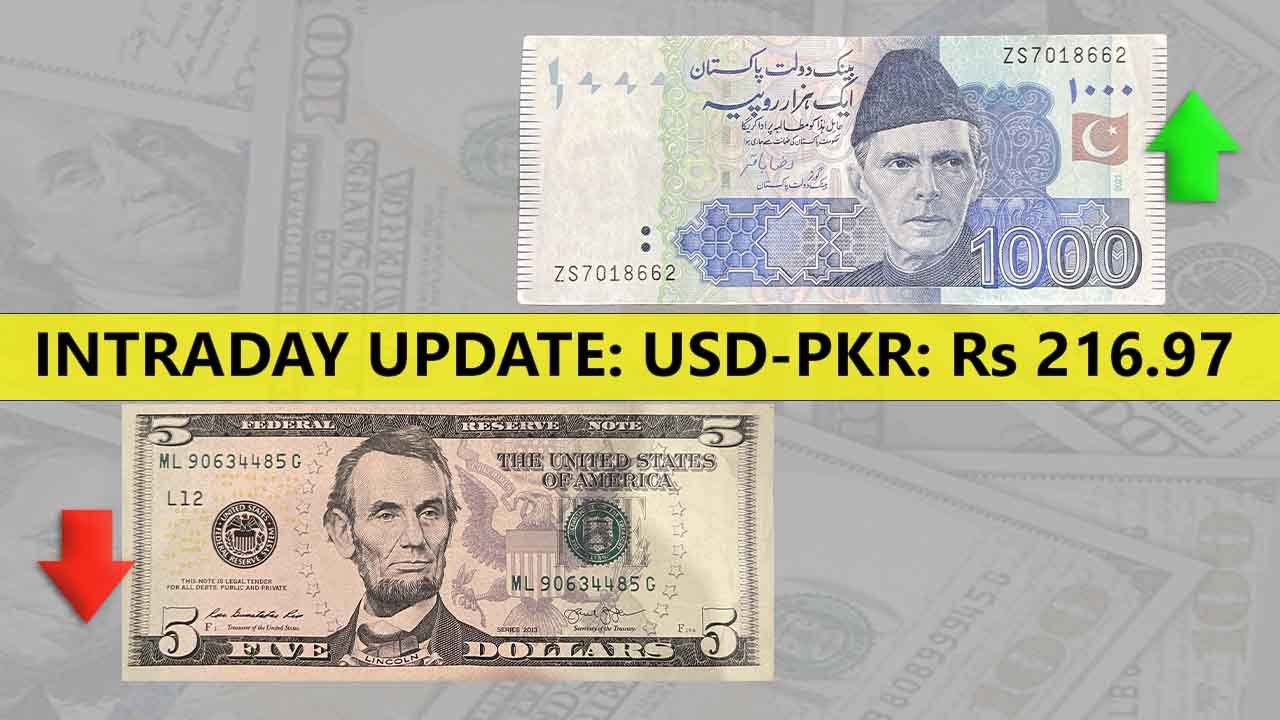
    During intra-day trading, the rupee was quoted at Rs216.97 at around 10:40 am, up Rs1 or 0.46 per cent against the US dollar.

    On Monday, the rupee continued its upward trend against the US dollar for the 12th straight session and appreciated Rs1.95 or 0.89 per cent to settle at Rs217.97.

    The Monetary Policy Committee (MPC) of the central bank maintained its benchmark policy rate at 15 per cent on Monday, which was a significant development.

    However, market observers attribute the rupee’s recent increase to the central bank and other authorities’ efforts to curb market speculation.

    According to Brecorder, the United Nations Development Programme issued a grim warning on Tuesday, stating that there was a debt problem that was rapidly worsening in a number of developing countries, including Pakistan.

    Without prompt assistance, the poverty rate in at least 54 countries would increase, according to UNDP, and “critical investments in climate adaptation and mitigation will not happen.”

    Sri Lanka, Pakistan, Tunisia, Chad, and Zambia are the nations most at risk right now, according to UNDP head economist George Gray Molina.

    In other countries, the dollar loomed big over precarious financial markets on Tuesday, worrying investors with concerns about rising interest rates, global growth, and geopolitical tensions.

    The 20-year high of Rs114.78 that it reached late last month was not far away; the US dollar index was up 0.053 per cent at Rs113.12 at the time.

    An increase in COVID-19 cases in China and a stronger US dollar contributed to Tuesday’s decline in oil prices, a major measure of currency parity, as they sparked worries about a faltering global economy.

  • 8 prominent banks under investigation for involvement in exchange rate manipulation: SBP

    8 prominent banks under investigation for involvement in exchange rate manipulation: SBP

    On Tuesday, Jameel Ahmad, the governor of the State Bank of Pakistan (SBP), told the National Assembly’s Standing Committee on Finance and Revenue that inquiries had been initiated against eight banks for their alleged involvement in exchange rate manipulation.

    According to Ahmad, the first part of the investigation focused on Bank Al Habib, Habib Bank Limited (HBL), National Bank of Pakistan (NBP), Meezan Bank Limited, United Bank Limited (UBL), Allied Bank Limited (ABL), and Standard Chartered. The name of eighth bank was not disclosed.

    He told the tribunal that ABL, NBP, and Standard Chartered had each received show-cause warnings. The governor continued by saying that in the following stage, the other banks will be looked into.

    The committee’s chairman, MNA Qaiser Ahmad Sheikh, gave SBP instructions to take the proper action against all banks and exchange firms implicated in the manipulation of the currency rate during today’s meeting.

    According to a news release from the National Assembly Secretariat, he requested that the central bank assess the severity of the violations by both parties and take the necessary action to ensure that nobody “has the audacity to play with the economy of the country.”

    According to Dawn, the committee believed that the banks made enormous profits during the recent volatility in the exchange rate and the differential between the interbank rate and the rate provided by exchange providers.

    Ahmad has told the committee that after the investigation is complete, anyone who violated the rules will be punished.

    Members of the Committee, the Secretary of Finance, the Chairman of the FBR, the Governor of the State Bank, and other senior executives from the relevant agencies attended the meeting of the Committee.

    Prior to this, Dawn claimed that banks had quadrupled their purchases of US money and were using credit cards to move it outside as the government struggled to stop dollar withdrawals.

    In a media interview the next week, Finance Minister Ishaq Dar declared that manipulating the exchange rate would not be permitted.

    Dar stated that the rupee is now not in the proper position and added that he was aware of some speculators who were playing this game and advised them to quit right away.