Tag: data

  • Meta shouldn’t force users to pay for data protection: EU watchdog

    Meta shouldn’t force users to pay for data protection: EU watchdog

    Brussels, Belgium – Facebook owner Meta and other online platforms must not force users to pay for the right to data protection enshrined in EU law when offering ad-free subscriptions, the European data regulator said Wednesday.

    “Online platforms should give users a real choice when employing ‘consent or pay’ models,” the European Data Protection Board (EDPB) chair Anu Talus said in a statement.

    “The models we have today usually require individuals to either give away all their data or to pay,” she said. “As a result, most users consent to the processing in order to use a service, and they do not understand the full implications of their choices.”

    Meta in November launched a “pay or consent” system allowing users to withhold use of their data for ad targeting in exchange for a monthly fee — a model that has faced several challenges from privacy and consumer advocates.

    Meta has long profited from selling user data to advertisers but this business model has led to multiple battles with EU regulators over data privacy.

    The latest announcement came after the data protection authorities of The Netherlands, Norway and the German state of Hamburg went to the EDPB for an opinion regarding the pay-or-consent model used by Meta.

    The Silicon Valley company allows users of Instagram and Facebook in Europe to pay between 10 and 13 euros (around $11 and $14) a month to opt out of data sharing.

    Meta pointed to an EU court ruling last year that it said opened the way for subscriptions as a “legally valid” option. “Today’s EDPB opinion does not alter that judgment and subscription for no ads complies with EU laws,” a Meta spokesperson said.

    Meta is waiting for a decision on its model by the data privacy regulator in Ireland where the company is headquartered.

    ‘Binary choice’

    All digital platforms must comply with the European Union’s mammoth general data protection regulation (GDPR), which has been at the root of EU court cases against Meta.

    The EDPB in its opinion argued that Meta’s model was at odds with the GDPR’s requirement that consent for data use must be freely given.

    “In most cases, it will not be possible for large online platforms to comply with the requirements for valid consent if they confront users only with a binary choice between consenting to processing of personal data for behavioural advertising purposes and paying a fee,” the opinion read.

    The EDPB also warned the type of subscription service put forward by Meta “should not be the default way forward” for platforms.

    It suggested that platforms should consider an alternative that would give users the right to reject being tracked for advertising purposes without the need to pay.

    Privacy defenders welcomed the opinion.

    “Overall, Meta is out of options in the EU. It must now give users a genuine yes/no option for personalised advertising,” said prominent online privacy activist Max Schrems.

    “We know that ‘Pay or Okay’ shifts consent rates from about three percent to more than 99 percent — so it is as far from ‘freely given’ consent as North Korea is from a democracy,” said Schrems.

    Tech lobby group CCIA however warned the EDPB risked “opening a Pandora’s Box”.

    “Forcing businesses to offer services at a loss is unprecedented and sends the wrong signals,” said CCIA Europe’s senior policy manager, Claudia Canelles Quaroni.

    “All companies should be able to offer paid-for versions of their services.”

    raz/gv

    © Agence France-Presse
  • Netherlands fines Uber over data protection

    Netherlands fines Uber over data protection

    Dutch regulators said Wednesday they are imposing a 10 million euro ($10.8 million) fine on ride-hailing app Uber for lack of transparency in how it treats the personal data of its drivers.

    The Dutch Data Protection Authority said it imposed the fine after a group of 170 French drivers complained to a French human rights organisation.

    The complaint was handled in the Netherlands because it is where Uber has it European headquarters.

    “The DPA found that Uber had made it unnecessarily complicated for drivers to submit requests to view or receive copies of their personal data,” the authority said in a statement.

    DPA said the process for drivers to request access to their data “was located deep within the app and spread across various menus.”

    “In addition, they did not specify in their privacy terms and conditions how long Uber retains its drivers’ personal data or which specific security measures it takes when sending this information to entities in countries outside the European Economic Area,” it said.

    Uber has taken steps to improve the situation and has appealed the decision, the statement said.

  • Pakistan’s forex reserves witness a dip of $127 million

    Pakistan’s forex reserves witness a dip of $127 million

    In a recent report, it was revealed that the foreign exchange reserves held by the State Bank of Pakistan (SBP) experienced a decline of $127 million during the week ending January 12, settling at $8.03 billion.

    The country’s total liquid foreign reserves, including those held by commercial banks, amounted to $13.15 billion. Specifically, commercial banks held net foreign reserves of $5.12 billion.

    The SBP attributed the reduction in reserves to debt repayments, stating, “During the week ending on January 12, 2024, the SBP’s reserves decreased by US$ 127 million to US$ 8,027.4 million due to debt repayments.”

    Notably, the previous week had also seen a decrease in Pakistan’s central bank reserves, amounting to $66 million.

    In a significant development, Pakistan received a tranche of $705.6 million from the International Monetary Fund (IMF), as confirmed in a statement by the SBP on Wednesday.

    The central bank stated, “The SBP has received SDR 528 million (equivalent to $705.6 million) on January 16, 2024, from the IMF following the successful completion of the first review by the Executive Board of the IMF under Standby Arrangement (SBA).”

    The impact of this disbursement will be reflected in the central bank reserves for the week ending January 19.

  • Unregistered sims are being used by fraudsters, terrorists

    Unregistered sims are being used by fraudsters, terrorists

    Federal Investigation Agency (FIA) Cyber Crimes has submitted a report on the fraudulent acquisition of biometrics of mobile SIMs to the Ministry of Home Affairs.

    As restrictions have tightened, counterfeiters have also invented new methods, according to the FIA report, including the use of fake thumbprints for SIM registration.

    According to the report, more than 80,000 SIMs registered on silicon thumbs were reported in four years. Fraudsters are said to obtain fingerprints by luring people into registering for voter lists or for obtaining cheaper essential items etc. which are then imprinted on silicon thumbs and SIMs are consequently registered.

    According to the report, it has been revealed that unregistered SIMs are being used by terrorists. More than 3,500 SIMs obtained on fake registrations are active right now out of which 93 cases were registered over the past four years, 193 people were arrested, and 294 fake biometric devices were also used.

  • Inclusion of Afghans in fake family tree revealed in NADRA

    Inclusion of Afghans in fake family tree revealed in NADRA

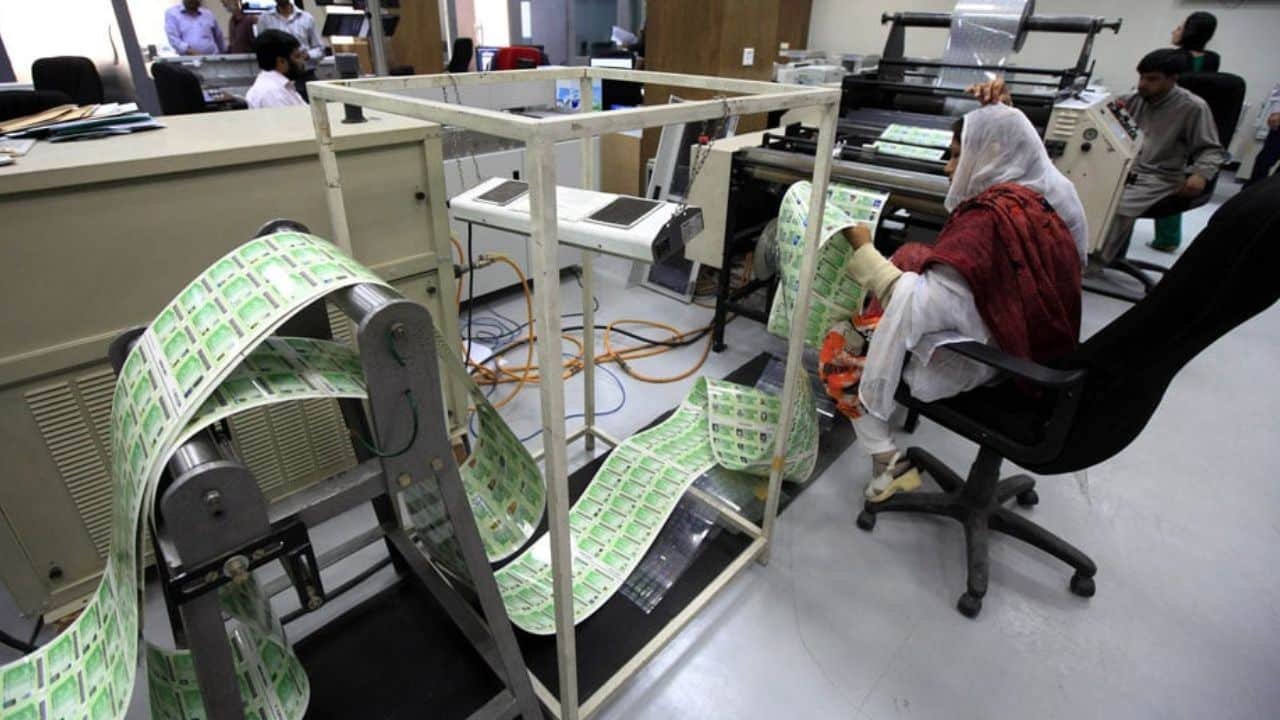
    National Database Registration Authority (NADRA) Chairman Lieutenant General Munir Afsarhas has revealed that the organisation’s own employees have been involved in the issuance of fake Computerised National Identity Cards (CNICs).

    As reported by The News, the chairman brought the matter to light on Wednesday during an address to the Senate Committee as other related concerns were raised regarding fake CNICs, citizens’ family data in the black market, and issuance of multiple SIMS on a single CNIC and its use in illegal activities.

    He highlighted Afghans had been included in fake family trees and that officials kept tampering with fake documents, without fingerprint or photo records due to which actions were taken against the officials.

    Chairman NADRA, however, said that NADRA has established a transparent and firm system to prevent fake identity cards.

    He stated that NADRA had already taken action against the employees who resorted to illicit activities. While 84 officials have been suspended up until now, others have escaped “punishment due to the absence of a law dealing with the Privacy of Data Law”

    Senator Bahramand Khan Tangi, mover of the bill, brought the attention to The Criminal Law (Amendment) Bill, 2023, highlighting that the false accusations and “malicious criminal prosecution” is a grave concern.

    Through this Amendment bill, the period of punishment for the aforementioned offences is to be increased.

    And while the matter concerns provinces, the secretary of interior told the committee that a letter had been sent which is yet to be responded to.

  • ‘Anti-Muslim hate speech increases in India around elections’: Hindutva Watch

    ‘Anti-Muslim hate speech increases in India around elections’: Hindutva Watch

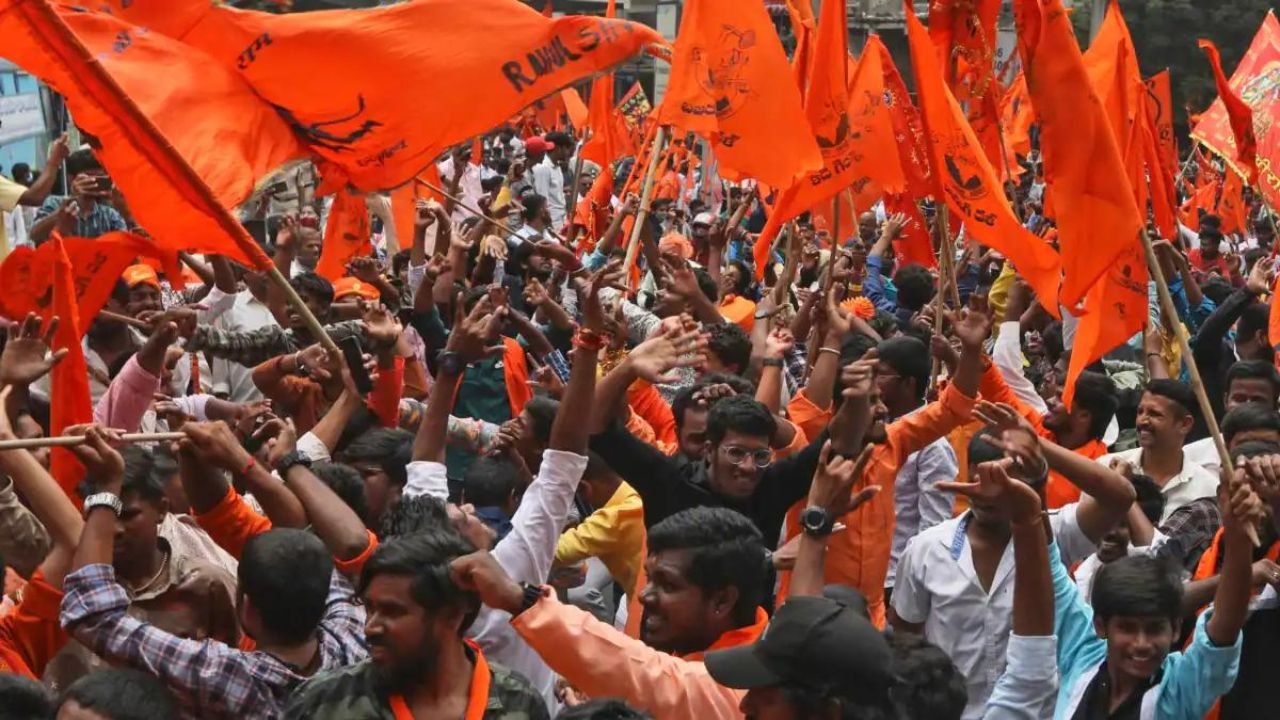
    A recent report on Hindutva Watch by Raqib Hameed Naik, Aarushi Srivastava and Abhyudaya Tayagi titled ‘2023 Half-Yearly Report: Anti-Muslim Hate Speech Events in India’ reveals that there have been 255 documented incidents of hate speech in gatherings targeting Muslims in the first half of 2023.

    The watchdog used the definition of hate speech by the United Nations which states, “any form of communication, whether oral, written, or behavioral, that employs prejudiced or discriminatory language towards an individual or group based on attributes such as religion, ethnicity, nationality, race, color, descent, gender, or other identity factors.” This definition includes all forms of expression, including speech, writing or behavior, and specifically focuses on any language that is either discriminatory (biased, bigoted, or intolerant) or “pejorative” (prejudiced, contemptuous or demeaning) of an individual or group.

    It also notes that overwhelmingly, 205 (80 per cent) of these hate speech events occurred in BJP-ruled states and union territories. Maharashtra, Karnataka, Madhya Pradesh, Rajasthan, and Gujarat witnessed the highest number of hate speech gatherings, with Maharashtra alone accounting for 29 per cent of such incidents.

    Strikingly, seven out of the top eight states with the highest hate speech events are governed by the BJP and its coalition partners. Around 52 per cent of hate speech gatherings in BJP-ruled states and union territories were orchestrated by entities affiliated with the Rashtriya Swayamsevak Sangh (RSS), including the Vishwa Hindu Parishad (VHP), the Bajrang Dal, the Sakal Hindu Samaj, and the Bharatiya Janata Party. Overall, 42 per cebt of all hate speech gatherings in 17 states which includes two centrally controlled territories were organized by groups affiliated with the RSS.

    The report finds that approximately 64 per cent of the events in BJP-ruled states and union territories incorporated references to popular Hindu far-right anti-Muslim conspiracy theories. Overall, 51 per cent of all the hate speech gatherings in 17 states which includes two centrally controlled territories featured anti-Muslim conspiracy theories.

    A concerning 33 per cent of all the gatherings explicitly called for violence against Muslims and about 11 per cent of events included explicit calls for Hindus to boycott Muslims. Disturbingly, 4 per cent of all the events featured hate-filled and sexist speeches explicitly targeting Muslim women.

    Nearly 12 per cent of events featured calls to arms. Notably, 33 per cent of hate speech events took place in states that have already conducted or are set to conduct state legislative elections in 2023. Furthermore, over 36 per cent of these events occurred in states slated to hold legislative elections in 2024. In total, nearly 70 per cent of these events were reported in states with legislative elections either in 2023 or 2024.

    Hindutva Watch tracks the activity of Hindu far-right organizations and their members on social media, scraping data from X (formerly known as Twitter), Facebook, Instagram, Youtube and Telegram to find verifiable videos of hate speech events. They also employ data scraping techniques to identify verifiable videos of hate speech events, followed by in-depth research conducted by a team of dedicated journalists and researchers. Additionally, they draw upon credible reporting from established news organizations to compile comprehensive data. To ensure the accuracy of their findings, they conduct verification processes, confirming the authenticity of the videos, their precise location, and the date on which they were recorded.

  • Pakistan imports tea worth Rs31.64 billion in just two months 

    Pakistan imports tea worth Rs31.64 billion in just two months 

    According to data from the Pakistan Bureau of Statistics (PBS), Pakistan’s imports of food items in the first two months of the fiscal year 2023–24 amounted to Rs378.98 billion. 

    The PBS data reveals that during this two-month period, Pakistan imported tea worth Rs31.64 billion, a notable increase from Rs20.23 billion during the corresponding period in the previous year.  

    Additionally, Pakistan imported palm oil valued at Rs158.7 billion and soybean oil worth Rs13.56 billion. 

    Furthermore, Pakistan imported pulses worth Rs48.25 billion and dry fruits valued at over Rs2 billion during the same two-month period. 

    It is worth noting that in July, the State Bank of Pakistan (SBP) lifted all import restrictions as part of its efforts to meet the conditions set by the International Monetary Fund (IMF). 

    Read more: Pakistani rupee gains value, now at Rs292.78 per US dollar 

    The central bank issued a circular to abolish these import restrictions and authorised banks to facilitate remittances to clear more than 6,000 containers. 

    The SBP clarified in the circular that remittances would be made available for all imports following the implementation of the latest order. 

  • Average 12 children sexually abused daily, new report says

    Average 12 children sexually abused daily, new report says

    Sahil, a non-profit organization working for the rights of children in Pakistan, has published a new report, “Six Months Cruel Numbers 2023”, revealing cases of sexual violence reported in the first half of 2023.

    A total of 2,227 children have been subjected to sexual violence from January to June this year alone. This means that on an average, 12 kids have suffered sexual violence every day in these months.

    The source for Sahil’s data are media reports; the actual number of cases might be higher considering all cases are not documented.
    1,207 of the cases are of girls — more than half, 54 percent. While 1,020 of the cases are of boys. In the same period in 2022, the number of girls encountering abuse was the same as 2023, while cases involving boys have risen.

    Age bracket:

    The most vulnerable to abuse are in the age group of 6-15 years, in which more boys than girls were victimised. This age bracket makes up 47 percent of the total cases recorded — 593 boys and 457 girls.

    Types of cases:

    Cases of abduction are still the most prevalent with 44 per cent, 13 per cent cases of sodomy, 10 per cent of cases of rape and nine per cent of cases of missing children were reported.

    53 cases of pornography have also been reported that are being tracked by the Federal Investigation Agency on the dark web. As per the report, 72 per cent of victims were boys and 28 per cent of victims were girls

    Abusers:

    2,531 abusers have been involved in child abuse in the first six months of 2023. In most cases, they were acquainted or related to the victims or their families.

    The abusers were acquaintances in 912 cases, strangers in 498 cases, and both in 215 cases.

    Location:

    According to the report, between January and June, the crime was committed at the “abuser’s place because the abusers trap innocent children and take them to their places”.

    However, in most cases, the place of abuse remained unknown with 31 per cent committed in the streets, 11 per cent at victims’ place, four per cent in fields, and two percent at places of worship.

    45 per cent cases were reported from rural areas and 55 per cent from urban areas.

    As per provincial breakdown, the highest number of cases, 74 per cent, were reported from Punjab, followed by 14 per cent from Sindh, seven per cent from Islamabad, three per cent from Khyber Pakhtunkhwa and two per cent from Balochistan, Azad Jammu and Kashmir and Gilgit Baltistan.

    88 per cent of all the cases were registered with police while 25 cases were either not filed or police refused to register them.

    Violence against children:

    Sahil also reveal that a total number of 963 cases of accident and/or violence were allegedly reported against the children among who 760 died: 268 drowned, 148 murdered, 144 accidents and 61 children committed suicide.

    Highest number reported were from Sindh with 483 cases followed by Punjab in second place with 233 cases.

  • X Blue users will have to send selfie, data to Israeli software company

    X Blue users will have to send selfie, data to Israeli software company

    PC Magazine has reported that X, previously known as Twitter, will soon require its Blue users to provide a selfie and a copy of a government-issued identification.

    This is a part of the verification process that will be handled by an Israeli company AU10TIX software which will store the provided information for up to 30 days.

    According to X, data collected from a user’s profile will be used “for the purpose of safety and security, including preventing impersonation”.

    X users have expressed their concerns with data collection due to previous instances of data breach. Others are unhappy about the software’s links with Israeli intelligence.

    Al-Jazeera reports that AU10TIX has helped create the identity verification systems for airports and border controls in the 1980s and 90s and then ventured into “digital spaces” in 2002 as the internet grew. The company now deals with renowned digital platforms like Uber, PayPal and Google.

    The purpose of the new verification process is to further strengthen security against impersonation and fraud.

    Previously, Musk imposed a subscription fee on verified Twitter users in November 2022. This was extended to accounts with a verified phone number and active subscription to an “eligible Twitter Blue plan”.

    This year, in April, Twitter removed legacy verification programmes as well as legacy verified checkmarks.
    This prompted a fear of impersonation and spreading of information.

    This was followed by gold and grey check marks indicating verified organization and government- affiliated accounts, respectively.

  • Here’s the list of illegal loan apps banned in Pakistan

    Here’s the list of illegal loan apps banned in Pakistan

    The Ministry of IT and Telecom of the government responded to numerous reports and took decisive action against illegal loan apps, resulting in the banning of over 40 such applications. The severity of the issue prompted the ministry to intervene and curb the proliferation of these apps.

    In a statement released on Monday, Federal Minister Aminul Haque directed the Pakistan Telecommunication Authority (PTA), led by Chairman Major General Hafeez-ur Rehman, to promptly address the situation. As a result, 43 applications were immediately blocked in accordance with the ministry’s instructions.

    Additionally, the PTA is collaborating with the Securities and Exchange Commission (SECP) to seek consultation and support in tackling this concerning matter.

    Here’s the list of loan apps recently banned:

    • Superb Loans
    • Fair Loans
    • Plati Loans
    • UrCash
    • MyCash
    • Debit Campsite
    • Loan Credit Cash
    • Easy Mobile Loans
    • Fori Qarz Online Personal Loan
    • Easy Loans Credit Fast Pay
    • Little Cash- Mobile Loans
    • FinMore- Online Credit Loans
    • ZetaLoan- Easy Credit Wallet
    • Qarza Pocket -Personal Funds
    • Asaan Qarza- credit loans
    • Fast Loan
    • Harsha Tube – Quick Money
    • Loanclub
    • Tazza Centre – Get Money Soon
    • Aasan Lab – Easy Apply Money
    • CashCredit-Online Loan money bee
    • Galaxy Loan
    • TiCash
    • CashPro-Immediate Approval
    • Rose Cash – Loan Cash
    • HamdardLoan
    • Bee Cash
    • Yocash
    • Sallam Loan – Online Loan App
    • Whale
    • Zenn Park -Easy Instant Help
    • Get Welfare
    • LendHome
    • QuickCash
    • Mrloan
    • 567 Speed Loan
    • Rico Box – Easy Apply Online
    • Fori Instant Loans
    • 99 Fast Cash Loan
    • Apple Qist Qarz
    • BG Loan
    • Swift Loans