Tag: data security

  • Govt issues warning to be cautious with Indian tech products 

    Govt issues warning to be cautious with Indian tech products 

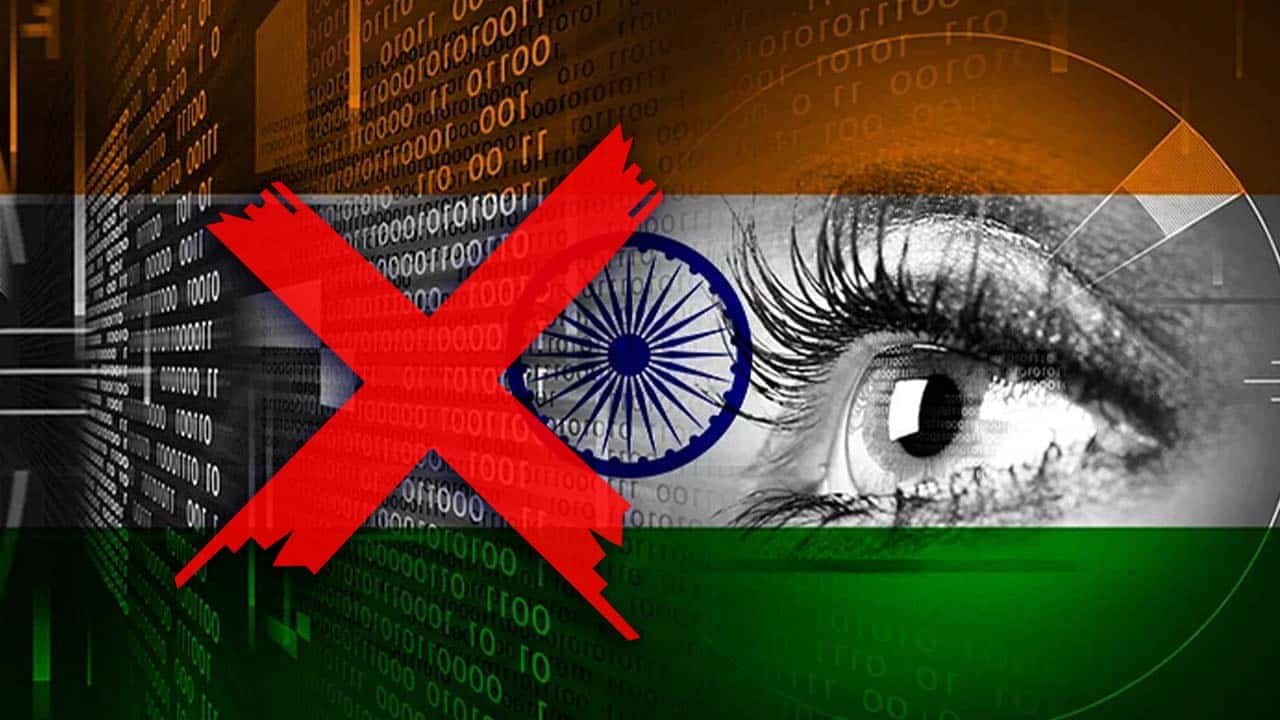
    The government has warned information technology (IT) and financial institutions, including regulators, to avoid using artificial intelligence (AI) and information and communication technology (ICT) products from India. They say these products could pose a serious threat to Pakistan’s critical information systems. 

    According to Geo News, this warning came through a cybersecurity advisory shared with federal and provincial ministries and regulators. The advisory noted that AI and ICT products from India are used worldwide, especially in the financial industry, to help businesses grow. 

    However, it pointed out that some Pakistani fintech companies and banks are working with Indian firms that offer IT, cybersecurity, and AI solutions. The government is concerned for two main reasons: 

    Indian products could have hidden “backdoors” or malicious software that collects data, including personal information. 

    There might be direct access to Pakistan’s critical systems by Indian entities, allowing them to monitor and control these systems. 

    Read more:

    The government has asked all ministries and regulators to make sure their affiliated organisations and licensees understand the risks of using Indian products. Instead, they suggest consulting with the Pakistan Software House Association (P@SHA) to find affordable alternatives from local tech companies. 

    Two years ago, a US company called Exodus Intelligence claimed that India used its software vulnerabilities to spy on Pakistan and China. 

  • Privacy concerns mount as X reveals intent to employ user data for AI training

    Privacy concerns mount as X reveals intent to employ user data for AI training

    The social media platform formerly known as Twitter has recently faced scrutiny following reports by Bloomberg, revealing plans to gather biometric data, job information, and educational backgrounds from its users. A newly-released privacy policy confirms that ‘X’ intends to utilise this data, along with other personal information it collects, for the purpose of training machine learning algorithms, as first observed by Alex Ivanovs at Stackdiary.

    The privacy policy explicitly states that the company will employ the information it gathers, in combination with publicly accessible data, to support the training of its machine learning and artificial intelligence models. Elon Musk has acknowledged this change but has assured users that only publicly available information will be collected, excluding private messages.

    Notably, ‘X’ doesn’t have any publicly declared AI ambitions, but its owner, Elon Musk, does. He recently launched a company called ‘xAI,’ which aims to explore the fundamental aspects of the universe. This suggests a potential link between users’ biometric data and Musk’s ambitious scientific pursuits, as indicated on the xAI homepage, which mentions collaboration with ‘X’ to advance their shared mission.

    Another plausible scenario is Musk’s expressed desire to challenge LinkedIn, a platform he has criticised as “cringe.” ‘X’ appears to be collecting job and education histories from its user base, aligning with Musk’s vision for a more appealing professional networking platform.

    Lastly, there is the possibility that ‘X’ might consider selling user data to boost its revenue, given its limited advertising income. However, it’s essential to note that there is currently no concrete evidence to support this theory, and historically, Twitter primarily used collected user data for its own benefit rather than sharing it with third parties.

  • Russian officials urged to abandon iPhones over spying concerns

    Russian officials urged to abandon iPhones over spying concerns

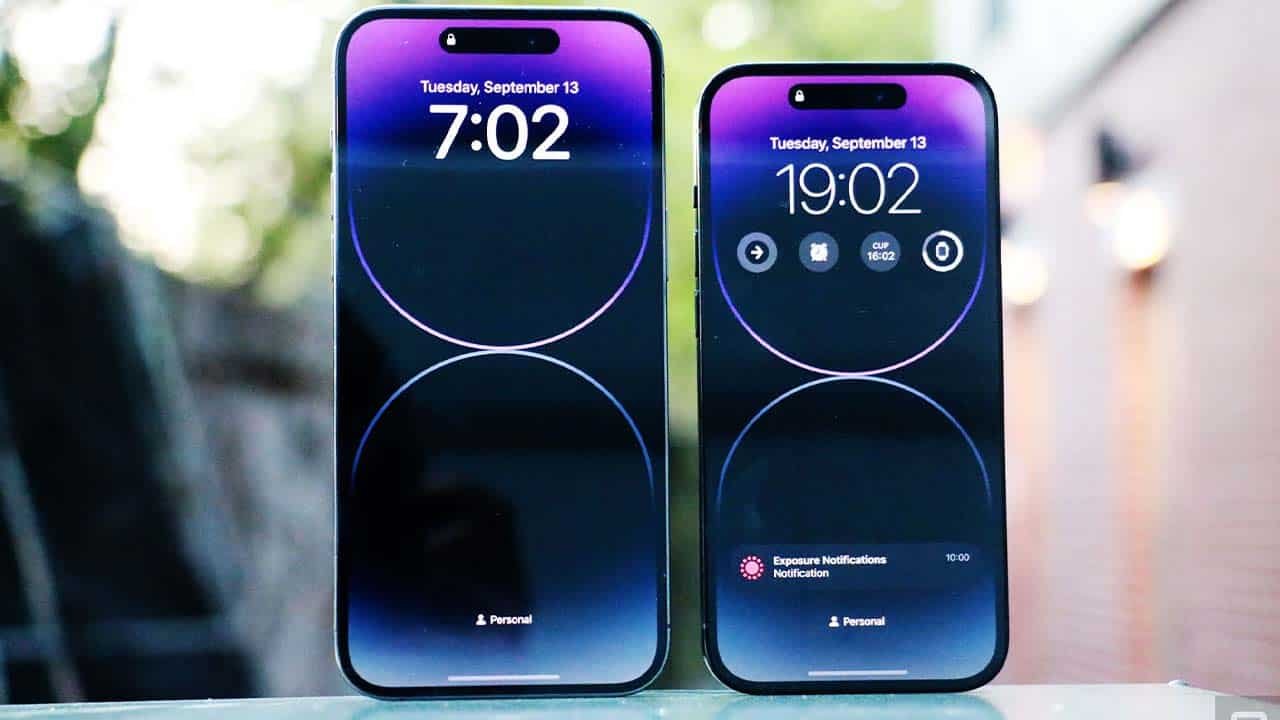
    Russian officials have been advised to stop using iPhones due to unverified accusations made by the country’s intelligence service.

    The Financial Times reported that, commencing July 17, employees within Russia’s trade ministry will be prohibited from utilising iPhones during work hours. Other ministries, including one currently undisclosed, are reportedly planning to follow suit, along with the state oil company, Rostec.

    The decision to distance themselves from Apple products initially emerged in March when the Kremlin instructed officials to abandon the use of these devices due to concerns surrounding potential vulnerabilities exploited by US hackers.

    Subsequently, in June, the Russian government accused Apple of collaborating with US intelligence agencies, an allegation firmly refuted by the company.

    The accusation stemmed from a report by a cybersecurity firm, asserting that iPhones running outdated versions of iOS had been infected with malware, rendering them susceptible to eavesdropping, as reported by The Washington Post.

    Despite the claims made by Russia’s Federal Security Service (FSB), no substantiating evidence has been presented, and independent security experts have found no indication that Apple has incorporated any form of “backdoor” exemption into the device’s encryption.

    This is not to imply that no genuine security vulnerabilities exist. Following Russia’s allegations, Apple swiftly responded by releasing software patches for its iOS system, acknowledging the role played by researchers at the Moscow-based Kaspersky Lab in identifying these weaknesses.

    It is worth noting that the ban on official usage will not impact the general public. Apple withdrew from the Russian market in the wake of last year’s full-scale invasion of Ukraine. Nonetheless, Apple products continue to be imported from other countries.

    The iPhone 14 is listed by MTS, Russia’s largest cellphone provider, with a price tag slightly exceeding $1,200, while a comparable model retails for $999 in the United States.