
Tag: data transfer

  • Meta slapped with record-breaking $1.3 billion fine for EU-US data transfer breach

    Meta slapped with record-breaking $1.3 billion fine for EU-US data transfer breach

    Meta has received a record-breaking fine of 1.2 billion euros ($1.3 billion) from European privacy regulators due to the transfer of European Union (EU) user data to the United States (US).

    The decision stems from a case initiated by Austrian privacy activist Max Schrems, who argued that the existing framework for transferring EU citizen data to the US did not adequately protect Europeans from US surveillance.

    There have been several legal disputes surrounding mechanisms for transferring personal data between the US and the EU. The most recent arrangement, known as Privacy Shield, was invalidated by the European Court of Justice in 2020, which is the highest court in the EU.

    The Irish Data Protection Commission, responsible for overseeing Meta’s operations in the EU, accused the company of violating the General Data Protection Regulation (GDPR) of the EU. Despite the 2020 ruling by the European court, Meta continued to transfer the personal data of EU citizens to the US. GDPR is a significant data protection regulation that governs companies operating within the EU, and it has been in effect since 2018.

    Meta utilized a mechanism called standard contractual clauses to facilitate the transfer of personal data between the EU and the US. This method had not been blocked by any EU court. However, the Irish data regulator stated that these clauses, along with other measures implemented by Meta in conjunction with the European Commission, did not adequately address the risks to the fundamental rights and freedoms of data subjects as highlighted by the European Court of Justice.

    The Irish Data Protection Commission also instructed Meta to halt any future transfer of personal data to the US within a five-month period following the decision.

    The 1.2 billion euro fine imposed on Meta is the largest ever penalty issued for breaching GDPR. Previously, the highest fine of 746 million euros had been levied against e-commerce giant Amazon for GDPR violations in 2021.

    Meta has announced its intention to appeal the decision and the fine. In a blog post on Monday, Meta’s President of Global Affairs, Nick Clegg, and Chief Legal Officer, Jennifer Newstead, stated that they would seek a stay from the courts to pause the implementation deadlines due to the potential harm caused by the orders, particularly to the millions of Facebook users.

    This case involving Meta has once again brought attention to the efforts of the EU and Washington to establish a new data transfer mechanism. Although the US and EU reached a preliminary agreement on a new framework for cross-border data transfers last year, it has not yet come into effect.

    Meta is hopeful that the EU-US data privacy agreement will be established before the Irish regulator’s deadlines take effect. If the new framework is implemented within the expiration of the implementation deadlines, Meta’s services can continue without disruption or impact on users, as stated by Clegg and Newstead.
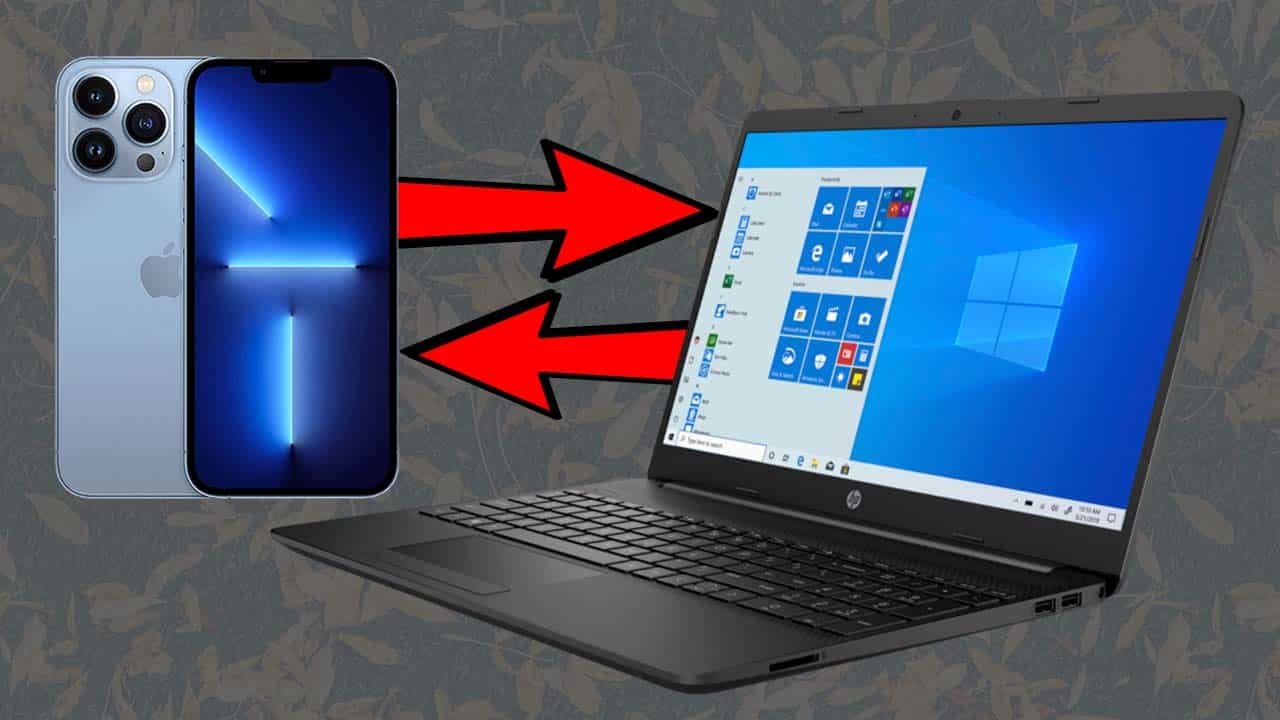
  • Here are some of the easiest ways to transfer data from an iPhone to Windows PC

    Here are some of the easiest ways to transfer data from an iPhone to Windows PC

    Sometimes the process of transferring data from an iPhone to a Windows PC is so hard that you start to question why you spent so much money on this flashy Apple flagship.

    If there isn’t a lot of data stored on the iPhone, transferring data from the iPhone to a PC may not be a problem. While those who have thousands of photos and 4K videos may experience bothersome issues, since the iPhone’s compatibility with a Windows PC is not too friendly.

    You can transfer photos and videos from an iPhone to a Windows PC using the techniques listed below:

    Apple iTunes

    There are two ways, USB or Wi-Fi, to sync your music, videos, photos, contacts, calendars, and device backups through your iTunes account.

    Sync Apple iTunes via USB

    Open iTunes. Make sure you’ve got the most recent version.

    1. Connect your iPhone to your PC via USB. You will see a device appear in the upper left corner of iTunes under Connected Devices.
    2. Click on the mobile icon.
    3. Click Settings on the left side of iTunes to see the categories of content you can sync.
    4. Select the content, then click on Sync in iTunes.
    5. In the lower right corner of iTunes, click Apply. Automatic synchronisation will be activated. Your devices will now sync whenever you connect via USB and have iTunes open.

    Windows AutoPlay

    Want to have more control over the location of your PC backup of your iPhone’s files? Grab the USB cable once more and give Windows AutoPlay a try.Plug in your iPhone via USB.

    • Open the Settings menu on your PC and click Devices.
    • Click on AutoPlay on the left side of the screen.
    • Click on Choose AutoPlay Defaults to tell your PC where to put your photos, files and music.

    Import photos and videos through Windows Photos app

    If none of these methods work for you, you can open the Windows 10 pictures app and choose to import from device after connecting your phone to your computer.

    • Turn your phone on and unlock it. Your PC will not detect the device if it is locked.
    • On your PC, click the Start button and then click Photos to open the Photos app.
    • Select Import > From a USB device, then select the device. You can choose the items you want to import and where you want to save them. Give detection and transfer some time.

    Third-party softwares

    There are two third-party tools that can simplify the process of transferring and syncing data between your iPhone and PC:

    • You can manage the files on your iPhone and export or import your data between the two devices using EaseUS’s MobiMover. When connected up, you may configure it to back up your phone with a single click. Your data can be transferred across two separate iPhones as well.
    • Similar automatic wireless device syncing capabilities are offered by iMazing. Your data, apps, and preferred settings can all be transferred when upgrading to a new version of the iPhone.
  • Student sues TikTok over alleged data transfer

    Student sues TikTok over alleged data transfer

    A university student in California named Misty Hong, has filed a class-action lawsuit against Chinese-based social media video app TikTok, accusing it of harvesting large amounts of user data and storing it in China, Dawn reported.

    According to the details, the court filing said, “TikTok clandestinely has vacuumed up and transferred to servers in China vast quantities of private and personally-identifiable user data”.

    The lawsuit has alleged, “TikTok also has surreptitiously taken user content, such as draft videos never intended for publication, without user knowledge or consent”.

    “In short, TikTok’s lighthearted fun comes at a heavy cost,” the lawsuit said.

    The social media app which is quiet popular with teenagers around the world, was launched by Chinese company ByteDance in September 2017.

    The suit marks the latest legal battle for the app. Earlier in November, the United States (US) government had opened a national security investigation into TikTok, according to the New York Times, potentially looking into whether the app was sending data to China.

    Misty Hong alleges that the app retrieved her data without permission – including videos that she had created but not shared online with friends – and transferred that data to servers run by companies that cooperate with the Chinese government.

    Hong filed the suit on behalf of the approximately 110 million US residents who have downloaded the app.

    In November, TikTok didnot gave any comment on a possible US investigation but emphasised that the respect of US users and regulators was its highest priority.

    TikTok claimed that it has distanced itself from Chinese authorities, maintaining that its servers are located outside of the country and that its data is therefore not subject to Chinese law.

    In November, the app hit 1.5 billion downloads worldwide, outperforming the photo-sharing app Instagram.