Tag: deaths

  • 12 dead in heavy downpours and lightening strikes across country

    12 dead in heavy downpours and lightening strikes across country

    On Sunday night, many regions in Pakistan were hit by extreme weather, resulting in lightning strikes and torrential rain that claimed the lives of 12 people and injured 15 others.

    Lightning struck at Punjab’s Narowal, Pasrur, Sheikhupura and Sialkot districts, resulting in the deaths of 12 individuals, including children, and injuring seven more.

    In Lahore, a powerful rainstorm also caused damage to 150 power feeders. Heavy rains caused numerous issues for residents, including power outages and flooded roads.

    Due to the heavy rainfall, the roof of a home collapsed in Takhta Band village in Buner, Khyber Pakhtunkhwa, leading to the death of a woman and injuries to six others.

    Heavy rains were also experienced in Shabqadar, Swat, Charsadda, Mansehra, Lower Dir, Swabi, and North Waziristan.

    The Met Office has predicted that moist currents are entering the upper and central parts of the country from the Arabian Sea, and a westerly wave entered the upper regions of the country on June 25. Consequently, severe weather conditions are likely to persist.

    In Islamabad, Rawalpindi, Murree, Galliyat, Attock, Chakwal, Jhelum, Kashmir, Gilgit Baltistan, Chitral, Swat, Mansehra, Kohistan, Abbottabad, Haripur, Peshawar, Mardan, Swabi, Nowshera, Kurram, Bannu, Lakki Marwat, Kohat, Mianwali, Sargodha, Hafizabad, and MB Din, rain/wind-thundershower with isolated heavy falls is also expected from 26th to 29th June. In addition, Barkhan, Loralai, Sibbi, Naseerabad, Kalat, Khuzdar, Zhob, Ziarat, Musakhel, D I Khan, Karak, Waziristan, D G Khan, Rajanpur, Multan, Bhakkar, Layyah, Kot Addu, Bahawalpur, Bahawalnagar, Sahiwal, Pakpattan, Okara, may experience heavy rainfalls during the same period, while Sukkur, Jacobabad, and Larkana may see them on 27th and 28th June.

    The PMD also warned that current heatwave conditions are likely to subside during the projected period.

    On June 26 and 27, heavy rains could lead to urban floods in low-lying districts of Islamabad, Rawalpindi, Peshawar, Gujranwala, and Lahore. They may also trigger landslides in regions prone to such occurrences, like Murree, Galliyat, Kashmir, Gilgit Baltistan, and hilly areas of Khyber Pakhtunkhwa.

    Intense rain may result in flash flooding in the hill torrents of D G Khan and neighboring regions of northeast Balochistan.

    During the projected period, “all concerned authorities are advised to remain vigilant and take necessary precautions,” added the PMD.

  • WHO report reveals smoking causes 166,000 deaths every year in Pakistan

    WHO report reveals smoking causes 166,000 deaths every year in Pakistan

    In Pakistan, smoking contributes to around 166,000 deaths annually, of which 31,000 are caused by passive smoking.

    The World Health Organization predicts that this figure won’t go down considerably in the upcoming years despite health warnings, quitting initiatives, and expanded tobacco control measures. These combustible cigarettes not only endanger the environment but also the human body.

    The industry’s carbon footprint from the manufacture, processing, and transportation of tobacco is comparable to one-fifth of the CO2 produced by the commercial aircraft industry each year, according to the WHO study “Tobacco: Poisoning our world,” which furthers the effects of global warming.

    According to Brecorder, the ultimate objective to completely remove the hazards of climate change, according to experts, is to stop smoking, but doing so can be challenging and come with a risk of relapse. Scientists across the world have been researching for years to develop possibly less dangerous substitutes that smokers can switch to as their initial step to stop smoking.

    They said that countries like Japan, US, UK, Sweden, Norway, and Iceland took it upon themselves to lower these numbers and by legalizing and funding research towards HTPs and adopting Tobacco Harm Reduction (THR) strategies. The results have been very promising as most of these countries saw a sharp decline in the number of smokers and the risks associated with it.

  • KP govt launches ‘Flood Reporting’ app to aid flood victims

    KP govt launches ‘Flood Reporting’ app to aid flood victims

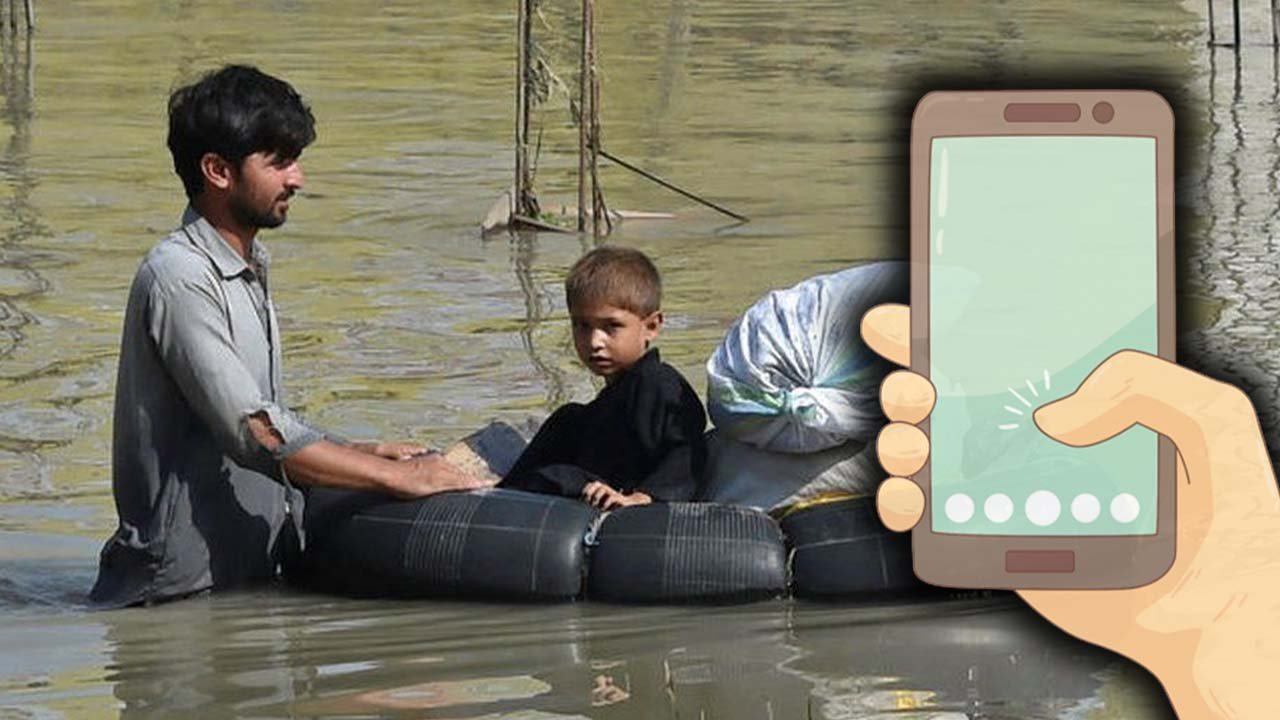
    To promptly aid those impacted by severe flooding, the Khyber Pakhtunkhwa (KP) government launched the “Flood Reporting” application on Monday.

    Atif Khan, the Minister of Science and Information Technology for Khyber Pakhtunkhwa (KP), gave specific directions for the introduction of the smartphone application.

    The minister stated in a message that flood victims will be able to use the Flood Reporting App to notify when they need food or medicine.

    He promised that the impacted agencies and the Provincial Disaster Management Authority (PDMA) would see to it that the victims of the disaster received immediate aid.

    The latest application has a thorough system for seeking assistance for victims and keeping track of feedback. The smartphone application will allow users to instantly report the type of incidents that occurred and the assistance that is needed.

    Although 1,061 deaths have been reported by authorities since the start of the seasonal rains in June, the eventual death toll may be higher since hundreds of villages in the hilly north have been shut off after roads and bridges were wiped away by floodwaters.

  • What caused Pakistan’s greatest flood in a decade?

    What caused Pakistan’s greatest flood in a decade?

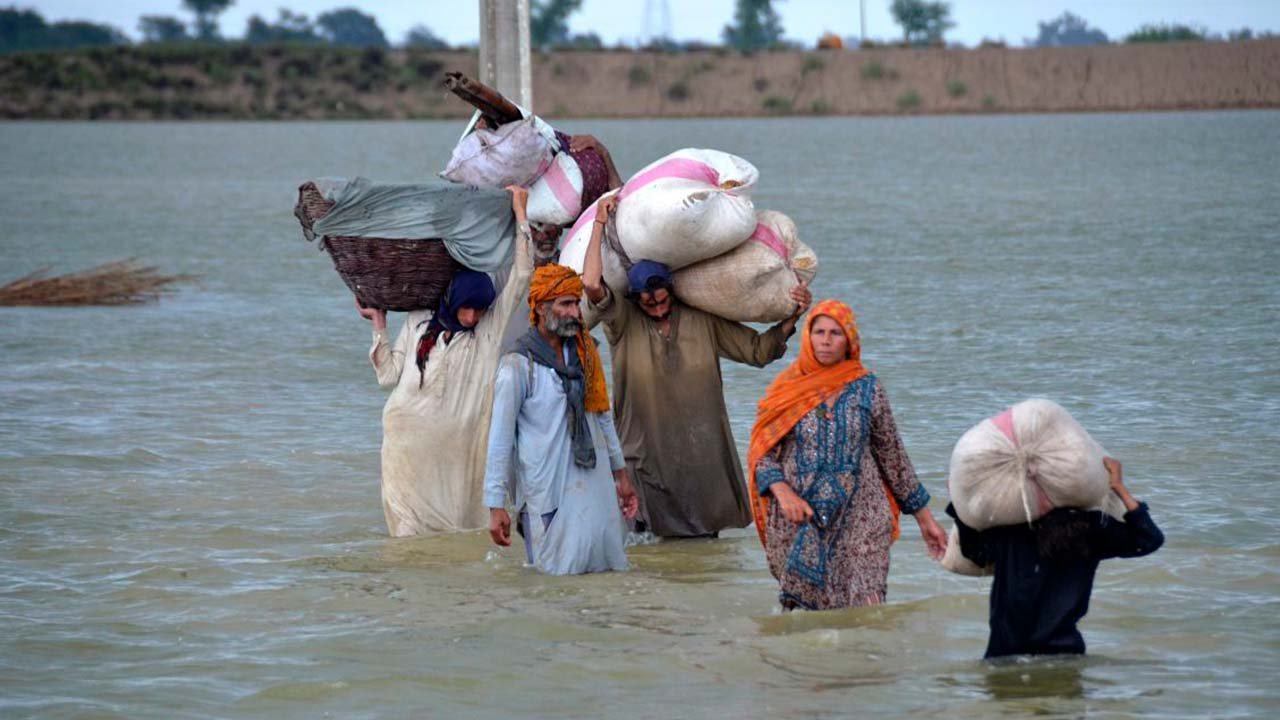
    Floods in Pakistan have affected millions of people, drowned hundreds, and prompted the government to proclaim a national emergency.

    Nearly 1,000 people have died since June, according to the National Disaster Management Authority (NDMA). People are looking for shelter as torn tents fill the streets of Sukkur.

    Around 15,500 people sacrificed everything in the 1,000-kilometer-long coastal area patch of Sindh’s Thatta district.

    The flood water has swallowed up people’s entire life savings, earned after years of hard work, meant to get their kids educated.

    The locals are concerned that the standing water may spread waterborne diseases. There hasn’t been any relief for residents expecting to return home to see what can be salvaged because it has been raining all week in Sindh province.

    Many houses in the city’s center have sustained damage, leaving only the walls standing.

    Over 300 people have died as a result of the floods in the province of Sindh alone. People set up tents along the narrow alleyways in any remaining dry area because further rain is predicted.

    About 15 per cent of the population, or 33 million people, were affected by the floods, according to Prime Minister (PM) Shehbaz Sharif on Friday.

    The nation has pleaded for greater international assistance, as PM met with ambassadors from other countries in Islamabad.

    He claimed that this season’s flood losses were on par with those from the floods of 2010–2011.

    The country is currently experiencing its eighth monsoon cycle, whereas typically there are only three to four cycles of rain, according to climate minister Sherry Rehman.

    She claimed that the proportions of super flood torrents are startling.

    Numerous monsoon cycles that have hit Pakistan since the start of summer have destroyed more than 400,000 homes.

    The Office for the Coordination of Humanitarian Affairs (OCHA), the UN organization in charge of disaster relief, announced on Thursday that at least 184,000 people had been relocated to relief camps.

    The rains have notably affected Sindh, which has seen nearly eight times its normal August rainfall. Southern Pakistan has been severely hit.

    On Thursday, Ms. Rehman claimed that officials had requested a million tents to house the refugees.

    What led to Pakistan’s floods?

    Extreme weather conditions or rains brought on by climate change are to blame for the recent floods that have affected Pakistan. Some floods originate in inland regions because of excessive rain, whereas others happen at the seashore because of sea-level rise, causing devastation in coastal districts.

    High tides in the sea cause heavy flooding primarily in coastal locations. Because of the daily rise in global temperature, this is related to climate change.

    There are two main causes of the floods: The experts noted that sea-level rise is a result of expanding saltwater caused by glacier and Arctic sea ice melting as well as cyclones and heavy rains brought on by warming ocean temperatures.

    Seawater intrusion inland has been caused by a significant sea-level rise of 1 millimeter along coastal Sindh recorded over hundreds of years. Communities in coastal regions, where economic activity is concentrated, are significantly impacted by invasive sea water.

    Experts have noted that the storms that have occurred more frequently and with greater severity in the Arabian Sea over the past 50 years as a result of climate change have an economic impact on urban areas like Karachi, Badin, and Thatta.

    According to a research, the primary causes of sea incursion include thermal expansion, freshwater inflows, physical forces, monsoon fluctuation, and ocean current variance.

    As seawater warms, the top layers of the ocean release some heat into the sky, while the lower layers hold onto this heat for a longer time and in greater amounts. As a result, saltwater gradually warms up due to a process known as thermal expansion.

    According to a study, freshwater inflow from melting glacial layers, ice sheets, and sea ice contributes to sea level rise. Freshwater input also rises as a result of the hydrogen cycle brought on by the warming of the oceans and surface areas.

    The scenario of subsidence and lifting also affects sea level without changing the volume of ocean water. This is caused by tectonic activities such extraction for oil, gas, and water.

    A direct connection between climate change and variations in monsoon rainfall. In recent years, Pakistan has had numerous instances of extreme monsoon rainfall and flooding.

    Regional ocean currents, which transfer a lot of water from one place to another, do not alter the volume but have an impact on sea level in another place.

  • Covid-19: Three deaths in Pakistan in last 24 hours

    Covid-19: Three deaths in Pakistan in last 24 hours

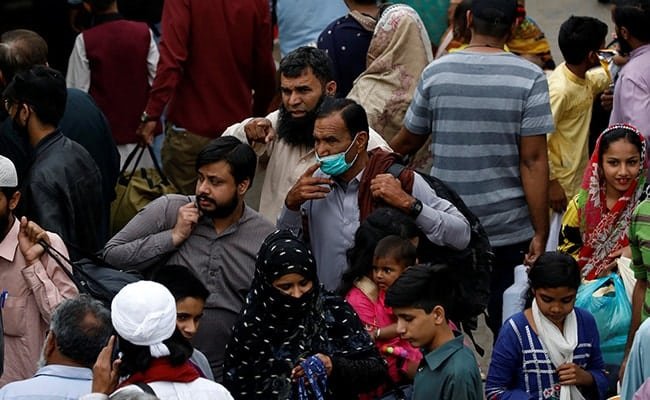
    According to the National Institute of Health (NIH), the Covid-19 positivity rate in Pakistan has reached 2.48 per cent and three people have lost their lives to the deadly virus in the last 24 hours.

    In addition, 416 cases of Covid-19 were reported in Pakistan on August 21. A total of 16,764 tests were conducted in the past 24 hours.

    According to the NIH data, 152 Covid-19 patients are in critical care.

    In March this year, the government announced the closure of the National Command and Operation Centre (NCOC). The body was set up in March 2020 to deal with Covid-19.

  • 914 road accidents reported in Punjab during last 24 hours

    914 road accidents reported in Punjab during last 24 hours

    During the last 24 hours, at least eight people were killed and 962 were injured in 914 road accidents across all 37 districts of Punjab.

    577 people were seriously injured and taken to various hospitals, while 385 people with minor injuries were treated on the spot by rescue medical teams. Once again, Lahore remained at the top in reporting highest number of accidents.

    According to the findings, 450 drivers, 27 underage drivers, 104 pedestrians, and 388 passengers were killed in traffic accidents. The road accidents involved a considerable number of two-wheelers as it involved 807 motorcycles, 82 auto-rickshaws, 74 motorcars, 22 vans, 11 buses, 17 trucks, and 100 other types of auto vehicles and slow-moving carts.

    Considering the statistics, 239 road accidents were reported in Lahore, affecting 238 people, putting the provincial capital at the top of the list, followed by 80 in Faisalabad with 85 victims and 53 in Multan with 50 victims.

  • Lahore ranks first in reporting most traffic accidents

    Lahore ranks first in reporting most traffic accidents

    During the last 24 hours, the Punjab Emergency Service Department (PESD) dealt with 1,115 accidents across the province. 11 persons died and 1,161 were injured in these car accidents.

    As per the data, there were 272 road accidents in Lahore, impacting 280 people, putting the Provincial Capital at the top of the list, followed by 98 in Faisalabad, with 111 victims, and 79 in Multan, with 83 victims.

    664 people were critically hurt and were taken to nearby hospitals. Rescue medical teams treated 497 minor injured people at the scene of the accident. Around 69 per cent of traffic accidents involved motorcycles.

    Moreover, 561 drivers, 46 underage drivers, 113 pedestrians, and 498 passengers were among the sufferers of these road traffic collisions, according to the report.

    Read more: Lahore Police officials will now wear ‘body cams’ to fight crime

    The figures also indicated that 1,172 people were impacted in road traffic accidents, comprising 979 men and 183 women, with 256 of the deceased being under the age of 18 and 605 being between the ages of 18 and 40, and the remaining 311 being above the age of 40.

    In the aforementioned road accidents, 989 motorcycles, 77 auto-rickshaws, 145 automobiles, 26 vans, 10 passenger buses, 37 trucks, and 109 other types of cars and sluggish carts were involved.

  • Nearly everyone on earth is breathing polluted air: WHO report

    The World Health Organization (WHO) announced Monday that 99 per cent of people on Earth breathe air that comprises numerous contaminants, citing poor air quality for millions of deaths each year.

    According to new data from the UN health organization, air pollution affects every part of the globe, albeit the problem is far worse in developing nations.

    “Almost the entire global population (99 percent) breathes air that exceeds WHO air quality limits, and threatens their health,” the organization said in a statement.

    WHO had already established that about 90 per cent of the world’s population was impacted in its previous report from 2018, but it has subsequently expanded its boundaries.

    According to the WHO, the evidence base for the harm caused by air pollution is quickly advancing, and even low levels of certain air pollutants can cause serious illness.

    Despite UN statistics suggesting that pandemic lockdowns and travel restrictions improved air quality for a short time in 2021, WHO warned that air pollution continues to be a major threat.

    The WHO report includes data on air quality from over 6,000 cities and communities in 117 countries. Keeping in view the frightening statistics, the organisation emphasised the need to immediately limit the usage of fossil fuels.

  • More than 88,000 children died in Punjab health facilities

    More than 88,000 children died in Punjab health facilities

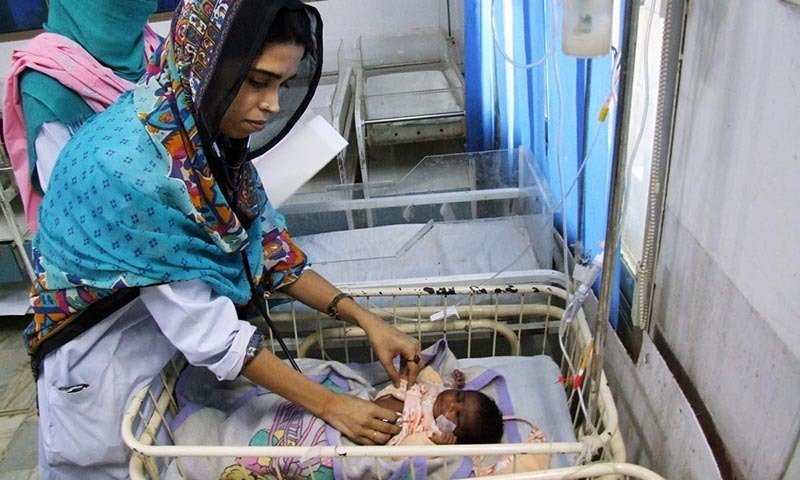
    According to an official report, 1,000 pregnant women and more than 88,000 newborns and children under the age of five died in Punjab’s basic health units (BHUs) and rural health centres (RHCs) in 2021, Asif Chaudhry reports for Dawn.

    The report is prepared by the Punjab government’s Planning and Development Board on the Integrated Reproductive Maternal Newborn, Child Health and Nutrition programme (IRMNCH). The Punjab government launched the programme at primary-level healthcare facilities to reduce maternal, newborn, and child morbidity and mortality, promote family planning services, and improve women’s and children’s nutritional status.

    “These are alarming figures requiring immediate and serious attention of the project [IRMNCH] team and other stakeholders,” the report says.

    The report further states, “1,000 maternal deaths were reported to the IRMNCH programme in 2021, that is quite a high figure considering the public health significance and sensitivity of this issue.”

    In addition, during 2021 in Punjab, 25,208 deaths of under-five children were reported to the IRMNCH programme “These included 13,706 neonatal, 8,045 infant and 3,457 under-5 children’s deaths,” the report said.

    In addition to these deaths, there were 62,813 stillbirths reported in Punjab in 2021.

  • ‘Rs 620bn needed for Pakistan Railways’ total up-gradation,’ says Azam Swati

    ‘Rs 620bn needed for Pakistan Railways’ total up-gradation,’ says Azam Swati

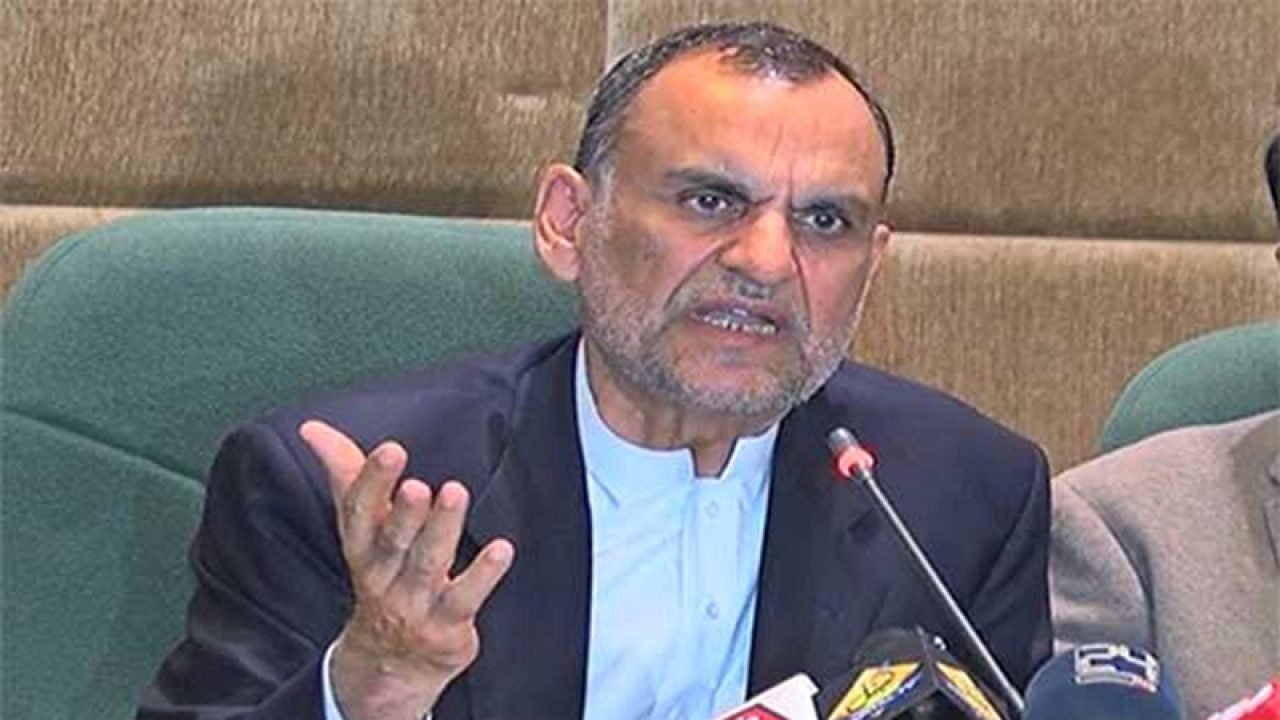
    Railway Minister Azam Khan Swati on Wednesday said he needed Rs 620 billion for the total up-gradation of the Pakistan Railways, a few days after the fatal Ghotki train accident that claimed over 60 lives and injured over 100 passengers. 

    “I was at the site till the entire track was not restored,” said the minister, stating with regret that 63 people had died in the accident and 23 were being treated in hospitals for injuries. 

    Sharing details from the initial report, the minister said the black boxes from the trains had been retrieved. He added that work had not yet started on them for the probe, but reassured that a thorough investigation will be conducted. “It will take us at least three to four weeks,” he said, as reported in Dawn.

    “The accident occurred due to the 12 bogies being derailed,” he said, explaining that bogies of the Millat Express train had shifted to the other track.

    “I saw the signs of brakes on the tracks myself,” Swati said, adding that there was a need to do a lot more.

    Swati said relatives of the deceased will be given Rs 1.5 million by the government as compensation, adding that every injured person will be provided Rs300,000 by the authorities. Swati said that no value could be placed on the injured and the lives lost, adding that they were “precious” and “priceless”.