Tag: debt

  • IMF director says Pakistan’s 24th loan programme could be last if conditions met

    IMF director says Pakistan’s 24th loan programme could be last if conditions met

    Director of the International Monetary Fund’s (IMF) mission for Pakistan, Nathan Porter, has claimed that if the country faithfully follows the IMF’s economic advice, the current programme would be the last for Pakistan.

    Appearing in an interview with Voice of America, the IMF director said that after the economic crisis of 2023, Pakistan’s economy has been improving, which he deemed crucial for the foundation of economic progress.

    Responding to Prime Minister (PM) Shehbaz Sharif’s recent statement declaring that the 24th IMF loan programme would be the last for the country, Nathan Porter said that this could be possible if Pakistan sincerely acted on economic reforms.

    Commenting on Finance Minister Aurangzeb’s statement regarding the tough conditions imposed on Pakistan, the IMF director rejected the claim, adding, “IMF recommended solutions which the concerned country needed to get out of the economic uncertainty.”

    Porter further said the IMF’s stance on Chinese loans to Pakistan was the same as its perspective on the loans of other countries.

  • Pakistan’s total debt skyrockets to Rs 81 trillion

    Pakistan’s total debt skyrockets to Rs 81 trillion

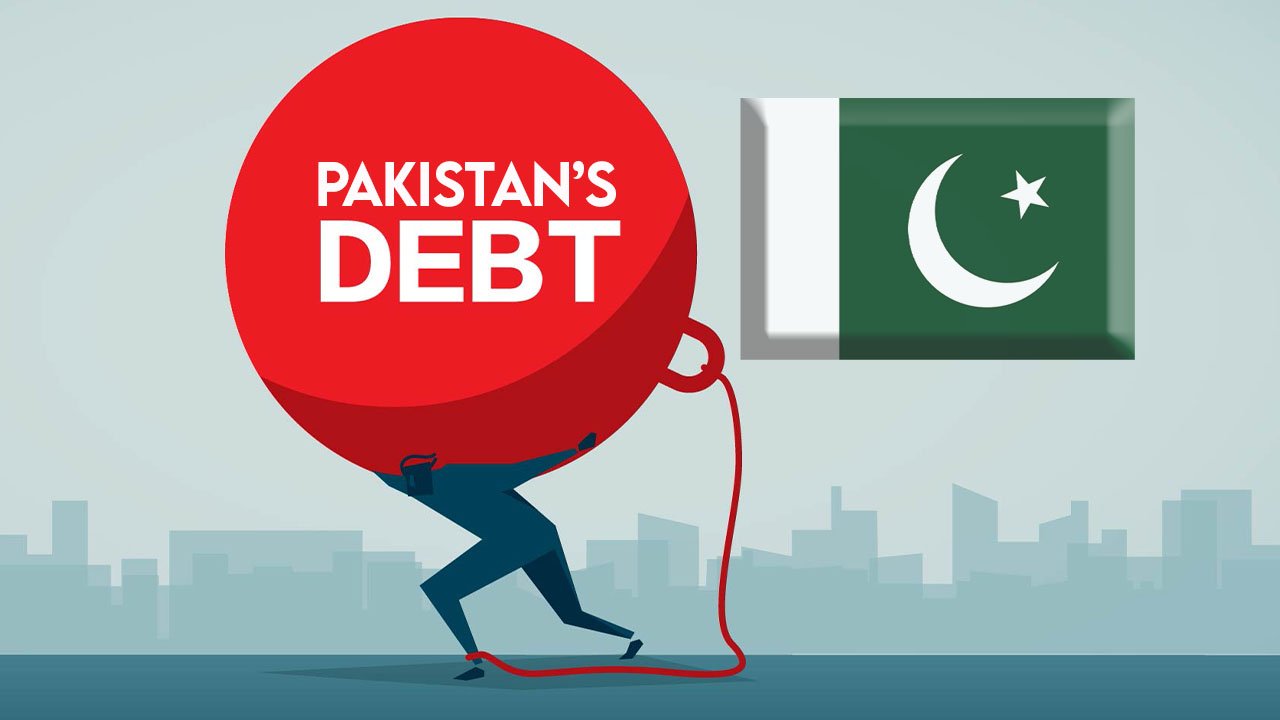
    Bad news for Pakistanis as the country’s total debt and liabilities increased to a record of nearly Rs 81 trillion in the past year.

    Pakistan is currently going through a severe and difficult economic crisis as it tries to increase revenue generation and reduce all its debts, however, no silver lining yet.

    The collective debt and liabilities are approximately 15 percent of the nation’s GDP, higher than the statutory limit defined in the Fiscal Responsibility and Debt Limitation Act.

    The reason for such a stark increase in the debt is due to a lack of major foreign investment in the country even though Pakistan secured yet another IMF bailout package.

    Austerity measures have so far remained theoretical as the government has failed to cut off unnecessary expenses of the bloated government. For instance, Prime Minister Shehbaz Sharif earlier approved grants to provide awards to officers of the Prime Minister’s Office and Defence Production.

    Meanwhile, additional funds have also been allocated for the renovation of the PM’s Office and for providing subsidies to Azad Jammu & Kashmir.

  • Pakistan’s debt burden increases by Rs86.28 billion within seven days

    Pakistan’s debt burden increases by Rs86.28 billion within seven days

    In the week ending January 12, the government of Pakistan increased its debt burden by Rs86.28 billion, bringing the total net borrowing for the ongoing fiscal year 2024 to Rs2.57 trillion, as per the latest estimates from the State Bank of Pakistan (SBP).

    The government’s borrowings fall into three main categories: budgetary support, commodity operations, and others.

    The breakdown of the weekly net borrowing reveals that Rs87.7 billion was allocated for budgetary support, while Rs1.37 billion went towards retiring commodity operations.

    Additionally, Rs48.4 million was used for other purposes during the week.

    Cumulatively, this brings the borrowing figures for the fiscal year 2024 to Rs2.77 trillion for budgetary support, Rs193.72 billion for retiring commodity operations, and Rs1.1 billion for other purposes.

    The primary sources of financing for budgetary support are the State Bank of Pakistan and the Scheduled Banks. In the ongoing fiscal year, the government has repaid a net sum of Rs1.05 trillion to the central bank.

    The Federal Government accounted for Rs954.56 billion of this repayment, while the Provincial Government, AJK Government, and GB Government contributed Rs77.73 billion, Rs11.17 billion, and Rs2.05 billion, respectively.

    On the other hand, scheduled banks have extended a net total of Rs3.81 trillion in loans. The Federal Government borrowed Rs3.9 trillion, while the Provincial Government repaid Rs90.41 billion during this period.

  • Pakistan grapples with massive Rs63.4 trillion debt

    Pakistan grapples with massive Rs63.4 trillion debt

    In November 2023, Pakistan’s total debt soared to an alarming Rs63.399 trillion, marking a significant increase from Rs50.959 trillion in the same month of the previous year. 

    According to details, this surge comprises Rs40.956 trillion in domestic loans and Rs22.434 trillion in international loans.

    The recent development follows Pakistan’s commitment to the International Monetary Fund (IMF) for a new loan programme. 

    As outlined in the Memorandum of Economic and Financial Table, Pakistan has pledged to boost foreign reserves to $13.6 billion in FY2024–25, facilitating access to the IMF’s financial assistance.

    To support its financial strategy, Pakistan is planning to roll over a $6.34 billion loan in the upcoming fiscal year, coupled with a targeted increase of $1.31 billion in foreign investments, as highlighted by the MEFPT. 

    These measures aim to navigate the country through its evolving economic landscape.

  • Pakistan’s debt burden surges by Rs14,506 billion in one year

    Pakistan’s debt burden surges by Rs14,506 billion in one year

    Pakistan’s international debt burden has continued its ascent, soaring to a staggering Rs63,966 billion as of the conclusion of August 2023.

    In a recent briefing session focused on the nation’s debt situation, it was disclosed that foreign debt had surged to $24,174 billion by the end of August, while local debt had concurrently reached Rs39,791 billion.

    The data presented during the briefing demonstrated a substantial increase of Rs14,506 billion in total loans over the past year. 

    It’s worth noting that in August 2022, the loan volume was a more modest Rs49,571 billion. During that period, the foreign debt stood at $18 trillion, and the local debt was at Rs32,152 billion.

    Prior to this development, the International Monetary Fund (IMF) had demanded a tax collection plan of Rs6,670 billion from Pakistan by June 2024. 

    An IMF review mission arrived in Pakistan to assess the country’s economic performance during the initial three months of the current fiscal year, spanning from July to September.

    The IMF has insisted on a comprehensive tax collection report from all sectors as part of its projection report. 

    Negotiations for the next $700 million tranche commenced on Thursday.

    According to ARY News, reports indicate that the IMF team has emphasised the importance of the Federal Board of Revenue (FBR) achieving its tax collection revenue targets without any shortfall.

     Furthermore, the IMF team has called for a report from the FBR on the progress of tax cases pending in court.

    The FBR has shared details of one million new taxpayers added to the tax net with the IMF team, and the IMF has requested specific data on tax collection from various sectors. 

  • Pakistan International Airlines faces potential Rs259 billion loss by 2030

    Pakistan International Airlines faces potential Rs259 billion loss by 2030

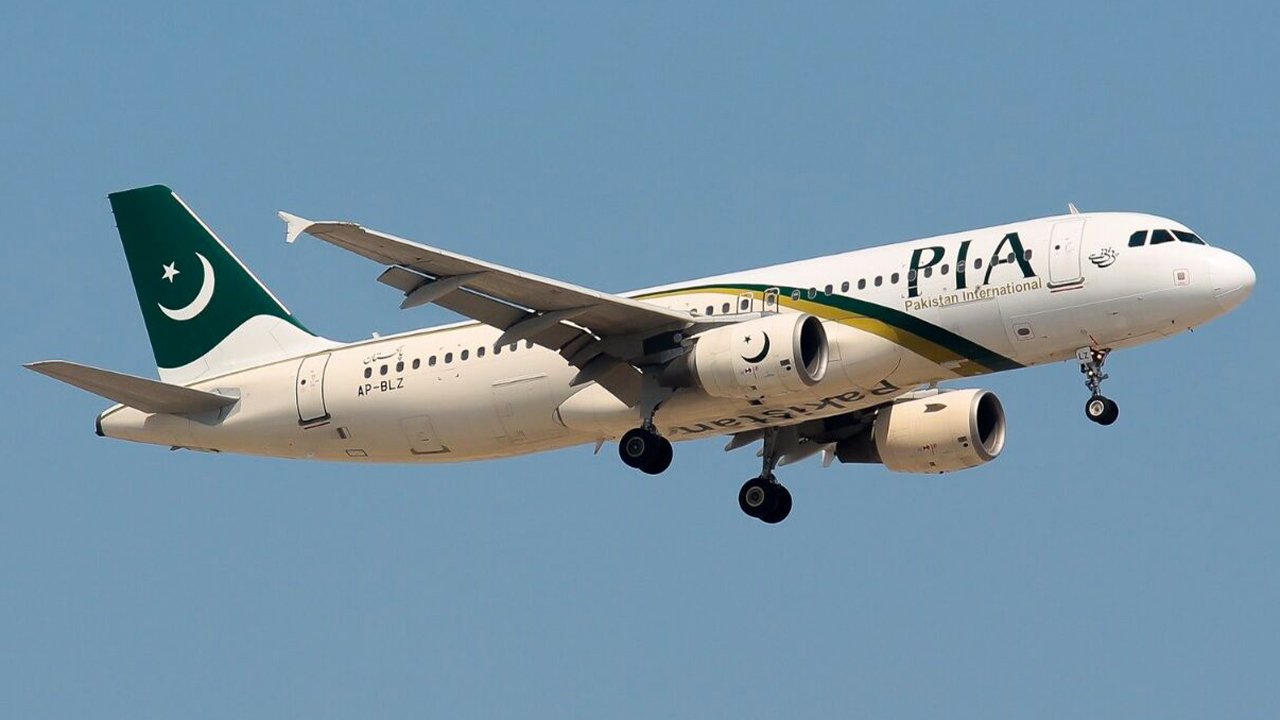
    Pakistan’s Aviation Minister, Khawaja Saad Rafique, delivered a grave warning on Friday about the precarious financial state of Pakistan International Airlines (PIA). He highlighted that without swift corrective action, the airline could incur staggering losses of up to Rs259 billion by 2030. To salvage the national carrier from its mounting debts, Minister Rafique urgently called for essential measures, including the transfer of administrative control to the private sector.

    Minister Rafique’s concerns were voiced during his address on the Senate floor, where he presented “The Pakistan International Airlines Corporation (Conversion) (Amendment) Bill, 2023.” He stressed the critical need for foreign direct investment (FDI) and the involvement of private entities to ensure the long-term sustainability of PIA, which currently grapples with an overwhelming debt burden of Rs742 billion.

    However, the proposal faced strong opposition from several senators during the proceedings. As a result, the Senate chairman referred the matter to the relevant standing committee for further evaluation, acknowledging the significance of FDI and private sector participation in transforming PIA into a profitable entity.

    The deliberations also witnessed PTI lawmakers raising concerns about the quorum, prompting a fifteen-minute bell ringing to meet the attendance requirement. Once the quorum was restored, House proceedings resumed to discuss the fate of PIA.

    The key provision of the bill proposes an amendment to Section 3, which specifies that the company’s shareholders would retain the same number of fully paid shares while preserving their existing rights and privileges. Additionally, the federal government could, through an official gazette notification, issue fresh shares or cancel existing ones as needed during the validity period.

    The destiny of Pakistan International Airlines now lies in the hands of the standing committee, tasked with thoroughly scrutinising the bill and its proposed amendments. The committee’s decision will significantly impact the future of the struggling airline and determine whether privatisation and foreign investment can pave the way for PIA’s financial recovery.

  • Father of two takes his life after a Rs13,000 loan turns into Rs700,000 after interest

    Father of two takes his life after a Rs13,000 loan turns into Rs700,000 after interest

    The unregulated rise of online micro-lending has given way to a disturbing pattern of intimidation and harassment towards borrowers, resulting in tragic outcomes. In one such case, a 42-year-old father named Muhammad Masood took his own life due to overwhelming pressure from online loan sharks.

    Masood, a resident of Rawalpindi, initially borrowed Rs13,000 through an online application to cover his children’s school fees and house rent after losing his job. However, the loan quickly accumulated interest, skyrocketing to Rs700,000 within weeks. Unable to repay the lenders, Masood faced threats and harassment, ultimately leading to his decision to hang himself.

    According to Geo, Masood’s wife revealed that her husband’s death was directly attributed to the debt he incurred through the online lending app. The loan, initially taken for Rs13,000, quickly ballooned to Rs100,000 with interest. In a final message, Masood expressed his anguish over the loan sharks making his life unbearable.

    Representatives from the loan companies blackmailed and threatened Masood, as per his wife’s account. They even threatened to leak his personal data. Following Masood’s suicide, his brother filed a complaint with the cybercrime wing of the Federal Investigation Agency, seeking justice for the family.

    Masood’s wife recounted how her husband experienced harassment within a week of obtaining the loan, with the amount rapidly increasing to Rs50,000. Representatives from the online companies resorted to blackmail and threats, exacerbating the family’s distress.

    The devastating case of Muhammad Masood highlights the urgent need for regulations in online micro-lending. Predatory lending practices continue to wreak havoc on vulnerable borrowers, necessitating immediate action to protect individuals and prevent further tragedies.

  • IMF denies seeking $8 billion fresh financing from Pakistan in bailout talks

    IMF denies seeking $8 billion fresh financing from Pakistan in bailout talks

    The International Monetary Fund (IMF) has denied recent reports that it is seeking fresh financing from Pakistan, stating that Pakistan’s external financing requirements have remained unchanged throughout talks with the Fund.

    The clarification comes after a report by the Express Tribune suggested that the IMF had increased its demand for additional financing to $8 billion, up from an unmet condition of $6 billion, in order to ensure debt repayments for the May-December 2023 period.

    According to Reuters, IMF Resident Representative Esther Pérez Ruiz confirmed that the country’s external funding requirements had not changed, and that discussions were centered around a review to unlock $1.1 billion in financing as part of a $6.5 billion IMF package.

    Despite ongoing talks, a staff-level agreement on the review has been delayed since November, and the IMF has reiterated that commitments on external financing from friendly countries will be necessary before it can release bailout funds.

    Pakistan’s central bank reserves currently stand at $4.38 billion, equivalent to barely a month’s worth of imports.

  • Pakistan’s history of IMF bailouts: A look at 75 years of economic challenges

    Pakistan’s history of IMF bailouts: A look at 75 years of economic challenges

    Pakistan is currently facing yet another economic crisis, a recurring issue that has caused the country to repeatedly seek help from the International Monetary Fund (IMF) for financial assistance.

    Unfortunately, most of the previous 13 bailouts granted since the late 1980s were left unfinished, as Pakistan failed to implement any meaningful structural changes to rein in government spending or boost revenue.

    The country’s current government, led by Prime Minister Shehbaz Sharif, is currently in talks to revive its latest $6.5 billion loan programme as a result of the ongoing economic downturn, exacerbated by last year’s devastating floods and continued political instability. However, the implementation of the necessary belt-tightening measures may prove to be challenging, given the upcoming national elections planned for later this year.

    Pakistan and the IMF had agreed to a $6 billion bailout program in 2019, but disputes over monetary policies have prevented the release of over $1 billion. Furthermore, donors and lenders have demanded structural reforms before providing any further financial aid to Pakistan.

    Pakistan’s traditional partners have made it clear that their assistance is conditional upon the revival of the IMF program and the successful implementation of reforms, including the expansion of tax collection.

    Based on the prevailing Special Drawing Rights (SDR), also known as XDR, rates, the International Monetary Fund (IMF) has approved loans totaling $31.629 billion for Pakistan.

    It is worth noting, however, that not all of the approved funds have been disbursed, with only one out of 22 loans having been fully transferred to Pakistan. This highlights the complex political and economic dynamics that underlie IMF programs.

    Pakistan’s history of borrowing from the IMF

    Pakistan has a history of borrowing from the International Monetary Fund (IMF), which can be divided into four distinct periods. The early years of borrowing spanned from 1950 to 1988, followed by the Benazir and Nawaz Sharif era from 1988 to 1999. The third period was marked by the Musharraf and Zardari administrations from 2000 to 2013. The current period is led by Nawaz Sharif and Imran Khan.

    During these periods, each government worked with the IMF differently, especially in the past two decades. While the Benazir and Nawaz Sharif administrations alternated in seeking IMF programs in the 1990s, the Musharraf government, despite experiencing substantial foreign currency inflows, also had to turn to Washington for financial assistance.

    The Zardari administration, on the other hand, abandoned the largest-ever IMF program when it deemed it expedient to do so. This trend illustrates how Pakistan’s borrowing from the IMF has been characterised by inconsistency and shifting priorities.

    2013-2022

    Pakistan’s recent history of borrowing from the IMF has been marked by different governments seeking assistance in their own unique ways. While the Imran Khan government initially refused to seek assistance from the IMF, it eventually sought an Extended Fund Facility (EFF) loan worth SDR4.268 billion in July 2019. This was due to the country’s financial deterioration and instability, which had eroded the stability gains made since late 2016.

    Under Imran Khan’s government, the IMF disbursed a total of SDR3,159.5 million to Pakistan in four tranches. However, talks for the fourth tranche proved challenging and the government sought help from the US Assistant Secretary of State Donald Lu. Despite receiving SDR750 million in February 2022, then-Prime Minister Imran Khan announced a subsidy on petrol and diesel, effectively breaking the agreement with the IMF. As a result, the IMF suspended Pakistan’s $6 billion loan programme in March 2022.

    Negotiations for the revival of the fund facility did not commence until May, when Shehbaz Sharif of the PML-N took over the government. Talks on reviving the fund facility were concluded in late June, but only after the government took some harsh decisions, including withdrawing tax relief for salaried individuals. The next tranche will only be released after the IMF Executive Board takes up the combined 7th and 8th reviews.

    2000-2013

    During Pervez Musharraf’s government, Pakistan received significant foreign aid in the form of military and civil assistance, resulting in a low reliance on IMF loans for financial support. However, Pakistan did receive two IMF loans in the first two years of Musharraf’s regime, totaling SDR520 million. The first loan was a stand-by arrangement of SDR465 million, of which SDR150 million were disbursed, and the second was an extended credit facility of SDR1.033 billion, of which only SDR315 million were disbursed. Pakistan did not require IMF assistance from 2001 to 2008, as foreign aid prevented a balance of payment crisis.

    However, the aid failed to boost Pakistan’s forex reserves, which experienced a sharp decline between 2006 and 2008. In 2008, the Pakistan Peoples Party government negotiated with the IMF for the largest-ever loan of SDR7.235 billion, also the largest stand-by arrangement. Only SDR5.2 billion were disbursed between 2008 and 2010 in three tranches. Afterward, the PPP government did not complete the program as it received funds under the Kerry-Lugar program until 2013, when the United States ceased funding. The PPP government was unable to implement tough reforms demanded by the IMF due to impending elections.

    1989-1999

    During the 1990s, Benazir Bhutto and Nawaz Sharif sought eight bailouts from the IMF due to the consequences of the Soviet-Afghan war and political instability in Pakistan. In 1988, Bhutto signed up for two IMF packages, totaling SDR655 million. The IMF made two payments of SDR122.4 million and SDR189.5 million in 1991 and 1992. In 1993, Nawaz Sharif negotiated a loan of SDR265.4 million, with the IMF paying SDR88 million that year.

    Bhutto’s government signed three IMF programs of SDR379 million, SDR606 million, and SDR562 million between 1994 and 1995, with lower disbursements of SDR123 million, SDR133 million, and SDR107 million before being removed in 1996. Sharif then negotiated two loans in 1997 of SDR682.4 million and SDR454.9 million, respectively, with SDR250 million disbursed before his government was toppled in 1999. Bhutto negotiated a total of five programs of SDR2.2 billion, receiving SDR676.26 million, while Sharif signed up for three programs of SDR1.4 billion, with Pakistan receiving only SDR608 million. The instability of the government prevented the implementation of IMF reforms, which often led to increased tariffs and taxes, causing a negative perception of the IMF in the country.

    1958-1988

    The Zia-ul-Haq government received the largest amount of foreign aid from the International Monetary Fund in Pakistan’s history, surpassing the sum of all seven previous programs approved since 1958. In 1980, the IMF granted SDR1.268 billion to the government, followed by another program of SDR919 million in 1981. The Zia-ul-Haq administration received SDR1.079 billion out of the total SDR2.187 billion approved by the IMF.

    Before that, Zulfikar Ali Bhutto signed four loan programs with the IMF between 1972 and 1977 for a total of SDR330 million, of which SDR314 million was withdrawn. In 1958, Ayub Khan initiated Pakistan’s first loan from the IMF, seeking only SDR25 million, and in 1968 and 1969, two more programs of SDR37.5 million and SDR75 million were approved, respectively. The Ayub government received SDR112 million of the total SDR137.5 million approved.

    Pakistan has received a total of SDR23.656 billion in IMF-approved programs, of which SDR14.189 billion was disbursed. Pakistan was offered three long-term Extended Credit Facilities, five medium-term Extended Fund Facilities, at least 12 short-term Standby Arrangement loans, and one Structural Adjustment Facility over 63 years.

    This news story was created by compiling information from various news platforms as well as the IMF website.


  • Inflation hits Pakistanis hard as they prepare for Eid-ul-Fitr festivities

    Inflation hits Pakistanis hard as they prepare for Eid-ul-Fitr festivities

    Eid-ul-Fitr is an important religious holiday celebrated by Muslims around the world, marking the end of the holy month of Ramadan.

    During Ramadan, Muslims fast from dawn until sunset and abstain from food, drink, and vices like gossip and lying. It is a period of self-reflection and a reminder to be charitable to the less fortunate.

    Observed first day of Shawwal, the tenth month of the Islamic calendar, Eid-ul-Fitr is a time for Muslims to come together with family and friends to offer prayers, exchange gifts, and share meals. It is also a way for Muslims to show their gratitude to Allah for giving them the strength to fast and to seek forgiveness for any sins committed during the year.

    However, in Pakistan, small shops and businesses are struggling to make ends meet during this year’s Eid-ul-Fitr celebrations. The high levels of inflation, which have hit their highest levels in decades, have left many businesses unable to make enough money to cover their monthly expenses, including rent and utility bills.

    For many small shops and businesses in Pakistan, the last days of Ramadan or before Eid-ul-Fitr used to be a guaranteed earner—a big-spending week that could match the take from the rest of the year. However, this year, many worry they will not even make enough to pay for their monthly expenses.

    A tailor in Canal Bank, Lahore, stated that each year, he was fully booked and had so many orders that he couldn’t take orders after the middle of the month of Ramzan. However, this year, he said, “For the first time, we are accepting orders in the last week of Ramzan as there is not much work.”

    Tailors in Lahore who used to charge Rs1,500 are now charging Rs2,500 or Rs2,200. Even well-known brands or shops are charging more, which is leaving consumers with no option but to go for cheap ready-made clothes or clothes that are available on sale.

    The South Asian country of more than 220 million people saw year-on-year inflation hit 35.4 per cent in March. Food prices surged more than 47 per cent in 12 months, with transport costs rising by 55 per cent.

    Pakistan is deeply in debt and needs to introduce tough reforms to unlock a tranche of a $6.5 billion bailout from the International Monetary Fund in order to avoid default. The economy has been wrecked by years of financial mismanagement and political instability—a situation exacerbated by a global energy crisis and devastating floods that left a third of the country under water last year.

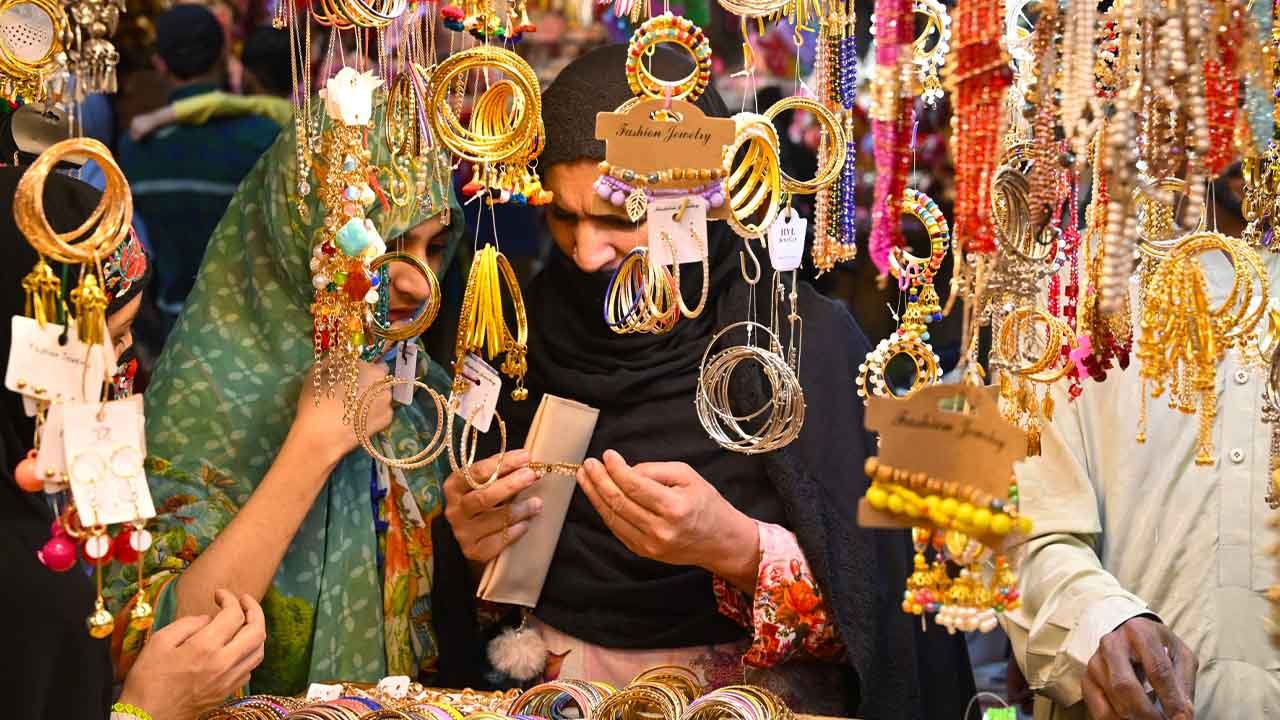
    An artificial jewelry shop owner in Anarkali, Lahore, Zaryab, said, “There is a significant difference between last year’s sales and this year’s. People come to our stall, see 3-4 necklaces or bangles, ask the price, and then leave.”

    The high inflation has significantly reduced the purchasing power of Pakistanis, and people are mostly focusing on fulfilling their essential needs. Noman Khan, an electrical engineer at ACE Pakistan, stated that this Eid, he has not been able to buy clothes for himself as he had to buy clothes for his two kids and wife. He added that “From artificial jewelry to kids’ clothes, everything is so expensive this year that I have no option but to wear old clothes. Although, I made sure that my kids and wife at least get what they want to wear this Eid.”

    In conclusion, the struggle for small businesses in Pakistan during Eid-ul-Fitr celebrations is a stark reminder of the country’s economic challenges. While many Pakistanis are still managing to celebrate the holiday, the high levels of inflation have made it difficult for many to enjoy the festivities.