Tag: debt repayments

  • Government repays 1.9 trillion rupees in debt, unlocking credit for businesses

    Government repays 1.9 trillion rupees in debt, unlocking credit for businesses

    Lawmakers in Islamabad celebrated as the government managed to repay a total of 1.9 trillion rupees in debt. This is just one of the significant fiscal achievements that the government has managed to obtain, as all economic indicators seem to be moving in the right direction.


    The repayment will likely spell good news for businesses as excessive government borrowing from commercial banks can create a crowding-out effect. Essentially, when the government starts to borrow large sums of money, it limits the private sector from being able to access credit. This is usually also true because an increase in the government’s demand to borrow money is likely to apply upward pressure on loans.


    Businesses in Pakistan, however, will be able to access funds more freely from banks, with the government paying back its outstanding loans. This is likely to increase debt-fueled growth within business circles as banks will likely direct new loans to businesses. This could be especially beneficial for those industries that have struggled to obtain loans.


    The KSE-100, which is the benchmark index of the Pakistan Stock Exchange (PSX), crossed a historical 100,000 points. And experts are predicting that the stock exchange numbers might improve as the increase in the extension of credit to businesses will help businesses expand the scope of their operations and, ultimately, increase dividend payments.


    Historically, banks in Pakistan have preferred investing in risk-free government securities as opposed to lending to businesses due to the low levels of risk that are associated with holding government debt. Moreover, the Advance-to-Deposit Ratio (ADR) is expected to drop once new private loans are issued.


    It is to be noted that the repayment of debt was made possible due to an increase in revenue due to the 70 rupee per litre petroleum levies. While this levy has bolstered government finances, it also indirectly contributes to rising fuel costs for businesses.


    Businesses already struggling due to the high petroleum levy will not be pleased to hear that Islamabad is considering an increase in fuel prices. A rise in fuel costs will undoubtedly increase transportation expenses, leading to reduced profit margins for businesses that rely on transporting goods from warehouses to stores.


    To the manufacturing sector, the high fuel costs will mean a rise in operating costs and a cut into their meagre profits if they pass the fuel costs without a corresponding rise in prices. The companies, however, may experience reduced demand for their products if they are forced to increase their prices due to the high cost of fuel.


    Although the repayment of public debt offers businesses improved credit access and possible growth, the increase in petrol prices is a more immediate and serious concern.
  • SBP’s forex reserves decrease by $239 million in a week due to debt repayments

    SBP’s forex reserves decrease by $239 million in a week due to debt repayments

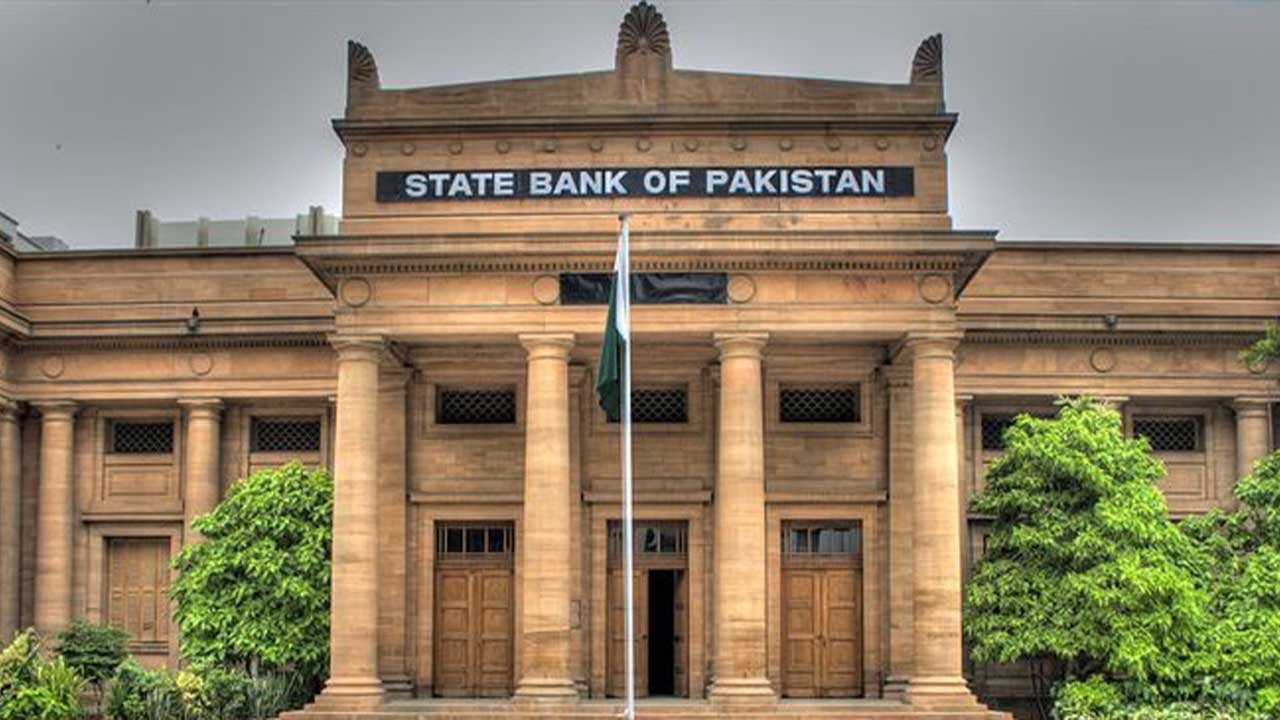
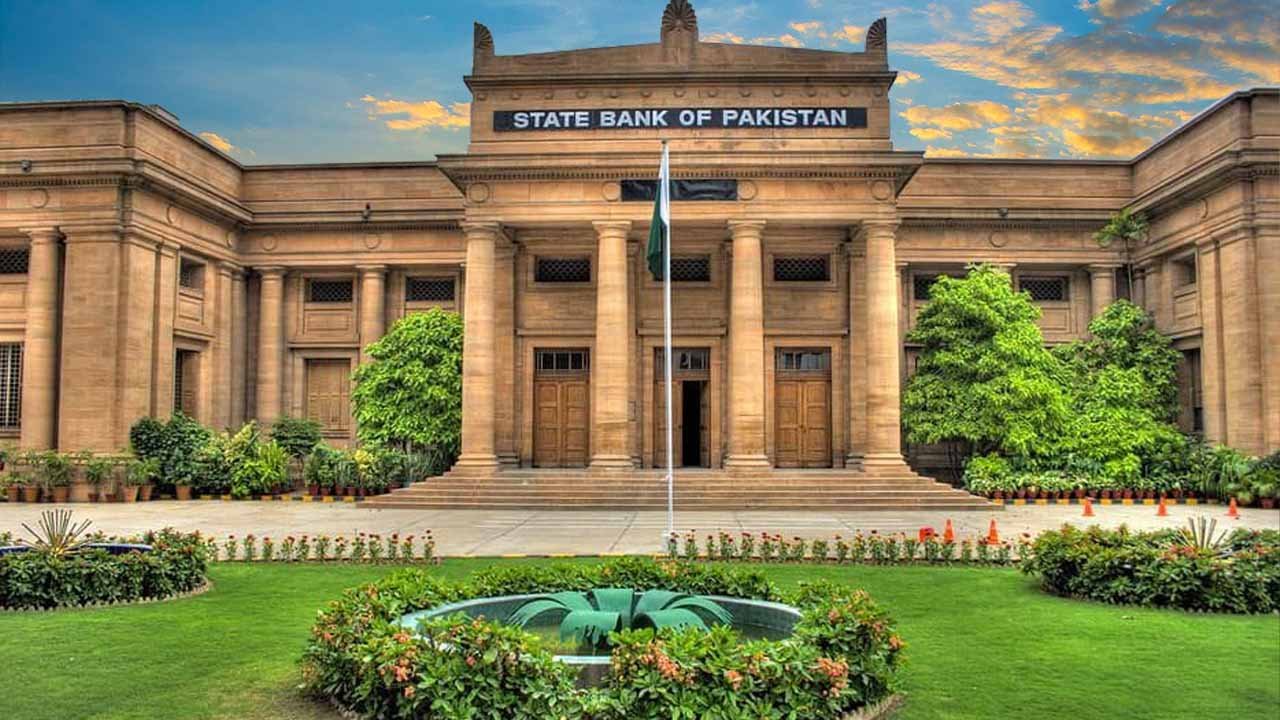
    Foreign exchange reserves held by the State Bank of Pakistan (SBP) fell by $239 million, reaching $8.896 billion as of June 21, according to data released by the central bank on Thursday.

    The total liquid foreign reserves held by Pakistan stood at $14.207 billion, with net foreign reserves held by commercial banks at $5.311 billion. The central bank attributed the decline to external debt repayments.

    “During the week ended on June 21, 2024, SBP reserves decreased by $239 million to $8.896 billion due to external debt repayments,” the SBP stated.

    This comes after a $31 million increase in the central bank’s reserves the previous week. In May, the SBP’s reserves had surged by $1.114 billion, surpassing $9 billion for the first time in nearly two years.

    This increase was primarily due to the disbursement of the last $1.1 billion tranche from the International Monetary Fund (IMF) under its $3 billion Stand-By Arrangement.

    The fluctuating reserves highlight the ongoing financial challenges faced by Pakistan, particularly in managing its external debt obligations and maintaining a stable economic outlook.

  • Pakistan’s forex reserves decline by $63.3 million to $9.09 billion

    Pakistan’s forex reserves decline by $63.3 million to $9.09 billion

    The State Bank of Pakistan (SBP) has reported a marginal decline in the nation’s foreign exchange reserves, indicating a decrease of $63.3 million or 0.69 per cent week over week (WoW) to $9.09 billion, according to data released on Thursday.

    The central bank attributed this downturn primarily to debt repayments. In a statement issued by the SBP, it was highlighted that during the week ending May 24, 2024, SBP reserves experienced a $63 million decrease to reach $9.09 billion, primarily due to external debt repayments.

    Similarly, Pakistan’s overall reserves witnessed a decrease of $270 million or 1.85 per cent WoW, amounting to $14.32 billion. Furthermore, commercial banks saw a decline in reserves by $206.7 million or 3.81 per cent WoW, totaling $5.22 billion.

    Despite these fluctuations, the current fiscal year has seen a remarkable increase in SBP-held reserves, amounting to $4.63 billion or 103.6 per cent.

    This surge follows Pakistan’s attainment of the International Monetary Fund’s (IMF) Stand-By Arrangement (SBA) of approximately $3 billion by the end of June last year.

    This arrangement not only bolstered the nation’s reserves but also facilitated access to additional multilateral and bilateral funding.

    Furthermore, the ongoing calendar year has witnessed a notable increase of $872.5 million or 10.61 per cent in reserves, reflecting continued efforts to stabilise and strengthen Pakistan’s economic position.

  • Pakistan’s forex reserves dip by $173 million, SBP cites debt repayments

    Pakistan’s forex reserves dip by $173 million, SBP cites debt repayments

    The State Bank of Pakistan (SBP) has reported a decrease of $173 million in its foreign exchange reserves on a weekly basis, revealing a total of $8.04 billion as of February 2, according to data released on Thursday.

    The country’s overall liquid foreign reserves are reported to stand at $13.09 billion, with commercial banks holding net foreign reserves amounting to $5.05 billion.

    The SBP has identified debt repayments as the primary factor contributing to the decline in reserves. In an official statement, the SBP stated, “During the week ending on 2-Feb-2024, SBP’s reserves decreased by US$ 173 million to US$ 8,044.0 million due to debt repayments.”

    This follows a trend from the previous week when Pakistan’s central bank reserves experienced a decrease of $54 million. The ongoing challenges related to debt servicing continue to impact the nation’s foreign exchange reserves.

  • Pakistan’s forex reserves witness a dip of $127 million

    Pakistan’s forex reserves witness a dip of $127 million

    In a recent report, it was revealed that the foreign exchange reserves held by the State Bank of Pakistan (SBP) experienced a decline of $127 million during the week ending January 12, settling at $8.03 billion.

    The country’s total liquid foreign reserves, including those held by commercial banks, amounted to $13.15 billion. Specifically, commercial banks held net foreign reserves of $5.12 billion.

    The SBP attributed the reduction in reserves to debt repayments, stating, “During the week ending on January 12, 2024, the SBP’s reserves decreased by US$ 127 million to US$ 8,027.4 million due to debt repayments.”

    Notably, the previous week had also seen a decrease in Pakistan’s central bank reserves, amounting to $66 million.

    In a significant development, Pakistan received a tranche of $705.6 million from the International Monetary Fund (IMF), as confirmed in a statement by the SBP on Wednesday.

    The central bank stated, “The SBP has received SDR 528 million (equivalent to $705.6 million) on January 16, 2024, from the IMF following the successful completion of the first review by the Executive Board of the IMF under Standby Arrangement (SBA).”

    The impact of this disbursement will be reflected in the central bank reserves for the week ending January 19.

  • State Bank of Pakistan’s forex reserves decline to $7.02 billion amidst debt repayments 

    State Bank of Pakistan’s forex reserves decline to $7.02 billion amidst debt repayments 

    During the week ending December 1, 2023, the State Bank of Pakistan (SBP) witnessed a decline of $237 million in its foreign exchange reserves, bringing the total to $7,020.2 million. This reduction is attributed to debt repayments.  

    As of the same date, the country’s overall liquid foreign reserves amounted to $12.1 billion. Commercial banks held net foreign reserves totaling $5.08 billion. 

    Notably, the central bank’s reserves received a boost in July of the current year when Pakistan secured the initial tranche of approximately $1.2 billion from the International Monetary Fund (IMF).  

    This was part of a newly approved $3 billion stand-by arrangement (SBA). Additionally, inflows were received from Saudi Arabia and the UAE. 

    Despite these positive developments, the SBP’s reserves have been under pressure due to ongoing debt repayments, increased import payments following eased restrictions, and a lack of new inflows. 

    In a significant development, the IMF announced last month that a staff-level agreement (SLA) had been reached between its team and Pakistani authorities regarding the first review of the SBA.  

    However, the approval of the IMF Executive Board is required for this agreement to take effect. 

    Upon approval, approximately $700 million (SDR 528 million) will become available, bringing the total disbursements under the programme to almost $1.9 billion. 

    Addressing the media after the SLA with the IMF, Caretaker Finance Minister Dr Shamshad Akhtar expressed confidence that external financing would not be a concern.  

    The government anticipates inflows in December 2023, which are expected to contribute to an increase in foreign exchange reserves. 

  • Pakistan’s forex reserves rebound: SBP gains $77 million in a week 

    Pakistan’s forex reserves rebound: SBP gains $77 million in a week 

    According to data released on Thursday, the State Bank of Pakistan (SBP) witnessed a weekly increase of $77 million in its foreign exchange reserves, reaching $7.26 billion as of November 24.  

    The total liquid foreign reserves for the country amounted to $12.39 billion, with commercial banks holding net foreign reserves at $5.13 billion. 

    During the week ending on November 24, 2023, SBP’s reserves increased by $77 million, reaching $7,257.0 million. Contrastingly, the previous week saw a decrease of $217 million in Pakistan’s central bank reserves. 

    In July of this year, the central bank’s reserves received a boost as Pakistan obtained the initial tranche of approximately $1.2 billion from the International Monetary Fund (IMF) following the approval of a new $3-billion Stand-By Arrangement (SBA).  

    This boost was complemented by inflows from Saudi Arabia and the UAE. 

    However, the SBP reserves faced pressure due to debt repayments, a surge in import payments after the easing of restrictions, and a lack of fresh inflows. 

    In a significant development, the IMF announced last week that its staff and Pakistani authorities had reached an agreement on the first review of the SBA.  

    The staff-level agreement is pending approval by the IMF Executive Board. 

    The IMF team reached a staff-level agreement (SLA) with the Pakistani authorities on the first review of their stabilization program supported by the IMF’s $3 billion (SDR2,250 million) SBA.  

    Upon approval, approximately $700 million (SDR 528 million) will become available, bringing total disbursements under the program to almost $1.9 billion. 

    Following the SLA with the IMF, Caretaker Finance Minister Dr Shamshad Akhtar expressed confidence that external financing would not be an issue, anticipating inflows in December 2023 to contribute to an increase in foreign exchange reserves. 

  • SBP reports second consecutive weekly decline in forex reserves

    SBP reports second consecutive weekly decline in forex reserves

    During the week ending on November 17, 2023, the State Bank of Pakistan (SBP) experienced a decline of $217 million in its foreign exchange reserves, settling at $7,180.0 million, as revealed by data released on Thursday.

    The total liquid foreign reserves for the country amounted to $12.3 billion, with commercial banks holding net foreign reserves of $5.1 billion.

    The central bank attributed this reduction in reserves to debt repayments. In a statement, the SBP explained, “During the week ended on November 17, 2023, the SBP’s reserves decreased by US$ 217 million to US$ 7,180.0 million due to debt repayments.”

    This marks the second consecutive week of a decline in the dollar stockpile, following a $115 million decrease in the previous week.

    It’s noteworthy that in July of this year, the central bank’s reserves received a significant boost as Pakistan received the initial tranche of approximately $1.2 billion from the International Monetary Fund (IMF).

    This followed the approval of a new $3 billion stand-by arrangement (SBA). Additional inflows were received from Saudi Arabia and the UAE.

    However, the SBP’s reserves have been facing pressures due to ongoing debt repayments, increased import payments following the relaxation of restrictions, and a lack of fresh inflows.

    In a positive development, the IMF announced last week that its staff and Pakistani authorities had reached an agreement on the first review of the SBA.
    The staff-level agreement is pending approval by the IMF Executive Board.

    The IMF stated, “The IMF team has reached a staff-level agreement (SLA) with the Pakistani authorities on the first review of their stabilisation programme supported by the IMF’s US$3 billion (SDR2,250 million) SBA.”

    Upon approval, approximately US$700 million (SDR 528 million) will become available, bringing the total disbursements under the programme to nearly US$1.9 billion.

    Caretaker Finance Minister Dr Shamshad Akhtar, speaking to the media after the SLA with the IMF, expressed confidence that external financing would not be an issue, anticipating increased inflows in December 2023, which would contribute to boosting the foreign exchange reserves.

  • Pakistan’s forex reserves dip by $79 million amidst external debt repayments

    Pakistan’s forex reserves dip by $79 million amidst external debt repayments

    Pakistan’s total liquid foreign exchange reserves declined by $79 million in the past week, primarily due to external debt repayments. 

    According to the State Bank of Pakistan (SBP), as of November 10, 2023, the country’s total reserves amounted to $12.535 billion, down from $12.614 billion on November 3, 2023.

    During the reviewed week, SBP’s reserves decreased by $115 million to $7.397 billion due to debt servicing. Conversely, commercial banks’ net foreign reserves increased by $36 million, reaching $5.139 billion by the end of the week.

    In a significant development, the International Monetary Fund (IMF) announced on Wednesday that a staff-level agreement (SLA) has been reached on the first review of a nine-month stand-by arrangement (SBA) totaling $3 billion with Pakistani authorities.

    Pending approval by the IMF Executive Board, the SLA signifies a milestone, and upon approval, an amount of SDR 528 million, approximately a $700 million loan tranche, will be disbursed to Pakistan. 

    This disbursement will bring the total funds received under the IMF SBA to $1.9 billion.

    These incoming funds are expected to contribute to replenishing the country’s diminishing foreign exchange reserves. 

    The IMF team, led by Nathan Porter, conducted discussions in Pakistan from November 2–15, 2023, culminating in the announcement of the SLA upon the completion of the economic review.

  • State Bank of Pakistan’s forex reserves dip by $220 million in weekly report 

    State Bank of Pakistan’s forex reserves dip by $220 million in weekly report 

    The State Bank of Pakistan (SBP) witnessed a notable decline in its foreign exchange reserves, with a weekly reduction of $220 million, bringing the total to $7.5 billion as of October 20th, according to the data released on Thursday. 

    The overall liquid foreign reserves of the country now stand at $12.6 billion, while the commercial banks hold net foreign reserves of $5.1 billion.  

    The decrease in SBP’s reserves was attributed to debt repayments during the week that ended on October 20, 2023, leading to a decrease of $220 million and bringing the total to $7,494.2 million. 

    Last week saw a modest increase of $67 million in Pakistan’s central bank reserves. Notably, Pakistan’s central bank received a significant boost to its reserves in July of this year.  

    This boost was a result of the initial installment of approximately $1.2 billion from the International Monetary Fund (IMF), following the approval of a new $3-billion stand-by arrangement by the IMF. Additionally, Pakistan received inflows from Saudi Arabia and the UAE. 

    Nevertheless, the central bank’s reserves have come under pressure due to a combination of factors, including ongoing debt repayments, increased import payments after the easing of restrictions, and a lack of substantial new inflows.