Tag: debt

  • Crisis-hit Sri Lanka has enough petrol left for one day, PM warns

    Crisis-hit Sri Lanka has enough petrol left for one day, PM warns

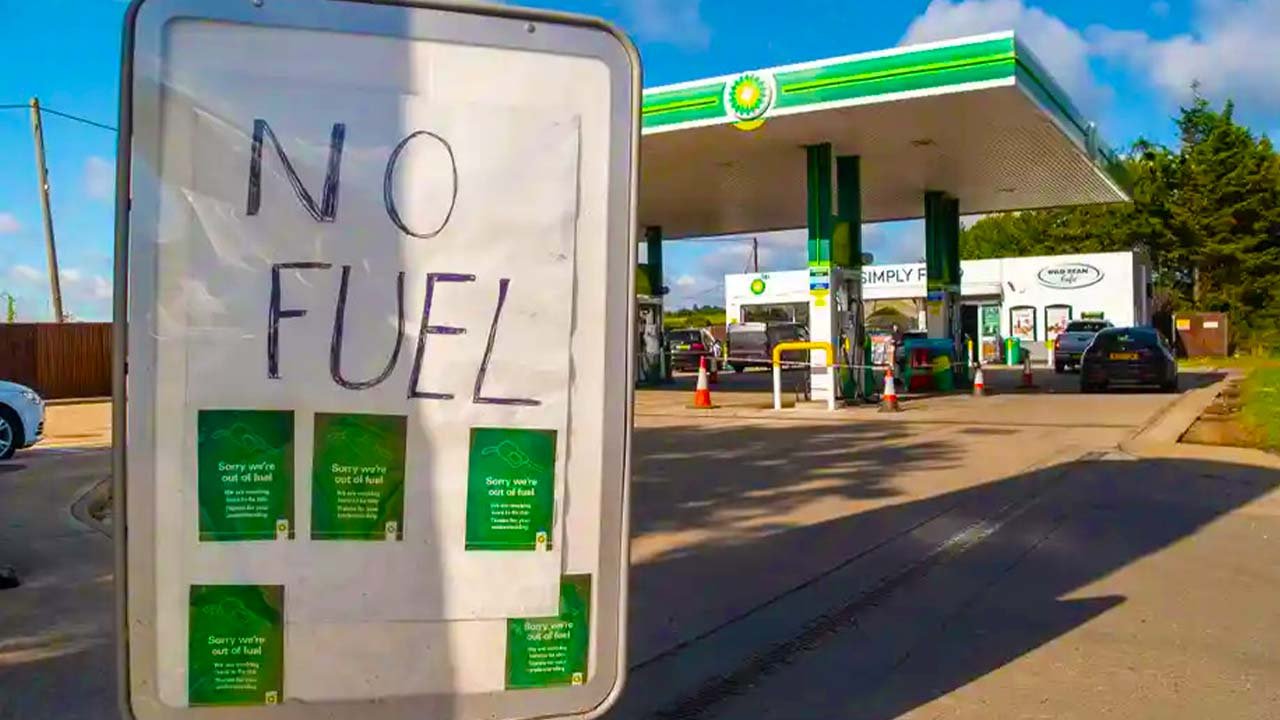
    As the country suffers its greatest economic crisis in more than 70 years, Sri Lanka’s new Prime Minister (PM) declared that the country is headed to its last day of petrol stock.

    PM Ranil Wickremesinghe said the country urgently needed $75 million in foreign currency to pay for crucial imports in a televised address. In order to pay government salaries, he claims the central bank will have to print money.

    Sri Lankan Airlines, which is owned by the government, may be privatised, according to PM Wickremesinghe.

    The pandemic, soaring energy prices, and populist tax cuts have all wreaked havoc on the island nation’s economy. Medicines, fuel, and other essentials were in low supply due to a chronic shortage of foreign cash and rising inflation.

    Auto rickshaws, the city’s most popular mode of transportation, and other vehicles have been queuing at gas stations in Colombo.

    The country has enough petrol for one day at the time. Mr Wickremesinghe, who was appointed Prime Minister last week, cautioned that the next few months will be the hardest of our lives.

    He noted that shipments of petrol and diesel using an Indian credit line could provide fuel supplies in the coming days.

    Mr Wickremesinghe stated that the nation’s central bank will have to print money to assist the government in meeting its salary bill and other obligations.

    The PM stated that he is forced to allow the printing of money against his will in order to pay state employees and purchase vital products and services. However, the nation must keep in mind that printing money causes the local currency to depreciate.

    Read more: CNG prices pushed to Rs140 per kg for sales tax collection

    As part of his efforts to stabilise the country’s finances, he advocated selling out Sri Lankan Airlines. In the fiscal year ended March 2021, the airline lost 45 billion rupees ($129.5 million; £105 million).
  • Pakistan’s foreign currency reserves down by $328 million

    Pakistan’s foreign currency reserves down by $328 million

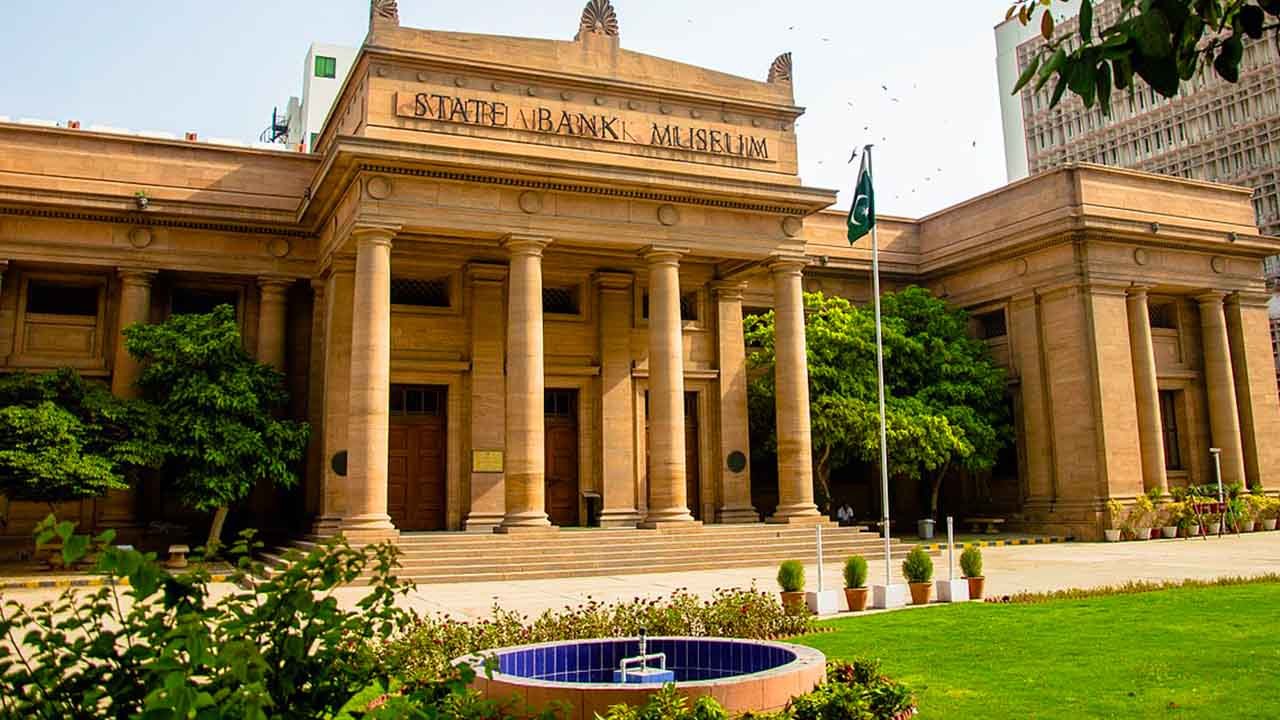
    State Bank of Pakistan (SBP) on April 28, revealed that the central bank’s foreign exchange reserves fell by 3 per cent on a weekly basis.

    The central bank’s foreign currency reserves were $10,558.2 million on April 23, a $328 million decrease from the previous day’s total of $10,885.7 million. according to the SBP, this decline was caused by external debt and other payments.

    Pakistan’s total liquid foreign currency reserves, comprising net reserves held by banks other than the SBP, were $16,668.2 million. Banks held a total of $6,110 million in net reserves.

    SBP’s foreign exchange reserves reached an all-time high of $20.15 billion in the week ending August 27, 2021, after Pakistan received a general allocation of Special Drawing Rights (SDRs) worth $2,751.8 million from the IMF on August 24.

    Pakistan bought $2.5 billion using Eurobonds on March 30, 2021, by offering attractive interest rates to lenders in order to enhance foreign exchange reserves.

    Read more: All banks to remain open this Saturday

    On July 9, 2019, it received the first loan amount of $991.4 million from the IMF, which helped to boost reserves. The IMF released the second loan tranche of approximately $454 million in late December 2019.

  • State Bank of Pakistan hikes interest rate to 12.25% in an emergency meeting

    State Bank of Pakistan hikes interest rate to 12.25% in an emergency meeting

    Following an emergency meeting, the State Bank of Pakistan (SBP) raised interest rates by 250 basis points, as mounting political uncertainty and rising worldwide oil prices threaten to drive the country into a full-fledged economic catastrophe.

    The key rate is now 12.25 per cent, as per the latest statement released by the central bank on Thursday. According to the report, this makes the real rate “mildly positive” and will assist maintain external and price stability.

    The judgment came a few hours before the Supreme Court was due to rule on the constitutionality of Prime Minister Imran Khan’s disputed move to dissolve parliament and hold new elections. Pakistan may find it difficult to persuade the International Monetary Fund (IMF) to grant a much-needed loan tranche due to the political limbo.

    At the recent briefing, SBP governor, Reza Baqir, said, “We thought it’s important to take decisive action”.  He added that the body does not intend to do anything else.

    The central bank claimed that intensified domestic political turmoil contributed to the rupee’s 5 per cent loss and caused a jump in local bond rates, as well as Pakistan’s Eurobond yields and Credit Default Swap (CDS) spreads. Oil prices are likely to remain elevated, and the Federal Reserve of the United States is expected to compress sooner than expected, according to the report.

    The PKR broke all records on Thursday, selling at more than Rs189 per dollar in intraday trading in the interbank market, continuing a slump that has witnessed its decline of more than 10 per cent since March 4.

    Read more: Pakistan to import 32.7 million barrels of oil to cover petroleum needs

    Pakistan’s political instability, in addition to money from the IMF, is causing delays in a planned $1 billion green bond offering. A refinancing from China is also expected; the repayment in recent weeks caused Pakistan’s foreign-exchange reserves to plummet to their lowest level since records began in 2010.

    In a meeting last month, SBP cautioned that it might convene earlier than planned to avoid a crisis. It revised its average inflation prediction for the fiscal year ending in June from 9 per cent to little more than 11 per cent.

  • ‘Smart performance’: Pakistan’s debt falls to 84.7pc of GDP

    ‘Smart performance’: Pakistan’s debt falls to 84.7pc of GDP

    Pakistan’s general government debt, including guarantees and the International Monetary Fund (IMF) loan, have declined to 84.7 per cent of the GDP, Dawn reported.

    According to details, a recently published IMF report has revealed that the decline in debts was a consequence of the government’s smart performance in reducing expenditures, registering primary budget surplus and increasing tax and non-tax revenues during the first five months of the current fiscal year.

    “In the first quarter of 2019-20, budget execution by the incumbent government improved considerably, registering a primary surplus of 0.6pc of GDP and an overall deficit of 0.6pc – about 1pc of GDP better than programmed,” the report added.

    It said the over-performance was driven by stronger than expected non-tax revenues, accompanied by double-digit growth in tax revenue net of refunds.

    At the same time, due to import compression, customs receipts and other external sector-related taxes have suffered (up only 6pc year-on-year), the report said, adding that spending, including by the provinces, has remained prudent.

    However, the document observed that in FY19, the budget registered a primary deficit of 3.5pc of GDP and an overall deficit of 8.9pc, against its target of 1.8pc and 7pc, respectively.

    Revenue collection at the federal level came in at 2pc of GDP, lower than expected, while total expenditures and provincial fiscal balances were in line with projections, it added. Around three-fourth of the revenue shortfall were due to one-off factors, which are not expected to carry over into FY20.

    In particular, delays in renewing telecom licences, a temporary delay in the sale of state assets, and weaker than expected amnesty proceeds contributed around 1pc of GDP, while a shortfall in the transfer of State Bank profits to the budget, stemming from losses related to the exchange rate depreciation in late FY19 added an additional 0.5pc of GDP.

    As a consequence of the fiscal slippages and the exchange rate depreciation, but also the government’s decision to increase cash deposits considerably to provide a financing cushion against potentially unfavourable market conditions, government debt (including guarantees and IMF borrowing) rose to 88pc of GDP.

    With respect to government’s performance in revenue collection, the report observed that with 34pc nominal growth, compared to 1QFY19, total revenue over-performed the programmed projections by 0.2pc of GDP.

    On account of tax policy measures implemented at the beginning of FY20, the domestic component of tax revenue collected by the FBR, recorded robust growth of 25pc.

    Growth was particularly strong in sales and direct taxes, where most measures were targeted (including removal of tax exemptions, zero and reduced rates). At the same time, taxes collected at the import stage were impacted by substantial import compression, with a decline in all revenue categories except of sales tax.

    Given that more than 40pc of total tax revenue in Pakistan is collected at the import stage, this shortfall had a notable impact on overall tax revenue performance 0.2pc of GDP lower than programmed.

    One-off tax revenue inflows (around Rs30bn) also contributed to the overall result and are related to tax advances and tax amnesty receipts that were not collected at the end of FY19 but were realised in the first quarter of 2019-20 instead. Tax revenues collected at provincial level were also strong, increasing by 18pc.