Tag: decline

  • Pakistani rupee tumbles to Rs200 versus US dollar in the interbank

    Pakistani rupee tumbles to Rs200 versus US dollar in the interbank

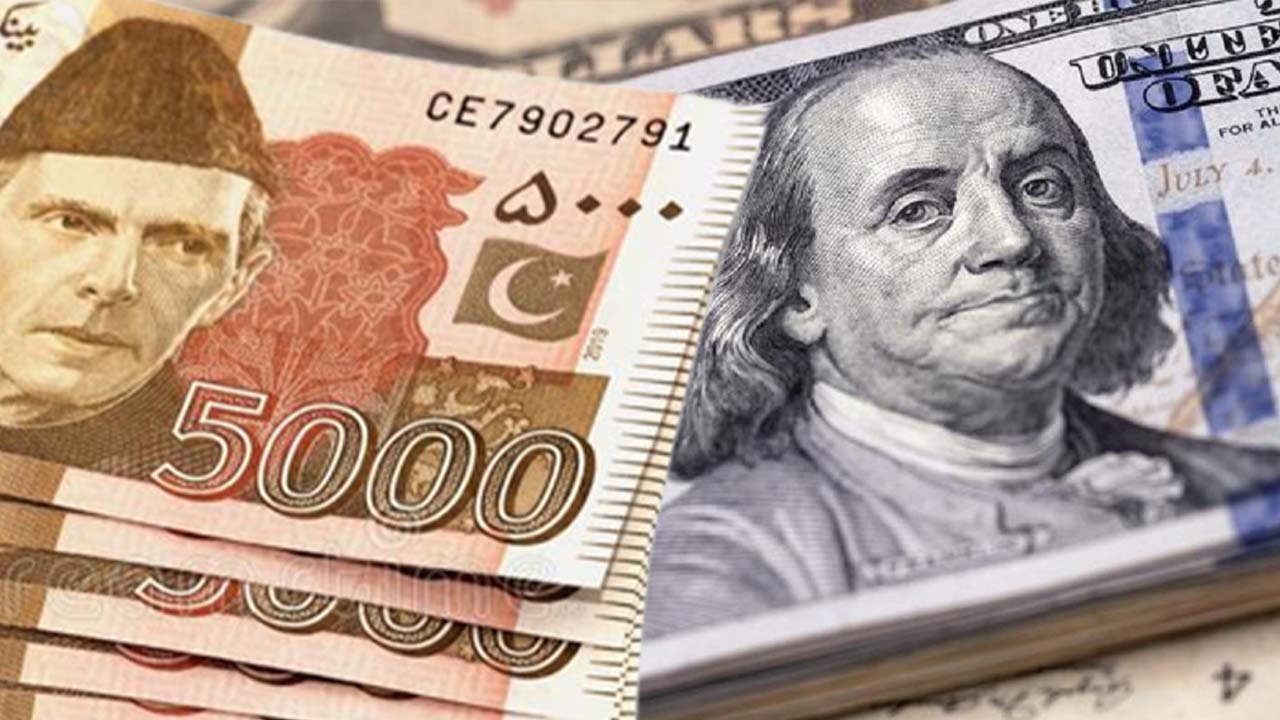
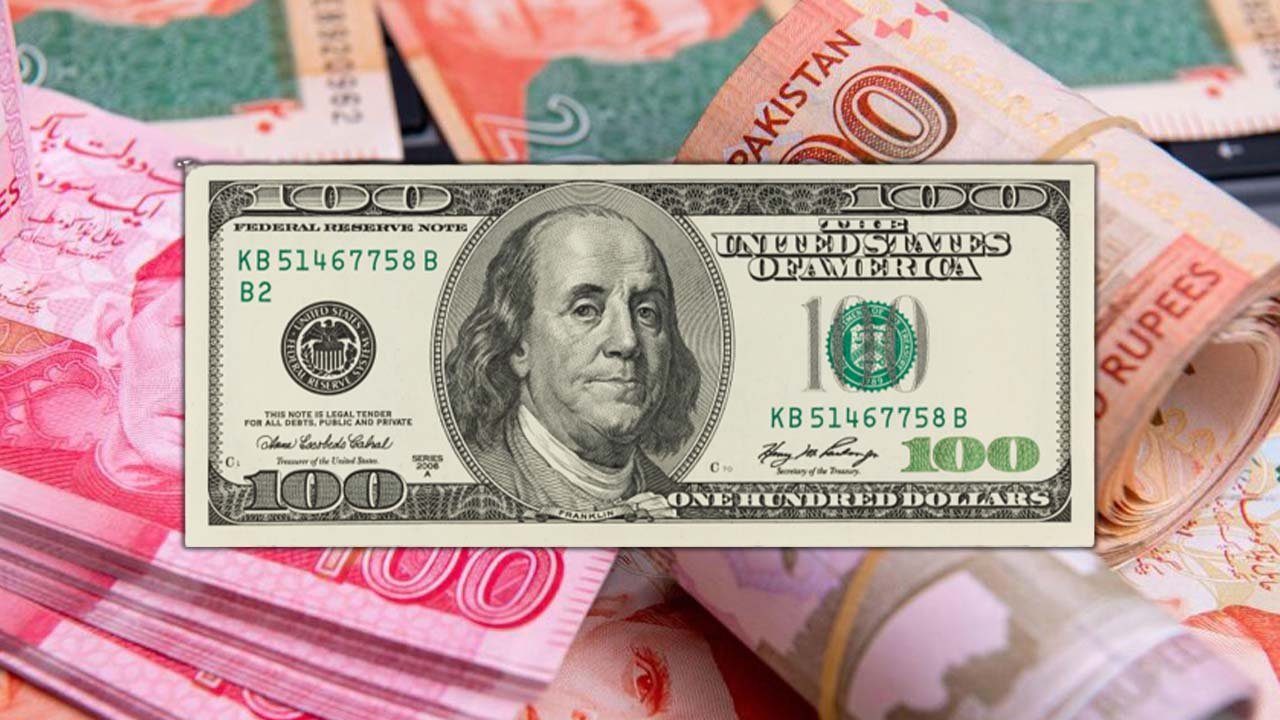
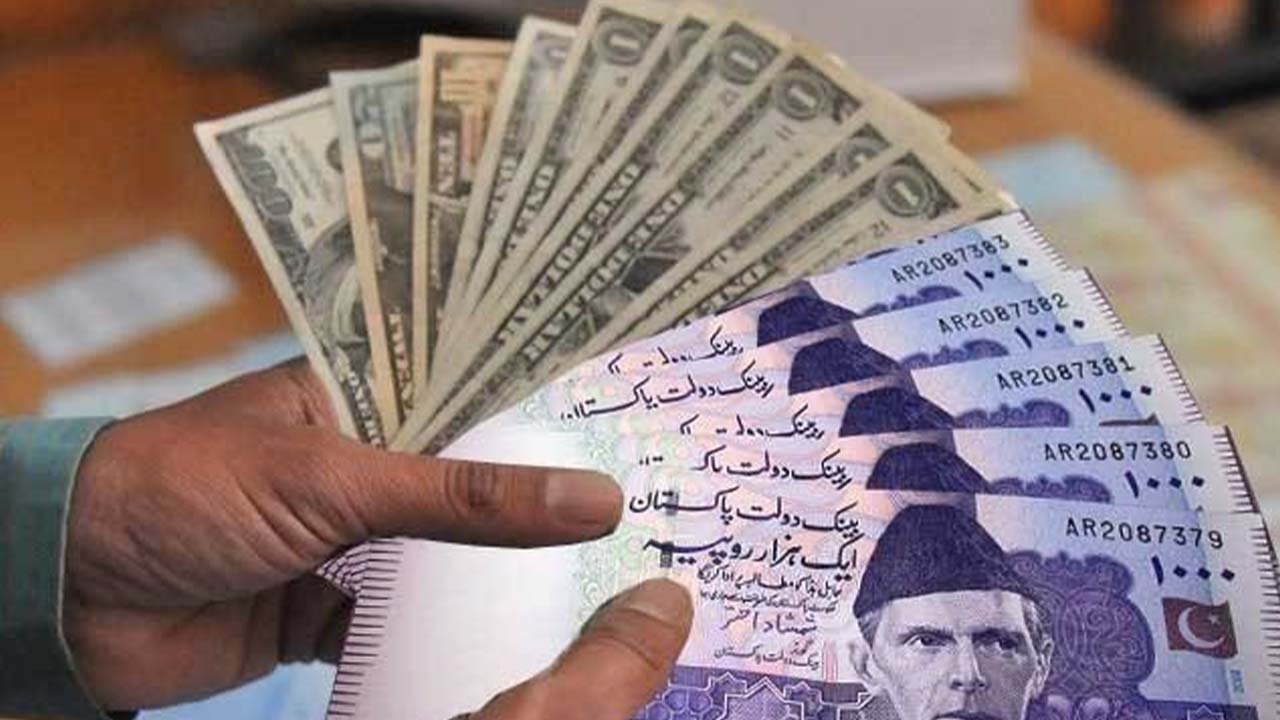
    The lack of clarity on both economic and political fronts worsened the Pakistani rupee’s (PKR) difficulties, as the local currency sank to Rs200 against the US dollar during intraday trading in the interbank market on Thursday, May 19.

    Pakistani currency officially breached the 200-barrier in the open market on May 18, closing at Rs198.39 after a day-on-day devaluation of Rs2.65 or 1.3 per cent.

    Investors, on the other hand, are concerned about the reactivation of the stalled $6 billion Extended Fund Facility (EFF) programme due to the government’s inability to implement IMF conditions. Meanwhile, market sentiment was severely harmed by continued domestic political uncertainties.

    Pakistan and the IMF are holding talks in Doha as the South Asian country wants to revive the IMF programme. On Wednesday, Federal Minister of Finance and Revenue Miftah Ismail met virtually with IMF Mission Chief Nathan Porter.

    During the meeting, Ismail underlined the government’s resolve to implement the IMF’s reforms and meet the program’s structural goals.

    He stated that the administration recognises the need to make difficult decisions while minimising the impact of inflation on the middle and lower income groups.
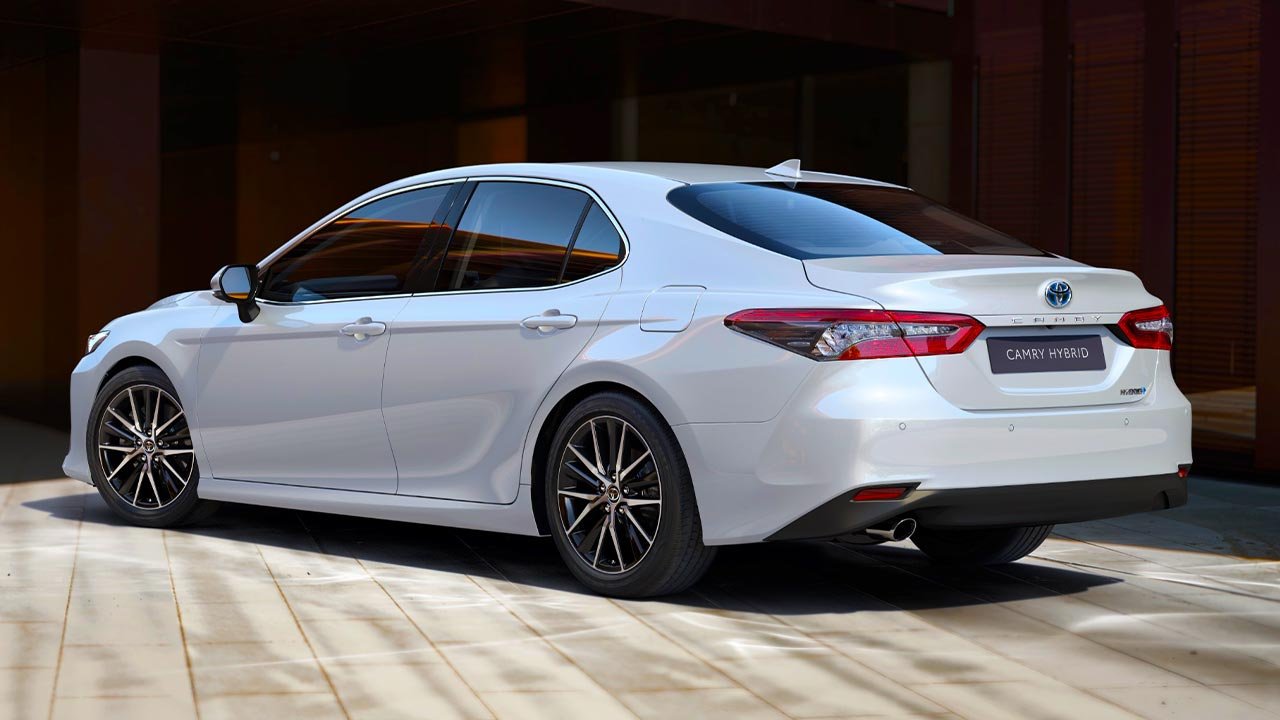
  • Toyota Camry after a hike of Rs2 million, priced at Rs23.3 million

    Toyota Camry after a hike of Rs2 million, priced at Rs23.3 million

    Toyota Indus Motor Company (IMC) has announced a massive price hike for all completely built-up (CBU) units offered by the Japanese automaker in Pakistan. The price of Toyota Camry is upped by Rs2 million and will now cost Rs23.3 million

    The only variant of the popular hybrid model, Toyota Prius received a hike of Rs1.26 million and will be sold for Rs14.65 million. Toyota’s crossover SUV, Corolla Cross (top trim) is now priced at Rs13.4 million after a hefty increase of Rs1.17 million in its earlier price.

    Finally, the automatic version of Toyota Rush will now be offered at Rs8.33 million following an increase of Rs710,000.

    Read more: Hyundai Sonata 2.5 will now cost Rs7.85 million

    Toyota IMC’s CBU models, in particular, have become nearly unobtainable following the recent price jump. The government’s main purpose in the auto sector, however, is to discourage CBU imports and increase sales of locally produced vehicles. This means that all other CBUs are on the verge of suffering the same fate as Toyota.

  • Crisis-hit Sri Lanka has enough petrol left for one day, PM warns

    Crisis-hit Sri Lanka has enough petrol left for one day, PM warns

    As the country suffers its greatest economic crisis in more than 70 years, Sri Lanka’s new Prime Minister (PM) declared that the country is headed to its last day of petrol stock.

    PM Ranil Wickremesinghe said the country urgently needed $75 million in foreign currency to pay for crucial imports in a televised address. In order to pay government salaries, he claims the central bank will have to print money.

    Sri Lankan Airlines, which is owned by the government, may be privatised, according to PM Wickremesinghe.

    The pandemic, soaring energy prices, and populist tax cuts have all wreaked havoc on the island nation’s economy. Medicines, fuel, and other essentials were in low supply due to a chronic shortage of foreign cash and rising inflation.

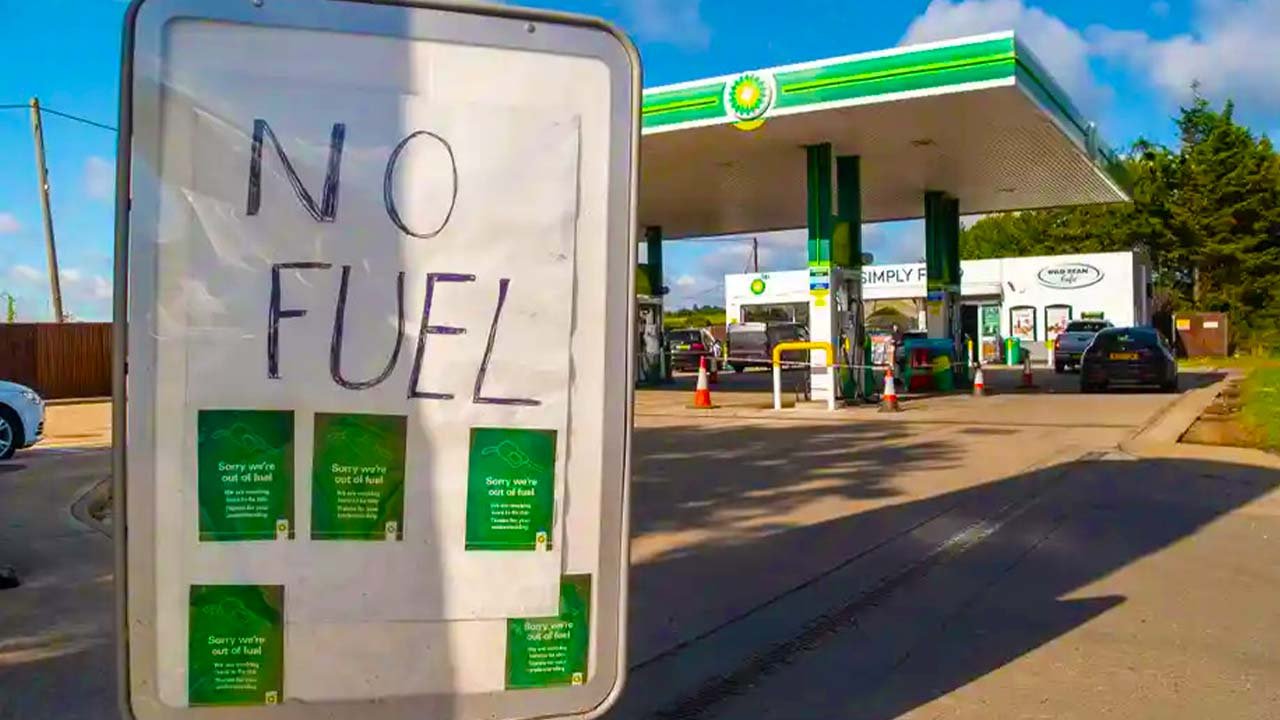
    Auto rickshaws, the city’s most popular mode of transportation, and other vehicles have been queuing at gas stations in Colombo.

    The country has enough petrol for one day at the time. Mr Wickremesinghe, who was appointed Prime Minister last week, cautioned that the next few months will be the hardest of our lives.

    He noted that shipments of petrol and diesel using an Indian credit line could provide fuel supplies in the coming days.

    Mr Wickremesinghe stated that the nation’s central bank will have to print money to assist the government in meeting its salary bill and other obligations.

    The PM stated that he is forced to allow the printing of money against his will in order to pay state employees and purchase vital products and services. However, the nation must keep in mind that printing money causes the local currency to depreciate.

    Read more: CNG prices pushed to Rs140 per kg for sales tax collection

    As part of his efforts to stabilise the country’s finances, he advocated selling out Sri Lankan Airlines. In the fiscal year ended March 2021, the airline lost 45 billion rupees ($129.5 million; £105 million).

  • Pakistani rupee crashes to historic low of Rs194 against US dollar

    Pakistani rupee crashes to historic low of Rs194 against US dollar

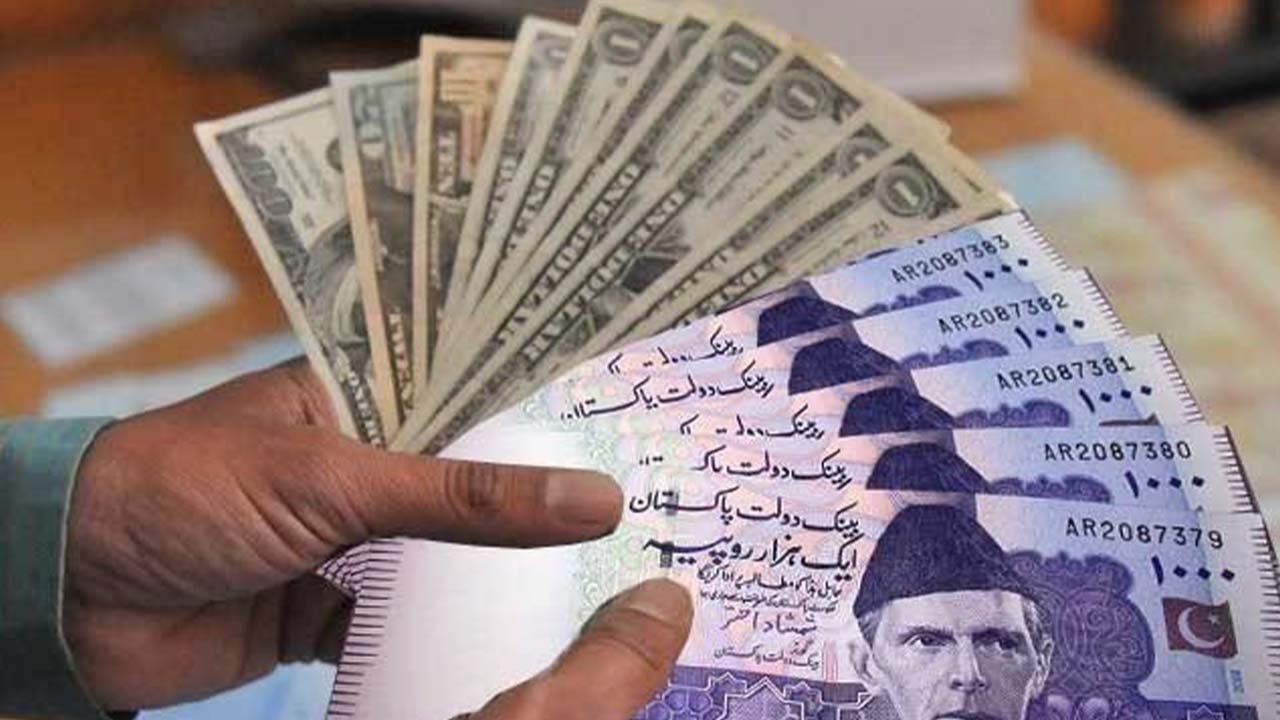
    During the trading session on Monday, the Pakistani rupee (PKR) maintained its declining trend, touching Rs194, its worst rate versus the US dollar. At the interbank, the greenback strengthened by Rs1.47 during the trading hours.

    The General Secretary of the Exchange Companies Association of Pakistan, Zafar Paracha said that the greenback climbed by Rs11.07 since the new government took government, while debt has increased by Rs1,400 billion due to the disparity.

    Pakistani currency lost 3.1 per cent of its value against the US dollar in the previous week in the interbank market, with Pakistan’s currency hitting new record lows to end the week at Rs192.53, its worst closing in history.

    Read more: Pakistani Rupee crashes to a record low against US dollar 

    The local currency fell in value across the board as concerns about the economy, declining foreign currency reserves, and worsening trade imbalance intensified. Concerns over the International Monetary Fund (IMF) programme have also caused fear and speculation in the market.

  • ‘Stablecoin’ crashes, bitcoin set for a record losing run

    ‘Stablecoin’ crashes, bitcoin set for a record losing run

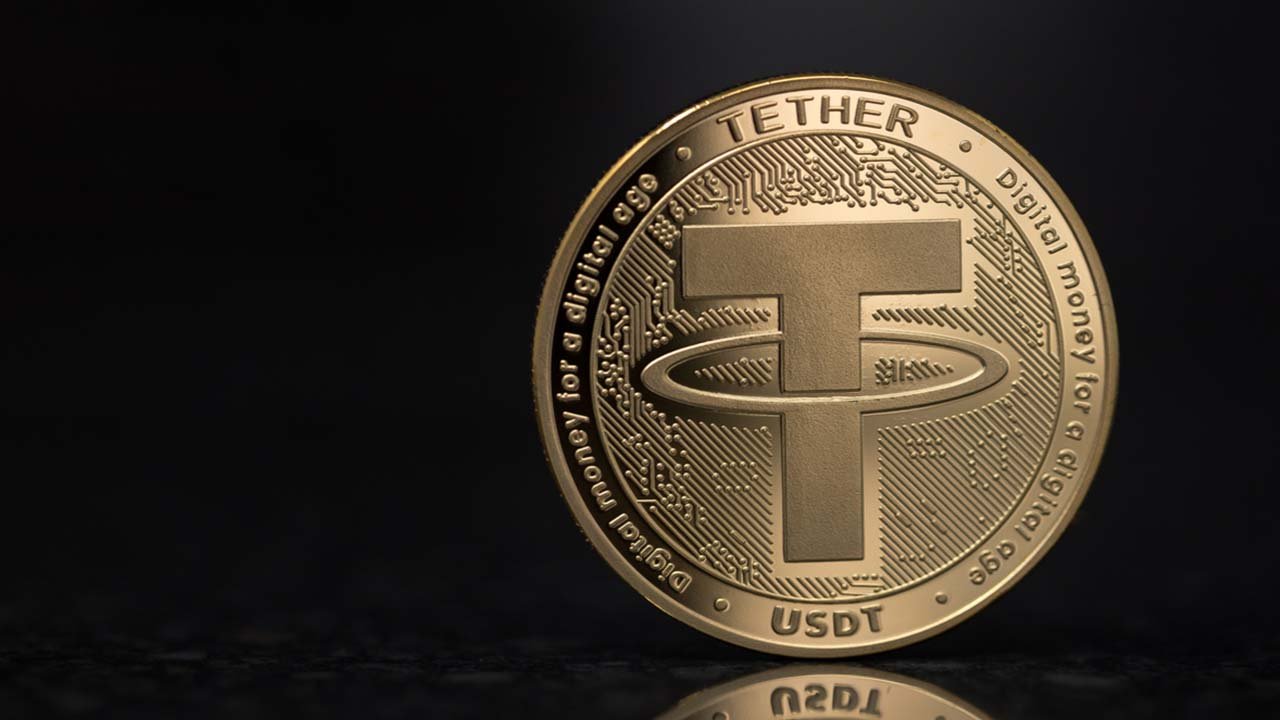
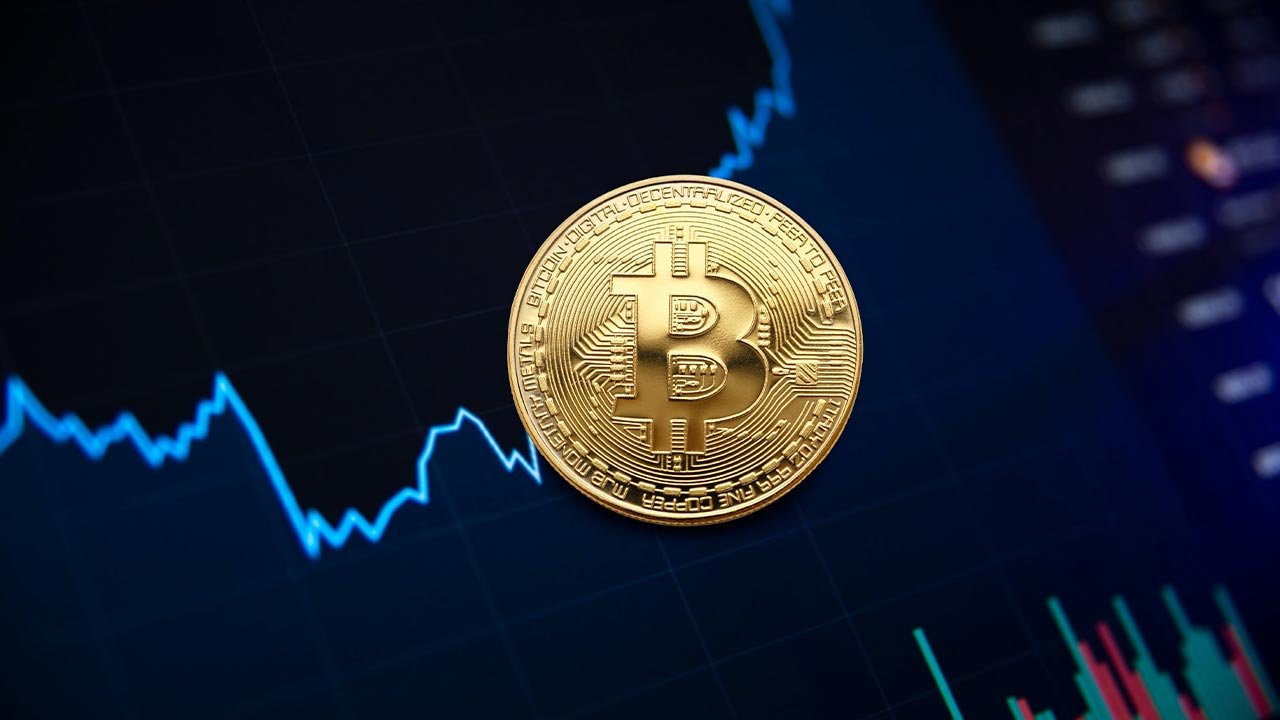
    Following the collapse of TerraUSD, a so-called stablecoin, resonated across markets, cryptocurrencies suffered significant losses on Friday, with bitcoin trapped below $30,000 and on track for a record losing streak.

    Concerns about high inflation and rising interest rates have prompted widespread dumping of hazardous investments, including crypto assets.

    However, sentiment is particularly shaky, as tokens that were intended to be tethered to the dollar have failed.

    Bitcoin, the most valuable cryptocurrency by market capitalization, attempted a recovery early in the Asian session, rising 2 per cent to $29,500, a recovery from a 16-month low of roughly $25,400 on Thursday.

    It is still trading well below week-ago levels of around $40,000 and is on track for a record sixth consecutive weekly loss unless weekend activity improves.

    “I don’t believe the worst is gone,” Scottie Siu, investment director at Axion Global Asset Management, a Hong Kong-based firm that manages a crypto index fund, said. “I believe there will be further decline in the days ahead”.

    “I believe what we need to see is a significant drop in open interest, so that speculators are forced out, and then the market will stabilise”.

    Read more: Pakistan’s cement exports fell by 82.15 per cent in April 2022

    This week, TerraUSD (USDT) lost its 1:1 peg to the dollar, as its method for maintaining stability, which relied on another virtual token, failed under selling pressure.

  • Pakistani rupee reaches a new all-time low of Rs190 against the US dollar

    Pakistani rupee reaches a new all-time low of Rs190 against the US dollar

    In the interbank market on May 11, the US dollar soared to an all-time high against the Pakistani rupee (PKR), reaching Rs190.10.

    In the morning. the local currency was trading at Rs189.89 to Rs190.04, with deals reported at Rs190.

    The dollar gained Rs1.44, surpassing the prior day’s finish of Rs188.66. The greenback touched an all-time high on May 11, when it surpassed the Rs189 level.

    It had gone down in the immediate aftermath of the April 11 change of government, but the adjustment soon ran out of steam, and the greenback is now flying again, hitting a new all-time high.

    Read more: CNG prices pushed to Rs140 per kg for sales tax collection

    Experts say the rupee is under pressure because of increased oil import bills and speculation about the Saudi package. Foreign reserves were also under strain due to delays in talks with the International Monetary Fund.

  • Pakistani rupee nearing an all-time low

    Pakistani rupee nearing an all-time low

    On Monday, the Pakistani rupee (PKR) fell for the third consecutive session as depleted foreign exchange reserves and uncertainty over the renewal of the International Monetary Fund (IMF) programme weighed on the local currency.

    The PKR lost 0.48 per cent of its value against the US dollar in the interbank market.

    The rupee ended the day at Rs187.53, down 90 paisas, or 0.48 percent, according to the State Bank of Pakistan (SBP). After a 0.5 per cent decline, the rupee finished at Rs186.63 on Friday.

    Considering the latest decline, the local currency is only 65 paisas away from reaching an all-time low of Rs188.18 on April 7, 2022.

    Oil prices fell on Monday alongside equities, driven down by a strong dollar and demand fears stemming from China’s continued coronavirus lockdowns.

    Read more: Bitcoin falls to lowest since January after stock market

    The key cause driving the rupee’s decline against the greenback, according to Arif Habib Limited Head of Research Tahir Abbas, is uncertainty on the IMF front.

    Uncertainty about the programme led to a surge in selling pressure in Pakistani stocks, which fell throughout the day.

  • Bitcoin falls to lowest since January after stock market

    Bitcoin falls to lowest since January after stock market

    Bitcoin on Monday, May 9 fell to its lowest level since January 2022, as falling equity markets weighed on cryptocurrencies, which are now trading in line with riskier assets like tech stocks.

    In early trade, bitcoin fell as low as $33,266 to test the January low of $32,951. If it drops below that level, it will be at its lowest since July of 2021. The price then settled at roughly $33,500, down 1.4 per cent.

    A Singapore-based crypto platform, Stack Funds said that everything in crypto is still classified as a risk asset, and most cryptocurrencies are pummelling in the same way that the Nasdaq has been.

    The Nasdaq, which is heavily weighted in technology, plummeted 1.5 per cent last week and is down 22 per cent year to date, as persistent inflation forces the US Federal Reserve to raise rates despite slowing GDP.

    On Monday morning Nasdaq futures were down another 0.8 per cent.

    Other factors in bitcoin’s weekend slide were the crypto market’s notoriously low liquidity on weekends, as well as short-lived fears that an algorithmic stablecoin dubbed Terra (UST) could lose its stability against the US dollar.

    Read more: Pakistan’s foreign currency reserves down by $328 million

    The crypto world is keeping a close eye on UST because of its unique method of maintaining a 1:1 dollar peg, as well as its founders’ aspirations to construct a $10 billion bitcoin reserve to support the stablecoin, implying that UST volatility might potentially leak over into the bitcoin markets.

    On Monday, Ethereum, the world’s second-largest cryptocurrency, plummeted to $2,421, its lowest level since late February.

  • Pakistan’s foreign exchange reserves dropped by $115 million

    Pakistan’s foreign exchange reserves dropped by $115 million

    Pakistan’s liquid foreign reserves were depleted by $115 million in the week ending April 30, 2022, a 0.7 per cent drop from the previous week.

    According to the SBP weekly report unveiled on Friday, Pakistan’s total liquid foreign exchange reserves declined by $115 million (-0.7 per cent) to $16.553 billion on April 30, 2022, from $16.668 billion the previous week.

    Due to external debt payments, the SBP reserves fell by $59 million to $10.499 billion (-0.6 per cent) from $10.558 billion a week earlier.

    Read more: Dr Murtaza Syed assumes charge as the new Governor State Bank of Pakistan

    Furthermore, commercial banks’ net foreign reserves stood at $6.05 billion, down $56 million (-0.9 per cent) on a weekly basis.

  • Pakistan’s foreign currency reserves down by $328 million

    Pakistan’s foreign currency reserves down by $328 million

    State Bank of Pakistan (SBP) on April 28, revealed that the central bank’s foreign exchange reserves fell by 3 per cent on a weekly basis.

    The central bank’s foreign currency reserves were $10,558.2 million on April 23, a $328 million decrease from the previous day’s total of $10,885.7 million. according to the SBP, this decline was caused by external debt and other payments.

    Pakistan’s total liquid foreign currency reserves, comprising net reserves held by banks other than the SBP, were $16,668.2 million. Banks held a total of $6,110 million in net reserves.

    SBP’s foreign exchange reserves reached an all-time high of $20.15 billion in the week ending August 27, 2021, after Pakistan received a general allocation of Special Drawing Rights (SDRs) worth $2,751.8 million from the IMF on August 24.

    Pakistan bought $2.5 billion using Eurobonds on March 30, 2021, by offering attractive interest rates to lenders in order to enhance foreign exchange reserves.

    Read more: All banks to remain open this Saturday

    On July 9, 2019, it received the first loan amount of $991.4 million from the IMF, which helped to boost reserves. The IMF released the second loan tranche of approximately $454 million in late December 2019.