Tag: deforestation

  • Khyber Pakhtunkhwa government faces criticism over large-scale deforestation

    Khyber Pakhtunkhwa government faces criticism over large-scale deforestation

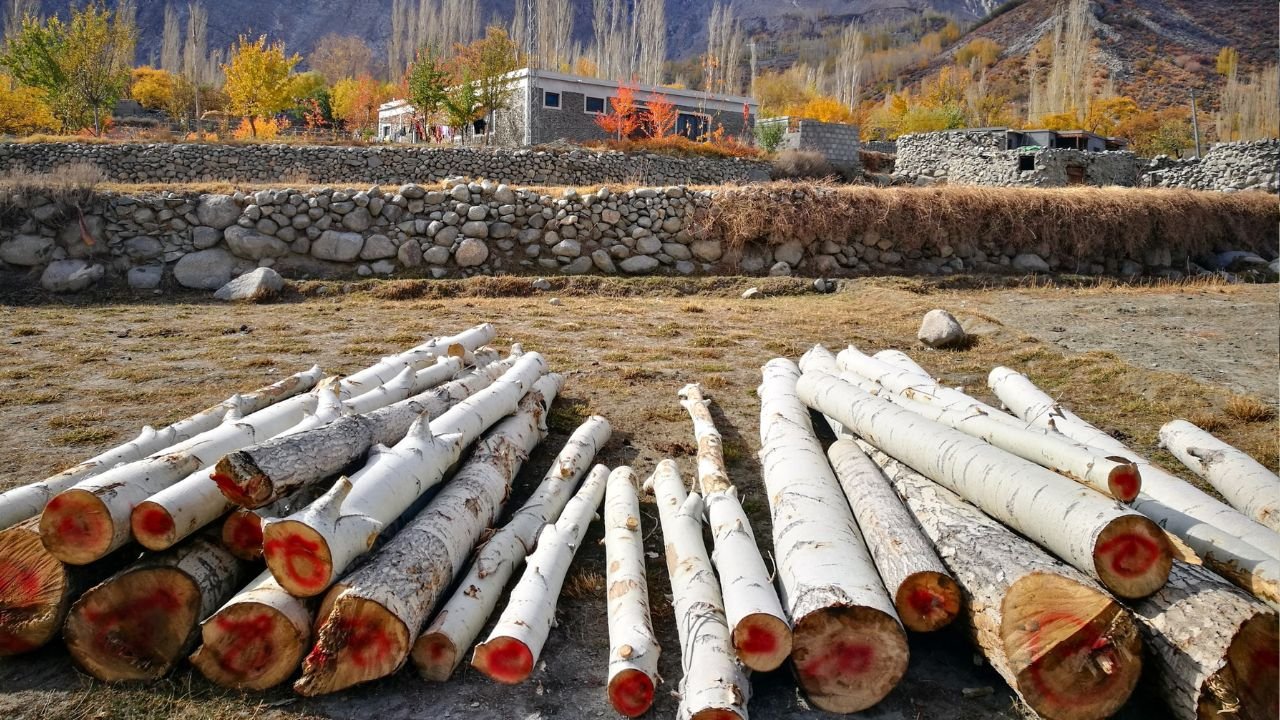
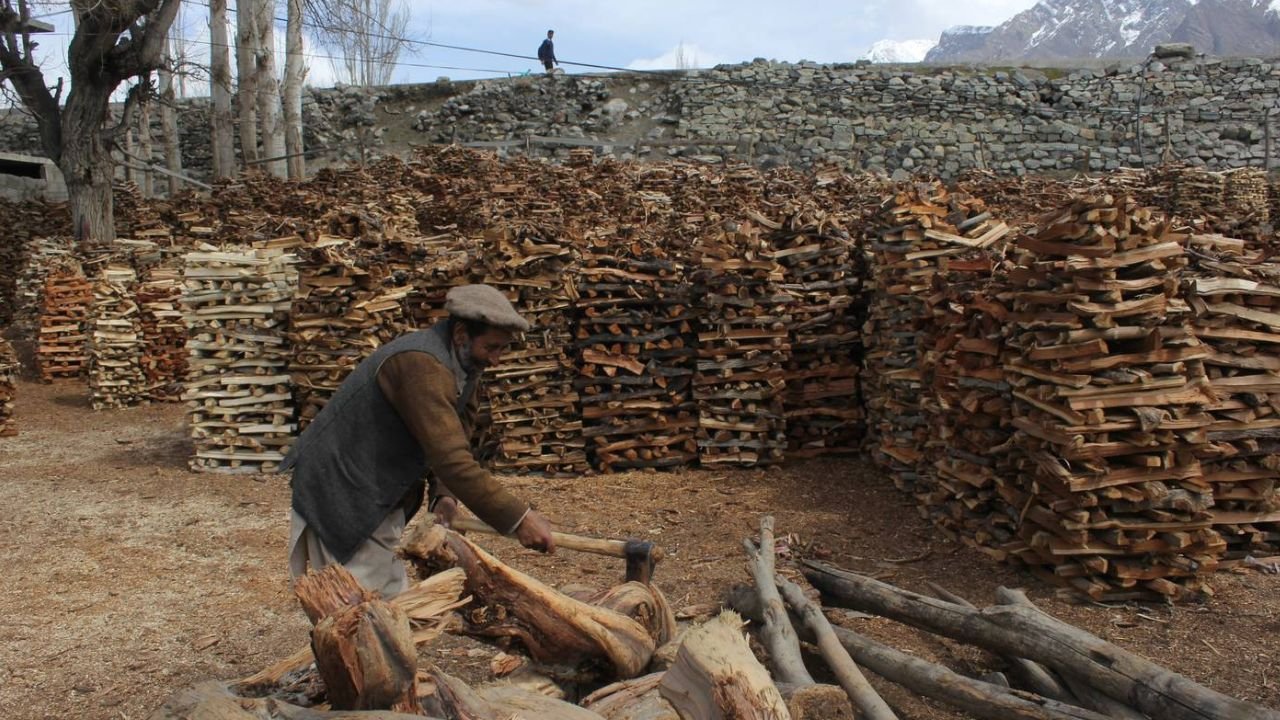
    The Khyber Pakhtunkhwa government is reportedly associated with large-scale deforestation in the province, which has been ongoing for the past two years.

    Among the suspects is Minister Fazal Hakeem, who was removed from his position as Provincial Minister for Climate Change and Environment and reassigned to the portfolio of Livestock following condemnation on social media regarding the deforestation in the province.

    The deforestation rate in Pakistan has been recorded at 25 percent, with Khyber Pakhtunkhwa being more affected than other provinces.

    Swat, Shangla, and Mansehra are among the most affected regions.

    Deforestation is also one of the major contributors to increased temperatures in Khyber Pakhtunkhwa, reportedly leading to a 26 percent rise.

    In 2015, Imran Khan, the founder of Pakistan Tehreek-e-Insaf, launched the Billion Tree Tsunami project to counter land erosion and the degradation of mountainous terrain.

  • Complete ban on cutting of forests, transportation of timber in Khyber Pakhtunkhwa

    Complete ban on cutting of forests, transportation of timber in Khyber Pakhtunkhwa

    The Khyber Pakhtunkhwa government has imposed a complete ban on cutting of trees in forests and transporting timber in the province.

    Provincial Forest Minister Fazal Hakim Khan stated that monitoring teams have been formed to protect forests, emphasising that illegal logging will not be tolerated.

    The Minister highlighted the inseparable link between forests and tourism, underscoring the province’s commitment to extensive reforestation efforts.

  • Karachi’s Mangroves, vital for the city, are depleting, Senate Committee told

    In the wake of an incident of deforestation being reported in the Mangrove forest of Manora, Karachi, the Senate Standing Committee on Climate Change headed by Senator Seeme Ezdi paid a visit to the WWF-P Wetland Centre at Hawke’s Bay. The delegation included Senator Muhammad Humayun Mohmand, Senator Khalida Ateeb, Senator Abida Muhammad Azeem, and Senator Keshubai.

    Committee members were briefed by WWF-P Director Hammad Naqi Khan and Chief Conservator of Forests Riaz Ahmed Wagan on the efforts made for rehabilitation and conservation of the mangrove forests along the coastline.

    Mangroves are the biggest source of preventing climate vulnerability of Pakistan in form of tsunami, cyclones and storms.

    The committee was told that the forest cover in the Indus Delta that was reduced to less than 86,000 hectares in 2005 has now increased to over 2,40,000 hectares in 2023.

    On the other hand, the mangroves around Karachi have reduced from 2,000 hectares in 2010 to 18,00 hectares today, with housing and commercial enterprises encroaching on the land.

    However, the aim is to increase the area to 5,00,000 hectares in coming years.

    Senior Manager Conservation WWF Sindh Altaf Sheikh delineated the committee about different programmes in Pakistan which include ongoing work on 18 different landscapes from mountains to mangroves. The Indus Delta being the fifth largest arid ecosystem hosts the seventh largest mangrove forest in the world contributing 98 percent of shrimp catch and more than 77 percent of marine fish.

    Major challenges include sea intrusion and soil erosion amplified by deforestation resulting in the severe loss of biodiversity too.

    The senators also highlighted the importance of mangroves by talking about the financial and environmental significance. A single hector can earn thousands of dollars and carbon credits which are more crucial and is already standing on a steady number of $40 million.
  • Brazil polls: Bolsanaro faces off against Lula in tough competition on October 30

    Brazil polls: Bolsanaro faces off against Lula in tough competition on October 30

    Brazil’s top two presidential candidates—incumbent President Jair Bolsonaro and Luiz Inacio Lula da Silva— will face each other again in a runoff vote on October 30 after neither of them got a clear majority.

    The polls released a day before the elections had predicted a 14 percentage point gap between Lula and Bolsonaro. However, Lula da Silva is ahead, as he had managed to gain 48.4 per cent of support while President Bolsonaro had 43.2 per cent. Nine other candidates were also competing.

    Bolsonaro had questioned polls that showed him losing to Lula in the first round, saying they did not capture the enthusiasm he saw on the campaign trail. He has also attacked the integrity of Brazil’s electronic voting system without evidence and suggested he might not concede if he lost.

    It is pertinent to mention that Lula could not run in the 2018 election because he was in prison after being convicted on corruption charges which were later annulled.

    Lula left the presidency 12 years ago with record popularity. His conviction was later overturned by the Supreme Court, allowing him to run again for president this year.

    Deforestation and forest fires have soared during President Bolsonaro’s time in office. Climate activists have warned that if he is re-elected, the area could reach a tipping point.

    His popularity has suffered since the coronavirus pandemic, which he called a “little flu” before Covid-19 killed 686,000 Brazilians.

    Voters now have four weeks to decide which of the two should lead the country.