Tag: development

  • Minor improvement in human development ranking for Pakistan: Report

    Minor improvement in human development ranking for Pakistan: Report

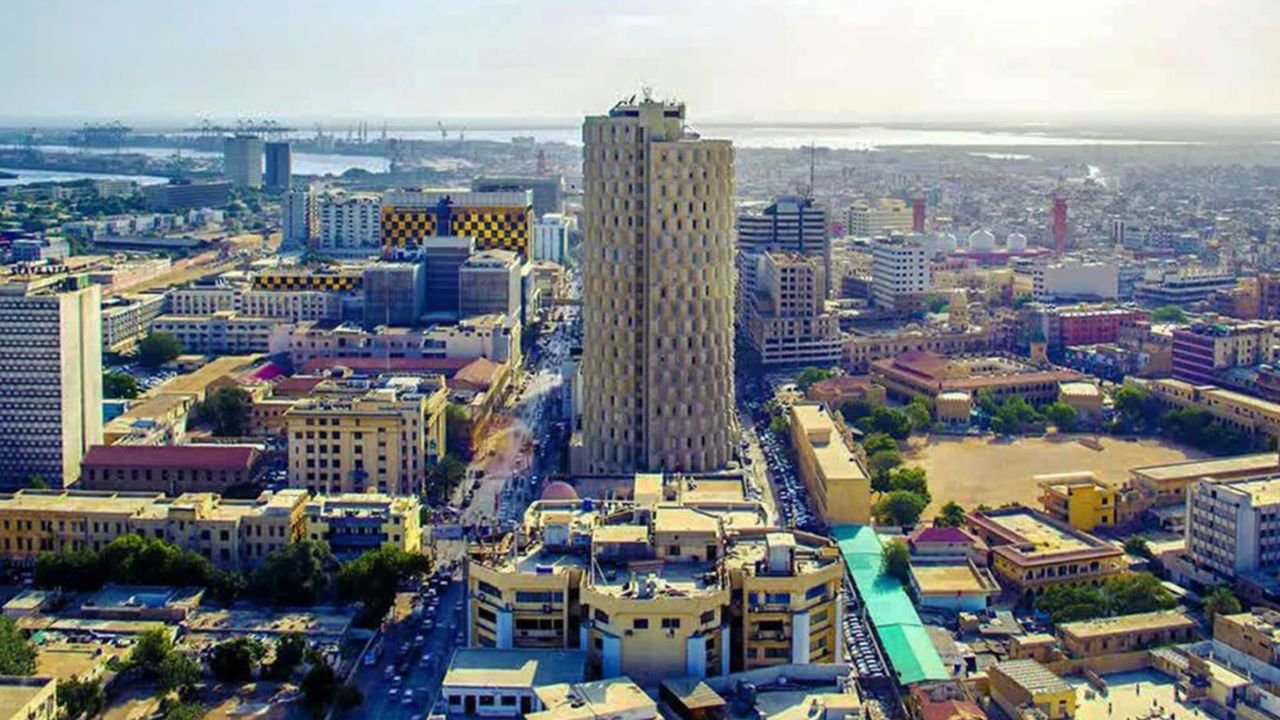
    Pakistan has been ranked 161st out of 191 countries on the UN Human Development Index, scoring 0.544 points. This marks a slight improvement from 2023, when Pakistan was ranked 164th with 0.540 points, three places below its 2022 ranking.

    The report also highlights that Pakistan’s HDI rank remained steady at 161st globally from 2019 to 2021. The index comprises health, education, and income indicators, each ranging from 0 to 1.

    In South Asia, Sri Lanka leads at 73rd place with 0.782 points, followed by Bangladesh at 129th with 0.661 points, and India at 132nd with 0.633 points. Nepal ranks 143rd, while Afghanistan trails at 180th with 0.478 points, although it’s slightly above the bottom 10.

    Globally, South Sudan ranks last at 191st with 0.385 points, while Switzerland tops the list at 0.962 points, followed by Norway at 0.961 points.

    The report observes that while global development has returned to pre-pandemic levels, a growing gap between rich and poor countries persists. This rebound follows two years of decline, primarily due to the COVID-19 crisis which reversed five years of progress.

    Despite overall positive trends, inequality persists, with the poorest nations falling behind, exacerbating global polarisation.

    “The result is a dangerous gridlock that must be urgently tackled through collective action,” the United Nations warned in a post on social media.

    The report also recognizes that “rich countries experienced unprecedented development, yet half of the world’s poorest nations continue to languish.”

    The United Nations’ Human Development Index (HDI) combines economic and non-economic factors to measure a country’s prosperity, including life expectancy, educational attainment, and gross national income per capita.

    The report underscores a reversal in the trend of reducing inequalities between wealthy and poor nations, emphasising the need for collective action to address shared challenges and ensure people’s aspirations are met.

    Additionally, the report identifies a “democracy paradox,” wherein support for democracy coexists with endorsement of leaders who may sabotage democratic principles, increasing political polarisation and inward-looking policy approaches.
  • Punjab: 261 Startups ‘graduate’ under National Expansion Plan

    Punjab: 261 Startups ‘graduate’ under National Expansion Plan

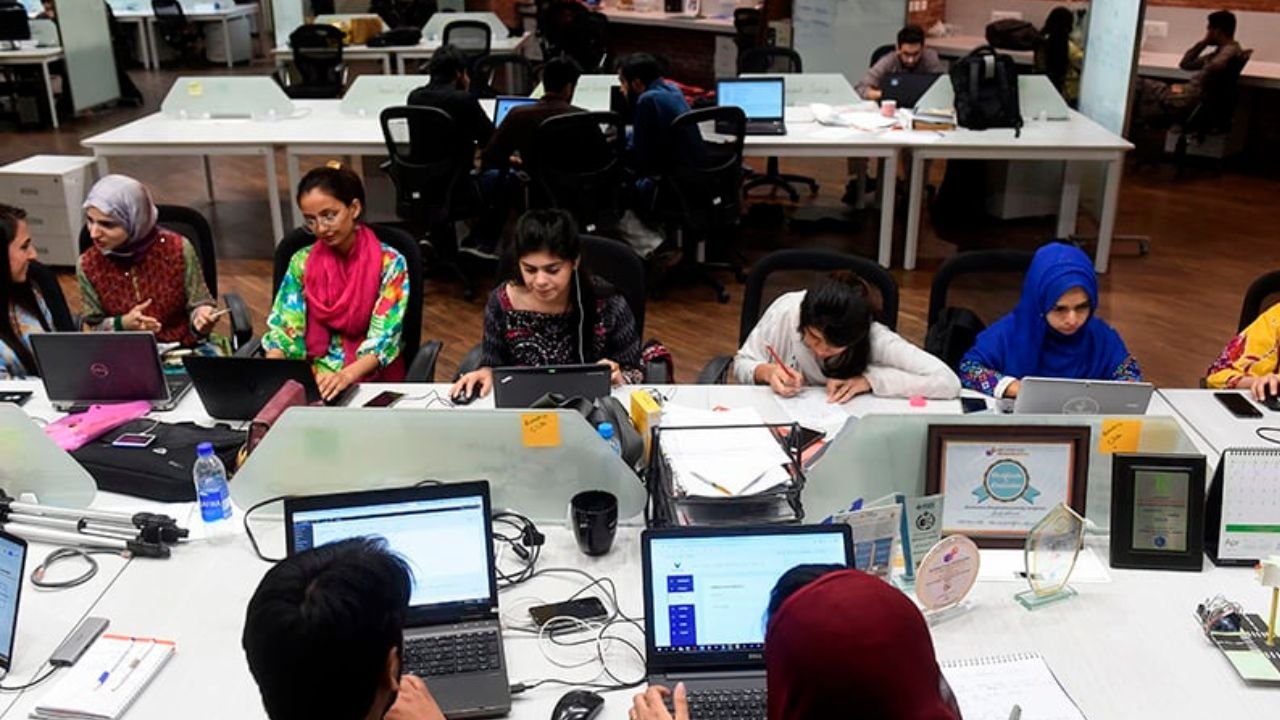
    A total of 261 startups graduated under the National Expansion Plan (NEP) of the National Incubation Centres (NICs) Programme, a collaborative effort of the Punjab Information Technology Board (PITB) and Ministry of Information Technology and Telecommunication (MoITT), from January 2023 to December 2023, reports the Express Tribune.

    The meeting was presided over by PITB Chairman Faisal Yousaf who informed the participants that 87 of the successful startups from Punjab, 64 from Sindh, 39 from Khyber-Pakhtunkhwa, 31 from Balochistan and 20 each from Azad Jammu and Kashmir, and Gilgit-Baltistan.

    The PITB chairman said the objective of the plan was to democratise entrepreneurship, boost business activity across the country, grow the IT industry and promote economic growth. “The incubation programme is tailored to the needs of early-stage startups and runs on a zero-equity model,” he added.

    In partnership with public sector universities, 13 tech incubation centres have been set up across the country, where startups are provided free of charge workspace, mentorship, networking opportunities and stipend.

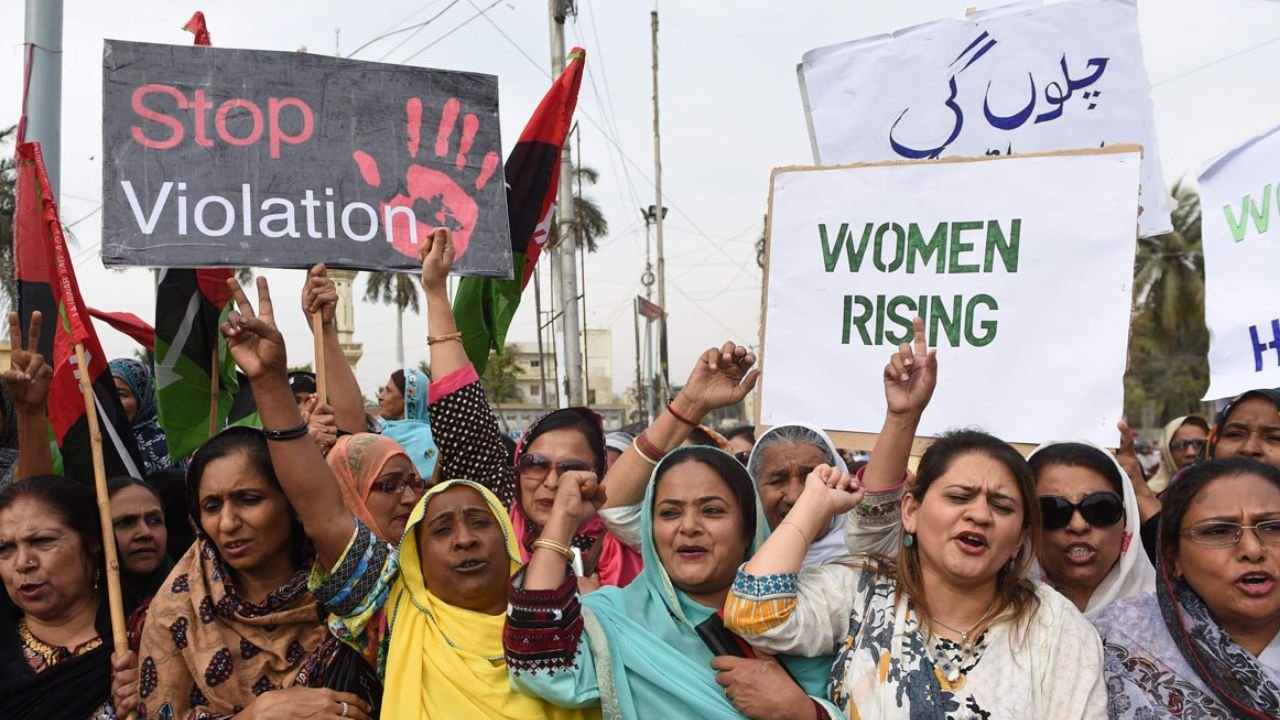
  • Female staff being harassed by seniors in Multan Development Agency for not following illegal orders

    Female staff being harassed by seniors in Multan Development Agency for not following illegal orders

    Journalist Salman Qureshi has filed a detailed report about the discriminatory system and exploitation of the Multan Development Authority.

    According to the details filed in Daily Express, the Director General of Multan Development Agency (MDA) has started harassing women officers who did not obey illegal orders.

    A senior female officer at Multan Development Authority refused to work under a junior officer. The Director General MDA, in response, rejected her request for leave.

    According to the details, the Director General, Dr. Zahid Ikram, removed the director of town planning, Anaiza Hira, and gave the charge of the directorship to a junior officer, Ali Raza.

    As a result, senior officers, including Dr. Anaiza Hira, refused to work under the junior officer.

    Dr. Hira then submitted a leave application after being removed from her post, but Dr. Ikram did not accept her request and kept it hanging for days, directing administration officers to do likewise.

    It is also being reported that the female officers have been reprimanded. Under these circumstances, reports of the female officers fainting have also come to light. One female officer who fainted was given the required treatment within the office premises after calling the dispenser.

    In another case, assistant director of the town planning department, Sanbla Mumtaz, was called to the office and reprimanded for carrying out a task. Out of tension and under stress, she fell unconscious.

    Female employees were called to pick her up who then shifted her to another room and called the dispenser to provide first aid in the office.

    This was followed by a wave of anxiety among other women officers who no longer feel safe.

  • Unleashing the Potential of Energy Efficiency in the Building Industry

    Unleashing the Potential of Energy Efficiency in the Building Industry

    The National Energy Efficiency and Conservation Authority (NEECA) is at the forefront of transforming the building sector in Pakistan by promoting energy-efficient practises. NEECA serves as the federal focal agency mandated for initiating, catalysing, and coordinating all energy conservation activities across all sectors of the economy. In this article, we will delve into NEECA’s initiatives and highlight how organisations can leverage energy efficiency to gain a competitive edge and boost the bottom line.

    The Landscape: Rapid Urbanisation and Economic Growth

    Pakistan is experiencing rapid urbanisation, leading to a surge in construction activities and a growing demand for energy. As the building sector expands, the need for energy efficiency becomes paramount. By embracing energy-efficient technologies and practises, organisations in the building industry can not only contribute to an energy-smart future but also tap into new economic opportunities.

    NEECA’s Solutions: Capitalising on Energy Efficiency

    NEECA is spearheading a range of initiatives to promote energy efficiency in the building sector. One significant intervention is the development and implementation of Energy Conservation Building Codes (ECBC-2023). These codes encompass energy efficiency standards for building envelopes, HVAC systems, lighting, and more. By complying with ECBC-2023, organisations can demonstrate their commitment to efficiency and unlock new business
    prospects.

    NEECA is also driving the adoption of energy-efficient appliances through the introduction of Minimum Energy Performance Standards (MEPS) and Energy Labelling Regime. By complying with MEPS and labelling regimes, organisations can offer energy-efficient products to the market, meet customer demands, and enhance their brand reputation. Moreover, the growing market for energy-efficient appliances presents a lucrative opportunity for organisations to expand their product portfolios and increase profitability.

    Impact: Efficiency Translated into Profitability

    Embracing energy efficiency in the building industry brings forth a myriad of benefits. By implementing energy conservation practises and adopting energy-efficient technologies, organisations can significantly reduce energy consumption, optimise operational costs, and enhance overall profitability. Improved building performance, efficient appliances, and smart energy management systems create a competitive advantage, positioning organisations as leaders in the market.

    Potential for Opportunities in the Building Sector:

    As a leader in the building industry, it’s time to seize the opportunities presented by energy efficiency. Embrace NEECA’s initiatives by complying with Energy Conservation Building Codes, adopting energy-efficient appliances, and integrating smart energy management systems. Collaborate with NEECA to stay ahead of the competition, tap into emerging markets, and drive profitability through efficient practises. By capitalising on energy efficiency, you can unlock new avenues for growth, enhance their market position, and contribute to a more prosperous Pakistan. Let’s embrace energy efficiency as a catalyst for success and shape the building industry’s future.

    #Sponsored

  • Pakistan’s foreign exchange reserves rise to $8.4 billion

    Pakistan’s foreign exchange reserves rise to $8.4 billion

    Foreign exchange reserves held by the State Bank of Pakistan (SBP) have surged by over $4 billion following a deposit of $1.2 billion from the International Monetary Fund (IMF).

    As per data shared by the central bank, Pakistan has also received $1 billion from the UAE and $2 billion from Saudi Arabia, resulting in a significant increase in the SBP’s foreign exchange reserves, which now stand at $8.4 billion.

    During a televised address earlier today, Finance Minister Ishaq Dar stated that Pakistan’s foreign exchange reserves are projected to reach approximately $13-$14 billion by July 14.

    He emphasised that Pakistan is experiencing a resurgence in development and prosperity. Minister Dar acknowledged the instrumental role played by Prime Minister Shehbaz Sharif in reaching an agreement with the IMF, highlighting the unwavering support provided by the economic team throughout the intricate process.

    It is noteworthy that the International Monetary Fund granted approval for a $3 billion loan to Pakistan, subsequent to the signing of a staff-level agreement last month.

  • Govt to unveil ‘business-friendly’ budget, prioritising masses and economic progress

    Govt to unveil ‘business-friendly’ budget, prioritising masses and economic progress

    In a bid to support the masses and drive economic progress and development, the government is expected to present a “business-friendly” budget for the upcoming financial year 2023-24, announced Finance Minister Ishaq Dar on Monday.

    Minister Dar shared these intentions during a meeting with a delegation from the Association of Builders and Developers of Pakistan, who sought to address the challenges faced by the construction industry and present their proposals for the forthcoming federal budget.

    The delegation, comprised of prominent members from the construction sector, engaged in a productive discussion with the finance minister, apprising him of the industry’s hurdles and sharing their ideas to contribute to the upcoming budget.

    Recognising the significance of the construction industry for economic growth, the association pledged its support to the government’s efforts in overcoming economic challenges and boosting business activities within the country.

    Finance Minister Ishaq Dar expressed his appreciation for the proposals put forth by the delegation, acknowledging their importance in formulating effective economic policies. He assured the group that the government is actively taking concrete steps to address the existing economic challenges and fortify the nation’s economy.

    Dar’s remarks underscored the government’s commitment to fostering a favourable business environment and promoting sustainable growth.

    The delegation extended their gratitude to the finance minister for considering their budget proposals, recognising the significance of collaboration between the private sector and the government in driving economic prosperity.

    As the government prepares to present the budget for the financial year 2023-24, expectations are high for the inclusion of measures that will support businesses, stimulate economic activity, and create opportunities for the masses.

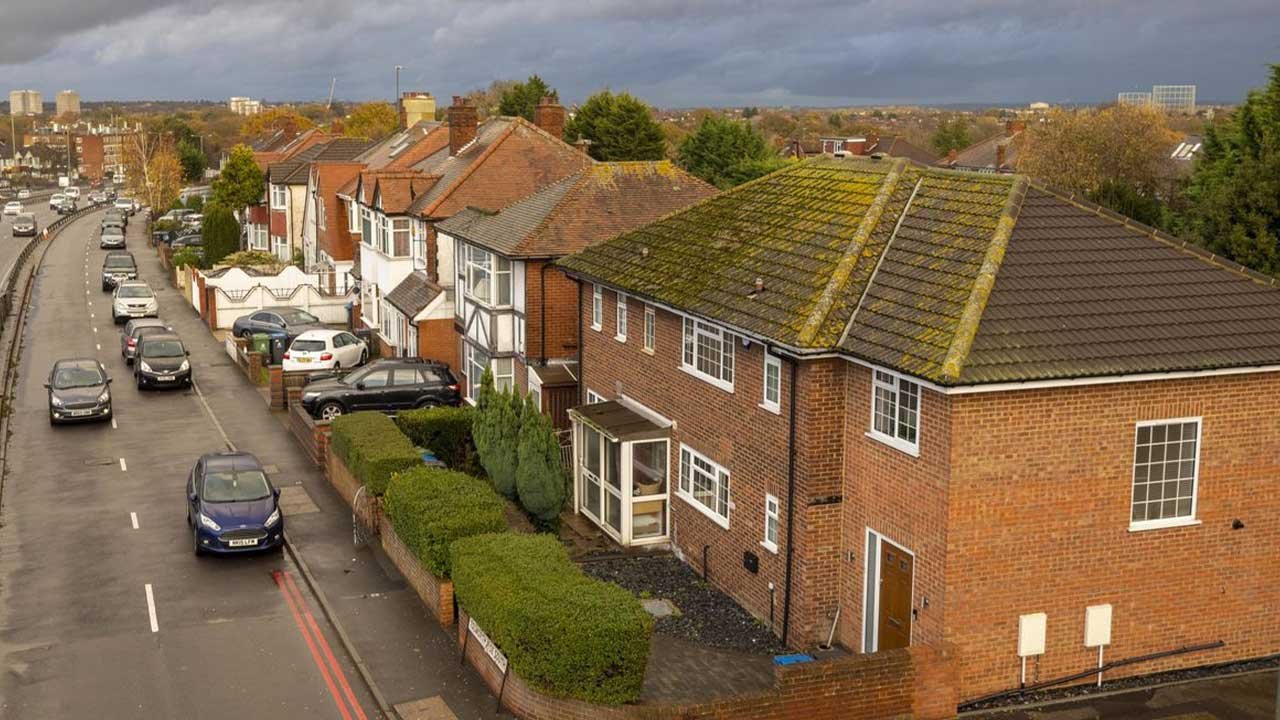
  • Majority of property owners in London are Indians, followed by English and Pakistani people

    Majority of property owners in London are Indians, followed by English and Pakistani people

    Indians are among the people who own the most real estate in the capital of the United Kingdom (UK), London, more than the English themselves.

    According to London-based residential developer Barratt London, the largest group of property owners in London are Indians, who are represented by those who have lived in the UK for generations, NRIs, investors from other countries, students, and families who travel to the UK for education. English and Pakistani people are next in number.

    These Indian investors, who reside in both the UK and India, are prepared to spend anywhere between GBP 290,000 and GBP 450,000 for a one, two, or three-bedroom property in London, the nation’s capital.

    “We are seeing a strong demand from Indian investors looking to purchase properties in London and invest in the stable and long-term property market. Outside of London, most of our products are sold to UK residential buyers, who buy these properties and live in them,” Stuart Leslie – International Sales and Marketing Director for Barratt London, told Financial Express.

    In London, 30 per cent of sales are made to pure investors (those who want to use the apartments as rentals), and 30 per cent of those buyers come from foreign markets.

    “This year we have seen a growth in the percentage of Indian homebuyers, who make up 7-8 per cent of the overseas market players. We are really reacting to where the demand is coming from rather than speculating and looking for business,” Stuart Leslie said.

    According to a Knight Frank survey, 10 per cent of India’s UHNWIs intend to purchase a new home in 2022, and they prefer to invest in domestic real estate, followed by homes on the UK, UAE, and US foreign markets.

    London is well-liked by Indian investors and homebuyers because it is a hub for finance and education and one of the major international entry points for investors.

    Additionally, it makes sense for Indian homebuyers to look at the real estate market in London given that the cost per square foot is roughly comparable between London and Mumbai and that the two cities also share a similar legal framework, making transactions simpler.

    “The reason why Indians are comfortable with buying property is because of the market fundamentals and confidence along with a history of Indians investing in houses in London. They’re eager to invest in the UK residential markets because they are getting better returns owing to the exchange rates and market presence presently. It is relatively a safer market in comparison to the UAE or India,” he said.

    In addition to being a “stable market” for residential real estate, the UK has advantages over other international potential markets, such as good weather and quicker travel times.

    Many families and students, especially those from India, relocate to the UK for educational opportunities. According to Stuart Leslie, the number of Indian students applying to UK colleges and universities has surged by 128 per cent in just one year.

    Therefore, there are several reasons why Indians have traditionally preferred to invest in the UK, including the country’s high-quality educational institutions, business-friendly environment, cosmopolitan mindset, language familiarity, and expanding investment opportunities.

    Currently, there is a demand for finished or nearly finished projects since people are looking to move quickly after the pandemic. Barratt London’s common price range for real estate is between GBP 390,000 and GBP 450,000.

    “This is not a price which people normally associate with the London market but with tier-II or tier-III cities. This makes people want to own properties in London rather than smaller cities of the UK,” he said.

  • Construction work for Swat Motorway Phase-II to begin next week

    Khyber Pakhtunkhwa (KP) Chief Minister Mahmood Khan will lay the foundation stone for Swat Motorway Phase-II in the next week.

    The CM instructed that development on the Dir Motorway project’s PC 1 for land acquisition be quickened so that practical work on the project can proceed.

    He was presiding over a meeting of the Pakhtunkhwa Highways Authority to discuss the status of various road projects, including the Swat Motorway Phase II and the Dir Motorway.

    The meeting was informed on the status of Swat Motorway Phase II, which will be 88 km long and will be built at a cost of Rs58 billion and will run from Chakdara to Fatehpur. It was also revealed that a contractor deal for the project’s construction had been inked.

    It was revealed that Rs6.7 billion had been allocated for the project’s land acquisition. In addition, section four was implemented for the purchase of land.

    Project Plan

    Swat motorway will have four lanes at first and will be expanded to six lanes later. Chakdara Interchange, Shamozai Interchange, Barikot Interchange, Mingora Interchange, Kanju Interchange, Malam Jabba-University of Swat Interchange, Sher Palam Interchange, Matta Khawazakhela Interchange, and Madin-Fatehpur Interchange would be among the nine interchanges.

    On the Swat River, a total of eight bridges will be built. The project also includes the construction of four rest spots in various places, as well as the construction of connection highways if required.

    PHA officials briefed the meeting on Dir Motorway that an Expression of Interest for a 30 km long Dir Motorway from Chakdara to Rabat had been floated. Three interchanges, four flyovers, 24 bridges, two underpasses, and two tunnels will be part of this road project.

    These developments, according to the Chief Minister, would help boost tourism, trade, and economic operations, making them a “milestone” for the long-term growth of the Malakand division. These initiatives will also provide employment chances for locals in addition to improving transportation facilities.

  • Saudi Arabia allows women to live alone without male consent

    Saudi Arabia allows women to live alone without male consent

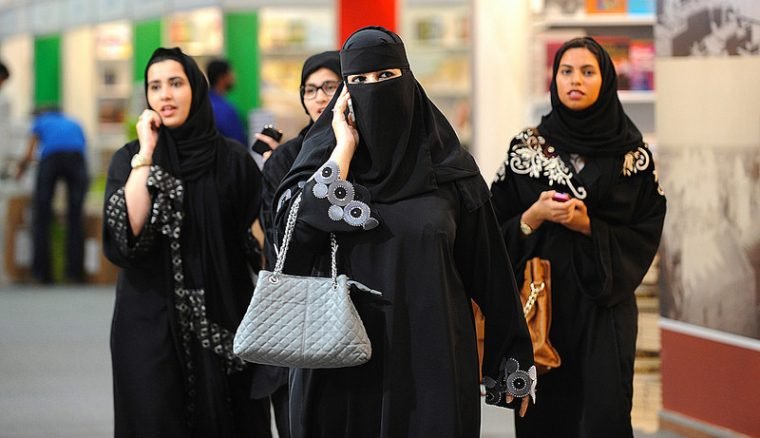
    Saudi Arabia has announced that Saudi women can now live on their own without the approval of their male guardians.

    Saudi Judicial authorities have revoked Paragraph B under article No. 169 of the “Law of Procedure before Sharia Courts”, reported Gulf News which has been replaced now. It states “An adult woman has the right to choose where to live.”. It is also included, under the law if a woman is imprisoned, she will not be handed over to her guardian after the expiry of her sentence.

    While speaking to a local newspaper, Saudi Attorney Naif Al-Mansi said, “Families can no longer file lawsuits against their daughters who choose to live alone.” Prior to this, under the old  “absenteeism” law, families were able to file a report with the police against the woman in case she disappears or choose to live independently.

    Read More- In a first, Saudi Arabia appoints women security guards at Grand Mosque.

    Under this law, last year, a Saudi woman Mariam Al Otaibi was detained because her family sued her for traveling alone. However, she won a historic ruling after the Saudi court passed a remarkable ruling that she had “the right to choose where to live”.

    This new amendment made after the passing of a law that allowed Saudi Arabia women over the age of 18 to change names on their ID cards without guardian approval. Moreover, in 2017, the Kingdom’s Head of State granted permission to women to drive putting an end to an old traditional practice.

    These developments are actually a part of Saudi Crown Prince Mohammed Bin Salman’s Vision 2030, formed five years ago to focus more on public sectors.

  • Pakistan’s first manmade island to be built in Gwadar at a cost of $10 billion

    Pakistan’s first manmade island to be built in Gwadar at a cost of $10 billion

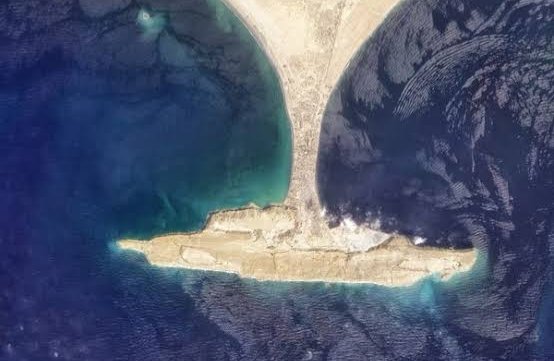
    Pakistan’s first manmade island — ‘Chaand Taara’ — will be built in Gwadar at a cost of over $10 billion. Shaped like a moon and star to represent Pakistan’s flag, it will form the cities of the Central Business District in the port city on the southwestern coast of Balochistan opposite Oman.

    According to Daily Times, located on Marine Drive and stretching towards Zero Point on the Coastal Highway, the Central Business District is to include a state-of-the-art amusement park, art and culture museum, grand theatre, concert hall, international expo centre, 5-star hotels and resorts, multiple shopping malls and waterfront walk, and a shopping promenade to name a few.

    The mega-development project that will be built around Gwadar Tower — expected to be Pakistan’s tallest building — has been detailed in the Gwadar Smart City Masterplan. The 75-page detailed report has been under development by a Chinese state-owned enterprise with assets of over $132 billion, China Communications Construction Company, and the Pakistani government as a joint-venture.

    The master plan document, prepared in conjunction with Pakistan’s Minister of Planning, Development & Reform and Gwadar Development Authority, chalks out an elaborate road map and plan on how Gwadar is to become the trade and economic hub of South Asia with a GDP per capita of $15,000 — 10 times that of Pakistan’s average.

    In line with Pakistan and China’s grand development plans for Gwadar, it will be Pakistan’s first weapon-free city. The city is being developed under the highest of international standards to be an economic hub not only for Pakistan but for the region and for this reason a robust security environment will be developed to ensure security for foreigners and expats visiting it. The security plans include the highest levels of urban security mechanisms through CCTV, vehicle management, urban video and alarm networks, and police management programmes.

    The report also quoted Balochistan Governor Amanullah Khan Yasinzai as saying that the project will be a game-changer for the people of the region.