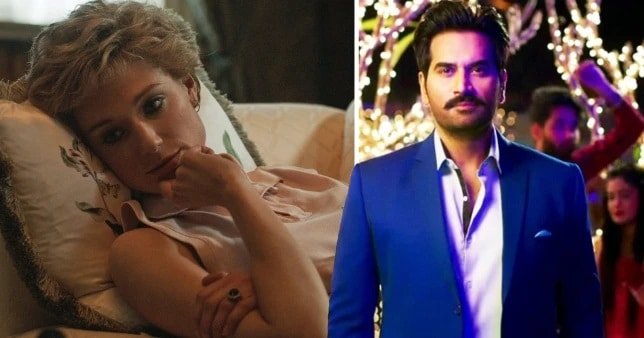
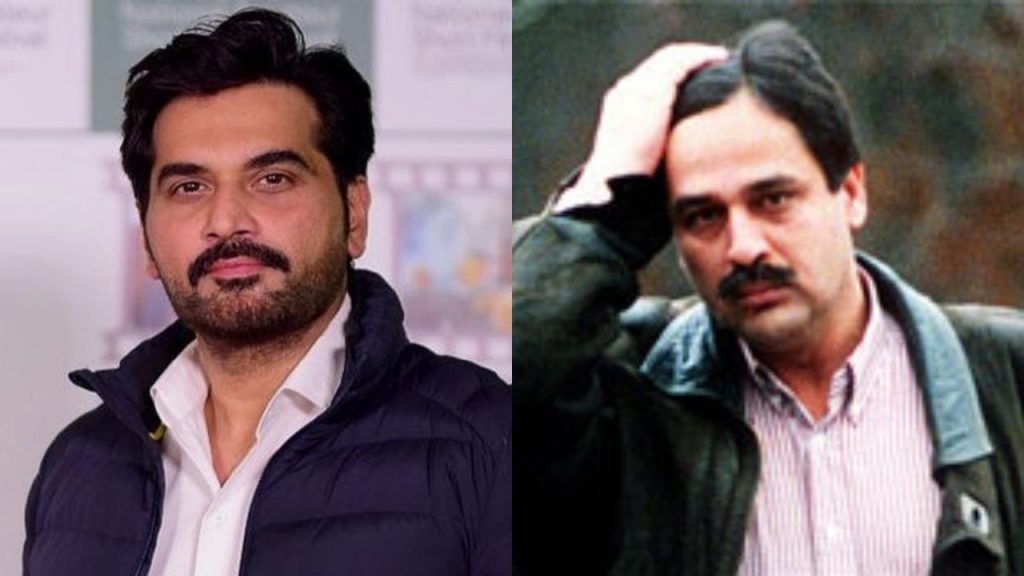
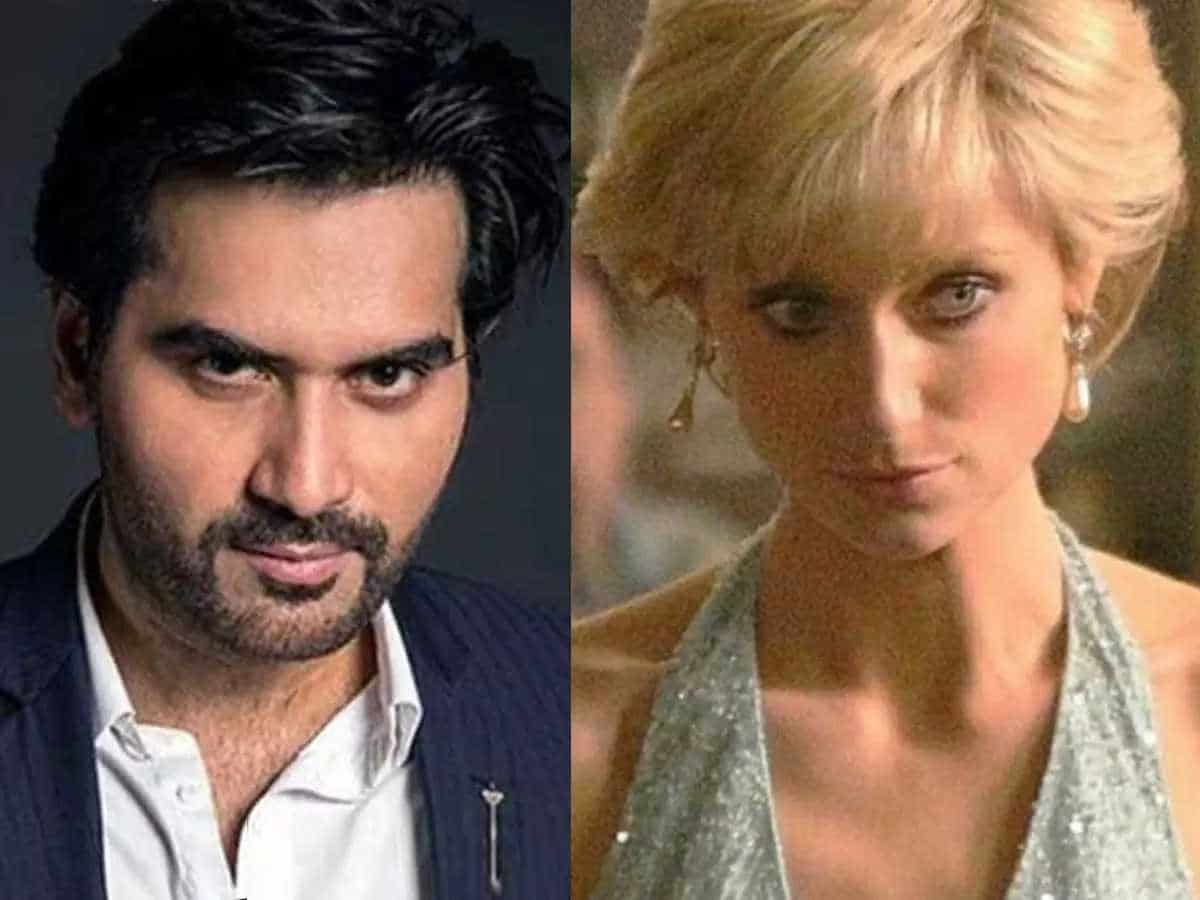
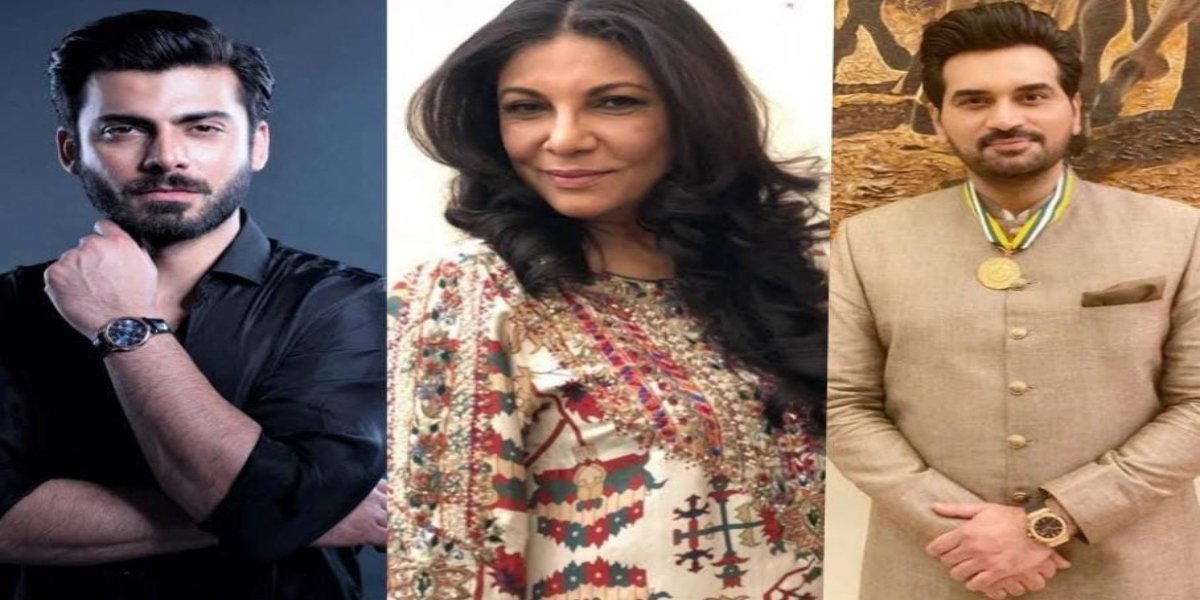
Pakistani superstar Humayun Saeed is essaying Dr Hasnat Khan, Princess Diana’s love interest in season five of the hit Netflix series, The Crown.
Saeed will be the second Pakistani to be cast in a Netflix Original which will premiere on 9th November 2022.
The actor will play alongside Australian actor Elizabeth Debicki who has been cast as Princess Diana.
Now Elizabeth has praised the London Nahi Jaunga hero in her latest interview, “I absolutely adored Humayun — he was such a lovely actor, and such a beautiful person,” she told Entertainment Weekly.
“You never know how that’s going to feel when you’re playing things like that with an actor. So I was very lucky to have him and I think he does such a beautiful job.”
When the news was confirmed earlier this year, Pakistani superstar Mahira Khan congratulated the Bin Roye hero.
Finaaaallly it’s out!!!! So proud! So excited!!! MashAllah mashAllah ✨ ♥️ What a show! What a star @iamhumayunsaeed@TheCrownNetflix
Dr Hasnat Khan, a British-Pakistani surgeon, is widely known for his romantic, two-year relationship with Diana. In May 1996, she visited his family in Lahore too. Diana’s friends are reported to have described Hasnat as the “love of her life” and to have spoken of her distress when he ended their relationship in June 1997. Dr Khan attended Diana’s funeral ceremony in September 1997.
Season 5 will be about the turmoil of Diana and Prince Charles’ marriage breakdown and the tragic death of Diana in August 1997.
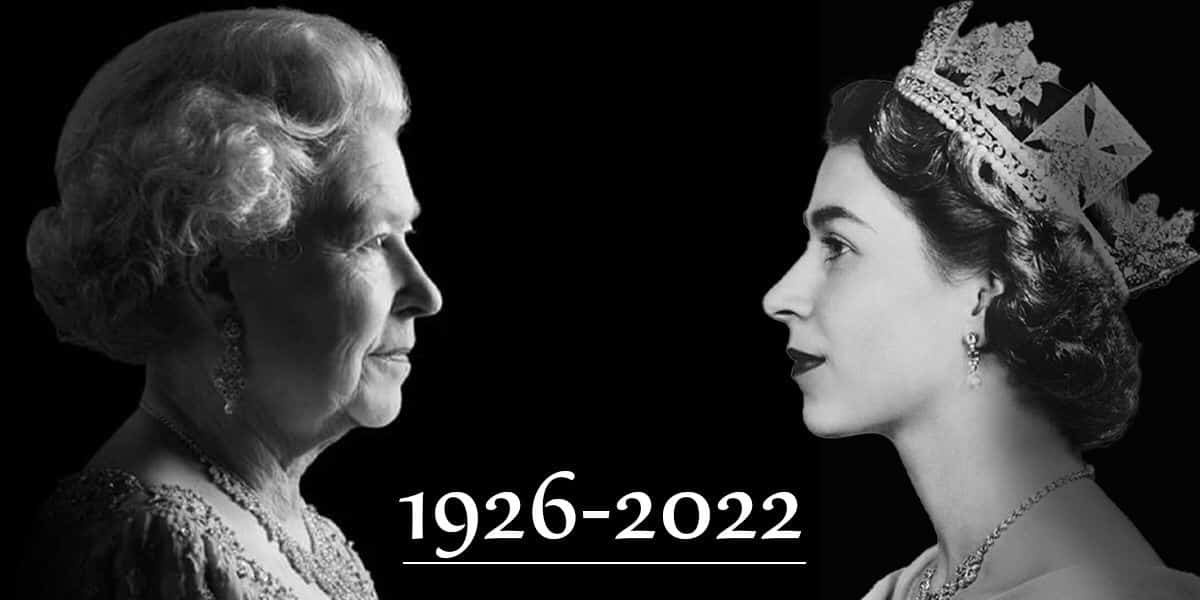
Queen Elizabeth II, the longest-reigning monarch in British history, breathed her last on Thursday in Balmoral Castle, United Kingdom (UK) at the age of 96.
Have a look at the Queen’s life, in pictures:
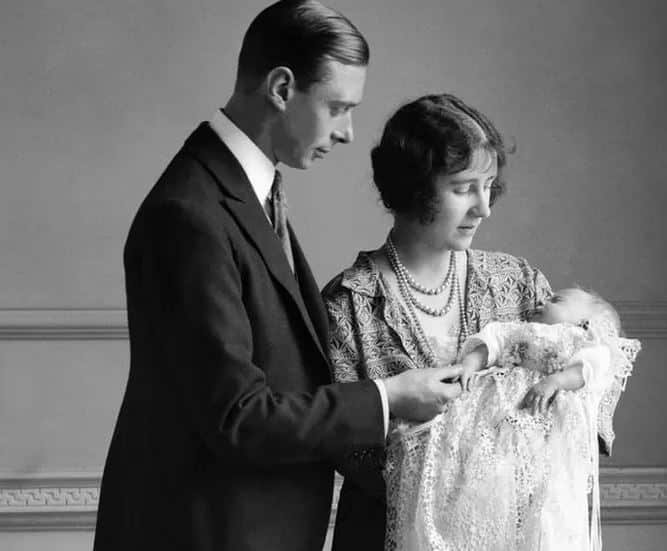
1926: The Duke of York, the eventual King George VI and his wife Elizabeth, later the Queen Mother, with the future Elizabeth II in a christening robe that has been in the royal family for generations
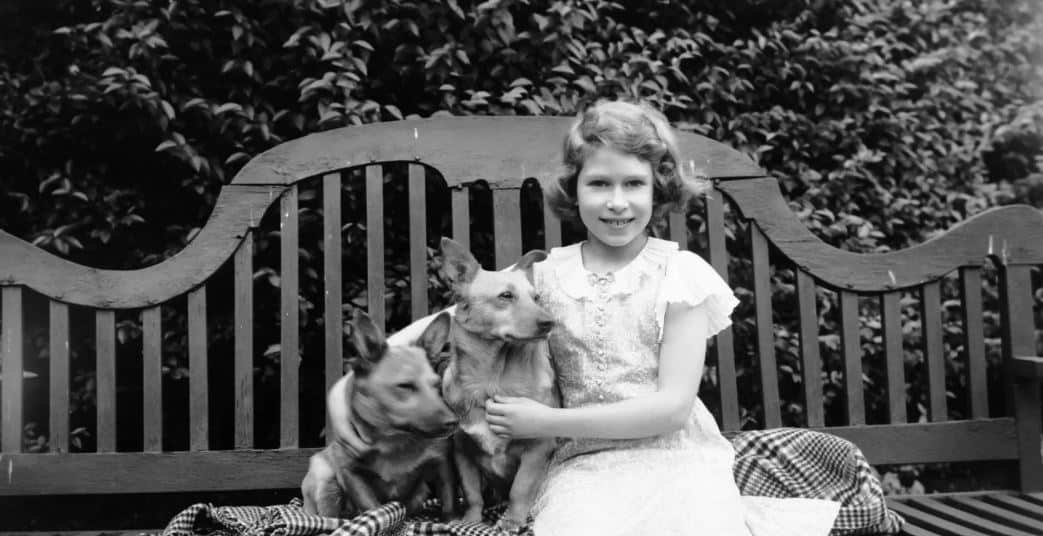
Sitting on a garden seat with two dogs in 1936. Her love of dogs continued till the very end.
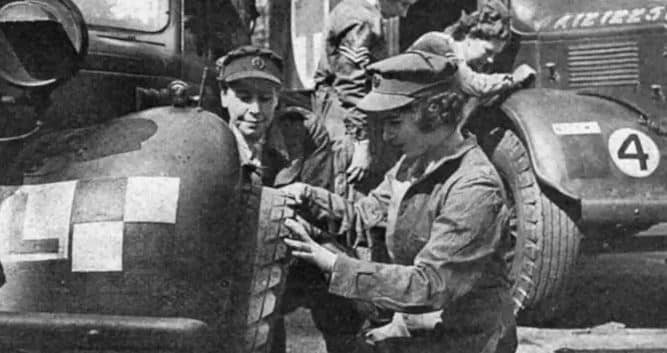
During World War II, Elizabeth joined the Auxiliary Territorial Service at the age of 18 in 1945, with the rank of subaltern. She became the first female royal to join the army. By the time the war ended, she had become a junior commander.
In 1947 she married a distant cousin, Philip Mountbatten, who became Duke of Edinburgh. Their marriage lasted 73 years.
1951: Elizabeth and Philip with their two older children Charles and Anne
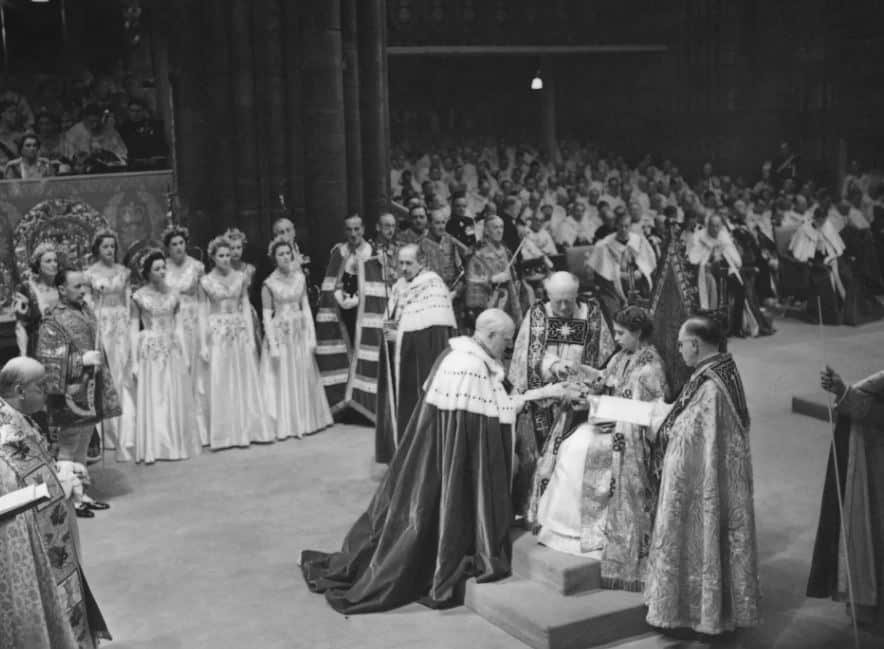
Elizabeth’s coronation in June 1953, after the death of her father, King George VI.
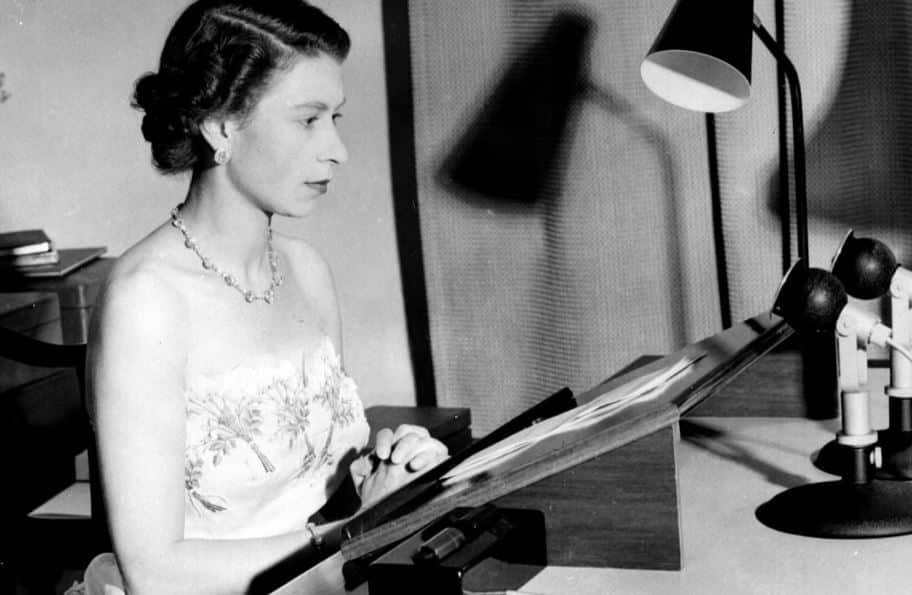
December 1953: The Queen makes her Christmas broadcast from Government House in Auckland, New Zealand
July 1969: With her eldest son Charles during his investiture as Prince of Wales, at Caernarfon Castle
1972: The royal family at Buckingham Palace.
1978: With Prince Philip as their train departed during a royal visit to Canada
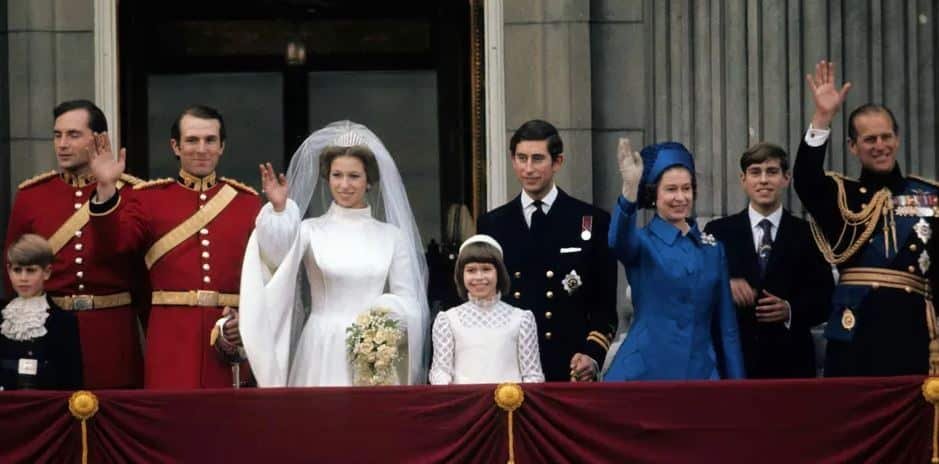
1973: The royal family wave from the balcony of Buckingham Palace after the wedding of Princess Anne and Capt Mark Phillips.
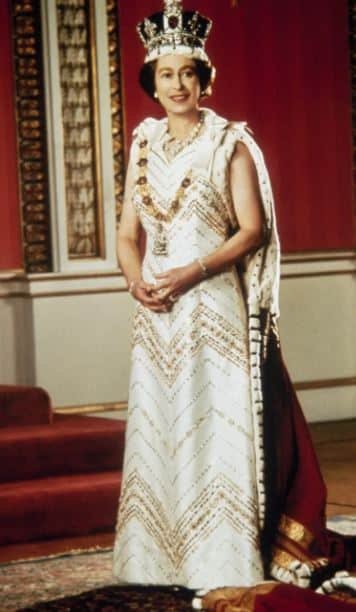
1977: Queen Elizabeth II poses for a silver jubilee portrait in the throne room of Buckingham Palace
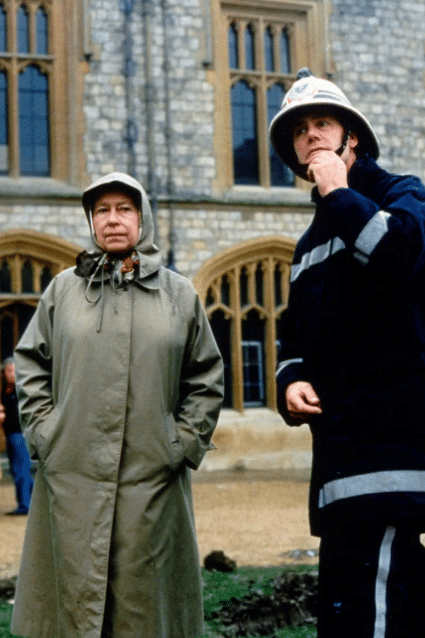
1992: the Queen and a firefighter inspect the damage after a fire at Windsor Castle, damaging more than 100 rooms.
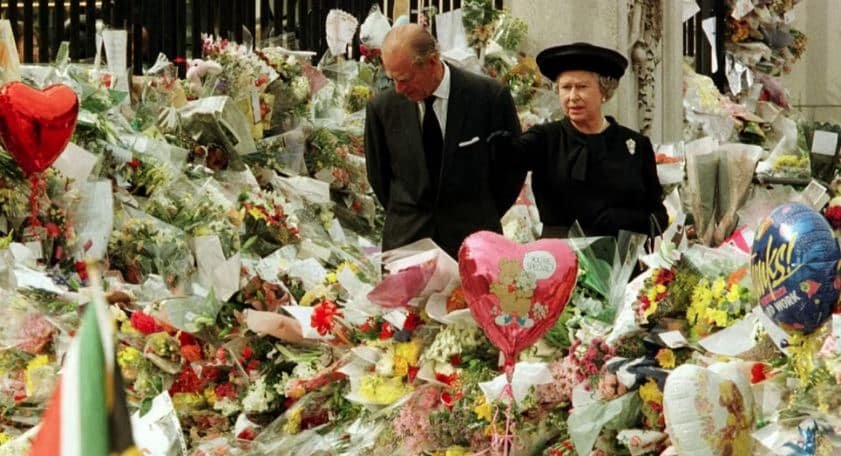
September 1997: The Queen and Prince Philip look at floral tributes outside Buckingham Palace in memory of Diana, Princess of Wales
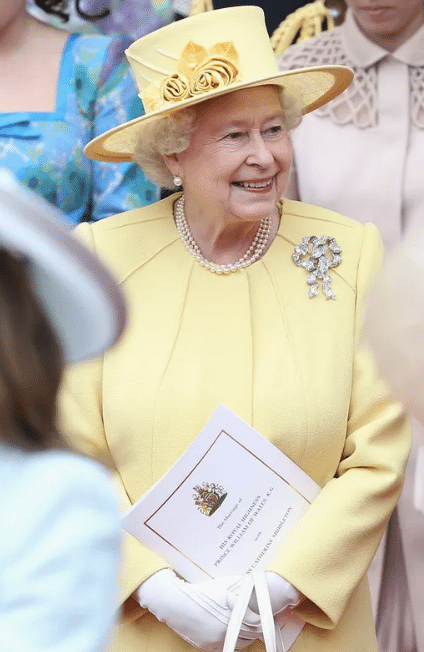
2011: Queen Elizabeth at Kate Middleton and Prince William’s wedding day
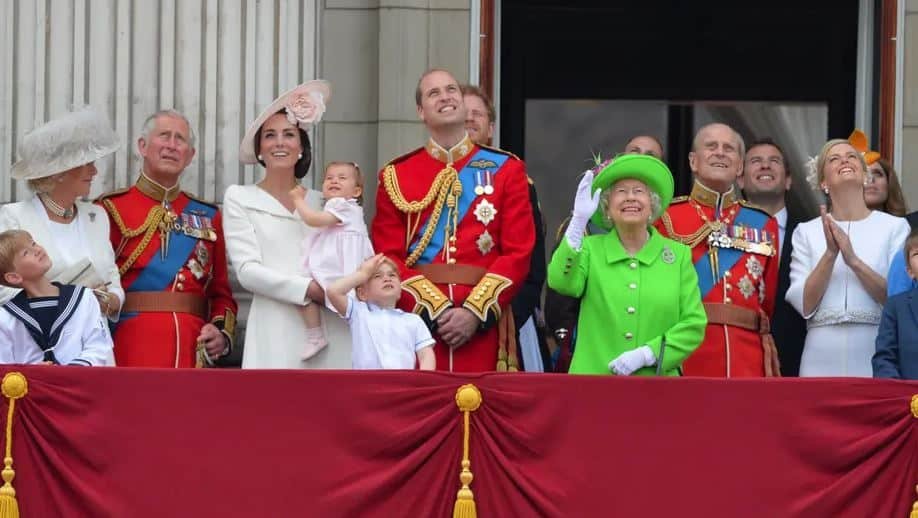
2016: Queen on her 90th birthday
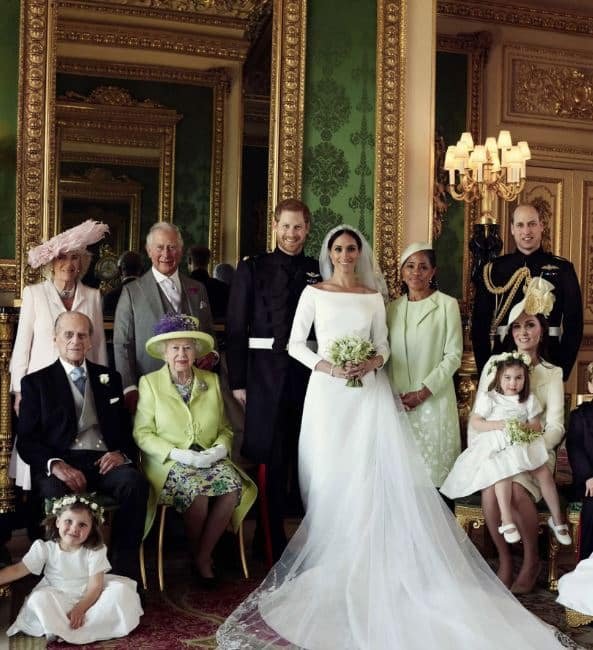
2018: At the wedding of Prince Harry and Meghan Markle
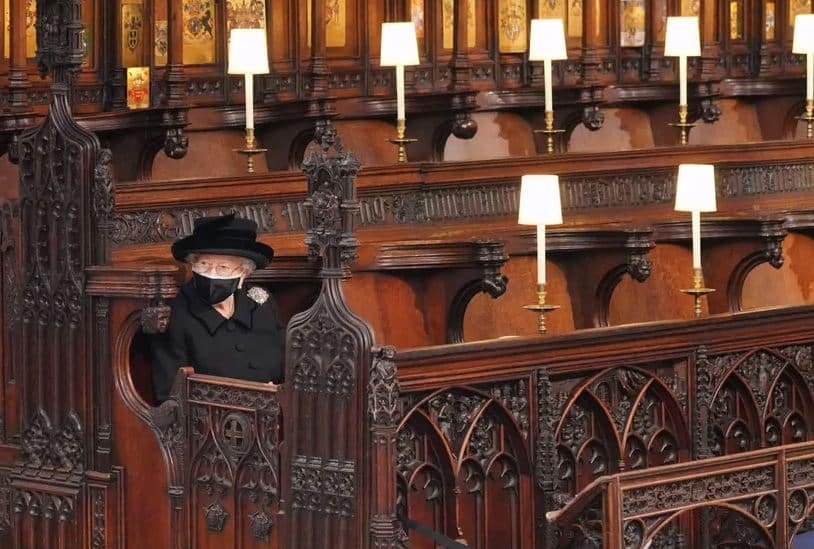
2021: Queen at the funeral service of Prince Philip, who died aged 99.
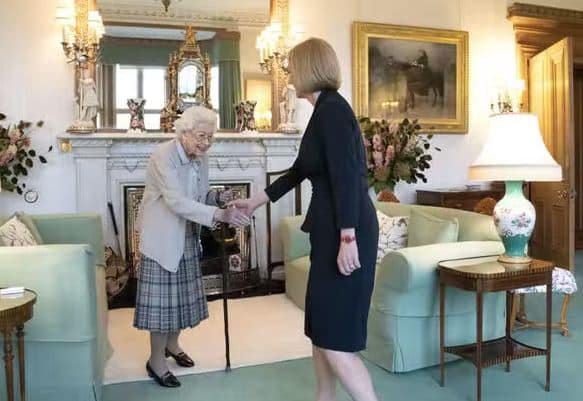
September 8, 2022: Queen appointed the fifteenth prime minister of her reign, Liz Truss.. The picture is one of the last public images of the Queen.
Camilla, Duchess of Cornwall, becomes King Charles’s Queen Consort, in a remarkable journey to public acceptance after she became a hate figure for her perceived role in the break-up of his marriage to princess Diana.
For years, Camilla was vilified as the marriage-wrecker who shattered Britain’s fairy-tale royal love story.
Diana famously complained in a bombshell BBC television interview in 1995 that “there were three of us in this marriage” — her, Charles and Camilla, his long-time lover.
She even reportedly called her love rival a “rottweiler”.
After Diana died in a Paris car crash in 1997, Charles and Camilla gradually began to appear together in public and in time became accepted as a couple.
They married in 2005 and she, over time, won plaudits as the future king’s loyal wife.
The couple were seen side-by-side as they looked at flowers left by mourners for Charles’ father Prince Philip.
The popular Netflix series “The Crown”, charting the lives of Britain’s most famous family, albeit with a heavy dose of artistic licence, rekindled interest in their affair.
Charles was portrayed as very much in the driver’s seat, pursuing the older Camilla, played by Oscar-winning writer, director and actress Emerald Fennell.
In real life Camilla has carved out her own role, participating in the Booker literary prize ceremony and even the final of television ballroom dancing talent contest “Strictly Come Dancing”.
She campaigns to raise awareness of osteoporosis a condition from which her mother, Rosalind, suffered — and has an Instagram book club.
Marking 70 years on the throne earlier this year, the queen announced she hoped Camilla would be known as Queen Consort when Charles becomes king, resolving a long debate over her future title.
A YouGov poll in May 2022 found only 20 percent would like to see her become “queen”, while 39 percent favoured the title of “Princess Consort”.
YouGov ranked Camilla as the eighth most popular royal in the second three months of 2022, with 40 percent viewing her positively.
Born Camilla Rosemary Shand in London on July 17, 1947, Camilla had a traditional upbringing among Britain’s monied upper classes.
The granddaughter of the 3rd Baron Ashcombe, Roland Cubitt, she was educated in London, went to finishing schools in Switzerland and France, and spent her home life on a country estate in Sussex, in southern England.#photo1
Self-confident and attractive, she first met Prince Charles as a young woman at a polo match in the early 1970s, and they later became close.
However, believing Charles would never propose, she married British Army officer Andrew Parker Bowles in 1973. Royal guests included the queen’s sister, princess Margaret, and the monarch’s daughter, princess Anne.
The couple had two children: Tom Parker Bowles, whose godfather is Charles, is now a food writer, while Laura Lopes is an art curator.
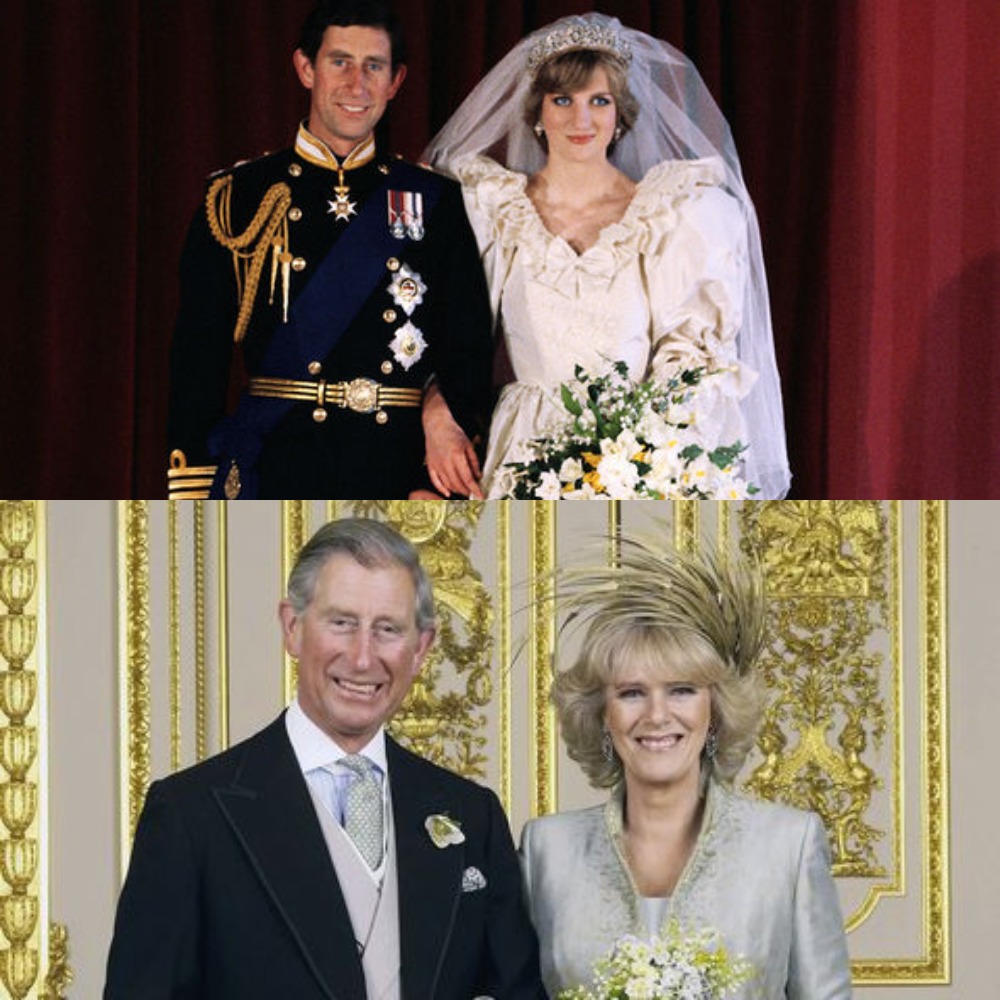
Mutual feelings with the prince remained, nonetheless, with Charles allegedly continuing to see Camilla even after his high-profile marriage to Diana at St. Paul’s Cathedral in 1981.
The romance was fully rekindled later that decade as the royal marriage crumbled, which was luridly chronicled in leaked recorded phone conversations to the tabloid press.
Camilla and Andrew Parker Bowles divorced in 1995, a year before Charles and Diana.
After Diana’s death, Charles and Camilla kept their relationship discreet, but it gradually became apparent they were effectively living together as husband and wife.
Following months of careful planning, the couple made their first public appearance together in 1999 and after that became increasingly open about their relationship.
They were married in the royal town of Windsor on April 9, 2005, in a civil ceremony followed by a religious blessing at St. George’s Chapel, with Queen Elizabeth II present.
Both divorced, there was controversy over whether they could have a church wedding, especially given Charles’ future role as supreme governor of the Church of England.#photo2
But the wedding — delayed by a day to allow the prince to attend pope John Paul II’s funeral — drew a cheering crowd of 20,000 into the streets leading to Windsor Castle.
As a married couple, they settled into a life of royal duties, overseas tours and holidays at Balmoral, the royal estate in northeast Scotland.
Camilla — known as the Duchess of Rothesay in Scotland — remained the archetype of the tweed-wearing, horse-loving British country aristocrat.
She has two Jack Russell terriers, rescue dogs Beth and Bluebell, and is a keen flower arranger.
Over time, Camilla has also been widely accepted by the royal family, including Charles and Diana’s two sons, princes William and Harry.
In 2005, Harry rejected the image of her as a “wicked stepmother”, describing her as a “wonderful woman and she’s made our father very, very happy, which is the most important thing.
“William and I love her to bits.”
Prince Charles’s behaviour with the two
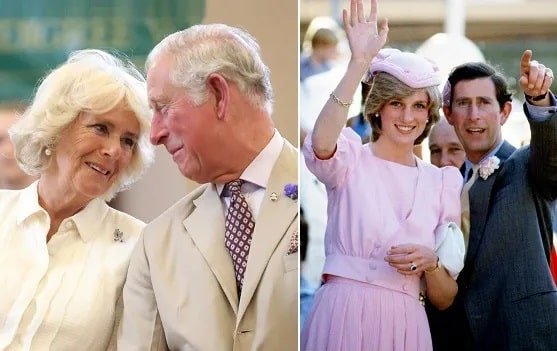
Prince Charles’ relationship with Princess Diana when out in public was noted to be different in comparison to his behaviour with Camilla.
When the Prince of Wales is joined by the Duchess of Cornwall, he is snapped smiling and laughing with her, something which body language expert Inbaal Honigman shared was different when he was with Princess Diana.
Speaking to Express about Charles’ interaction with Camilla verses with Diana she said: “Prince Charles is regularly seen embracing his wife Camilla.
“The pair are often observed with their arms interlocking, looking each other in the eye, smiling full into each other’s faces, and generally seeking each other’s closeness, that the collective consciousness sees him as this guy.
“The warm, tactile, even romantic husband who is devoted to the lady beside him.
“Often photographed facing the same way as each other, or indeed facing one another, the married couple are clearly in love, and feel comfortable in each other’s presence, as they share royal duties, and the odd private moment.”
“A glance back at his photos with his first wife, the late Princess Diana, reveal a very different Prince.
“Official images and some personal press shots from the early years of the young couple’s married life, show a blushing Diana and an often discontent Charles in absolute disarray towards one another.
“There’s always a good few feet of social distancing between them, and they rarely face the same way.
“In the starkest of photographs, they’re facing squarely away from one another, both standing stiff with their arms by their sides.
“But even on the occasions when they’re not searching for something to look at on opposite ends of the room, they are not in harmony – if they both look ahead, it’s never in the same direction.
“Their facial expressions don’t match. They both look like they wished they were elsewhere, with somebody else.
“Partly, this disparity between 80s Prince Charles and his military stance, and modern era granddad Charles, all warm and loving, may be down to social protocols around the royals changing.
“It could be that back in his first marriage, the Prince was under clear instructions to not hold hands, to not look too happy – and during those days, there was no room for flexibility even with his young wife.
“These days now, the royals are accepted as people in their own right, and the Prince shows his spontaneity and natural wit without any negative repercussions.”
Inbaal continued: “Another consideration is maturity – many people only develop their romantic sides as they age.
“There is every chance that the apparent antipathy between Prince Charles and Princess Diana in the early days, expressed in their body language of opposites, was a result of social reasons, not emotional incompatibility,” she added.
Princess Diana’s love life was no secret. From her marriage to Prince Charles to her alleged affairs, her love life always remained tabloid fodder. But, amid all the buzz there was one guy who caught Diana’s full attention– Pakistani heart surgeon Hasnat Khan.
Diana’s two-year romance with Dr Khan is still one of the most talked-about affairs. But who is Hasnat Khan?
Khan met Diana in 1995 when the Princess of Wales visited London’s Royal Brompton Hospital to meet a friend’s husband, who was recovering from heart surgery. According to Vanity Fair, Diana was instantly attracted towards him and told her friends that time, “Isn’t he drop-dead gorgeous?”
According to Diana’s butler Paul Burrell, Khan was not sporty, not handsome, and not even wealthy enough to be Diana’s lover. However, the Princess of Wales loved him because of his nature.
Diana described Khan as ‘Mr Wonderful’ and some believed he was her soulmate. Burrell said she begged Khan to marry her and he was even asked to find a priest for the marriage ceremony. She even visited Khan’s parents in Pakistan.
“When you think of the kind of men Diana must have met or been with or seen — here is a man who is completely and totally selfless. She said she’d never met anybody like him,” a friend of Diana told Vanity Fair.
Diana and Khan’s romance was a hush-hush affair. She used to leave messages for him at the hospital using the alias Dr Arman. They even avoided the media by meeting at unusual places and at times Diana wore a black wig to escape detection, The Guardian reported.
According to the ABC News‘ documentary ‘The Last 100 Days of Diana: the People’s Princess’ ended her relationship with Khan because he refused to go public.
“I think Hasnat was very much in love with Diana, but had really reached the end of his tether because Diana pushed him and pushed him and pushed him to go public and say we’re a couple, and he wouldn’t,” Tina Brown, the author of The Diana Chronicles, said.
“Even after two years, the relationship wasn’t leading to a meaningful progression or conclusion and that was the main stress on both of us,” Khan told Daily Mail in 2013.
Khan tried to call Diana on the night she died in a car accident. Richard Kay, Diana’s friend, revealed in The Last 100 Days of Diana about Khan’s phone calls to her.
“I think he was worried about her. I think he was worried, as were a lot of her friends, about what she’d got herself into,” Kay said.
Actor Humayun Saeed has been roped in to play Dr Hasnat Khan, Princess Diana’s love interest in Season five of the hit Netflix series The Crown.
Journalist Hasan Zaidi confirmed the news last night after speculations had risen that actor Fawad Khan would be seen as Dr Khan in the Netflix drama.
“Was holding back the information until Netflix officially came on the record but, since speculation was rife, it’s only a matter of time”, Zaidi tweeted.
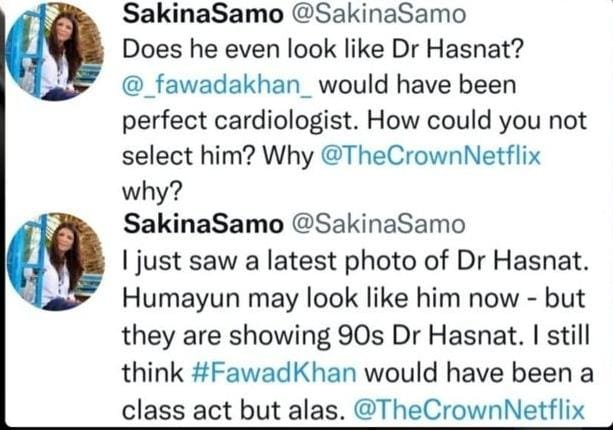
Senior actor and director Sakina Samo took to her twitter handle to condemn the choice of casting by the Netflix makers.
She suggested the name of Humsafar star Fawad Khan in place of Humayun.
Saeed will be the first Pakistani to be cast in a Netflix Original which will premier in November 2022. The actor will play alongside Australian actor Elizabeth Debicki who has been cast as Princess Diana.
BIG BREAKING: Can confirm that the next season of Netflix’s The Crown @TheCrownNetflix will also star our very own @iamhumayunsaeed. He will be playing surgeon Dr Hasnat Ahmed, Lady Diana’s alleged ‘true love’ who she apparently called “Mr Wonderful.” pic.twitter.com/ChrsVqnCcK
Following the news, Pakistani actor Mahira Khan congratulated her industry fellow.
However, both Saeed and Netflix haven’t confirmed the news yet.
Dr Hasnat Khan, a British-Pakistani surgeon, is widely known for his romantic, two-year relationship with Diana. In May 1996, she visited his family in Lahore too. Diana’s friends are reported to have described Hasnat as the “love of her life” and to have spoken of her distress when he ended their relationship in June 1997. Dr Khan attended Diana’s funeral ceremony in September 1997.
Season 5 will be about the turmoil of Diana and Prince Charles’ marriage breakdown and the tragic death of Diana in August 1997.
On the work front, Samina can be seen currently in HUM TV’s Dobara costarring Bilal Abbas Khan and Hadiqa Kiani.
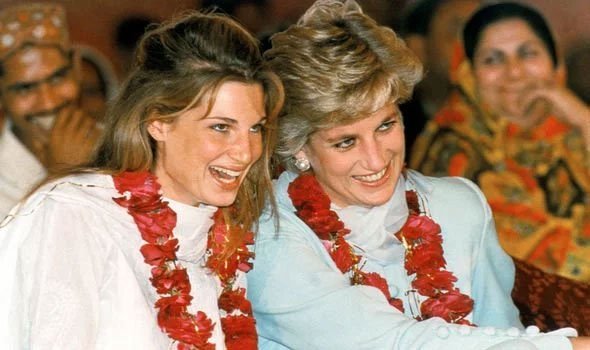
Environmentalist activist and former cricketer Wasim Akram’s wife Shaniera Akram reacted to the news about Lady Diana’s close friend Jemima Goldsmith leaving the English Netflix show ‘The Crown’.
Goldsmith told The Sunday Times that she pulled out after Diana’s story was not handled “as respectfully or compassionately” as she had hoped.
“It was really important to me that the final years of my friend’s life be portrayed accurately and with compassion, as has not always happened in the past,” she added.
“In 2019, Peter Morgan asked me to co-write on the fifth series of ‘The Crown’, particularly those episodes which concerned Princess Diana’s last years before she died,” she said. “After a great deal of thought, having never spoken publicly about any of this before, I decided to contribute.”
“I requested that all my contributions be removed from the series and I declined a credit,” Jemima told the British Newspaper.
On the contrary, a spokesperson for ‘The Crown’ claimed that Jemima has never been contacted as a writer on the series.
“Jemima Khan has been a friend, fan and a vocal public supporter of ‘The Crown’ since season one. She has been part of a wide network of well-informed and varied sources who have provided extensive background information to our writers and research team, providing context for the drama that is ‘The Crown’,” he added.
Australian Actor Elizabeth Debicki is set to play Lady Diana in the next series which is expected to premiere in November 2022.
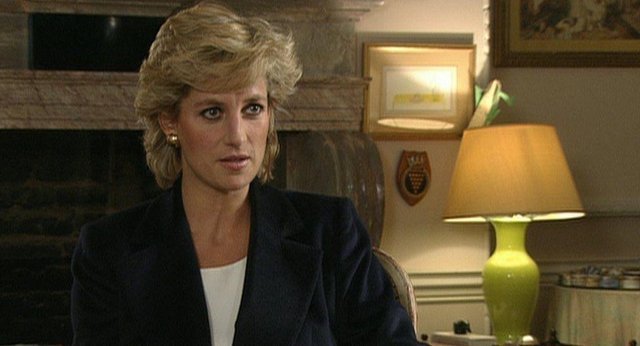
It has now been established that the huge 1995 TV scoop that was the BBC interview with Princess Diana was actually obtained under false pretences. In that interview, which was watched all around the world, Diana shocked the world with her damning statements about her estranged husband and the royal family as well as her own admission of adultery.
What has now emerged, following an independent inquiry report by former Supreme Court judge Lord Dyson, is that BBC Panorama’s reporter, Martin Bashir, secured the interview through lies and manipulation. Bashir got a BBC graphic designer to create false bank documents which appeared to show that certain people on both Princess Diana’s and her brother’s staff were being paid to spy on her. Bashir shared these (fake) documents with Diana’s brother Lord Spencer. Spencer told the Dyson Inquiry that in retrospect he realised that Bashir had in fact been ‘grooming’ him, getting him to believe these lies so that he would share them with his sister – which he did. But it was not just Bashir’s deceitful and unethical behaviour that has been criticised in this report: perhaps even more damning is the way the BBC dealt with allegations about the fake documents and basically did nothing, except penalise the whistleblower, i.e. the graphic designer who had approached senior managers with misgivings about what he had been commissioned to do.
These revelations have considerably damaged the credibility and the reputation of the BBC; its detractors have been busy BBC bashing ever since the report’s findings were made public. The events in question – the interview and the BBC internal inquiry – took place a quarter of a century ago, yet they are now being discussed as if they were major catalysts of change and the triggers that unleashed the events that resulted in the tragic death of the Princess in a car crash in 1997.
This narrative is reinforced by the statements released by both of Princess Diana’s sons, who were aged just 15 and 13 at the time of their mother’s death. Prince Harry’s statement was not surprising since now that he has left the fold of the family firm and lives in the US, he shares his views and opinions freely via social media and TV but Prince William’s statement certainly was. Prince William made his statement on camera and expressed his “sadness” at knowing that BBC failings over the Panorama interview “contributed significantly to her fear, paranoia and isolation that I remember from those final years with her”. He also said that “the interview was a major contribution to making my parents’ relationship worse”.
These claims are somewhat exaggerated. Charles and Diana separated in 1992 , the book ‘Diana: Her True Story’ in which she had told her story (in great secrecy) to Andrew Morton was published in 1992 and in 1994, the year before Princess Diana did the Panorama interview, Prince Charles had already done a similar ‘my side of the story’ TV interview with Jonathan Dimbleby in which he admitted to adultery adding that he had only strayed when his marriage “had irrevocably broken down”. Given this chronology, it is hardly as if it was the Panorama interview that destroyed their marriage. What it did do, however, is result in a downgrade of the Princess’s status and hence her security – once the interview aired, the Queen instructed the couple that if things were so bad, they needed to get a divorce. (The Queen didn’t issue a statement but presumably she thought that this endless washing of dirty linen in public needed to stop).
The Wales’s marriage was already on a course set for irreconcilable differences, so their son’s indictment of the interview in this regard seems unfounded. No matter how reprehensible and unethical Bashir’s tactics were in securing this scoop, he cannot be held solely responsible for Diana’s paranoia and isolation – he cannot be a whipping boy for the misery or insecurity of the Princess.
But as disturbing as the forgery and lying of the reporter is, even more disturbing is the behaviour of those BBC professionals who should have taken action. Even though Princess Diana put it in writing that she had consented to give the interview “without any undue pressure” and that Bashir “did not show me any documents, nor give me any information that I was not previously aware of”, BBC editors and managers knew that all was not okay as they had been alerted to the matter and their resulting inquiry was completely inadequate. In fact, it was like nearly all BBC inquiries are: the matter is ‘dealt with’ so that at the end of the day culprits are not penalised; in fact they are usually rewarded. That inquiry was from 1990s but here is an example from 2015: a young BBC journalist, Ahmen Khwaja, tweeted that the Queen had died. Word spread like wildfire internationally, the tweet was picked up by news outlets all over the world (after all it was coming from a BBC staffer). It turns out that Khwaja had seen the news on screens prepped for a routine royal obituary rehearsal and tweeted it without bothering to check or confirm it. Although the BBC Trust decided that the death tweet was a “serious breach of guidelines”, the staffer responsible was moved to a better position working in TV news. Serious breach? The mind boggles.
Today, the BBC is in the dock and its journalism is being discredited – the Beeb’s detractors are having a field day. But even though there were failings in this particular case and the management of the BBC has a lot to answer for in the way it has betrayed its hardworking journalists over the decades, it must be said that the BBC was not responsible either for the death of Princess Diana or for the woes of the royal family. And for those worried about the state of journalism in general: please reflect on the implications of Prince William saying that he thought that “this Panorama programme should never be aired again”.
Sounds a lot like censorship to me. Rather disturbing.