Tag: diesel

  • International petrol, diesel prices drop, but no relief for Pakistanis

    The government has decided not to reduce the prices of diesel and petrol for local consumers, despite a significant decrease in their international prices. This decision is intended to offset previous exchange losses and raise taxation.

    On February 28, 2023, the average fortnightly prices of petrol and diesel in the global market will be used for the next price revision. According to industry sources, the average price of diesel for the next fortnightly review has dropped by $7 per barrel, which equates to a reduction of Rs30 per litre for domestic diesel prices.

    The global average price of diesel has fallen to approximately $100 per barrel compared to $107 per barrel in the previous fortnight. Similarly, the average price of petrol has dropped to $90 per barrel for the next review of prices compared to $93 per barrel in the last fortnightly review, which translates into a reduction of Rs10 per litre for consumers in the local market.

    According to Geo, the appreciation of the Pakistani rupee against the dollar in the last two weeks has also contributed to the reduction in import prices of diesel and petrol. However, industry sources do not expect any significant reduction in the prices of diesel and petrol for domestic consumers.

    The government is expected to adjust the exchange losses, which were not passed on fully to the oil sector in the last several reviews. For example, an exchange loss adjustment of Rs88 per litre was due on diesel, but the government only transferred Rs12 per litre on this head, leaving the remaining amount to be adjusted. The same is true for petrol, with an exchange loss adjustment of Rs34 per litre due, but only Rs12 per litre being given to the oil industry.

    Under the conditions set by the International Monetary Fund (IMF), the government may increase the petroleum levy (PL) on diesel to Rs50 per litre, as it now has room to do so. Currently, the PL on diesel is Rs40 per litre.

    If the government does not impose GST, sources expect a cut of Rs10 per litre in diesel prices, which would otherwise deprive local consumers of the drop in diesel prices in the global market.

    However, official industry sources do not anticipate any reduction in the price of petrol for local consumers, which would otherwise have been down by Rs10, as per the trends of its price in the global market.
  • Weekly inflation increases more than 38% as prices of petrol and food items hit the roof

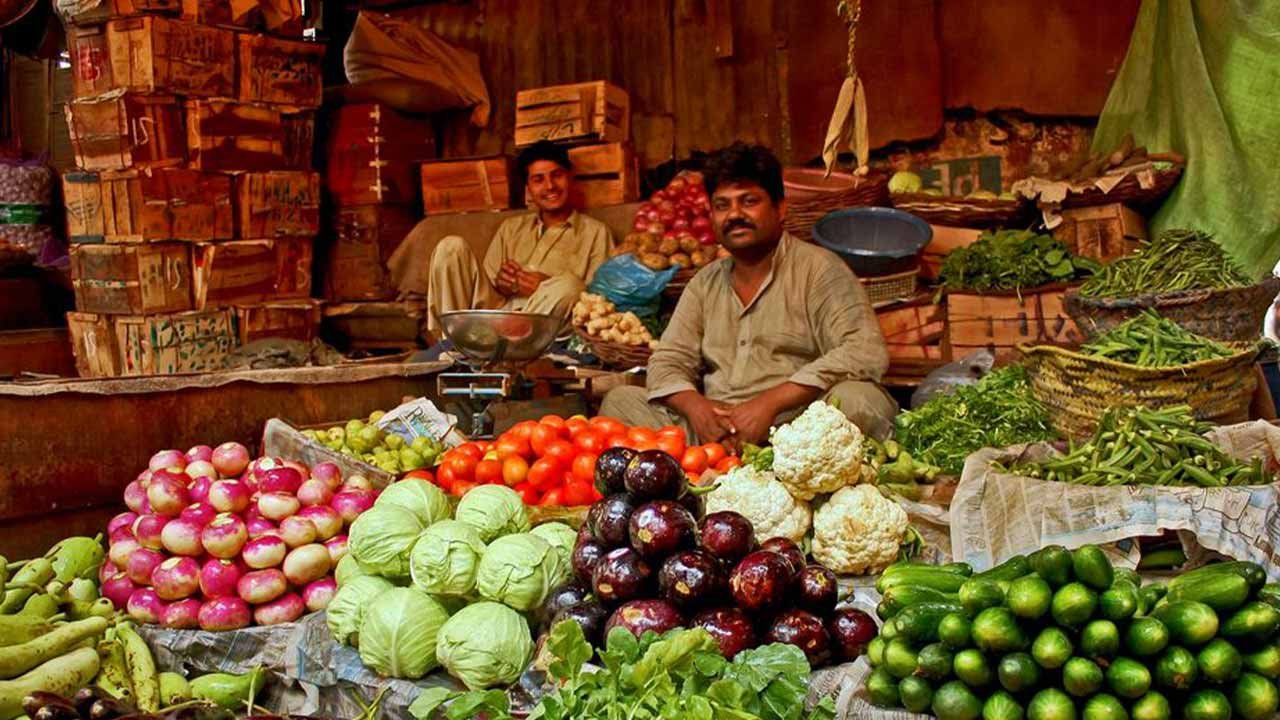
    Weekly inflation increases more than 38% as prices of petrol and food items hit the roof

    According to the latest data released by the Pakistan Bureau of Statistics (PBS), the Sensitive Price Indicator (SPI) based inflation for the week ended February 16, 2023, registered an increase of 2.89 per cent. The rise in inflation can be attributed to an increase in the prices of both food and non-food items.

    Food Items that saw an increase in prices

    The following food items saw a significant increase in prices during the week ended February 16, 2023:

    • Cooking oil 5 litre (8.65 per cent)
    • Vegetable ghee 1kg (8.02 per cent)
    • Bananas (8.01 per cent)
    • Chicken (7.49 per cent)
    • Vegetable ghee 2.5 kgs (6.76 per cent)

    Non-food items that saw an increase in prices

    The following non-food items saw an increase in prices during the week ended February 16, 2023:

    • Petrol (8.82 per cent)
    • Diesel (6.49 per cent)
    • Cigarettes (6.18 per cent)

    Year-on-Year Trend

    The year-on-year trend depicts an increase of 38.42 per cent mainly due to an increase in the prices of the following items:

    • Onions (433.44 per cent)
    • Chicken (101.86 per cent)
    • Diesel (81.36 per cent)
    • Eggs (81.22 per cent)
    • Rice irri-6/9 (74.12 per cent)
    • Rice basmati broken (73.05 per cent)
    • Petrol (69.87 per cent)
    • Moong (67.98 per cent)
    • Bananas (67.68 per cent)
    • Tea Lipton (63.89 per cent)
    • Pulse gram (56.93 per cent)
    • Bread (55.36 per cent)
    • Maash (53.42 per cent)
    • LPG (52.68 per cent)
    • Cigarettes (50.02 per cent)

    On the other hand, the prices of tomatoes (65.30 per cent), electricity for q1 (7.50 per cent), and chillies powdered (7.42 per cent) saw a decrease during the same period.

    SPI for the week under review

    The SPI for the week under review in the above-mentioned group was recorded at 234.77 points against 228.17 points registered in the previous week. Out of 51 items, prices of 34 (66.67 per cent) items increased, 05 (9.80 per cent) items decreased and 12 (23.53 per cent) items remained stable.

    SPI for different consumption groups

    The SPI for the consumption group up to Rs17,732, Rs17,732-22,888, Rs22,889-29,517, Rs29,518-44,175 and above Rs44,175 consumption group increased by 2.45 per cent, 2.73 per cent, 2.79 per cent, 2.88 per cent, and 2.94 per cent, respectively.

    Items that recorded an increase in average prices

    The following items recorded an increase in their average prices during the week over previous:

    • Petrol super (8.82 per cent)
    • Cooking oil Dalda or other similar brand (sn), 5 litre tin each (8.65 per cent)
    • Vegetable ghee Dalda/Habib or other superior quality 1 kg pouch each (8.02 per cent)
    • Bananas (8.01 per cent)
    • Chicken (7.49 per cent)
    • Vegetable ghee Dalda/Habib 2.5 kg tin each (6.76 per cent)
    • Hi-speed diesel (6.49 per cent)
    • Cigarettes Capstan (6.18 per cent)
  • Govt increases petrol price by Rs22 to a historic high of Rs272 per litre

    Govt increases petrol price by Rs22 to a historic high of Rs272 per litre

    In an effort to satisfy the International Monetary Fund (IMF) and secure a crucial loan tranche, the federal government has raised the price of petrol to a historic high. This move comes mere hours after the introduction of a tax-laden “mini-budget”.

    Petroleum division confirmed that the price of petrol has increased by Rs22.20 to reach Rs272 per litre, citing the devaluation of the rupee relative to the dollar as the primary reason for the surge.

    The revised petrol prices are effective from 12 am tonight.

    Following an increase of Rs17.20, the cost of high-speed diesel has risen to Rs280 per litre. Similarly, kerosene oil is now priced at Rs202.73 per litre after a hike of Rs12.90, while light diesel oil is available at Rs196.68 per litre after an increase of Rs9.68.

    It is noteworthy that the surge in the prices of petroleum products was a requirement set by the lending organization based in Washington, which could result in a further escalation of the already record-high inflation. This development is compounded by the recent implementation of new fiscal measures via the ‘mini-budget’.

  • Petrol, diesel prices expected to increase by more than Rs32 per litre from tomorrow

    Petrol, diesel prices expected to increase by more than Rs32 per litre from tomorrow

    The prices of petroleum products are expected to increase by more than Rs32 per litre from February 16th, due to fluctuations in the US dollar exchange rate. The current price of petroleum, oil and lubricants is set at Rs236.40 per dollar, which equates to Rs271.82 for the next fortnight. It’s worth noting that free-on-board Platt prices have seen a decline when compared to last fortnight’s pricing.

    Official and industrial sources have indicated that the price of Mogas is expected to increase by 12.8 per cent per litre, or by Rs32.07, resulting in a new price of Rs281.87 from the previous price of Rs249.8 per litre. The price of diesel is also set to rise by 12.5 per cent, or by Rs32.84, to reach Rs295.64 per litre, up from the previous price of Rs262.8 per litre.

    Kerosene oil is predicted to increase by 14.8 per cent, or by Rs28.05, bringing the new price to Rs217.88 per litre. Additionally, light diesel oil (LDO) could go up 5.3 per cent, or by Rs9.90, resulting in a new price of Rs196.90 per litre from Rs187 per litre set in the last review.

    According to The News, based on current government taxes and estimated Pakistan State Oil (PSO) incidentals, the prices mentioned above are projected. However, there is a possibility of the government adjusting the exchange rate to over Rs251, which could result in an increase of Rs15 per litre for both Mogas and diesel products. Moreover, the petroleum levy for diesel, currently standing at Rs40, may increase by Rs10 to reach Rs50 from February 16th.

    The government had set a target of earning Rs850 billion by imposing a petroleum levy on petroleum, oil, and lubricants. However, there is an estimated shortfall of Rs250 billion, and the authorities are hoping to collect a revenue of Rs600 billion.

    It’s worth noting that the government had implemented a significant increase of Rs35 per litre from February 1st, 2023, until February 15th. Presently, the government is charging Rs50 per litre as a petroleum levy, and the general sales tax (GST) has not been imposed yet.

    According to an official, the losses incurred by the refineries and oil marketing companies (OMCs) due to the exchange rate will be eliminated in a phased manner, as the government does not wish to burden consumers with the entire exchange rate at once.

    The federal government’s last review of petroleum product prices took place on January 29, 2021.

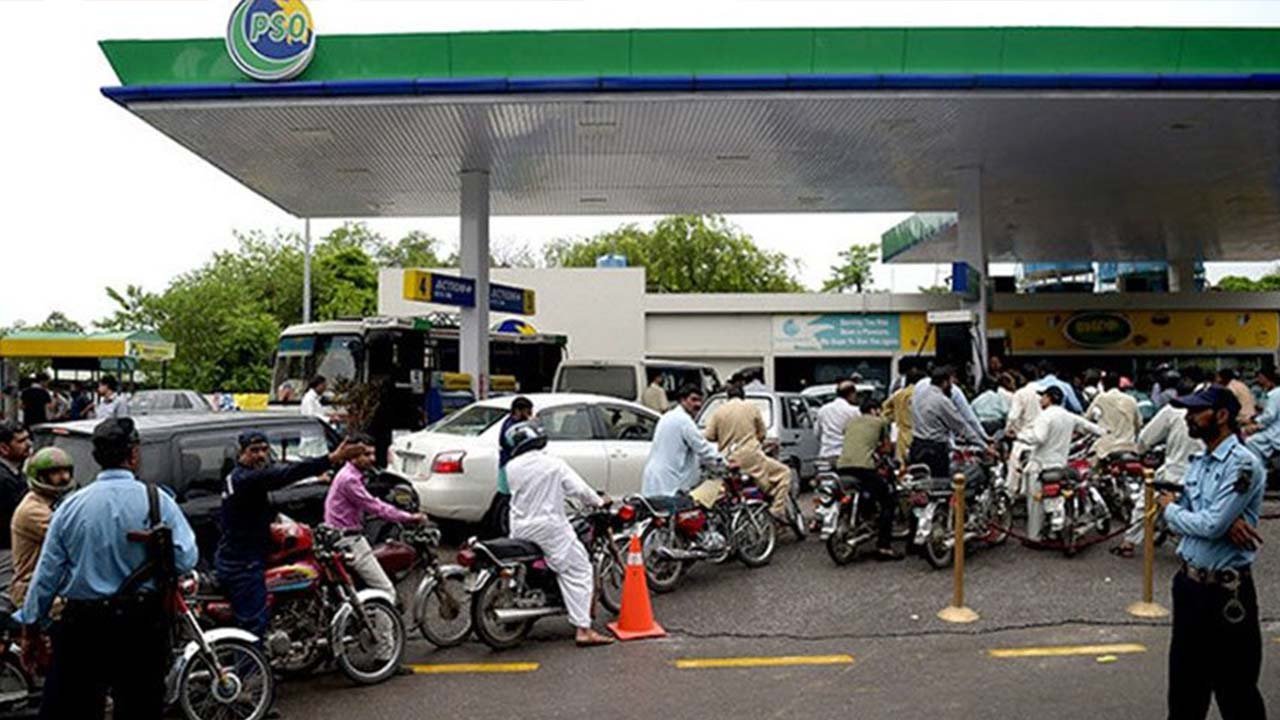
    At present, Pakistan is experiencing a shortage of petrol, with the province of Punjab, which has the largest population, bearing the brunt of the crisis. Petroleum dealers have been blamed for the situation.

    Additionally, it has been alleged that hoarders are stockpiling petrol in anticipation of a price hike scheduled for February 15th (today).

  • Petrol price likely to rise by Rs20 per litre in upcoming review

    Petrol price likely to rise by Rs20 per litre in upcoming review

    Oil industry sources report that there may be a Rs20 per litre increase in petrol prices at the upcoming review on February 15, 2023. The increase is based on calculations of the international price of petrol, specifically on a free on board (FOB) basis.

    During the previous fortnightly review of fuel prices, the government implemented a substantial increase of Rs35 per litre. Currently, the government imposes a petroleum levy (PL) of Rs50 per litre, while the general sales tax (GST) has not yet been levied.

    Sources suggest that the price of petrol could increase further if the foreign exchange rate is adjusted at the next review. They noted that the exchange rate is currently unfavorable, negating any potential benefits or reductions for local consumers.

    Despite a decrease in international petrol prices, the sharp depreciation of the rupee against the dollar has offset gains, adversely affecting domestic consumers. Additionally, the sources warned that the government may implement a Rs20 per litre adjustment to account for the exchange rate, which could result in an overall increase of up to Rs40 per litre.

    The price of diesel, as reported by sources, has not seen any increase on FOB without exchange rate adjustments. However, they stated that diesel prices could potentially increase in the next review if the exchange rate is adjusted. The government previously adjusted Rs14 per litre on diesel due to the exchange rate, but the recent appreciation of the dollar has effectively negated this adjustment from the last review.

    While global diesel prices have reportedly decreased by five to six dollars per barrel, the depreciation of the rupee prevents the government from passing on the reduction to local consumers.

    The most recent price adjustment of petroleum products was made on January 29, 2021, by the federal government. Following the review, petrol was priced at Rs249.80 per litre, high-speed diesel at Rs262.80 per litre, kerosene oil at Rs189.83 per litre, and light-speed diesel at Rs187 per litre.

    The government implemented an increase in petrol and high-speed diesel prices by Rs35 per litre each, and raised the rates of kerosene oil and light diesel oil by Rs18 per litre each on January 29, 2023.

    Pakistan is currently experiencing a shortage of petrol, with its most populous province, Punjab, being hit the hardest. The crisis has affected major and minor cities, towns, and villages in Punjab, with the shortage being attributed to petroleum dealers.

    Sources previously reported that in addition to a low import of petrol by most Oil Marketing Companies (OMCs), petroleum dealers were also involved in hoarding petrol in anticipation of an expected price increase in mid-February.

  • Punjab police seizes 1.3 million litres of illegally hoarded petrol in a crackdown

    Punjab police seizes 1.3 million litres of illegally hoarded petrol in a crackdown

    Pursuant to the warning issued by Petroleum Minister Dr Musadik Malik, the Punjab police initiated a crackdown against individuals engaged in the illicit stockpiling of petrol and diesel in several areas of the province, including Sheikhupura, Patoki, and Daska.

    The Inspector General of Punjab issued directives for strict enforcement against such practices and instructed that decisive action be taken against those found to be responsible.

    In accordance with the directives, police teams conducted raids on multiple fuel stations in Sheikhupura and Patoki, resulting in the recovery of over 1.3 million litres of petrol that had been illegally stockpiled by mafias. The contraband was found stored in underground tanks in warehouses, and over a dozen containers filled with gasoline were also seized.

    The District Police Officer, Zahid Marwat, reported that the value of the recovered gasoline exceeds 300 million rupees. He further stated that appropriate legal action, including the filing of charges, will be taken against those found to be responsible for the hoarding of fuel.

    On Wednesday, Minister of State for Petroleum, Musadik Malik, dispelled all rumors of a shortage of petroleum products in the country.

    According to ARY News, during a press conference held in Islamabad, the state minister stated that Pakistan has an ample supply of both diesel and gasoline. He issued a warning to those engaged in hoarding, stating that the government will revoke licenses for those found to be artificially creating a shortage of these products.

    The minister also sought to dispel any notion that the government is responsible for increasing the prices of petroleum products.

  • Pakistan has enough petrol for 20 days: Musadik Malik refutes fuel shortage rumours

    Pakistan has enough petrol for 20 days: Musadik Malik refutes fuel shortage rumours

    On Tuesday, many petrol stations in the cities of Punjab were closed, causing inconvenience for commuters searching for fuel. However, State Minister for Petroleum, Musadik Malik, refuted reports of a nationwide fuel shortage.

    Despite a recent increase of Rs35 per litre in petrol and diesel prices, consumers are still facing difficulties due to limited supply.

    This situation mirrors a similar occurrence earlier this month prior to the price hike. On January 29, the government raised the prices of petrol and diesel by Rs35 per litre in response to the significant devaluation of the rupee against the dollar.

    The devaluation of the local currency against the dollar reached historic lows after the unofficial cap on the greenback was removed. Consumers in cities such as Faisalabad, Gujranwala, Sargodha, Shakargarh, Khushab, Mandi Bahauddin, and Gojra have encountered difficulties obtaining fuel. Petrol stations that remained operational have experienced long lines of vehicles, with reports of owners rationing the commodity by only providing limited amounts to customers.

    According to Geo, the State Minister for Petroleum has issued a warning against hoarding, as the fuel supply is already precarious. The minister stated that hoarders should be prepared for the possibility of having their licenses revoked.

    He said that there is a 20-day supply of petrol and a 25-day supply of diesel in the country. He urged the public to report any petrol stations that may be restricting supply for profit.

    Malik emphasized that there is no shortage of petrol in the country and confirmed that there will be no increase in the prices of petroleum products before February 15.

  • Weekly Inflation jumps 34.5% from last year due to petrol and food prices

    Weekly Inflation jumps 34.5% from last year due to petrol and food prices

    According to official statistics released on Friday, prices rose at their fastest pace in more than four months in the outgoing week, mostly due to rises in the cost of food and petroleum.

    Sensitive Price Indicator (SPI) data showed that as a result, short-term inflation increased from the previous week’s 32.6 per cent to 34.5 per cent on an annual basis for the week that ended on February 2, according to the Pakistan Bureau of Statistics (PBS).

    The week-on-week inflation figure also jumped to 2.8 per cent from 0.45 per cent a week ago. Of the 51 items tracked, prices of 32 items increased, one item decreased, whereas those of 18 items remained unchanged.

    The 34.5 per cent surge in prices is the highest increase since the week ending Sept 15, 2022, when the SPI inflation was recorded at 40.6 per cent.

    The items whose prices increased the most compared to the previous year were onions (up 556.36 per cent), chicken (90.9 per cent), eggs (81.7 per cent), diesel (81.4 per cent), petrol (68.8 per cent), tea (63.9 per cent), broken basmati rice (63.4 per cent), rice Irri-6/9 (62.4 per cent), pulse moong (61.1 per cent), bananas (57.4 per cent), gram pulse (53.2 per cent), bread (48.8 per cent), wheat flour (48.4 per cent), powdered salt (48.1 per cent), maash pulse (46.2 per cent), LPG (43.8 per cent), mustard oil (42.1 per cent), and washing soap (42 per cent).

    Prices of tomatoes (62 per cent), powdered chillies (15.3 per cent), electricity (12.3 per cent) and gur (0.27 per cent) dropped.

    On a week-on-week basis, the highest change was noted in the prices of garlic (17.1 per cent), gram pulse (7.1 per cent), bananas (4.8 per cent), chicken (4.4 per cent), mash pulse (3.9 per cent), masoor pulse (3.9 per cent), mustard oil (3.5 per cent), eggs (3.4 per cent), moong pulse (2.3 per cent), sugar (2.3 per cent), vegetable ghee (2.13 per cent), and broken basmati rice (2.12 per cent), LPG (17.6 per cent), petrol (16.2 per cent), and diesel (15.3 per cent).

    The SPI increased by 1.71 per cent for the lowest-income group (i.e. people earning below Rs17,732 per month) and by 3.3 per cent for the group with a monthly income of more than Rs44,175, according to the PBS.

  • Govt increases petrol, diesel prices by Rs35 per litre

    Govt increases petrol, diesel prices by Rs35 per litre

    Finance Minister Ishaq Dar on Sunday announced that the federal government has decided to hike the prices of petrol and diesel by Rs35 per litre, which will be applicable from 11 am today.

    Dar said that 11 per cent increase was witnessed in the prices of petrol products in the international market.

    The prices of kerosene oil and light diesel oil have been increased by Rs18 per litre.

    After the latest round of hikes, petrol is now priced at Rs249.80, diesel at Rs262.80, kerosene oil at Rs189.83 and light diesel at Rs187.

    The minister was of the view that prices of petroleum products were not increased in the past 4 months, adding that prices of diesel and kerosene oil also decreased during the period.

    The minister went on to say that the speculations had also led to an artificial shortage of petroleum products in the market. “On social media, it was reported that [fuel prices] were to be jacked up by Rs47-80 which unfortunately became an incentive for them [hoarders],” he added, “because of this, we have received reports of artificial shortages in the market.”

  • ‘Misleading and incorrect’: OGRA rejects speculations about massive petrol price hike

    ‘Misleading and incorrect’: OGRA rejects speculations about massive petrol price hike

    The Oil and Gas Regulatory Authority (OGRA) on Saturday rubbished rumours about a whooping increase of Rs80 per litre in petrol price.

    “It has been observed that speculative prices of gasoline and diesel are being reported in the print and electronic media since last evening, which is misleading and incorrect,” an OGRA spokesman said in a press statement.

    He advised the elements to avoid disseminating speculative prices of petroleum products in the “public interest” by spreading misleading and incorrect information.

    Earlier, OGRA also denied reports of a shortage of diesel and gasoline in the country, saying that sufficient stocks were available. However, in line with the government’s aim to convince the International Monetary Fund (IMF), the Ministry of Finance is expected to increase the price of petroleum in the upcoming fortnightly review.

    The massive depreciation of the local currency against the US dollar in the last two days would not reflect greatly in the review due on January 31 (Tuesday) as the average exchange rate would clock in at Rs240, information gathered from the country’s oil sector showed.

    However, the fortnightly review due on February 15 may reflect a significant increase in domestic petroleum prices on account of rupee depreciation.

    Free on board (FOB) pricing will result in a significant increase in the price of fuel and gasoline in the subsequent weekly review the following week, according to The News.

    According to sources with knowledge of the situation, using FOB would likely result in an increase of Rs25 in the price of fuel. “The exchange rate would create some hike, but not so much”, they said, attributing the hike to FOB as diesel price in the international market went up to $117 per barrel compared to $114 per barrel.