Tag: diesel

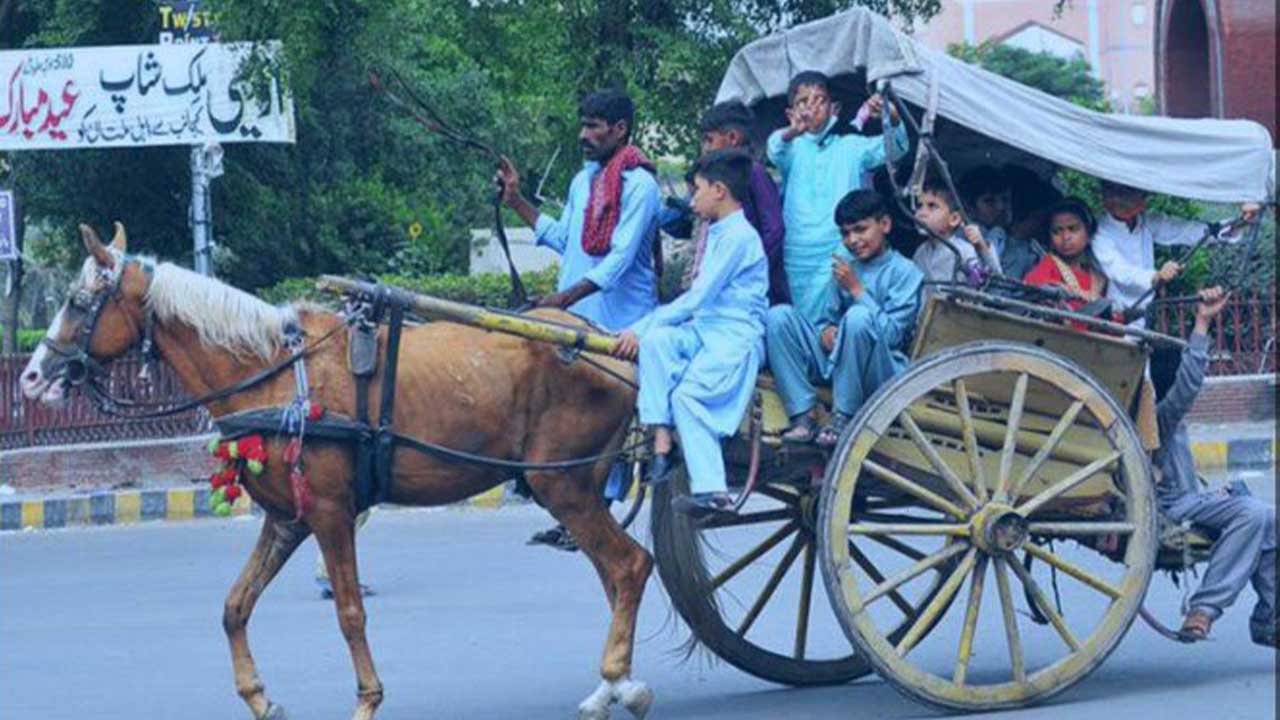
  • Netizens want ‘tangas’ back on roads as petrol hits Rs209.86

    Netizens want ‘tangas’ back on roads as petrol hits Rs209.86

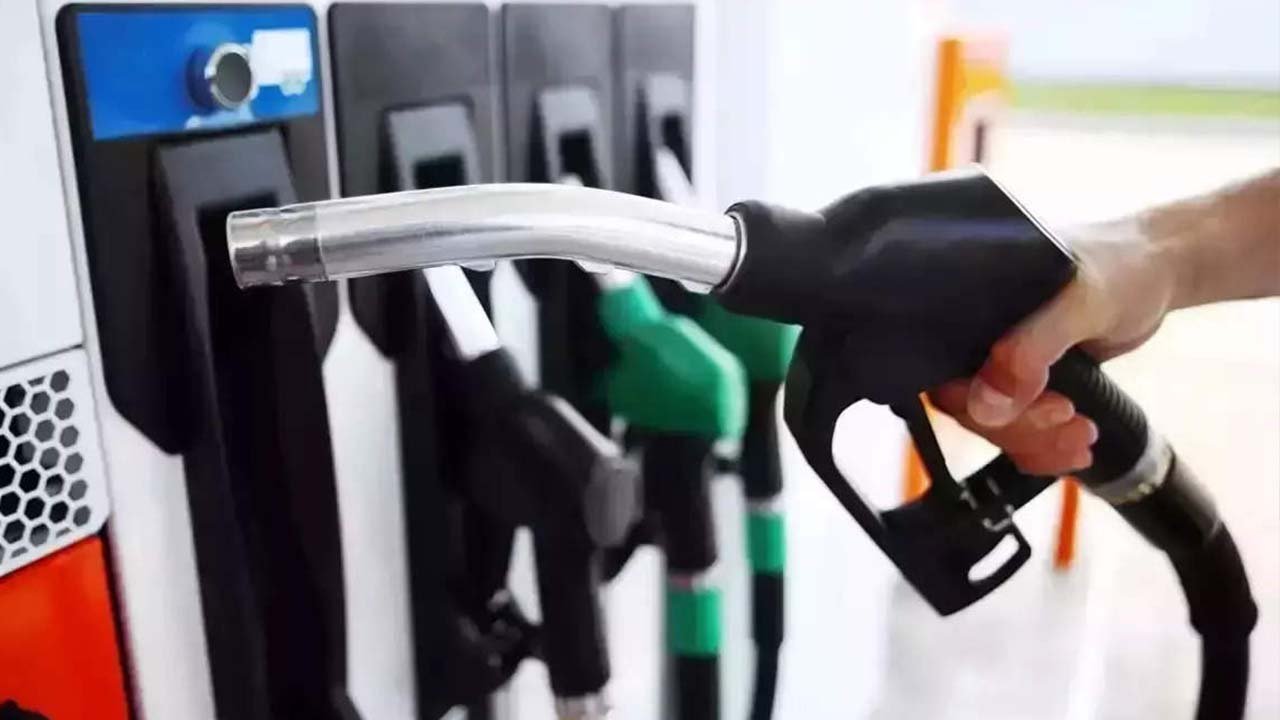
    To meet the International Monetary Fund’s (IMF) conditions, the government has unleashed another big gasoline bomb on the country after another hike of Rs30. In less than a month, the price of petrol has risen by Rs60 to Rs209.86.

    The latest petrol price hike came just hours after the National Electric Power Regulatory Authority (NEPRA) approved a power tariff hike of Rs7.91 per unit.

    In an attempt to save money, a large number of people rushed to nearby petrol pumps to fill up their tanks before midnight. Numerous two-wheelers, as well as sedans and full-fledged SUVs, formed long lines outside gas stations.

    Several traffic bottlenecks were observed in key areas of Lahore, Karachi and Islamabad due to long queues of automobiles.

    Netizens expressed their displeasure on social media platforms, alleging that petrol had become out of reach for the general public.

    Despite hefty price increases that would unleash a strong wave of inflation, Pakistan is still far from reaching an agreement with the IMF which requires a budget agreement for fiscal year 2022-23.

    Petrol now costs Rs209.86 per litre, high-speed diesel (HSD) costs Rs204.15, kerosene oil costs Rs181.94 and light diesel oil costs Rs178.31, thanks to the rise.

    The Finance Minister, Miftah Ismail went on to say that the government is holding talk with the IMF on a daily basis. “We cannot accede to all of their requests, but we must agree on certain aspects”.

    He insisted that the petroleum subsidy announced by former Prime Minister Imran Khan had to be rescinded to avoid financial losses.

    Journalist Kazmi Wajahat described the chaotic scene outside gas stations just before the higher rates went into effect at 12 am.

    The decision to remove the gasoline subsidy should have been made sooner, according to economists, who also warned that the worst is still to come.

    One-unit price of electricity has increased from Rs16.91 to Rs24.82 as a result of the new raise. The hike has been reported to the federal government by Nepra. According to a statement, the increased tariffs will take effect after the government issues its final notification. Recent hike in tariffs has been attributed to the rupee’s depreciation and increased oil prices on the foreign market.
  • ‘Nani, diesel, cherry blossom, baby’: Khan has a name for all his political rivals

    ‘Nani, diesel, cherry blossom, baby’: Khan has a name for all his political rivals

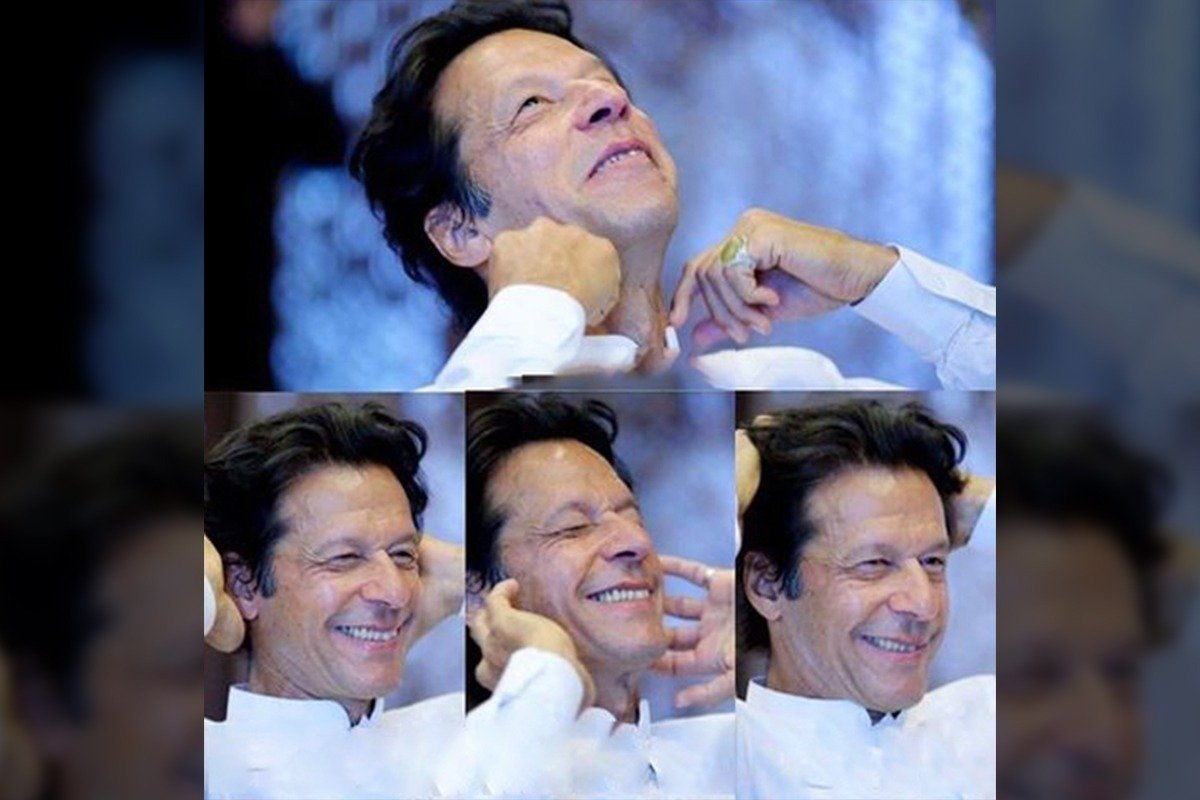
    Pakistan Tehreek-e-Insaf (PTI) Chairman Imran Khan quite frequently comes up with names for his fellow politicians. From names like cherry blossom, kukri, diesel, and nani, Khan has repetitively used these names to demean his political rivals.

    Cherry blossom:

    Khan has started addressing Prime Minister (PM) Shehbaz Shairf as ‘cherry blossom’ and often calls him “boot polishiya” [someone who polishes boots].

    In the same public address, Khan also called Shehbaz as “chooha” [mouse/rat].

    Geedar- Nawaz Sharif

    The PTI chairman called Pakistan Muslim League-Nawaz (PML-N) supremo Nawaz Sharif a “geedar” [jackal] and said, “Geedar (jackal) cannot be a leader.”

    Maryam Nani

    Imran Khan called PML-N Vice President Maryam Nawaz “nani” [Grandmother].

    Later addressing Maryam as “bachi” [child], Khan said she does not have a political standing.

    ‘Baby Bilawal- Bilawal Sahiba’

    Khan during his jalsa in 2015 addressed Pakistan People’s Party (PPP) chairperson Bilawal Bhutto-Zardari as “beta [son] and baby”. The former premier said, “Bilawal beta this is not how politics is done. Politics is not done by putting pictures of your grandfather and mother in the back ground. We are going to make a Naya Pakistan baby Bilawal.”

    In 2019, Khan addressed Bilawal as “sahiba” [Madam]. He said, “Bilawal Bhutto sahiba ki tarhan mein koi kagazh ki parchi pay nahi aya tha.” [I did not come into politics on a piece of paper like Madam Bilawal Bhutto.]

    Later in 2020, he referred to Bilawal as a child and criticised him for not having done an actual job in his life.

    Diesel- Maulana Fazl

    Khan said that Chief of Army Staff (COAS) Major-General Qamar Javed Bajwa asked him not to call Jamiat-Ulema-e-Islam-Fazl’s (JUI-F) Maulana Fazlur Rehman “diesel”.

    “I was just talking to Gen Bajwa and he told me not to refer to Fazl as diesel. But I am not the one who is saying that. The people have named him diesel,” said Khan.

    Hamza Kukri

    The PTI chairman has often called Chief Minister Hamza Shehbaz “kukri” [ chicken].

    Three stooges

    Khan called Maulana Fazlur Rehman, Shehbaz Sharif, and PPP co-chairperson Asif Ali Zardari the “three stooges”, referring to a classic American programme. This address was before Khan was ousted from power. He told his party members that the no-confidence motion was a “blessing” as it had “lifted” Khan’s party.

  • PM Shehbaz to announce relief package for the poor

    PM Shehbaz to announce relief package for the poor

    Prime Minister (PM) Shehbaz Sharif will announce a relief package soon for those who are unable to afford fuel after a massive hike imposed by the government.

    This is undoubtedly an excellent news for the lower-income strata, as the recent petrol hike has weighed heavily on the inflation-stricken masses.

    Finance Minister Miftah Ismail announced last night a gigantic increase in the price of oil products in an attempt to reestablish the International Monetary Fund (IMF) plans to assist the country’s fragile economy.

    The decision was made in light of IMF guidelines, which required the removal of oil subsidies in order to restart Pakistan’s much-needed programme. On a talk show, Miftah Ismail slammed former Prime Minister Imran Khan for his contract with the IMF.

    “Imran Khan promised the IMF a Rs30 levy and a 17.5% sales tax on petroleum products,” he explained.

    The government is losing Rs120 billion per month as a result of Imran Khan’s unilateral decision to provide petrol subsidies, according to the finance minister.

    “Prime Minister Shehbaz Sharif had to make a difficult choice. However, he will announce a relief package for those who cannot afford high fuel prices in his address to the nation today,” Ismail added.

    According to Miftah, the government has already stated that the IMF programme will not begin unless petroleum subsidies are eliminated.

    Miftah Ismail voiced concerns about losing political capital as a result of the current decision to raise fuel prices, saying, “honestly telling you, we have admitted that by deciding on hiking fuel prices, we will suffer politically, but this is our country, and we will sacrifice to fix its issues”.

    Ismail acknowledged that the current increase in gasoline prices will shift the burden to the masses and increase inflation.

    Miftah dismissed the possibility of a default, saying, “I’m guaranteeing two things: the IMF programme will be restored, and Pakistan will not go bankrupt”.

  • IMF programme will only revive if Govt hikes fuel, electricity prices

    IMF programme will only revive if Govt hikes fuel, electricity prices

    The International Monetary Fund (IMF) has stated unequivocally that the loan programme under the Extended Fund Facility (EFF) will not be revived unless oil and electricity prices are increased. The Pakistani delegation, on the other hand, has asked for more time to withdraw the subsidy.

    The delegation would meet with Prime Minister (PM) Shehbaz Sharif to discuss it. Both parties have agreed to continue discussions. Apart from the withdrawal of the subsidy, officials claim that all other issues have been resolved.

    Pakistan was unable to persuade the IMF despite a week of discussions in Doha, Qatar, from May 18 to May 25.

    IMF postponed the rollback of Pakistan’s stalled $6 billion External Financing Facility (EFF) programme late Wednesday as the government hoped that the revival would bring stability to the financial markets, the rapid weakening of the local currency with depleting foreign exchange reserves.

    In a statement, the Fund underlined the elimination of petroleum and energy subsidies, among other conditions, as a prerequisite for the program’s restoration. Following the conclusion of the talks, Nathan Porter, the IMF Mission Chief for Pakistan, stated that the Fund held meaningful talks with Pakistani representatives.

    “The Mission has engaged in highly constructive discussions with Pakistani authorities in order to reach an agreement on policies and reforms that will lead to the completion of the awaiting seventh evaluation of the authorities’ reform programme, which is backed by an IMF Extended Fund Facility arrangement”.

    As per Porter, significant progress was made during the mission, including the need to continue addressing massive inflation and rising fiscal and current account shortfalls, whereas ensuring sufficient protection for the weakest.

    The Fund also lauded the State Bank of Pakistan’s (SBP) decision to raise the policy rate from 12.25 per cent to 13.75 per cent in order to combat rising inflation. However, the mission chief noted that there were fiscal deviations from the policies agreed upon in the previous review, reflecting in part the fuel and power subsidies announced by the authorities in February.

    The PTI-led government initially concurred to increasing the prices of energy and petroleum products, but Imran Khan announced a subsidy on both commodities later in March, and the present government is proceeding with the same arrangement.

    As per Porter, the IMF team highlighted the importance of tangible policy actions, including the removal of fuel and energy subsidies and the FY2023 budget, to achieve programme objectives. He went on to say that the IMF team is looking forward to proceeding with its discussion and close engagement with the Pakistani government on policies to ensure price stability for the benefit of all Pakistanis.

  • Here’s where you can get petrol in Lahore

    Here’s where you can get petrol in Lahore

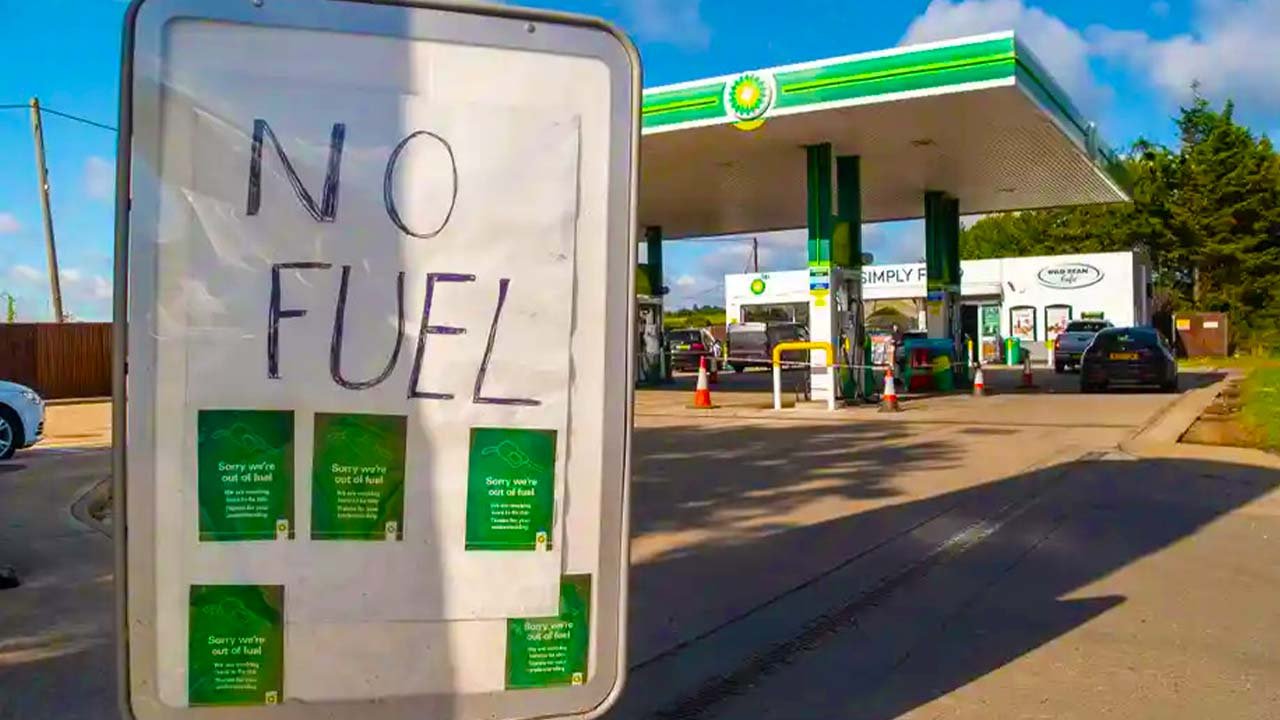
    Following oil industry’s warning of possible petroleum product shortages in Punjab and neighbouring areas due to road and highway blockades, a number of petrol pumps in the city have been closed.

    Majority of petrol pumps in Lahore have been shut, particularly in the Cantt, DHA, Gulberg, and Johar Town area. When asked, the majority of retailers refused to comment on when petroleum sales would resume.

    We have, however, contacted multiple managers of prominent petrol pumps in Lahore and asked if they are currently selling fuel.

    Here are a few filling stations in different parts of the city that are still selling fuel:

    1. Euro Oil petrol pump opposite Shahnawaz Mercedes-Benz Showroom Gulberg
    2. Total parco Mazang road, Mazang Chungi
    3. Hascol DHA phase 2 U Block, opposite DHA cinema
    4. PSO Chowk Thokar Niaz Baig , Multan Road

    Earlier, Oil Companies Advisory Council (OCAC) said that oil marketing companies are supplying fuel to retailers but the deliveries could be slowed owing to road blockages in Punjab’s major cities.

  • OCAC warns of petrol supply shortages due to roadblocks

    OCAC warns of petrol supply shortages due to roadblocks

    Oil Companies Advisory Council (OCAC) said that oil marketing companies are supplying fuel to retailers but the deliveries are being slowed owing to road blockages in Punjab’s major cities, which could affect deliveries to filling stations.

    It warned provincial authorities in Punjab that the road blockades have severed connectivity between major cities and neighboring areas, affecting fuel supplies inside the province.

    The Oil Companies Advisory Council affirmed that there are sufficient stockpiles of gasoline products throughout the country, including depots in Punjab.

    It also highlighted fears about the current scenario of roadblocks and the rumoured assumption of minimal stocks spreading on numerous platforms and asked the public to refrain from panic buying. Despite the roadblocks, there are enough stockpiles of petrol and high-speed diesel (HSD) in Punjab, and OMCs are constantly working to restock retail outlets on time.

    OCAC expressed its concerns to the Chief Secretary of Punjab, requesting the local administration’s assistance in ensuring the safe and secure transit of tankers from different depots to different petrol outlets across the province till the scenario stabilizes.

  • Crisis-hit Sri Lanka has enough petrol left for one day, PM warns

    Crisis-hit Sri Lanka has enough petrol left for one day, PM warns

    As the country suffers its greatest economic crisis in more than 70 years, Sri Lanka’s new Prime Minister (PM) declared that the country is headed to its last day of petrol stock.

    PM Ranil Wickremesinghe said the country urgently needed $75 million in foreign currency to pay for crucial imports in a televised address. In order to pay government salaries, he claims the central bank will have to print money.

    Sri Lankan Airlines, which is owned by the government, may be privatised, according to PM Wickremesinghe.

    The pandemic, soaring energy prices, and populist tax cuts have all wreaked havoc on the island nation’s economy. Medicines, fuel, and other essentials were in low supply due to a chronic shortage of foreign cash and rising inflation.

    Auto rickshaws, the city’s most popular mode of transportation, and other vehicles have been queuing at gas stations in Colombo.

    The country has enough petrol for one day at the time. Mr Wickremesinghe, who was appointed Prime Minister last week, cautioned that the next few months will be the hardest of our lives.

    He noted that shipments of petrol and diesel using an Indian credit line could provide fuel supplies in the coming days.

    Mr Wickremesinghe stated that the nation’s central bank will have to print money to assist the government in meeting its salary bill and other obligations.

    The PM stated that he is forced to allow the printing of money against his will in order to pay state employees and purchase vital products and services. However, the nation must keep in mind that printing money causes the local currency to depreciate.

    Read more: CNG prices pushed to Rs140 per kg for sales tax collection

    As part of his efforts to stabilise the country’s finances, he advocated selling out Sri Lankan Airlines. In the fiscal year ended March 2021, the airline lost 45 billion rupees ($129.5 million; £105 million).

  • Here’s a look at the 2023 BMW 7 Series

    Here’s a look at the 2023 BMW 7 Series

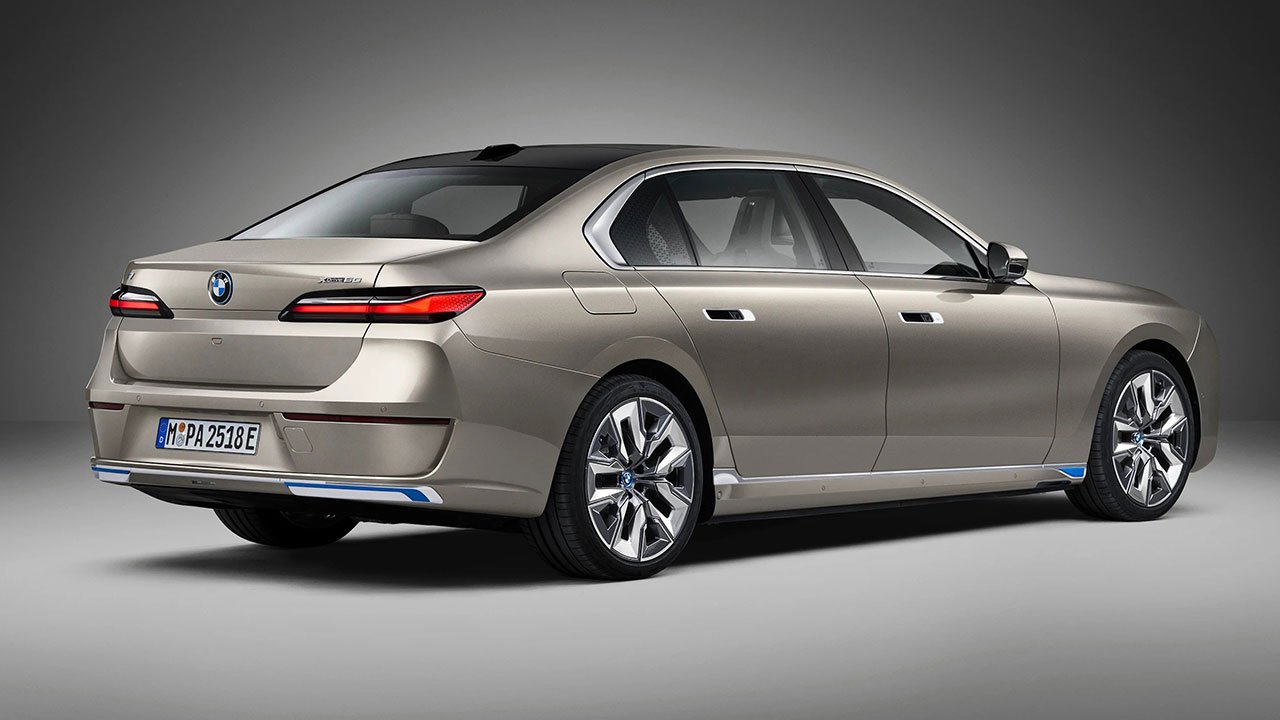
    The 2023 BMW 7-series debuts a new Rolls Royce-inspired design language for the company, along with a striking front end and a slew of new amenities such as a movie-theater-style screen and hands-free highway driver assistance.

     It’s also part of BMW’s growing electric model lineup, which currently includes the i7 EV, which shares the same body and interior as the gas-powered sedan but adds a big battery pack and electric motors.

    The German luxury automaker is reducing the sedan’s engine choices to make purchasing easier, but customers in the United States (US) will still have a variety of options. There are inline-six and V-8 gas engines, as well as the electric i7 (which is detailed separately) and the 750e plug-in hybrid.

    Powertrain and Variants

    BMW 740i is the ‘entry-level model’, with a 375-hp turbocharged 3.0-liter inline-six and rear-wheel drive, while the 760i is the V-8 7-series with only xDrive all-wheel drive.

    Its twin-turbocharged V-8 engine has the same 4.4-liter displacement as the previous 750i (model designation numbers haven’t signified anything genuine in a long time), but it has been upgraded to produce 536 horsepower, a 13-horsepower increase over the previous model.

    The hybrid systems on both gas engines are 48 volts. Apart from the fact that it would produce 483 horsepower, BMW has not revealed much about the 750e plug-in hybrid. The manufacturer has confirmed that the M-badged 7-series will be released later, though it will not be a full-fledged M7 with over 600 horsepower. The M760i’s twin-turbo V-12 engine is no longer available.

    Interior

    As expected, the interior aesthetic is a major upgrade, with a similar style to the iX electric SUV and plenty of premium elements like open-pore wood and cashmere. The 7-series’ cabin also features an incredible level of technology features for front- and rear-seat occupants through its multiple display panels and tablet control system. It’s also available with power-opening doors, giving it a Rolls-Royce degree of luxury.

    The optional BMW Theater Screen is a large 31.0-inch screen that extends down from the roof to provide a more realistic viewing experience for back passengers. This is the same screen showcased by the company at the ‘CES 2022’ event.

    Amenities and Riding Comfort

    Although BMW is touting the 7-series’ driving qualities and spotlighting chassis innovations such as air springs and rear-wheel steering, the earlier prototype drive revealed it to be no more athletic than its comfortable predecessor. Of course, in the top luxury sedan market, this isn’t a flaw, as consumers are likely to value plush ride quality and quietness above all else, and would look elsewhere if they wanted more of a corner carver.

    Interestingly, the Driving Assistance Professional package includes a hands-free feature that now works at up to 130 km/h (80 mph) if you’re on the highway and keep your eyes on the road, you won’t have to steer the 7-series at all.

    Pricing

    In November, the 7-series will be available in the international market with prices starting from Rs17,609,902 ($94,295) for the 740i and Rs21,400,994 ($114,595) for the 760i xDrive.

    The i7 starts at Rs22,465,488 ($120,295) and goes up from there. However, it’s worth mentioning that BMW’s pricing is substantially lower than Mercedes’, with the six-cylinder S-class starting at Rs20,944,382 ($112,150) and the V-8 at Rs22,176,954 ($118,750).

    Note: The PKR pricing is only a conversion of the factory price and does not include any taxes or charges levied after the product is imported to Pakistan.

  • Global oil prices climb to highest in three weeks

    Oil prices increased on Monday as fears of limited global supply intensified, with the developing crisis in Ukraine raising the risk of more penalties from the West against Russia, the world’s leading exporter.

    Brent futures were up $1.50, or 1.3 per cent, at $113.20 a barrel, while US West Texas Intermediate futures were up 98 cents, or 0.9 per cent, at $107.93 per barrel. Both contracts surged more than 2.5 per cent on April 14, ahead of the Easter weekend holidays, on news that the European Union would phase in a ban on Russian oil imports.

    Last week, EU governments said that the bloc’s executive was working on ideas to ban Russian oil, but officials said Germany was not actively backing an immediate ban.

    Those remarks came before the Ukraine situation escalated over the weekend, with the Ukrainian military defying a Russian demand to lay down arms in the pulverised port of Mariupol on Sunday. Moscow, which refers to its efforts in Ukraine as a “special operation,” said its soldiers had nearly entirely captured the city, with no sign of a truce in sight.

    Read more: Oil prices jump following Russia’s biggest production decline

    Due to sanctions or importers voluntarily rejecting Russian shipments, the International Energy Agency has warned that around 3 million barrels per day (BPD) of Russian oil might be shut in from May onwards.

  • Lahore continues to face gas and power outage in Ramzan

    Lahore continues to face gas and power outage in Ramzan

    People in several localities of Lahore have complained of substantial pressure reduction as well as unannounced power cuts, bringing the natural gas and power shortages back in the holy month of Ramzan.

    On Friday, customers reported that natural gas load shedding had resumed in the city, making cooking at home difficult. Natural gas pressure only improved to a limited extent during Sehri and Iftari hours due to micromanagement by Sui Northern Gas Pipelines Ltd (SNGPL).

    As per the gas load management plan, gas supply to Compressed Natural Gas (CNG) filling stations has been a concern in the country, which has yet to be updated to accommodate this sector.

    Shortages, according to experts, are due to a gap in the import of Liquefied Natural Gas (LNG) shipments. After long-term sellers were unable to deliver, the government attempted to negotiate cargoes of spot LNG as a backup plan. Such attempts, however, have yet to show positive outcomes. The same goes for power load shedding.

    Read more: Another hike of Rs4.9 per unit approved in power tariff

    Gas disruptions and load shedding have become the norm, according to residents. Affected locations include Canal Bank Housing Scheme, Bedian Road, Taj Bagh, Mughalpura, Saddar, Johar Town, and many more Lahore neighbourhoods.