Tag: digitalisation

  • Finance Minister unveils economic plan to slash expenditures and boost revenues

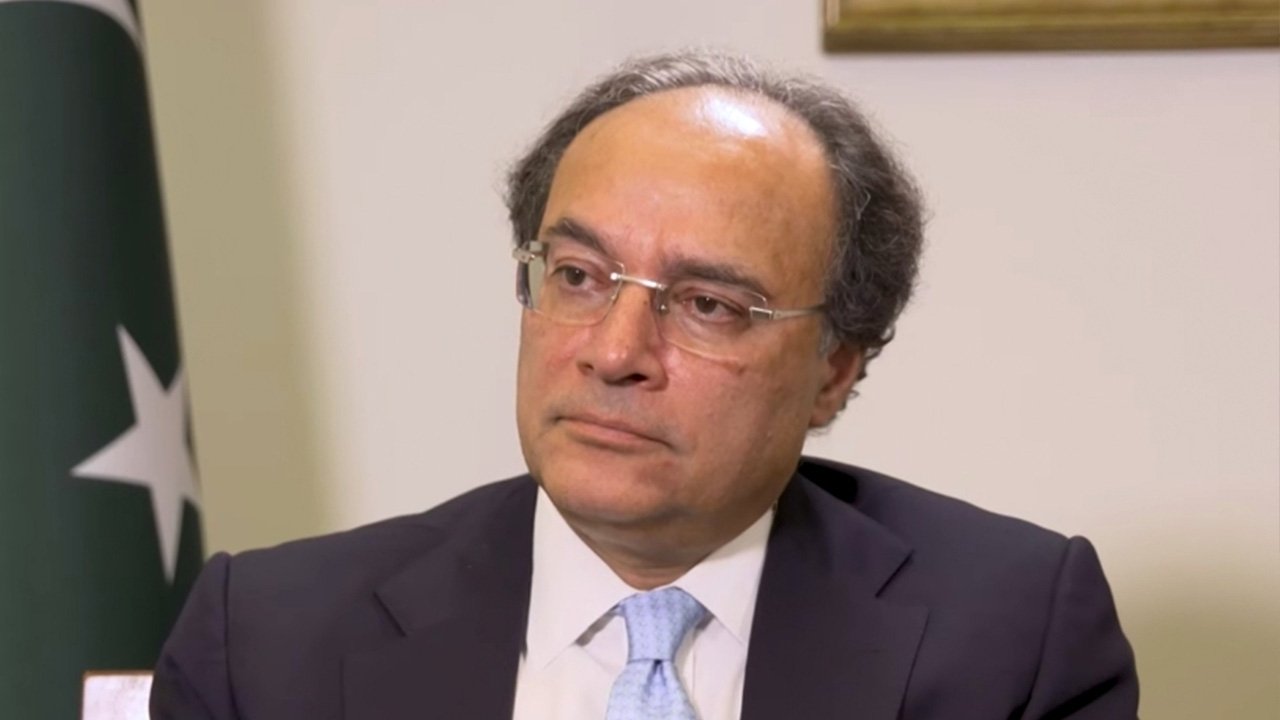
    Finance Minister unveils economic plan to slash expenditures and boost revenues

    Federal Finance Minister Senator Muhammad Aurangzeb reiterated the government’s dedication to reducing expenditures and boosting revenues in a bid to fortify Pakistan’s economy sustainably.

    The announcement came during a press conference in his hometown, Kamalia, as reported by the state-run APP.

    Aurangzeb highlighted that the federal government plans to shut down parallel ministries or departments that have been devolved to provinces. This strategic move is anticipated to significantly cut down on expenditures and enhance operational efficiency.

    As an example, the minister noted that the Prime Minister has already announced the closure of the Pakistan Public Works Department, a decision expected to alleviate the financial burden on the government.

    Furthermore, the government is set on privatising state-owned enterprises (SOEs), which have been a considerable strain on the national exchequer. Aurangzeb cited Pakistan International Airlines (PIA) as a prime example, mentioning its liabilities amounting to billions of rupees now transferred to the government. The privatisation of these SOEs is projected to reduce financial burdens and enhance efficiency.

    In a related development, the minister revealed that the government is working on outsourcing airport management, starting with Karachi airport, which is expected to be handed over to the private sector by July or August this year, followed by Lahore airport.

    On the revenue side, Aurangzeb stressed the need to elevate the tax-to-GDP ratio from the current 9.5 per cent to 13 per cent over the next three years, underscoring the essential role of taxes in national administration.

    To achieve this, the government has introduced various revenue measures, including broadening the tax base to include non-taxable sectors, phasing out tax exemptions worth Rs3.9 trillion, and revising policies in sectors like health and agriculture.

    The minister announced that 32,000 retailers had already been registered for taxation starting from July 2024. He emphasised the government’s commitment to incorporating other sectors into the tax net, enhancing compliance, plugging systemic leakages, and implementing end-to-end digitisation to reduce human intervention, increase transparency, and curb corruption. Automation of sales tax collection is a top priority, Aurangzeb noted.

    Addressing the agricultural sector, Aurangzeb affirmed the government’s commitment by allocating Rs41 billion in the federal Public Sector Development Program (PSDP) to promote agriculture. Initiatives include the solarisation of tube wells, provision of loans to small farmers, and the development of warehouses to support small-scale farmers.

    Subsidies on fertilisers, seeds, and other agricultural inputs will continue, with efforts to involve banks, including Islamic banks, in providing loans to farmers.

    In the IT sector, the government aims to support freelancers and double exports from $3.5 billion to $7 billion. Aurangzeb mentioned a substantial budget allocation to facilitate the IT sector. He also assured that the Prime Minister’s recent visit to China focused on technology transfer, industrial development, and enhancing exports, rather than seeking aid.

    This comprehensive strategy, combining expenditure reduction and revenue enhancement, reflects the government’s robust commitment to placing the country’s economy on a sustainable growth trajectory.
  • PTI presents three years’ performance charter

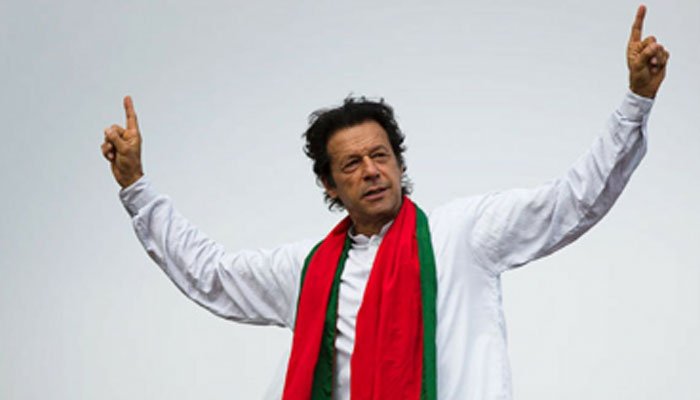
    PTI presents three years’ performance charter

    Pakistan Tehreek-e-Insaf (PTI) released the party’s performance since it came into power three years ago. The party under its manifesto of ‘Justice, humanity, and selflessness’ claims to have served the people of Pakistan.

    Diplomacy:

    From prioritising economic diplomacy to highlighting Kashmir’s cause on all international forums, Pakistan witnessed an increase in its global and regional relevance in the past three years.

    PTI in its past three years has been countering Islamophobia. The party has been a long-term facilitator of the peace process in Afghanistan.

    The party claims to be aggressively active in exposing the Hindutva Agenda.

    Ehsaas programme:

    The Ehsaas programme has emerged as the largest social protection programme in history by benefiting almost half of the country’s population. ‘Ehsaas Emergency Cash’ has been declared as the third largest social protection programme in the world.

    The World Bank has listed the Ehsaas Emergency Cash programme among the top four social protection interventions globally in terms of the number of people covered. The programme distributed cash among 15 million underprivileged families after they suffered financially due to Covid-19 related lockdowns.

    Education:

    As per PTI’s claims, the government has done revolutionary initiatives for the education sector.

    A uniform education system has been introduced in the country under the Prime Minister’s auspices. The Single National Curriculum (SNC) has been approved and made functional in the country for students from Grade 1 through 5. One system of Education for all, in terms of curriculum, medium of instruction, and a common platform of assessment so that all children have fair and equal opportunities when it comes to receiving a high-quality education.

    Climate Change:

    In the climate change battle, Pakistan has emerged as an inspiration to the world over the course of the last three years. Pakistan has devised peculiar strategies to deal with environmental challenges.

    Under the supervision of the Ministry of Climate Change, the PTI government has been devoted to protecting the environment. From working on ‘Pakistan Clean Air Program’ to ‘Sustainable Forest Management’, PTI praised itself for the work it has done in this department.

    Pakistan launched a number of initiatives including a landmark “10-Billion Tree Tsunami” project that earned global acclaim.

    Reformation:

    Completing its three years in power, PTI claims to have done tremendous work for the restoration of green belts of ICT, Anti-Encroachment Drive, enhanced capacity of Panah Gahs, online token tax payment, and claim that they are some of the major achievements of the Interior Ministry.

    Digital Pakistan:

    Taking credit for the digital transformation of state media project, initiated by the Ministry of Information & Broadcasting, in view of the vision of Prime Minister Imran Khan for a Digital Pakistan, PTI states to have done landmark work towards the digitalisation and modernisation of state media.

    Electoral reforms:

    Electoral reforms, electronic voting, and the voting process for overseas Pakistanis have been major projects spearheaded by PTI. The party has successfully launched electronic voting to aid the process of having smooth and transparent elections.

    To promote transparency and prevent fraud in the elections, the government has developed a model of the electronic voting machine and submitted it for testing.

    The government states that it has done historic work to address the problems of overseas Pakistanis.

    Covid-19:

    Shining through its three years, PTI’s Ministry of Science and Technology helped manufacturing of agricultural and police drones, locally manufactured ventilators, PPAs, sanitisers, diagnostic kits, and biomedical equipment for Covid-19 protection.

    National Command and Operation Centre (NCOC) led by Federal Planning Minister Asad Umar did a commendable job combating the deadly virus. Covid-19 exposed the terrible state of the health sector but NCOC managed to prop up systems on a war-footing to cope with the emergency.