Tag: disparity

  • Exchange companies suggest higher US dollar rate to increase remittances

    Exchange companies suggest higher US dollar rate to increase remittances

    The government has been advised by the Exchange Companies Association of Pakistan (ECAP) to “set” the dollar rate to lessen currency market volatility as the country fights a severe economic crisis and declining foreign exchange reserves.

    The general secretary of ECAP Zafar Paracha said in a statement on Monday, “It is advised to fix the rupee/dollar exchange rate for export-import bills and remittances”. He further said these remittance proceeds could be received by banks and money changers at a fixed rate of Rs240 per dollar.

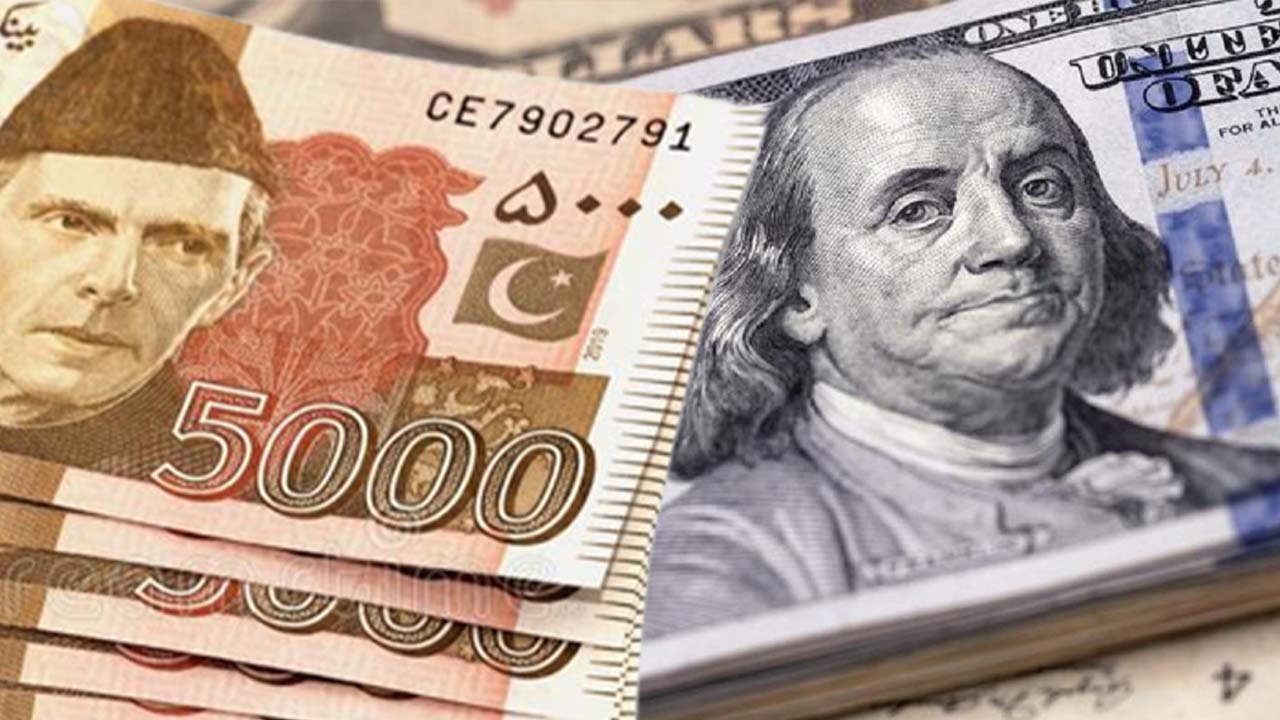
    Pakistani rupee closed at Rs228.34 per US dollar, compared with the previous close of Rs228.15 in the interbank market. In the open market, the local unit was trading at Rs238.75 against the greenback.

    Paracha suggested the government to set the rate of Rs240 per dollar for overseas Pakistanis and for inward remittance.

    He expects that by making the change, the official channel would be strengthened, remittances would increase, Hundi/Hawala would decline, and eventually, the grey market would vanish.

    According to Paracha, the exchange rate between the dollar and the local currency has hit Rs267 to Rs270. The offer could be made at Rs228 against/ the dollar in order to obtain exporters’ revenues. Additionally, the rate for importers would be determined by the weighted average of the exporter and home remittance rates. He said that it would help remittances and exporters.

    It will boost the nation’s foreign exchange reserve, encourage exporters to bring dollars, and strengthen the exchange companies’ remittances division.

    The country received $14.1 billion in remittances during the first six months (July-December) of the current fiscal year, a decline of 11.1 per cent from a year earlier.

    As of January 6, Pakistan’s foreign exchange reserves at the State Bank of Pakistan fell by $1.2 billion to $4.3 billion, just enough to fund three weeks’ worth of imports.

    Due to significant repayments of foreign debt and a lack of external funding, which have severely reduced Pakistan’s foreign reserves and resulted in ongoing dollar shortages, the country is currently facing a balance of payments crisis.
  • Pakistan to overcome $4 billion external financing gap soon: SBP

    Pakistan to overcome $4 billion external financing gap soon: SBP

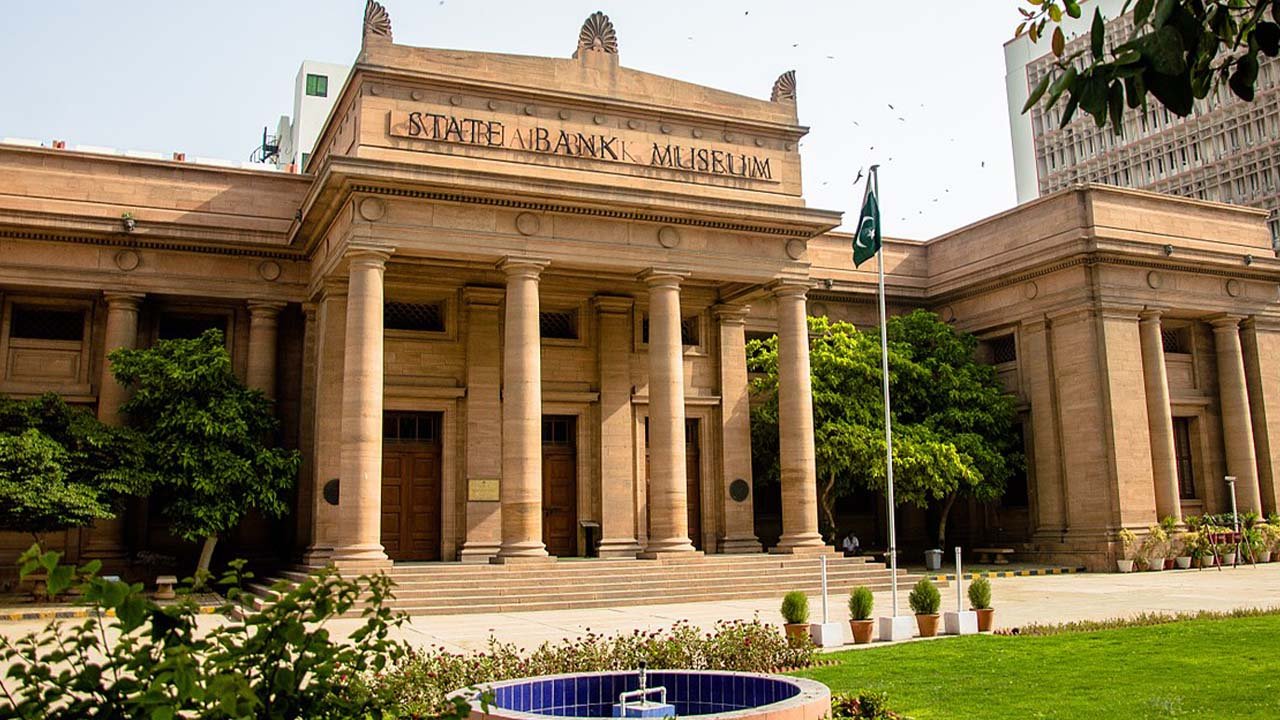
    In the midst of intense pressure on foreign currency reserves, Pakistan will soon close its $4 billion shortfall in external finance with the assistance of friendly nations under IMF conditions, according to Acting Governor of the State Bank of Pakistan (SBP) Dr Murtaza Syed.

    He also acknowledged that inflation will continue to be higher for the ensuing 11 to 12 months, which is why the central bank was aiming for an average inflation target of 18 to 20 per cent for the current fiscal year 2022–2023

    According to The News, acting SBP Governor Dr. Murtaza Syed stated that Pakistan has already met its gross external financing requirements of $34 to $35 billion.

    However, Islamabad is also attempting to secure confirmation of $4 billion in inflows from friendly nations like Saudi Arabia, the UAE, and Qatar. According to him, these extra dollar inflows will be used to boost foreign currency reserves and build a safety net in case of a crisis-like circumstance.

    He resisted providing a specific timeline but assured that the $4 billion finance deficit will be closed quickly. He argued that urgent attempts were being made by the government and IMF high-ups to secure confirmation from their respective nations.

    Denying that the scenario was similar to Sri Lanka, he praised Bangladesh and claimed that nation performed properly, chose to return to the IMF, and also increased utility costs while maintaining enough levels of foreign exchange reserves.

    Speaking of increasing inflation, he believed that supply interruptions abroad had set the way for a global super cycle of commodities, leaving Pakistan with no choice but to concentrate on agriculture productivity in order to secure food security.

    According to Murtaza Syed, people would have to deal with this challenging moment because there is no immediate magic wand to manage increased inflation. He said that while it is a challenging time, there is no alternative way to prevent the country from entering a more challenging situation if nothing was done.

    According to the official, the SBP has loosened the cash margin requirements for opening L/Cs for imports and offers incentives to individuals who do so. According to him, the IMF opposed trade restrictions and took action to prevent the depletion of foreign exchange reserves.

    The current pressure on foreign reserves is now anticipated to end within the next two months. He also promoted energy saving as a way to ease the burden of high import costs.

    The senior official believed that as long as the economy’s structural issues persisted, Pakistan will continue to see boom and bust cycles. He gave a recent example in which the nation’s GDP increased by 6 per cent, indicating that the overheating of the economy led to imbalances known as the budget deficit and current account deficit. Although a recession is not imminent, he continued, the economy must be managed carefully.

  • Pakistani rupee tumbles to Rs200 versus US dollar in the interbank

    Pakistani rupee tumbles to Rs200 versus US dollar in the interbank

    The lack of clarity on both economic and political fronts worsened the Pakistani rupee’s (PKR) difficulties, as the local currency sank to Rs200 against the US dollar during intraday trading in the interbank market on Thursday, May 19.

    Pakistani currency officially breached the 200-barrier in the open market on May 18, closing at Rs198.39 after a day-on-day devaluation of Rs2.65 or 1.3 per cent.

    Investors, on the other hand, are concerned about the reactivation of the stalled $6 billion Extended Fund Facility (EFF) programme due to the government’s inability to implement IMF conditions. Meanwhile, market sentiment was severely harmed by continued domestic political uncertainties.

    Pakistan and the IMF are holding talks in Doha as the South Asian country wants to revive the IMF programme. On Wednesday, Federal Minister of Finance and Revenue Miftah Ismail met virtually with IMF Mission Chief Nathan Porter.

    During the meeting, Ismail underlined the government’s resolve to implement the IMF’s reforms and meet the program’s structural goals.

    He stated that the administration recognises the need to make difficult decisions while minimising the impact of inflation on the middle and lower income groups.

  • Toyota Camry after a hike of Rs2 million, priced at Rs23.3 million

    Toyota Camry after a hike of Rs2 million, priced at Rs23.3 million

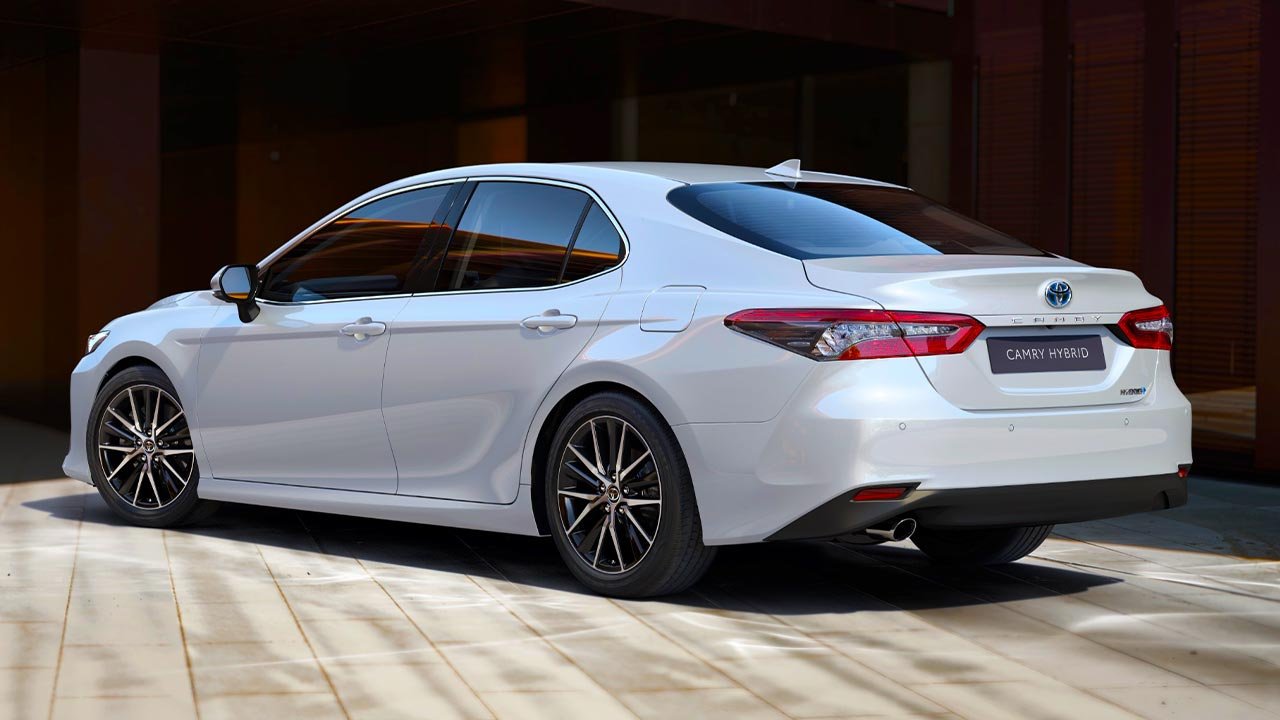
    Toyota Indus Motor Company (IMC) has announced a massive price hike for all completely built-up (CBU) units offered by the Japanese automaker in Pakistan. The price of Toyota Camry is upped by Rs2 million and will now cost Rs23.3 million

    The only variant of the popular hybrid model, Toyota Prius received a hike of Rs1.26 million and will be sold for Rs14.65 million. Toyota’s crossover SUV, Corolla Cross (top trim) is now priced at Rs13.4 million after a hefty increase of Rs1.17 million in its earlier price.

    Finally, the automatic version of Toyota Rush will now be offered at Rs8.33 million following an increase of Rs710,000.

    Read more: Hyundai Sonata 2.5 will now cost Rs7.85 million

    Toyota IMC’s CBU models, in particular, have become nearly unobtainable following the recent price jump. The government’s main purpose in the auto sector, however, is to discourage CBU imports and increase sales of locally produced vehicles. This means that all other CBUs are on the verge of suffering the same fate as Toyota.

  • Pakistani rupee crashes to historic low of Rs194 against US dollar

    Pakistani rupee crashes to historic low of Rs194 against US dollar

    During the trading session on Monday, the Pakistani rupee (PKR) maintained its declining trend, touching Rs194, its worst rate versus the US dollar. At the interbank, the greenback strengthened by Rs1.47 during the trading hours.

    The General Secretary of the Exchange Companies Association of Pakistan, Zafar Paracha said that the greenback climbed by Rs11.07 since the new government took government, while debt has increased by Rs1,400 billion due to the disparity.

    Pakistani currency lost 3.1 per cent of its value against the US dollar in the previous week in the interbank market, with Pakistan’s currency hitting new record lows to end the week at Rs192.53, its worst closing in history.

    Read more: Pakistani Rupee crashes to a record low against US dollar 

    The local currency fell in value across the board as concerns about the economy, declining foreign currency reserves, and worsening trade imbalance intensified. Concerns over the International Monetary Fund (IMF) programme have also caused fear and speculation in the market.