Tag: Dollar

  • July remittances post significant hike

    July remittances post significant hike

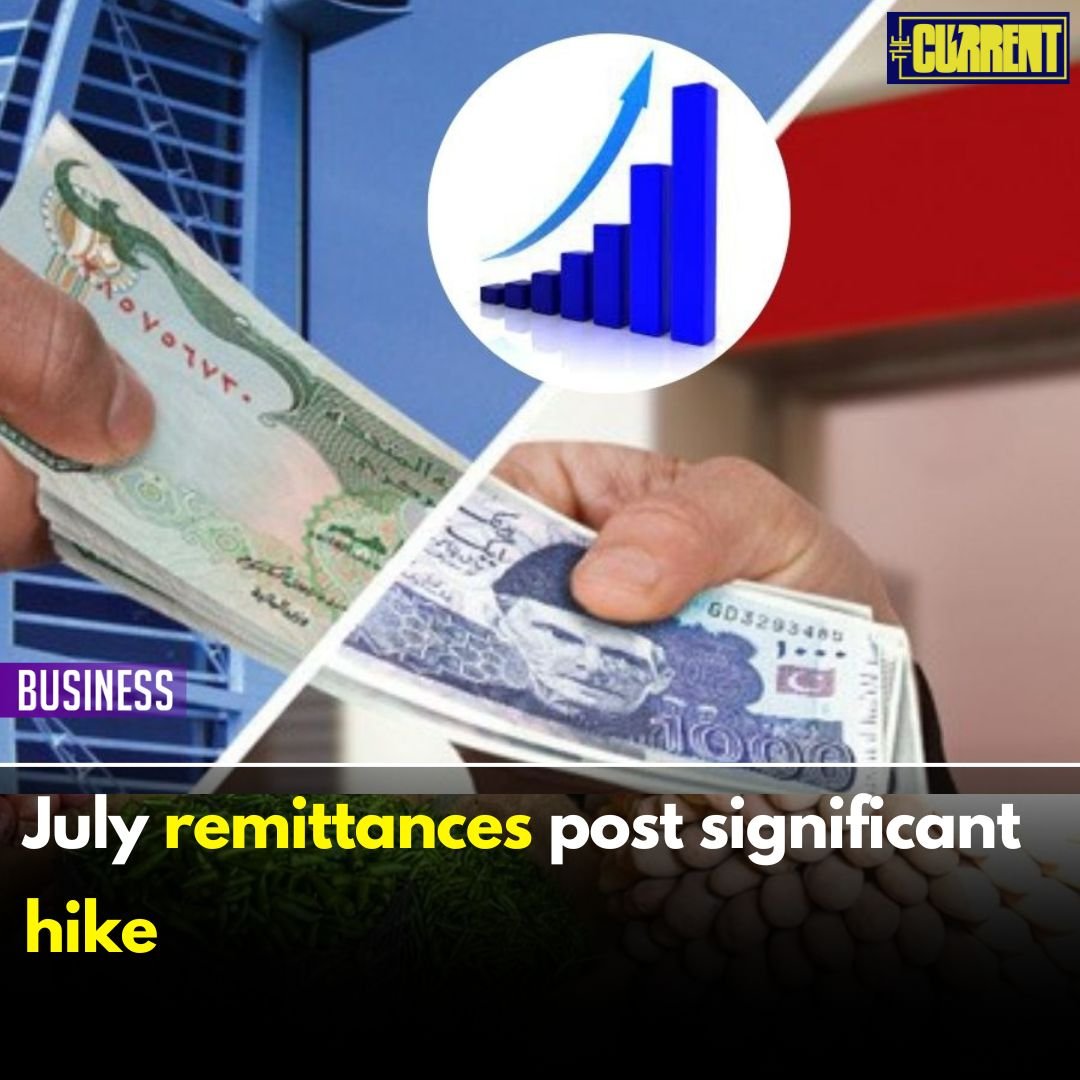
    The Pakistani diaspora has sent $3 billion back home in July, 48 percent higher than the previous year, The News has reported.
    State Bank Pakistan (SBP) data shows that remittances from Saudi Arabia increased by 56 percent to $761 million in July, while those from the United Arab Emirates increased by $611 million.
    The percentage reflected a 94 percent surge from the UAE compared to July 2023.

    Remittances from the United Kingdom totaled $443 million, a 45 percent increase from the previous year. Workers also sent $300 million from the United States, a 24 percent hike from last July.
    The research director at AKD Securities Limited, Awais Ashraf said, ‘’This increase is mainly due to the movement of worker remittance into the formal channel, spurred by the reduced rate difference between exchange companies and the interbank market’’.

    Throughout FY24, Pakistan posted a current account deficit of $681 million, equivalent to 0.2 percent of the gross domestic product.

  • Pakistani rupee predicted to decline to Rs350 against US dollar in 2024

    Pakistani rupee predicted to decline to Rs350 against US dollar in 2024

    According to BMI, a Fitch Solutions Company, the Pakistani rupee is expected to depreciate to as low as Rs350 against the US dollar by the end of 2024. Similarly, Topline Securities Ltd., a brokerage firm, predicts a fall to Rs324. 

    Despite government efforts to combat smuggling and speculation, the local currency has already experienced a 20 per cent devaluation against the dollar, with analysts predicting a continued decline, as reported by Bloomberg

    John Ashbourne, a global economist at BMI in London, remarked, “This appears to be a currency that is set to adjust downwards.” 

    “It will be very hard in the long term to convince people to use the official rate if parallel markets offer more value for a dollar,” added Ashbourne. 

    He further stated, “The authorities can push against the tide for a certain amount of time, but they are not able to do that sustainably.” 

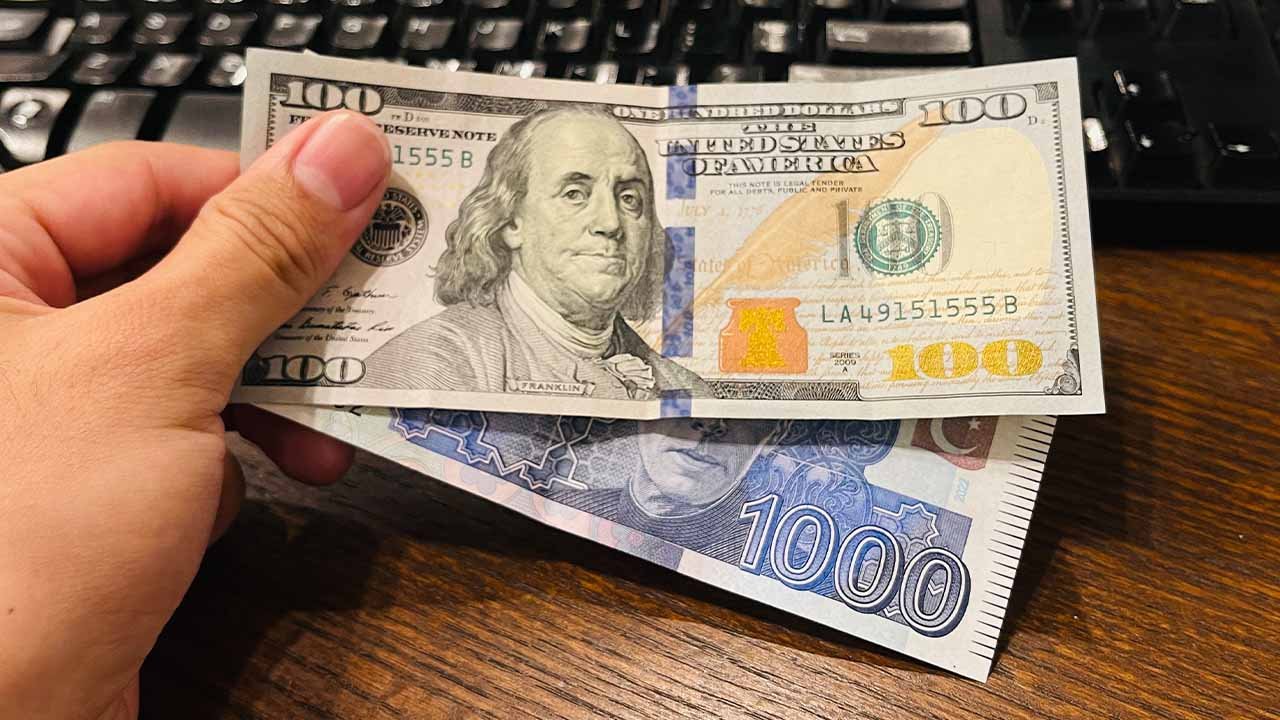
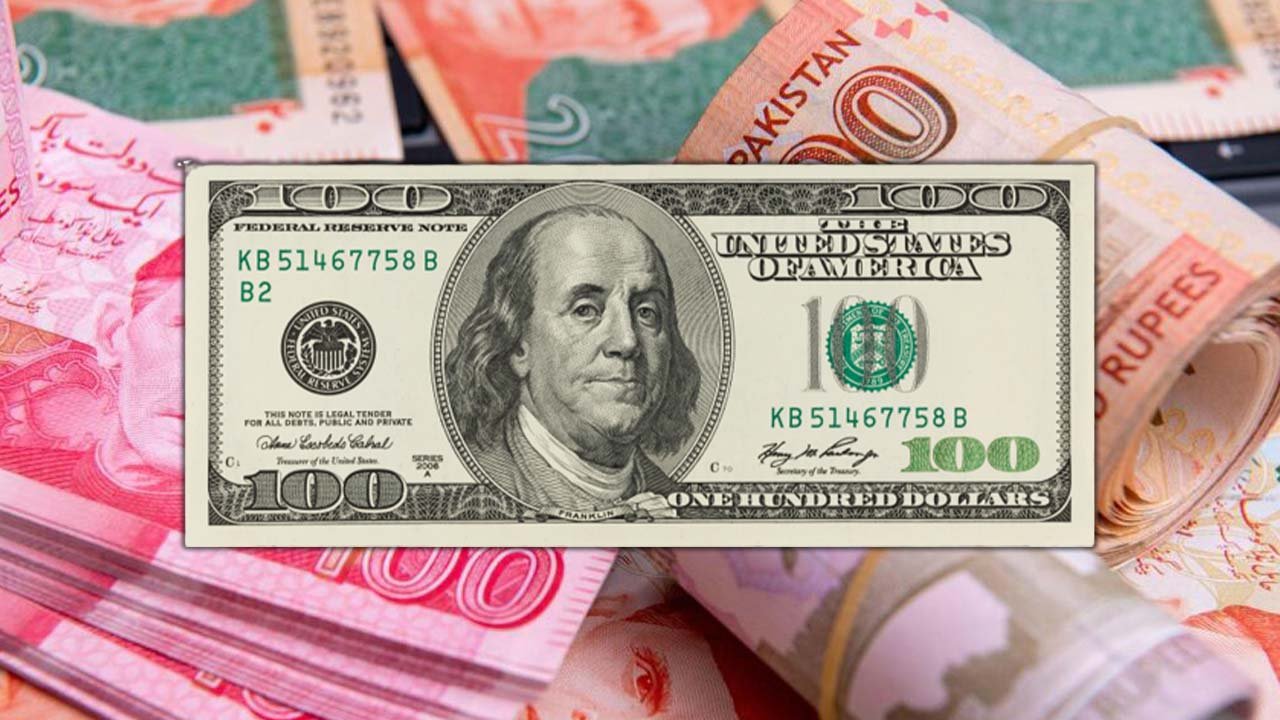
    As of Tuesday, the local unit closed at Rs285.52 against the dollar in the interbank market. 

    According to experts, Pakistan’s currency is poised to conclude 2023 as Asia’s worst-performing country in terms of currency performance. 

    In a temporary recovery effort in September, when the rupee was at a record low of Rs300, the caretaker set-up initiated aggressive measures against the illegal purchase and sale of the greenback at a premium exchange rate. 

    However, experts caution that this recovery is expected to be short-lived. 

  • Second consecutive decline: Gold price drops by more than Rs6,000 per tola

    Second consecutive decline: Gold price drops by more than Rs6,000 per tola

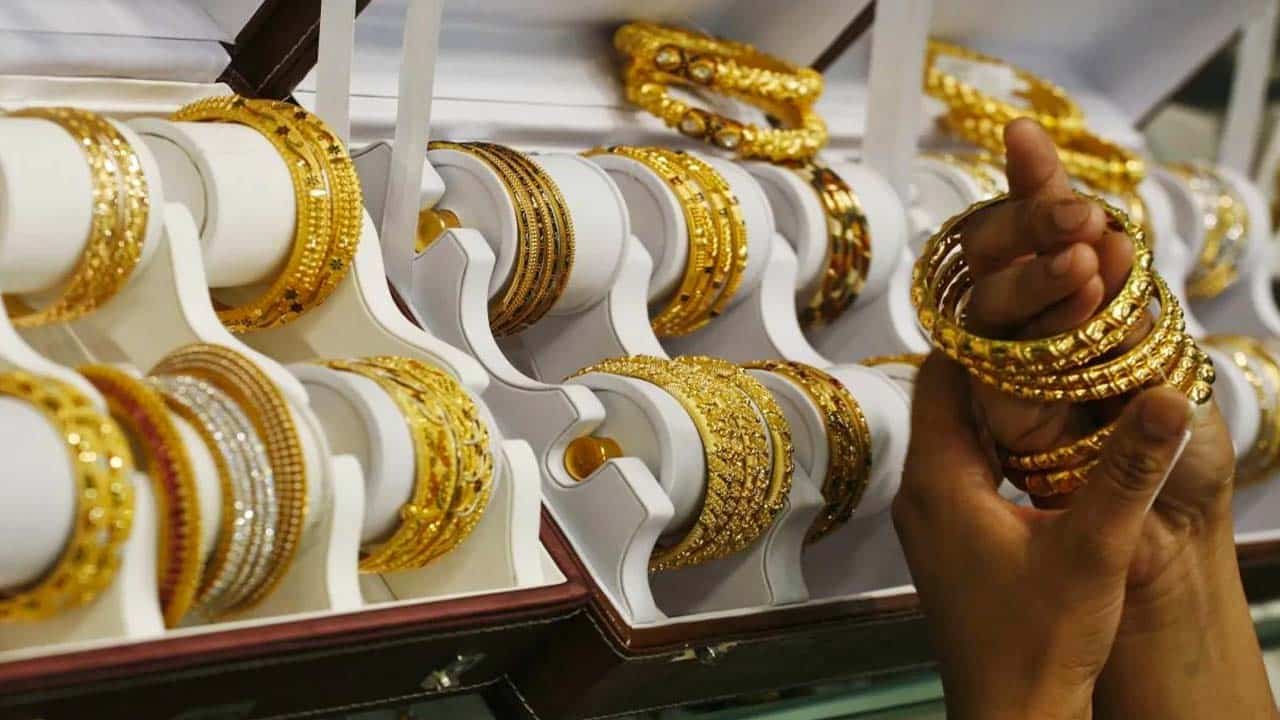
    The price of gold in Pakistan fell for the second consecutive day on Tuesday, as the rupee depreciated against the US dollar. The price of 24 karat gold decreased by Rs6,300 per tola (11.66 grammes) and Rs5,402 per 10 grammes, to settle at Rs232,800 and Rs199,588, respectively.

    The decline in gold prices was in line with the fall in the international market, where the price of gold fell by $9 to settle at $1,931 per ounce. The gold rate has been volatile in Pakistan recently due to political and economic uncertainty, and high inflation.

    The price of silver also fell by Rs100 per tola and Rs85.74 per 10 grammes, to settle at Rs2,800 and Rs2400.5, respectively.

    The depreciation of the rupee against the dollar is the main reason for the decline in gold prices in Pakistan. When the rupee weakens, gold becomes more expensive for buyers in Pakistan, who have to pay more rupees to buy the same amount of gold.

    The political and economic uncertainty in Pakistan is also a factor that is contributing to the volatility of gold prices. Investors are unsure about the future of the country, and they are looking to gold as a safe haven investment. This demand for gold is pushing up prices.

    The high inflation in Pakistan is also making gold more expensive. When inflation rises, the value of the rupee decreases, which makes gold more expensive for buyers in Pakistan.

    Overall, the gold rate in Pakistan is expected to remain volatile in the near future due to the factors mentioned above.

  • Pakistani rupee drops to Rs295 against US dollar

    Pakistani rupee drops to Rs295 against US dollar

    It appears that the Pakistani rupee is poised to shatter previous records and reach an new all-time low, as the local currency continued its decline against the US dollar on Wednesday, decreasing by 1.16 per cent in the inter-bank market.

    By the end of the day, the rupee settled at Rs294.93 against the US dollar, marking a decline of Rs3.42, as reported by the State Bank of Pakistan (SBP).

    This represents its lowest point since May 11 of this year, when it hovered near Rs299.

    Just one day prior, on Tuesday, the rupee also experienced a setback against the US dollar, concluding at Rs291.51.

  • US dollar surges against Pakistani rupee for eighth consecutive day in interbank market

    US dollar surges against Pakistani rupee for eighth consecutive day in interbank market

    The US dollar has been steadily appreciating against the Pakistani rupee for eight consecutive days, showing a continued upward trend in its value. On Tuesday, the currency further strengthened in the interbank market.

    At the start of the daily trading session in the interbank market, the American currency gained Rs1.8, reaching a value of Rs289 against the local currency. Over the course of the last eight days, the US dollar has gained Rs12.50 against the rupee in the interbank market.

    Interestingly, on Monday, despite receiving financial support from the International Monetary Fund (IMF) and other friendly countries, the Pakistani rupee depreciated even further against the US dollar.

    According to the State Bank of Pakistan (SBP), the dollar’s rate increased by Rs1.1 on Monday, with a closing rate of Rs287.92. In comparison, it had closed at Rs286.81 on Friday, showing a 0.39 per cent decline in the value of the rupee against the US dollar.

  • Pakistani rupee closes at Rs277.41 as US dollar recovers by nearly Rs2 in interbank trade

    Pakistani rupee closes at Rs277.41 as US dollar recovers by nearly Rs2 in interbank trade

    The US dollar appears to have bounced back on Wednesday at the opening of interbank trade, as it gained 31 paisas. The American currency closed at Rs277.41 after gaining Rs1.97 against the local unit. The dollar was exchanged for Rs275.75 at the start of the trading session on Wednesday.

    However, later the greenback gained even more value with Rs1.31 in interbank trade and was being traded at Rs276.75. In just a short while, the currency gained even more strength with Rs1.56 and was traded at Rs277.

    Owing to the strengthening of the dollar in the interbank trade, the currency’s value stopped falling in the open market also. Its value remained stable at Rs280 in the open market. On Tuesday, the greenback had lost a massive Rs10 in the interbank market.

    On the other hand, the Pakistan Stock Exchange continued its bullish trend. The shares of energy, oil and gas, and refinery companies were shared in the market.

    The stock exchange retained its limit of 44,000 points on Wednesday morning. The KSE-100 index rose with 472 points to 44,030 points. At the start of the trading session, the index gained 200 points to reach 43,770 points.

  • Pakistan commits to boost foreign exchange reserves to $11.7 billion by 2024

    Pakistan commits to boost foreign exchange reserves to $11.7 billion by 2024

    Pakistan has made a commitment to the International Monetary Fund (IMF) to significantly increase its gross foreign exchange reserves by $7.65 billion. The goal is to raise the reserves to $11.7 billion by the end of the financial year 2024, up from the current level of $4.056 billion in the financial year 2023. This move is aimed at building a buffer of foreign exchange reserves to protect the national economy from external shocks.

    The assurance was given through a Letter of Intent (LoI) signed by Finance Minister Ishaq Dar and State Bank of Pakistan (SBP) Governor Jameel Ahmed. Under a $3 billion stand-by arrangement (SBA) for nine months, Pakistan assured the IMF and its executive board of its commitment to bolster its foreign exchange reserves.

    If the gross foreign exchange reserves reach $11.7 billion by the end of June 2024, they will be sufficient to meet the country’s import requirements for goods and services for approximately 1.8 months.

    The balance of payment (BoP) chart, agreed upon by the IMF and Pakistan, indicates that projected disbursements of foreign loans during the current financial year 2023-24 are expected to amount to $15.01 billion from multilateral and bilateral creditors. This financial year started on July 1, 2023, and will end on June 30, 2024.

    The analysis of the BoP data suggests that Pakistan needs to secure external financing from multilateral and bilateral creditors during the current fiscal year. Additionally, Pakistan is seeking an additional deposit of $2 billion from the Kingdom of Saudi Arabia and $1 billion from the United Arab Emirates (UAE). The Islamic Development Bank (IsDB) has agreed to provide a $1 billion loan program.

    Furthermore, Pakistan is actively working on program loans and project financing from the World Bank, Asian Development Bank, and Asian Infrastructure Investment Bank (AIIB) to secure a total disbursement of $15 billion from all multilateral and bilateral sources.

    To further strengthen its reserves, Pakistan intends to engage with bilateral partners, especially China, Saudi Arabia, and the UAE, to extend the maturity of their existing deposits, which amount to $2 billion, $3 billion, and approximately $2 billion, respectively, in the current financial year.

    The IMF executive board is scheduled to convene on July 12, 2023, in Washington DC, to review and consider Pakistan’s request for approval of a $3 billion short-term bailout package, including a $1 billion tranche release. Upon approval by the executive board, the $1 billion tranche will be disbursed within a few days.

    The IMF staff has already circulated copies of the Letter of Intent among the executive board members. In this document, Finance Minister Ishaq Dar and the SBP governor have provided assurances regarding the implementation of crucial fiscal and energy reforms to address fiscal challenges. Islamabad has also committed to tackling issues in the energy sector, including measures to control the circular debt problem.

    To address energy sector concerns, the government plans to raise power and gas tariffs in line with the determinations made by the regulators. The National Electric Power Regulatory Authority (NEPRA) will finalise the power tariff, while the facts regarding gas tariffs are being ascertained by relevant officials.

    The Oil and Gas Regulatory Authority (OGRA) has already recommended increasing gas tariffs by 45 per cent and 50 per cent for two major gas utilities. The government has a 40-day timeframe to make a decision on this matter, after which the recommendations will be notified in the second week of July 2023.

    Under the nine-month SBA program, it is anticipated that there will be two reviews conducted by the IMF mission in September and December 2023. Each review is expected to lead to the disbursement of a $1 billion installment.

    Overall, Pakistan is taking significant measures to strengthen its foreign exchange reserves, seek external financing, and implement necessary reforms in order to address its economic challenges and ensure stability.
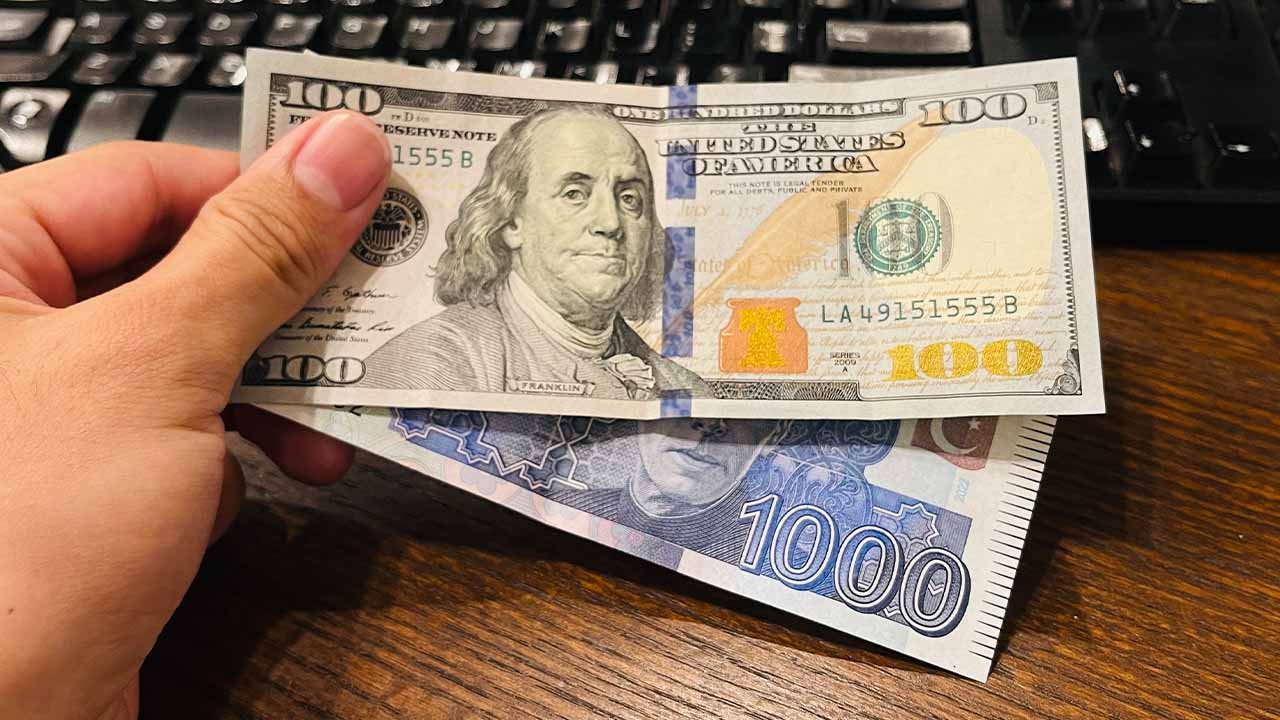
  • Pakistani rupee drops by more than Rs18 against US dollar due to delay in IMF deal

    Pakistani rupee drops by more than Rs18 against US dollar due to delay in IMF deal

    Pakistani rupee (PKR) experienced a significant decline of over Rs18.8 against the US dollar in the interbank market during intra-day trade, ahead of the monetary policy review and delay in the International Monetary Fund (IMF) deal.

    At approximately 11:40 am, the greenback was being traded at Rs285 against the local currency, compared to its previous day’s closing of Rs266.11.

    Zafar Paracha, the General Secretary of ECAP, expressed concern over the delay in the agreement with IMF and the lender’s demand to peg the currency rate with that of the grey market, which has resulted in market uncertainty.

    In his opinion, the current rate is too high and should not have risen to this extent. He also noted that the greenback was being traded at Rs290 in the grey market a day earlier.

    Adnan Asghar, a currency market expert, stated that the delay in the deal between Pakistan and the IMF has contributed to the depreciation of the rupee.

    He added that the uncertain political situation has also been a factor in the decline of the rupee’s value. Asghar warned that the country is approaching a default situation due to this delay.

  • IMF likely to announce staff level agreement with Pakistan by this week

    IMF likely to announce staff level agreement with Pakistan by this week

    According to Syed Naveed Qamar, the Federal Minister for Commerce, Pakistan has taken all necessary measures to unfreeze a $6.5 billion credit line and is expected to reach a staff level agreement (SLA) on Extended Fund Facility (EFF) with the International Monetary Fund (IMF) this week.

    Dr Aisha Ghaus Pasha, the Minister of State for Finance, stated that Pakistan and the IMF are close to reaching an SLA, but that basic structural reforms are necessary regardless of whether they are part of the IMF program or not.

    After the formal announcement, Pakistan will receive a $1.2 billion tranche under the EFF. Qamar stated that the agreement would give investors and creditors confidence in Pakistan’s stabilising economy and that their money would remain protected.

    Qamar emphasized that the IMF program is the beginning of other funds flowing in and that increased imports would benefit exports.

    However, Pakistan is struggling to meet the tough conditions set by the IMF, such as increasing its low tax base, ending exemptions for the export sector, and raising artificially low energy prices. The country is in dire need of funds as the State Bank of Pakistan-held foreign exchange reserves only cover one month of imports.

    To meet IMF conditions, Pakistan has raised taxes, cut subsidies, and devalued its currency. Additionally, a supplementary finance bill was approved that increases sales tax from 17 per cent to 25 per cent on imports and raises general sales tax from 17 per cent to 18 per cent, increasing the burden on already inflation-stricken people.

  • No luxury cars, no five-star hotels, federal cabinet’s perks and salaries cut amid economic crisis

    Prime Minister (PM) Shehbaz Sharif has announced major cuts in perks and facilities that were being given to the federal cabinet as the economic crisis worsens.

    Addressing a press conference on Wednesday in Islamabad, the Premier, flanked by members of the federal cabinet, said that ministers, state ministers and special advisers had decided “willingly” to forego their salaries and perks. He said that all ministers would now pay their own telephone, electricity, water and gas bills.

    The premier further said that federal ministers would also travel in economy class and will not stay in five-star hotels during foreign trips.

    He asserted that no cabinet member or government officer will use a luxury car, adding that “Until June 2024, there will be a complete ban on purchasing all types of new cars.”

    The head of government also said that “to conserve gas and electricity, advice for opening offices at 7:30am during summer has been accepted.”

    Shehbaz Sharif said that it has also been decided that government employees will not be allotted more than one plot, saying that this would be implemented from tomorrow.

    He said that in terms of food, only a single dish would be allowed at government events.

    Talking about the Toshakhana, the premier said that the federal cabinet has decided that no one will be allowed to retain state gifts worth more than $300 (approx. Rs70,000). He also added that the government has decided to make the Toshakhana record public.

    Responding to a question from a reporter, PM Shehbaz said that the measures would save Rs200 billion annually.

    He said that matters with the International Monetary Fund (IMF) are at the “last stage” and hoped that everything will go well.

    The development has taken place while Pakistan is eyeing a staff-level agreement with the International Monetary Fund (IMF) this week as the country reels under a foreign reserve shortage.

    Earlier this week, the National Assembly passed the IMF-dictated Finance (Supplementary) Bill 2023, seeking to impose an additional Rs170 billion in taxes.