Tag: Dollar

  • PKR loses for 6th straight session due to declining reserves

    PKR loses for 6th straight session due to declining reserves

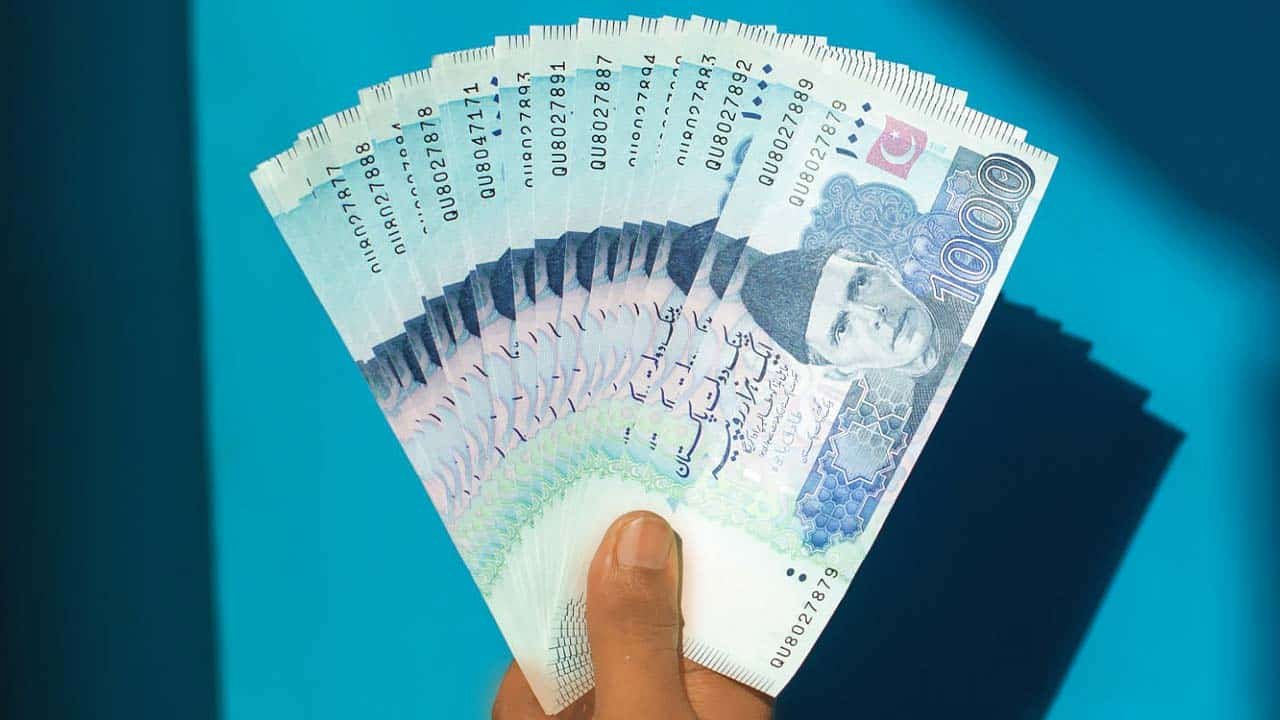
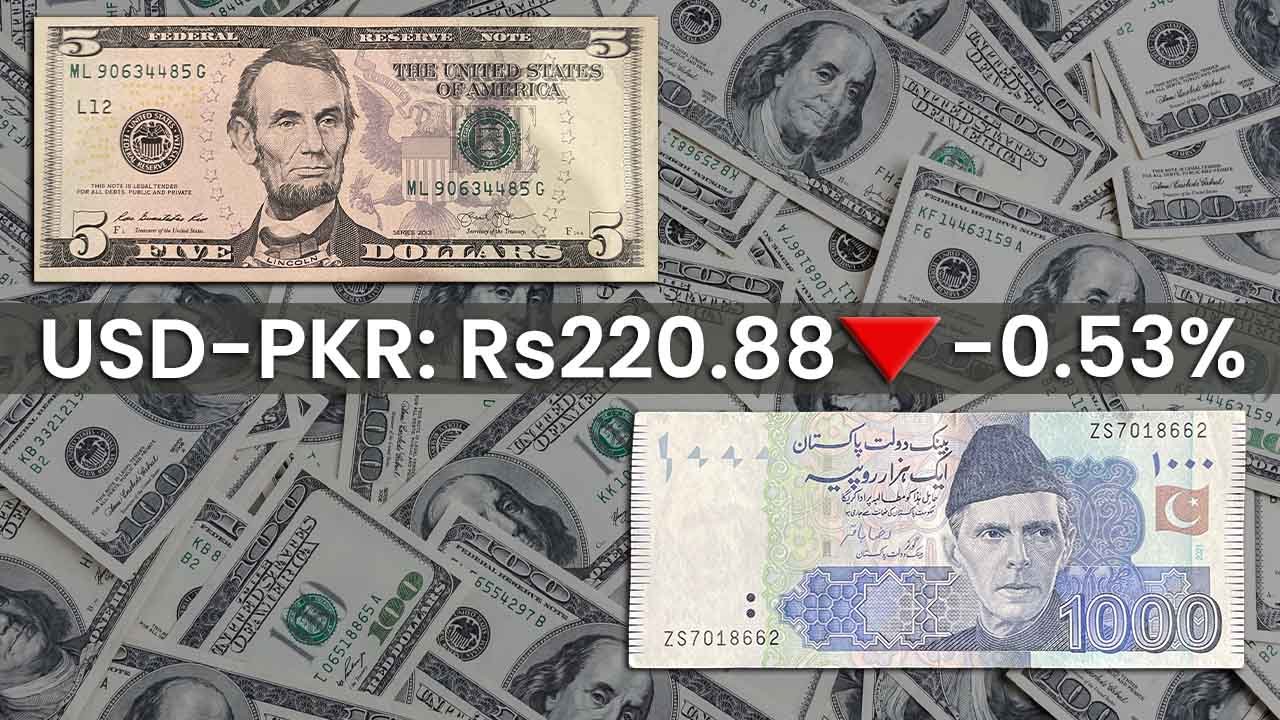
    The Pakistani rupee dropped against the US dollar for the sixth straight session on Wednesday, losing 0.53 per cent in the inter-bank market.

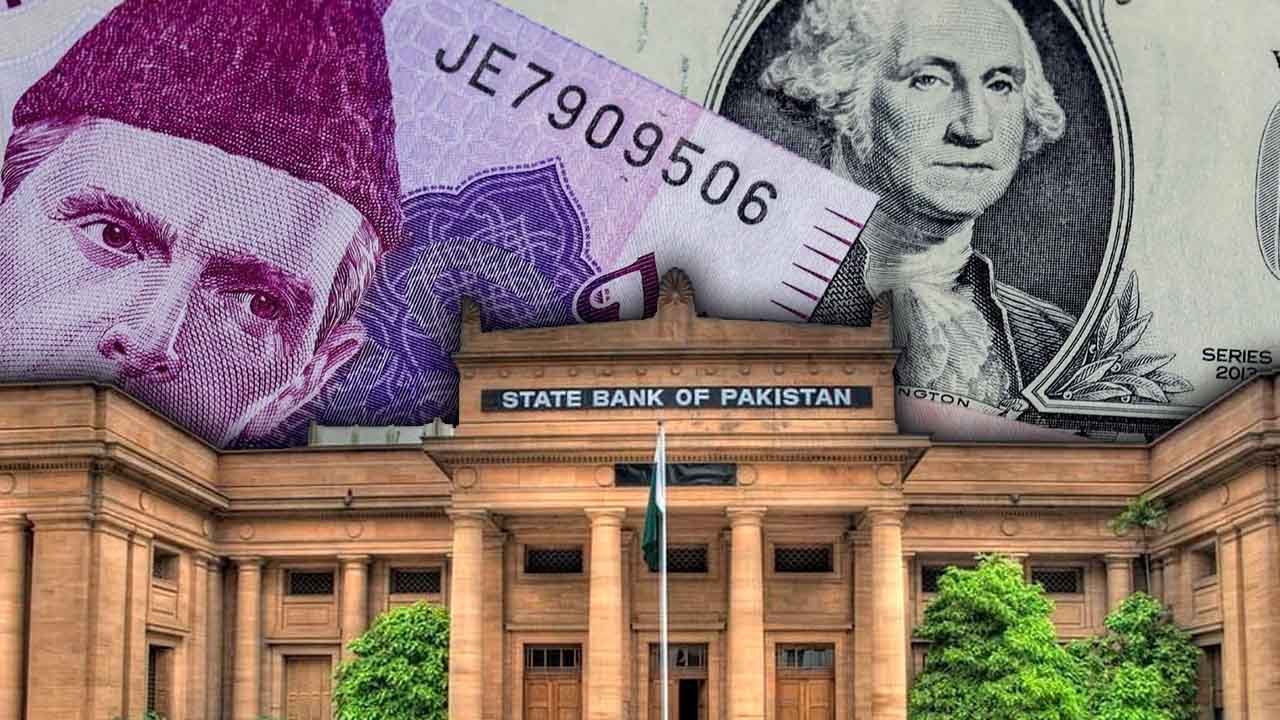
    According to the State Bank of Pakistan (SBP), the local currency dropped by Rs1.17, or 0.53 per cent, to close at Rs220.88. In the last six trading sessions, the rupee has lost Rs3.09, or 1.4 per cent, of its value overall.

    The rupee lost value against the US dollar on Tuesday for the fifth consecutive session, closing at Rs219.71 after losing Rs0.82 (0.37 per cent).

    According to market analysts, the local currency’s weakness is caused by declining reserves and a lack of evidence of foreign capital inflows.

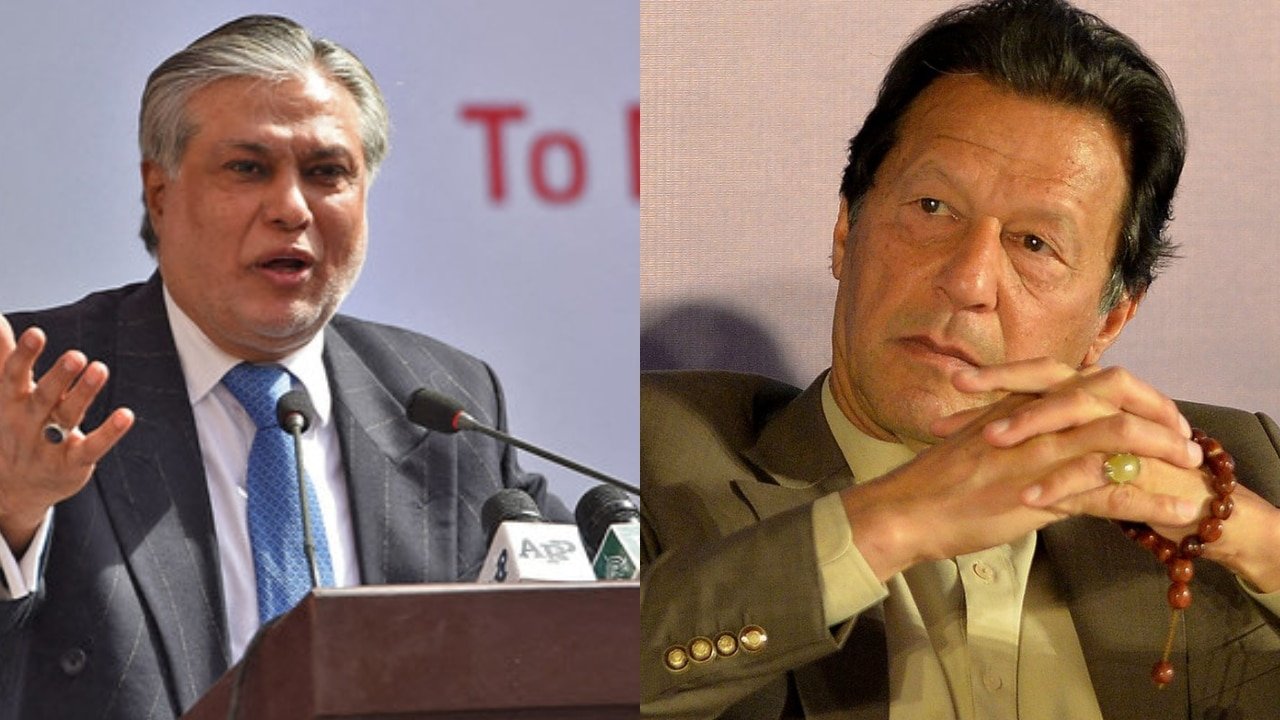
    In an interview with Bloomberg, Finance Minister Ishaq Dar said that the rupee has been “heavily undervalued”.

    “It is due to speculation – and some players in the market have been responsible for that,” he added.

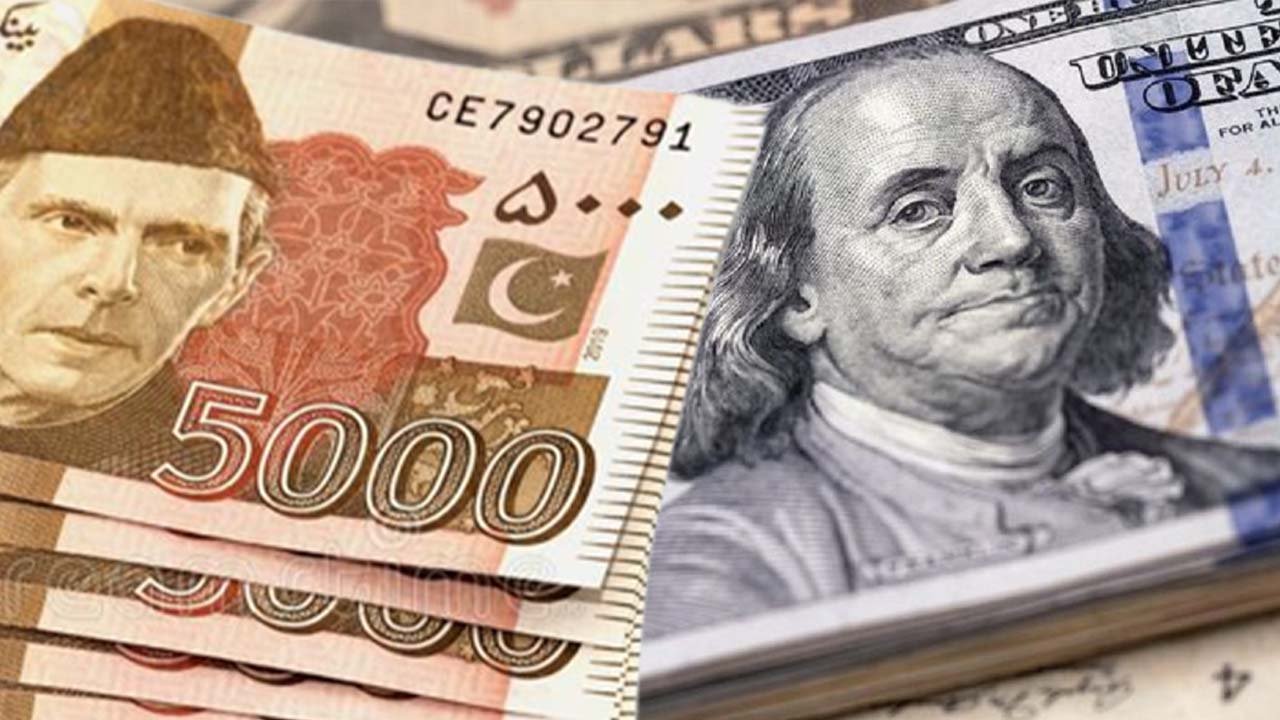
    Globally, the greenback hung close to a 32-year peak versus the yen on Wednesday while edging up from a two-week trough against a basket of major peers as traders weighed improved risk sentiment against the prospect of aggressive Federal Reserve rate hikes.

    The dollar index – which measures the currency against six peers including the yen, sterling and euro – edged up to Rs112.01, after dropping to the lowest since October 6 at Rs111.76 overnight.

    On Wednesday, oil prices increased marginally despite bearish factors like unclear Chinese demand growth and falling gas costs, which were offset by bullish factors like declining crude stocks and a generally undersupplied market.
  • 4th consecutive decline: PKR drops by 46 paisas to Rs218.89

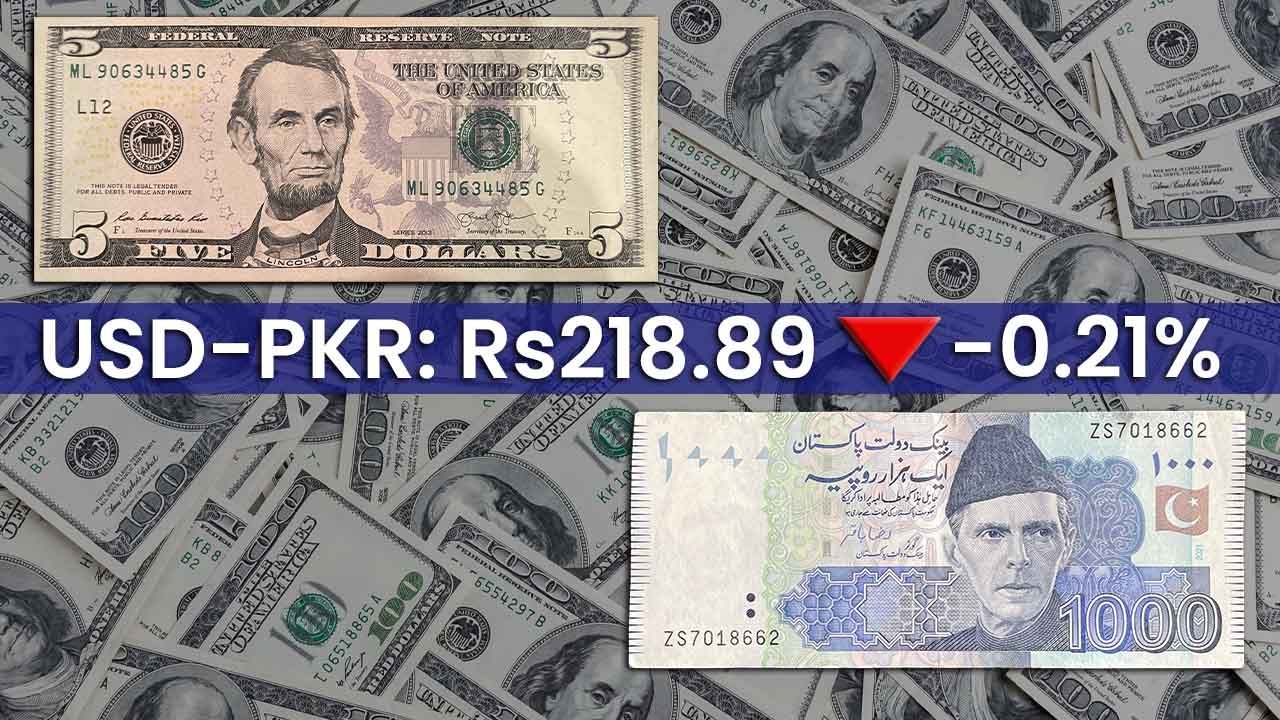
    4th consecutive decline: PKR drops by 46 paisas to Rs218.89

    The Pakistani Rupee (PKR) lost ground against the US Dollar (USD) today, reversing last week’s gains.

    The local unit fell 0.21 per cent against the US dollar today, closing at Rs218.89 after losing 46 paisas in the interbank market. During today’s open market session, the rupee hit an intraday low of Rs219.500 against the US dollar.

    When trade resumed against the greenback, the local unit was all red and opened trade at Rs219.00 in the open market. By midday, the dollar had risen to Rs219.25 against the rupee. After 2 pm, the local currency remained in the red and remained at Rs218 against the top foreign currency before the interbank close.

    Today was the fourth consecutive day that the rupee fell against the US dollar. Money changers are sceptical of a PKR recovery unless the government enacts stringent policies to combat the forex slowdown.

    According to one regular trader, the market is also reacting to Imran Khan’s Pakistan Tehreek-e-Insaf (PTI) winning six National Assembly seats in a by-election on Sunday, which was viewed as a direct contest between the former ruling party and the current ruling coalition.

    While the market watches for any changes in monetary policy, the local unit is expected to fall further against the dollar. The State Bank of Pakistan (SBP) has begun clearing importers’ letters of credit (LCs), but money changers say the process could be put on hold if another shortage hits the dollar aisle in the coming days.

  • Pakistani rupee continues to rise for 13th consecutive session

    Pakistani rupee continues to rise for 13th consecutive session

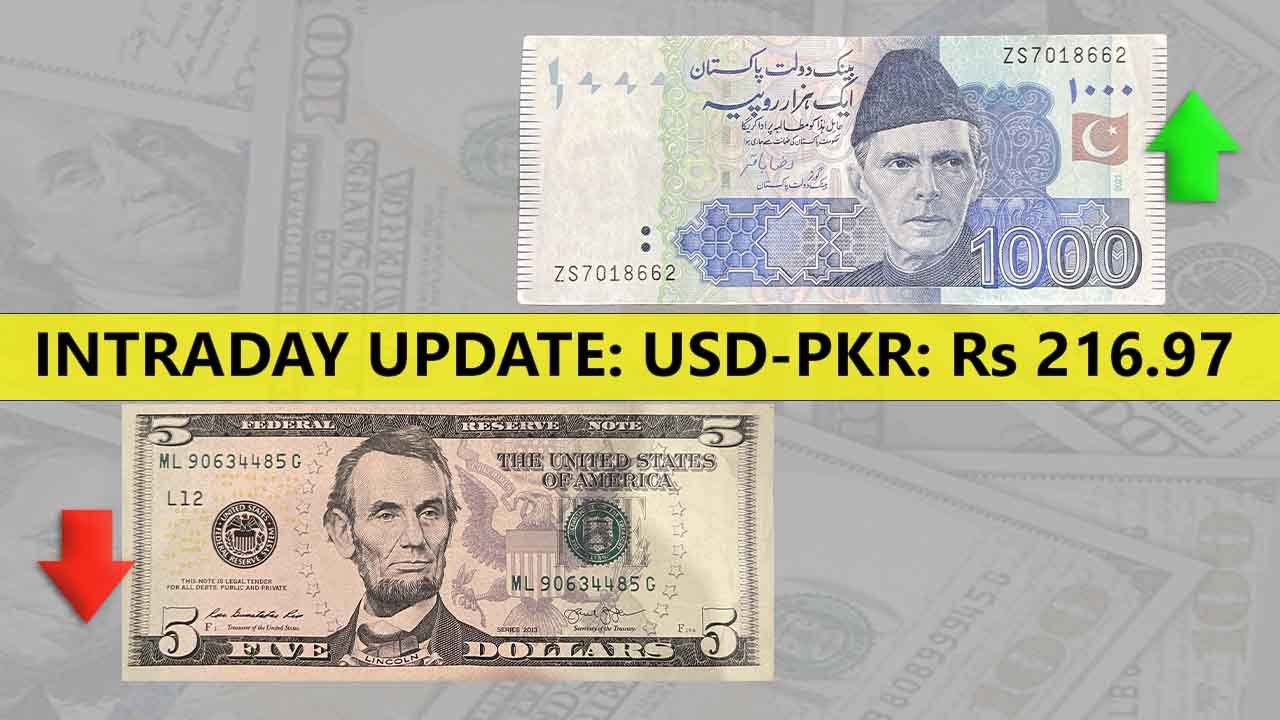
    The Pakistani rupee is strengthening versus the US dollar in the interbank market and increased by more than 0.4 per cent on Tuesday morning.

    During intra-day trading, the rupee was quoted at Rs216.97 at around 10:40 am, up Rs1 or 0.46 per cent against the US dollar.

    On Monday, the rupee continued its upward trend against the US dollar for the 12th straight session and appreciated Rs1.95 or 0.89 per cent to settle at Rs217.97.

    The Monetary Policy Committee (MPC) of the central bank maintained its benchmark policy rate at 15 per cent on Monday, which was a significant development.

    However, market observers attribute the rupee’s recent increase to the central bank and other authorities’ efforts to curb market speculation.

    According to Brecorder, the United Nations Development Programme issued a grim warning on Tuesday, stating that there was a debt problem that was rapidly worsening in a number of developing countries, including Pakistan.

    Without prompt assistance, the poverty rate in at least 54 countries would increase, according to UNDP, and “critical investments in climate adaptation and mitigation will not happen.”

    Sri Lanka, Pakistan, Tunisia, Chad, and Zambia are the nations most at risk right now, according to UNDP head economist George Gray Molina.

    In other countries, the dollar loomed big over precarious financial markets on Tuesday, worrying investors with concerns about rising interest rates, global growth, and geopolitical tensions.

    The 20-year high of Rs114.78 that it reached late last month was not far away; the US dollar index was up 0.053 per cent at Rs113.12 at the time.

    An increase in COVID-19 cases in China and a stronger US dollar contributed to Tuesday’s decline in oil prices, a major measure of currency parity, as they sparked worries about a faltering global economy.

  • Pakistani rupee becomes best performing currency after recording impressive gains

    Pakistani rupee becomes best performing currency after recording impressive gains

    The unpredictable Pakistani rupee, which made the highest rise of 3.9 per cent over five working days to Rs219.92 against the dollar on anticipation of sizable inflows of foreign cash, was dubbed the “world’s best-performing currency” in the week that concluded on Friday.

    According to analysts monitoring currency movements, the rupee proved to be the best-performing currency throughout the week.

    Friday marked the rupee’s 11th straight successful working day since the current finance minister, Ishaq Dar, announced his return to Pakistan by ending a five-year self-exile last month, according to the Express Tribune.

    Clearly, Dar continued his previous strategy of defending the rupee from the assault of the US currency after assuming power. He thought the rupee was undervalued at its all-time low of roughly Rs240 to the dollar in July and suspected commercial banks of manipulating the rupee’s value to advance their own interests.

    In a swift move, Pakistani officials notified Moody’s that during recent meetings with multilateral creditors, the government had received an additional funding commitment of more than $2.5 billion from the Asian Development Bank.

    This was done while strongly responding to Moody’s downgrading Pakistan’s credit rating to Caa1. The World Bank has also committed to providing an additional $1.3 billion in finance for infrastructure improvement and other projects during the current fiscal year.

  • Ishaq Dar denies allegation of taking any money, says ‘Imrandos’ are spreading fake news

    Ishaq Dar denies allegation of taking any money, says ‘Imrandos’ are spreading fake news

    Finance Minister Ishaq Dar called Pakistan Tehreek-e-Insaf (PTI) a “disinformation army”.

    In a media talk on Thursday, responding to a question by a journalist about him taking Rs72 crore in back salary, the minister said, “This is the disinformation army of PTI who malign everything” and termed them as “imrandos”.

    “I didnt take a single penny and don’t have any intention to take any money,” he added.

    During the talk, when asked about decreasing petrol prices, he said, “Abhi kal toh ki hai”. (We reduced the prices just now).

    The finance minister also addressed the continuous depreciation of the US dollar against the rupee, saying that the greenback depreciated without him doing anything.

    He also announced a power subsidy package for Pakistan’s export industries with per unit electricity cost set at Rs19.99.

    Dar said the annual burden of the subsidy would amount to around Rs90-100 billion, adding that the “all-inclusive” package was announced for the five major exporting sectors, and not just the textile sector.

    Meanwhile, in response to a question on whether the International Monetary Fund (IMF) was taken into confidence on the package, the finance minister said: “I don’t need to take the IMF into confidence, when I know what I am doing then it is my responsibility to create fiscal space for it and I have done so.”

    Moreover, the minister said the market is now going in the “right direction” and correcting itself.

  • Pakistani rupee gains Rs2 to close at Rs221.94

    Pakistani rupee gains Rs2 to close at Rs221.94

    On Thursday, the Pakistani rupee (PKR) strengthened by Rs2 or 0.90 per cent against the dollar to close at Rs221.94.

    According to the Forex Association of Pakistan (FPA), the local currency was trading at Rs221.75 per $1 at 9:46 am, up 0.98 per cent from yesterday’s close of Rs223.94.

    The rupee has been strengthening since September 22, when it nearly hit an all-time low of Rs239.71. In the last nine sessions, it has increased by Rs15.77 or 6.58 per cent.

    The State Bank of Pakistan’s (SBP) and finance ministry’s joint investigation into banks making obscene profits from their dollar sales, according to Mettis Global Director Saad bin Naseer, has calmed the interbank market.

    SBP On Tuesday, Governor Jameel Ahmad told a National Assembly committee that eight banks were under investigation for the initial round of currency rate manipulation. In the following stage, the other banks would be looked into.

    He said that a smaller trade deficit in September and the Asian Development Bank’s (ADB) pledge of approximately $2.3–2.5 billion in aid were the key reasons for the rupee’s recovery on the open market.

    FAP Chairman Malik Bostan listed the ADB announcement and hopes of a sustained drop in imports as the factors that contributed to the rupee’s rise.

  • 8 prominent banks under investigation for involvement in exchange rate manipulation: SBP

    8 prominent banks under investigation for involvement in exchange rate manipulation: SBP

    On Tuesday, Jameel Ahmad, the governor of the State Bank of Pakistan (SBP), told the National Assembly’s Standing Committee on Finance and Revenue that inquiries had been initiated against eight banks for their alleged involvement in exchange rate manipulation.

    According to Ahmad, the first part of the investigation focused on Bank Al Habib, Habib Bank Limited (HBL), National Bank of Pakistan (NBP), Meezan Bank Limited, United Bank Limited (UBL), Allied Bank Limited (ABL), and Standard Chartered. The name of eighth bank was not disclosed.

    He told the tribunal that ABL, NBP, and Standard Chartered had each received show-cause warnings. The governor continued by saying that in the following stage, the other banks will be looked into.

    The committee’s chairman, MNA Qaiser Ahmad Sheikh, gave SBP instructions to take the proper action against all banks and exchange firms implicated in the manipulation of the currency rate during today’s meeting.

    According to a news release from the National Assembly Secretariat, he requested that the central bank assess the severity of the violations by both parties and take the necessary action to ensure that nobody “has the audacity to play with the economy of the country.”

    According to Dawn, the committee believed that the banks made enormous profits during the recent volatility in the exchange rate and the differential between the interbank rate and the rate provided by exchange providers.

    Ahmad has told the committee that after the investigation is complete, anyone who violated the rules will be punished.

    Members of the Committee, the Secretary of Finance, the Chairman of the FBR, the Governor of the State Bank, and other senior executives from the relevant agencies attended the meeting of the Committee.

    Prior to this, Dawn claimed that banks had quadrupled their purchases of US money and were using credit cards to move it outside as the government struggled to stop dollar withdrawals.

    In a media interview the next week, Finance Minister Ishaq Dar declared that manipulating the exchange rate would not be permitted.

    Dar stated that the rupee is now not in the proper position and added that he was aware of some speculators who were playing this game and advised them to quit right away.

  • Pakistani rupee maintains winning streak against dollar for 8th consecutive session

    Pakistani rupee maintains winning streak against dollar for 8th consecutive session

    On Tuesday, the Pakistani rupee (PKR) gained against the US dollar for the eighth session in a row, finishing more than 0.7 per cent stronger.

    According to the State Bank of Pakistan (SBP), the rupee strengthened by Rs1.55, or 0.73 per cent, to close at Rs225.64. The rupee has gained a total of Rs14.06, or 6.23 per cent, over the last eight trading sessions.

    For the seventh consecutive session, the Pakistani rupee appreciated versus the US dollar on Monday, finishing at Rs227.29 after gaining Rs1.16 (or 0.51 per cent) in the inter-bank market.

    Ishaq Dar’s return, who is renowned for supporting a strong rupee, and the reduction in speculation activity, according to analysts, are to blame for the currency’s recent increase.

    On Monday, the country’s newly appointed finance minister even predicted that the rupee may increase to less than Rs200 versus the dollar.

    In an interview, he claimed that the rupee’s actual worth is less than Rs200 (against dollar), and that it will fall to Rs200 soon.

    He continued by saying that because speculation had caused the present rate to rise, the rupee would be supported by policies.

    Experts claim that the dollar’s international strength has decreased, which is reflected in the currency market. Still, it would be very difficult to drive the rupee below Rs200, even if the speculative aspect is taken out of the equation.

    Despite the UN’s $816 million request, Pakistan has only received between $100 and $150 million in flood aid.

    The dollar index, which compares the value of the dollar to six other currencies, including the pound and the euro, remained roughly unchanged at Rs111.55, not far from the low set on Monday of Rs111.46, which was last seen on September 23.

    Oil prices, a major factor in defining currency parity, increased on Tuesday as optimism over OPEC+’s potential Wednesday agreement to significantly reduce crude output outweighed worries about the state of the world economy.

  • US dollar will go below Rs200 in coming months, says Ishaq Dar

    US dollar will go below Rs200 in coming months, says Ishaq Dar

    Finance Minister Ishaq Dar said on Monday that the actual worth of the US dollar is less than Rs200 and that the Pakistani rupee (PKR) will strengthen in the coming months with the correct policy measures.

    Dar predicted that eventually, the value of the US dollar will go below Rs200 while speaking on the Geo News show Capital Talk.

    According to Geo, the minister stated that the local currency value had been manipulated and threatened speculators with harsh punishment. He noted that the British pound just hit an all-time low against the dollar but added that the rupee will strengthen since it is currently undervalued despite the growth of the US currency.

    It is important to note that the Pakistani rupee strengthened today in relation to the US dollar by 0.51 per cent, closing at Rs227.29 after gaining Rs1.16 in the interbank market. The rupee has risen against the dollar for seven days running.

    It is important to note that after Ishaq Dar was appointed finance minister, currency speculation seems to have decreased.

  • Pakistani rupee gains Rs3 against dollar in early interbank trading

    Pakistani rupee gains Rs3 against dollar in early interbank trading

    The Pakistani rupee maintained its stability on Wednesday, the second working day of the week, after regaining ground versus the US dollar on Tuesday in the interbank market.

    Details indicate that the value of the local currency relative to the US dollar increased by Rs3.32 and that it was trading at about Rs234. Data from Pakistan’s central bank show that the rupee ended the day at Rs237.02 on Monday.

    The rupee has recovered a total of Rs5.65 over the last two working days thanks to the most recent intraday increase.

    Despite disastrous floods wrecking Pakistan’s economy, the rupee came close to hitting a record low of Rs240 versus the dollar but was unable to do so following many encouraging signs.

    According to Zafar Paracha, General Secretary of the Exchange Companies Association of Pakistan (ECAP), the market appears to be reacting to the arrival of PML-N leader Ishaq Dar and the announcement that he will succeed Miftah Ismail as finance minister.