Tag: Dollar

  • Hyundai-Nishat announces a hefty price hike following KIA

    Hyundai-Nishat announces a hefty price hike following KIA

    Hyundai-Nishat Motors raised the pricing of its Tucson variants by Rs1.1 million, citing the decline in the currency as the primary cause, following Lucky Motor Corporation’s price increases for its KIA-brand vehicles.

    After an increase of Rs1.1 million price increase for the c, the Hyundai Tucson FWD model is now offered for Rs6.89 million. The price of the AWD version has increased by Rs1.1 million to Rs7.39 million.

    According to a sales representative, the company would accept reservations upon full payment, and delivery is anticipated to occur in August and not take longer than 60 days.

    Prior to that, Lucky Motor announced an increase in the prices of its KIA-brand vehicles starting on July 19, with the rise reaching as high as Rs1.1 million.

    The corporation said that the ongoing depreciation of the rupee versus the dollar was to blame for their need to raise pricing.

    “Kia and Hyundai have taken the initiative to increase car prices but the rest of the automakers will follow too,” said Sunny Kumar, Research Analyst at Topline Securities.

    “The last pricing most of the carmakers did was when the dollar stood at Rs185. It has now crossed Rs225. The price hike was imminent and announcements from other automakers could be expected anytime now.”

    According to Brecorder, the CEO of Lucky Motor Corp, Asif Rizvi, acknowledged that the auto sector primarily employs imported materials and that localised parts also contain a large percentage of foreign components while speaking on the sidelines of the Peugeot 2008 launch in March.
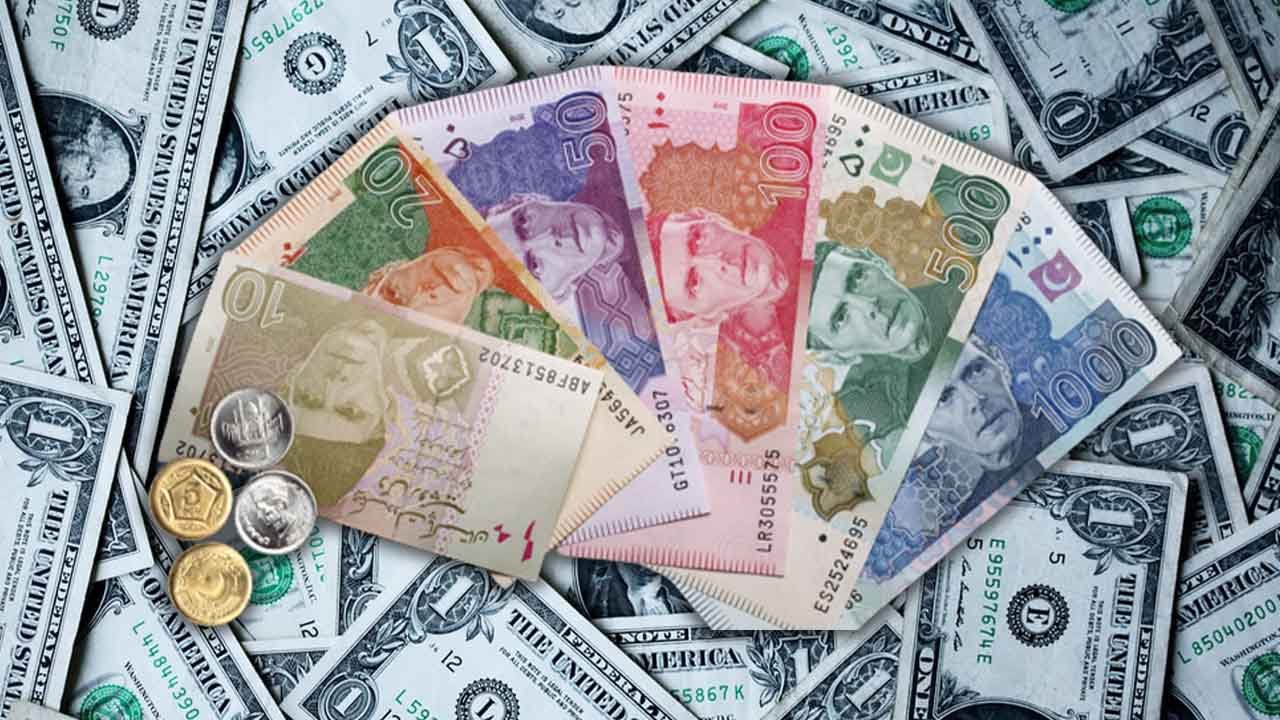
  • Pakistani rupee plunges to Rs227 against US dollar at midday trading

    Pakistani rupee plunges to Rs227 against US dollar at midday trading

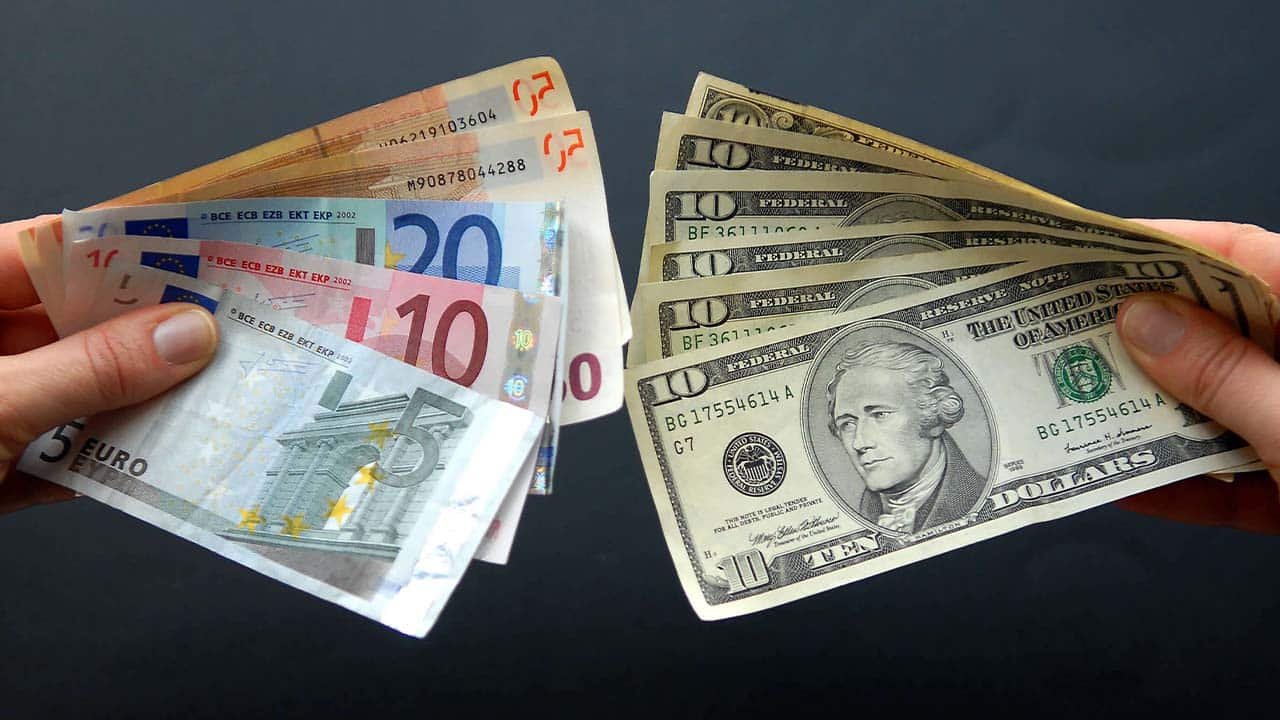
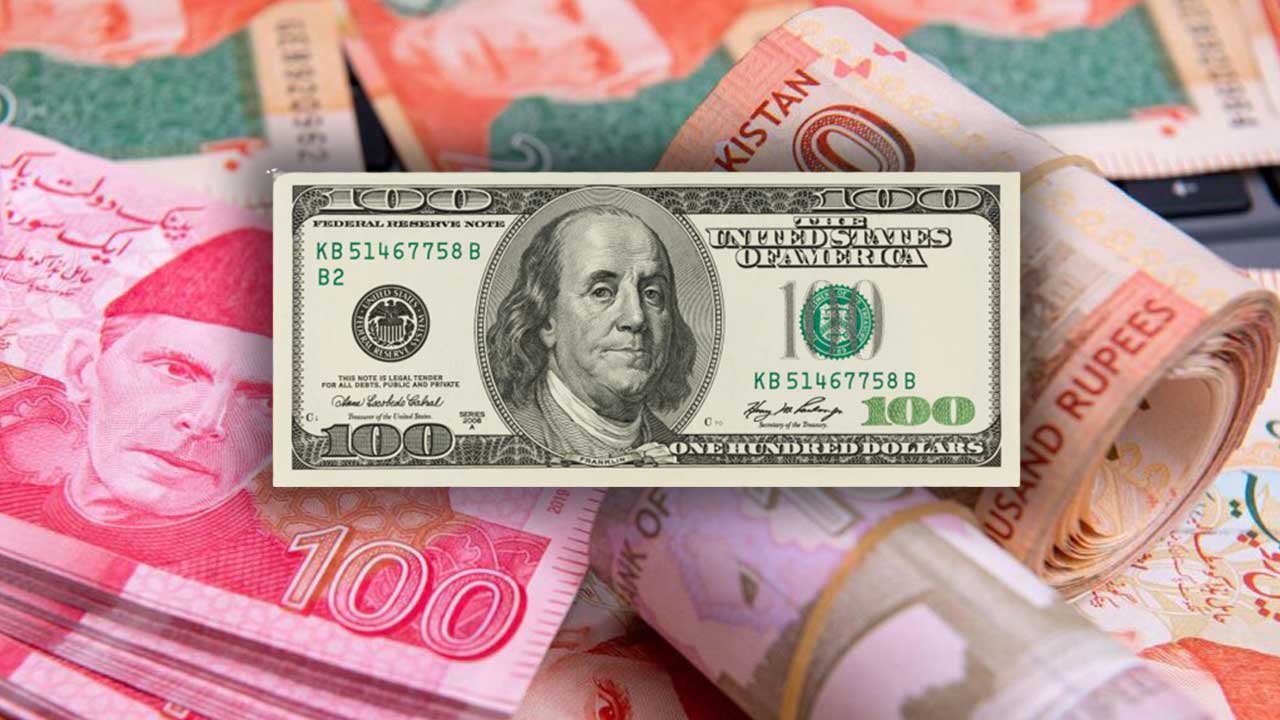
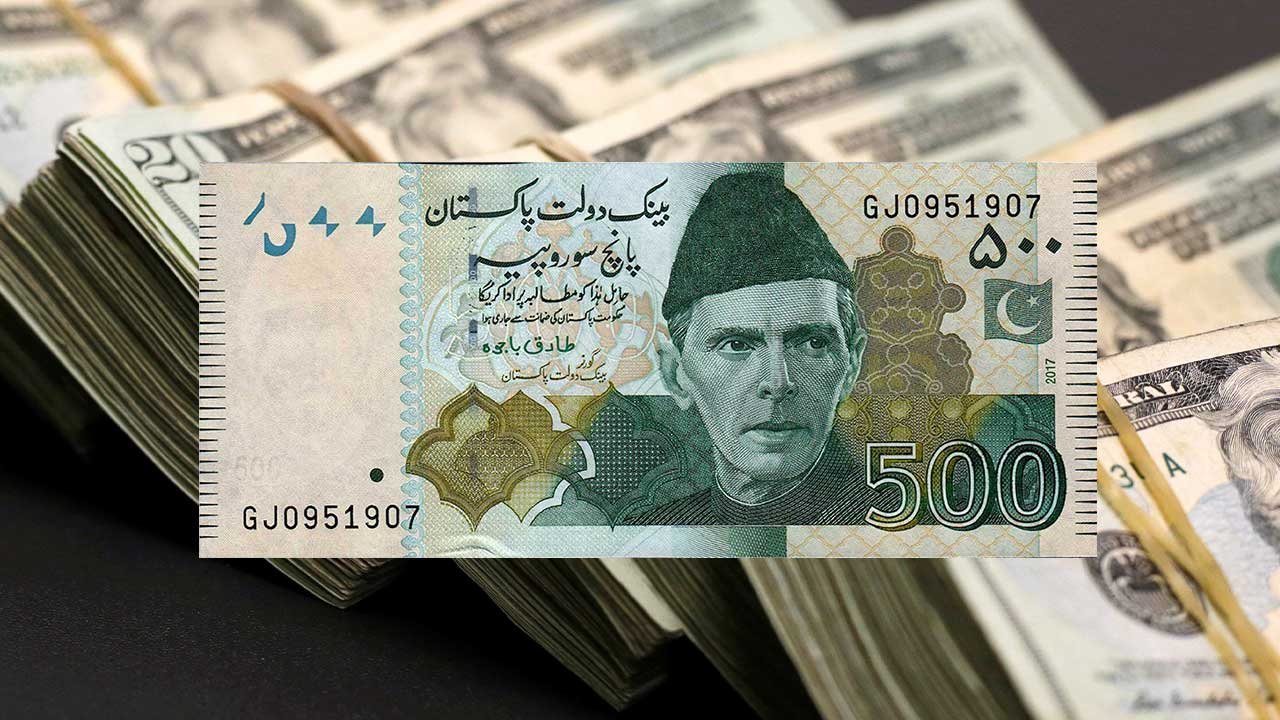
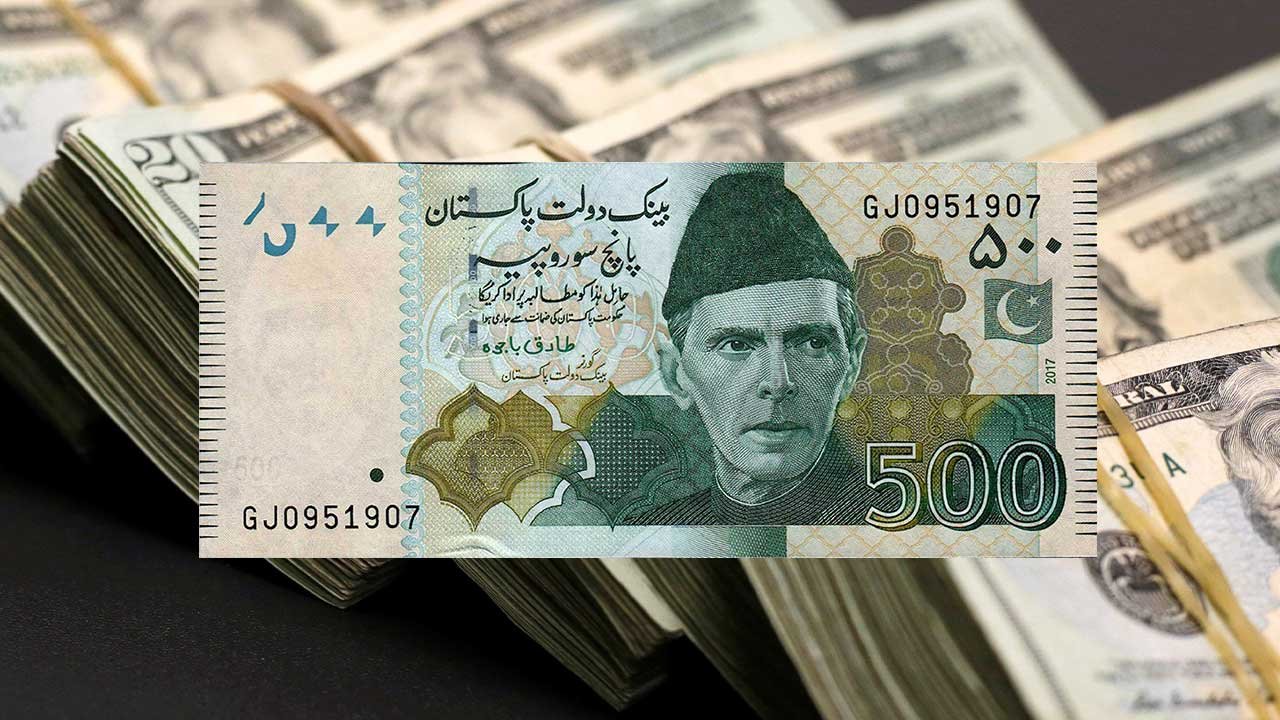
    On Thursday, the rupee’s decline against the US dollar reached an all-time low of Rs227 in the interbank market.

    Experts blame the losses on political unrest and the fact that the dollar is bolstering against other currencies as well, according to DAWN. On Wednesday, the rupee had a closing value of Rs224.92.

    According to the Foreign Exchange Association of Pakistan (FAP), the local currency fell by Rs2.08 to Rs227 versus the US dollar when the session started today at 10:57 AM.

    According to experts, the country’s political unrest had reduced investor confidence, which had caused importers to worry and “unnecessarily” buy dollars from the market. He claimed that as a result, there was an increase in the interbank market’s demand for dollars.

    Furthermore, over the past week, the dollar’s value had increased against over 40 currencies, including the British pound and the Japanese yen, which had an impact on the local market’s use of the rupee, according to Bostan.

    After reaching Rs211.93 on June 22, the local currency climbed to Rs204.56 in the first week of July. When the country’s staff-level agreement with the international lender was reached on July 15, it briefly appreciated but again continued to depreciate against the US dollar.

  • Pakistani rupee hits new all-time low of Rs224 against US dollar

    Pakistani rupee hits new all-time low of Rs224 against US dollar

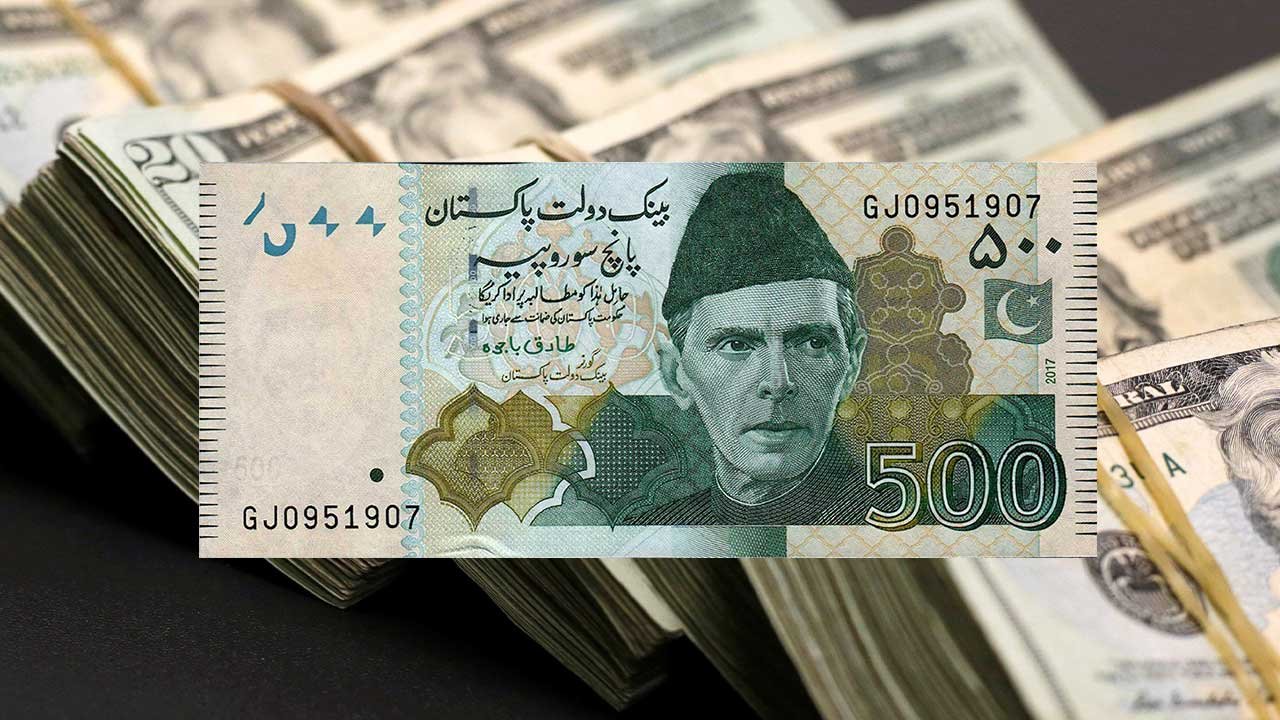
    Despite the International Monetary Fund’s (IMF) announcement that the multibillion-dollar loan programme would resume, the Pakistani rupee plunged to an all-time low against the US dollar on Tuesday, reaching Rs224 in the interbank market.

    Today, the local currency continued to lose value against the US dollar and lost another Rs8.80. In the interbank market on Monday, the rupee fell by Rs4.25 or 1.97 per cent against the US dollar.

    With ongoing political unrest and a bad macroeconomic environment, the currency has considerably depreciated.

    The State Bank of Pakistan (SBP) has begun to stifle the outflow of small dollar amounts of less than $100,000 in order to prevent a further decline in the reserves, putting numerous factories at risk of closure and financial penalties.

    According to the sources, Pakistan is using a variety of capital controls, including restrictive measures, to prevent a situation resembling default while the IMF takes its time approving and disbursing a $1.12 billion loan tranche.

    Resuming the loan programme will increase the nation’s ability to make international payments and unlock foreign currency inflows from other bilateral and multilateral sources as well.

    Additionally, China has extended its $2.3 billion loan to Pakistan and deposited it in the State Bank a few weeks ago. In line with the decline in the rupee, the Pakistan Stock Exchange (PSX) fell 770 points during Monday’s intraday trading. After “political and economic uncertainties in Pakistan,” the capital market came under fresh pressure, a specialist claimed.

    Finance Minister Miftah Ismail stated in an interview that the government would keep making difficult choices in an effort to save the economy and keep the nation from going bankrupt.

  • One Euro is equal to one US dollar for the first time in 20 years

    One Euro is equal to one US dollar for the first time in 20 years

    The euro reached its lowest level in more than 20 years by 10:00 GMT on Tuesday, falling to $1.

    The stock markets declined as a result of the euro’s parity with the dollar and the possibility of additional central bank tightening as well as concerns over the global economy’s stability.

    Recent weeks have seen the US dollar soar to two-decade highs against a variety of other currencies, strengthening its position as the preferred currency for investors concerned about the economic outlook.

    A continuing rise in natural gas prices’ impact on the local economy as well as the conflict in Ukraine have made the euro particularly vulnerable. The European Central Bank has lagged behind competitors in increasing interest rates.

    The move towards parity, according to Mizuho analysts, is taking place as “the downturn in the eurozone is priced in,” and the overall environment does not appear to be improving risk sentiment.

    For the European Union, this is a “catastrophe,” according to SG Futures, as energy imports may become more expensive.

    “Energy supply is already unaffordable and as we head into winter it’ll likely get even worse,” it added on a tweet.

    The dollar index has been moving higher as a result of the euro’s weakness, as well as concerns about global economic growth as China, in particular, enforces strict zero-COVID policies to control new outbreaks.

    The presumption that the Federal Reserve will raise rates faster and further than peers is, however, arguably the main reason for the dollar’s increase.

  • SBP raises policy rate to 14-year-high of 15 per cent

    SBP raises policy rate to 14-year-high of 15 per cent

    In an attempt to calm the economy, control inflation, and support the beleaguered rupee, the State Bank of Pakistan’s Monetary Policy Committee (MPC) decided to raise the policy rate by 125 basis points (bps) to 15 per cent on Thursday.

    The previous policy rate at the same level was in 2008, so the current policy rate is at a level that is 14 years higher. The committee also disclosed that, in order to improve the transmission of monetary policy, interest rates on EFS and LTFF loans are now tied to the policy rate.

    Following the MPC meeting on Thursday, SBP Acting Governor Dr Murtaza Syed gave a virtual press conference where he announced the monetary policy decision. He told the media that the rate of inflation has been rising at its highest rate since 1970.

    “Globally, inflation is at multi-decade highs in most countries, and central banks are acting aggressively, putting pressure on most emerging market currencies to depreciate,” he continued.

    He praised recent government decisions, such as ending petroleum subsidies, and claimed that these actions had made it possible to finish the IMF loan programme. Pakistan’s external financing requirements for FY23 will be met thanks to significant additional funding from external sources, which will be stimulated by the anticipated conclusion of the ongoing IMF review.

    Then, during the course of FY23, rupee pressures should ease and the SBP’s FX reserves should gradually resume their prior upward trajectory.

    According to him, monetary tightening and fiscal consolidation will cause GDP growth to moderate to 3–4 per cent in FY23, helping to close the positive output gap and lessen demand-side pressures on inflation.

    The acting governor SBP stated that, according to the MPC’s baseline outlook, headline inflation is likely to remain high in FY23, hovering around 19–20 per cent, before dropping sharply to the target range of 5–7 per cent by the end of FY24, driven by stringent policies, a normalisation of global commodity prices, and advantageous base effects.

  • Pakistani rupee climbs versus dollar for fourth consecutive day, closes at Rs204.56

    Pakistani rupee climbs versus dollar for fourth consecutive day, closes at Rs204.56

    On Monday, the rupee continued to strengthen for a fourth consecutive day, rising a meagre 0.14 per cent against the US dollar on hopes that the International Monetary Fund (IMF) bailout plan will be reinstated.

    In relation to the US dollar, the local currency increased by Rs0.29, or 0.14 per cent, to settle at Rs204.56. Since falling as low as Rs211.93 on June 22, 2022, the currency has increased by Rs7.37.

    The market now anticipates a relatively easy restart of the programme, which coincides with Pakistan’s efforts to meet various IMF-imposed requirements.

    Following discussions between the two parties, Pakistan received the IMF Memorandum of Economic and Financial Policies (MEFP) last week.

    In addition, Pakistan’s Prime Minister Shehbaz Sharif has stated that the IMF will combine the seventh and eighth assessments of Pakistan’s Extended Fund Facility (EFF) and distribute around $1.9 billion in the coming days.

    Experts claim that the most recent developments in the IMF programme, which is largely seen as being essential to Pakistan’s economy, have enhanced investor sentiment.

  • Pakistan gets temporary relief of $3.68 billion from G-20 countries

    Pakistan gets temporary relief of $3.68 billion from G-20 countries

    The Ministry of Economic Affairs stated that the Government of Pakistan and the French Republic on Monday signed an agreement as part of the G20 Debt Service Suspension Initiative (DSSI).

    The government signed a DSSI, which amounted to the suspension of loans totaling $107 million under the G20 DSSI framework, according to a statement made in this regard by the ministry, according to Profit.

    This sum, which was initially due between July and December 2021, will now be paid back over a six-year period (plus a one-year grace period) in semi-annual installments, according to the statement.

    Federal Secretary for Economic Affairs Division Mian Asad Hayaud Din and French Ambassador to Pakistan Nicolas Galey signed the agreement today in Islamabad.

    Agreements for the revocation of $261 million between the government and the French Republic have already been signed.

    The ministry mentioned that the G20 DSSI has provided the fiscal space required to address the immediate health and financial demands of the Islamic Republic of Pakistan as a result of the support given by Pakistan’s development partners.

    According to the ministry, $3,688 million in debt has been suspended and rescheduled overall under the DSSI framework, which covers the period from May 2020 to December 2021.

    Pakistan has so far reached 93 agreements and signed them with 21 bilateral creditors for the restructuring of its liabilities under the G20 DSSI framework, totaling a delay of nearly $3,150 million.

    The above-mentioned agreements have been signed, bringing the total to $3,257 million. The G20 DSSI’s remaining agreements are currently the subject of negotiations.

  • Gold surges to Rs147,250 per tola in local market

    Gold surges to Rs147,250 per tola in local market

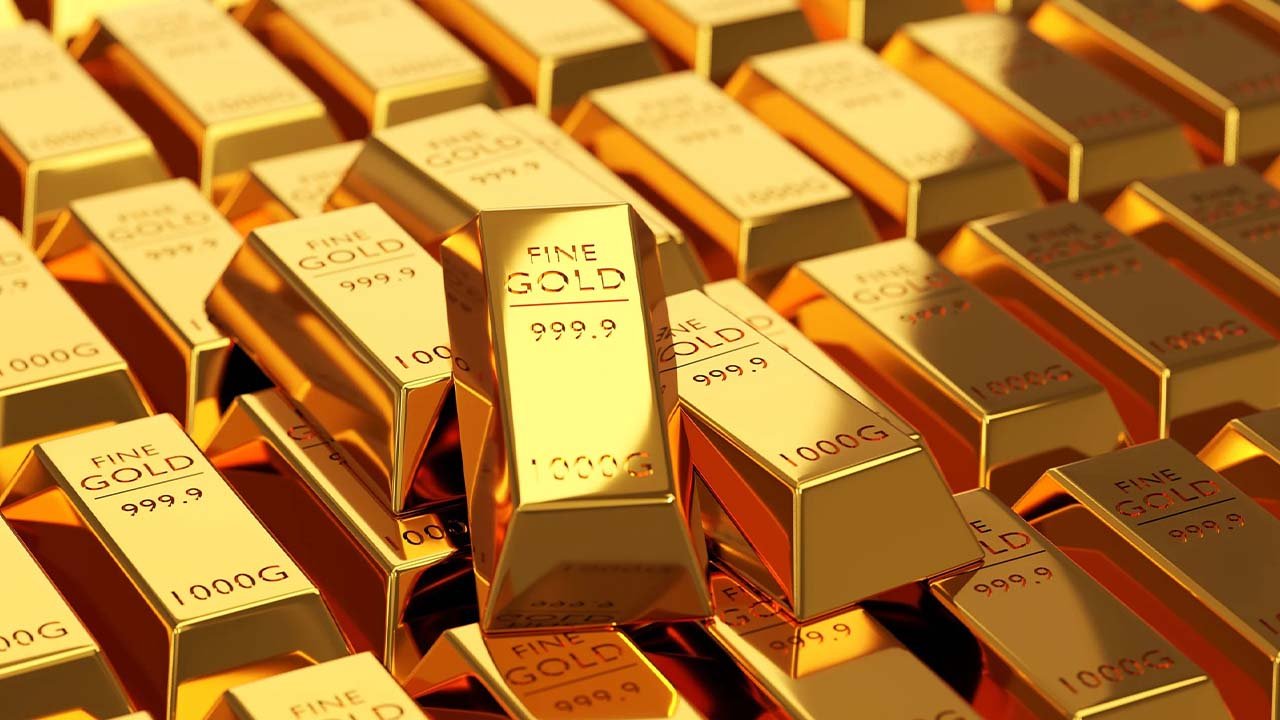
    On Monday, gold prices in the local market rose by Rs1,450 per tola to a new all-time high, pushed up by the Pakistani currency’s continued depreciation against the US dollar.

    Despite no change in gold rates in the international market, gold rates in the local market increased to Rs147,250 per tola, according to data released by the All Sindh Saraf Jewelers Association. Similarly, the price of a gramme of gold increased by Rs1,243 to Rs126,243.

    However, gold prices on the international market remained unchanged at $1,840 per ounce.

    The price of silver per tola remained unchanged at Rs1,560. The price of a gramme of silver also remained unchanged at Rs1,337.44. When compared to rates in the Dubai gold market, local jewellers said prices in the local market remained below Rs3,000 per tola.

    Pakistani rupee dips to new lows

    Experts predict that the Pakistan rupee will continue to fall against the US dollar and other major currencies owing to concerns regarding the IMF’s $6 billion program’s restoration, the country’s expanding current account deficit, and dwindling foreign exchange reserves.

    The PKR which lost 32.5 per cent of its value in the current financial year 2021-22 is forecasted to remain under stress as the dollar is in high demand in the market due to economic crises.

    The central bank appears helpless to stem the rupee’s speculative fall, as demand for the US dollar continues to rise due to quarter-end payment strain.

  • Pakistani rupee remains volatile as US dollar surpasses Rs211

    Pakistani rupee remains volatile as US dollar surpasses Rs211

    On Monday, the Pakistani rupee dropped sharply to a record low of over Rs211 against the US dollar in the interbank market, indicating that the currency remains highly volatile.

    The rupee’s latest devaluation against the US dollar is the result of panic buying by traders in response to reports that some financial institutions were out of foreign currency.

    According to the State Bank of Pakistan (SBP), the US dollar was available at Rs211.21 at 11:03 AM and had closed at Rs208.75 on Friday.

    It is worth noting that the Pakistani rupee has fallen for the seventh working day in a row, losing nearly Rs6, or more than 3 per cent, to date.

    Experts predict that the Pakistan rupee will continue to fall against the US dollar and other major currencies owing to concerns regarding the IMF’s $6 billion program’s restoration, the country’s expanding current account deficit, and dwindling foreign exchange reserves.

    The PKR which lost 32.5 per cent of its value in the current financial year 2021-22 is forecasted to remain under stress as the dollar is in high demand in the market due to economic crises.

    SBP appears helpless to stem the rupee’s speculative fall, as demand for the US dollar continues to rise due to quarter-end payment strain.

    Monetary specialists attribute the depreciation of the local currency to a widening trade deficit, political instability, and a drop in foreign direct investment. The currency expert believes that the positive news from the Financial Action Task Force (FATF) will help attract foreign investment, increasing the availability of the dollar.

    Traders expect the rupee to settle in a range of 195-200 per dollar until the end of the current fiscal year 2021-22 if the IMF deal is finalised.

    According to data compiled by Ismail Iqbal Securities, Pakistan’s currency has depreciated by 14.57 per cent against the dollar this year, making it one of the worst performers in the world.

    The worst-performing currency was the Sri Lankan rupee, which fell 43.9 per cent, followed by the Laotian Kip, which fell 24 per cent, the Turkish Lira, which fell 23.18 per cent, and the Ghana Cedi, which fell 22.33 per cent, according to the data.

  • Intra-day trade: Pakistani rupee touches Rs207.7 against US dollar

    Intra-day trade: Pakistani rupee touches Rs207.7 against US dollar

    In intra-day trade in the inter-bank market on Thursday, the local currency sank to Rs207.7 against the US dollar, continuing its downward trend.

    The rupee hit an all-time low against the dollar on Wednesday, closing at Rs206.46.

    This was partly due to the strengthening of the dollar on the international stage, but it was also due to the local currency market anticipating a greater increase in inflation.

    Finance Minister Miftah Ismail had previously stated that the government’s budget for 2022-23, which was announced last week, failed to persuade the International Monetary Fund (IMF) to disburse the next tranche of Pakistan’s $6 billion loan programme, and that changes to the finance bill would be required.

    The finance minister has declared unequivocally that the IMF is dissatisfied with the budget and that it will be revised.

    Experts believe that the rupee would only stabilise if the amendments are put into the Finance Act. He predicted that the local currency will remain volatile in the coming days.

    Pakistan’s government announced a third increase in petroleum prices in less than three weeks late Wednesday, as it tries to placate the IMF, which has emphasised the elimination of energy subsidies in order to resuscitate its bailout programme.

    The next payment of the IMF scheme is slated to give Pakistan $900 million, but the global lender has put the programme on hold due to a variety of circumstances, including fuel subsidies and a worsening current account deficit. It has also stated that greater direct taxes are required.