Tag: Dollar

  • After five days of losses, British stocks holding firm

    After five days of losses, British stocks holding firm

    A day after economic slowdown fears dragged the major British stocks to their sixth straight session of losses, UK equities stabilised on Tuesday, with some positive momentum from financial sectors and some excellent earnings announcements.

    By 0712 GMT, the FTSE 100 had up 0.6 per cent, with shares in British bank HSBC up 2.6 per cent providing the biggest boost to the blue-chip index.

    Following volatile crude prices, oil majors BP Plc and Shell Plc climbed 1.5 per cent and 0.8 per cent, respectively.

    After finishing at its weakest level in more than three months on Monday, the domestically focused mid-cap FTSE 250 index gained 0.7 per cent. Paragon Banking increased by 4.7 per cent after raising its expectations for 2022 and indicating robust new lending growth.

    FirstGroup jumped 1.2 per cent when the transportation company reported a higher yearly profit and restarted dividend payments, as passenger numbers on its buses increased after COVID-19 limitations were relaxed.

    Crest Nicholson rose 6.1 per cent after projecting an adjusted profit before tax of between 135 and 140 million pounds for fiscal year 2022. In 2021, the housebuilder made an adjusted profit of 107.2 million pounds.
  • Pakistani rupee gains ground for the third consecutive day

    Pakistani rupee gains ground for the third consecutive day

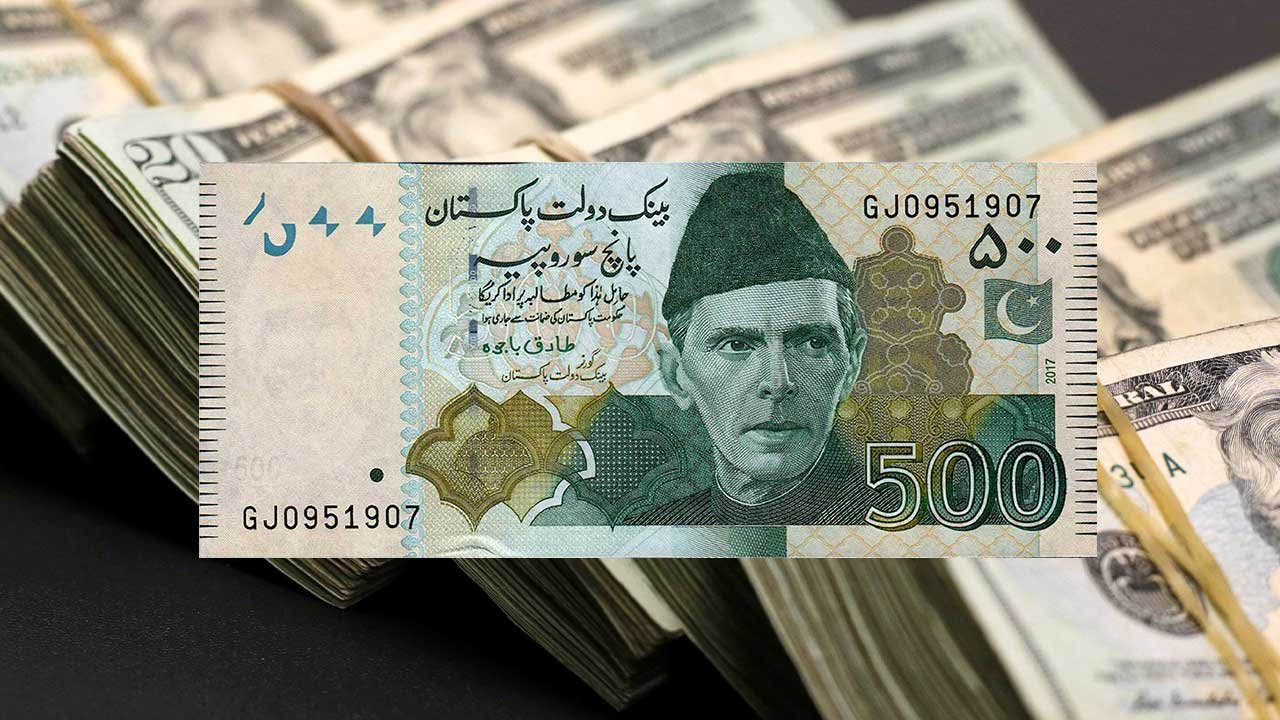
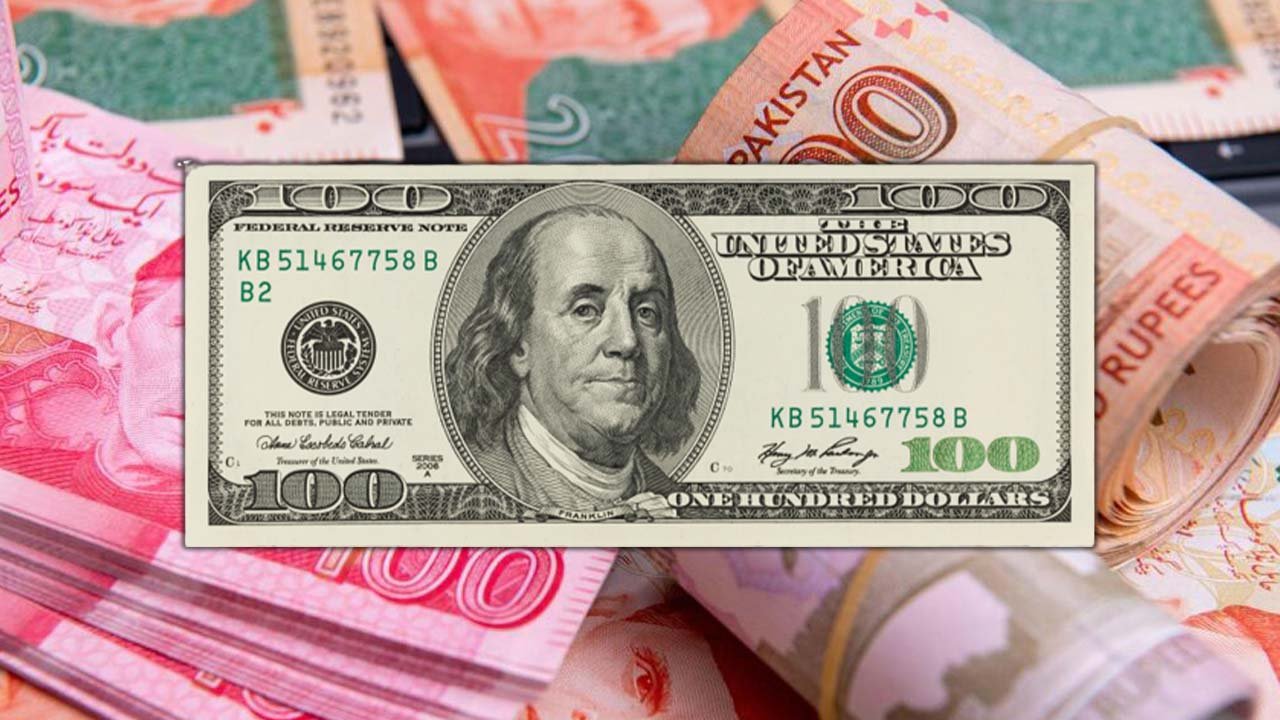
    Pakistani rupee (PKR) gained 60 paisas after closing in the inter-bank market on May 31, as a return of clarity on the economic front and a reduction in domestic political turmoil boosted it for the third consecutive day.

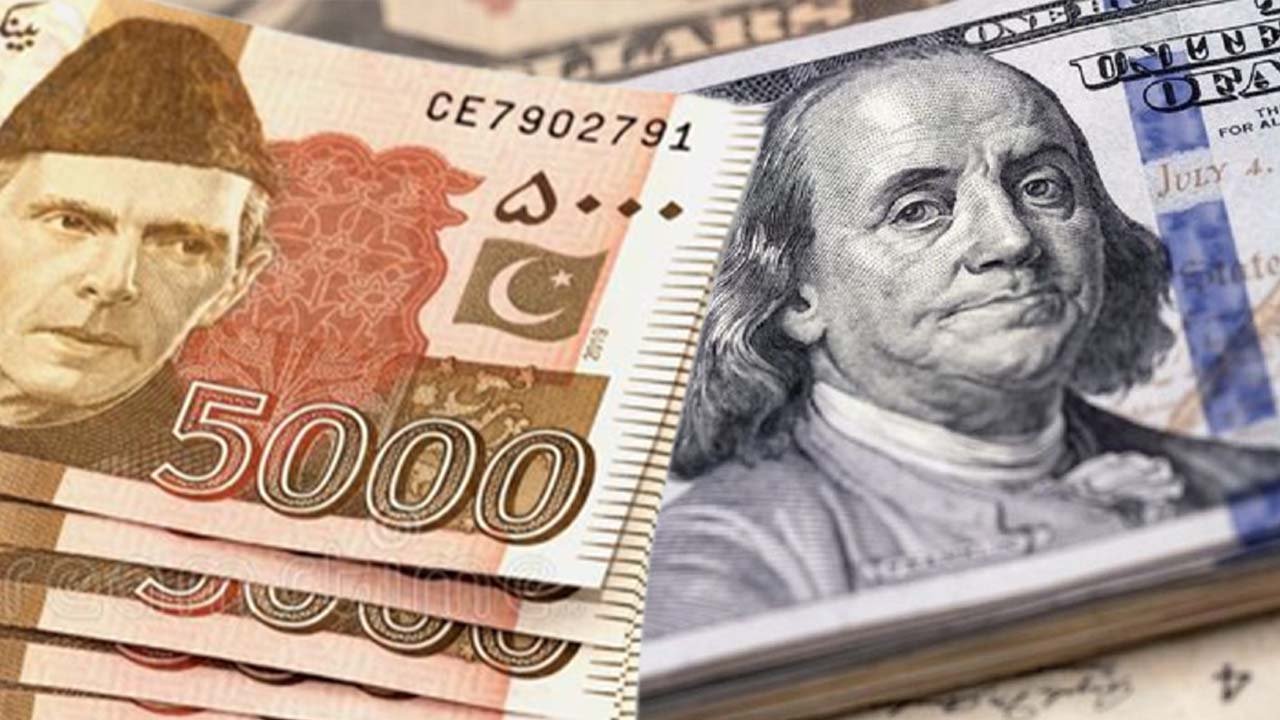
    According to the State Bank of Pakistan (SBP), the local currency closed at Rs198.46 after gaining 60 paisas (0.30 per cent) in the day. The local currency concluded at Rs199.06 on Monday, up 70 paisas, or 0.35 per cent, from its previous closing.

    On the other hand, oil prices, a key indicator of currency parity, rose on Tuesday as the EU decided to cut Russian oil imports, fueling fears of a tighter market already stressed for supply ahead of the peak summer driving season in the US and Europe.

    The appreciation arrived as European Union leaders decided to slash 90 per cent of Russian oil imports by the end of this year, breaking a deadlock with Hungary over the bloc’s heaviest sanctions against Moscow since the invasion of Ukraine.

    The rise in oil prices is another bad news for Pakistan, which has seen its import bill increase, putting strain on external payments while increasing market demand for dollars.

  • Pakistani rupee drops to Rs202 as market ambiguity extends

    Pakistani rupee drops to Rs202 as market ambiguity extends

    Pakistani currency slid to another historic low of Rs202 versus the US dollar on May 25 and lost ground in the interbank market.

    It fell 0.25 per cent against the US dollar today, closing at Rs201.92 after losing 51 paisas in the interbank market. During today’s open market session, the rupee hit an intraday low of Rs202.12 against the US dollar. In two weeks, the dollar has gained Rs15.23 against the rupee, and Rs18.98 since the new regime took power.

    The political situation in Pakistan also played a significant role in keeping the forex market on its toes, as players on both sides of the fence intensified their narratives against one another. Riots have broken out across the country after the month-old government shut down roads leading to Islamabad, where former Prime Minister Imran Khan’s party is planning a large rally calling for the removal of the incumbent and immediate general elections.

    International oil prices maintained Monday’s gains as concerns about tight global supply continued to outweigh short-term trade forecasts. Brent crude rose to $114 per barrel, while West Texas Intermediate (WTI) crude in the United States rose to $111.

    Today, the PKR fell further against the majority of the other major currencies in the interbank market. It fell two paisas against the Pound Sterling (GBP), 13 paisas against the Saudi Riyal (SAR), and 38 paisas against the Australian Dollar (AUD).

    In today’s interbank currency market, it gained 12 paisas against the Canadian Dollar (CAD) and 17 paisas against the Euro (EUR).

    It is worth noting that the PKR reported losses against the greenback for the fourteenth day in a row.

  • Govt bans import of ‘luxury items’ to fight economic crisis

    Govt bans import of ‘luxury items’ to fight economic crisis

    For the first time in Pakistan, luxury or non-essential commodities have been completely banned in the country to help the nation emerge from its financial crisis. Minister of Information Marriyum Aurangzeb confirmed the economic strategy established by the federal government on Thursday.

    The Information Minister stated that this is an emergency situation and Pakistanis will have to make sacrifices under the economic plan. This will have a quick impact on foreign reserves. The ban will have an impact of $6 billion.

    Aurangzeb went on to say that the government’s priority was to cut imports, thus it was going to implement an export-oriented policy that would help local industry and producers.

    Prime Minister (PM) Shehbaz Sharif is working “day and night” to stabilise the economy, according to the information minister, and has decided to ban the import of all commodities that are not in common use.

    Food, decorating, and luxury automobiles were among the imports, according to Aurangzeb, who emphasised that the country was in a “difficult economic condition” as a result of the previous government’s policies.

    Here’s a detailed list of banned goods:

    1. Cars
    2. Mobile phones
    3. Home appliances
    4. Private weapons and ammunition
    5. Fruits and dry fruits (except Afghanistan)
    6. Crockery
    7. Shoes
    8. Chandeliers and lighting (except energy savers)
    9. Headphones and loudspeakers
    10. Sauces, ketchup etc.
    11. Doors and window frames
    12. Travelling bags and suitcases
    13. Sanitary ware
    14. Fish and frozen fish
    15. Carpets (except Afghanistan)
    16. Preserved fruits
    17. Tissue paper
    18. Furniture
    19. Shampoos
    20. Confectionary
    21. Luxury mattresses and sleeping bags
    22. Jams and jelly
    23. Cornflakes
    24. Bathroom ware/toiletries
    25. Heaters/blowers
    26. Sunglasses
    27. Kitchenware
    28. Aerated water
    29. Frozen meat
    30. Juices
    31. Pasta etc
    32. Ice cream
    33. Cigarettes
    34. Shaving goods
    35. Luxury leather apparel
    36. Musical instruments
    37. Saloon items like hairdryers etc.
    38. Chocolates

    The declaration, according to the information minister, is part of the present government’s fiscal plan to combat the PTI’s incompetent policies.

    Aurangzeb chastised the PTI for criticising the incumbent administration over the country’s economic woes, claiming that the Imran Khan-led government had raised inflation, taken historic debts, committed “economic terrorism,” and manipulated the economy by subsidising gasoline prices.

    By subsidising the price of petroleum goods, the PTI administration broke its agreement with the International Monetary Fund (IMF), according to the Information Minister.

    Via: Geo

  • Toyota Camry after a hike of Rs2 million, priced at Rs23.3 million

    Toyota Camry after a hike of Rs2 million, priced at Rs23.3 million

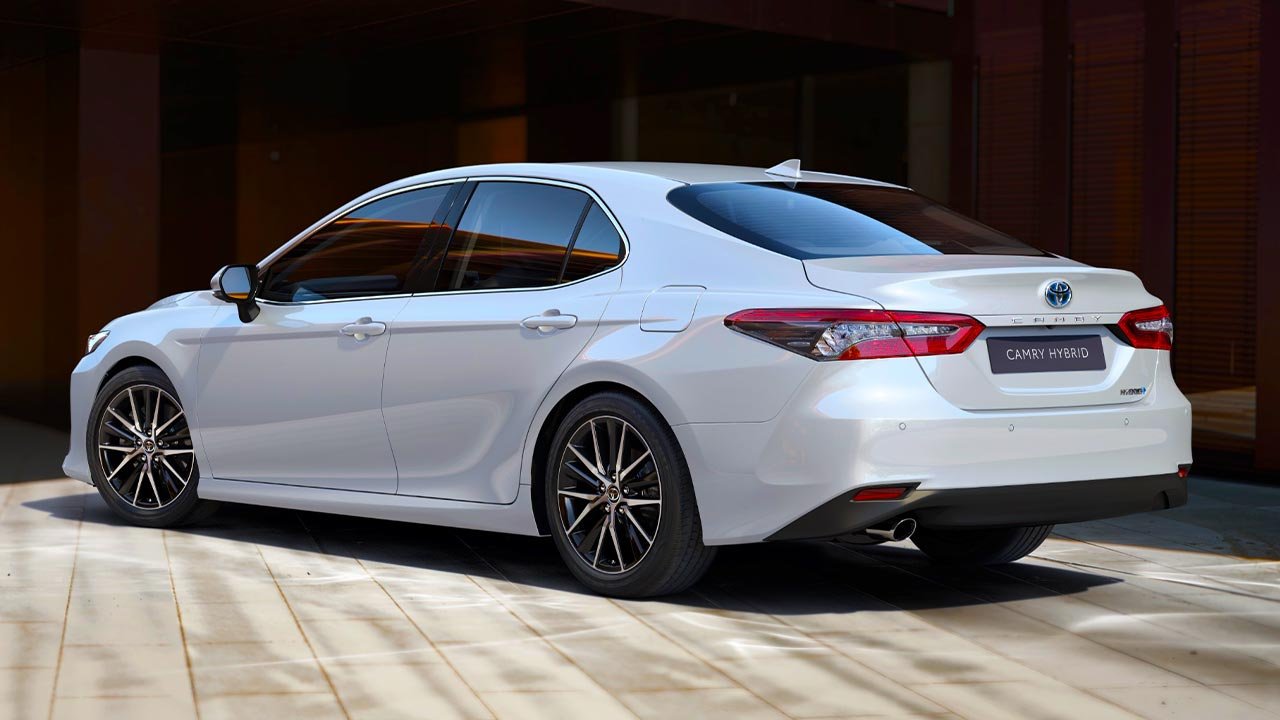
    Toyota Indus Motor Company (IMC) has announced a massive price hike for all completely built-up (CBU) units offered by the Japanese automaker in Pakistan. The price of Toyota Camry is upped by Rs2 million and will now cost Rs23.3 million

    The only variant of the popular hybrid model, Toyota Prius received a hike of Rs1.26 million and will be sold for Rs14.65 million. Toyota’s crossover SUV, Corolla Cross (top trim) is now priced at Rs13.4 million after a hefty increase of Rs1.17 million in its earlier price.

    Finally, the automatic version of Toyota Rush will now be offered at Rs8.33 million following an increase of Rs710,000.

    Read more: Hyundai Sonata 2.5 will now cost Rs7.85 million

    Toyota IMC’s CBU models, in particular, have become nearly unobtainable following the recent price jump. The government’s main purpose in the auto sector, however, is to discourage CBU imports and increase sales of locally produced vehicles. This means that all other CBUs are on the verge of suffering the same fate as Toyota.

  • Economic crisis: Finance minister in Doha to hold talks with IMF

    Economic crisis: Finance minister in Doha to hold talks with IMF

    Finance Minister Miftah Ismail along with his team left for Doha on Tuesday to hold talks with the International Monetary Fund (IMF).

    The ministry said that talks with the IMF mission started today (May 18).

    The review talks are expected to continue for a week and will focus on striking a staff-level agreement for the release of a $1 billion tranche under the Extended Fund Facility (EFF).

    It has been reported that Pakistan will have to convince the IMF to revive the stalled $6 billion programme at a time when the government had not started eliminating the unfunded fuel subsidy after making a commitment with the forum.

    The dollar rate is at its peak in the country. Currently, the rupee touched 200 against the US dollar in the open market. This spell of the dollar’s persistent rise against the rupee began last week.

  • Pakistani Rupee drops to a new low of Rs195.74 against US dollar

    Pakistani Rupee drops to a new low of Rs195.74 against US dollar

    In today’s interbank market, the Pakistani Rupee (PKR) plummeted to another historical low versus the US Dollar (USD). It fell 0.80 per cent against the US dollar, closing at Rs195.74 after losing Rs1.56 in the interbank market.

    During today’s open market session, the local currency fell to an intraday low of Rs197 versus the US dollar. Since last week, the dollar has gained Rs9.06 against the PKR, and Rs12.81 since the new government took office on April 11, 2022.

    The local currency hit a new all-time low against the dollar on May 17, ahead of Pakistan’s preliminary consultations with the International Monetary Fund (IMF) in Doha on Wednesday (tomorrow) to revive the country’s stalled multibillion-dollar bailout package.

    On Tuesday, oil prices rose to their highest level in seven weeks, spurred by the European Union’s continued push for a ban on Russian oil imports, which may dangerously constrain supplies. Brent crude hit a high of $115, its best since March 28, while WTI crude in the United States rose 78 cents, or 0.7 per cent, to $114.98.

  • Crisis-hit Sri Lanka has enough petrol left for one day, PM warns

    Crisis-hit Sri Lanka has enough petrol left for one day, PM warns

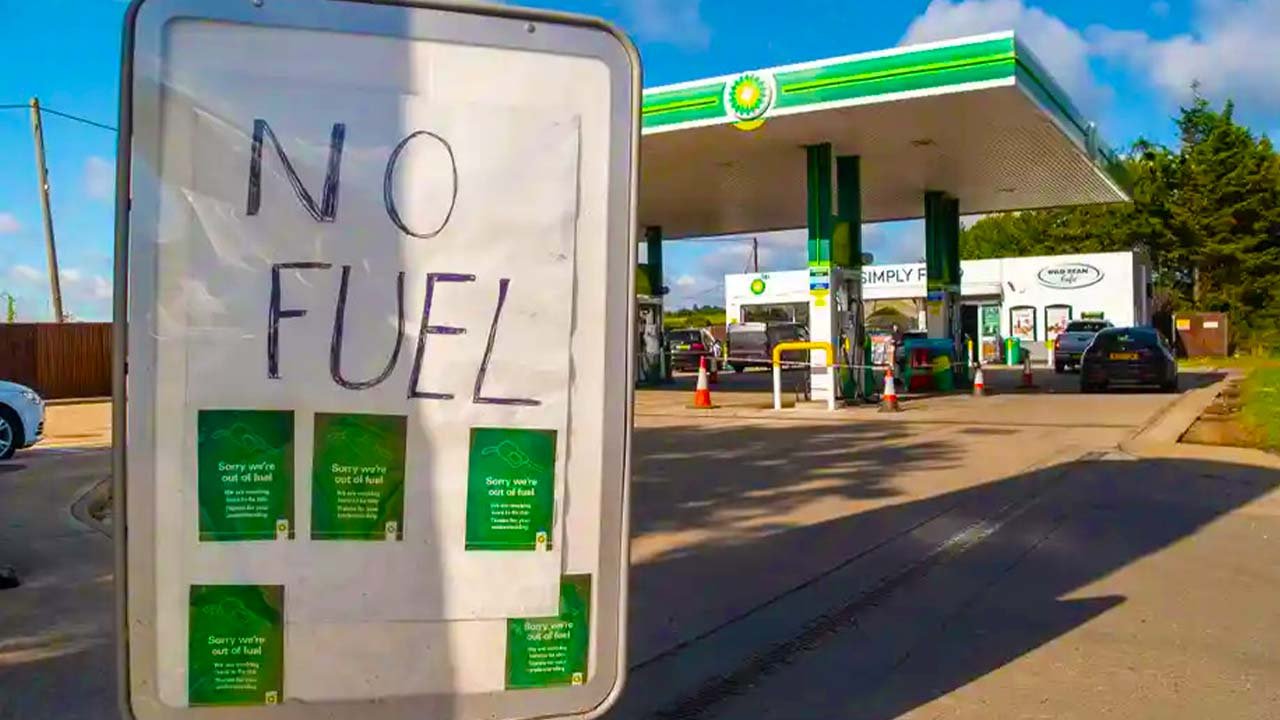
    As the country suffers its greatest economic crisis in more than 70 years, Sri Lanka’s new Prime Minister (PM) declared that the country is headed to its last day of petrol stock.

    PM Ranil Wickremesinghe said the country urgently needed $75 million in foreign currency to pay for crucial imports in a televised address. In order to pay government salaries, he claims the central bank will have to print money.

    Sri Lankan Airlines, which is owned by the government, may be privatised, according to PM Wickremesinghe.

    The pandemic, soaring energy prices, and populist tax cuts have all wreaked havoc on the island nation’s economy. Medicines, fuel, and other essentials were in low supply due to a chronic shortage of foreign cash and rising inflation.

    Auto rickshaws, the city’s most popular mode of transportation, and other vehicles have been queuing at gas stations in Colombo.

    The country has enough petrol for one day at the time. Mr Wickremesinghe, who was appointed Prime Minister last week, cautioned that the next few months will be the hardest of our lives.

    He noted that shipments of petrol and diesel using an Indian credit line could provide fuel supplies in the coming days.

    Mr Wickremesinghe stated that the nation’s central bank will have to print money to assist the government in meeting its salary bill and other obligations.

    The PM stated that he is forced to allow the printing of money against his will in order to pay state employees and purchase vital products and services. However, the nation must keep in mind that printing money causes the local currency to depreciate.

    Read more: CNG prices pushed to Rs140 per kg for sales tax collection

    As part of his efforts to stabilise the country’s finances, he advocated selling out Sri Lankan Airlines. In the fiscal year ended March 2021, the airline lost 45 billion rupees ($129.5 million; £105 million).

  • Bitcoin surrenders weekend gains, slides 5 per cent

    Bitcoin surrenders weekend gains, slides 5 per cent

    Cryptocurrencies continued their steady decline on May 16, surrendering the gains made over the weekend as regulators loomed.

    European authorities have reinforced their warnings about the vulnerabilities of cryptocurrencies. Bitcoin slumped 5 per cent to roughly $29,700 in Asian trade on Monday, falling alongside markets amid concerns about burgeoning inflation and borrowing costs.

    As the catastrophic collapse of TerraUSD, a so-called stablecoin, has roiled crypto markets already plunging amid widespread selling of risky assets, the world’s largest cryptocurrency has lost almost a fifth of its value so far this month.

    Read more: Pakistani rupee crashes to historic low of Rs194 against US dollar

    Stablecoins are vulnerable to investor runs, according to the US Federal Reserve, because they are underpinned by commodities that could depreciate or become worthless in adverse economic conditions.

  • ‘Stablecoin’ crashes, bitcoin set for a record losing run

    ‘Stablecoin’ crashes, bitcoin set for a record losing run

    Following the collapse of TerraUSD, a so-called stablecoin, resonated across markets, cryptocurrencies suffered significant losses on Friday, with bitcoin trapped below $30,000 and on track for a record losing streak.

    Concerns about high inflation and rising interest rates have prompted widespread dumping of hazardous investments, including crypto assets.

    However, sentiment is particularly shaky, as tokens that were intended to be tethered to the dollar have failed.

    Bitcoin, the most valuable cryptocurrency by market capitalization, attempted a recovery early in the Asian session, rising 2 per cent to $29,500, a recovery from a 16-month low of roughly $25,400 on Thursday.

    It is still trading well below week-ago levels of around $40,000 and is on track for a record sixth consecutive weekly loss unless weekend activity improves.

    “I don’t believe the worst is gone,” Scottie Siu, investment director at Axion Global Asset Management, a Hong Kong-based firm that manages a crypto index fund, said. “I believe there will be further decline in the days ahead”.

    “I believe what we need to see is a significant drop in open interest, so that speculators are forced out, and then the market will stabilise”.

    Read more: Pakistan’s cement exports fell by 82.15 per cent in April 2022

    This week, TerraUSD (USDT) lost its 1:1 peg to the dollar, as its method for maintaining stability, which relied on another virtual token, failed under selling pressure.