Tag: Dr Murtaza Syed

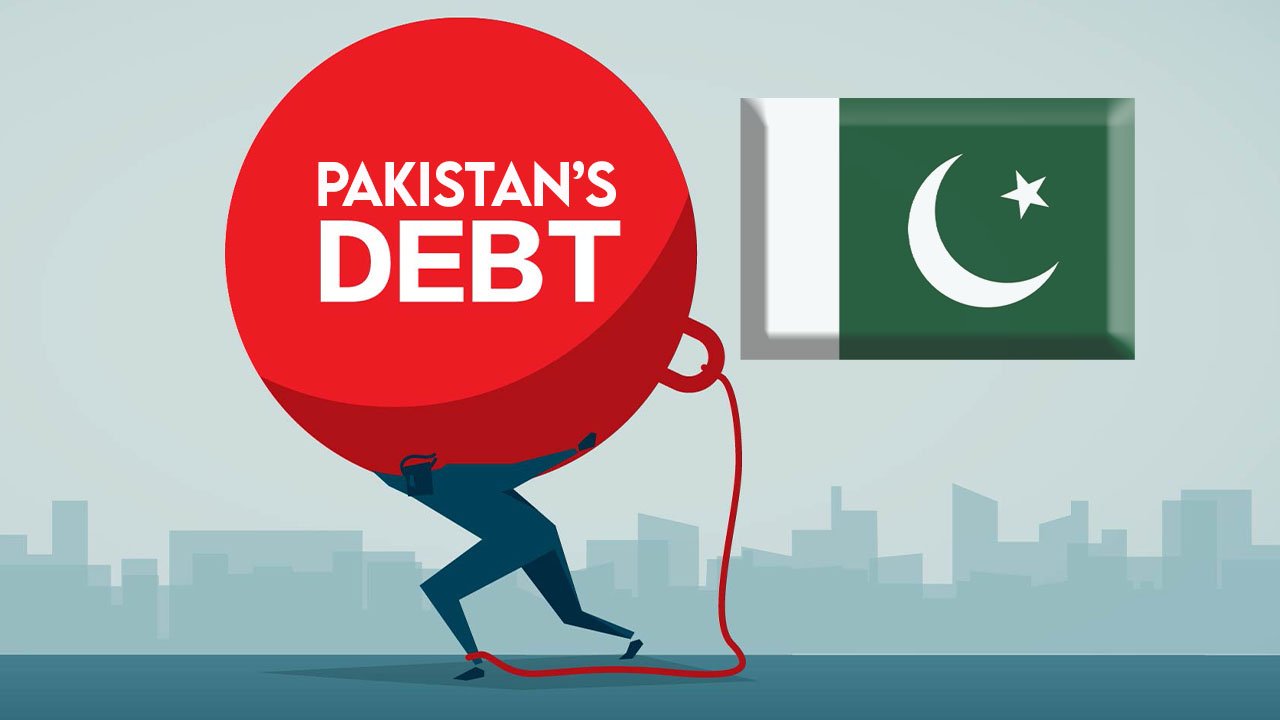
  • Pakistan faces ‘one of the deadliest debt traps in the world,’ warns Ex-SBP governor

    Pakistan faces ‘one of the deadliest debt traps in the world,’ warns Ex-SBP governor

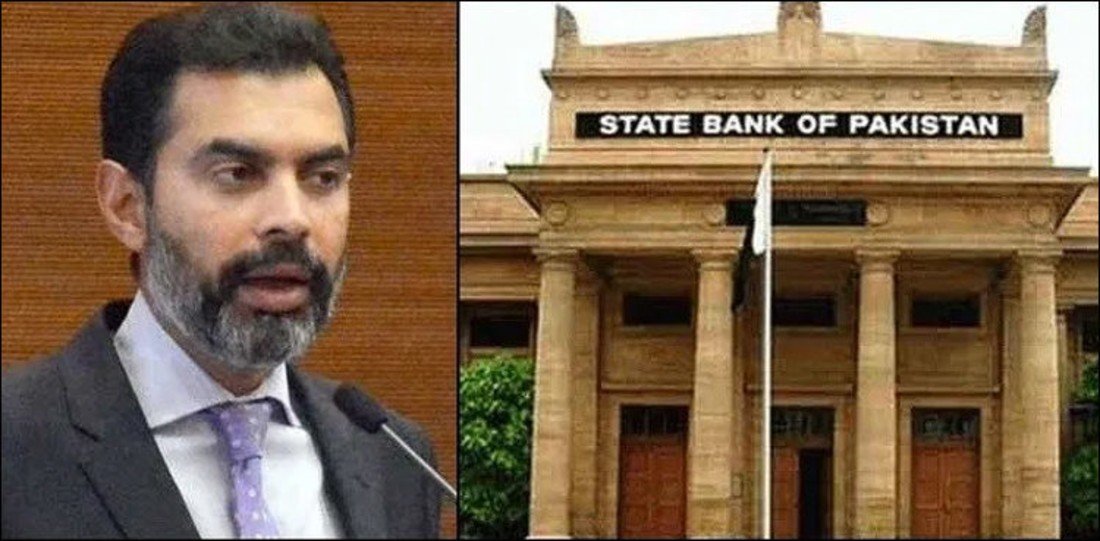
    Dr Murtaza Syed, former Governor of the State Bank of Pakistan, has raised significant concerns about Pakistan’s alarming debt situation, describing it as one of the most severe debt traps globally.

    In a series of tweets, he highlighted the country’s excessive borrowing and criticized the misuse of funds on non-productive expenses, leading to a situation where servicing the debt takes precedence over crucial developmental and climate-related investments.

    According to Dr Syed, Pakistan currently spends more on servicing its debt than any other country globally, a burden that is expected to persist for years. This high debt servicing obligation has necessitated heavy taxation and severely limited resources for essential social expenditures, such as education and health.

    He pointed out that Pakistan’s spending on interest payments vastly exceeds allocations for education and health, indicating a prioritization that hampers human capital development and public health.

    Citing data from the UNCTAD, Dr Syed highlighted that Pakistan’s government spends a disproportionate amount of its revenue on interest payments, second only to Sri Lanka. This financial strain not only constrains immediate social spending but also impedes long-term economic growth by limiting investments in infrastructure and other critical sectors.

    Despite fluctuations in global interest rates, Dr Syed emphasized that Pakistan’s debt burden remains among the highest globally, indicating a systemic issue rather than a temporary financial challenge.

    He cautioned that even with potential increases in government revenue, a significant portion would still be consumed by interest payments, further squeezing resources available for developmental initiatives.

    In conclusion, Dr Syed proposed a strategic restructuring of Pakistan’s debt to alleviate the fiscal pressure and redirect funds towards sustainable development and climate resilience.

    This, he argued, would require a balanced approach, avoiding over-reliance on taxation and instead focusing on optimizing debt management strategies to foster economic stability and social progress in Pakistan.

  • SBP unveils Rs75 commemorative banknote

    SBP unveils Rs75 commemorative banknote

    To commemorate 75 years of Pakistan’s independence, the State Bank of Pakistan (SBP) presented the Rs75 commemorative banknote on Sunday during a ceremony conducted at the SBP Museum.

    The banknote was unveiled by the acting Governor of SBP Dr Murtaza Syed.

    Dr Murtaza made the following observation after the introduction of the commemorative banknote and flag-hoisting ceremony: “While the issuance of coins and postal stamps is a regular and recurring element to honour days of national importance.”

    The former SBP governor Dr. Raza Baqir has signed the banknote, which would be available to the general public from September 30.

    The colour of the banknote is primarily green, with hints of white and yellow. Green is a symbol of prosperity and development that also draws on Pakistan’s Islamic heritage. White, on the other hand, highlights the diversity of religions among its residents.

    The front of the note has portraits of the Quaid-e-Azam Muhammad Ali Jinnah, Sir Syed Ahmed Khan, Allama Muhammad Iqbal, and Mohtarma Fatima Jinnah.

    The images of the Markhor and Deodar trees on the reverse reflect Pakistan’s dedication as a nation to combating climate change and its effects.

    The Markhor and Deodar trees are both representations of the destruction caused by these changes and need immediate action to stop and reverse environmental degradation.

    Speaking at the event, Dr Syed remarked, “The SBP Finance Department went above and above to quickly complete this vital project, and I applaud their efforts.”

    The central bank has now released two notes of this type, including the Rs75 note. In the past, to commemorate Pakistan’s Golden Jubilee, the SBP released the first and, to date, only commemorative banknote in 1997.

    To commemorate the nation’s centennial of independence, children with disabilities also participated and sang national patriotic songs during the ceremony.

  • State Bank clears air surrounding forthcoming legislation; no, it won’t bankrupt Pakistan

    State Bank clears air surrounding forthcoming legislation; no, it won’t bankrupt Pakistan

    Deputy governor of the State Bank of Pakistan (SBP) Dr Murtaza Syed has clarified that repayment of loans isn’t a priority on the list of objectives the central bank plans to achieve if it is granted autonomy under forthcoming legislation.

    He was responding to The Current’s query during a meeting of SBP bigwigs, including Governor Dr Reza Baqir, with digital broadcasters amid widespread rumours about a future with an autonomous central bank in Pakistan.

    Besides opposition members, renowned Economist Dr Kaiser Bengali had earlier warned that “the SBP ordinance, which is likely to be introduced soon, is anti-national and could lead to no accountability of central bank officials besides ultimately resulting in the collapse of the country”.

    “Our objectives are controlling inflation, ensuring financial stability and promoting the government’s policies of development and growth,” he said.

    Earlier, SBP Governor Baqir also clarified the air surrounding what he said was not an ordinance but a bill to be presented before the parliament for discussion.

    He said that it wasn’t the first time that amendments to the SBP Act will be discussed.

    “The SBP Act was previously amended in 1994, 1997, 2012 and 2015. Changing the Act does not mean that it cannot be changed again and the parliament has the power to withdraw amendments to the SBP Act,” the SBP governor said.

    However, he added, that clarity in the bill to avoid any sort of troubles in the future was important.

    “The aim of the proposed law is to limit interference in the operations of the SBP. In turn, the bank will be asked what it did to achieve its objectives. Accountability would not be possible if the goals remain unclear. Excess currency printing and lending to the government causes inflation. With the amendments to the Act, this will not be allowed to happen.”

    He said that discipline would have to be exercised to end borrowing, adding that it was easier to ask the SBP to print more money instead of raising taxes.

    “Relying on the SBP does not solve the government’s problems. In the last year and a half, the government has not taken any loan from the SBP. A country that repays loans by printing notes witnesses increased inflation,” he reiterated.

    The SBP governor said that in the past, governments had repeatedly printed excess money, the effects of which are still seen today. The current inflation is not due to monetary policy, but because of administrative shortcomings.

    “If the current government had made the SBP print more money, inflation would have been even higher.”

    Addressing concerns that under the new law authorities won’t be able to hold SBP officials accountable, Dr Murtaza clarified the only difference would be that anti-graft bodies would require permission from the bank’s board beforehand to proceed on allegations.

    He also vowed that the bank would ensure complete transparency in any such instance, which he maintained was also a common practice across the globe.

    SBP members, including Dr Inayat Hussain and Abid Qamar, as well as Information Ministry officials were also present during the session.