Tag: Dr zafar mirza

  • Shaukat Khanum CEO made special assistant to PM Imran on health

    Shaukat Khanum CEO made special assistant to PM Imran on health

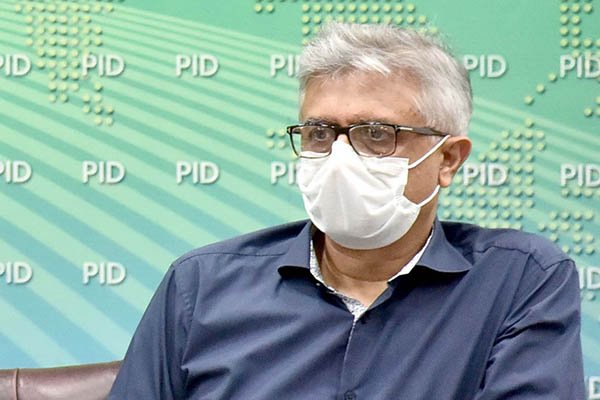
    Prime Minister (PM) Imran Khan has appointed Dr Faisal Sultan, the chief executive officer (CEO) of Shaukat Khanum Memorial Cancer Hospital & Research Centre, as his special assistant on national health services, regulations and coordination, a statement issued by his office said on Monday.

    “Dr Faisal Sultan shall hold status of federal minister,” read a tweet by the government.

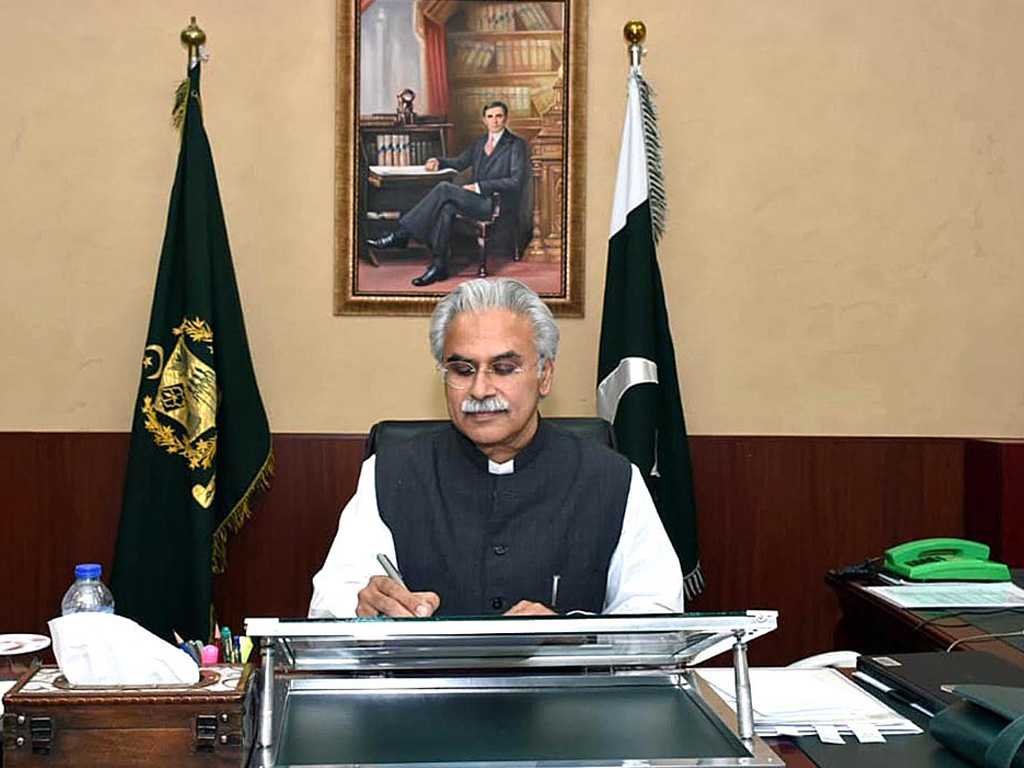
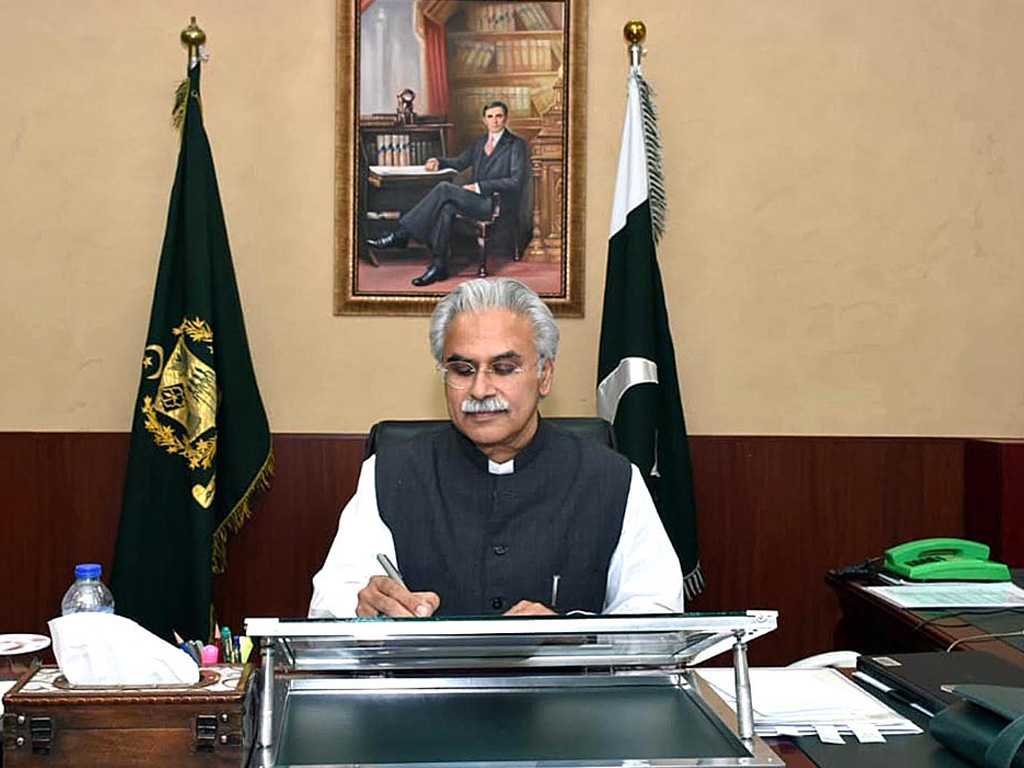
    Dr Sultan, who also serves as the PM’s focal person on COVID-19, will replace Dr Zafar Mirza, who had resigned last week.

    A consultant physician on medicine and infectious diseases, Dr Sultan completed his graduation from Lahore’s King Edward Medical College University (KEMU) in 1987. He also holds the postgraduate degrees of Diplomate American Board of Internal Medicine (1992) and Diplomate American Board of Infectious Disease (1994).

    Reacting to his successor’s appointment, Dr Mirza said: “I am very pleased about the appointment of Dr Faisal Sultan as SAPM health. As [a] federal minister he will be able to make decisions which [are] important.”

    Dr Mirza, who reports claimed had been told to resign from office, termed Dr Sultan “a capable professional with a good worldview” and a good friend, wishing him success in his new role.

  • KYA BOLA? (Jul 30): ‘Sciencedaan Fawad Chaudhry’ to ‘Imran Khan k aglay 6 maah ki ahmeeyat’

    KYA BOLA? (Jul 30): ‘Sciencedaan Fawad Chaudhry’ to ‘Imran Khan k aglay 6 maah ki ahmeeyat’

    Following are some snippets that stood out from Urdu newspapers on July 30, 2020, which The Current takes no responsibility for.


    ‘Sciencedaan Fawad Chaudhry’

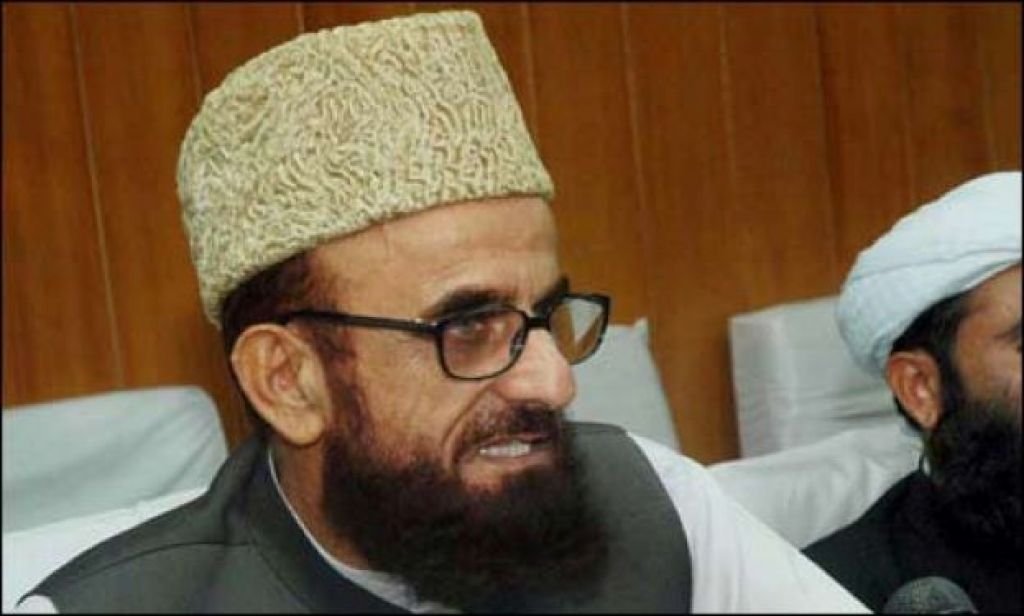
    It was reported by Daily Jang that Ruete Hilal [Moon-Sighting] Committee Chairman Mufti Muneebur Rehman has said, “Fawad Chaudhry ko calendar banaa kr denay walay humaray members hain. Hum 25 saal se Ruet chalaa rahay hain, Fawad Chaudhary kahaan se sciencedaan aa gaye?”

    The statement comes days after yet another war of words erupted between the cleric and the science and technology minister over moon-sighting, this time for the Islamic month of Zil Hajj.


    Tania Aidrus aur Zafar Mirza’

    According to Daily Jang, Federal Minister for Science and Technology Fawad Chaudhry has said, “Wazire Azam shayad Zafar Mirza k kaam say mutmayin nahi thay. Dono isteefo’n ka dual nationality se koi taaluq nahi tha.”

    A day earlier, special assistant to the prime minister on health, Dr Zafar Mirza, and on digital Pakistan, Tania Aidrus, had announced having submitted their resignations, saying it was over criticism following the assets and dual nationality report of PM’s aides. Pundits had, however, hinted at possible trouble in Islamabad and said that there was more to the resignations.


    ‘Imran Khan k aglay 6 maah ki ahmeeyat’

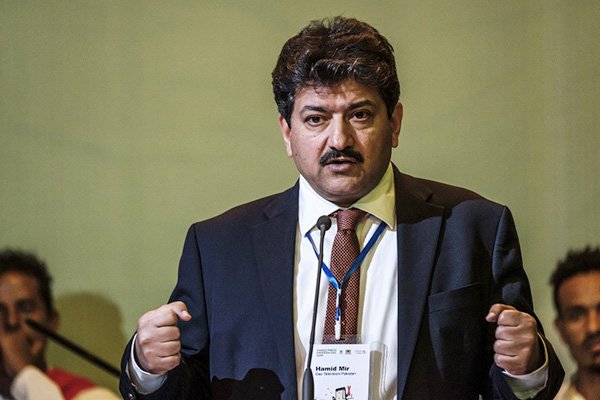
    Senior journalist and analyst Hamid Mir, in his column for Daily Jang, has said,“Imran Khan ne 2 saal tou jaisay taisay mukamal kr liye lekin Eid k bad inka asal imtehaan shuru honay wala hai. Agly 6 maah in k liye aham hain aur buhat mushkil bhi… yeh 6 maah nikal gaye to Imran Khan k liye paanch saal mukammal krna asaan hojayega.”

  • Imran’s aides succumb to criticism

    Imran’s aides succumb to criticism

    While Tania Aidrus has resigned amid criticism for holding dual nationality, Dr Zafar Mirza has stepped down over ‘negative discussion about the role of SAPMs’

    Dr Zafar Mirza and Tania Aidrus, special assistants to the prime minister (SAPM) on health and e-governance, respectively, stepped down from their posts on Wednesday.

    The resignations come days after the Cabinet Division made public the details of the assets and dual nationalities of 20 advisers and special assistants, rocking the country’s political landscape.

    In a tweet, Aidrus, the head of the much-touted Digital Pakistan Vision initiative, cited recent criticism levelled against her and the government due to her dual nationality as the reason behind her decision to resign.

    “[The] criticism levied towards the state as a consequence of my citizenship status is clouding the purpose of Digital Pakistan,” she said, adding that she was resigning “in the greater public interest”.

    In the resignation letter, Aidrus stated that she had returned to Pakistan with the “singular intent to contribute and develop the vision of a Digital Pakistan”.

    “I always was and shall be a Pakistani,” she wrote, adding that “it is unfortunate that a Pakistani’s desire to serve Pakistan is clouded by such [dual nationality] issues”.

    While the letter points to criticism on Aidrus’ foreign nationality being the chief reason for her resignation, reports say that the former Google executive was in fact forced to resign.

    READ: What we know about Tana Aidrus’s resignation

    Meanwhile, Mirza also took to Twitter to announce stepping down.

    He said that he had come to Pakistan on the personal invitation of the premier after leaving the World Health Organization (WHO).

    “I worked hard and honestly. It was a privilege to serve Pakistan. I am satisfied that I leave at a time when COVID-19 has declined in Pakistan as a result of a grand national effort,” Mirza said.

    He added that he had made the decision over the “negative discussion about the role of SAPMs and criticism of the government”.

    “Pakistani people deserve better healthcare. I have worked sincerely to contribute to this cause. Pakistan will Inshallah emerge out of COVID-19 with a stronger healthcare system.”

    While PM Imran has not yet accepted the resignations, rumour has it that another aide of his will shortly be resigning.

  • Is coronavirus ending in Pakistan?

    Is coronavirus ending in Pakistan?

    The first three weeks of June saw not only a rapid spread of the new coronavirus but deaths attributed to the COVID-19 also stood at around a daily average of 100.

    While the country, since the last week of June, has witnessed a significant decrease in the number of coronavirus infections amid conflicting claims regarding what has led to the drop, Pakistan has an optimistic recovery rate as 67.5% of people who had contracted the virus have so far recovered.

    While it is still unclear if the virus has already peaked in Pakistan or not, testing, active cases and the recovery rate are the major factors proving helpful in estimating not only the spread of the virus but also the pandemic situation.

    So far, July hasn’t been as bad as last month as government statistics from the first two weeks show there has been an increase in COVID-19 recoveries while the number of new cases has also dropped significantly.

    While the reason behind the sudden drop still remains unclear as government boasts of its successful strategy and experts attribute the decline to Pakistanis’ better immunity due to exposure to various vaccinations, it cannot be denied that the drop has been led to also because of lower testing as compared to the month of June.

    People are realising that they would recover if they have mild symptoms and only need to isolate themselves without actually heading out to get tested, surveys suggest.

    Special Assistant to Prime Minister (SAPM) on Heath Dr Zafar Mirza has also confirmed that not many people are voluntarily showing up to get tested anymore. “We are unable to conduct as many tests as we were earlier, despite having a daily capacity 60,000. Pakistan has set up more than 125 labs for COVID-19 testing but we need human resources to run those labs as the testing capacity needs to continuously be enhanced.”

    Meanwhile, a majority of people are also making use of telehealth services by consulting their doctors over the phone or contacting the government’s coronavirus helpline (1166). According to a doctor working at a COVID-19 helpline centre, she alone receives around 40 calls a day for medical advice.

  • Did COVID-19 peak in Pakistan in June?

    Special Assistant to the Prime Minister (PM) on Health Dr Zafar Mirza on July 1 said that the number of coronavirus cases was rapidly increasing by mid-June but the country was now in a better position than it was two weeks ago in the continuing battle against COVID-19.

    “The ratio of confirmed infections has gone down from 22% to 15% while the number of suspected cases has also decreased,” the premier’s aide said in an interview, adding that the rate of fatalities was also lower than before.

    READ: Govt is grossly under-reporting coronavirus deaths and infections: PM’s task force head

    Dr Mirza maintained that the government was to now determine over the next couple of days if Pakistan had passed the peak of the COVID-19 outbreak or was still only heading towards it. “If the situation remains stable in the coming days and the number of coronavirus cases continues to decrease, it would be good news for us.”    

    While the number of coronavirus cases in Pakistan is steadily declining amid selective lockdowns across the country and an increase in the number of recovered patients, it is not necessarily due to a decline in the rate of infections and an alleged lower testing rate could be the actual reason.

    However, according to official numbers, in June, a total of 140,726 confirmed cases of coronavirus were reported in Pakistan with at least 2,804 deaths.

    The second week of the said month proved to be the worst in terms of infections as 40,604 were reported. The third week was the most deadly as at least 856 people lost their lives to the virus.

    The last week of June saw 24,324 infections while the number of fatalities stood at 591 — 40 more than those recorded in the first week of the same month.

    It merits a mention that while PM Imran Khan and some members of his team, including senior doctors and other health experts, seem to believe that the virus peaked in Pakistan, especially in Punjab, during the second week of June and the curve has now started to flatten, Pakistan on Friday overtook Italy to become the 11th worst affected country from COVID-19.

  • FIA acquits Imran’s health aide Dr Zafar Mirza in masks smuggling case

    FIA acquits Imran’s health aide Dr Zafar Mirza in masks smuggling case

    The Federal Investigation Agency (FIA) has acquitted Special Assistant to Prime Minister (SAPM) on Health Dr Zafar Mirza after probing his alleged involvement in the smuggling of protective masks amid COVID-19 pandemic.

    According to FIA sources, no allegation was proved against Dr Mirza as the petitioner failed to provide evidence of his allegations during the agency’s investigation into the export of 20 million masks to China.

    Sources said that according to FIA’s report, no collusion was proved in issuance of permit for export of the masks and the Drug Regulatory Authority of Pakistan (DRAP) allowed the export under rules and regulations.

    It may be noted that the complaint in this regard was registered by Young Pharmacists’ Association (YPA) Secretary General Dr Furqan Ibrahim with the PM’s Complaint Cell.

    According to the complainant, 20 million masks were smuggled out of Pakistan allegedly by the SAPM in collusion with DRAP Deputy Director Ghazanfar Ali Khan.

    Meanwhile, the National Accountability Bureau (NAB) has also decided to launch an inquiry into the allegations against Dr Mirza.

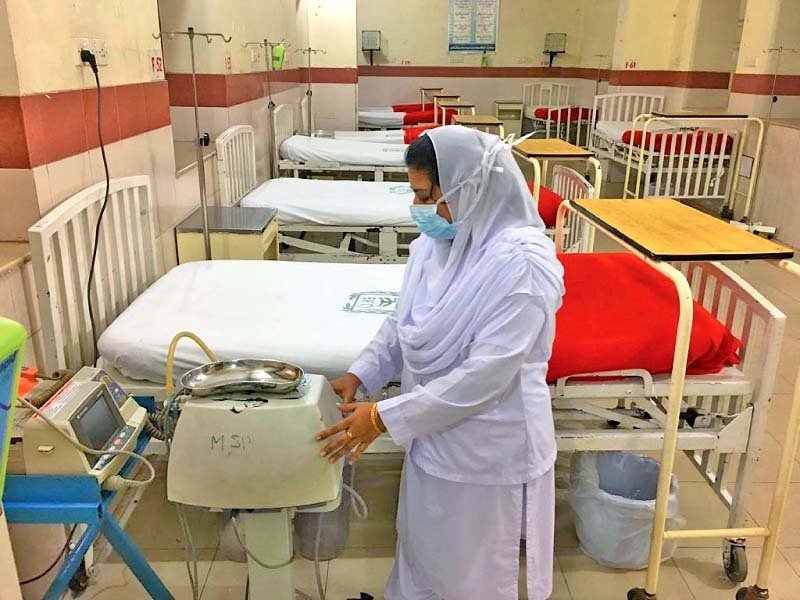
  • Are Punjab’s hospitals ready to continue dealing with COVID-19?

    Are Punjab’s hospitals ready to continue dealing with COVID-19?

    An additional burden has been placed on hospitals due to the sharp increase in confirmed COVID-19 cases across the country, including Punjab where the number of coronavirus cases is way past 38,000 and is likely to cross the 40,000 mark by tomorrow (Tuesday).

    But while Punjab Health Minister Dr Yasmin Rashid says the “situation is still not alarming” and Special Assistant to the Prime Minister (SAPM) on Health Dr Zafar Mirza says authorities have “ample resources to deal with coronavirus patients so far”, here’s what the situation in the country’s most populous province looks like:

    No. of Hospitals No. of Beds No. of HDUs (High Dependency Units) No. of Ventilators
    249 9644 944 568

    The Punjab government has allocated 249 hospitals for COVID-19 patients with 9,644 beds, of which 53 hospitals (21.2%) are private. According to data provided to The Current by Punjab Health Department, 7,346 beds are vacant so far across the province as most people are choosing to quarantine themselves at home amid reports of the dreadful conditions at government facilities.

    While the availability of beds is not yet an issue, other necessities do not seem up to the mark.

    As per estimated stats, almost 2,272 (7.3%) patients in the province are admitted to different hospitals. Of the total 2,272, at least 497 (21.8%) patients are in Intensive Care Units (ICUs) or HDUs, which means they are in a critical condition.

    Almost 1,500 beds were allocated by the government for ICUs and HDUs, of which 473 (30%) are at private hospitals, or so the authorities claim.

    When contacted by The Current, Lahore’s Shalamar Hospital, which according to official claims is supposed to be treating at least five coronavirus patients, refused to share any details pertaining to treatment or costs, saying no infected persons were being treated by the hospital. The response received from Sargodha’s Central Hospital was not that different either, even though the government claims to have mandated it to treat at least three patients.

    By the time this report was filed, 21% of patients admitted to hospitals were reported to be critically ill. If a mere 5% of patients visiting hospitals need HDUs or ventilators, within the next two weeks, the healthcare system of the country’s most populous province could collapse, suggests the current number of life-saving facilities available in Punjab.

  • Coronavirus: Supreme Court orders sacking of Dr Zafar Mirza

    Coronavirus: Supreme Court orders sacking of Dr Zafar Mirza

    The Supreme Court (SC) on Monday told the federal government to remove Special Assistant to Prime Minister (SAPM) on Health Dr Zafar Mirza from his post as coronavirus continues to spread across the country amid the alleged incompetence of the authorities concerned.

    According to reports, the apex court, while hearing a suo motu case regarding the situation arising out of the COVID-19 outbreak, expressed displeasure over the performance of Dr Mirza in dealing with the pandemic and ordered the government to remove him.

    A five-member larger bench of the apex court — headed by Chief Justice of Pakistan (CJP) Gulzar Ahmed — was hearing the case.

    During the hearing, the CJP expressed anger and said the top court was not satisfied with the performance of premier’s aide as a health advisor.

    The top judge also asked the attorney general of Pakistan (AGP) about the ongoing inquiry against Dr Mirza by the Federal Investigation Agency (FIA).

    The AGP informed the court that FIA was investigating him for alleged smuggling of face masks to China.

    “Removing Zafar Mirza from the post at this point will not be suitable for the country as it can worsen the health crisis,” the government’s lawyer told the court.

    CJP Gulzar had on Friday taken his first suo motu notice over “insufficient facilities” in the country to deal with the COVID-19 outbreak.

    He had issued notices to the AGP and health as well as interior secretaries besides also summoning all chief secretaries and advocate generals.

  • Coronavirus: ‘Don’t panic,’ says Imran’s aide as Pakistan records highest single-day rise in cases

    Coronavirus: ‘Don’t panic,’ says Imran’s aide as Pakistan records highest single-day rise in cases

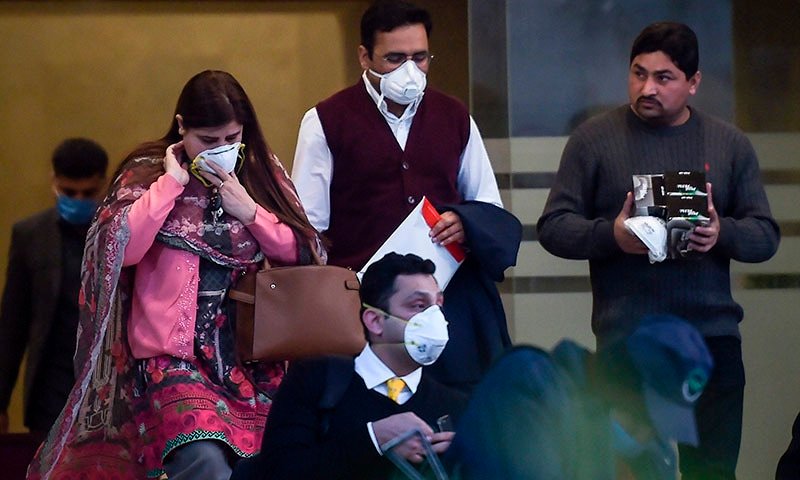
    Pakistan on Monday recorded its biggest single-day spike in coronavirus infections, taking the tally to 184, amid reports of ineffective quarantine procedures many of those are reported to be among those who had been held at a quarantine camp at the country’s Taftan border crossing with Iran.

    Dera Ghazi Khan authorities confirmed its first case of the novel coronavirus on Monday, raising the provincial count to two cases. The patient, who was among the 814 persons quarantined at a facility in DG Khan, had arrived from the Taftan border. DG Khan Health CEO said that the patient, a resident of Layyah, had been shifted to Indus Hospital Muzaffargarh.

    DG Khan Commissioner Naseem Sadiq said that another five patients, suspected of having contracted the virus, had also been shifted to Indus Hospital Muzaffargarh

    With an addition of 47 new cases, the tally of coronavirus cases in Sindh reached 150. According to a spokesperson for the Sindh health department, 119 of the cases arrived in Sukkur from Taftan, 30 are from Karachi while one is from Hyderabad. Sindh government spokesperson Murtaza Wahab said that the “exponential increase is largely due to the recent inflow of people brought in from Taftan after a purported quarantine”.

    Sindh Chief Minister Murad Ali Shah directed the provincial police chief to carry out raids on stores and pharmacies that are selling overpriced tissue papers, hand sanitisers and anti-septics.

    The Sindh government is also contemplating closing restaurants and tea shops by 9 pm, as the number of coronavirus cases in the province continues to rise. “I am now adopting a zero-tolerance policy,” Chief Minister Shah was quoted as saying in a statement by his media consultant. “If our people stay out and visit eateries until late at night, I will shut down restaurants and hotels,” Shah added.

    However, as per the government data, no deaths due to the coronavirus have been recorded.

    Prime Minister Imran Khan also chaired a meeting of the country’s national coordination committee on COVID-19. No major announcements were made following the meeting.

    Khyber Pakhtunkhwa (KP) also reported its first cases of coronavirus, confirming 15 positive cases. KP Health Minister Taimur Saleem Jhagra tweeted that 15 out of 19 individuals who arrived in the province from Taftan have tested positive for the virus.

    “They are being well looked after in quarantine in an isolated facility in Dera Ismail Khan,” he wrote.

    ‘DON’T PANIC’:

    With the coronavirus scare intensifying due to the sudden spike in the number of infections in Pakistan, Special Assistant to the Prime Minister (SAPM) on Health Dr Zafar Mirza said that the government has extended its emergency measures, including travel restrictions and a ban on public gatherings to the entire country to tackle the coronavirus.

    Addressing a press conference, Dr Mirza said that there was no immediate need to lockdown cities in the country as the situation is “still under control”.

    He assured the public that the current preventive measures adopted by the health ministry are sufficient to control the spread of the novel coronavirus in Pakistan, adding, that measures would be tightened up if the situation turns more serious.

  • Two coronavirus cases confirmed in Pakistan

    Two coronavirus cases confirmed in Pakistan

    First two cases of coronavirus in Pakistan were reported on Wednesday, one of which was in the provincial capital of the country’s southeastern province of Sindh.

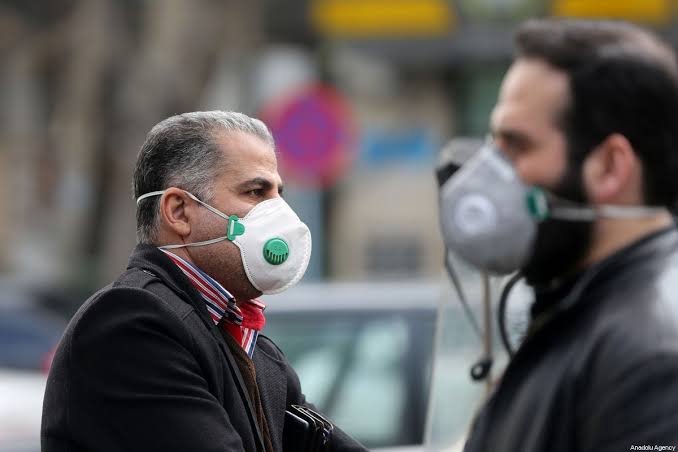
    While The Current is attempting to garner details of the other case, the first reported case is that of a 22-year-old man who, according to government sources, reached Pakistan from Iran by air and has a history of travel to Tehran “from where he acquired the virus”.

    The young man recently arrived in Karachi on a bus, however, authorities added, it is not yet clear as to when exactly did he reach the country.

    According to reports, the patient and his family were immediately placed in quarantine at a private hospital on the port city’s National Stadium Road.

    Meanwhile, Special Assistant to Prime Minister (SAPM) on Health Dr Zafar Mirza, hours after his “no confirmed cases of coronavirus statement”, has tweeted the development.

    The Current had on Tuesday reported possibility of unreported coronavirus cases being present in the country — a claim then denied by the authorities.