Tag: Ebrahim Raisi

  • Iranian media attributes cause of Ebrahim Raisi’s death to poor weather conditions

    Iranian media attributes cause of Ebrahim Raisi’s death to poor weather conditions

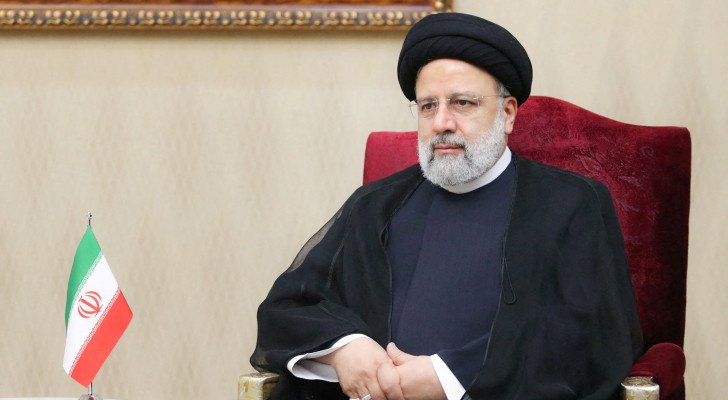
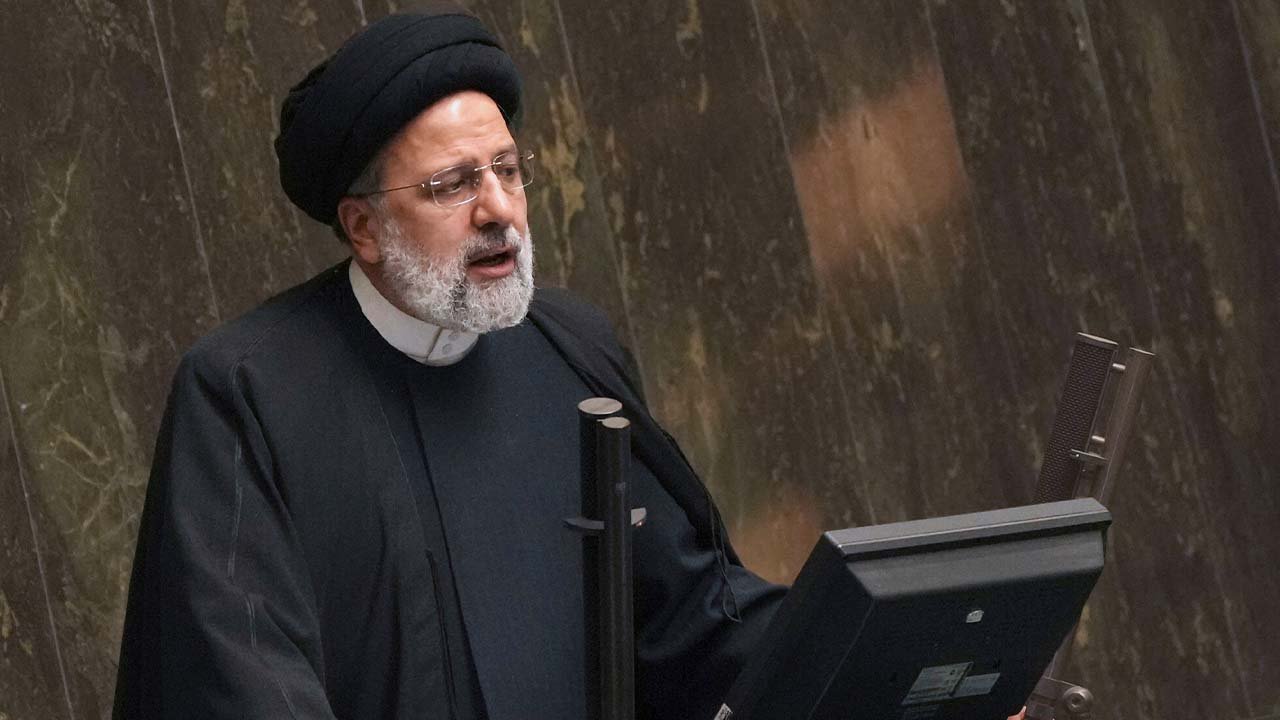
    Iranian state media has confirmed that the chopper crash in which Iran’s late President Ebrahim Raisi was killed was primarily caused by weather conditions that included thick fog, citing the final investigation report of the incident.

    “The main reason for the helicopter crash was complicated weather conditions in the region,” the final report concluded, according to Iran’s state TV.

    A preliminary report by Iran’s military had said in May that no evidence of foul play or an attack had been found during the investigation.

    President Raisi, 63, along with his entourage, died on May 19 after his helicopter went down in the country’s mountainous northwest while returning from a dam inauguration on the border with Azerbaijan.

    Raisi was laid to rest in his hometown of Mashhad.

    Among the people killed in the incident were Foreign Min­ister Hossein Amir-Abdollahian, Malik Rahmati, governor of Iran’s East Azerbaijan Province, Ayatollah Mohammad Ali Al-Hashem, representative of the Iranian supreme leader to East Azerbaijan, Sardar Seyed Mehdi Mousavi, head of Raisi’s guard team, the helicopter’s pilot Colonel Seyed Taher Mostafavi, co-pilot Colonel Mohsen Daryanush, and flight technician Major Behrouz Ghadimi.

  • After Raisi’s funeral, Iran’s focus turns to vote for successor

    After Raisi’s funeral, Iran’s focus turns to vote for successor

    After Iran mourned President Ebrahim Raisi, who died in a recent helicopter crash, the nation’s focus turns to an election next month for his successor, with the conservative camp seeking support from Ayatollah Ali Khamenei.

    The lead-up to the early vote on June 28 has opened up the field to a broad range of hopefuls from all political parties. The big question for them is how many candidacies will survive the vetting process in the Islamic republic.

    President Raisi, who had more than a year left of his first term, died on May 19 alongside his foreign minister Hossein Amir-Abdollahian and six others when their helicopter crashed into a fog-shrouded mountainside.

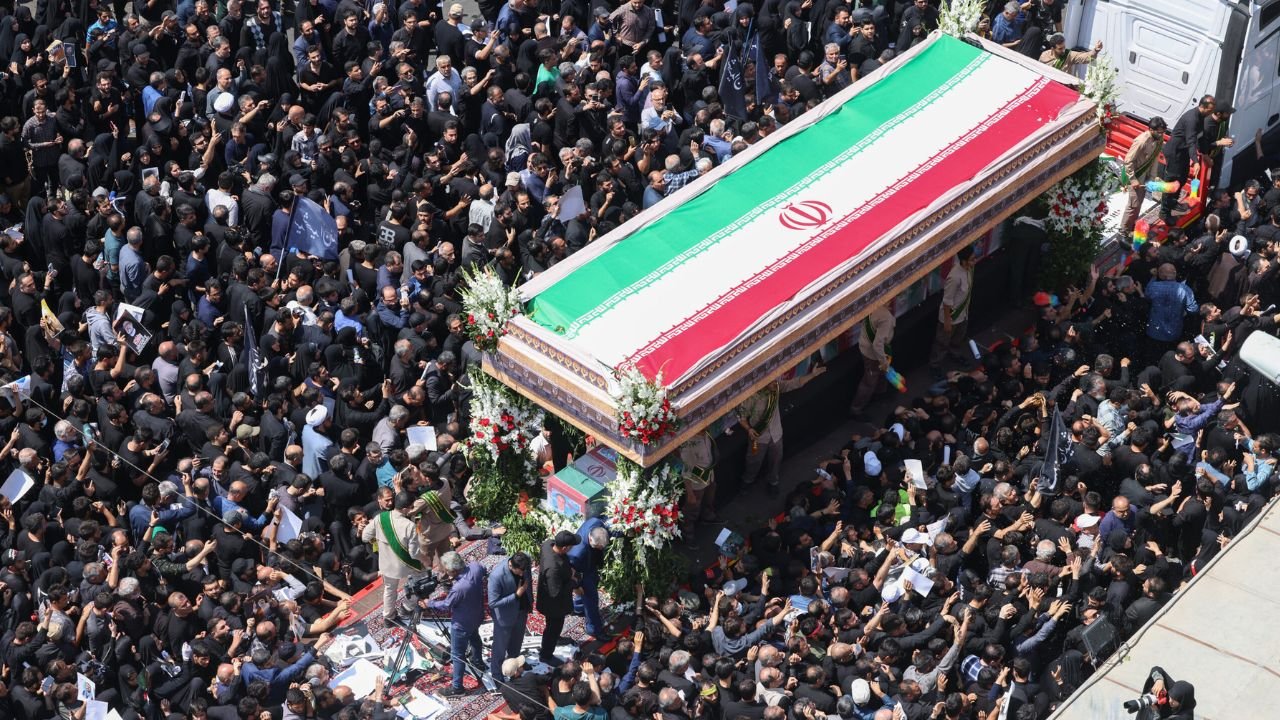
    They were laid to rest in multi-day funeral rites drawing mass crowds of mourners.

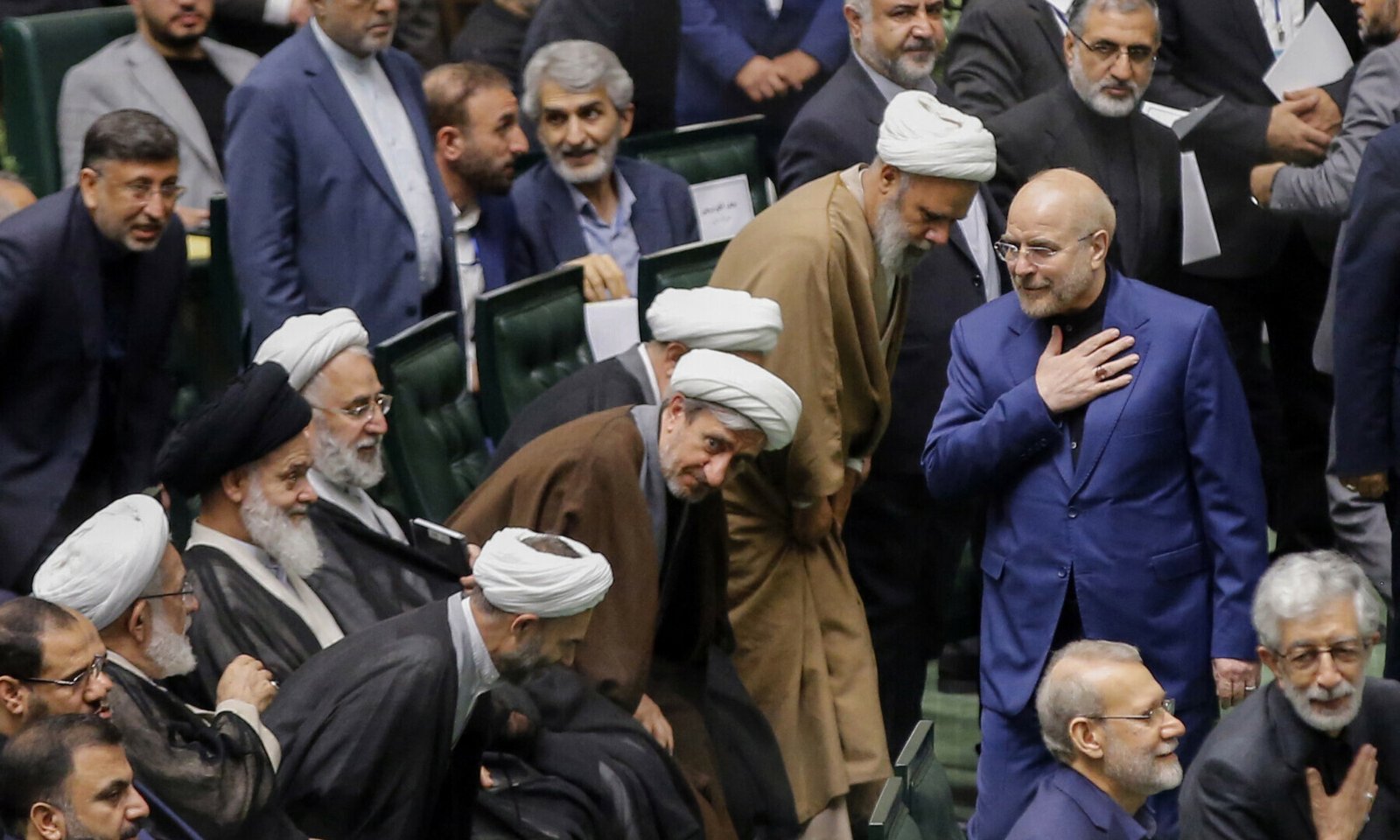
    Iran’s Parliament Speaker Mohammad Bagher Qalibaf (R) greets lawmakers during the inauguration session for the new Parliament in Tehran on May 27, 2024. — AFP

    The June vote will be held during a turbulent time, as the Gaza war rages between Israel and Hamas, and amid continued diplomatic tensions over Iran’s nuclear programme.

    Khamenei, who has the final say in all matters of state, has assigned Raisi’s vice president, Mohammad Mokhber, 68, to assume interim duties for the next few weeks and organise the June election.

    Among other hopefuls, former nuclear negotiator Saeed Jalili was one of the first to announce his candidacy.

    Other contenders include moderate former foreign minister Mohammad Javad Zarif, and centrist Ali Larijani, who served as the speaker in parliament.

    Ex-president Mahmoud Ahmadinejad has so far kept voters guessing and said he is “checking the conditions to decide whether to register”.

    Under Iran’s election process, candidates will have several days to formally register, starting on May 30.

    The final list, however, will depend on the outcome of the validation process by the conservative-dominated Guardian Council following a June 3 registration deadline.

  • Iran’s Raisi to be laid to rest in home town

    Iran’s Raisi to be laid to rest in home town

    Iran’s president Ebrahim Raisi, who was killed in a helicopter crash, will be buried Thursday in his hometown after two days of funeral processions attended by thousands of mourners.

    Raisi, 63, died on Sunday alongside his foreign minister and six others when their helicopter crashed in the country’s mountainous northwest while returning from a dam inauguration.

    His final resting place will be at the holy shrine of Imam Reza, a key Shiite mausoleum in the northeastern city of Mashhad, where the ultra-conservative president was born.

    Images published by Iranian media on Wednesday showed officials in Mashhad preparing for the final day of funerary rites.

    Large photos of Raisi, black flags and Shiite symbols were erected throughout the streets of Iran’s second city, particularly around the Imam Reza shrine.

    Massive crowds had gathered for a funeral procession on Wednesday in the capital Tehran to pay their final respects to the president, whom officials and media dubbed a “martyr”.

    Supreme leader Ayatollah Ali Khamenei — whom Raisi had been widely expected to succeed — led prayers for the late president, kneeling before the coffins of the eight people killed in the crash.

    Among them was foreign minister Hossein Amir-Abdollahian, who will also be buried Thursday in the shrine of Shah Abdol-Azim in the town of Shahr-Rey south of the capital.

    – June 28 election –

    Tunisian President Kais Saied and Qatari Emir Tamim bin Hamad al-Thani attended an afternoon ceremony for Raisi on Wednesday in which around 60 countries took part, said state news agency IRNA.

    Member countries of the European Union were among the absentees of the ceremony, while some non-member countries, including Belarus and Serbia had their representatives.

    Khamenei, who wields ultimate authority in Iran, has declared five days of national mourning and assigned vice president Mohammad Mokhber, 68, as caretaker president until a June 28 election for Raisi’s successor.

    A presidential election in Iran had not been expected until next year, and Sunday’s crash has caused some uncertainty as to who will succeed Raisi, with some expressing concern about the upcoming president.

    “How do I find someone like him? I’m really worried about that,” said 31-year-old cleric Mohsen at Wednesday’s funeral in Tehran. “As far as I know, we don’t have anyone of his stature.”

    Raisi was elected president in 2021, succeeding the moderate Hassan Rouhani at a time when the economy was battered by US sanctions imposed over Iran’s nuclear activities.

    The ultra-conservative’s time in office saw mass protests, a deepening economic crisis and unprecedented armed exchanges with arch-enemy Israel.

    After his death, Russia and China sent their condolences, as did NATO, while the UN Security Council observed a minute’s silence.

    Messages of condolence also flooded in from Iran’s allies around the region, including the Syrian government as well as Hamas and Hezbollah.

  • World reactions to death of Iran’s President Raisi

    World reactions to death of Iran’s President Raisi

    Iran’s powerful allies on Monday mourned the death of its President Ebrahim Raisi in a helicopter crash, while regional militants hailed him as a supporter of the Palestinian cause.

    Here is a roundup of key reactions:

    China

    China’s President Xi Jinping said “his tragic death is a great loss to the Iranian people, and the Chinese people have lost a good friend,” foreign ministry spokesman Wang Wenbin said at a regular press conference.

    European Union

    The European Union expressed its “sincere condolences”.

    “Our thoughts go to the families,” EU Council President Charles Michel said in a statement.

    France

    France sent its condolences “to the Islamic Republic of Iran… (and) to the families of the victims of this accident,” in a statement from the foreign ministry.

    India

    Indian Prime Minister Narendra Modi said he was “deeply saddened and shocked by the tragic demise” of Raisi, adding that “India stands with Iran in this time of sorrow.”

    Exiled opposition group

    Exiled Iranian opposition group the National Council of Resistance of Iran (NCRI) said Raisi’s death “represents a monumental and irreparable strategic blow to the mullahs’ supreme leader Ali Khamenei and the entire regime, notorious for its executions and massacres”, in a statement from the group’s leader, Maryam Rajavi.

    Russia

    Russian President Vladimir Putin hailed Raisi as an “outstanding politician” and said his death was an “irreplaceable loss.”

    “As a true friend of Russia, he made an invaluable personal contribution to the development of good-neighbourly relations between our countries, and made great efforts to take them to the level of a strategic partnership,” Putin said in a letter to Iran’s Supreme Leader Ayatollah Ali Khamenei.

    Turkey

    Turkey was “deeply saddened” by Raisi’s death and “shares the pain of the friendly and brotherly Iranian people,” Foreign Minister Hakan Fidan said.

    President Recep Tayyip Erdogan sent his “sincere condolences to the friendly and fraternal people and government,” in a message on X, formerly Twitter.

    Hamas-Gaza

    Hamas mourned Raisi as an “honourable supporter” of the Gaza-based Palestinian militant group whose October 7 attack is responded disproportionately by Israel in form of a genocide.

    Hamas said it appreciated Raisi’s “support for the Palestinian resistance and tireless efforts in solidarity” with Palestinians since the start of the Israel-Hamas war in Gaza.

    Hezbolllah-Lebanon

    Lebanon’s powerful Hezbollah group, which has traded deadly cross-border fire with Israel during the war, praised Raisi as “a strong supporter, and a staunch defender of our causes… and a protector of the resistance movements”.

    Lebanon announced three official days of mourning.

    Houthis-Yemes

    Yemen’s Tehran-backed Houthi rebels saying Raisi’s death “is a loss not only for Iran but also for the entire Islamic world and Palestine and Gaza,” Huthi spokesman Mohammed Abdulsalam said on X, adding that the Palestinians were “in dire need of the presence of such a president who continued to defend” their right to freedom.

    UAE

    Iran’s Gulf neighbours the United Arab Emirates, Bahrain and Qatar sent their condolences.

    The oil-rich UAE “stands in solidarity with Iran at this difficult time”, said Emirati President Sheikh Mohammed bin Zayed Al Nahyan.

    Qatar

    Qatar’s emir, Sheikh Tamim bin Hamad Al-Thani, called the news “painful”.

    Syria

    Syrian President Bashar al-Assad expressed solidarity with close ally Tehran, which has backed him during more than a decade of civil war.

    “We worked with the late President to ensure that strategic relations between Syria and Iran flourish always,” the Syrian presidency said in a statement.

    Iran’s arch-enemies the United States and Israel had yet to react publicly.
  • Iranian President Raisi killed in helicopter crash

    Iranian President Raisi killed in helicopter crash

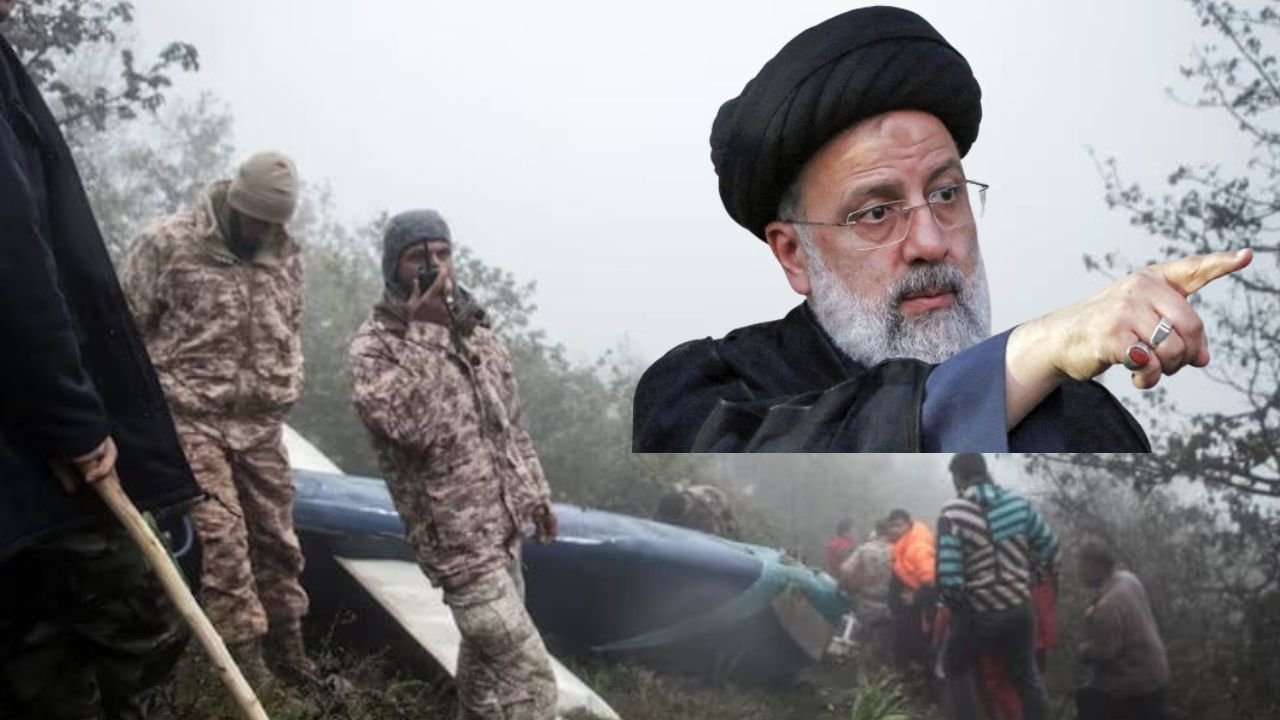
    Iran’s President Ebrahim Raisi, and his foreign minister Hossein Amr-Abdollahian, have been killed in a helicopter crash on Sunday night in the north of the country near the border with Azerbaijan, State Television has confirmed.

    Rescue teams finally reached the site of the helicopter crash where dense fog and adverse weather conditions impeded rescue and recovery efforts.

    “Upon finding the helicopter, there was no sign of the helicopter passengers being alive as of yet,” state TV reported. The helicopter carrying the head of the state crashed during President Raisi’s return flight to Tabriz after he and Azerbaijani President Ilham Aliyev inaugurated the Qiz Qalasi Dam on the border.

    Iran’s Supreme Leader Ayatollah Ali Khamenei urged calm and assured his people that there would be no disruption in the country’s governance.

    Vice President Mohammad Mokhbar is expected to become the new President now, Al Jazeera has reported.

    Raisi became president in 2021.

  • Public holiday announced in Lahore

    Public holiday announced in Lahore

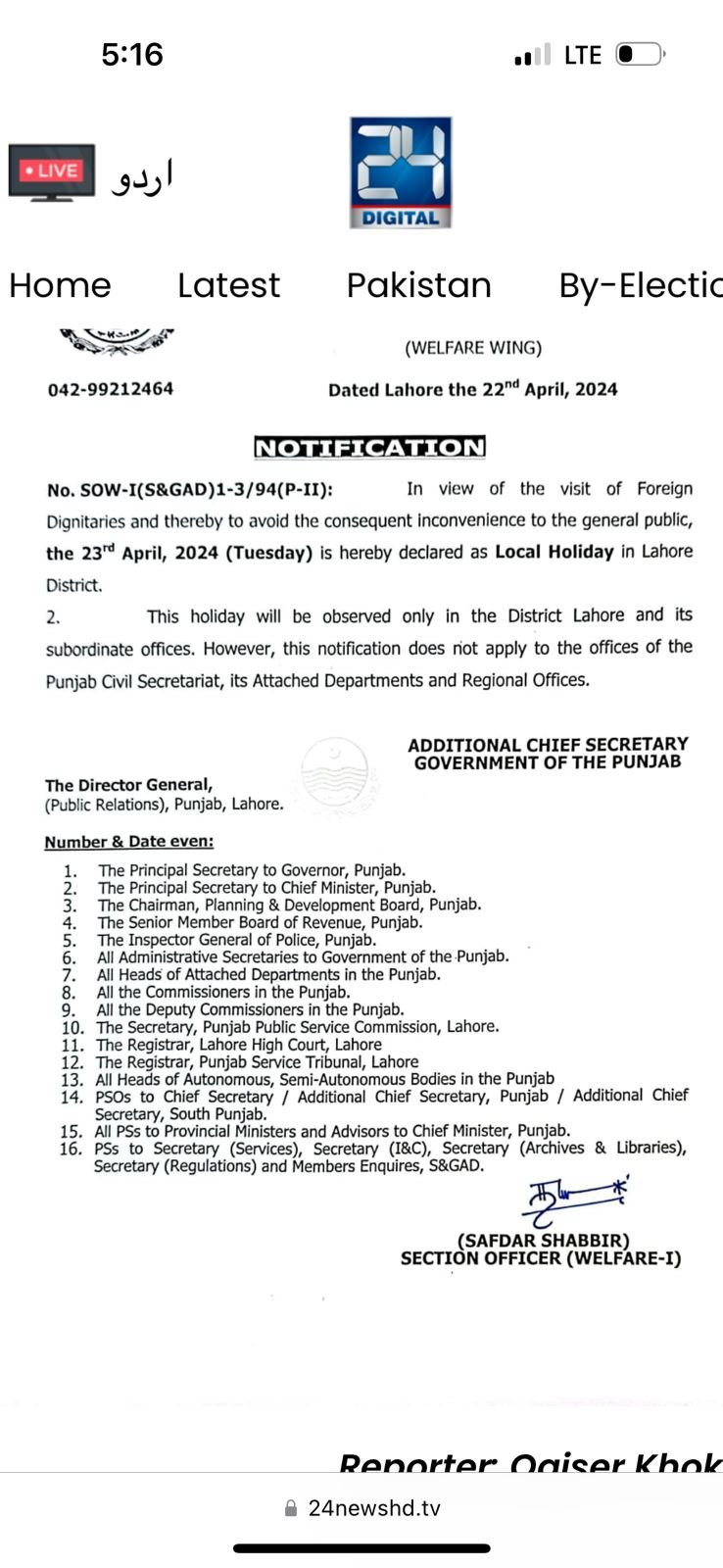
    The Department of Services and General Administration has issued a notification declaring tomorrow, April 23, a public holiday in Lahore.

    The announcement comes as a measure to facilitate arrangements for Iranian President Ebrahim Raisi’s visit.

    As per the notification, educational institutions and government offices throughout Lahore will remain closed on the designated day.

    However, it is worth noting that the Punjab Civil Secretariat and related offices will continue their operations as usual, ensuring that essential government functions remain uninterrupted during the visit.

  • Iran’s President Raisi ‘welcomes’ invitation by Saudi king to visit Riyadh

    Iran’s President Raisi ‘welcomes’ invitation by Saudi king to visit Riyadh

    Little over a week after the two nations decided to reestablish diplomatic ties, Iran claims Saudi Arabia has extended an official invitation to Iranian President Ebrahim Raisi to pay a state visit.

    The Saudis have not officially confirmed the invitation, which is claimed to have arrived in a letter from King Salman.

    The conflict between the two countries has dominated the Middle East’s recent history.

    A senior Iranian official, Mohammad Jamshidi, tweeted regarding the invitation to visit Riyadh, saying Mr Raisi had welcomed it and “stressed Iran’s readiness to expand co-operation.”

    Furthermore, Hossein Amir-Abdollahian, the foreign minister of Iran, informed reporters that the two nations had agreed to conduct a meeting at the level of the foreign ministers and that three potential venues had been suggested.

    He did not specify the locations or the potential dates for the meeting.

    According to Bloomberg, the recent thaw in bilateral relations, which came as a surprise after days of negotiations mediated by China, appears to be gaining significant pace.

    Both have declared they will reopen their embassies and resume their economic and security relations within two months.

    With the failure of earlier attempts at reconciliation, many, including the US and the UN, warily welcomed this progress.

    In January 2016 after protesters surrounded its embassy in Tehran, Saudi Arabia broke ties.

    That came after Sheikh Nimr al-Nimr, a well-known Shia Muslim cleric who had been found guilty of crimes related to terrorism, was executed by Riyadh.

    Since then, there have frequently been high levels of tension between the Sunni- and Shia-led neighbours, with each seeing the other as a dangerous force vying for supremacy in the region.

    They have taken opposing sides in a number of local conflicts, including as the civil wars in Yemen and Syria.

    Mr. Amir-Abdollahian said that Iran hoped measures would be taken to strengthen ties with Bahrain, a close Saudi ally that cut off diplomatic ties with Tehran in 2016 after Riyadh did the same.

    “We hope that some obstacles between Iran and Bahrain will be removed and we will take basic steps to reopen the embassies,” he said.

    Bahrain hasn’t reacted to the remarks, but it did earlier applaud the Saudi Arabia-Iran decision to reestablish diplomatic ties.

    Moreover, Iran has shown a desire to restart or strengthen ties with other adversaries in the Arab world, such as Jordan and the United Arab Emirates.

  • Iran President declines interview by CNN anchor who refuses to wear hijab

    Iran President declines interview by CNN anchor who refuses to wear hijab

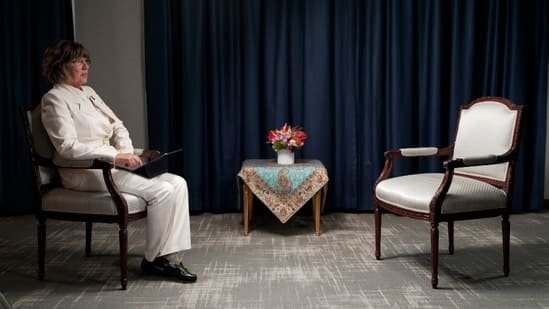
    Iranian President Ebrahim Raisi didn’t turn up for a CNN interview when the interviewer, Christiane Amanpour, refused to wear a hijab during the taping.

    Amanpour took to Twitter to explain the incident, stating that the interview was long planned and this would have been President Raisi’s first-ever interview on US soil. However, things didn’t go as planned.

    “An aide came over and said that the President is suggesting that I wear a headscarf because it’s the holy months of Muharram and Safar”, she said while adding that the aide made it clear that the “Interview would not happen if Amanpour did not wear a headscarf”.

    She said that she “politely declined”, stressing that she was in New York, where there is no law or tradition regarding headscarves. “I pointed out that no previous Iranian president has required this when I interviewed them outside Iran,” she pointed out.

    The journalist concluded by saying that because of the situation going on in Iran, it would have been an “important moment” to speak with President Raisi

    “And so we walked away. The interview didn’t happen. As protests continue in Iran and people are being killed, it would have been an important moment to speak with President Raisi.”

    Anti-government protests erupted across Iran last week over the death of 22-year-old Mahsa Amini while in custody, after having been arrested by Iran’s morality police on an accusation of violating the law on head scarves.

    However, Iranian officials have claimed that Amini died after suffering a “heart attack” and falling into a coma, but her family has said she had no pre-existing heart condition.

    Following the incident, thousands of people have taken to the streets. In the videos which are circulating on social media, women can be seen cutting their hair and burning their hijabs as a protest. According to media outlets, at least eight people have been killed in the demonstrations.

    It is pertinent to mention that since the 1979 Islamic Revolution, it has been compulsory for women to wear the hijab in Iran.