
Tag: Economic

  • Government to introduce 5-year economic plan under supervision of British economist Stefan Dercon

    Government to introduce 5-year economic plan under supervision of British economist Stefan Dercon

    A five-year economic plan for the development of Pakistan’s struggling economy has been prepared under the supervision of Belgian-British economist Stefan Dercon. Prime Minister Shehbaz Sharif is likely to launch it on August 14.

    Geo News reported that the proposed economic plan has been named the Stefan Dercon plan. It contains target of 6 percent annual economic growth target by 2028.

    The ambitious plan also emphasises on structural reforms to take the export target to $60 billion by 2028.

    The proposed plan prioritises the promotion of private investment and the increase in exports. The successful implementation of reforms is estimated to create one million employment opportunities annually.

    According to the Dercon Plan, the proposed plan’s results would be fairly visible by 2028, one year after the IMF programme ends.

    “The failure of structural reforms for growth in Pakistan is not due to a lack of ideas, but a lack of political will to implement these reforms,” warns the draft report.

    It also warns that Pakistan won’t get chances like this; therefore, the opportunity must not be wasted.
  • Is Aurangzeb being pushed in background to give Dar more control?

    Is Aurangzeb being pushed in background to give Dar more control?

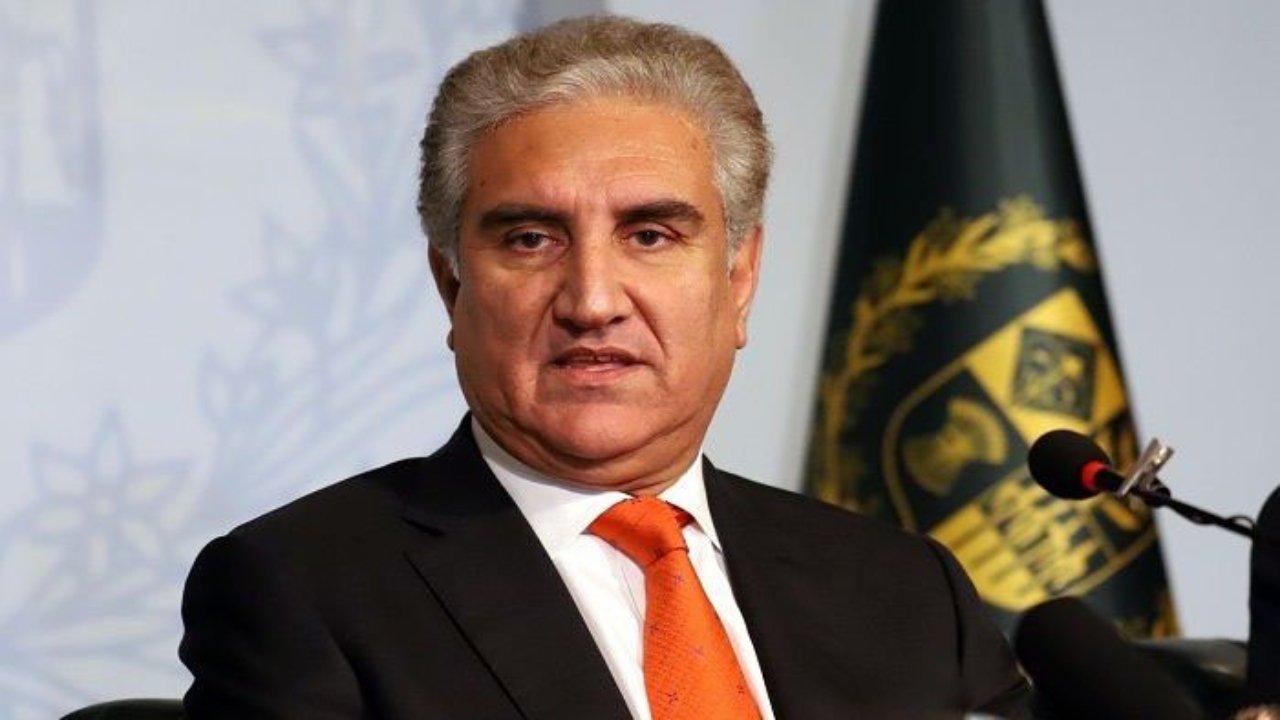
    In a surprising move, the Finance Minister of Pakistan finds himself cut from two major financial decision-making committees, while paving the way for a much bigger role in financial matters for Ishaq Dar, Express Tribune has reported.

    Prime Minister Shehbaz Sharif has reshuffled four cabinet committees. As a result, Finance Minister Aurangzeb now heads only one committee instead of three.
    PM Shehbaz kept the chairmanship of the very important Economic Coordination Committee (ECC) of the cabinet instead of giving the Finance Minister the portfolio.

    Meanwhile, the PM has given Foreign Minister Ishaq Dar the chairmanship of Cabinet Committee on Privatization (CCOP) – a post normally headed by the Finance Minister of the country.

    Tribune reported that there was some apprehension within the ruling party Pakistan Muslim League (PML-N) regarding the appointment of Aurangzeb as the Finance Minister and it was decided within the party leadership that Dar would stay in charge of economic affairs but in a different capacity.

    Finance Minister Muhammad Aurangzeb now chairs only the Cabinet Committee on State-owned Enterprises (CCoSOEs).

  • Pakistan’s weekly inflation soars beyond 44%

    Pakistan’s weekly inflation soars beyond 44%

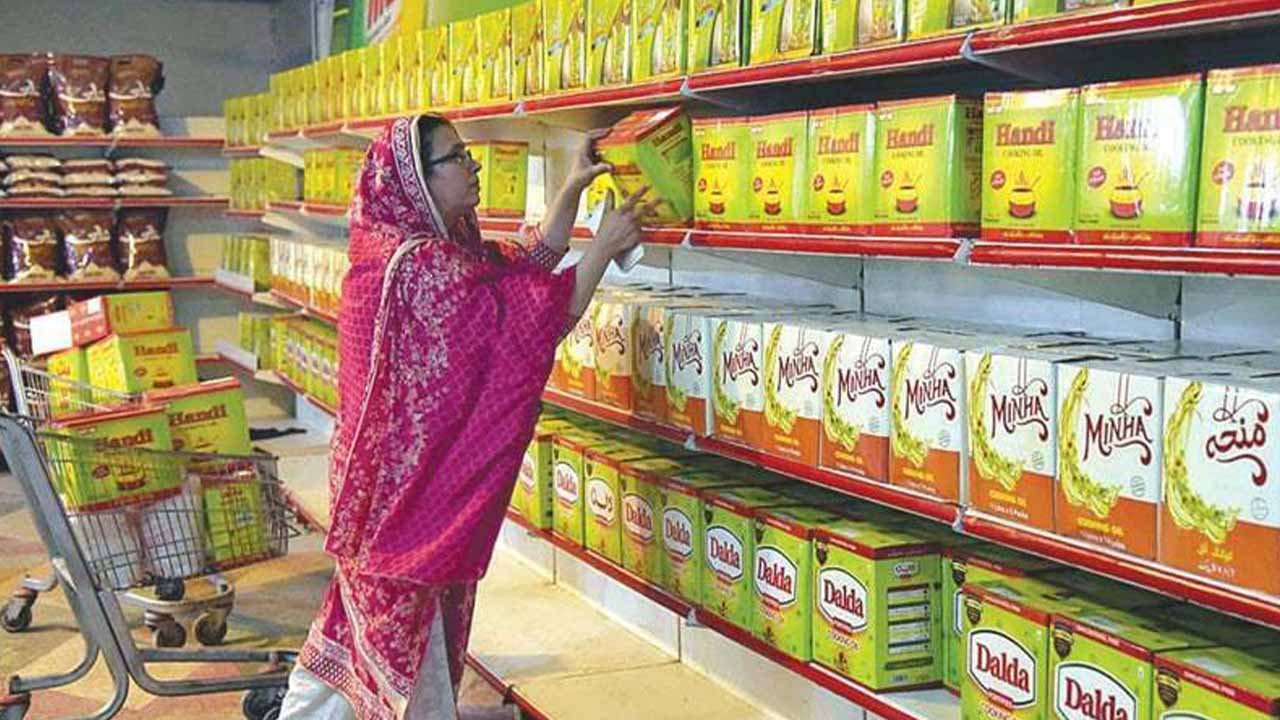
    In the latest economic developments, Pakistan has witnessed a surge in weekly inflation for the third consecutive week, marked by a notable increase in the Sensitive Price Indicator (SPI) for the Combined Group.

    The SPI for the said group witnessed a significant rise of 1.36 per cent week over week (WoW) during the week concluded on January 11, 2024.

    Adding to the economic landscape, the SPI showcased a remarkable year-over-year (YoY) increase of 44.16 per cent, comparing the current statistics with the corresponding period from the previous year.

    Last week’s SPI for the Combined Group demonstrated a WoW increase of 0.81 per cent.

    Data released by the Pakistan Bureau of Statistics (PBS) reveals that the combined index stood at 317.92 in comparison to 313.66 on January 4, 2024.

    Notably, this index was recorded at 220.53 a year ago, specifically on January 12, 2023.

    Among the 51 items analysed, 21 experienced an increase in average prices, while prices for 8 items decreased, and 22 items remained stable.

    The noteworthy price hikes during the week were observed in tomatoes (15.63 per cent), onions (8.94 per cent), chicken (6.42 per cent), electricity charges for Q1 (5.11 per cent), and eggs (4.31 per cent).

    Conversely, significant decreases were noted in the prices of potatoes (5.92 per cent), vegetable ghee (1 KG) (0.84 per cent), sugar (0.43 per cent), vegetable ghee (2.5 KG) (0.29 per cent), and mustard oil (0.26 per cent).

    The weekly SPI percentage change, when categorised by income groups, indicated a uniform increase ranging between 1.2 per cent and 1.34 per cent across all quantiles. The lowest-income group experienced a 1.2 per cent rise, while the highest-income group recorded a 1.34 per cent increase.

    On a yearly basis, the analysis of SPI change across various income segments revealed an overall increase ranging from 36.06 per cent to 47.48 per cent.

    The lowest-income group witnessed a yearly rise of 36.06 per cent, whereas the highest-income group recorded a significant increase of 42.71 per cent.