Tag: economic challenges

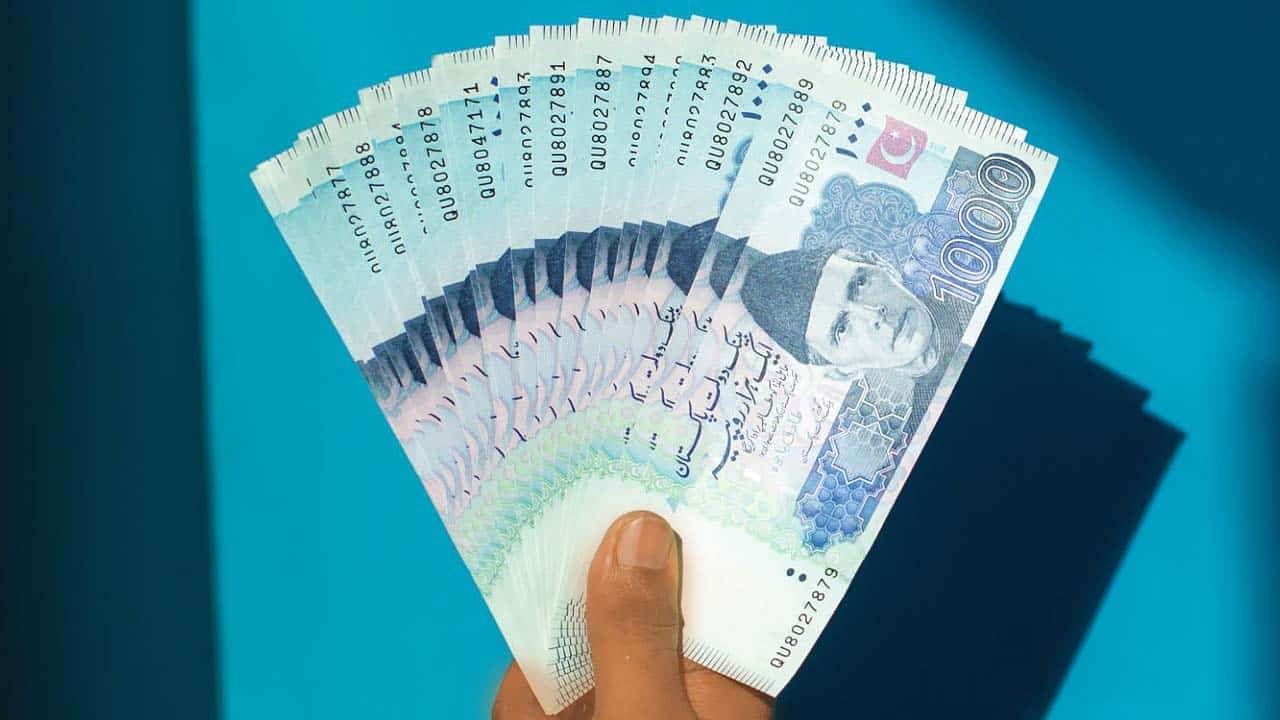
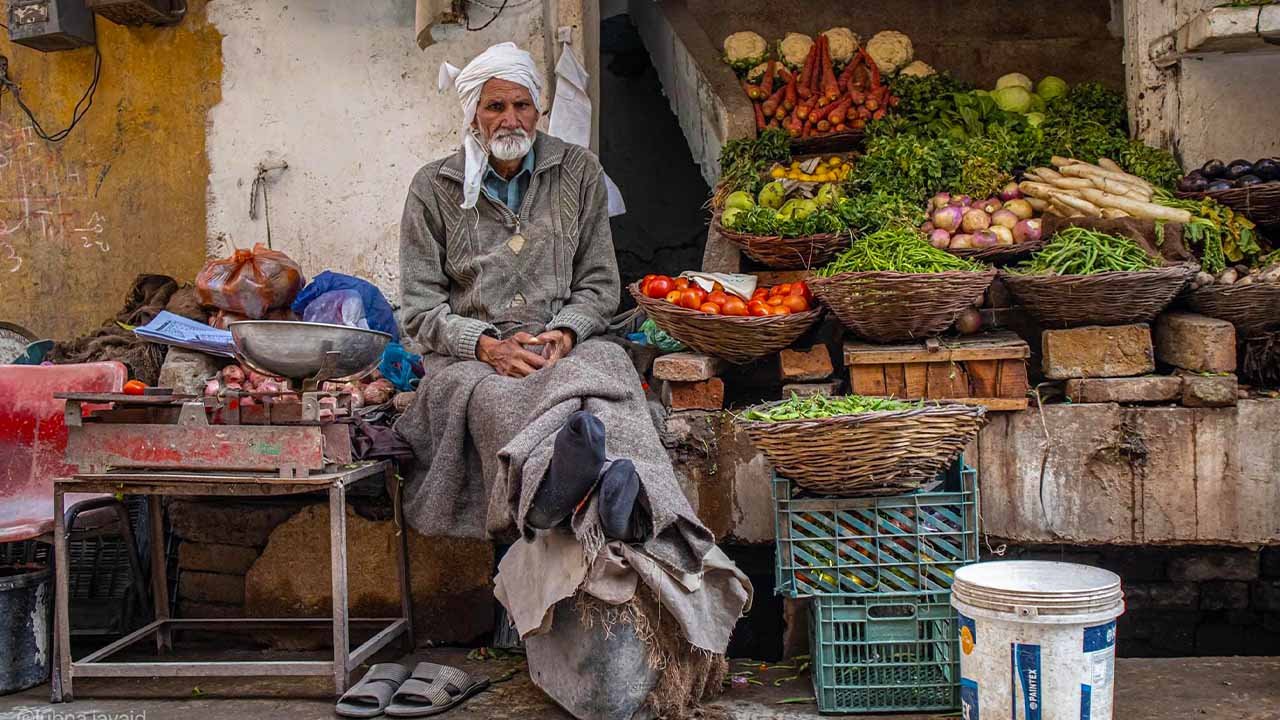
  • Weekly inflation in Pakistan remains above 40% for sixth consecutive week

    Weekly inflation in Pakistan remains above 40% for sixth consecutive week

    In the week concluding on December 21, weekly inflation exhibited a marginal easing but persisted above 40 per cent for the sixth consecutive week. 

    Official data released for this week highlighted heightened consumer costs for eggs, firewood, and pulses. 

    The Pakistan Bureau of Statistics (PBS) revealed a 0.51 per cent decline in the Sensitive Price Indicator (SPI) from the previous week, attributed to lower prices of potatoes, petrol, diesel, tomatoes, and sugar.

    Despite this reduction, the SPI inflation rate remained notably high at 43.16 per cent, surpassing last year’s figure of 42.68 per cent for the same week. 

    This elevated inflation has adversely impacted the purchasing power of consumers, particularly those in lower and middle-income brackets. 

    The decline in SPI was driven by significant drops in the prices of potatoes (13.17 per cent), petrol (4.97 per cent), diesel (4.68 per cent), tomatoes (3.45 per cent), sugar (1.16 per cent), and other essential items.

    Conversely, considerable increases were observed in the prices of eggs (10.4 per cent), firewood (1.23 per cent), onions (1.19 per cent), and various pulses. 

    Out of the 51 essential items in the SPI, 35.29 per cent experienced price increases, 17.65 per cent saw decreases, and 47.06 per cent remained stable during the week.

    ConsumeRsin the lowest income bracket, earning up to Rs17,732 per month, faced a substantial SPI inflation rate of 35.13 per cent. 

    Meanwhile, the higher-income group, spending more than Rs44,175 per month, encountered an even higher SPI inflation rate of 40.93 per cent. 

    The middle quintile, ranging from Rs22,889 to Rs29,517, experienced a weekly inflation rate of 46.46 per cent.

    Various consumer goods displayed a mix of price increases, decreases, and stability, as indicated by the latest PBS data. 

    Notably, the price of a dozen eggs rose by 10.42 per cent, reaching Rs388.7, while firewood’s 40kg bundle increased by 1.23 per cent, totaling Rs1146. 

    Onion prices rose by 1.2 per cent, and various pulses witnessed increases.

    In contrast, potato prices per kilogramme dropped significantly by 13.17 per cent, reaching Rs76.8/kg, and petrol recorded a decrease of 4.97 per cent per litre, settling at Rs268.41. Hi-Speed Diesel also saw a decline of 4.68 per cent, reaching Rs277.29 per litre. 

    Tomatoes and refined sugar experienced decreases of 3.45 per cent and 1.16 per cent, respectively.

    Several essential commodities, including bread, beef, mutton, and various household items, maintained stable prices during the week with no significant fluctuations.

  • World Bank greenlights $350 million for Pakistan’s fiscal reforms

    World Bank greenlights $350 million for Pakistan’s fiscal reforms

    The Board of Executive Directors of the World Bank gave its approval on Wednesday for a financing package of $350 million to support Pakistan’s fiscal and competitiveness reforms.

    This funding is allocated for the Second Resilient Institutions for Sustainable Economy (RISE-II) Operation, with the primary goal of strengthening fiscal management and promoting competitiveness for sustainable and inclusive economic growth, according to a statement from the World Bank.

    Najy Benhassine, the World Bank Country Director for Pakistan, stressed the urgent need for fiscal and structural reforms in Pakistan to restore macroeconomic balance and establish the groundwork for sustainable growth.

    He highlighted that RISE-II builds upon previous phases of tax, energy, and business climate reforms, aiming to generate additional revenues, improve expenditure targeting, and stimulate competition and investment.

    The RISE-II Operation is designed to enhance fiscal management by improving fiscal policy coordination, increasing debt transparency and management, strengthening property taxation, and enhancing the financial viability of the power sector.

    Additionally, the operation seeks to boost growth and competitiveness by reducing the cost of tax compliance, improving financial sector transparency, promoting digital payments, and facilitating exports through reduced import tariffs.

    Derek H. C. Chen, Task Team Leader of the operation, emphasised the crucial opportunity for Pakistan to address long-standing structural distortions in its economy after the upcoming general elections.

    Failing to seize this opportunity, he warned, could lead the country back into stop-and-go economic cycles.

    Recently, the World Bank projected a decrease in remittance flows to Pakistan, estimating a decline to $24 billion in 2023 and a further drop below $22 billion with a 10 per cent decline in 2024.

    The report attributed this trend to growing economic turmoil, a balance of payment crisis, and high debt, resulting in a loss of public confidence and a shift of remittances from formal to informal channels.

    Addressing Pakistan’s economic challenges, Martin Raiser, the World Bank’s Regional Vice President for South Asia, noted difficult situations, floods, and climate change.

    He highlighted that the country is trapped in a low-growth scenario with poor human development outcomes and increasing poverty. Raiser urged Pakistan to make crucial decisions for a brighter future, emphasising the need for difficult but necessary steps.

    In its October report, ‘South Asia Development Update Towards faster, cleaner growth,’ the World Bank projected positive growth for Pakistan in fiscal years 2023–24, albeit at a modest rate of 1.7 per cent.

    The report underscored the country’s dependence on capital inflows to finance substantial fiscal and current account deficits.

  • Govt implements measures to control onion prices amidst rising inflation

    The interim federal government has reportedly chosen to implement restrictions on onion exports due to the persistent surge in prices, as revealed by sources on Sunday. 

    According to detailed information, the government has introduced advance payments to discourage onion exports and has established a minimum export price. 

    These measures are aimed at preventing an anticipated shortage of onions and curbing further increases in prices.

    In light of escalating inflation, Pakistan witnessed a short-term inflation spike of 43.16 per cent in the week ending December 14, primarily driven by increased costs of pulses, rice, and vegetables. 

    The weekly inflation has now surpassed 41 per cent for the fifth consecutive week, influenced by elevated gas prices and electricity tariffs compared to the previous year.

  • Pakistan repays $5.4 billion of $24.6 billion external debt

    Pakistan repays $5.4 billion of $24.6 billion external debt

    The State Bank of Pakistan (SBP) governor revealed that Pakistan’s external debt obligations for Fiscal Year 2024 are $24.6 billion, as stated during the post-Monetary Policy Committee (MPC) meeting on Tuesday.

    Breaking down the figures, the principal amount is $20.7 billion, with an additional $3.9 billion accounting for interest.

    Notably, a total of $5.4 billion has already been repaid, encompassing a $4 billion principal payment and a $1.4 billion interest payment.

    As a result, the outstanding debt now stands at $19.2 billion, with plans to rollover $12.4 billion (with $9.3 billion already confirmed), according to the governor.

    This leaves a net remaining amount of $6.8 billion for the remaining seven months of the fiscal year. This comprises a $4.3 billion principal and a $2.5 billion interest payment.

    It’s crucial to note that the current foreign exchange reserves are relatively limited, standing at approximately $7 billion.

  • Pakistan’s credit rating maintained by Fitch at ‘CCC’ amidst financing challenges

    Pakistan’s credit rating maintained by Fitch at ‘CCC’ amidst financing challenges

    Fitch Ratings, a US-based credit rating agency, has maintained Pakistan’s Long-Term Foreign-Currency Issuer Default Rating (IDR) at ‘CCC,’ according to a statement released on Wednesday.

    The ‘CCC’ rating indicates significant external funding risks due to elevated medium-term financing requirements, notwithstanding some stabilisation and Pakistan’s commendable performance on its current standby arrangement (SBA) with the International Monetary Fund (IMF), as explained by Fitch.

    While anticipating scheduled elections in February and prompt negotiation for a subsequent IMF programme after the SBA concludes in March 2024, Fitch cautioned about potential delays and uncertainties regarding Pakistan’s ability to achieve this.

    Fitch emphasised the potential vulnerability of recent reforms and the prospect of renewed political volatility in the wake of the upcoming elections. Regarding the ongoing IMF programme, Fitch expressed confidence in the unproblematic approval of the recent staff-level agreement (SLA) by the IMF board.

    Fitch’s assessment highlighted the positive outcomes of the programme review, including sustained fiscal consolidation, energy price reforms despite public backlash, and strides towards adopting a more market-driven exchange rate regime.

    However, Fitch also pointed out risks associated with policy implementation, citing a historical pattern of parties across the political spectrum in Pakistan failing to implement or reversing reforms agreed upon with the IMF.

  • State Bank of Pakistan’s forex reserves decline to $7.02 billion amidst debt repayments 

    State Bank of Pakistan’s forex reserves decline to $7.02 billion amidst debt repayments 

    During the week ending December 1, 2023, the State Bank of Pakistan (SBP) witnessed a decline of $237 million in its foreign exchange reserves, bringing the total to $7,020.2 million. This reduction is attributed to debt repayments.  

    As of the same date, the country’s overall liquid foreign reserves amounted to $12.1 billion. Commercial banks held net foreign reserves totaling $5.08 billion. 

    Notably, the central bank’s reserves received a boost in July of the current year when Pakistan secured the initial tranche of approximately $1.2 billion from the International Monetary Fund (IMF).  

    This was part of a newly approved $3 billion stand-by arrangement (SBA). Additionally, inflows were received from Saudi Arabia and the UAE. 

    Despite these positive developments, the SBP’s reserves have been under pressure due to ongoing debt repayments, increased import payments following eased restrictions, and a lack of new inflows. 

    In a significant development, the IMF announced last month that a staff-level agreement (SLA) had been reached between its team and Pakistani authorities regarding the first review of the SBA.  

    However, the approval of the IMF Executive Board is required for this agreement to take effect. 

    Upon approval, approximately $700 million (SDR 528 million) will become available, bringing the total disbursements under the programme to almost $1.9 billion. 

    Addressing the media after the SLA with the IMF, Caretaker Finance Minister Dr Shamshad Akhtar expressed confidence that external financing would not be a concern.  

    The government anticipates inflows in December 2023, which are expected to contribute to an increase in foreign exchange reserves. 

  • Pakistan’s inflation soars to 29.2% in November, exceeding October figures

    Pakistan’s inflation soars to 29.2% in November, exceeding October figures

    In November, Pakistan’s headline inflation surged to 29.2 per cent year-on-year, as reported by the Pakistan Bureau of Statistics, surpassing the October figure of 26.9 per cent. 

    On a monthly basis, there was a 2.7 per cent increase. The average inflation for July-November reached 28.62 per cent, up from 25.14 per cent in the same period the previous year.

    CPI inflation in urban areas rose to 30.44 per cent in November 2023, compared to 25.5 per cent in the previous month and 21.6 per cent in November 2022. On a monthly basis, it increased to 4.34 per cent, reflecting a substantial jump from the previous month and November 2022.

    Conversely, rural CPI inflation stood at 27.53 per cent year-on-year in November 2023, showing a slight decrease from the previous month but an increase from November 2022.

    Anticipated by several brokerage houses, the November inflation spike, driven partly by a rise in gas tariffs, aligns with predictions. 

    JS Global and Arif Habib Limited had forecasted CPI-based inflation to be around 28.26 per cent and 28.2 per cent, respectively.

    Beyond inflation, Pakistan faces economic challenges. A recent staff-level agreement with the IMF, subject to board approval in December, will provide access to SDR 528 million. The International Monetary Fund (IMF) expects inflation to decrease in the coming months due to improved supply conditions.

    Despite maintaining a key policy rate of 22 per cent, the State Bank of Pakistan projects a downward trajectory for inflation, citing fiscal consolidation, commodity availability, and exchange rate alignment as offsetting factors against risks like global oil price volatility and increased gas tariffs.

    Caretaker Finance Minister Dr Shamshad Akhtar expressed optimism about gradual inflation reduction, attributing it to improved financial management. The government believes effective policies will contribute to an overall improvement in economic conditions.

  • SBP data reveals 23.5% YoY decline in auto loans

    SBP data reveals 23.5% YoY decline in auto loans

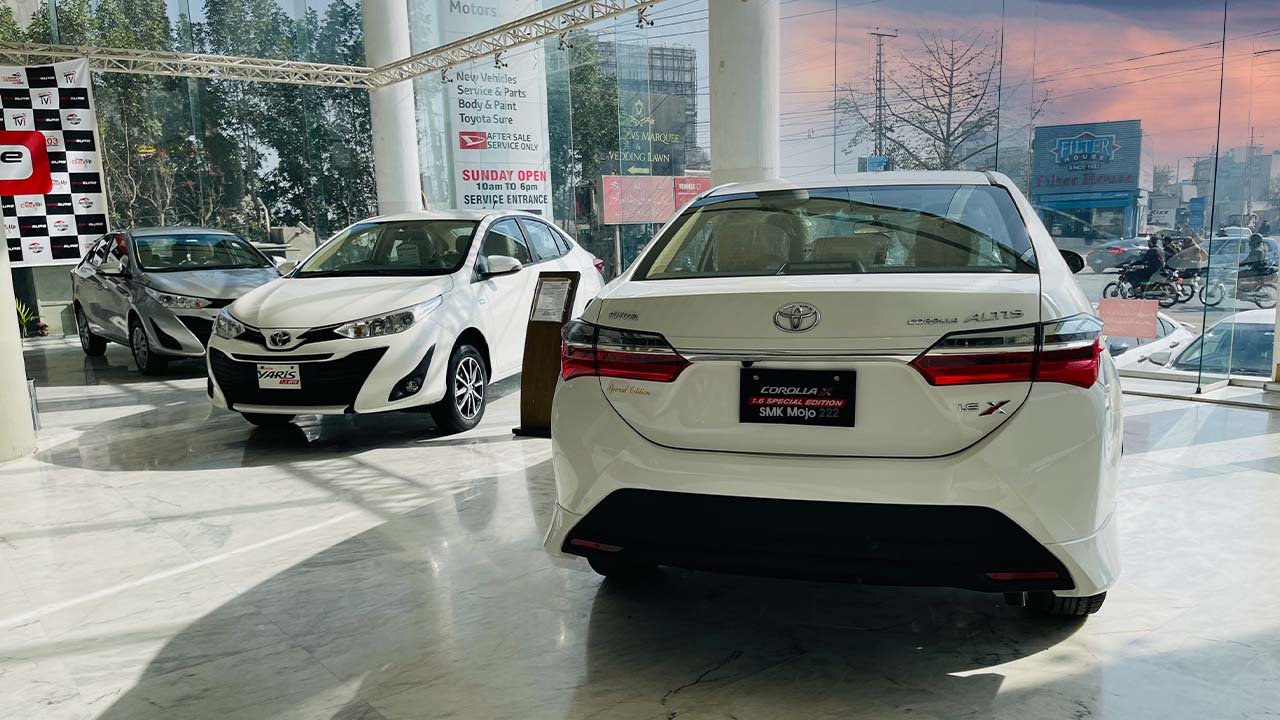
    In October, auto loans faced a decline for the 16th consecutive month due to high interest rates and inflation, as per data released by the State Bank of Pakistan (SBP).

    According to the SBP, auto loans witnessed a year-on-year drop of 23.5 per cent, amounting to Rs264 billion, and a month-on-month decrease of 3 per cent, down from Rs272 billion in September.

    While auto loans had peaked at Rs368 billion in June 2022, a subsequent decrease of Rs104 billion, or 28 per cent, occurred. This decline followed the SBP’s implementation of tighter monetary policies to address inflation and external imbalances.

    Financial analysts attribute this trend to the SBP’s measures, including elevated interest rates and the rupee’s significant depreciation against the dollar.

    These factors have led to increased costs in car financing and higher car prices, rendering them unaffordable for many consumers. The surge in inflation has further diminished consumer purchasing power.

    An analyst stated, “The auto sector bears the brunt of high interest rates and currency devaluation, rendering car financing and prices prohibitively expensive.”

    Despite recent price reductions by some car manufacturers, the anticipated boost in demand has not materialized. Consumers continue to grapple with high inflation and limited disposable income.

    Data from the Pakistan Automotive Manufacturers Association (PAMA) reveals a 44 per cent decline in car sales, totaling 27,163 units in the first four months of the current fiscal year, commencing in July.

    The SBP has aggressively increased its policy rate by a cumulative 15 percentage points to 22 per cent since September 2021, marking one of the world’s highest rates.

    Speculation suggests that the SBP will initiate a monetary policy easing in the first half of 2024, anticipating a relief in inflationary pressures and an improvement in foreign inflows to enhance the country’s external position.

    SBP data indicates a 0.8 per cent decrease in bank loans to the private sector, amounting to Rs8.10 trillion in October.

    Consumer loans, including an 8 per cent drop to Rs829 billion, witnessed personal loans declining by 4 per cent to Rs246 billion and housing loans falling by 2.7 per cent to Rs207 billion.

    Analysts predict an upswing in credit to the private sector in the coming months, as decreasing interest rates, fiscal consolidation, reducing crowding out, and improved foreign inflows are expected to alleviate liquidity constraints.

  • Here’s why KIA Pakistan is teasing ‘Yasir and Alvin’ 

    Here’s why KIA Pakistan is teasing ‘Yasir and Alvin’ 

    KIA Motors Pakistan recently stirred curiosity on social media by mentioning “Yasir and Alvin” in a post, leaving some oblivious while surprising others.  

    Clarifying the mystery, KIA Lucky Motor Corporation is hinting at the introduction of a sedan resembling the Toyota Yaris and Changan Alsvin.  

    This serves as a clear indication of the automaker’s intent to enter this segment. The upcoming car is expected to match the size of the Toyota Yaris and Changan Alsvin, eliminating the possibility of it being an entirely different model.  

    This move suggests that, for the time being, the Corolla and Civic segments remain unthreatened by a new entrant.  

    While the brand has not disclosed the car’s details or its name, it is apparent that a new vehicle is on the verge of being launched. 

    Considering the current economic challenges in Pakistan, with soaring car prices, launching a new vehicle seems like a risky decision.  

    The nation is already grappling with high petrol costs and escalating inflation, making the timing of this introduction noteworthy. 

  • Pakistan’s debt burden surges by Rs14,506 billion in one year

    Pakistan’s debt burden surges by Rs14,506 billion in one year

    Pakistan’s international debt burden has continued its ascent, soaring to a staggering Rs63,966 billion as of the conclusion of August 2023.

    In a recent briefing session focused on the nation’s debt situation, it was disclosed that foreign debt had surged to $24,174 billion by the end of August, while local debt had concurrently reached Rs39,791 billion.

    The data presented during the briefing demonstrated a substantial increase of Rs14,506 billion in total loans over the past year. 

    It’s worth noting that in August 2022, the loan volume was a more modest Rs49,571 billion. During that period, the foreign debt stood at $18 trillion, and the local debt was at Rs32,152 billion.

    Prior to this development, the International Monetary Fund (IMF) had demanded a tax collection plan of Rs6,670 billion from Pakistan by June 2024. 

    An IMF review mission arrived in Pakistan to assess the country’s economic performance during the initial three months of the current fiscal year, spanning from July to September.

    The IMF has insisted on a comprehensive tax collection report from all sectors as part of its projection report. 

    Negotiations for the next $700 million tranche commenced on Thursday.

    According to ARY News, reports indicate that the IMF team has emphasised the importance of the Federal Board of Revenue (FBR) achieving its tax collection revenue targets without any shortfall.

     Furthermore, the IMF team has called for a report from the FBR on the progress of tax cases pending in court.

    The FBR has shared details of one million new taxpayers added to the tax net with the IMF team, and the IMF has requested specific data on tax collection from various sectors.